
You've seen it happen. Your dog walks in circles, again and again, before finally flopping down for a nap. It looks odd. Maybe even a little funny.
But here's the thing. This behavior is completely normal for most dogs.
I've broken this down into simple, clear explanations so you don't have to search through confusing articles.
You'll learn why dogs circle before lying down, what's behind the instinct, and most importantly, when to relax about it and when to check with your vet.
Let's get into it.
The Main Reason – It's an Ancient Instinct
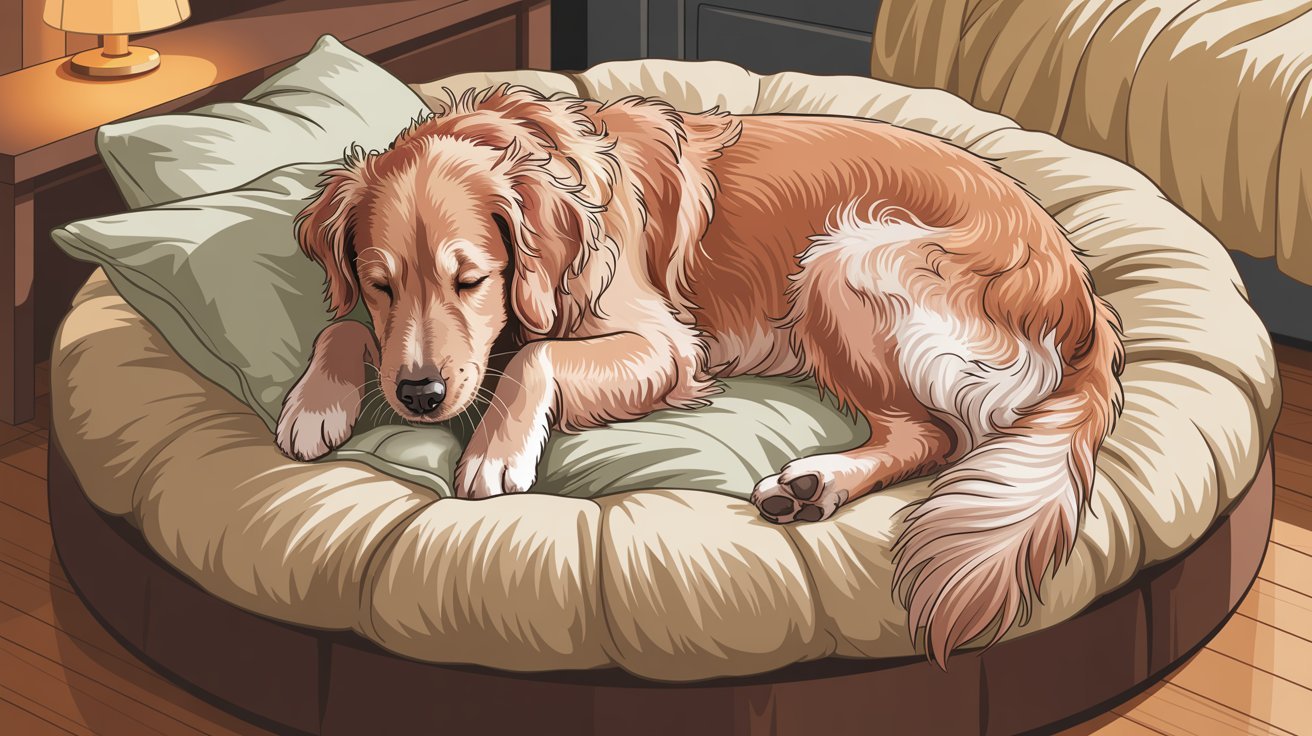
Your dog's bedtime spin goes back thousands of years. Dogs descended from wolves and wild canines, and this behavior has been passed down through generations.
In the wild, animals circled a spot before lying down to check for danger. Predators, insects, snakes. Anything that could cause harm while they slept.
It also helped them feel secure before settling down. Your dog no longer sleeps in the wild. But that old instinct is still very much alive.
Dogs Are "Making a Bed" (Nest-Building Behavior)
Dogs circle to shape their spot into something comfortable before lying down.
Flattening and Shaping Their Sleeping Area
Dogs naturally try to make their spot more comfortable before lying down. Circling helps them press down grass, blankets, or bedding into a shape that feels right for their body.
It is their version of fluffing a pillow.
Removing Discomfort From the Area
In the wild, dogs would push away rocks, sticks, or uneven ground before resting. Even pet dogs still follow this instinct indoors.
Your dog may be sleeping on a soft bed, but the habit remains. They are simply doing what feels natural to them.
Comfort and Temperature Control
Dogs circle to find the right position and manage their body temperature before settling down.
Getting the Perfect Sleeping Position
Dogs circle to find the most comfortable angle before lying down. It is not so different from how humans adjust pillows or pull blankets around before falling asleep.
They are simply getting things just right.
Staying Warm or Cool
Temperature plays a big role too. In colder conditions, dogs curl up tightly to hold in body heat. In warmer conditions, they stretch out to let heat escape.
Circling helps them figure out which position works best for the moment.
A Natural Relaxation Routine
Circling is how dogs signal to their brain that sleep time has arrived.
The repetitive movement of circling helps dogs wind down before rest. It calms their body and tells their brain it is time to switch off.
Think of it like a bedtime routine. Humans brush teeth, read a book, or dim the lights. Dogs circle.
It is a simple habit that prepares them mentally and physically for sleep. Nothing complicated. Just their natural way of settling in.
When Circling Might Mean Something Else
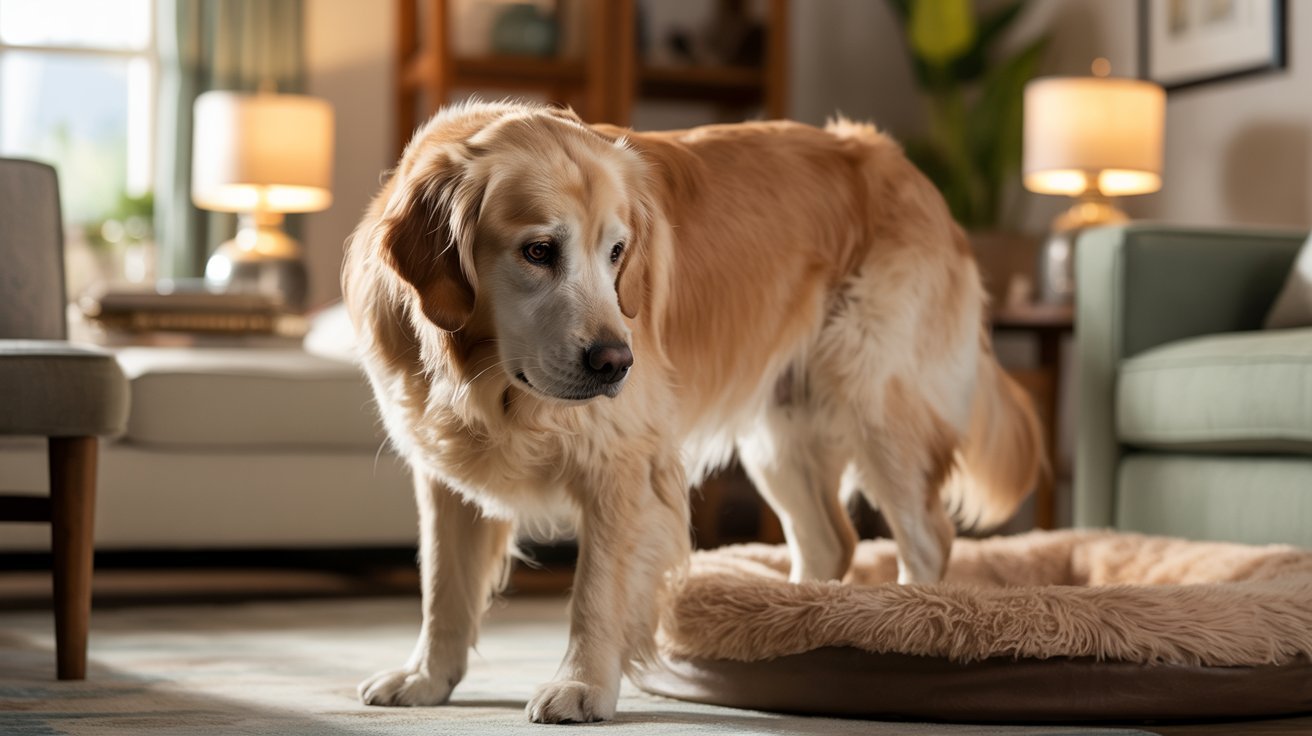
Not all circling is instinct. Sometimes it can be a sign that something is off.
Normal vs Excessive Circling
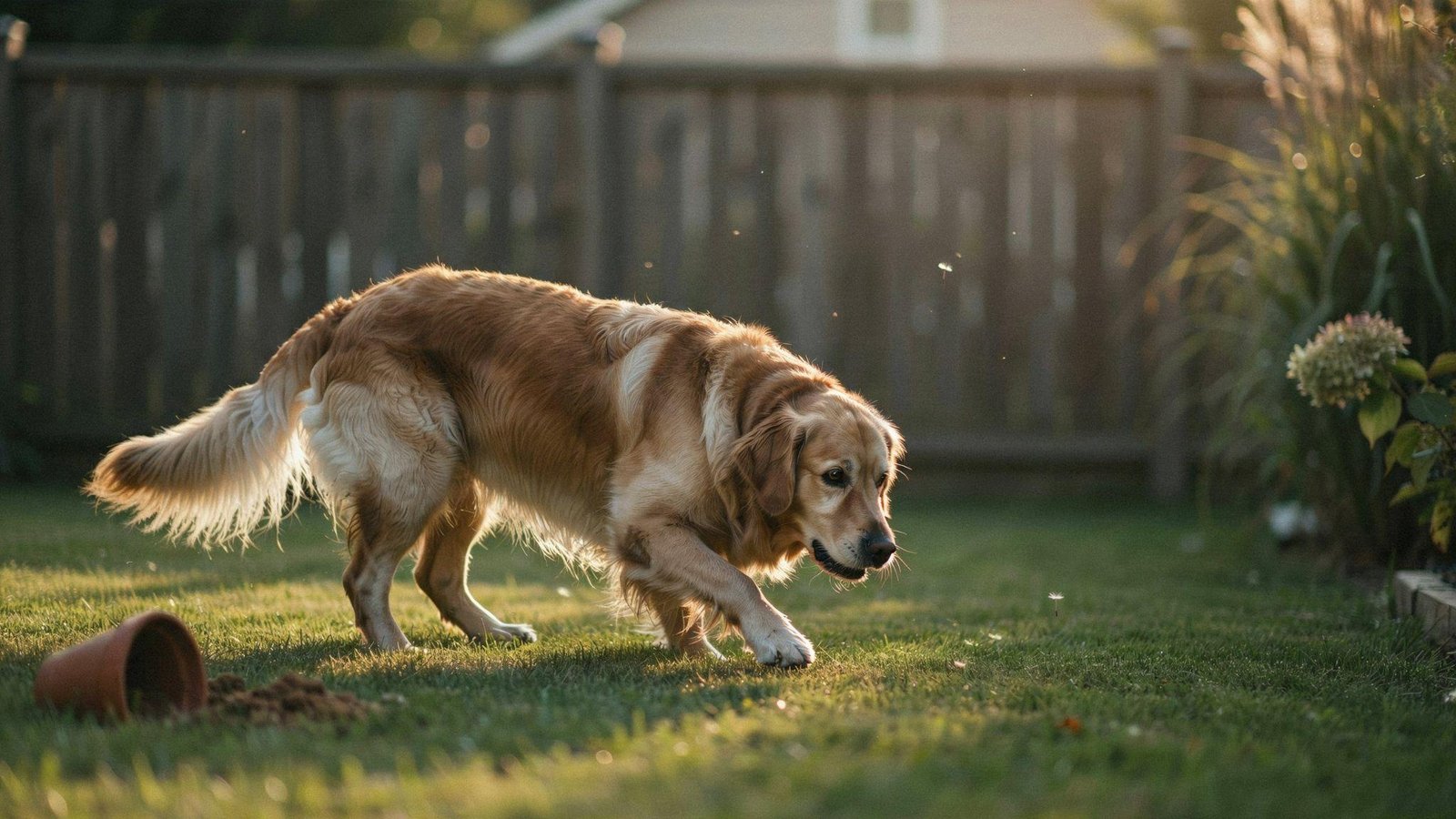
A few turns before lying down is completely normal. Most dogs do it. But if your dog is circling repeatedly, frantically, or for a long time without settling, that is worth paying attention to.
The difference is in the pattern. Calm and brief is fine. Restless and prolonged is not.
Possible Health Issues
Excessive circling can sometimes point to a health concern. Arthritis or joint pain can make it hard for a dog to get comfortable.
Neurological conditions, especially in older dogs, can cause confusion and repeated circling. Cognitive decline is also more common in senior dogs than most people realize.
If something feels off, a vet visit is always the right call.
Signs Your Dog's Circling Is a Problem
Most circling is harmless, but these signs tell you it is time to act.
- Your dog circles many times but still cannot settle down comfortably.
- You notice limping, stiffness, or whining when they try to lie down.
- An older dog suddenly starts circling more than usual without reason.
- The spinning looks confused or aimless rather than calm and routine.
- The behavior appears out of nowhere and keeps getting worse over time.
How to Help Your Dog Sleep Better
A few small changes can make a big difference in how well your dog rests.
Give your dog a soft, supportive bed and keep the sleeping area quiet and calm. A steady bedtime routine also helps them settle faster.
If the circling becomes excessive, seems linked to pain, or looks confused and aimless, do not wait. A vet can rule out anything serious and give you clear next steps.
Conclusion
Your dog circles before lying down because of instinct and comfort. It is a behavior passed down from wild ancestors, and in most cases, it is completely harmless.
The spin before sleep is rarely something to worry about. But if the pattern changes suddenly, always check with your vet. You know your dog best.
Found this helpful? Share it with a fellow dog owner. And if you have questions about your dog's behavior, drop them in the comments below.
Frequently Asked Questions
Why do dogs circle before lying down?
It is an instinct passed down from wild ancestors. Dogs circled to check for danger and shape a comfortable sleeping spot before resting.
Is it normal for my dog to circle many times before sleeping?
A few turns before lying down is completely normal. Only worry if the circling becomes excessive, frantic, or your dog cannot settle at all.
Does circling mean my dog is uncomfortable?
Not always. Most dogs circle out of habit and instinct. But if you notice whining, stiffness, or limping alongside it, something may be causing discomfort.
Should I be concerned if my older dog suddenly starts circling more?
Yes, it is worth paying attention to. Increased circling in senior dogs can sometimes point to joint pain, neurological issues, or cognitive decline.
Can I do anything to reduce my dog's circling before sleep?
A soft, supportive bed and a calm sleeping area can help. Keeping a steady bedtime routine also helps your dog settle down faster and more comfortably.