
I spent weeks going through ingredient labels, recall databases, and pet nutrition forums so you do not have to start from scratch. What I found was eye-opening.
Some of the most popular names on store shelves have some of the worst ingredient panels. If you are picking food based on the brand name alone, you might be missing the full story.
Knowing the dog food brands to avoid can be the difference between a dog that just gets by and one that genuinely feels good every single day.
I put it all together in one honest guide. No guesswork. Just facts.
Why Choosing the Right Dog Food Matters
Dogs need quality protein, the right fats, key vitamins, and clean ingredients.
When a food falls short, signs show up fast: poor coat, low energy, loose stools, or constant scratching.
Long-term, poor food leads to weight gain, weak immunity, and joint problems. It adds up quietly.
Reading labels is not optional. Knowing what to look for helps you spot low-quality products before they become a problem.
25 Dog Food Brands Pet Owners Often Research Carefully
Being on this list does not mean a brand is automatically unsafe. It means these are dog food brands to avoid or at least research before buying.
1. Ol' Roy
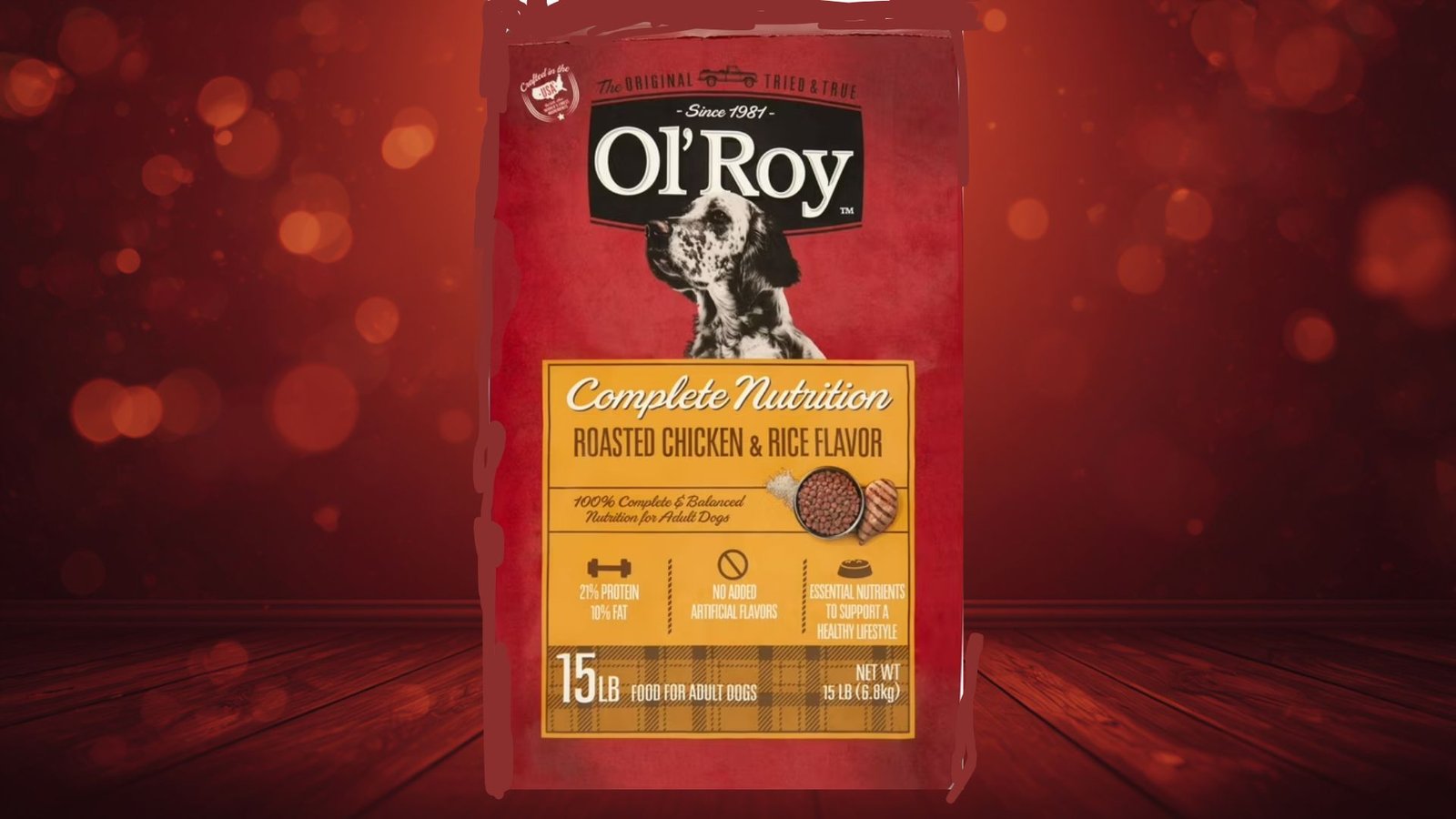
Ol' Roy is Walmart's store brand. Budget-friendly, yes. But the formulas rely heavily on fillers like corn and soy, and protein quality is low.
Many owners report visible improvements after switching away.
2. Kibbles 'n Bits
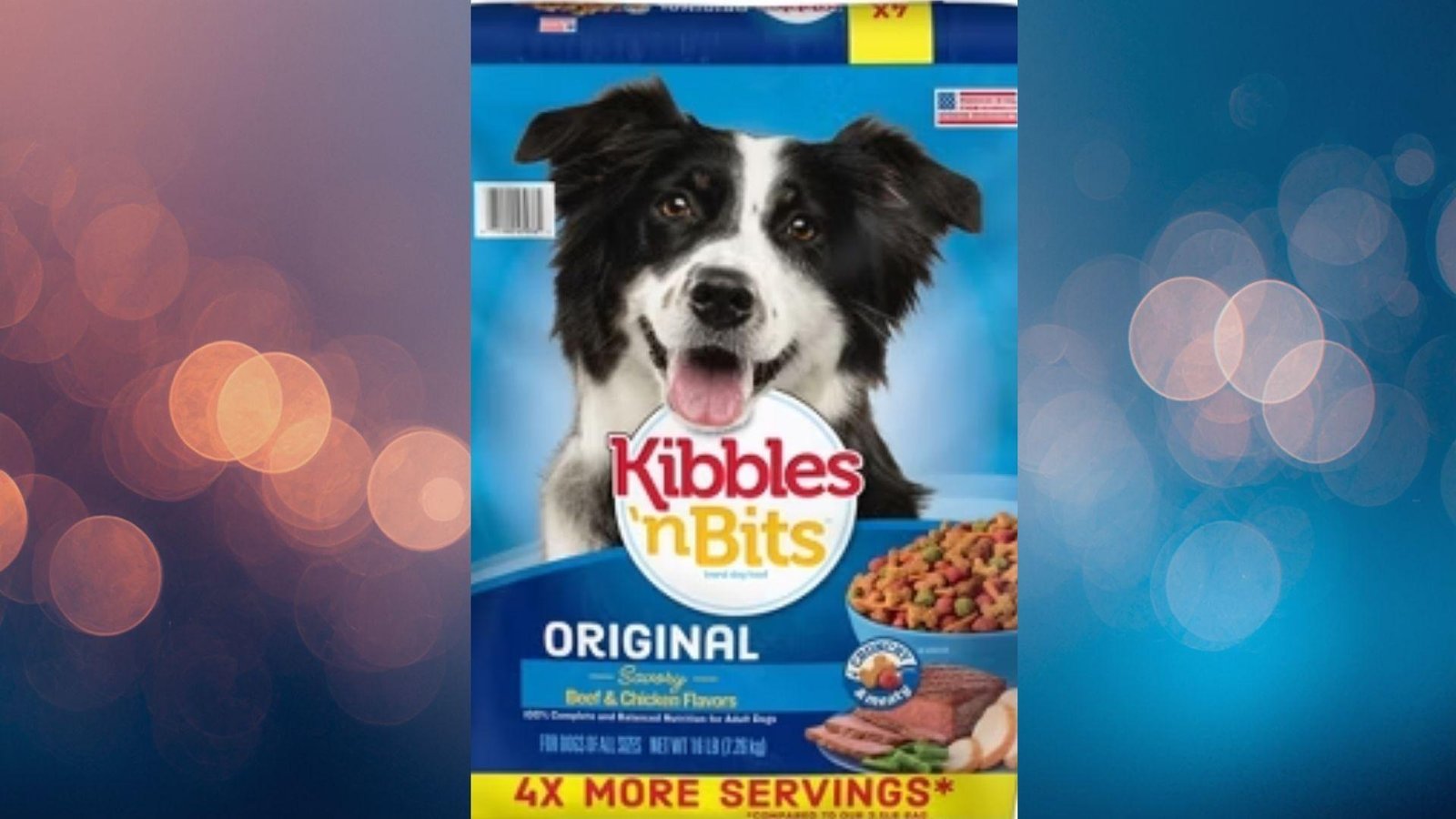
The ingredient list has not aged well. Artificial colors serve no nutritional purpose. Heavy processing reduces the value of whatever nutrients are in there.
3. Gravy Train
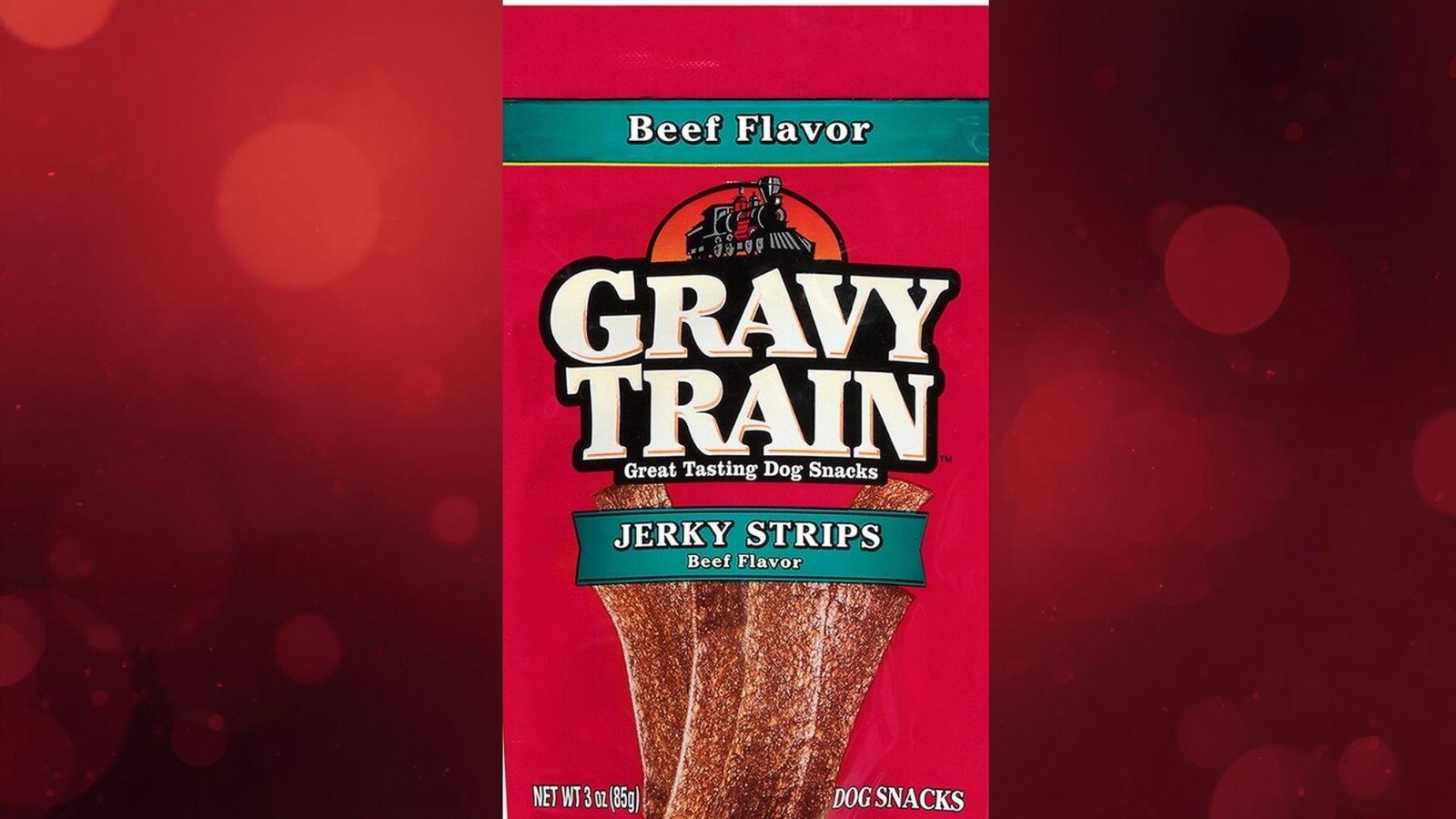
Gravy Train made headlines after pentobarbital was detected in some products. That alone landed it on many dog food brands to avoid lists.
Budget ingredients and low transparency round out the concerns.
4. Beneful
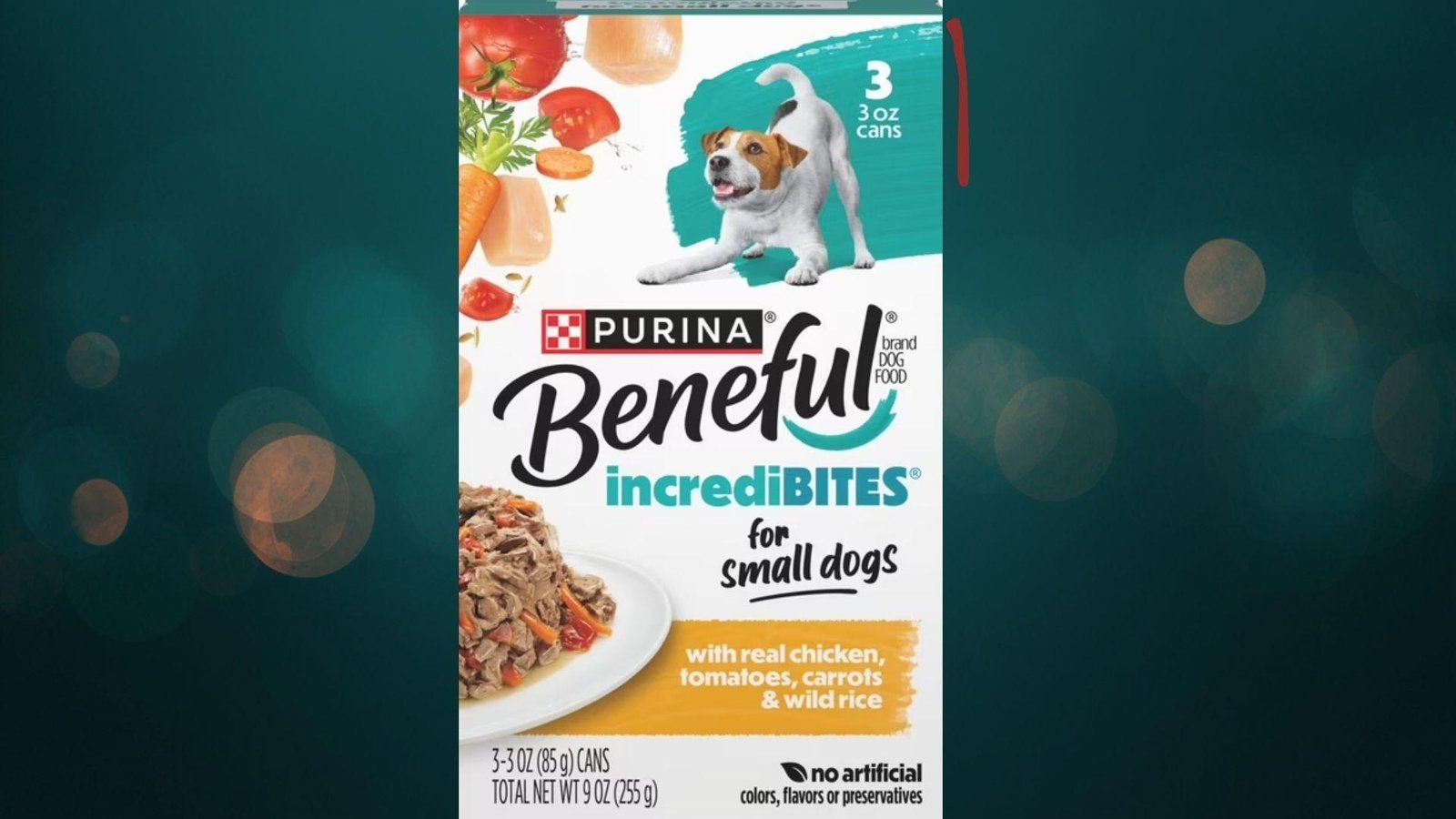
The bright, colorful kibble is made with artificial dyes your dog does not need. High grain content and filler-heavy formulas have also triggered digestive complaints from pet owners.
5. Pedigree
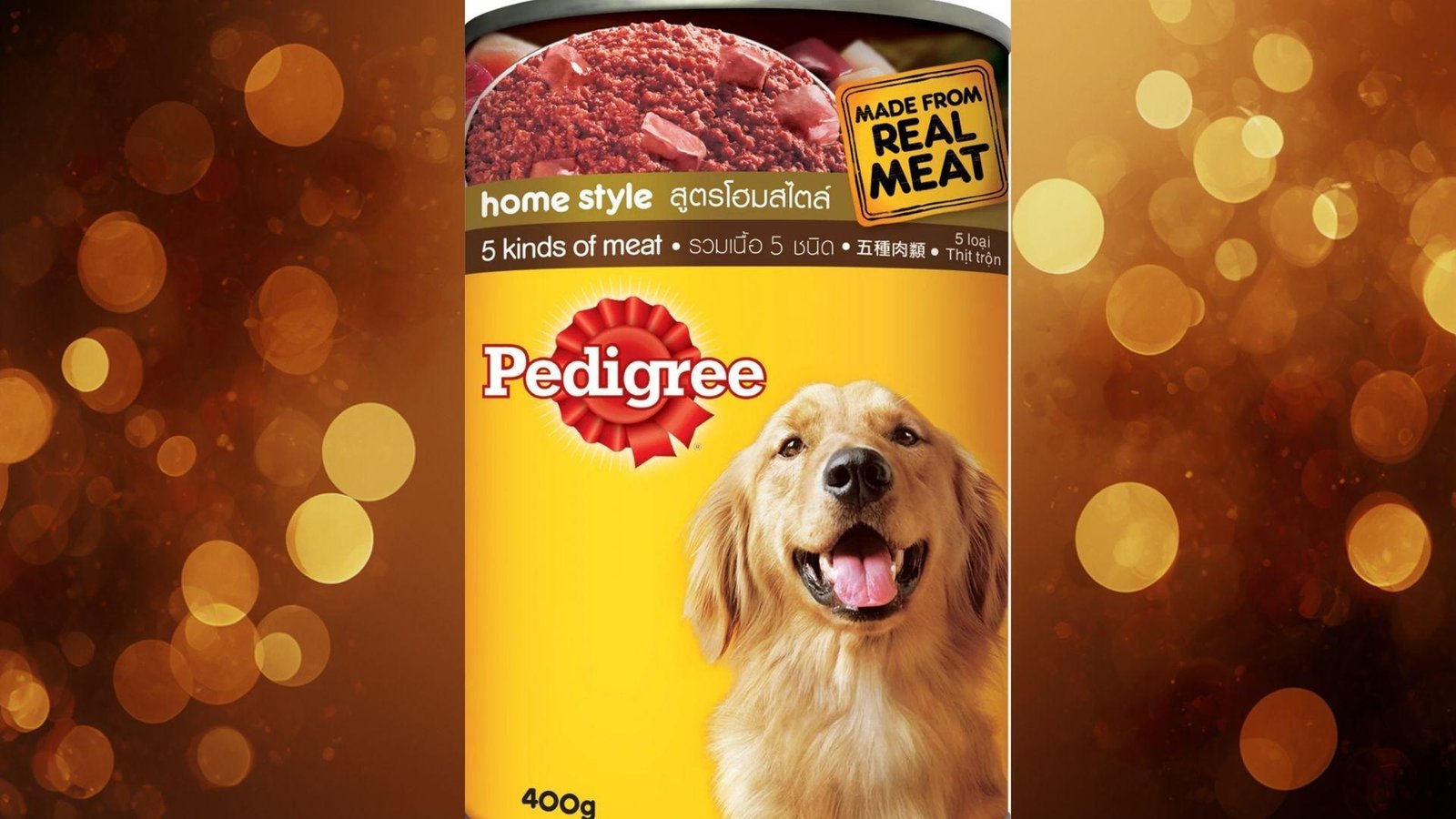
Corn often appears as the top ingredient. That is a filler, not protein. Vague labeling like "meat by-products" leaves too many questions unanswered.
6. Cesar
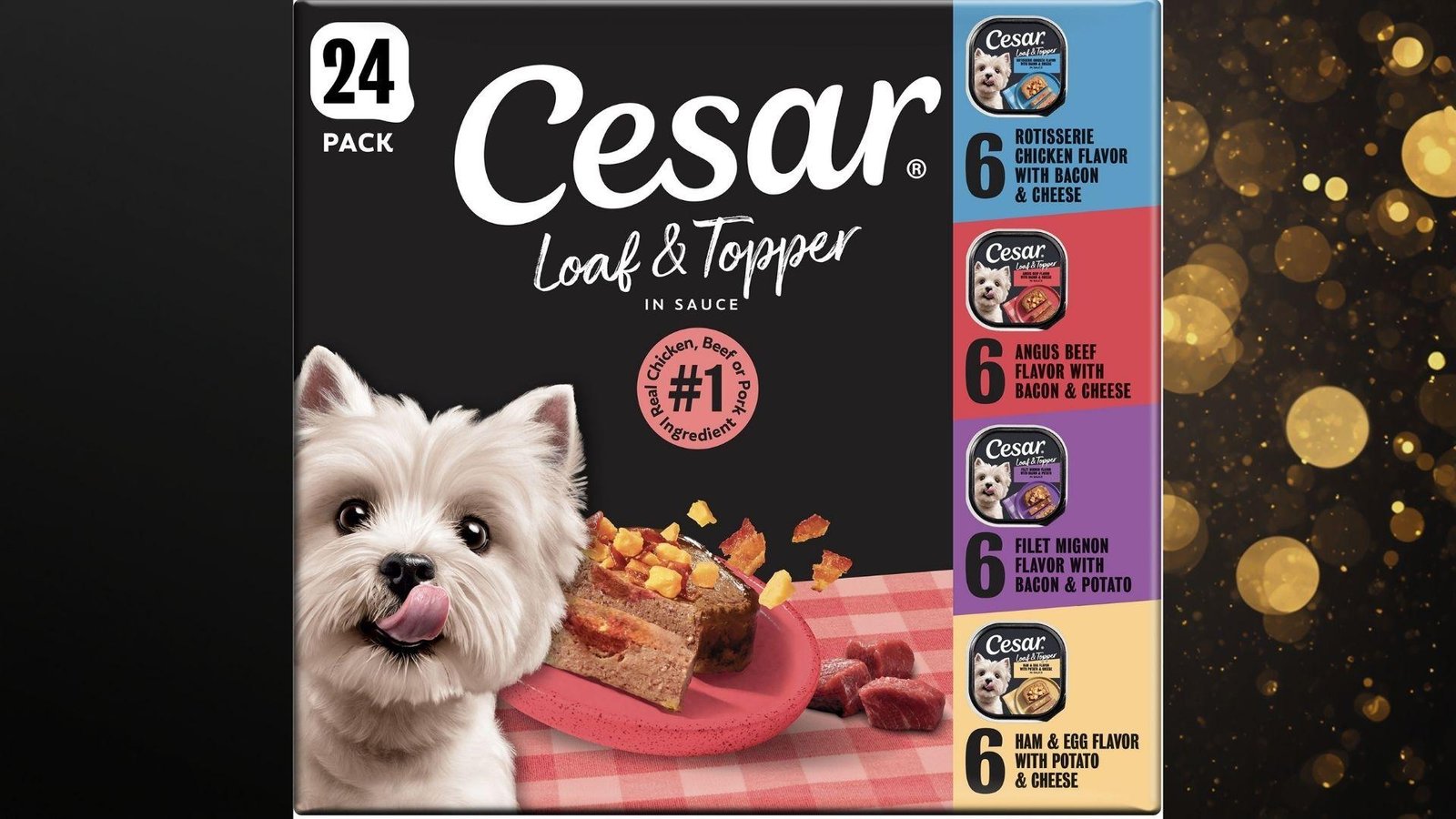
Some recipes have surprisingly high sodium levels. Over time, that can stress your dog's kidneys. Meat quality is also inconsistent across the lineup.
7. Alpo
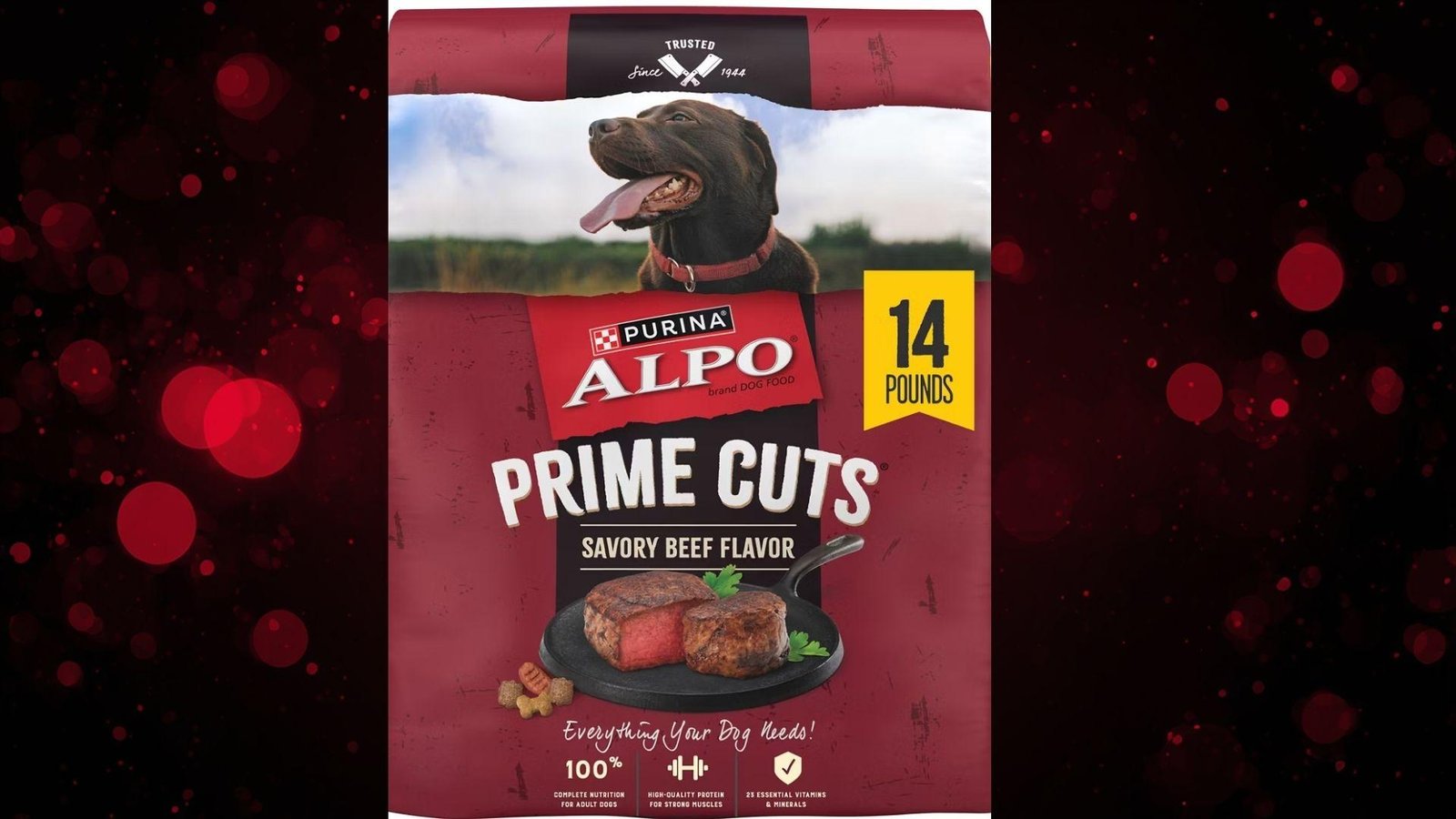
Vague by-products and artificial preservatives appear throughout the ingredient list. If clear labeling matters to you, Alpo often falls short.
8. IAMS ProActive Health
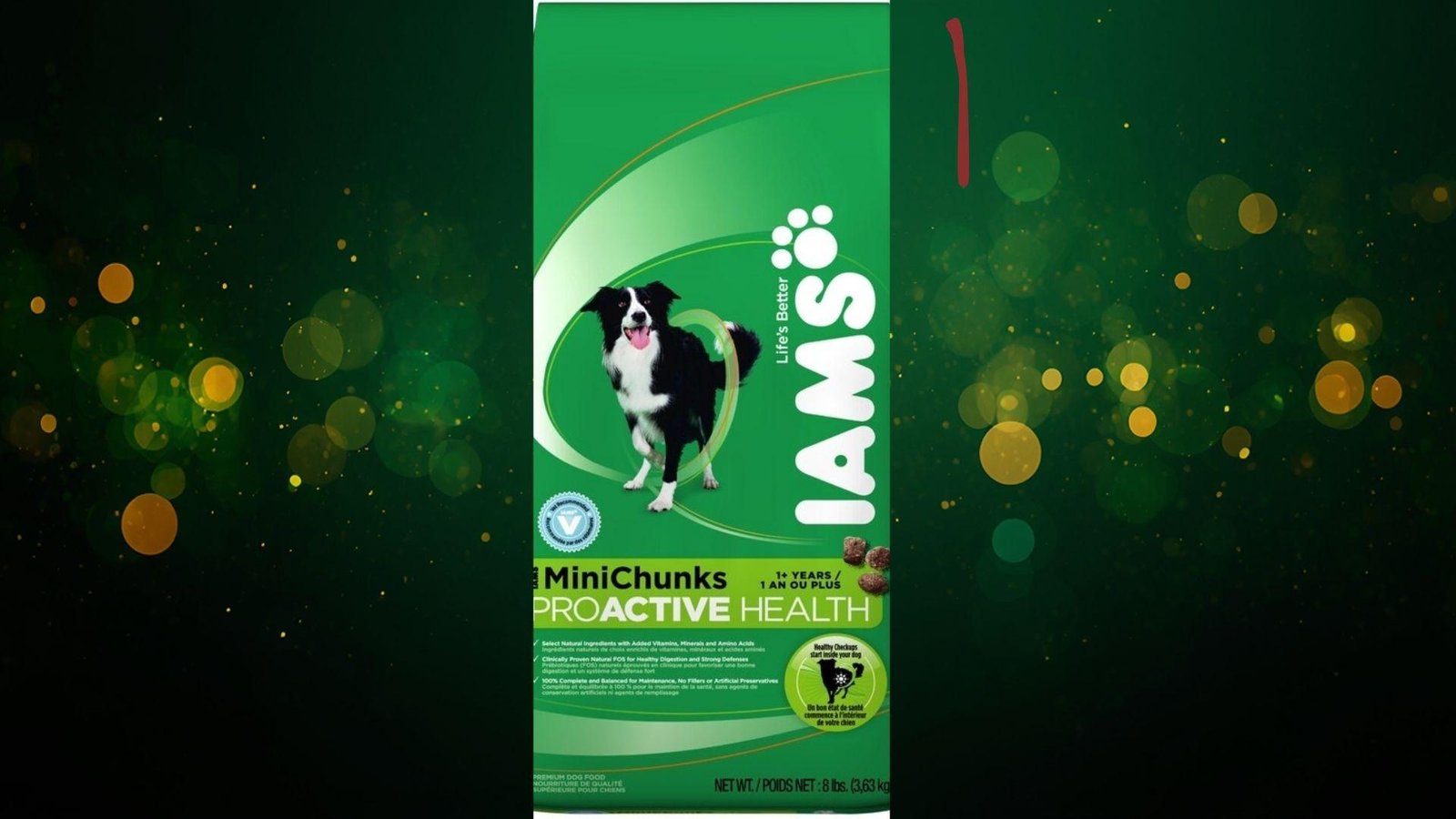
Grain-heavy formulas dominate this line. Not ideal for dogs with sensitivities. Some vets recommend it, but many pet owners have moved on after noticing filler-related concerns.
9. Purina Dog Chow
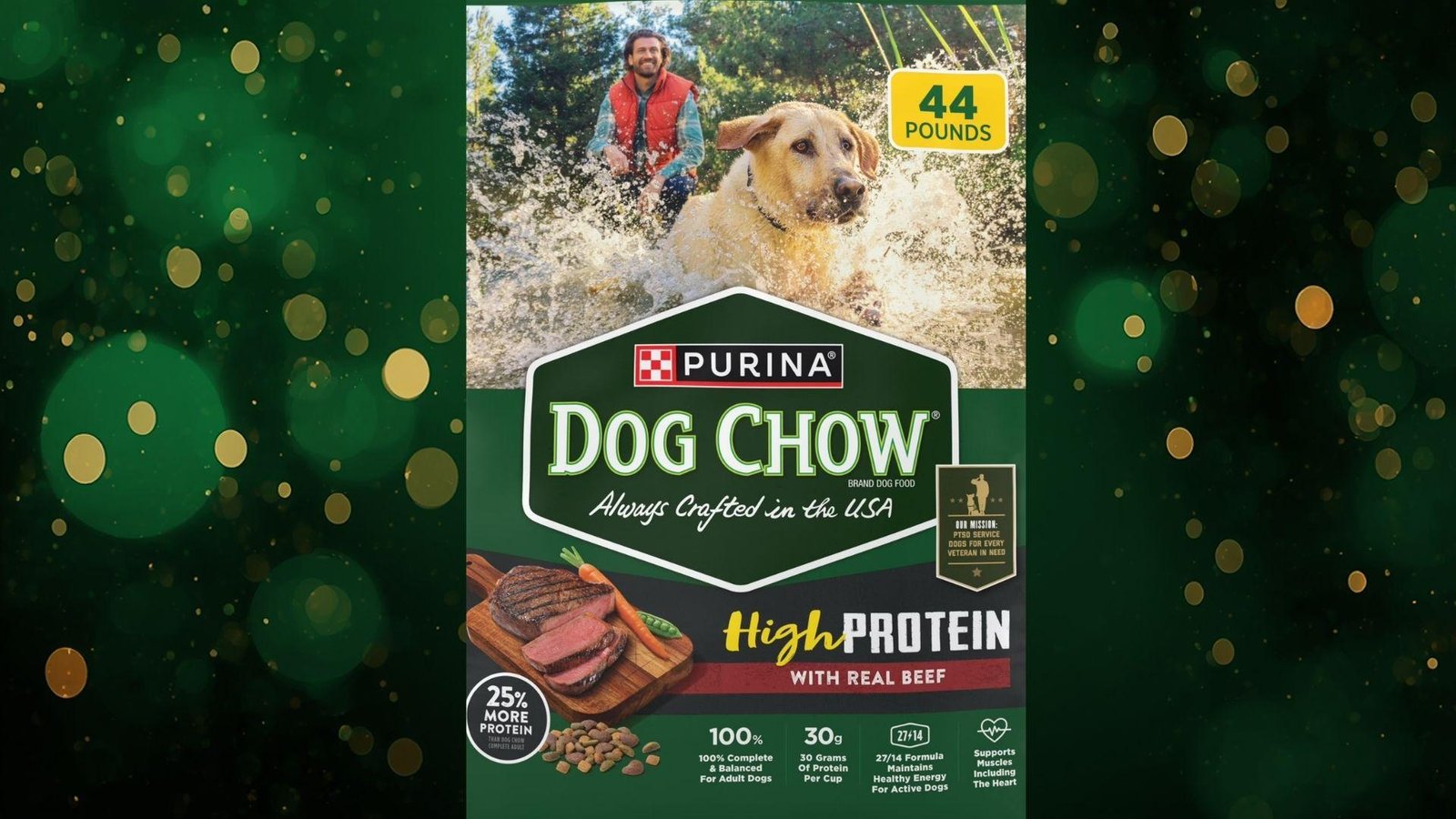
Dog Chow sits at the budget end of Purina's range. Artificial ingredients and unnamed fillers are common. If you want Purina, Pro Plan is a significantly better choice.
10. Sportmix
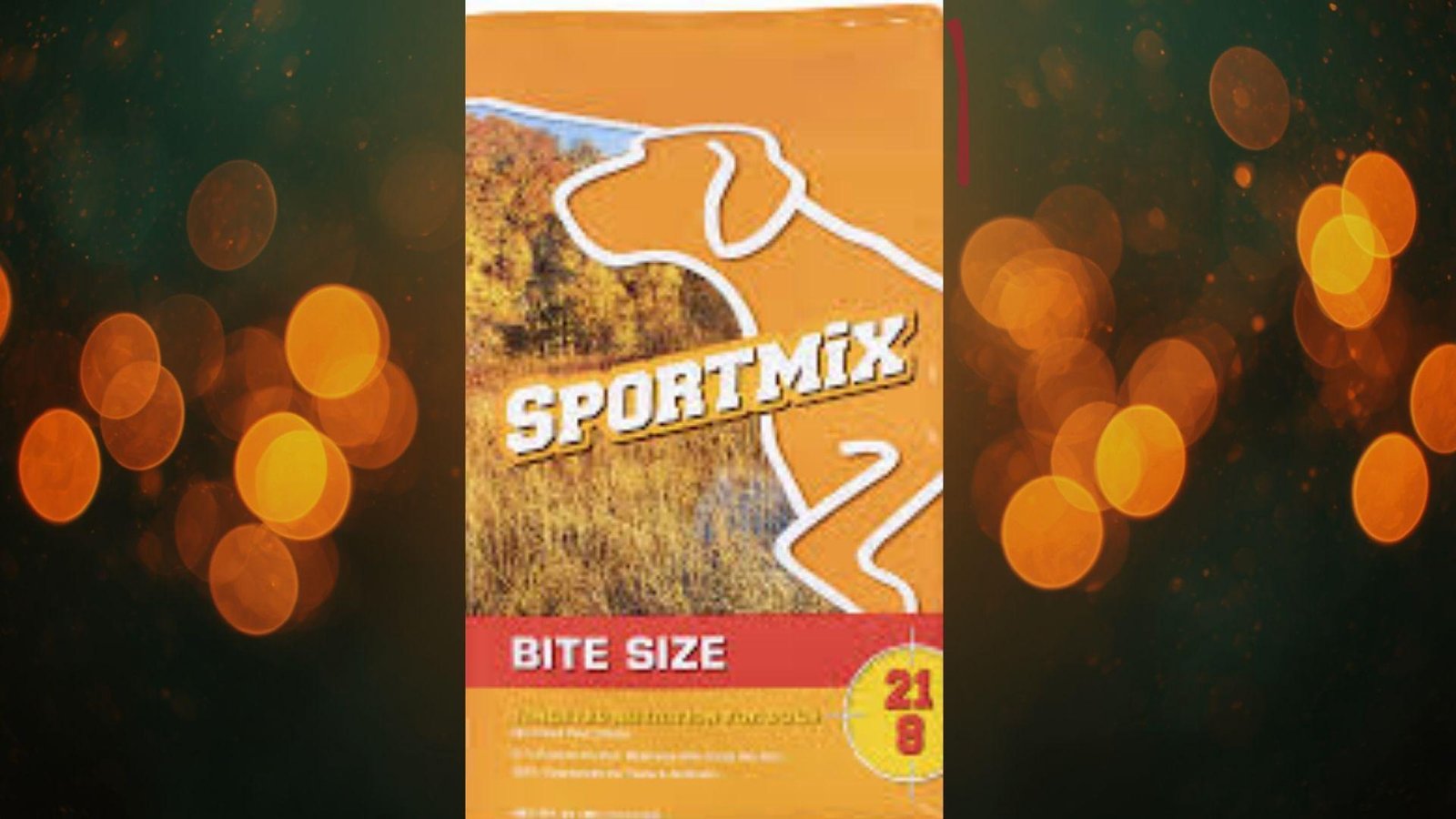
The FDA investigated Sportmix after aflatoxin contamination was linked to dog deaths. It is one of the most serious cases among dog food brands to avoid. Many owners have not gone back.
11. Kal Kan
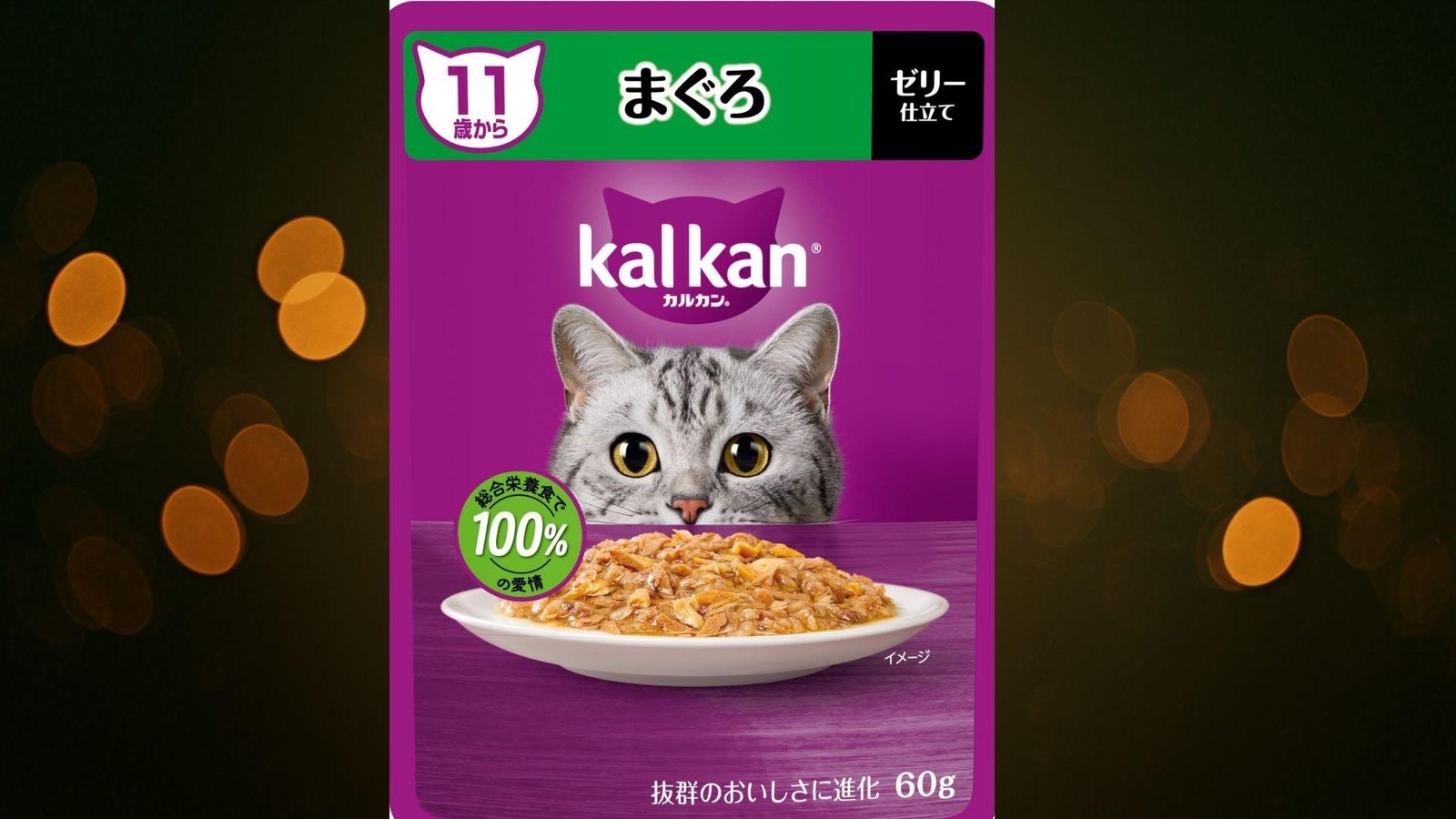
A budget brand with formulas to match. Fillers take up more space than protein. Not a brand commonly recommended in pet nutrition circles.
12. Twin Pet
Low-cost proteins and a filler-heavy base. Limited nutritional value. Easy to skip for any dog that needs proper daily nutrition.
13. Dad's Dog Food
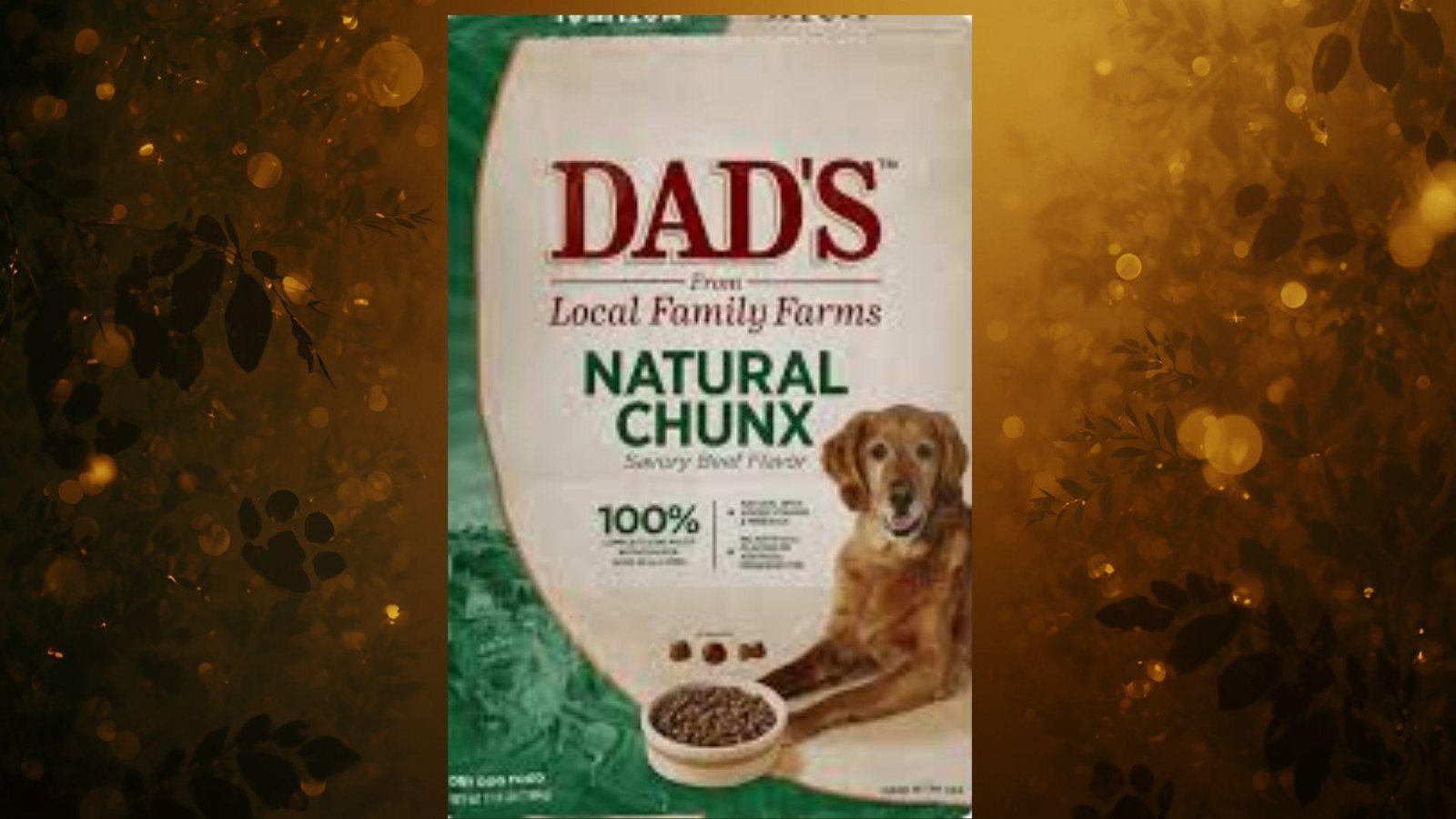
Corn and soy push real protein down the ingredient list. Premium protein sources are limited. Affordable, but the nutritional trade-off is real.
14. Retriever Dog Food
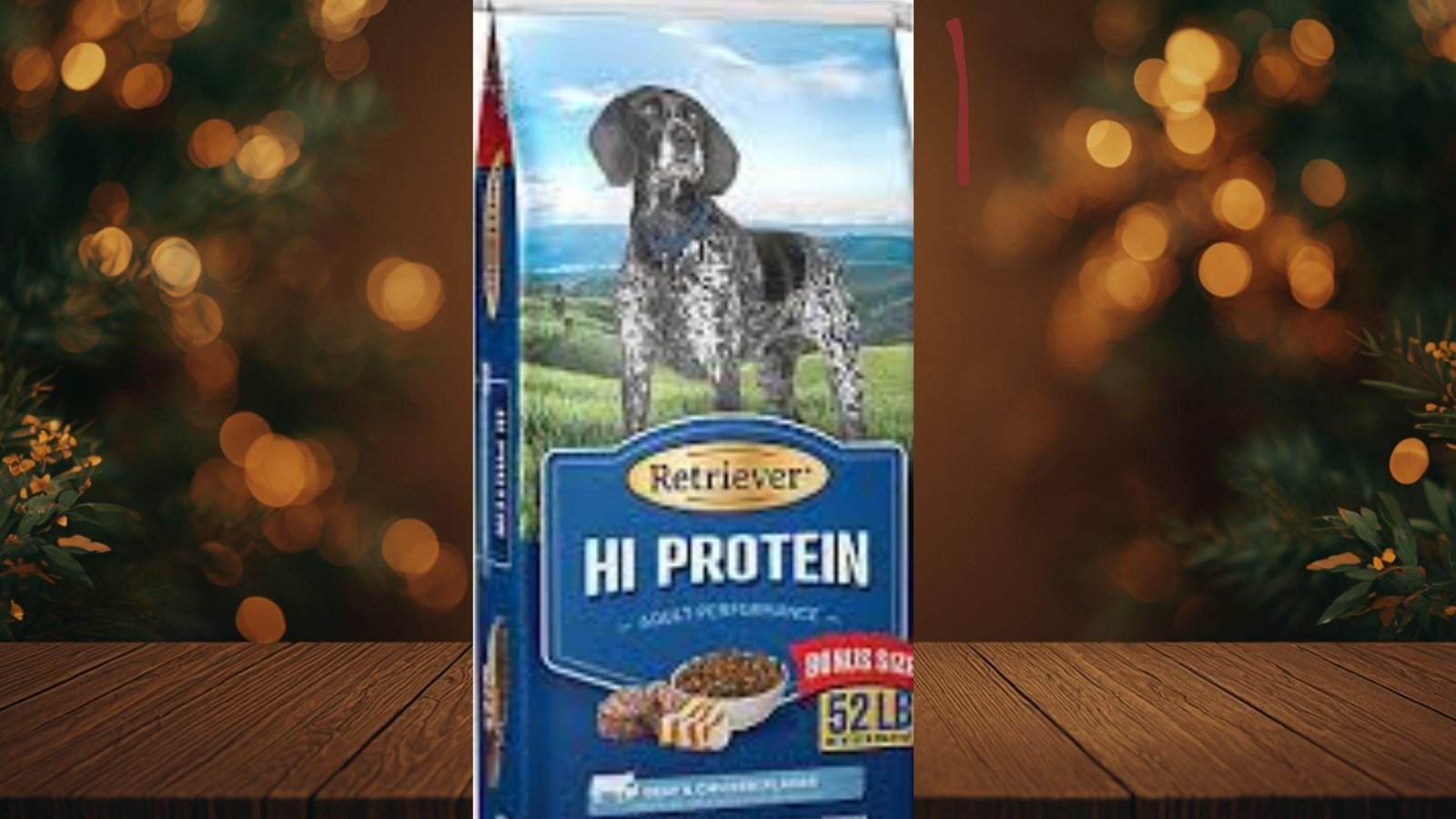
A Tractor Supply store brand with vague protein labeling and filler-heavy recipes. Named protein sources are often missing entirely.
15. Diamond Naturals
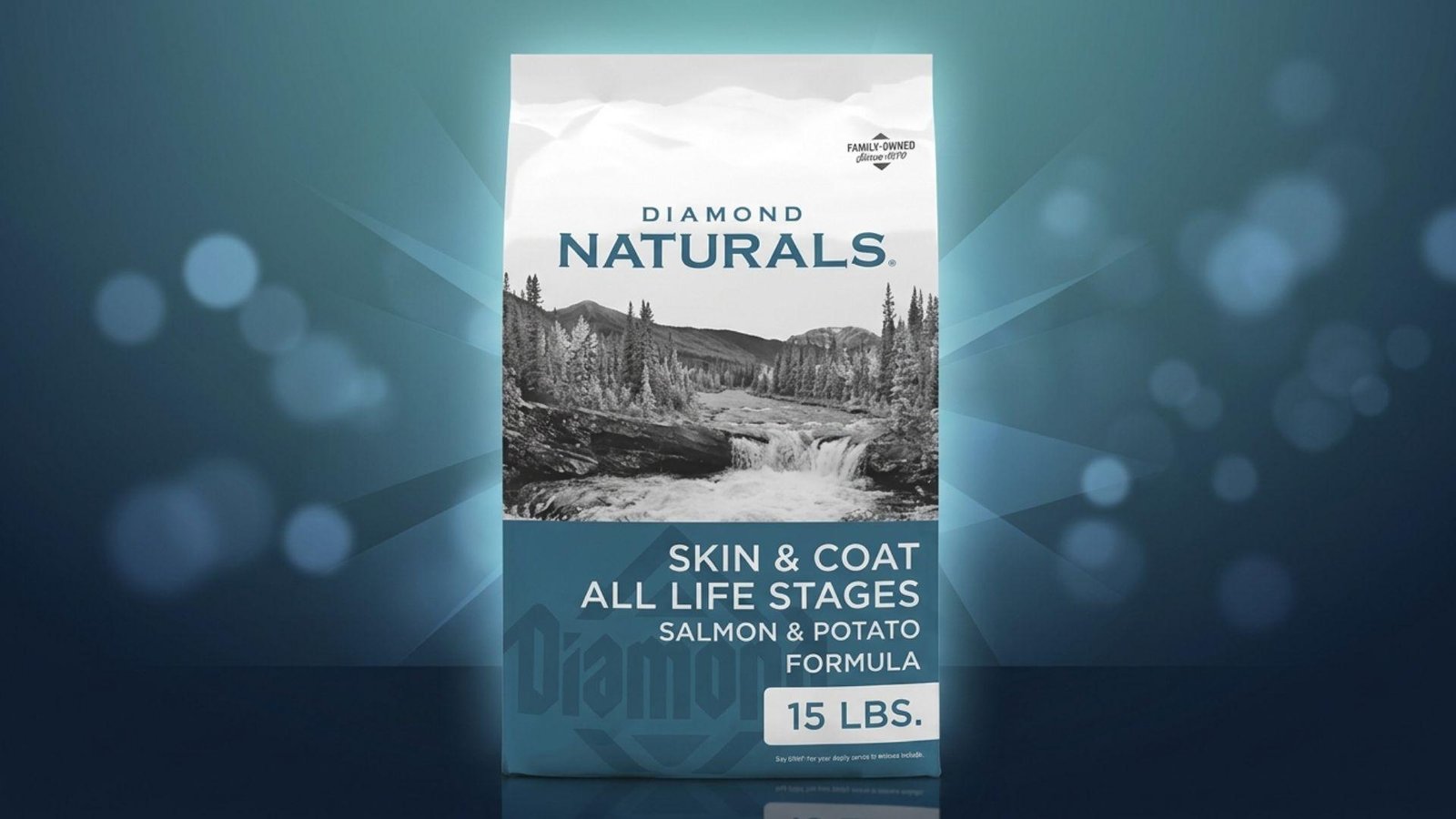
Markets itself as natural, but a history of contamination-related recalls has made many buyers cautious. The recall pattern is what puts it on the radar.
16. Victor Dog Food
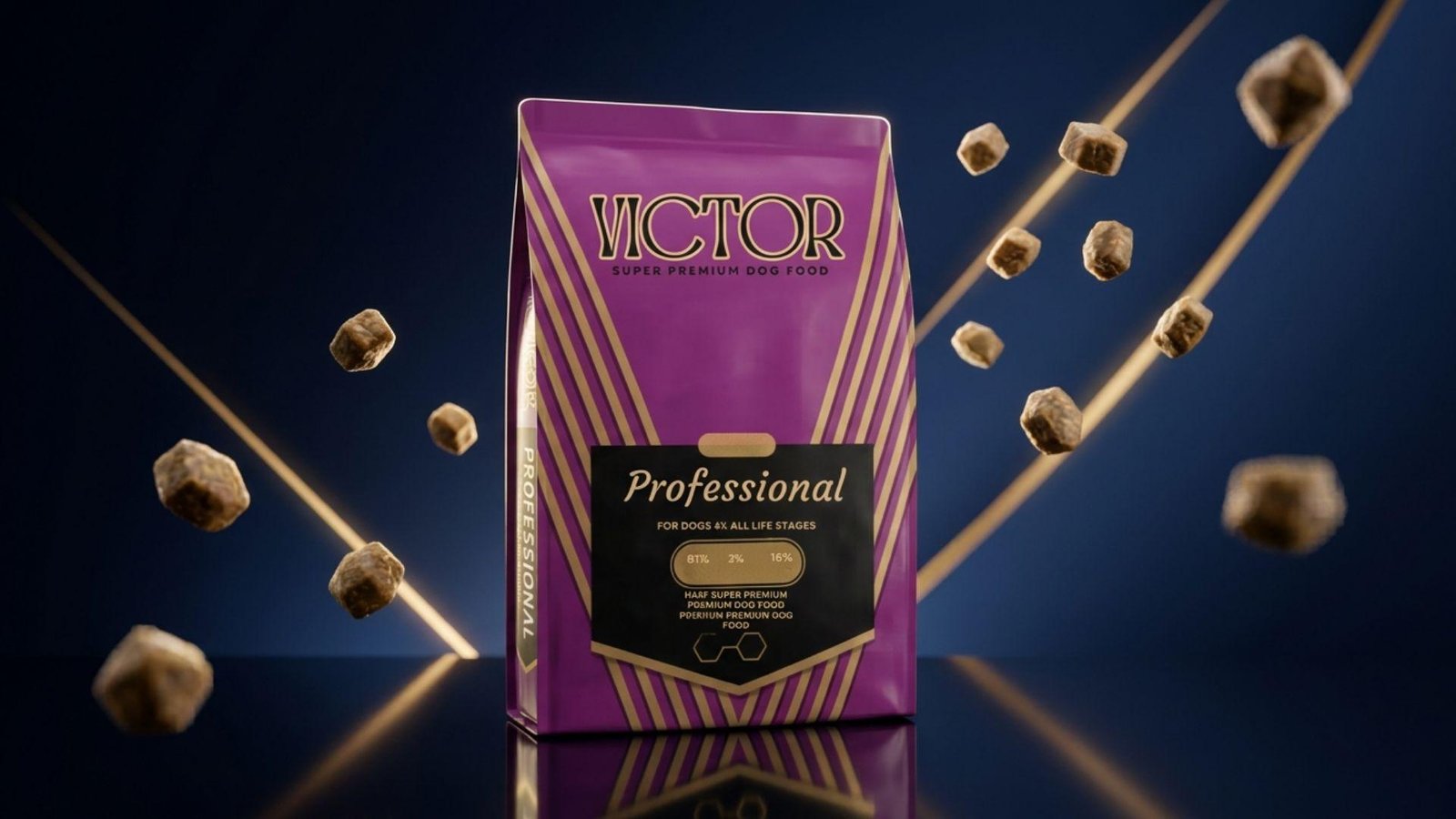
Popular in working dog communities, but recall-related news has raised caution. Research the specific formula and lot history before buying.
17. 9Lives Companion Dog Food
Known for cat food, not dog food. The dog food line has not built a strong nutritional reputation. Easy to pass over for something better.
18. Butcher's Best
Ingredient quality is lower than mid-range brands. Protein sources are not always clearly named. Better options exist at similar price points.
19. Nature's Menu Super Premium
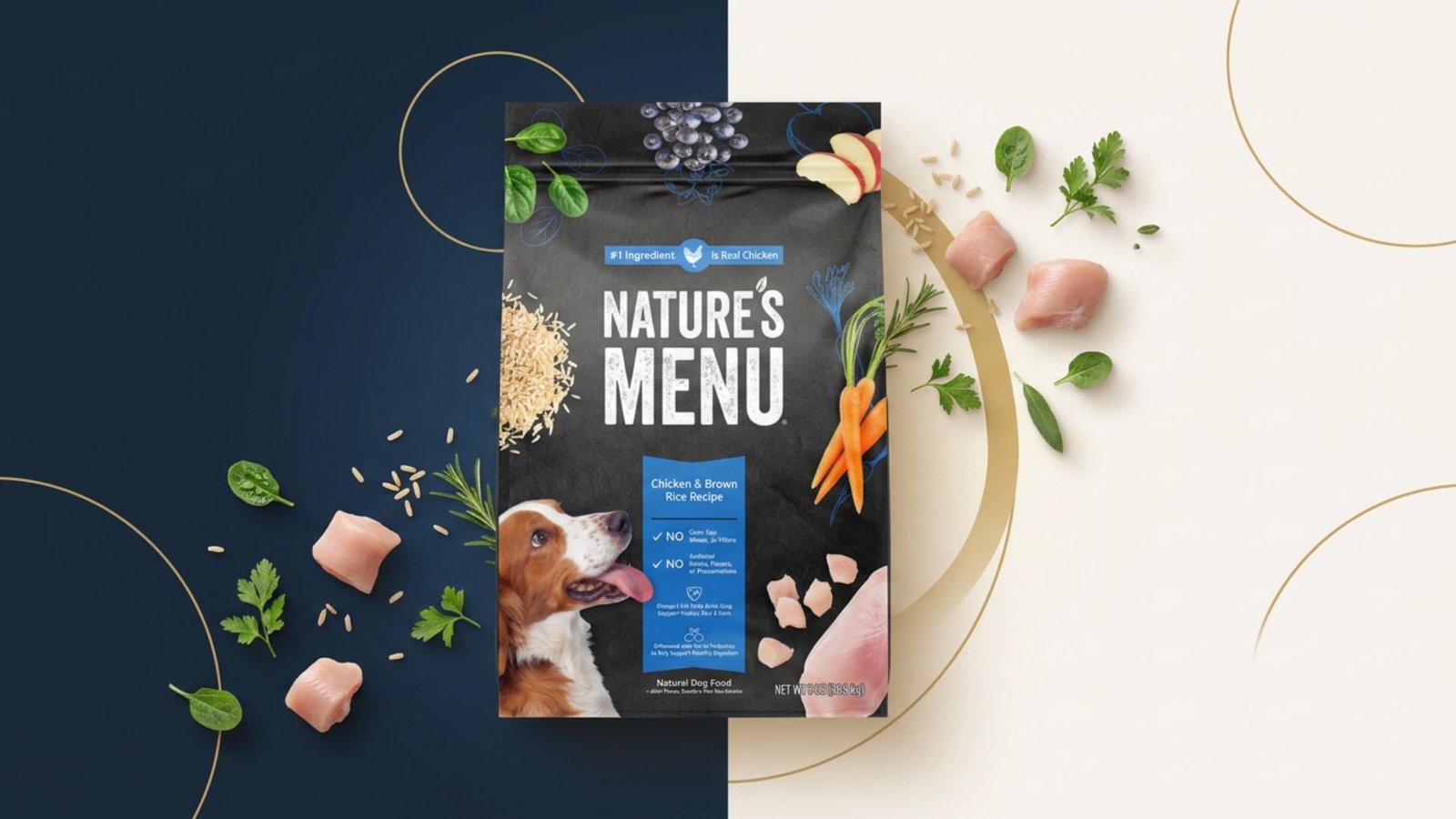
Marketed as premium, but reviews show inconsistency across batches in texture, smell, and quality. Premium pricing should come with better reliability.
20. Hi-Point Dog Food
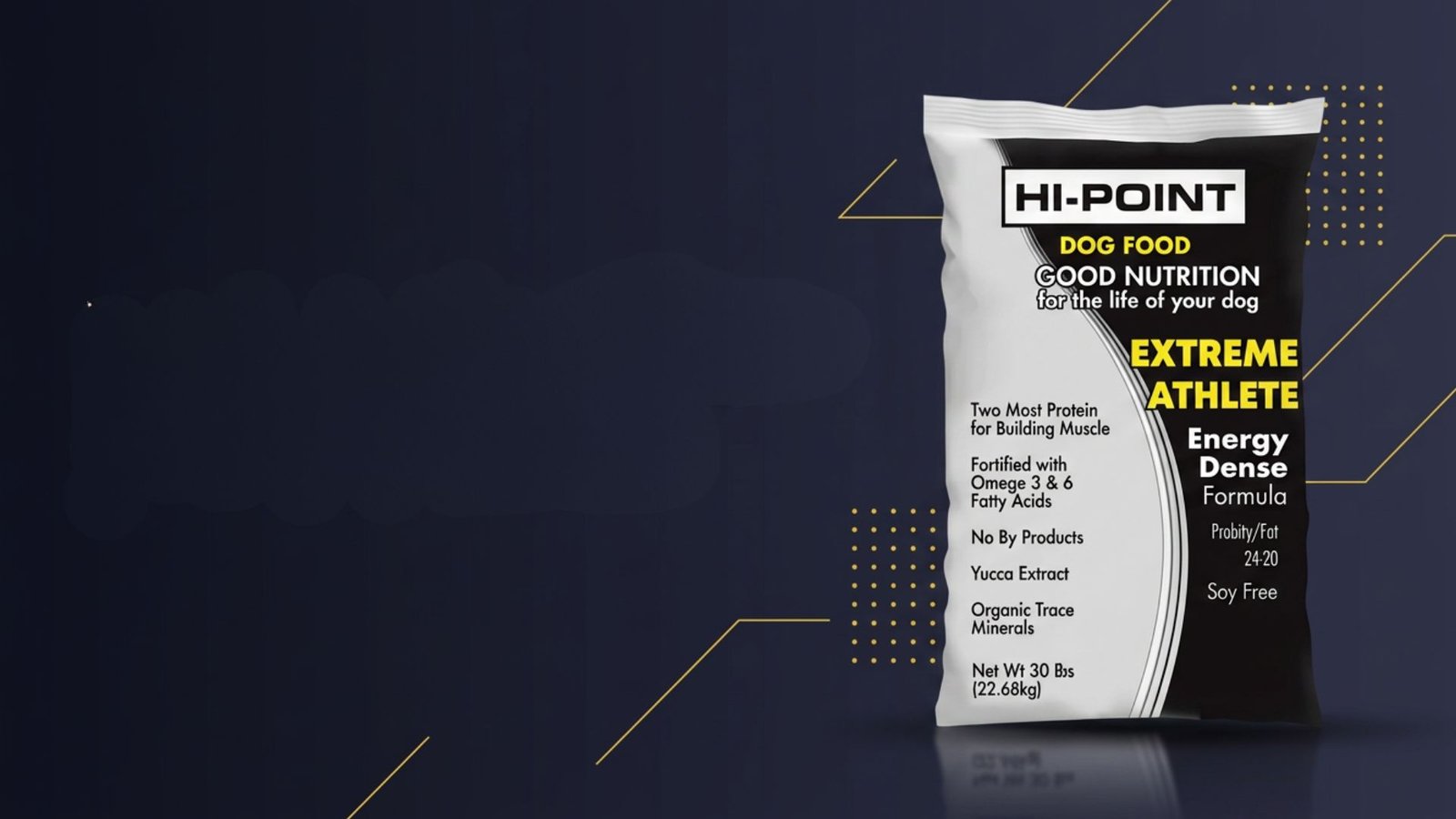
Heavy fillers, low protein quality. Does not meet what most nutritional guidelines recommend for daily feeding.
21. Joy Dog Food
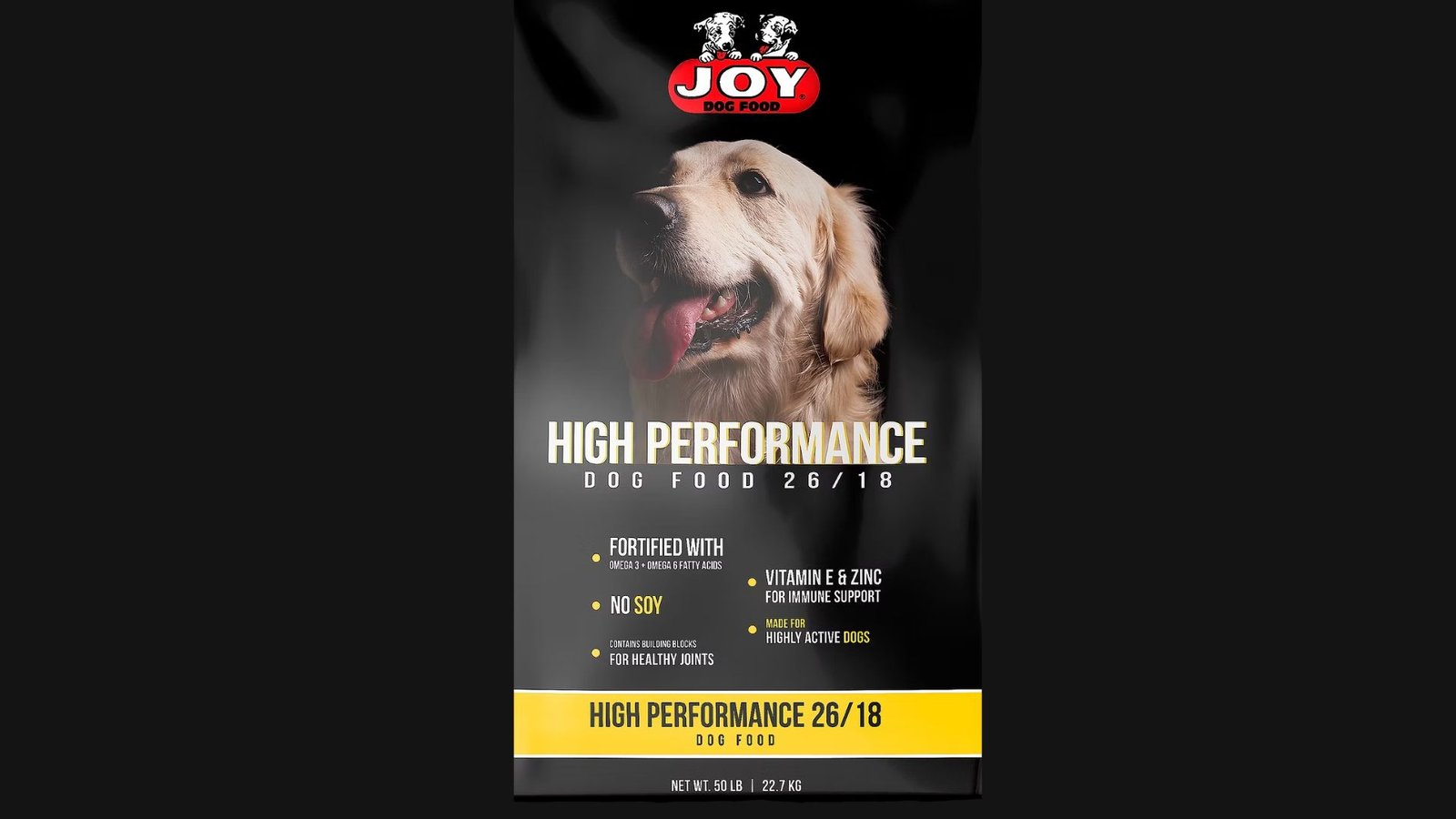
Built around affordability, not nutrition. Fillers and by-products fill the gaps where real protein should be. It shows up on dog food brands to avoid lists for exactly that reason.
22. Maximum Bully
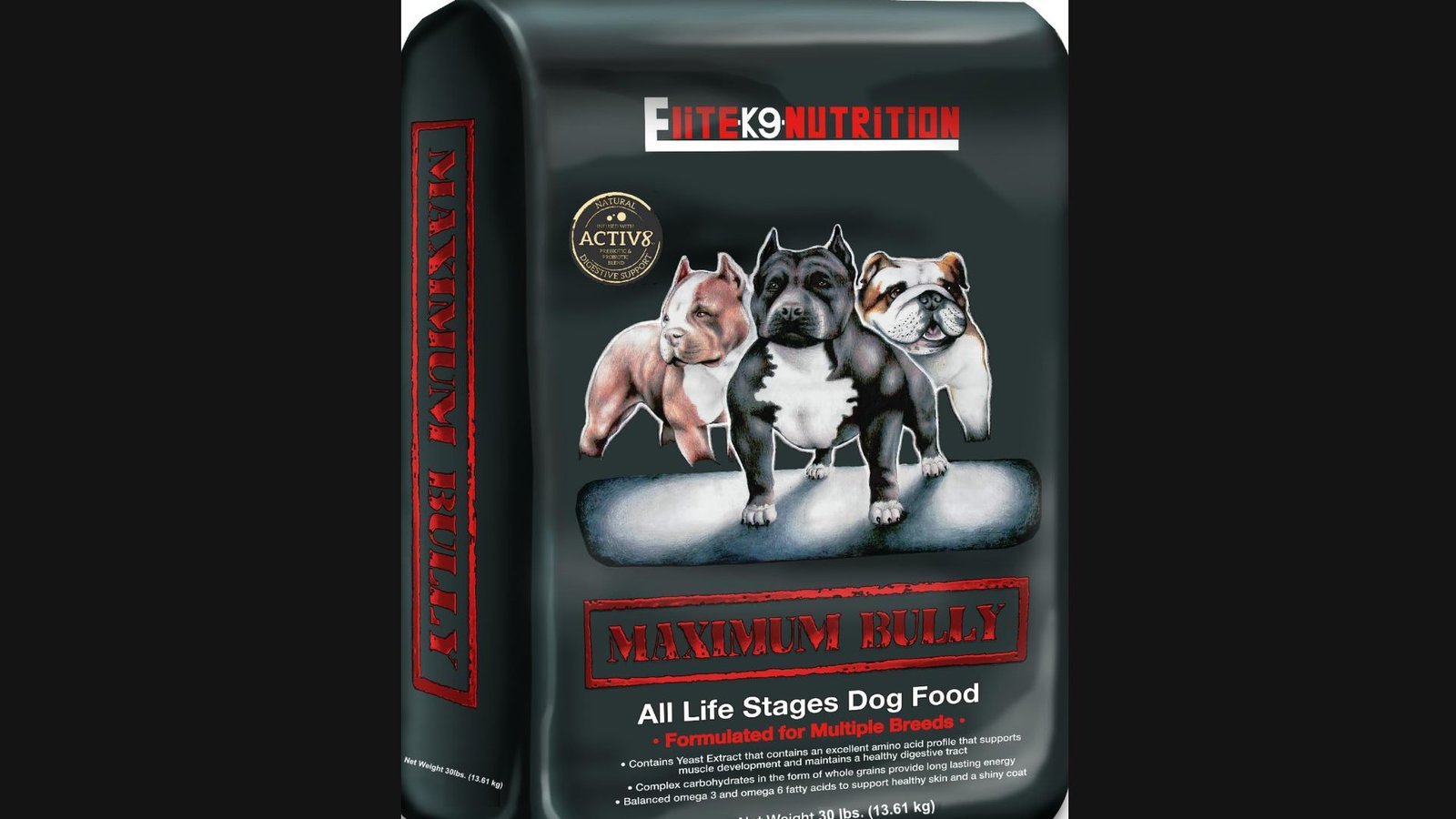
High-calorie formulas built for working or athletic dogs. Not suitable for average or inactive dogs. Overfeeding this diet without matching exercise leads to obesity fast.
23. Kroger Value Dog Food
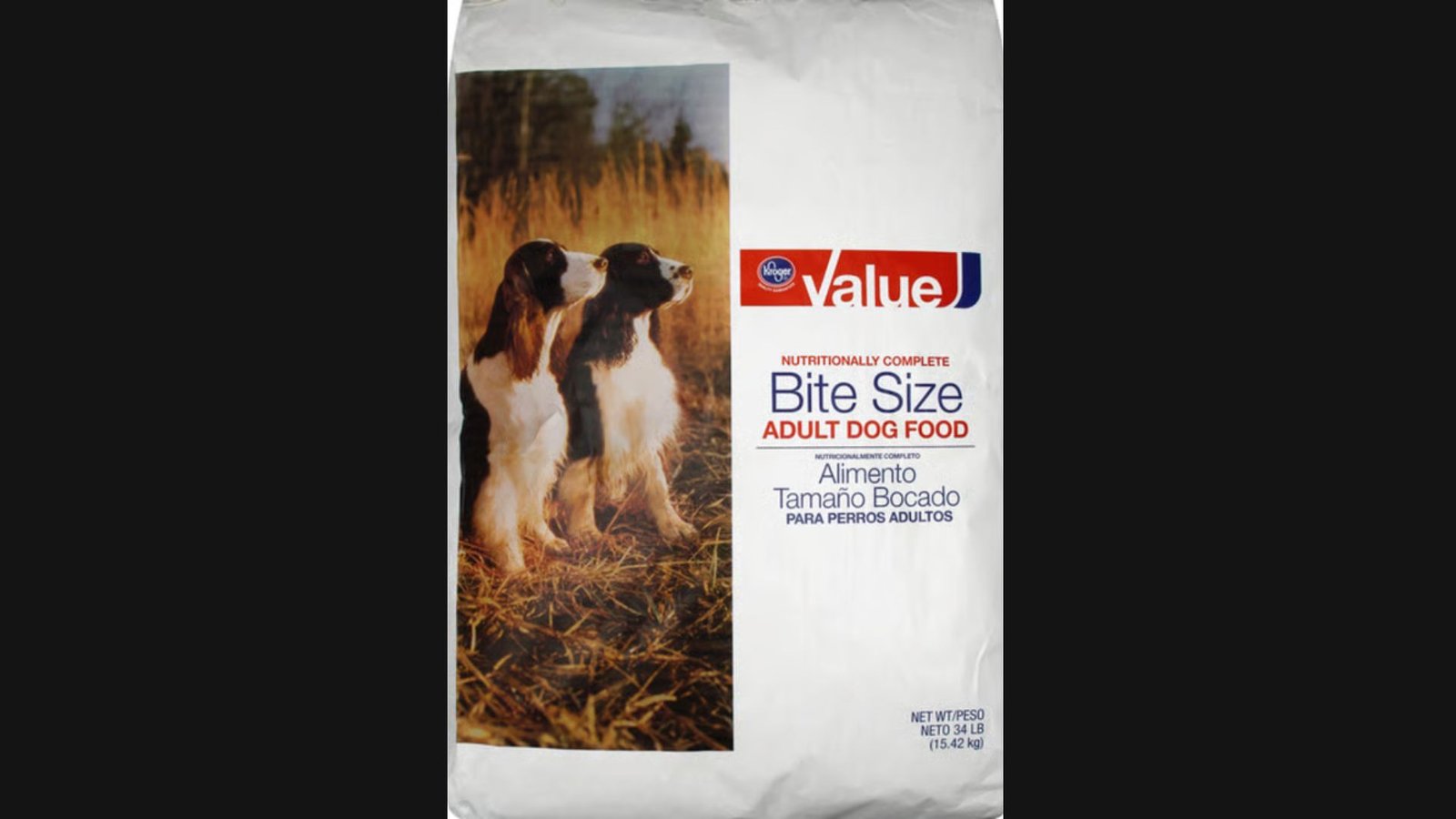
Built for price, not performance. Meat sources are unclear and additives are common. A small budget increase gets you significantly better food.
24. Pet Pride
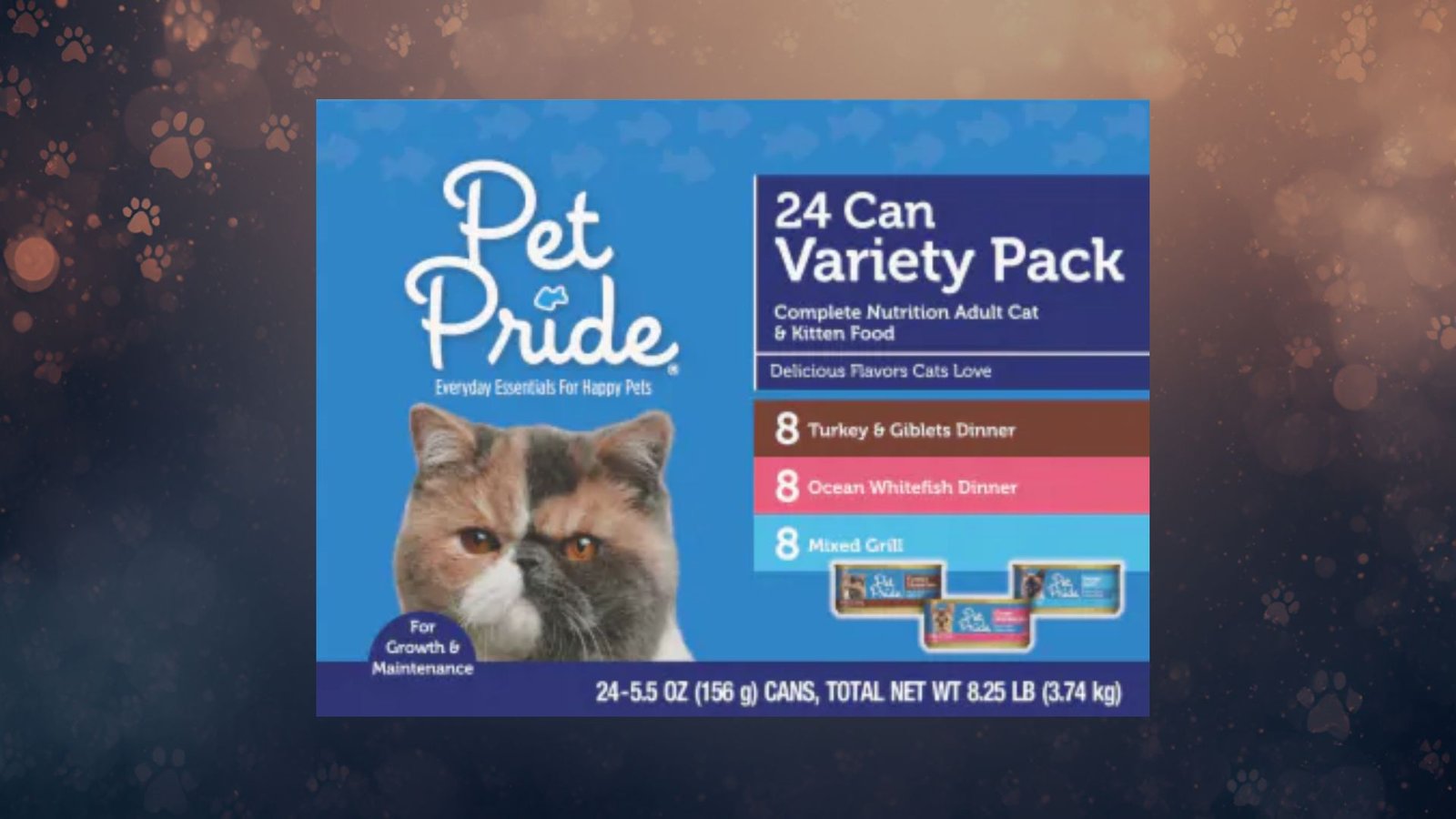
Store-brand formulation with limited premium nutrition. Ingredient transparency is low, making it hard to feel confident about daily feeding.
25. Sunshine Mills Dog Food
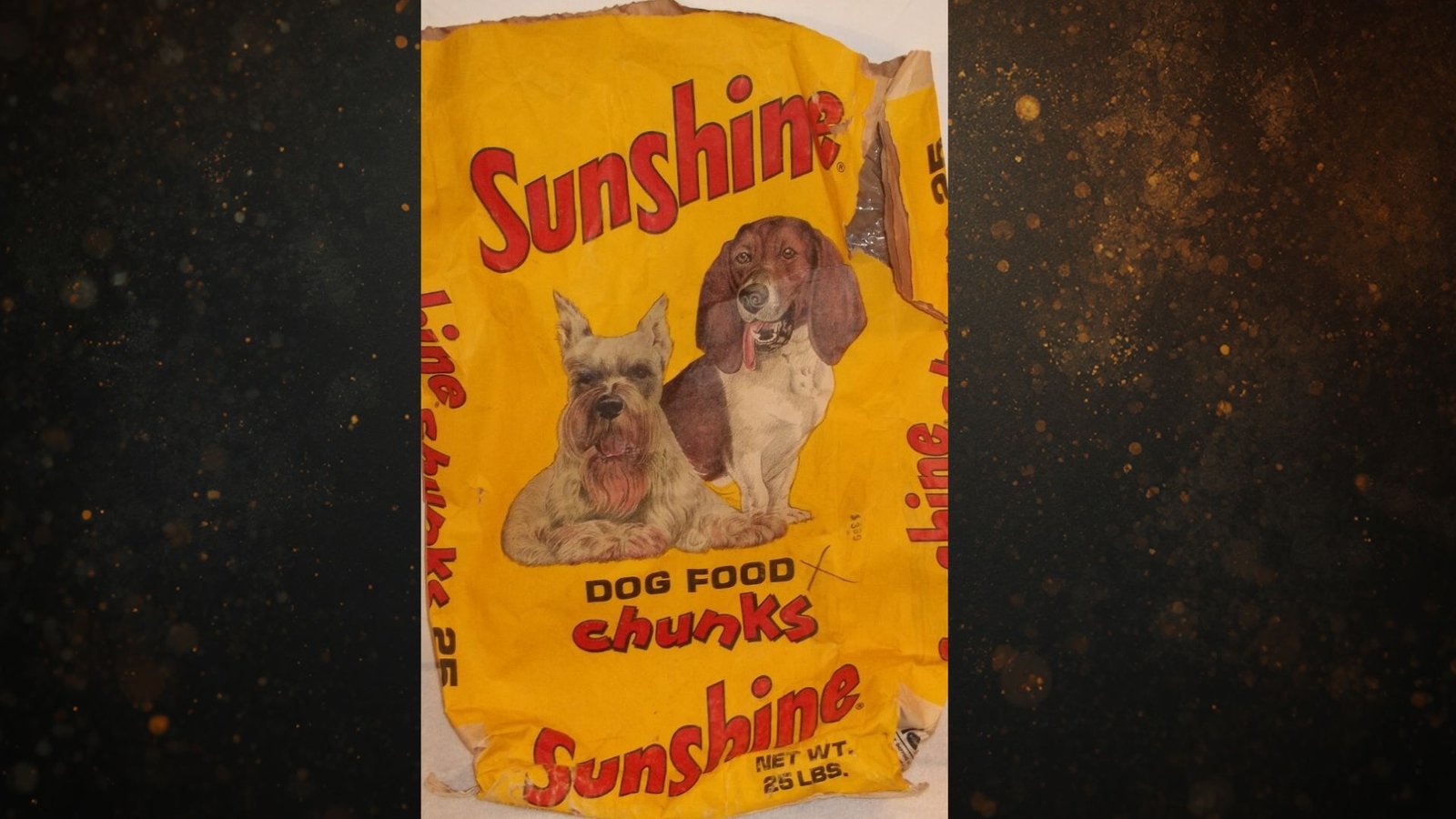
Manufactures multiple private-label brands, so a single recall can affect more products than it appears. Multiple recall associations have made buyers cautious.
Grain-Free vs Grain-Inclusive: Which Is Better?
No single answer fits every dog.
Here is a quick breakdown:
| Factor | Grain-Free | Grain-Inclusive |
| Best for | Dogs with confirmed grain allergies | Most healthy adult dogs |
| Protein source | Often legume-heavy | Usually more varied |
| DCM risk | Some studies show concern | Generally lower risk |
| Cost | Often higher | More affordable options available |
| Vet recommendation | Selective use only | Commonly recommended |
Talk to your vet before switching to grain-free. It is not always the better option.
Tips for Switching Your Dog to Better Food
A fast switch can cause digestive problems even with better food. Go slow and watch how your dog responds.
- Days 1-3: 75% old food, 25% new food
- Days 4-5: 50/50 split
- Days 6-7: 25% old food, 75% new food
- Day 8+: 100% new food
- Watch for reactions: Loose stools or vomiting means slow it down
- Check the label: Named protein should appear in the top three ingredients
- Check recall history: The FDA website has a searchable pet food recall database
Give the new food four to six weeks before judging results. Coat quality, energy, and stool consistency will tell you if it is working.
Conclusion
I have spent a lot of time going through labels, recalls, and ingredient panels so you do not have to start from scratch.
Now you know which dog food brands to avoid and what to look for instead. The next step is yours. Pull out the bag sitting in your pantry right now and read the label.
If something looks off, it probably is. Your dog eats this every single day. Make that choice count. Drop a comment below and tell me which brand surprised you the most.
Frequently Asked Questions
What dog food brands should I avoid the most?
Brands with repeated recalls, vague meat sources, and artificial additives are worth skipping. Check the FDA recall database for the latest information.
Is grain-free dog food better for dogs?
Not always. It is mainly useful for dogs with confirmed grain allergies, and some studies have linked it to heart issues in certain breeds.
How can I tell if dog food is low quality?
Look for unnamed by-products, artificial preservatives, and fillers in the top ingredients. Poor transparency is also a warning sign.
Are dog food recalls always dangerous?
Not always, but repeated recalls from one brand are a valid reason for concern.
What is the healthiest ingredient in dog food?
A clearly named protein like chicken, salmon, or beef listed at the top of the ingredient panel is the best sign of quality.