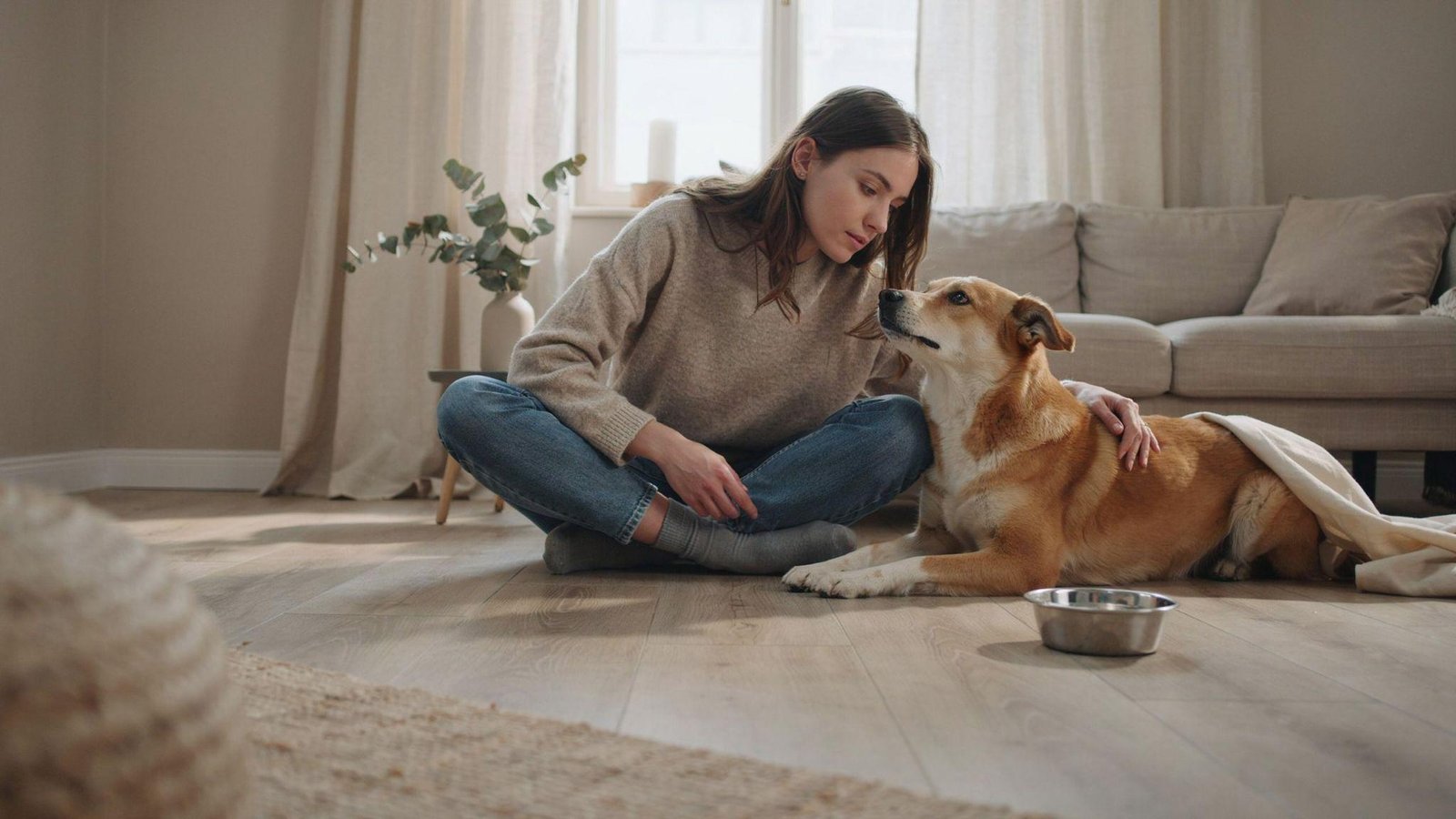


Bringing a puppy home changes everything. It is exciting, but it gets overwhelming quickly.
I have been through it. The accidents, the chewed shoes, the 3 a.m. whining. Nobody tells you how much goes into those first few weeks.
This blog covers feeding, potty training, vet care, grooming, and building a real bond with your pup. Everything a first-time owner actually needs.
You will walk away with clear, simple steps that work. No fluff, just honest advice.
Having helped raise pups and researched this deeply, I am here to make this easier for you.
How to Take Care of a Puppy
Bringing a puppy home is exciting, but it takes real commitment. Here is what you need to do.
Set up a cozy spot with a soft bed or crate before they arrive. Keep wires, small objects, and toxic plants out of their reach.
Feed them puppy-specific food three to four times a day and always keep fresh water available. Visit your vet in the first week for vaccinations and deworming.Start training early with simple commands like sit and stay. Keep sessions short, use treats, and stay consistent.
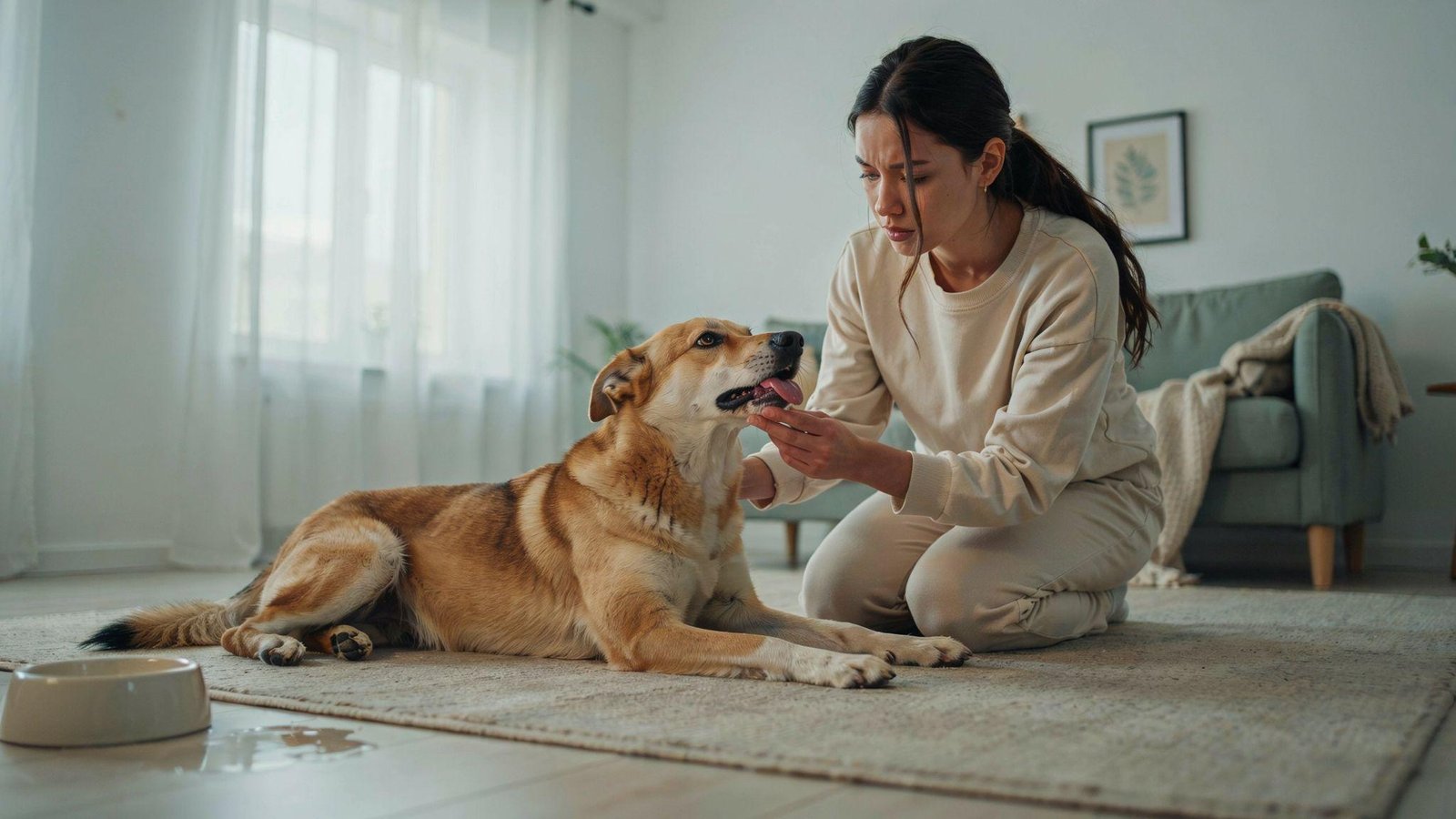
Socialize them early by introducing new people, dogs, and places. This shapes their behavior for life. Give them daily walks and playtime. Brush their coat, trim their nails, and check their ears regularly. Watch for signs like low energy or loss of appetite and call your vet if something seems off.
Above all, give them love and attention every day. A cared-for puppy grows into a happy, loyal dog.
11 Tips on How to Take Care of a Puppy
Bringing a puppy home is exciting, but it also comes with real responsibility. Puppies need food, care, training, and love every single day. Here is what you need to know to raise a happy and healthy pup.
1. Preparing Your Home for a New member
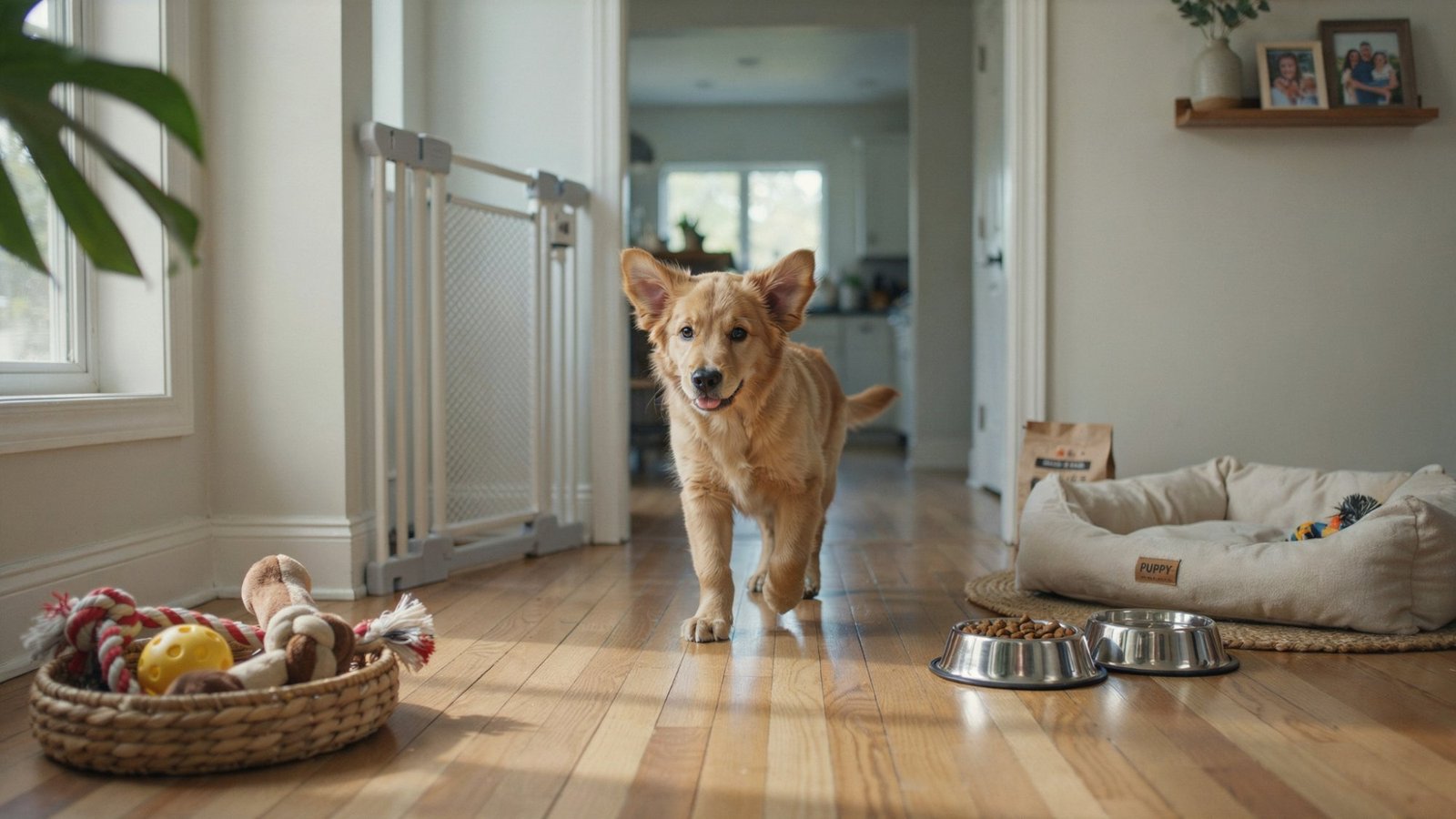
Get your home ready before your puppy arrives to keep them safe and comfortable.
Before your puppy arrives, take time to puppy-proof your space. Block off areas that are off-limits, store chemicals and medicines out of reach, and tuck away loose wires.
Set up a cozy sleeping spot and stock up on basic supplies like bowls, a collar, a leash, and some toys. Having everything ready before day one makes the whole experience much smoother.
2. Feed Your Puppy Properly
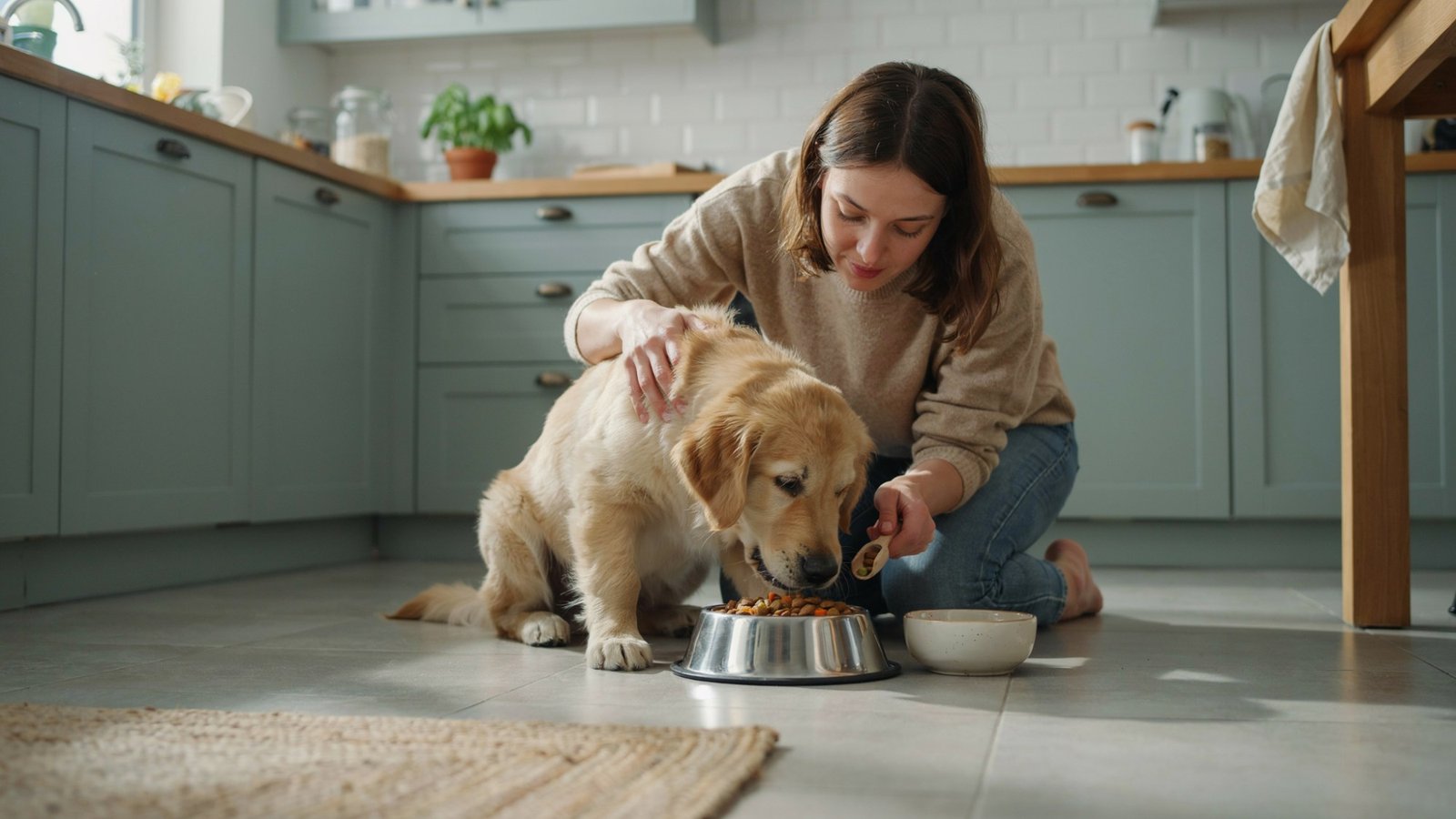
Good nutrition in the early months sets your puppy up for a healthy life.
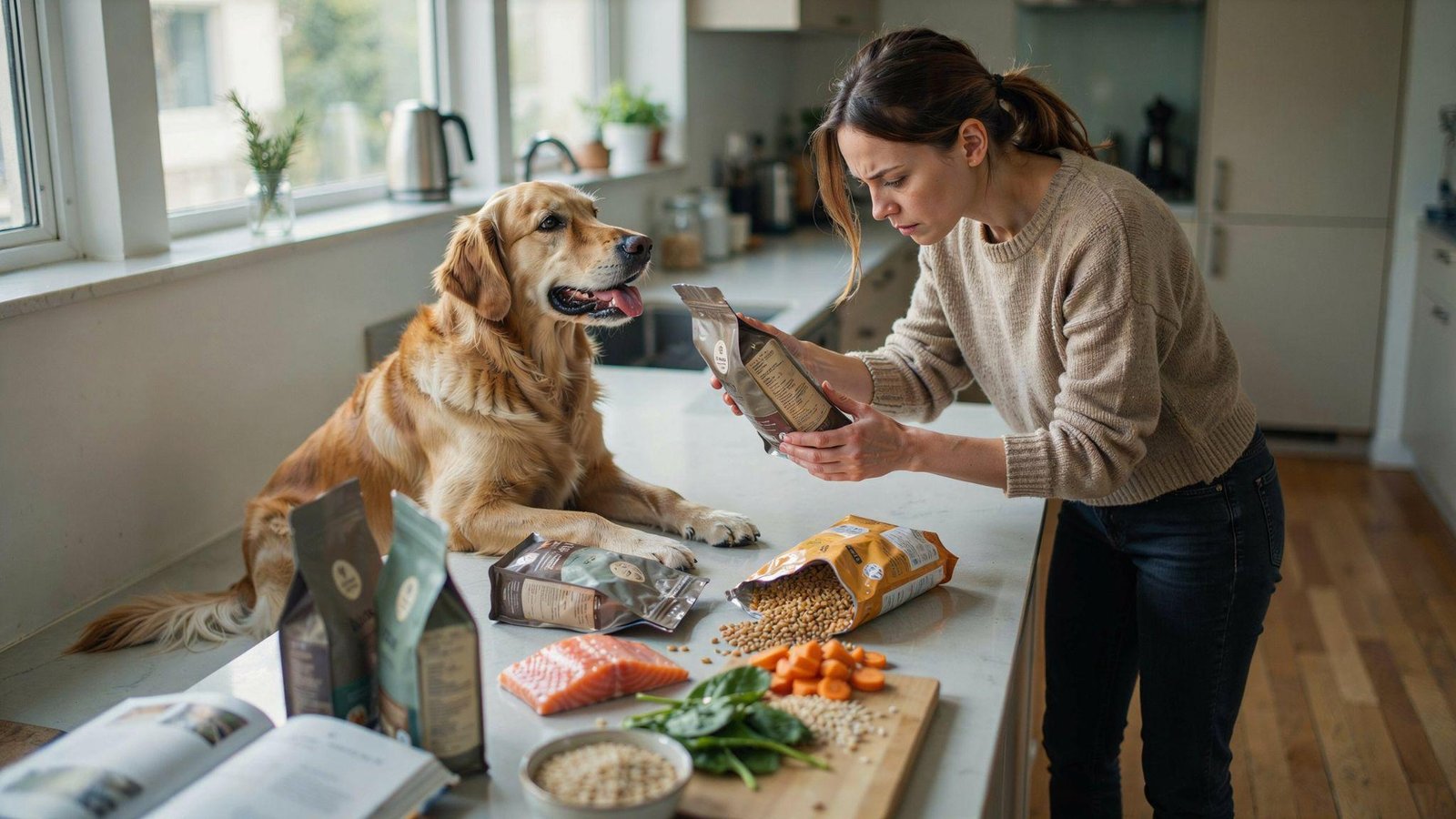
Always choose food made specifically for puppies. Small breeds need three to four meals a day, while larger breeds do well with two to three. Stick to a regular feeding schedule and keep fresh water available at all times.
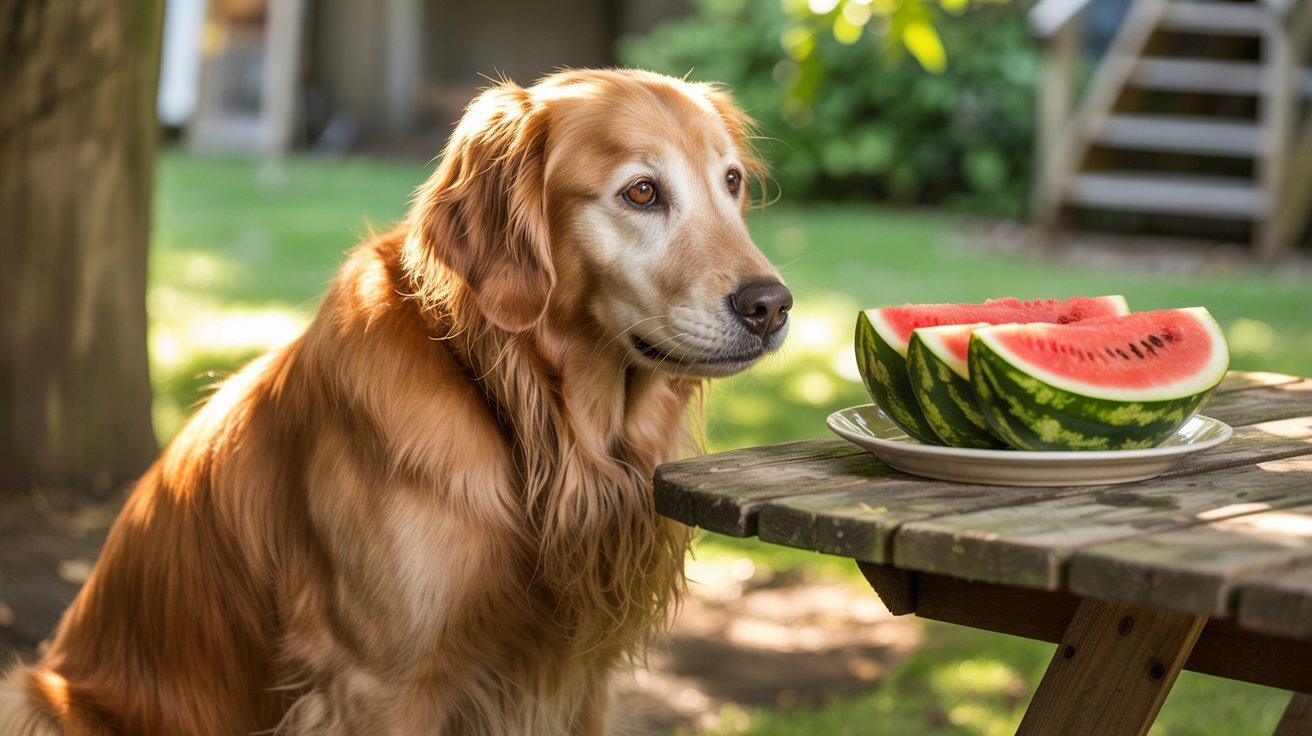
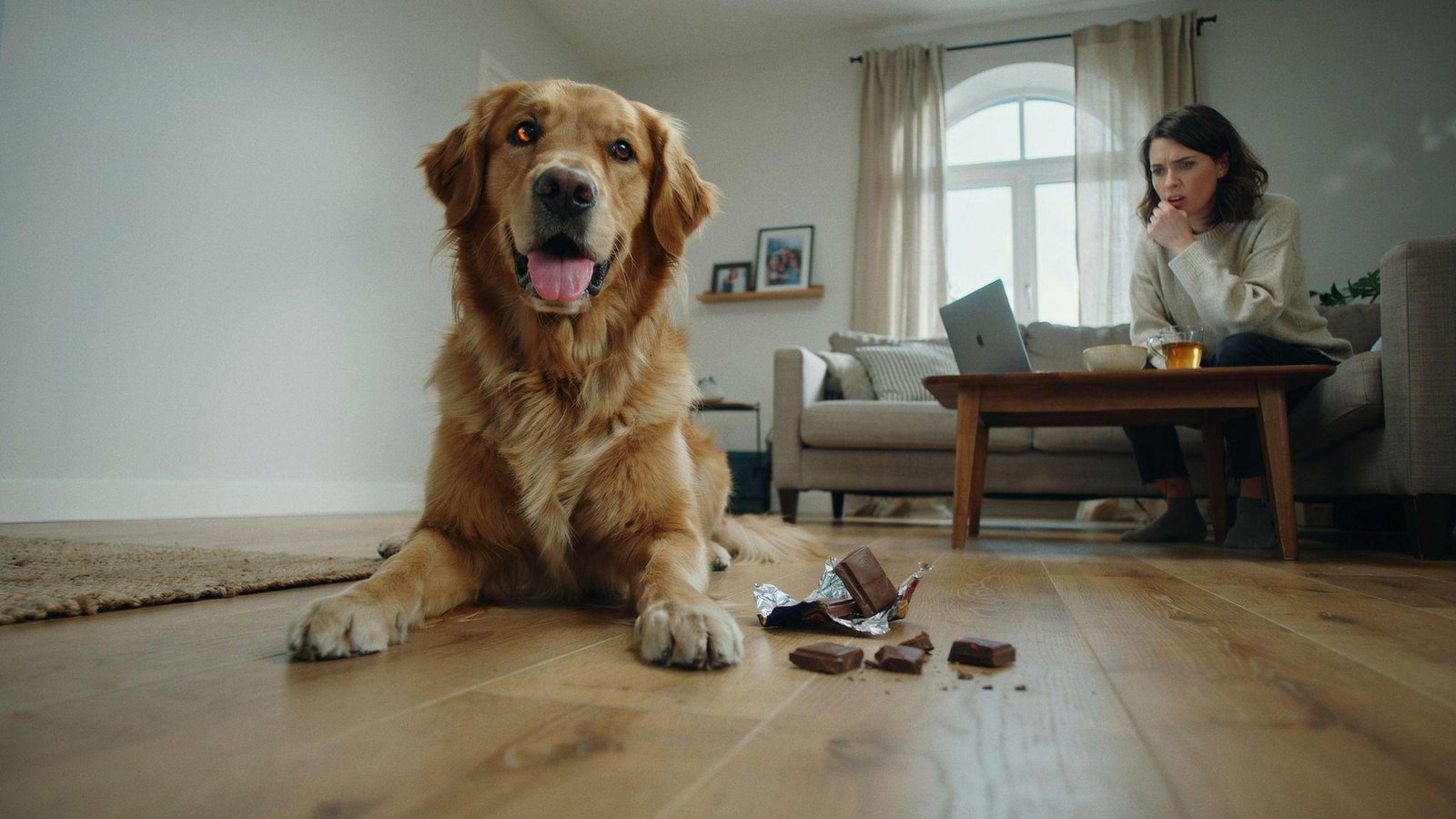
Avoid human food, especially anything toxic like chocolate, grapes, or onions. If you are unsure what to feed them, ask your vet for a recommendation.
3. Establish a Daily Routine
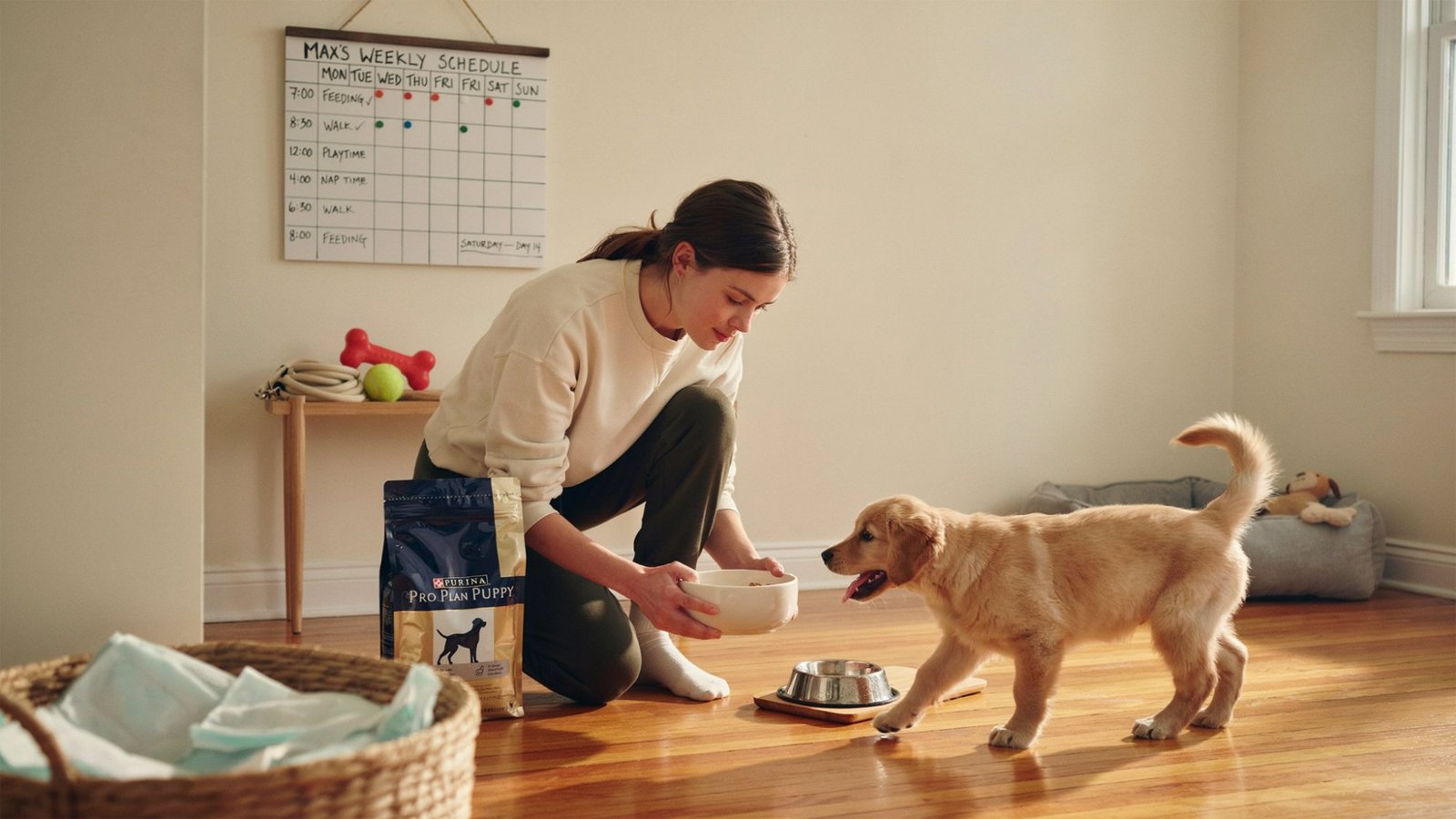
A simple daily routine helps your puppy feel safe and reduces anxious behavior.
Puppies feel more secure when they know what to expect. Try to keep feeding times, walks, play sessions, and bedtime at the same time every day.
Even young puppies adjust quickly to a schedule. It also makes your life easier because you can plan your day around it.
4. Start Potty Training Early
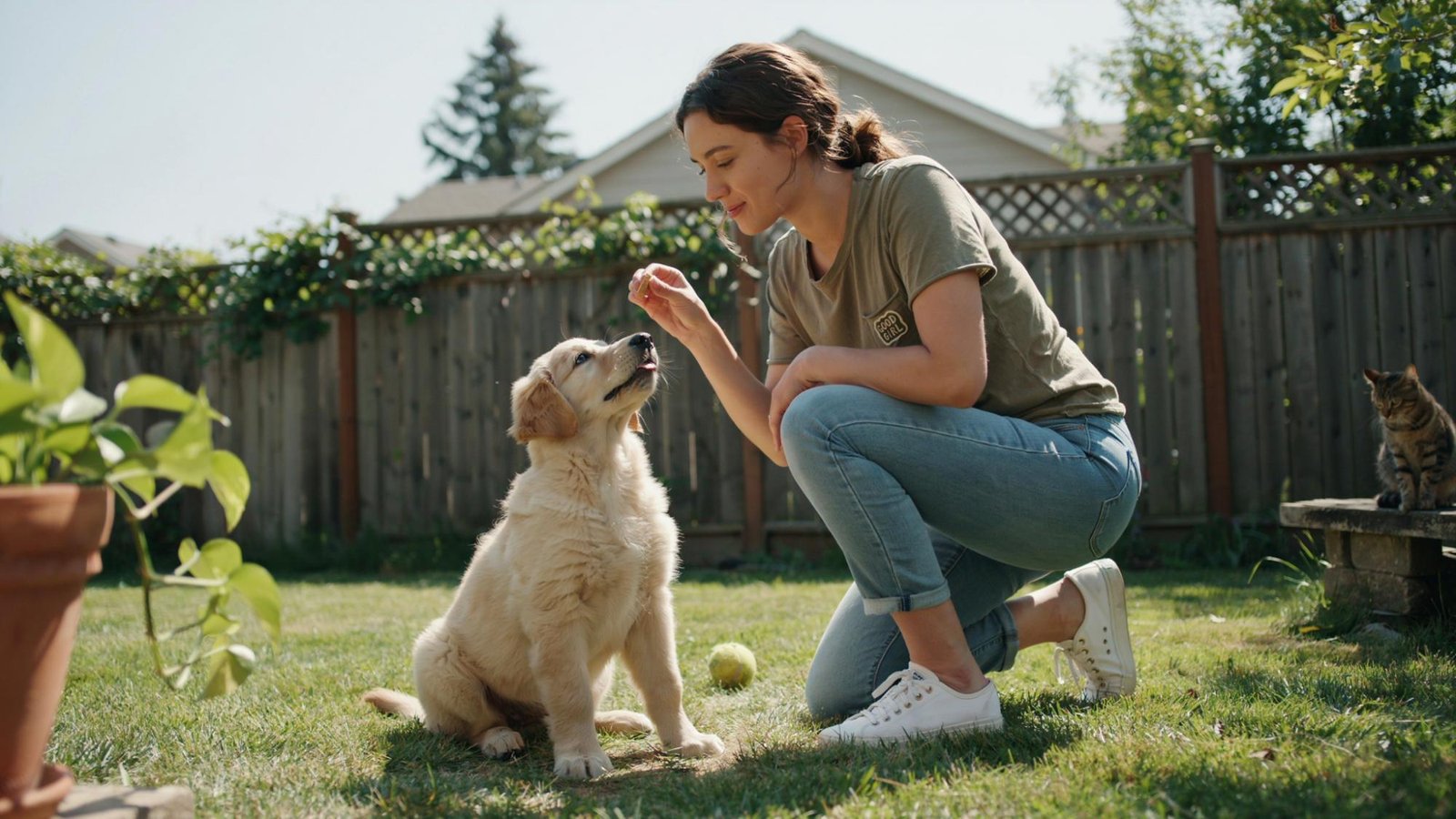
The sooner you start potty training, the faster your puppy will learn where to go.
Start on day one. Take your puppy outside after every meal, after waking up, and before bed. Always use the same spot so they connect it with going to the bathroom.
Praise them right away when they get it right. Never scold them for accidents indoors. Just clean it up and stay consistent. Most puppies catch on within a few weeks.
5. Schedule Regular Veterinary Care
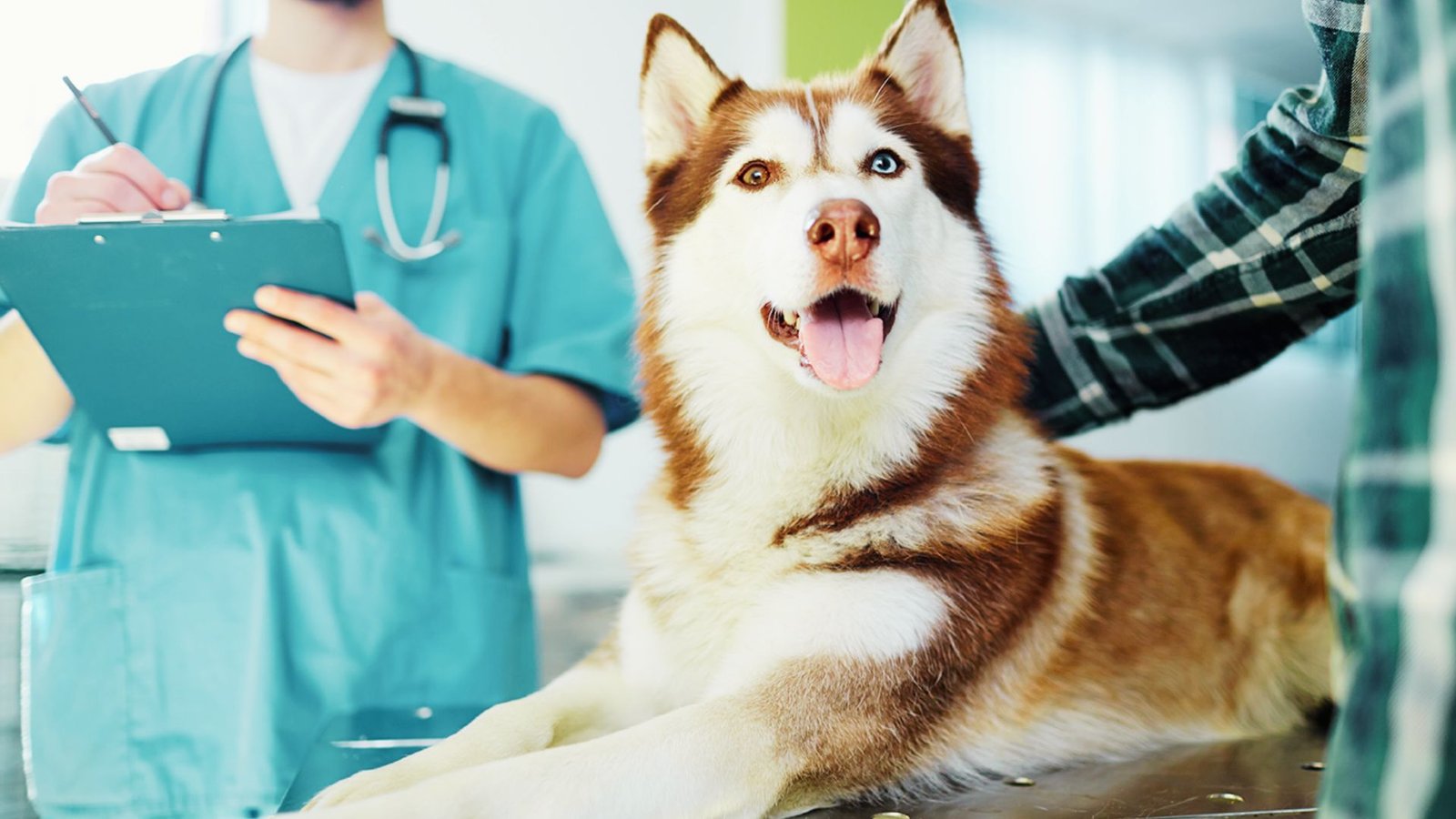
Routine vet visits protect your puppy from illness and keep their health on track.
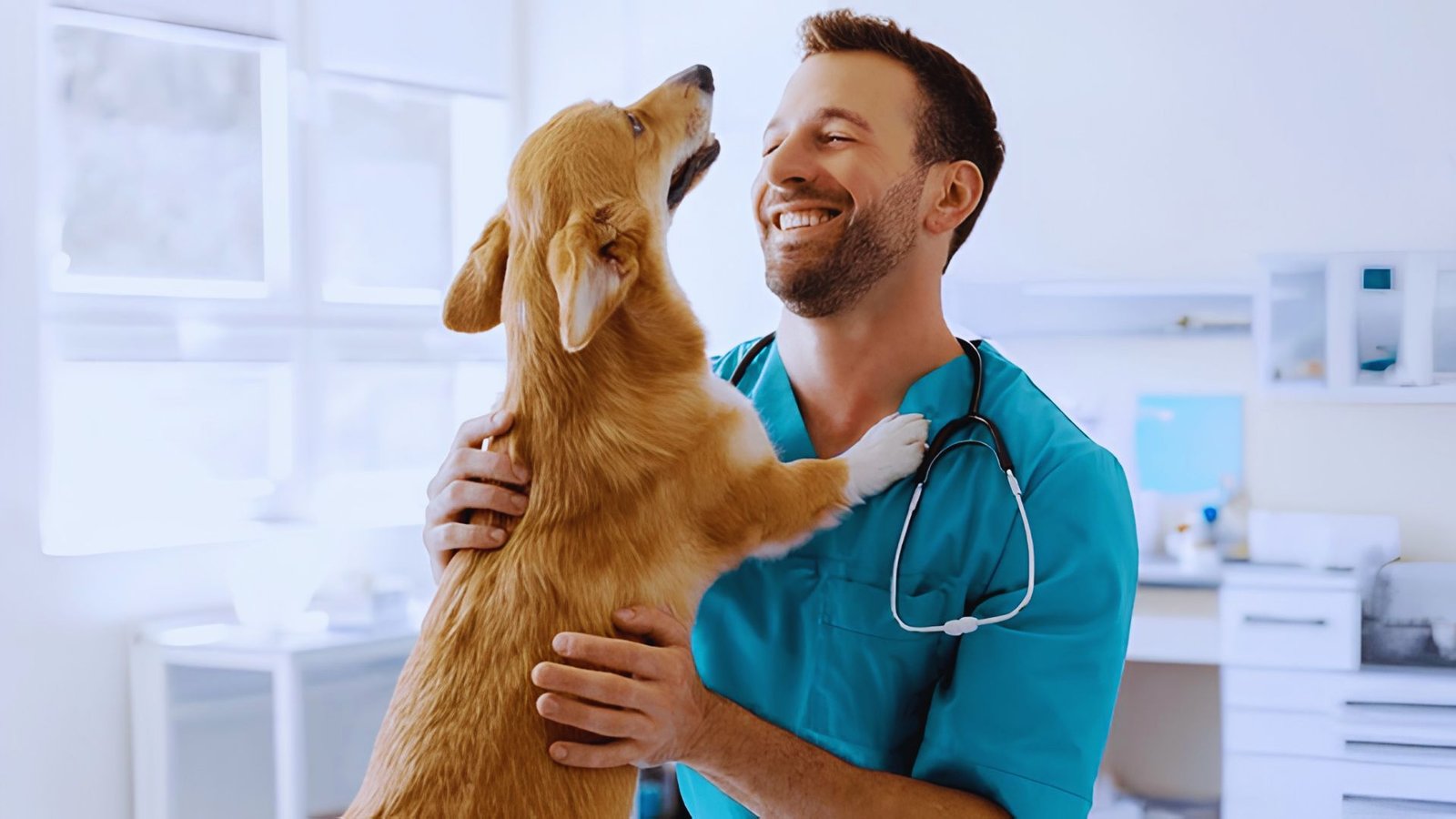
Find a vet before your puppy even comes home. Book the first appointment within a few days of arrival. Early visits cover physical exams, core vaccines, deworming, and flea prevention.
Your vet will also guide you on spaying or neutering and answer any questions about diet or behavior. These visits are a key part of keeping your puppy healthy long-term.
6. Socialize Your Puppy Safely
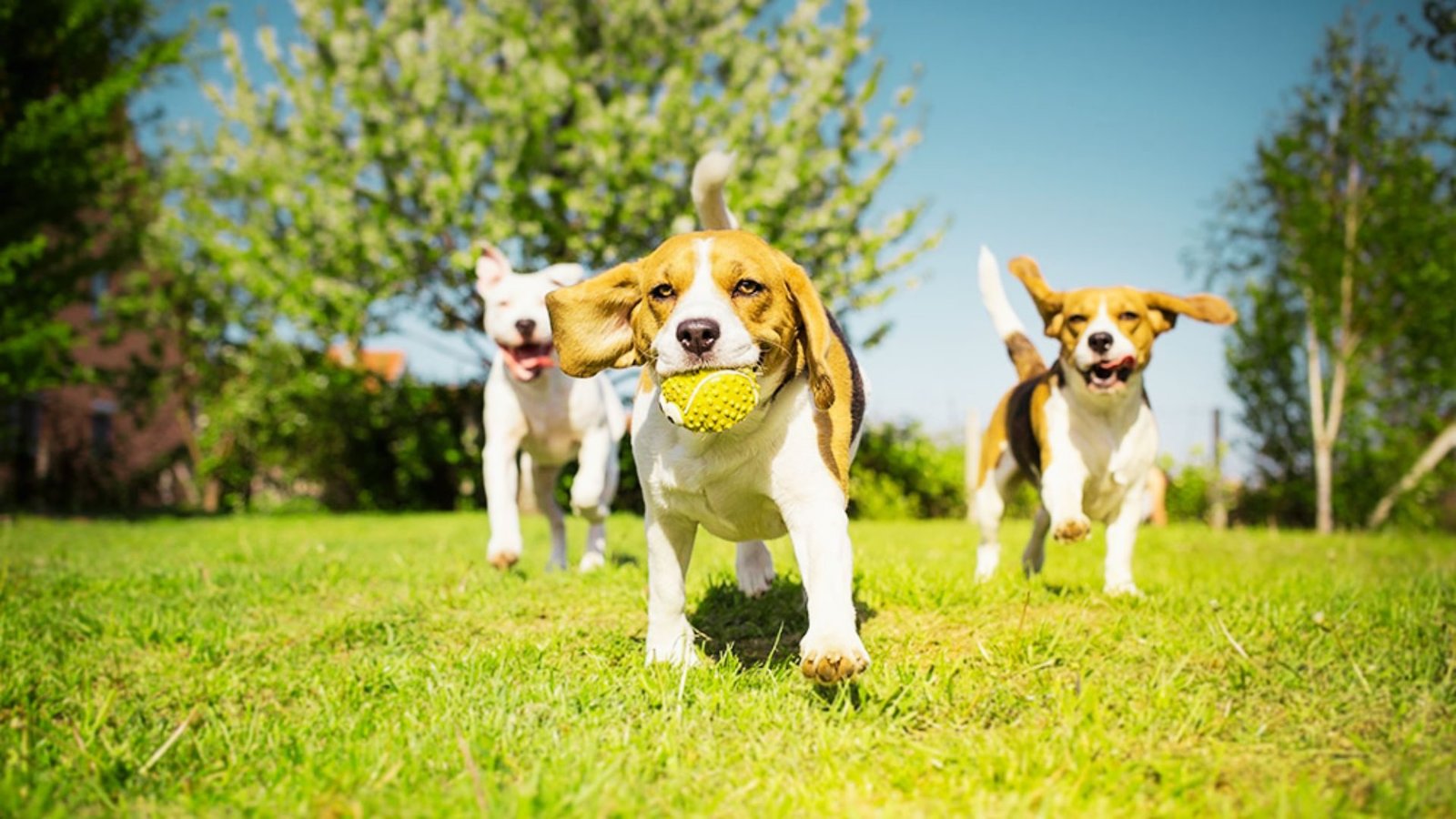
Early social experiences shape how your puppy reacts to the world as an adult.
The best time to socialize a puppy is between three and fourteen weeks of age. Let them meet new people, hear different sounds, and experience different surfaces.
Set up playdates with friendly, vaccinated dogs. A puppy that gets exposure to the world early grows into a calmer and more confident adult dog.
7. Begin Basic Training
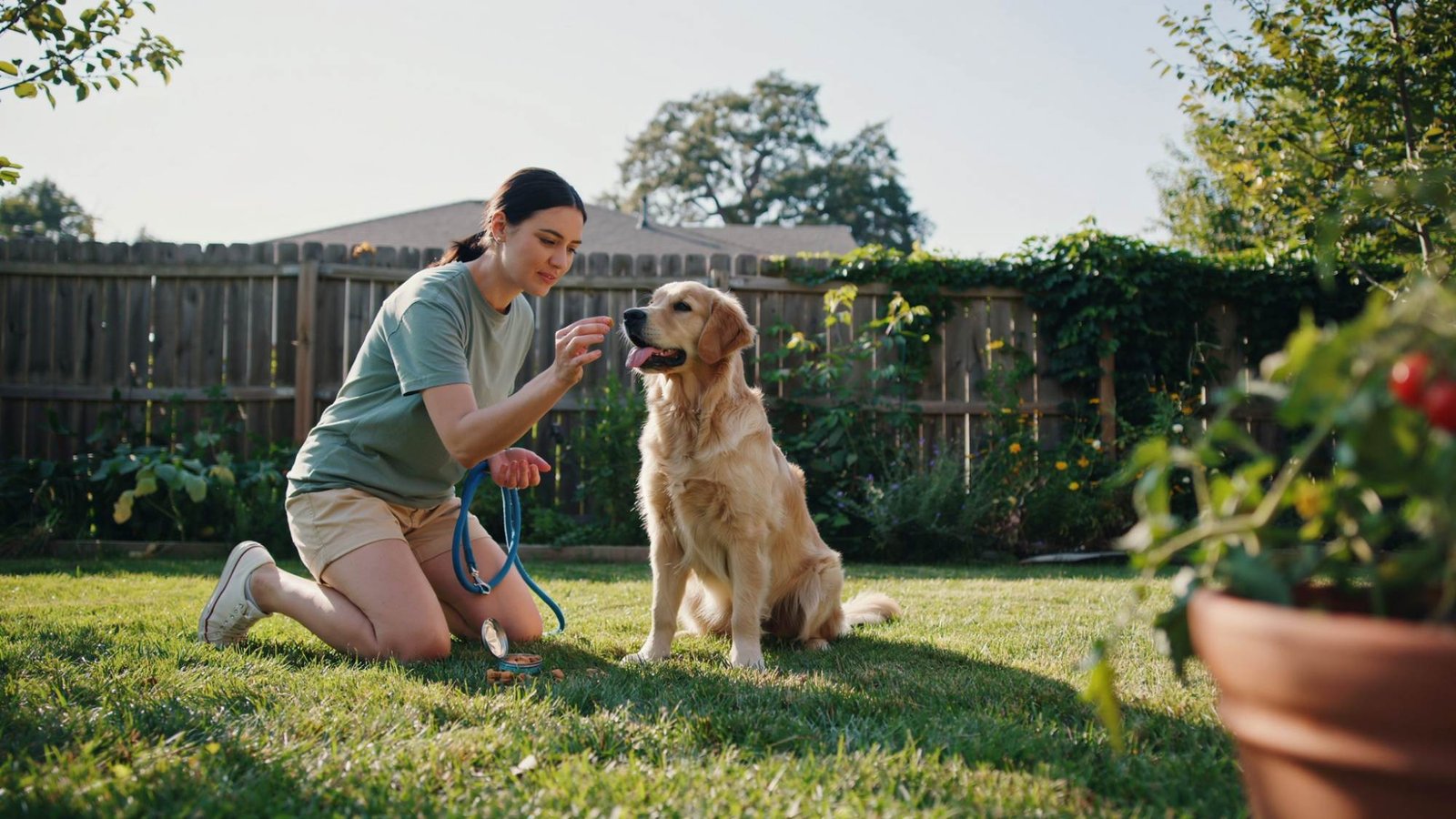
Starting training early builds good habits and strengthens your relationship.
Start with simple commands like sit, stay, come, and leave it. Keep sessions short, around three to five minutes, since puppies have short attention spans. Always use positive reinforcement.
Reward good behavior with treats, praise, or a toy. Never use punishment. Training done right builds trust and makes daily life with your dog much easier.
8. Help Your Puppy Sleep Through the Night
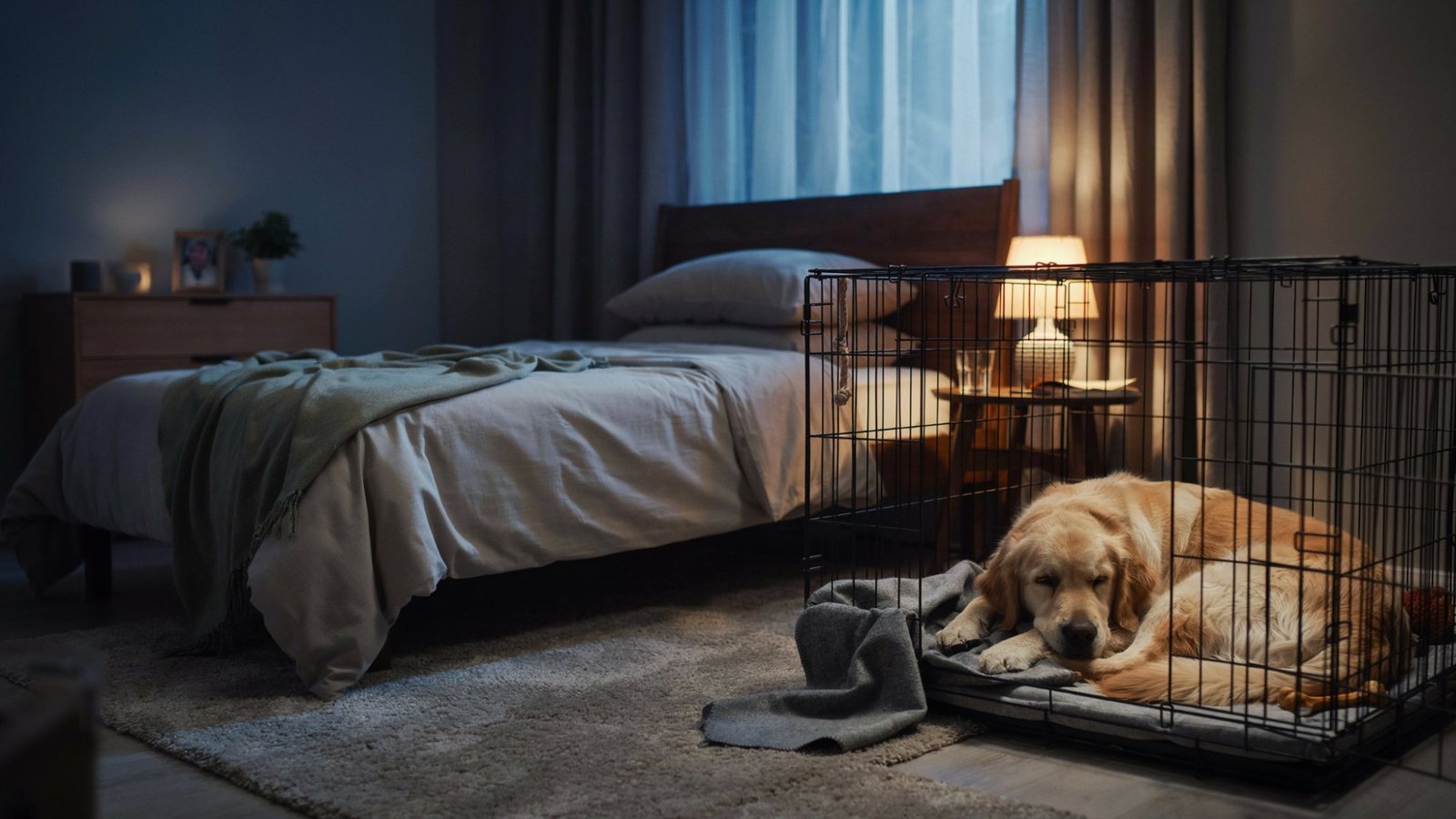
A good nighttime routine helps your puppy settle faster and sleep longer.
Most puppies wake up at night in the first few weeks. Place their crate or bed in your bedroom so they feel less alone. Put a worn t-shirt in their sleeping spot since your scent helps calm them.
Give them a bathroom break right before bed and avoid playing with them late at night. Things usually improve within a few weeks as they settle in.
9. Manage Puppy Care While You Work
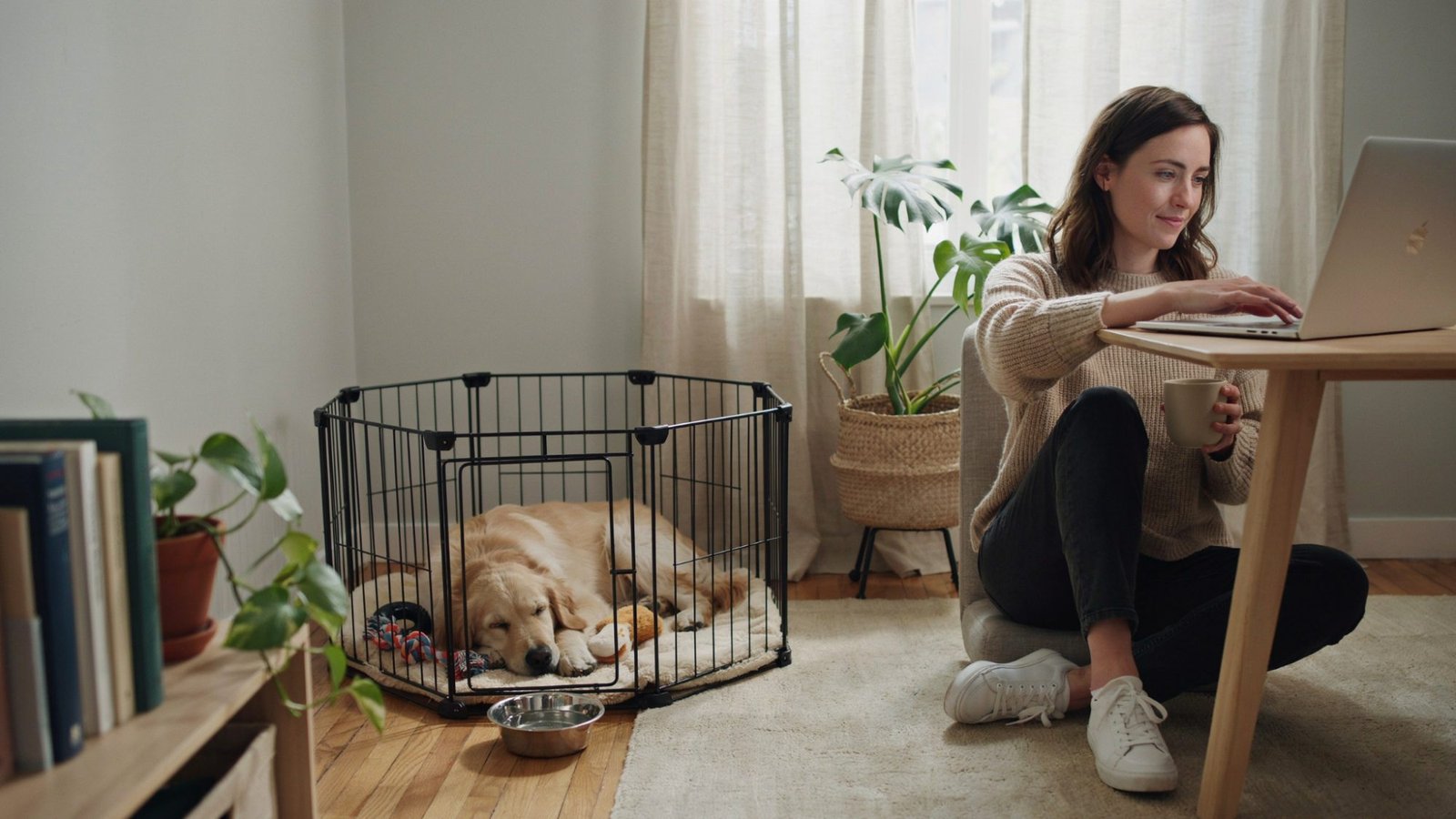
Planning ahead makes it possible to care for a puppy even on busy workdays.
Puppies under six months should not be left alone for more than two to three hours at a time. If you work full days, come home during lunch or hire a sitter to check in. Doggy daycare is another great option.
Use a playpen or puppy-proofed room and leave them with chew toys to stay busy. As they get older, they will handle longer stretches alone just fine.
10. Stay on Top of Grooming and Teething
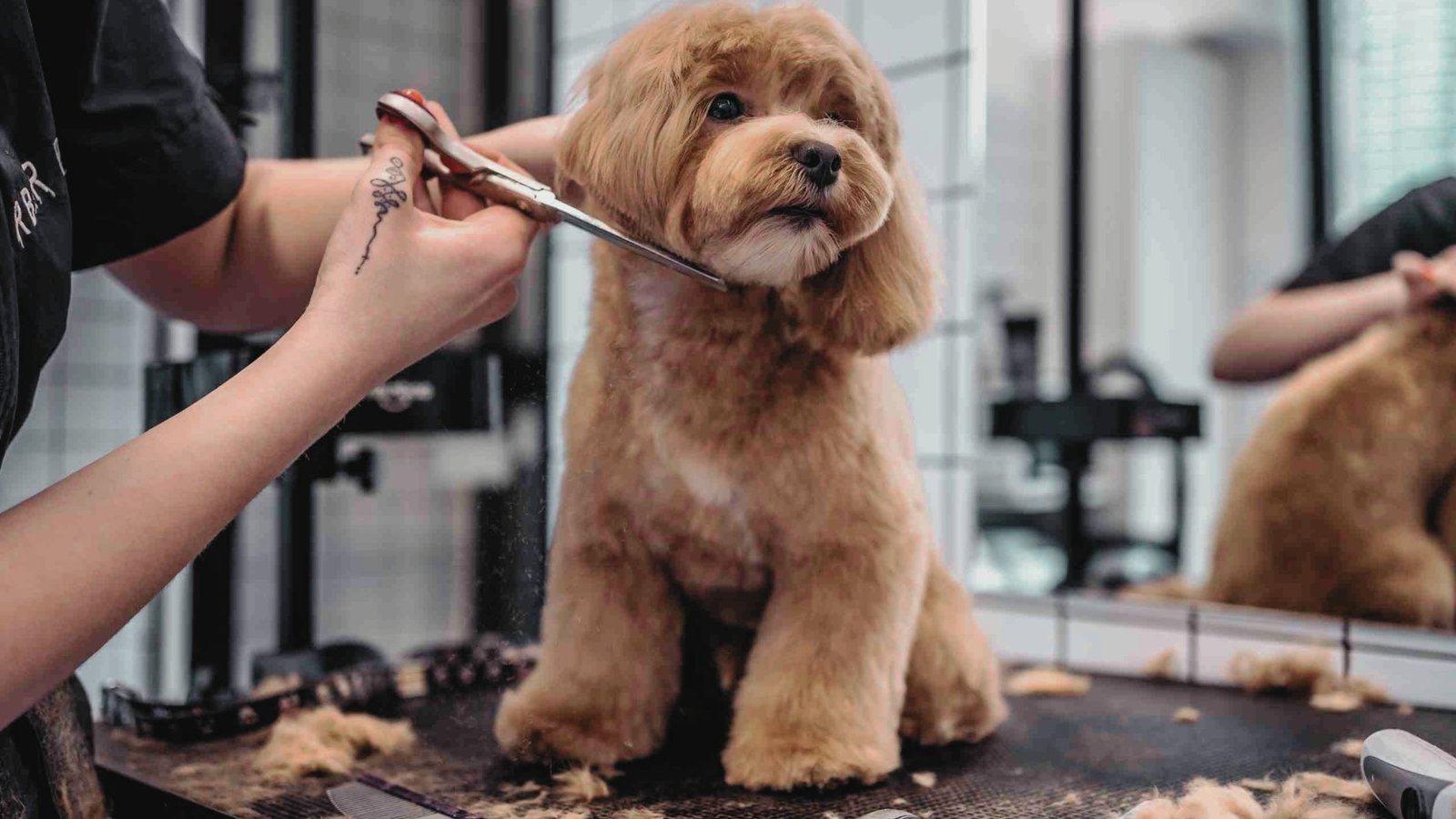
Regular grooming and teething care keep your puppy comfortable and healthy.
Start grooming habits early so your puppy gets used to being handled. Brush their coat a few times a week, bathe them every three to four weeks, and trim nails regularly. Clean their ears weekly and introduce teeth brushing as soon as possible using dog-safe toothpaste.
For teething, which happens between three and six months, offer plenty of chew toys to protect your furniture and soothe sore gums.
11. Build a Strong Bond With Your Puppy
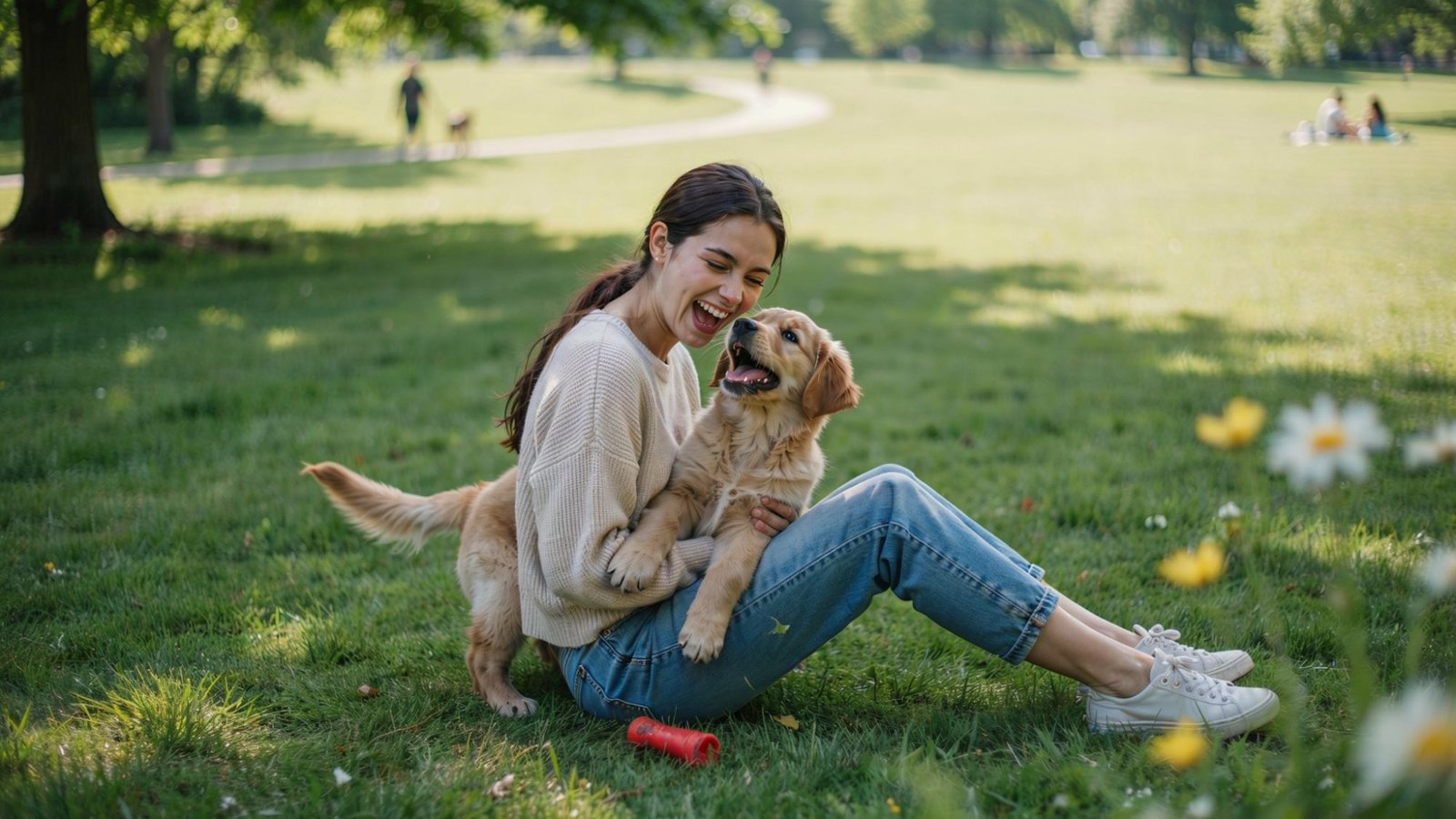
Time, patience, and consistency are what truly bring a puppy and owner close.
Spend at least thirty minutes of focused one-on-one time with your puppy each day. Talk to them, play with them, and get down to their level. Stay calm and patient even when they misbehave.
Learn to read their body language so you understand what they need. Trust builds slowly, but show up for them every day and they will return that loyalty for life.
Puppy Care Tips for First-Time Owners
A few smart habits early on make raising a puppy much smoother and more enjoyable.
- Skip the vet and pay later. Book a checkup in the first week. Early visits catch health problems before they get serious and keep your puppy's vaccine schedule on track.
- Set meal times, not free feeding. Leaving food out all day makes potty training much harder. Feed your puppy at fixed times so their bathroom schedule becomes predictable.
- Never punish accidents. Scolding your puppy for going inside only creates fear. Clean it up with an enzyme cleaner and stay consistent with outdoor potty breaks.
- Address bad habits early. Nipping, jumping, and grabbing may look cute right now. In a few months, those same habits in a bigger dog will be a real problem.
- Be patient with the process.Puppies do not learn overnight. Short, positive training sessions done every day will get you much further than frustration ever will.
Conclusion
Raising a puppy is not always easy, but it is absolutely worth it. I still remember the first night with my pup.
It was messy, exhausting, and honestly one of the best nights of my life. Every small win, like the first successful potty trip outside, feels like a big deal. And it is.
You are already doing great just by learning how to take care of a puppy the right way. Got a tip that worked for you? Drop it in the comments. Someone else might need it today.
Frequently Asked Questions
What should I feed my puppy and how often?
Feed your puppy food made specifically for their age and breed size. Small breeds need three to four meals a day while larger breeds do well with two to three.
How do I start potty training my puppy?
Take your puppy outside after every meal, nap, and first thing in the morning. Praise them right away when they go in the right spot and stay consistent every single day.
When should I take my puppy to the vet for the first time?
Book the first vet visit within the first week of bringing your puppy home. Early checkups cover vaccinations, parasite prevention, and a full health check.
How do I stop my puppy from biting and chewing everything?
Offer plenty of chew toys so they have something safe to gnaw on. Redirect them calmly every time they bite or chew something they should not.
How long does it take for a puppy to adjust to a new home?
Most puppies start to settle within one to three weeks. Keeping a consistent routine and giving them plenty of patience helps them feel safe and comfortable faster.