

Your puppy is chewing everything in sight, and you just found a tiny tooth on the floor.
Sound familiar? This is completely normal.
Puppies go through a natural teething process, just like human babies do. They are born without teeth, grow a set of baby teeth, and then lose them to make way for stronger adult teeth.
As a pet owner, knowing what to expect makes this phase much easier to handle. You will know when to worry and when to relax.
This guide walks you through the full teething timeline so you can take better care of your pup at every stage.
When Do Dogs Start Losing Their Baby Teeth?

Most puppies start losing their baby teeth around 3 to 4 months of age. The full transition picks up between 4 and 5 months and wraps up by 6 to 7 months.
Not every dog follows the same schedule. Small breeds sometimes lose their teeth a little later than larger breeds. Individual growth rates also play a role.
If your puppy is slightly off this timeline, that is usually nothing to worry about.
Puppy Teething Timeline (Step-by-Step Guide)

Every puppy goes through the same teething stages. Knowing what happens at each point helps you stay prepared.
0–2 Weeks – No Teeth Stage
Puppies are born with no teeth at all. Their gums are completely soft and bare. At this stage, mother's milk covers all their nutritional needs.
3–4 Weeks – Baby Teeth Begin Erupting
The incisors are the first teeth to break through, followed by the canines and premolars. These early teeth are tiny but very sharp. Puppies often get nippy around this time as the gums feel pressure.
8 Weeks – Full Set of Baby Teeth
By 8 weeks, most puppies have all 28 baby teeth fully in place. These teeth are smaller and thinner than adult teeth. This is also the age when most puppies move into their new homes.
3–6 Months – Baby Teeth Start Falling Out
Baby teeth begin loosening as adult teeth push up through the gums. You may find tiny teeth on the floor or in their bedding. Chewing increases during this time as the gums become sore and tender.
6–7 Months – Adult Teeth Fully Emerge
All 42 adult teeth are now fully in place. The intense chewing phase slows down noticeably. This is the right time to start a proper dental care routine for your dog.
Signs Your Dog Is Losing Baby Teeth
- Your puppy will start chewing on everything around the house. Furniture, shoes, and toys all become targets during this phase.
- Small blood spots on chew toys are completely normal. The gums become sensitive as teeth loosen and fall out.
- You may notice your puppy's breath smelling a little off during this time. This is temporary and usually clears up once the adult teeth settle in.
- Finding a tiny tooth on the floor is nothing to panic about. Puppies often swallow their baby teeth, and this is safe in most cases.
What Happens During Teething?
Teething is a natural process that every puppy goes through. Here is what is actually happening inside your puppy's mouth during this phase.
Baby Teeth Fall Out Naturally
Baby teeth loosen on their own as adult teeth push up from below. Some teeth drop out and you may find them around the house.
Others are simply swallowed, which is completely safe and very common.
Adult Teeth Replace Them
Adult teeth come in a specific order. Incisors come first, followed by canines, then premolars, and finally molars.
By the end of this process, your dog has a full set of 42 strong permanent teeth.
Behavioral Changes in Puppies
Some puppies become fussy or irritable during teething as their gums feel sore. You may also notice a slight dip in appetite on certain days.
These changes are short term and settle down once the adult teeth are fully in place.
Retained Baby Teeth – When to Worry
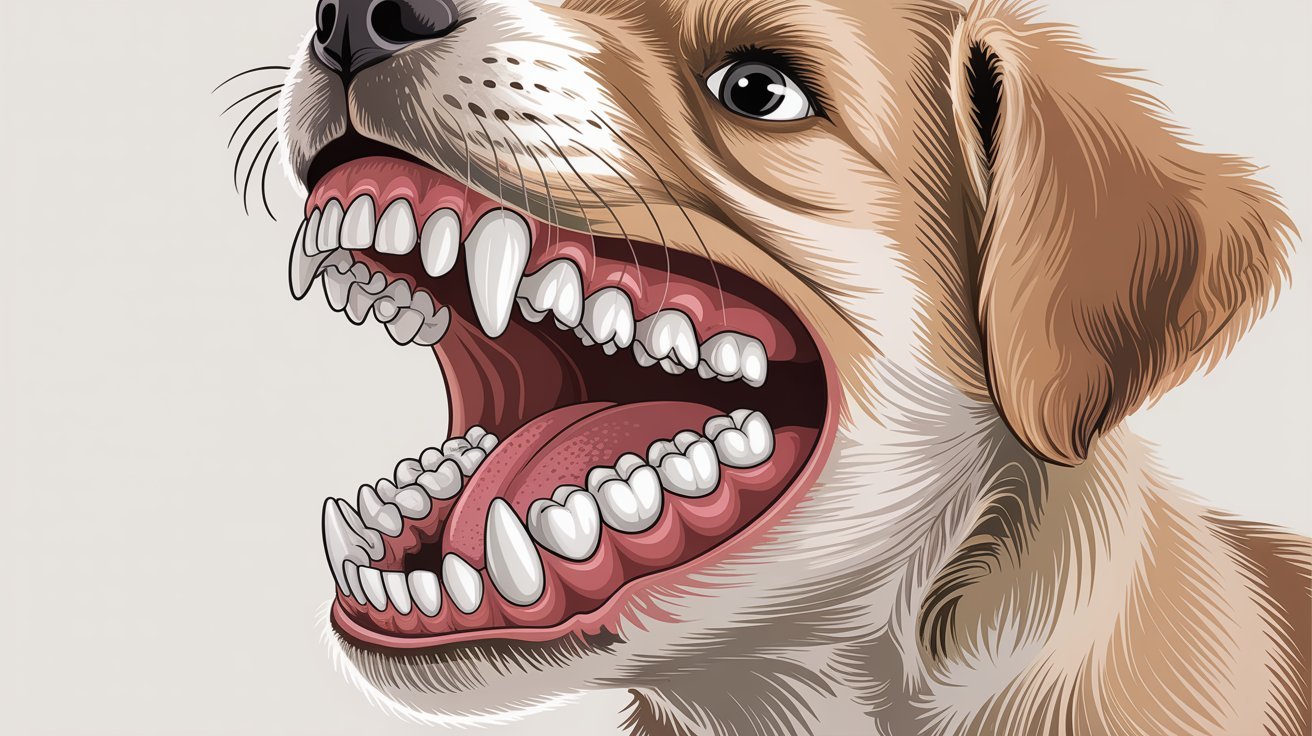
Sometimes baby teeth do not fall out on their own. This is called retained teeth, and it can cause real problems if left unaddressed.
When a baby tooth stays in place too long, it crowds the adult tooth growing beside it. This leads to misalignment and other dental issues over time.
If your puppy still has baby teeth after 6 to 7 months, or you can see two teeth overlapping, visit your vet soon.
How to Help a Teething Puppy at Home
- Soft rubber chew toys are one of the best things you can offer a teething puppy. Look for toys made specifically for teething as they are gentle on sore gums.
- Frozen washcloths work really well for gum relief. Simply wet a clean cloth, freeze it, and let your puppy chew on it for a few minutes.
- Chilled toys are another simple option to soothe tender gums. Pop a rubber toy in the freezer for a bit before giving it to your pup.
- When your puppy chews something they should not, calmly redirect them to an approved toy. Reward them when they chew the right thing and they will catch on quickly.
- Avoid giving hard bones, sticks, or any object that does not bend or flex. These can crack developing teeth or injure your puppy's sensitive gums.
Puppy Dental Care Routine (Start Early)
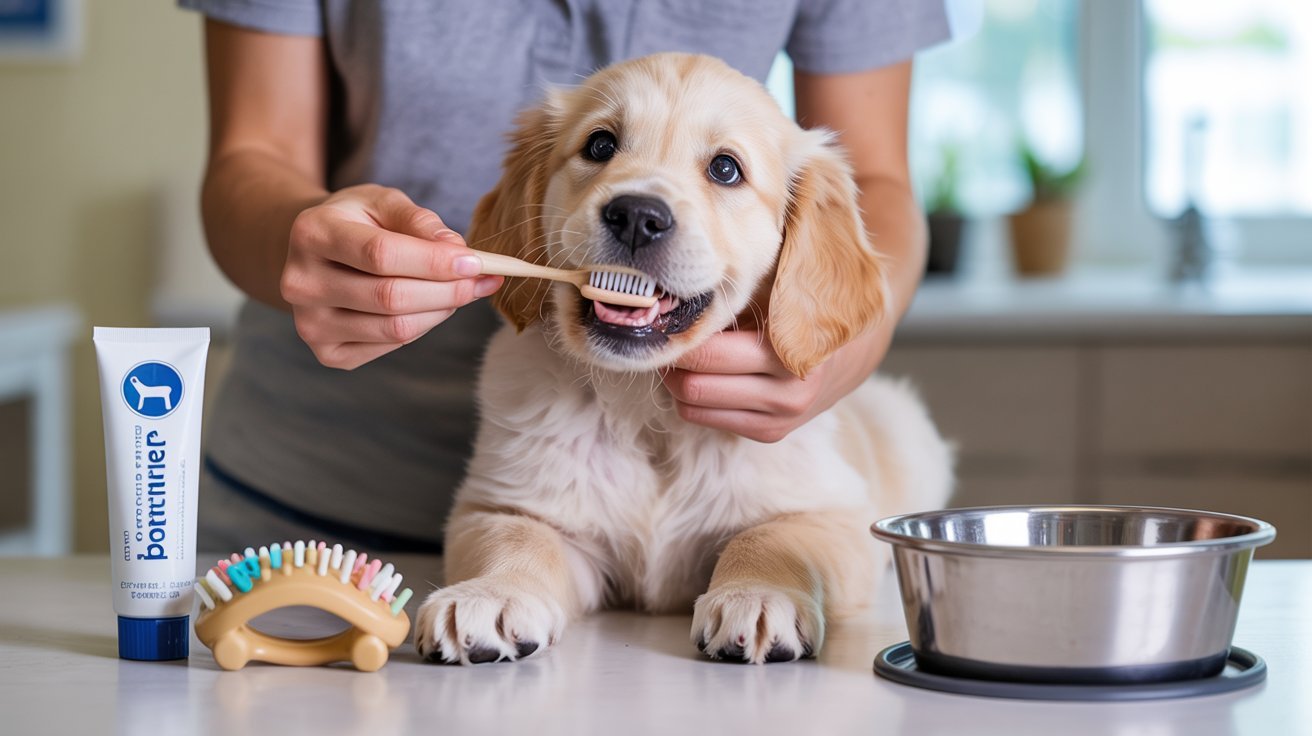
Starting dental care early makes a big difference in your dog's long term health. The habits you build now will stay with your dog for life.
Brushing Puppy Teeth
Always use toothpaste made specifically for dogs, as human toothpaste is toxic to them. Start with a finger brush to get your puppy comfortable with the process.
Once they are used to it, move to a soft bristle dog toothbrush for better cleaning.
Dental Products That Help
VOHC-approved dental treats are a great addition to your puppy's routine. Dental chews help reduce plaque and keep the breath fresher between brushings.
Water additives are another easy option that works quietly in the background every time your dog drinks.
Importance of Early Habits
Getting your puppy used to dental care early prevents plaque and tartar from building up over time.
This lowers the chances of painful dental issues as your dog gets older. It also means fewer costly dental procedures at the vet down the line.
When to Visit the Vet
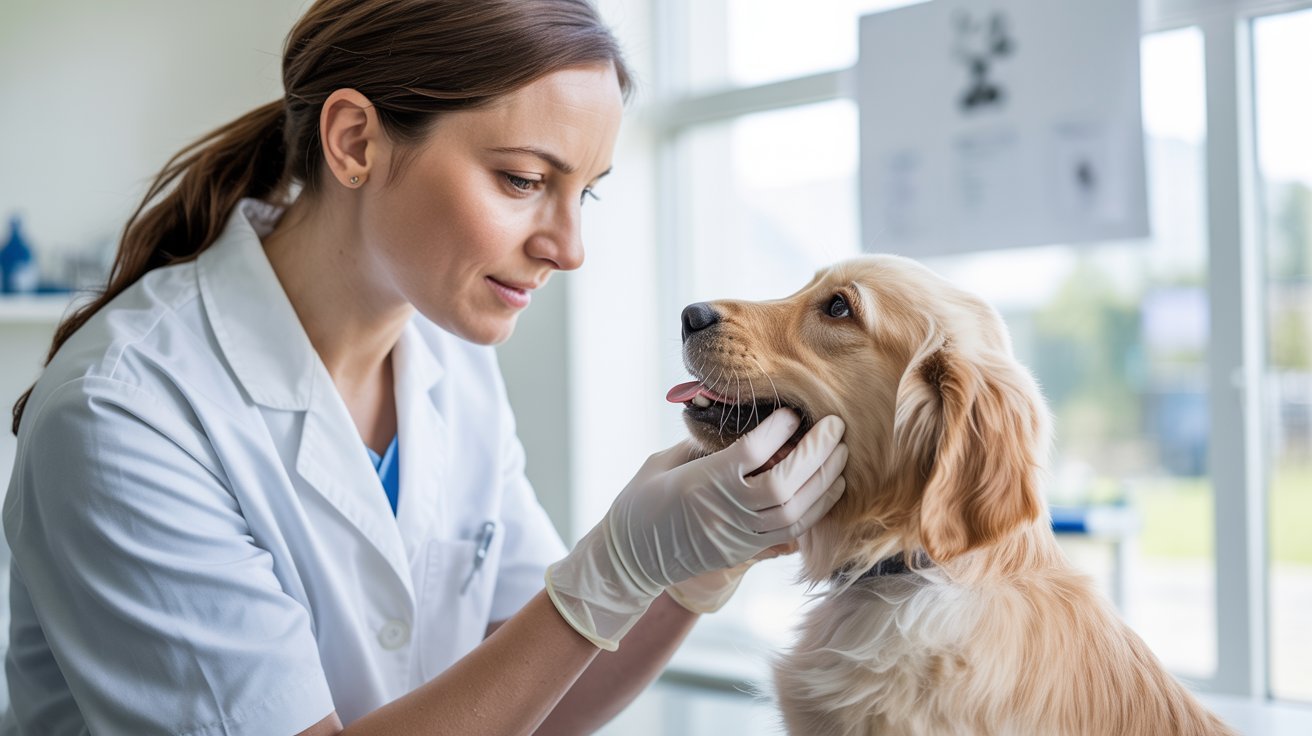
Most teething happens without any major problems. But some signs do need professional attention.
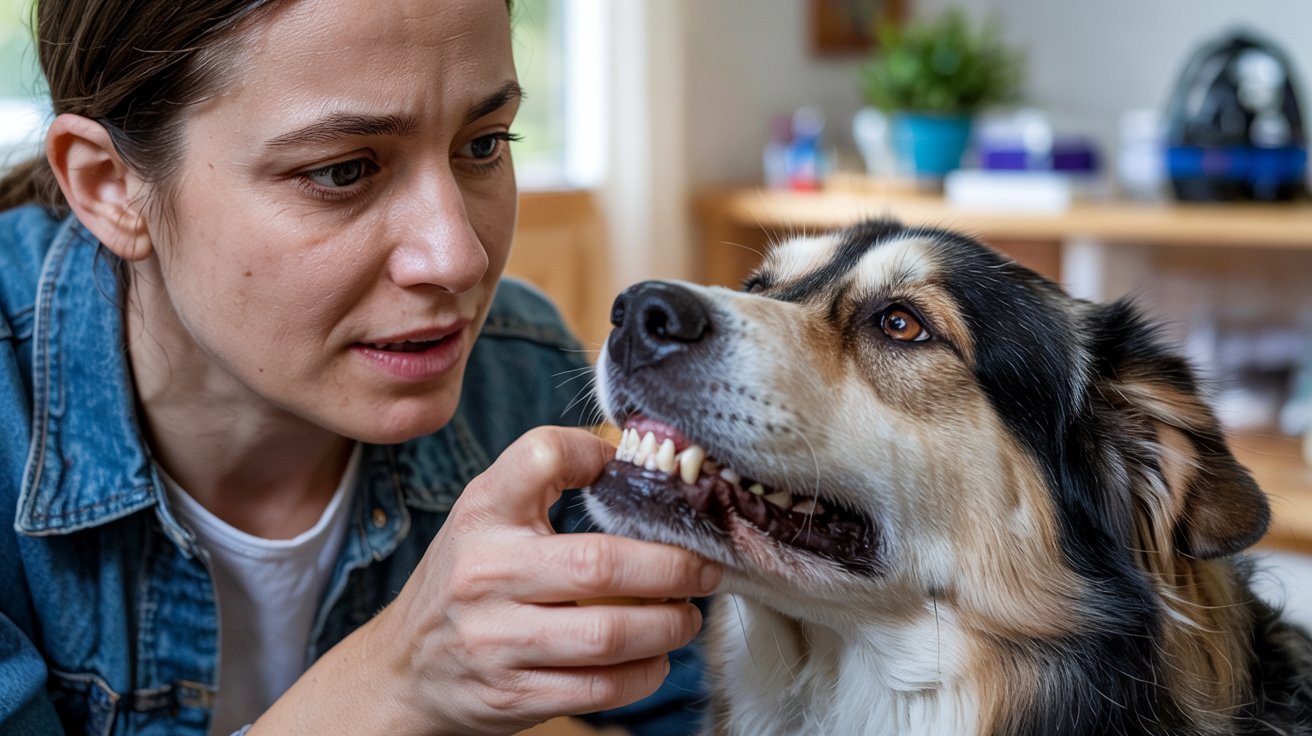
Take your puppy to the vet if you notice excessive bleeding that does not stop, signs of infection like swollen or red gums, or if your puppy seems to be in serious pain.
Retained baby teeth and visibly misaligned adult teeth also need a vet's eye.
Catching these issues early makes treatment simpler and less stressful for your dog.
Conclusion – Key Takeaways
Teething is a normal part of every puppy's growth. Most dogs lose their baby teeth between 3 and 6 months, and a full set of adult teeth is in place by 6 to 7 months.
Keeping an eye on this process makes a real difference. Start dental care early, offer the right chew toys, and visit your vet if something feels off.
Your puppy's healthy smile starts with the care you give today.
Share this guide with a fellow dog owner or bookmark it for later.
Frequently Asked Questions
At what age do puppies start losing their baby teeth?
Most puppies begin losing their baby teeth around 3 to 4 months of age. The process is usually complete by 6 to 7 months.
Is it normal to find my puppy's teeth on the floor?
Yes, finding tiny teeth around the house is completely normal. Puppies also swallow their baby teeth sometimes, and this is safe in most cases.
Why is my puppy chewing on everything during teething?
Chewing helps relieve the soreness and pressure that comes with teething. Giving your puppy safe chew toys redirects this behavior and protects your belongings.
What should I do if my puppy still has baby teeth at 7 months?
This could be a case of retained baby teeth, which needs attention. Visit your vet as soon as possible to avoid crowding or misalignment issues.
When should I start brushing my puppy's teeth?
The earlier you start, the better. Begin with a finger brush and dog-safe toothpaste as soon as your puppy is comfortable, ideally before the adult teeth fully come in.