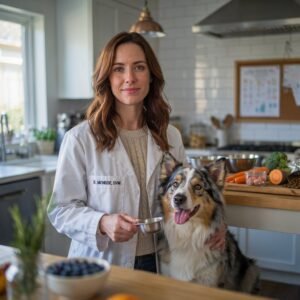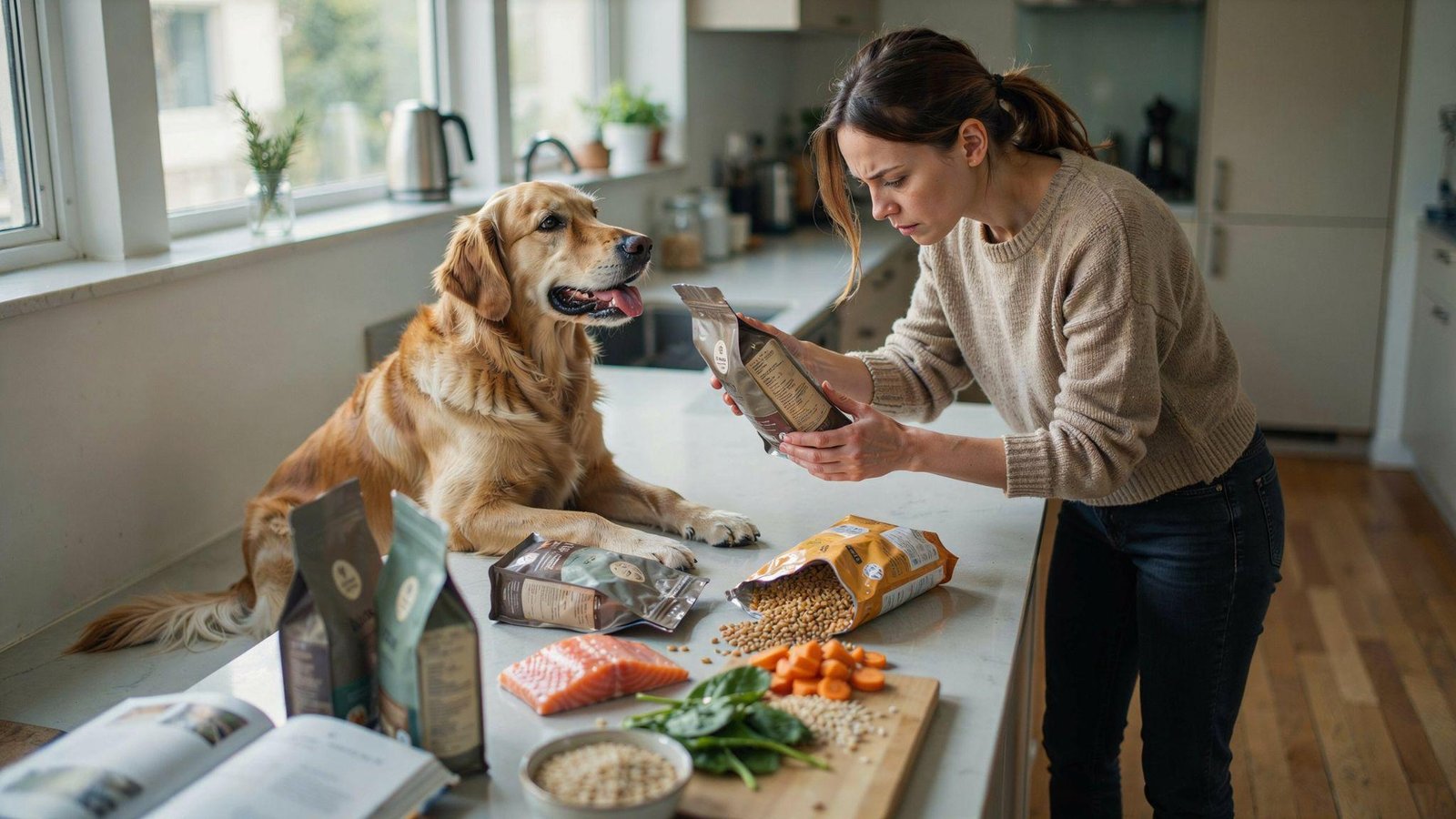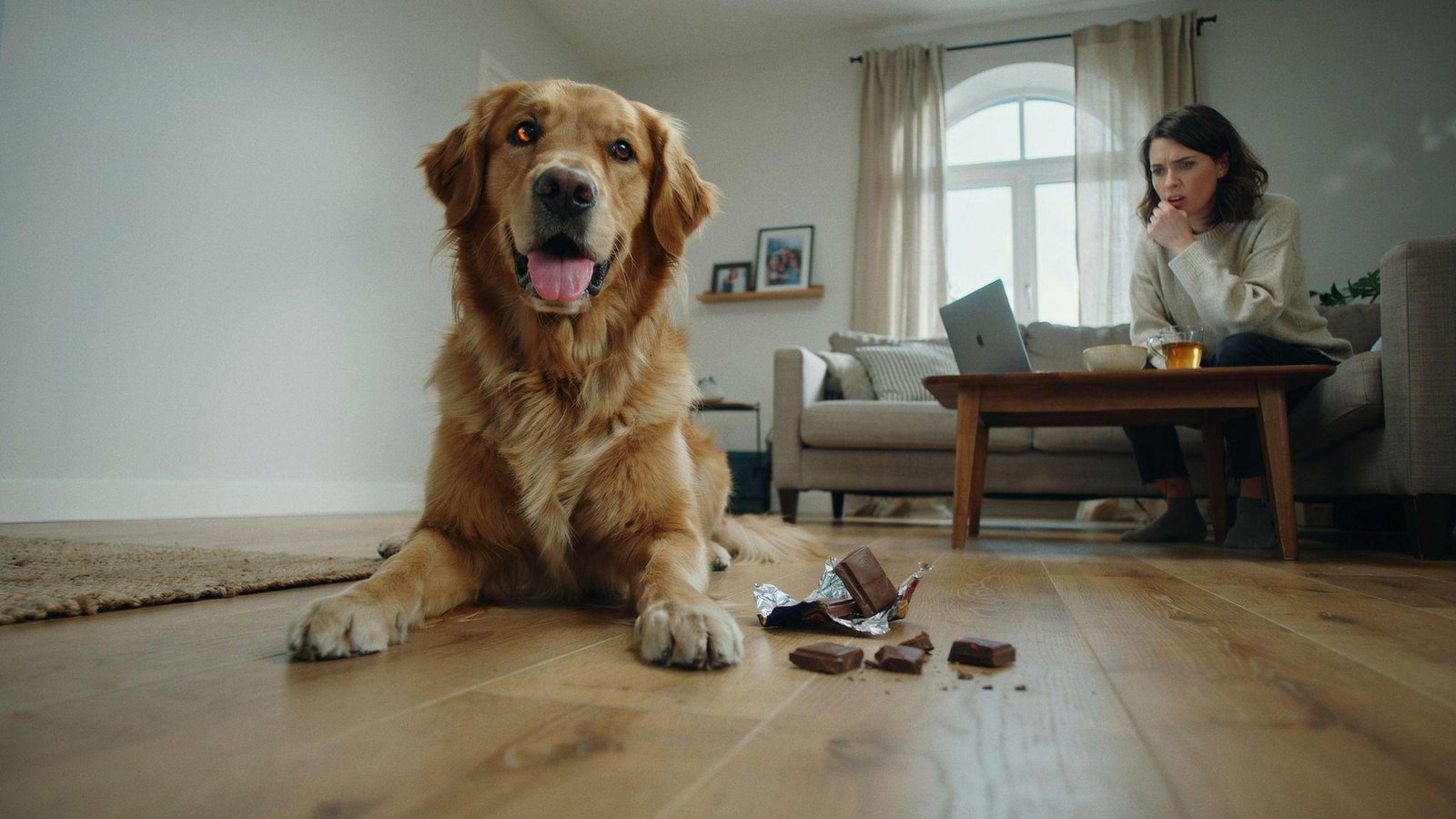

My dog once had three loose stools before 8 AM. I had no idea what to do first. Feed him? Skip the meal? Give water? I was completely lost.
That one morning pushed me to research everything I could about what to feed a dog with diarrhea.
And honestly, what I found surprised me. The fixes are simpler than most people think, but the mistakes are easy to make too.
In this guide, I'm sharing exactly what worked for my dog and what didn't. Stick around because some of these tips might go against what you've heard before.
Understanding Diarrhea in Dogs
Diarrhea in dogs can happen for many reasons. A sudden diet change, a bacterial infection, stress, parasites, or food intolerance can all trigger it. It's more common than most people think.
When diarrhea hits, your dog's gut can't absorb nutrients properly. The body starts losing fluids fast. That's where dehydration becomes a real risk.
Regular dog food can actually make things harder during this time. Most kibble is too heavy for an irritated digestive system to process well.
A temporary diet shift gives the gut a break. Lighter, easier-to-digest foods let the stomach and intestines settle down and start healing.
What to Feed a Dog with Diarrhea
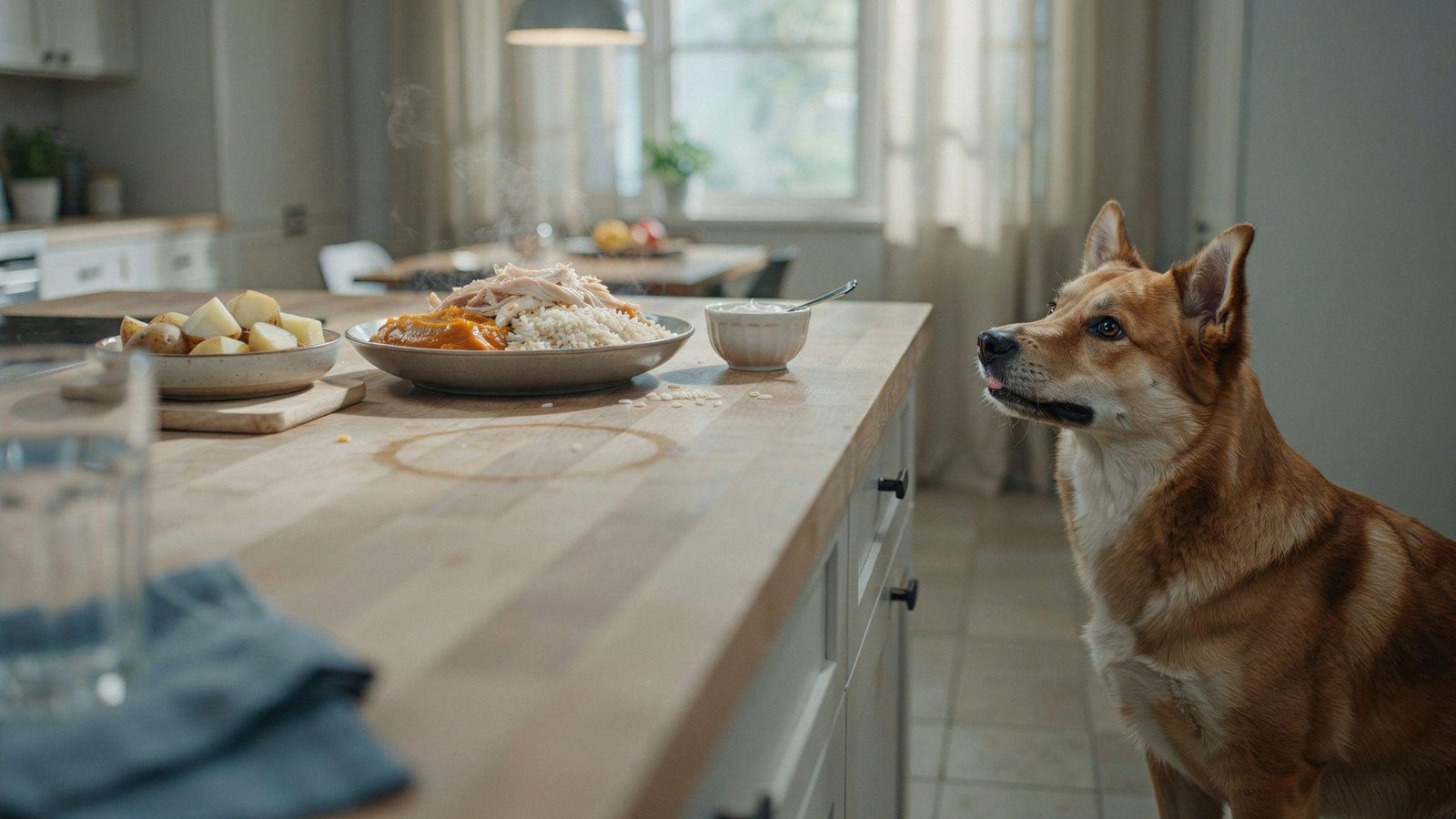
The idea behind a bland diet is simple. You give the gut foods that are easy to break down, low in fat, and gentle on the lining of the intestines.
Instead of one or two big meals, go with small amounts every few hours. This keeps the digestive system from getting overloaded while it recovers.
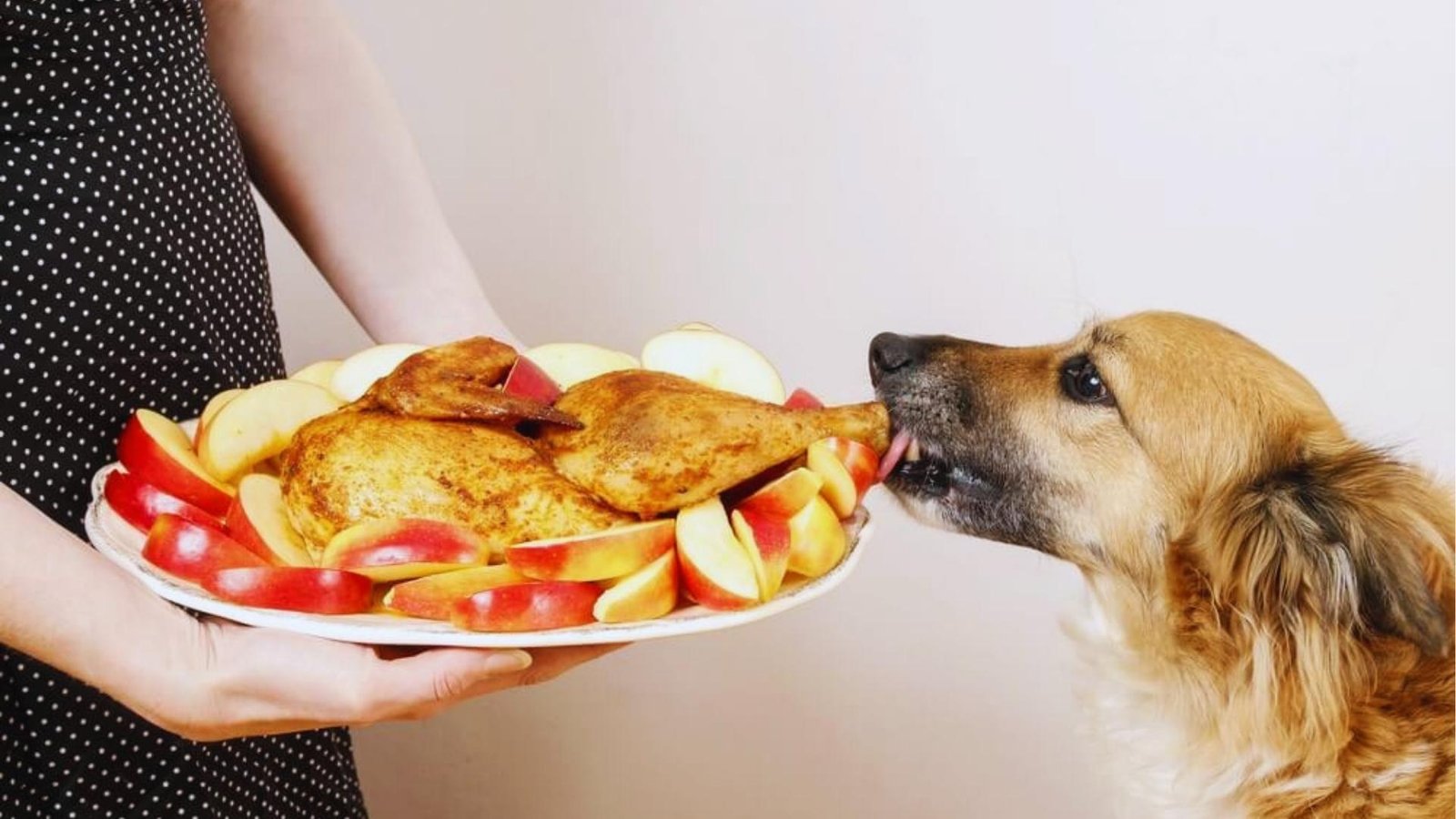
Boiled Chicken and White Rice
Boiled chicken gives your dog a clean protein source that's easy to digest. White rice adds simple carbs that help firm up loose stool.
Use plain, skinless chicken breast. No oil, no salt, no seasoning of any kind.
Mix it in a 1:3 ratio, one part chicken to three parts rice. Keep portions small, especially in the first few meals.
This combo is one of the most trusted options when figuring out what to feed a dog with diarrhea at home.
Pumpkin (Plain and Cooked)
Plain cooked pumpkin is high in fiber. That fiber helps regulate the digestive system, whether the stool is too loose or too firm.
Use plain canned pumpkin, not pie filling. Pie filling has sugar and spices that will irritate the gut further.
For small dogs, one teaspoon is enough. For larger breeds, one to two tablespoons works. Don't overdo it.
Boiled Potatoes
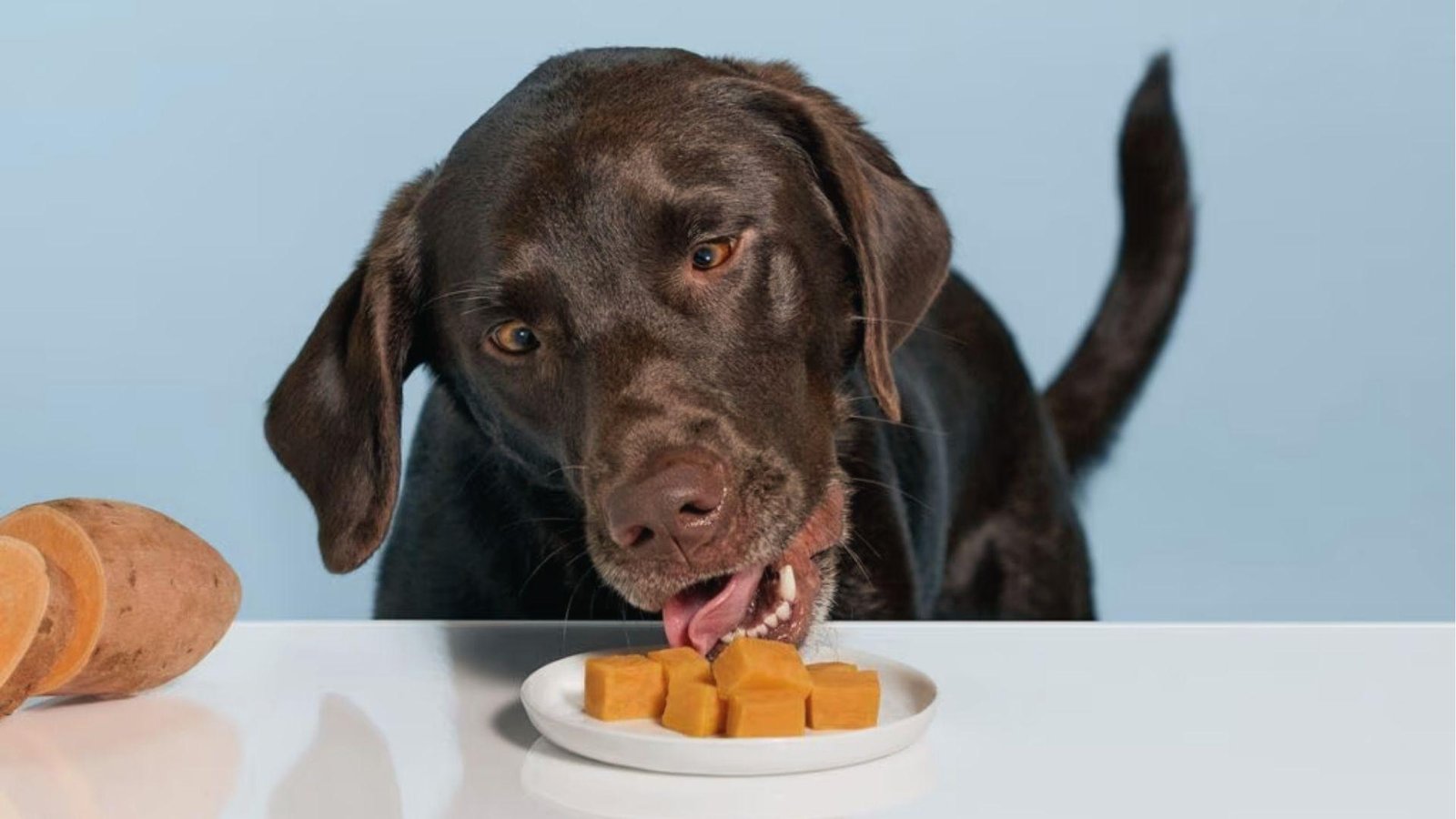
Plain boiled potatoes offer easy-to-process energy. They're starchy and gentle, making them a good option during recovery.
Remove the skin before serving. The skin can be harder to digest and may cause more irritation.
No butter, salt, or toppings. Just plain, soft, boiled potato. That's it.
Plain Yogurt or Probiotics
Plain yogurt with live cultures can help restore good gut bacteria. When diarrhea clears out the bad stuff, it sometimes takes the good bacteria with it too.
Only use this if your dog handles dairy well. Some dogs are lactose intolerant and yogurt will make things worse, not better.
A small spoonful is enough. You can also ask your vet about dog-specific probiotic supplements if you want a safer option.
Vet-Recommended Prescription Diets
If home remedies aren't working after 24 to 48 hours, your vet may suggest a commercial gastrointestinal diet. These are specially made to support gut recovery.
Brands like Hill's i/d or Royal Canin GI are commonly prescribed. They're formulated for easy digestion and faster recovery.
These diets work well for more serious or persistent cases. Your vet will guide you on how long to use them.
Foods to Avoid During Diarrhea
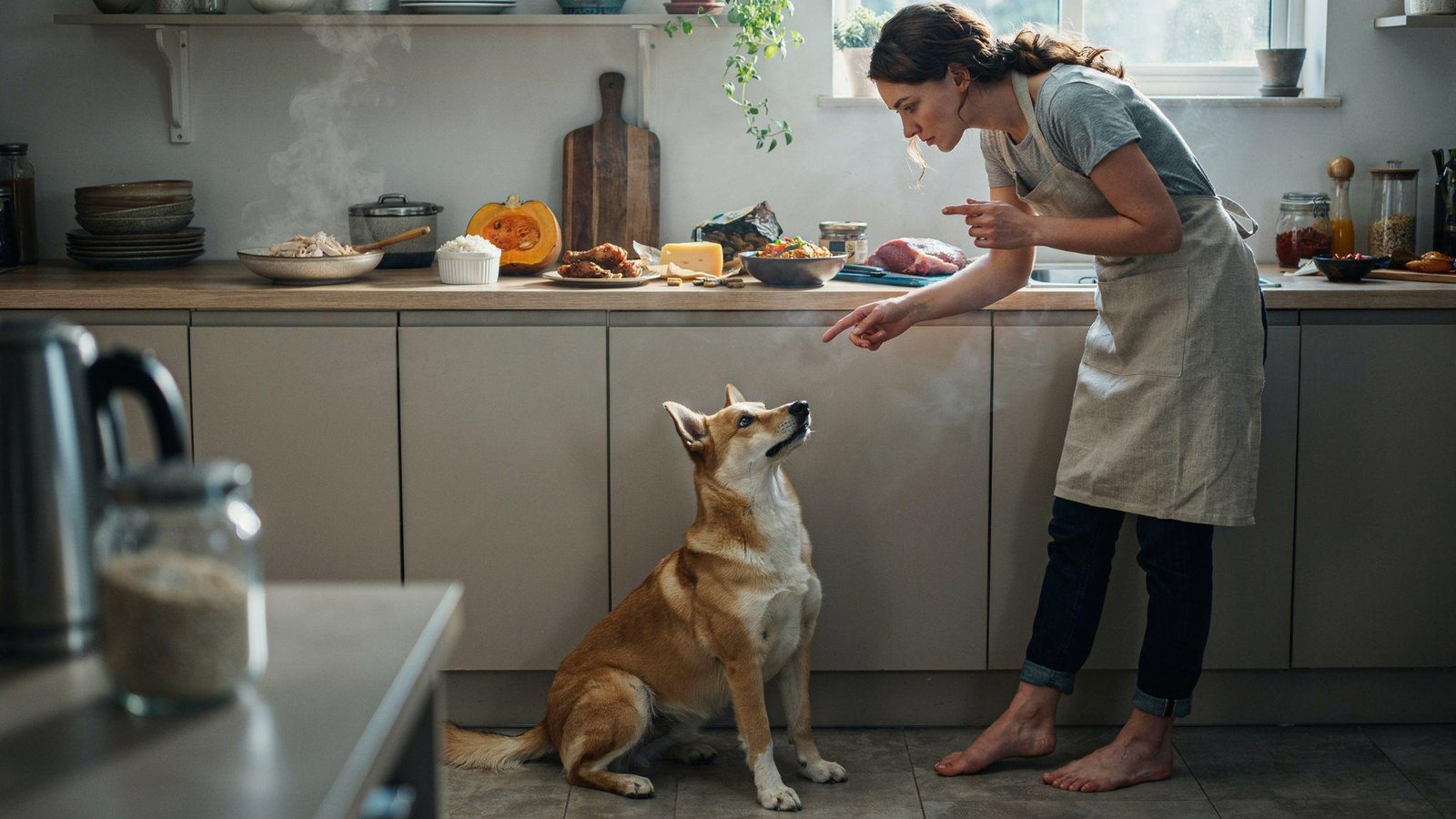
Some foods seem harmless but can seriously set back your dog's recovery. During this time, the gut lining is sensitive and reacts badly to anything heavy or irritating.
Here's what to keep away from your dog:
- Dairy products like milk and cheese (unless vet-approved probiotics)
- Fatty or fried foods
- Raw meat or raw bones
- Spicy or heavily seasoned food
- Commercial dog treats and processed snacks
Each of these puts stress on an already inflamed gut. Fatty foods trigger more bile production. Raw meat introduces bacteria. Processed treats often have additives the gut can't handle right now.
Keep it simple. The fewer ingredients in what your dog eats, the better the chances of a smoother recovery.
Hydration and Electrolyte Balance
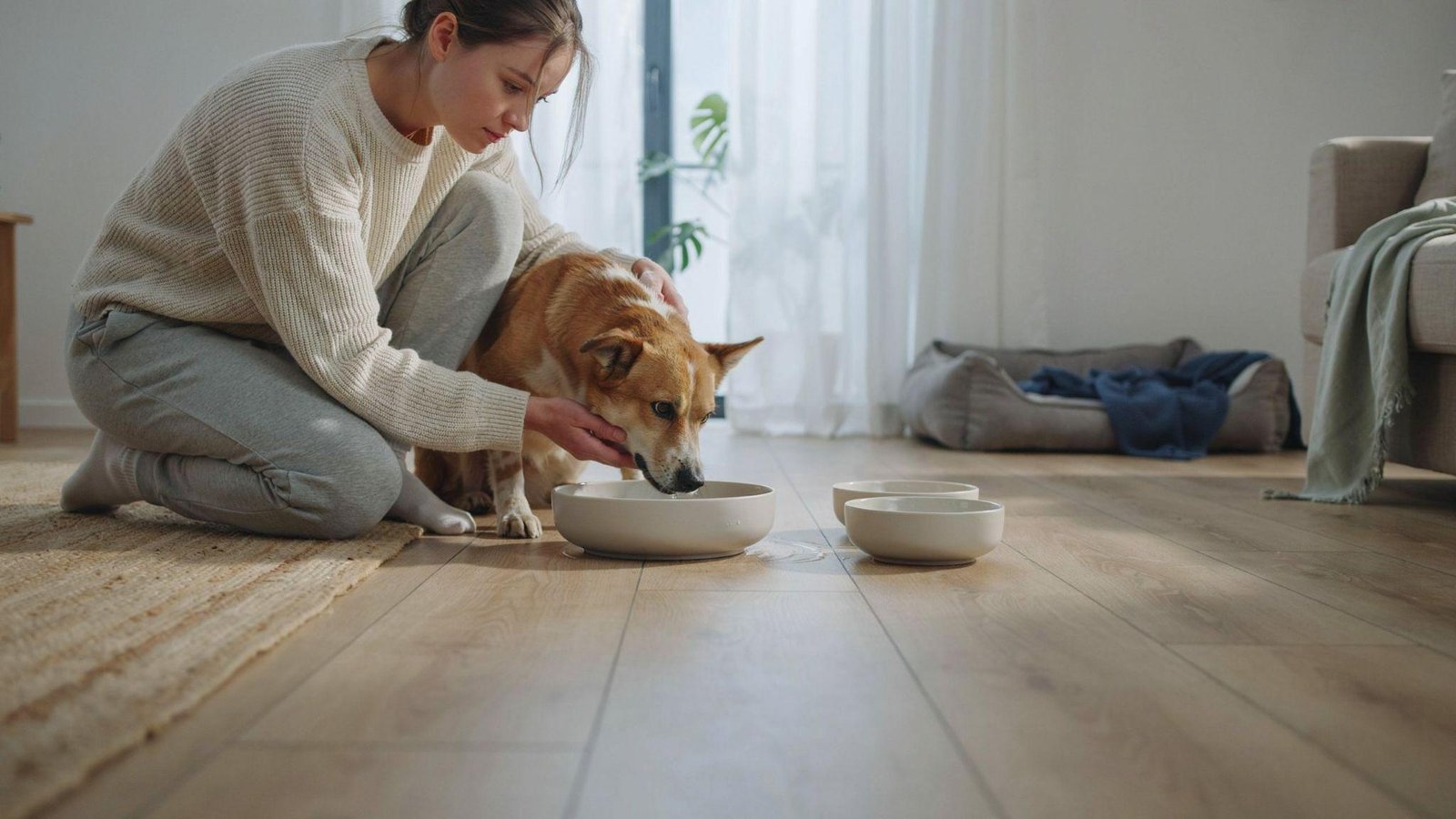
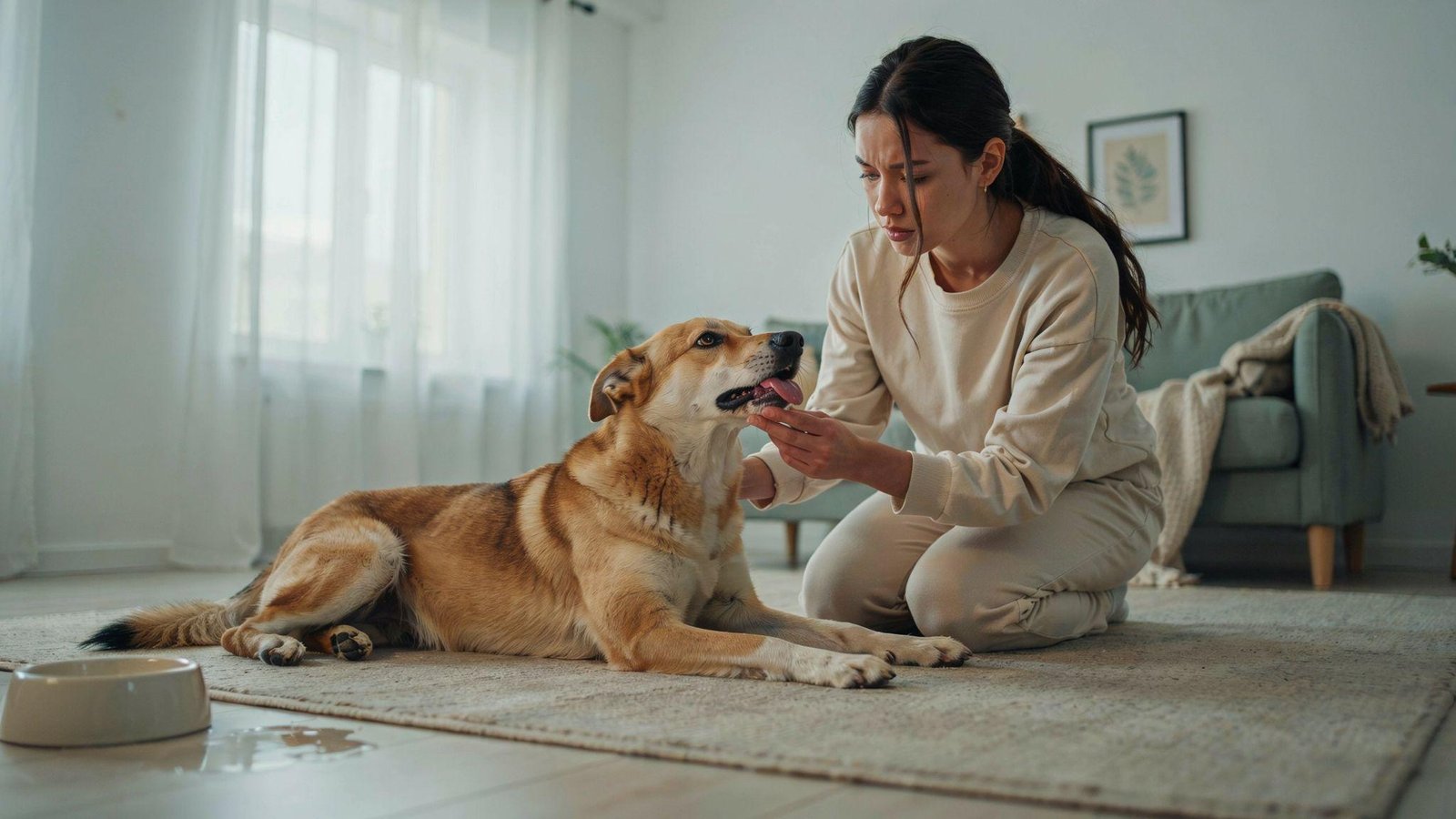
Diarrhea causes fluid loss fast. Keeping your dog hydrated is just as important as choosing the right food.
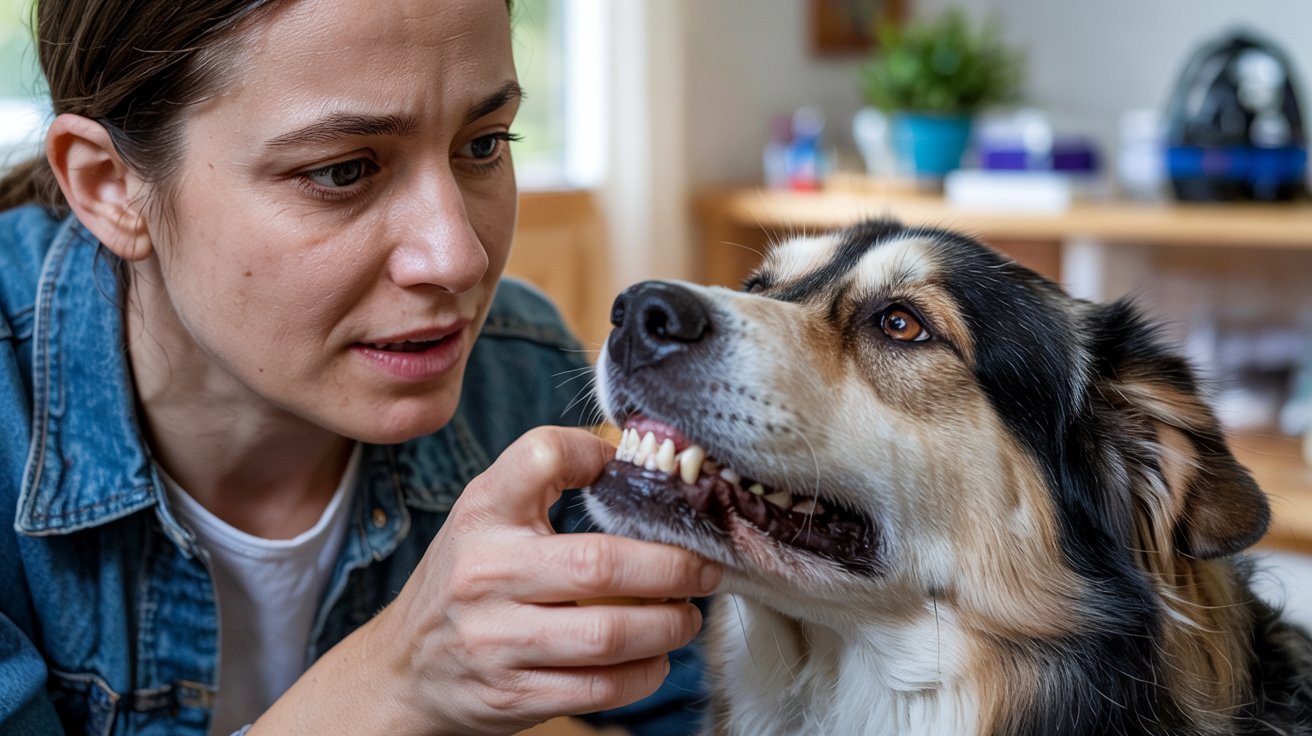
Watch for signs of dehydration. A dry nose, sunken eyes, low energy, or skin that doesn't bounce back when pinched can all be red flags.
Make sure clean, fresh water is available at all times. Encourage your dog to drink even if they seem disinterested.
In more serious cases, your vet might suggest an electrolyte solution made for dogs. Human sports drinks like Gatorade are not safe and should be avoided.
Feeding Schedule and Portion Control
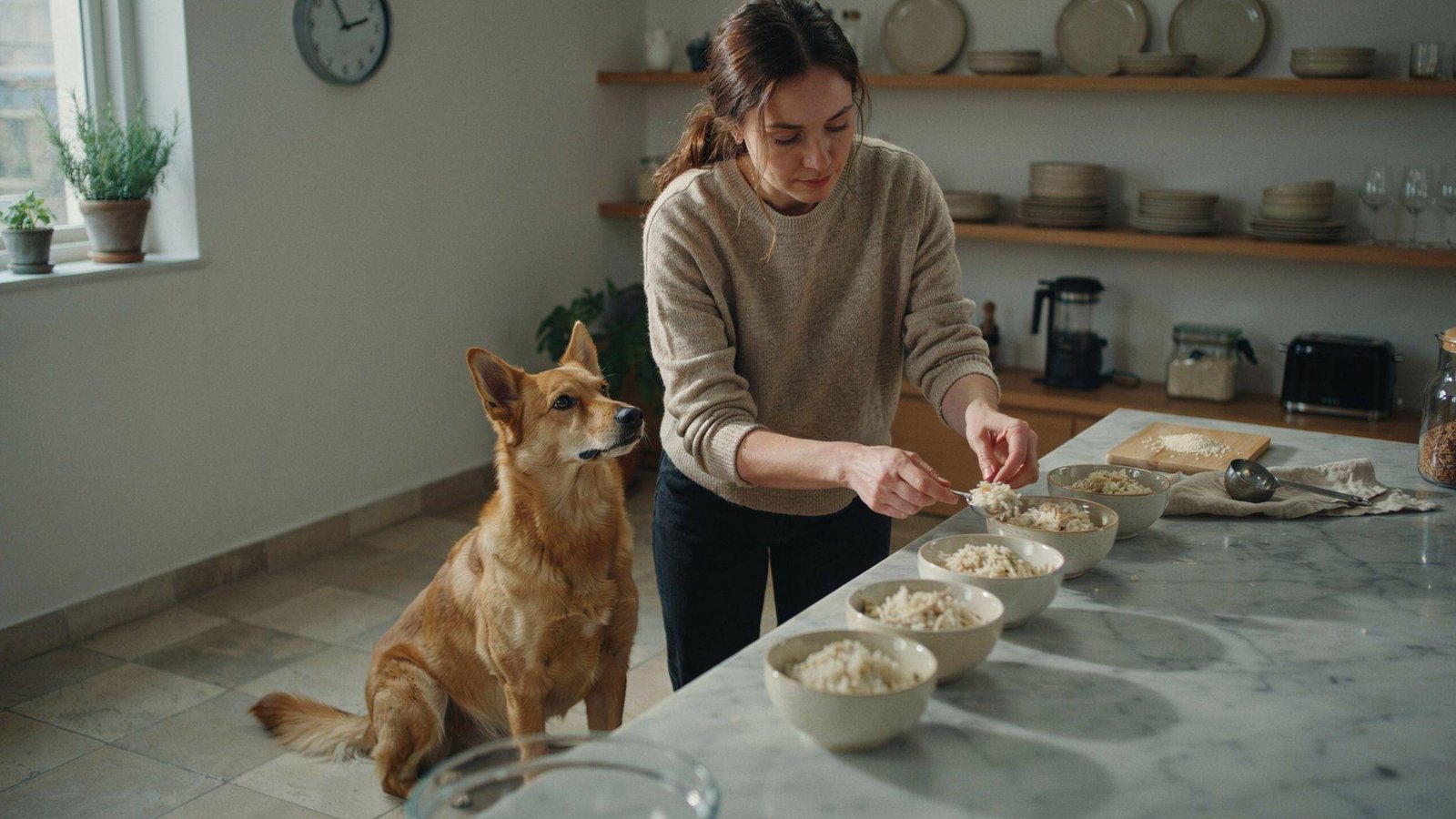
Small meals work better than big ones when your dog has an upset stomach. Aim to feed every four to six hours instead of twice a day.
As the stool starts to firm up, begin mixing in small amounts of regular food. Do this gradually over two to three days.
Keep an eye on stool consistency every time your dog goes outside. That's your best indicator of whether things are improving.
Avoid any sudden food changes during the recovery phase. Consistency helps the gut settle and rebuild its rhythm.
When to Visit a Veterinarian
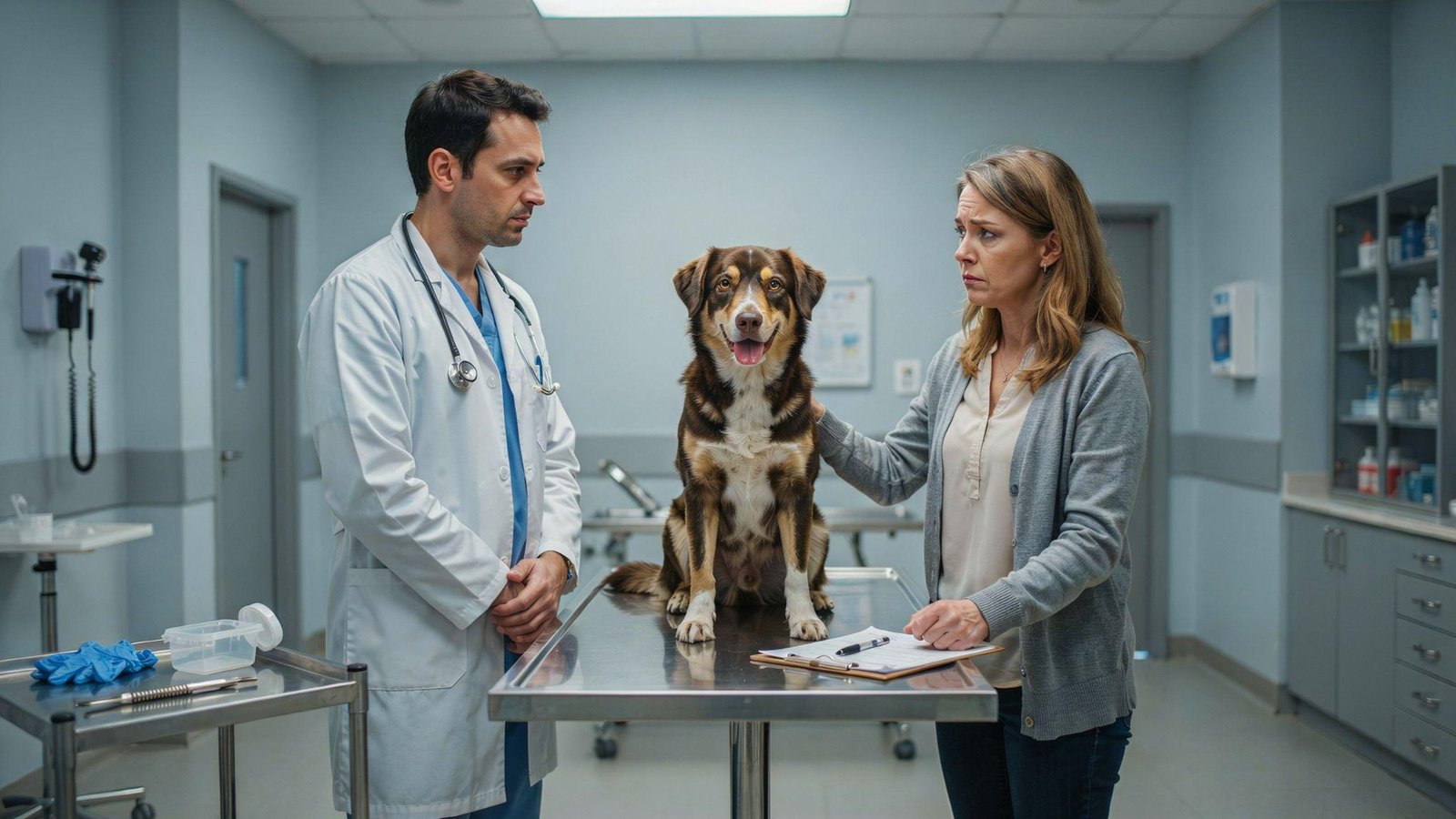
If diarrhea lasts more than 48 hours, don't wait. That's the point where home care isn't enough and professional help is needed.
Blood or mucus in the stool is a serious sign. So is vomiting, fever, or your dog acting very lethargic or unresponsive.
Puppies and senior dogs are at higher risk. Their immune systems handle illness differently and dehydration can escalate quickly.
Dogs with existing health conditions like diabetes or kidney disease need vet attention sooner. Their bodies have less room to recover without support.
A vet can run tests to find the actual cause. That matters a lot when diarrhea keeps coming back.
Conclusion
Dealing with a sick dog is stressful, I get it. But the good news is, most cases turn around quickly with the right steps.
Now that you know what to feed a dog with diarrhea, you're already ahead. Trust the process, stay consistent, and keep watching for changes.
If something feels off, call your vet. Don't second-guess yourself on that.
Did this guide help you? Drop a comment and tell me how your dog is doing. I'd love to hear about their recovery.
Frequently Asked Questions
What Is the Best Food to Give a Dog With Diarrhea Immediately?
Plain boiled chicken and white rice is the most recommended starting point. Keep portions small and avoid any seasoning.
How Long Should I Feed a Bland Diet?
Stick with the bland diet for two to three days or until the stool firms up. Then gradually mix in regular food over the next two to three days.
Can I Give Milk to a Dog With Diarrhea?
No, most dogs are lactose intolerant and dairy can make digestive upset worse. Stick to water or vet-approved options.
Is Pumpkin Safe for All Dogs With Diarrhea?
Plain cooked pumpkin is generally safe in small amounts. Always check with your vet if your dog has other health conditions.
When Should I Worry About My Dog's Diarrhea?
If diarrhea lasts more than 48 hours or you notice blood, vomiting, or extreme tiredness, see a vet right away.