


I still remember the day my puppy left a tiny tooth on the couch cushion. I had no idea if that was normal or something to worry about.
That moment made me realize how little I actually knew about dog dental health. Most owners skip this completely until something goes wrong.
But here's the thing: knowing how many teeth does a dog have tells you a lot more than just a number.
It helps you track development, catch problems early, and keep your dog healthier long term.
What I found out along the way genuinely changed how I care for my dog.
Quick Answer: How Many Teeth Does a Dog Have?
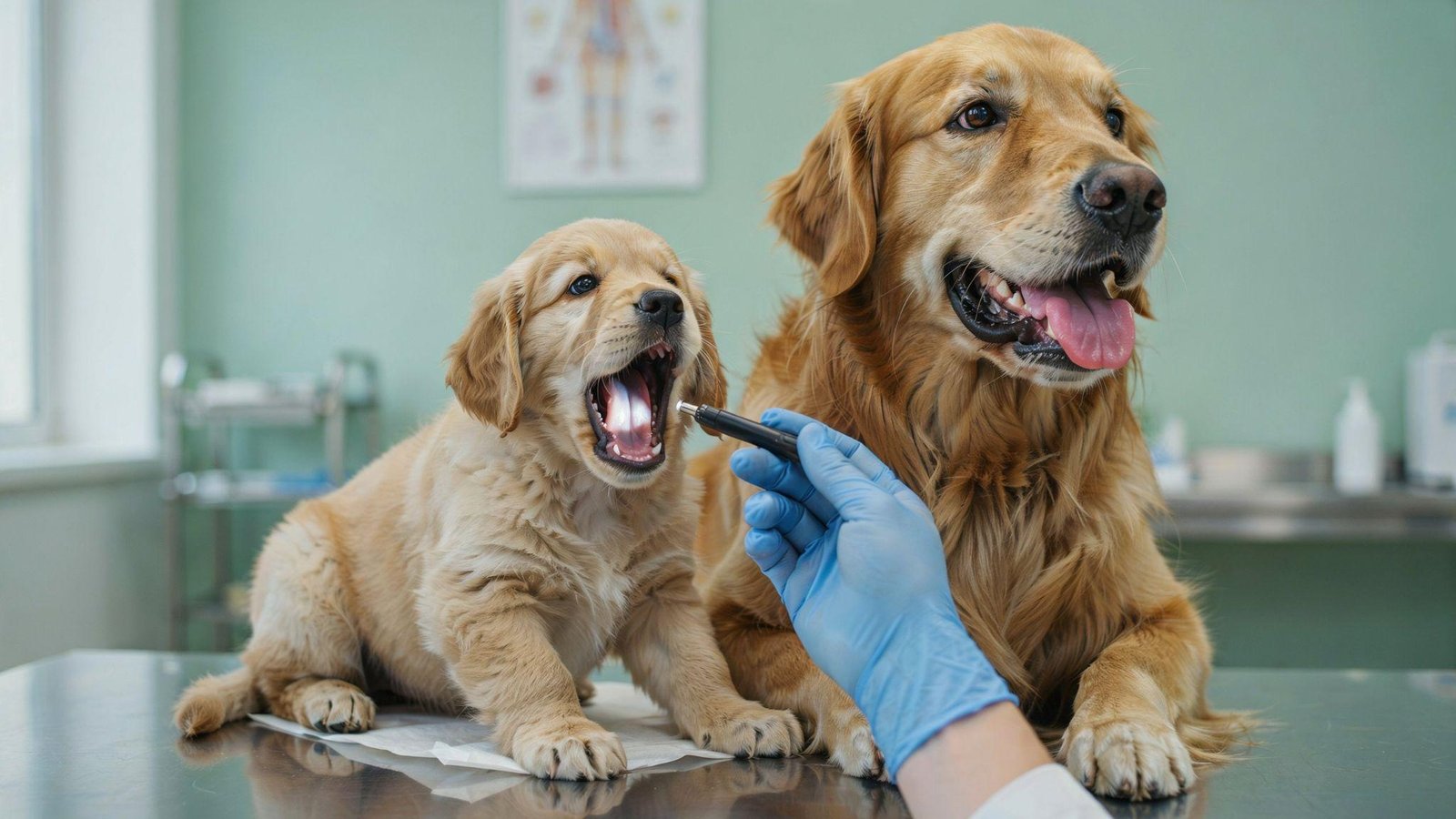
Adult dogs have 42 permanent teeth in total. Puppies start out with 28 milk teeth. So the answer to how many teeth does a dog have really depends on the age of your dog.
Puppies are born without teeth. Their first set starts coming in around two to four weeks old.
By the time a dog is six to seven months old, all 42 adult teeth should be in place. If you're ever unsure, your vet can do a quick count during a routine check-up.
Puppy Teeth vs Adult Dog Teeth: Key Differences
Both sets serve different purposes at different life stages.
Here's a quick comparison:
| Feature | Puppy Teeth | Adult Dog Teeth |
| Total Count | 28 | 42 |
| Also Called | Milk teeth / Deciduous | Permanent teeth |
| When They Appear | 2 to 4 weeks | 3 to 6 months |
| When Complete | Around 8 weeks | 6 to 7 months |
| Fall Out? | Yes, by 6 months | No (unless damaged) |
| Molars Present? | No | Yes |
Full Breakdown of a Dog's Dental Structure
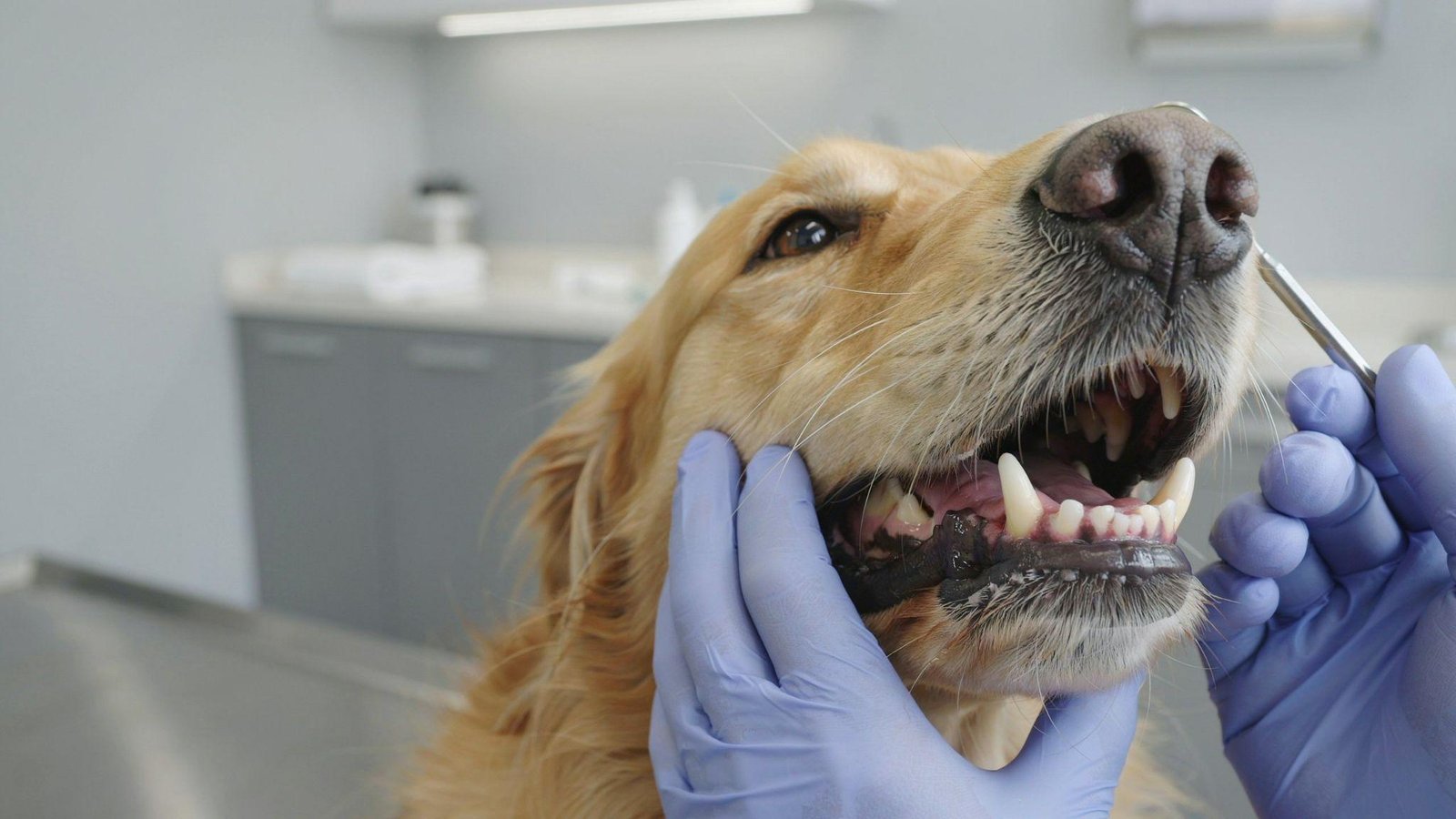
A dog's mouth is built for a purpose. Every type of tooth handles a specific job, from gripping prey to grinding food.
- Incisors are the small front teeth. Dogs use them for scraping meat off bones and grooming themselves.
- Canines are the four sharp, pointed teeth. These are used for tearing food and holding objects.
- Premolars sit behind the canines. They cut and crush food into smaller pieces.
- Molars are at the back and do the heavy grinding work, especially on harder food.
Timeline of Tooth Development in Dogs

Knowing when teeth come in helps you spot problems early. Here's a simple breakdown of the dental timeline.
At two to four weeks, the first puppy teeth start poking through. By eight weeks, all 28 milk teeth are usually present.
Between three and six months, puppy teeth begin loosening and falling out. This is completely normal and nothing to worry about.
By six to seven months, all 42 adult teeth should be fully grown in. If some teeth are missing or seem delayed, that's worth mentioning to your vet.
Why Knowing Dog Teeth Count Matters

Understanding how many teeth does a dog have is more useful than most people think. It directly affects how you care for your dog.
If you know the full count, you can spot missing or retained teeth early. Both can cause pain and lead to bigger problems if left alone.
It also helps you make better feeding choices. Dogs with dental pain often avoid hard food, which affects their nutrition.
Regular awareness of your dog's teeth supports better long-term oral hygiene. Catching issues early is always easier than treating advanced dental disease.
Common Dental Problems in Dogs
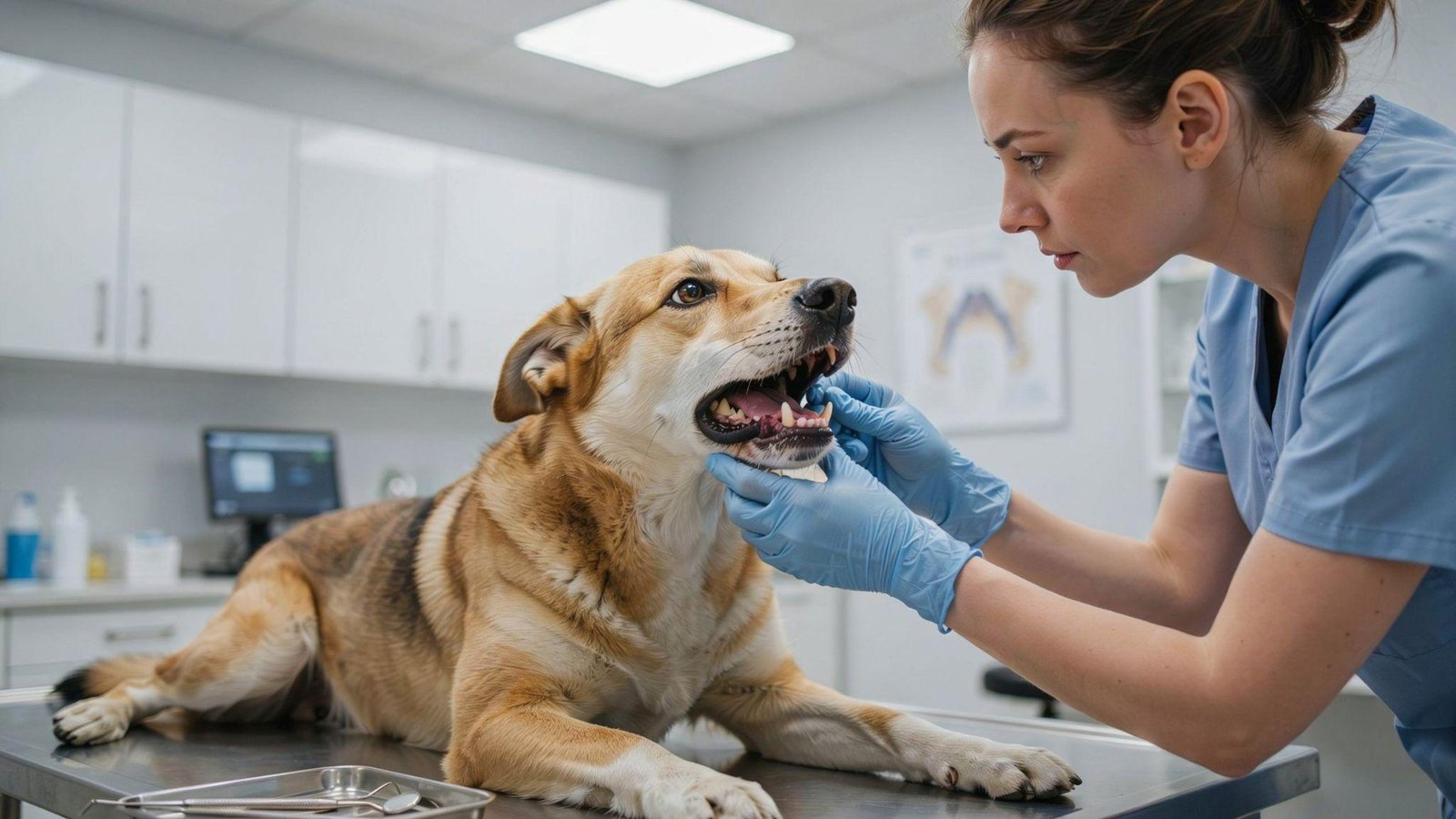
Dental issues are very common in dogs and often go unnoticed until they become serious. Knowing what to look for can save your dog a lot of pain.
Plaque and Tartar Build-Up
Plaque forms when bacteria mix with food particles in the mouth. If it's not cleaned off, it hardens into tartar within days.
Tartar causes gum inflammation, bad breath, and eventually gum disease. Once tartar forms, only a vet can remove it properly.
Brushing your dog's teeth regularly is the best way to stop plaque before it becomes a bigger issue.
Retained Puppy Teeth
Sometimes a puppy tooth doesn't fall out even after the adult tooth starts coming in. This is called a retained tooth.
When two teeth share the same space, it causes overcrowding. Food gets trapped easily, which increases the risk of infection and decay.
A vet can remove retained teeth before they cause serious damage. It's a straightforward procedure when caught early.
Tooth Loss in Adult Dogs
Adult dogs should keep all 42 teeth throughout their life. When teeth fall out, it's usually a sign of something wrong.
Trauma, untreated decay, or advanced gum disease are the most common causes. A knocked-out or loose tooth always needs vet attention.
Tooth loss affects how your dog chews and can lead to nutritional gaps over time.
Signs Your Dog Has Dental Issues
Dogs can't tell you when their mouth hurts. That's why you need to watch for the signs yourself. Most dental problems show up gradually, so regular checks matter.
Here are the warning signs to look out for:
- Bad breath that doesn't go away
- Drooling more than usual
- Trouble eating or dropping food while chewing
- Swollen, red, or bleeding gums
- Loose or visibly broken teeth
These signs often mean something has already been building up for a while. Don't wait for things to get worse. A dental check-up can catch problems before they affect your dog's overall health.
How to Take Care of Your Dog's Teeth

Good dental care doesn't have to be complicated. A few consistent habits go a long way.
Brush your dog's teeth at least two to three times a week using dog-safe toothpaste. Never use human toothpaste as it contains ingredients that are toxic to dogs.
Dental chew toys help reduce plaque naturally while keeping your dog entertained. Look for ones that are vet-approved and size-appropriate.
Dry kibble and dental-formulated dog food also help keep teeth cleaner than soft food. Ask your vet which options suit your dog's age and size.
Schedule a professional dental check-up at least once a year. Your vet can spot things you might miss at home.
When to Visit a Vet for Dental Concerns
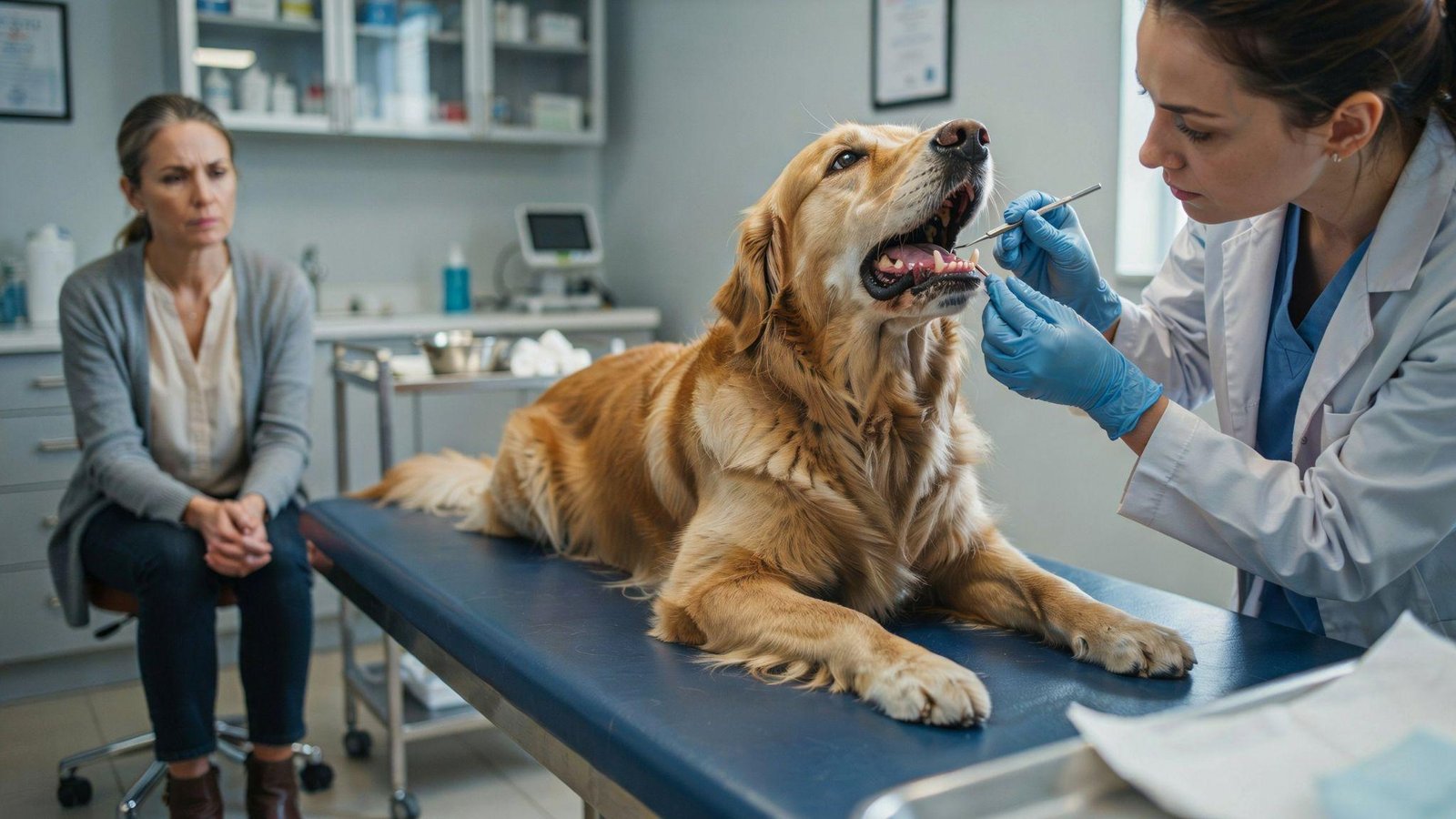
Some dental issues can't be handled at home. Knowing when to get professional help matters a lot.
If your dog has persistent bad breath, visible tartar on the teeth, or is refusing to eat hard food, book a vet visit. These are not things to wait out.
Broken teeth, missing teeth, or bleeding gums also need prompt attention. Leaving these untreated can lead to infections that spread beyond the mouth.
Puppies going through the teething phase should also get checked to confirm all puppy teeth are falling out and adult teeth are coming in correctly.
Conclusion
Most people never think about their dog's teeth until something hurts. I used to be the same way.
But once I understood how many teeth does a dog have and what each stage looks like, everything changed. I started catching things early instead of reacting too late.
You can do the same. Start with a quick look inside your dog's mouth today. Book that overdue vet check if needed.
And if this guide helped you, share it with another dog owner who could use it.
Frequently Asked Questions
How Many Teeth Does a Dog Have Normally?
Adult dogs usually have 42 permanent teeth. This is the standard count across most breeds.
How Many Teeth Does a Puppy Have?
Puppies typically have 28 temporary milk teeth. These fall out naturally as adult teeth grow in.
At What Age Do Dogs Get Full Teeth?
Most dogs develop all 42 adult teeth by six to seven months of age. If teeth seem delayed, a vet check is a good idea.
Why Do Dogs Lose Their Puppy Teeth?
Puppy teeth fall out naturally to make room for the larger permanent teeth. It's a normal part of development.
Do All Dog Breeds Have the Same Number of Teeth?
Yes, most breeds have the same dental count of 42 adult teeth. Jaw size may vary but the number stays the same.