

living room"
My dog snatched a marshmallow off the coffee table before I even noticed. I froze. Is this going to make her sick?
That one moment sent me deep into research I wish I'd done sooner. If you're asking can dogs eat marshmallows, this blog is exactly what you need.
I've put together the real risks, the ingredients that matter, and what to actually do if your dog gets into them.
Some cases are fine. Others need urgent vet attention. The difference comes down to a few key things.
By the end of this, you'll know exactly where your dog stands and what to do next.
What Are Marshmallows Made Of?

Marshmallows are made from sugar, corn syrup, gelatin, and flavoring. Simple ingredients, but not dog-friendly ones.
The biggest concern is the sugar content. Marshmallows are almost entirely sugar, and dogs don't need that in their diet.
Gelatin alone isn't harmful. But combined with everything else, marshmallows are still a poor snack choice for dogs.
Watch out for sugar-free versions too. Some use artificial sweeteners that are far more dangerous than regular sugar.
Can Dogs Eat Marshmallows? The Simple Answer
No, marshmallows are not recommended for dogs. They're not nutritious and offer nothing useful to your dog's diet.
A plain marshmallow in a very small amount isn't technically toxic. But "not toxic" doesn't mean safe.
So can dogs eat marshmallows? The type, quantity, and ingredients all affect how risky it really is.
There are far better treat options that carry none of these risks.
Health Risks of Feeding Marshmallows to Dogs
The risks go beyond just an upset stomach. Here's what marshmallow feeding can do over time.
High Sugar Impact on Dogs
Too much sugar leads to weight gain and obesity. That brings joint problems, breathing issues, and a shorter life span.
Long-term sugar intake also raises the risk of diabetes in dogs, a condition that requires lifelong management.
Sugar also causes energy spikes followed by crashes, leaving your dog hyperactive one moment and sluggish the next.
Artificial Sweeteners (Xylitol Danger)
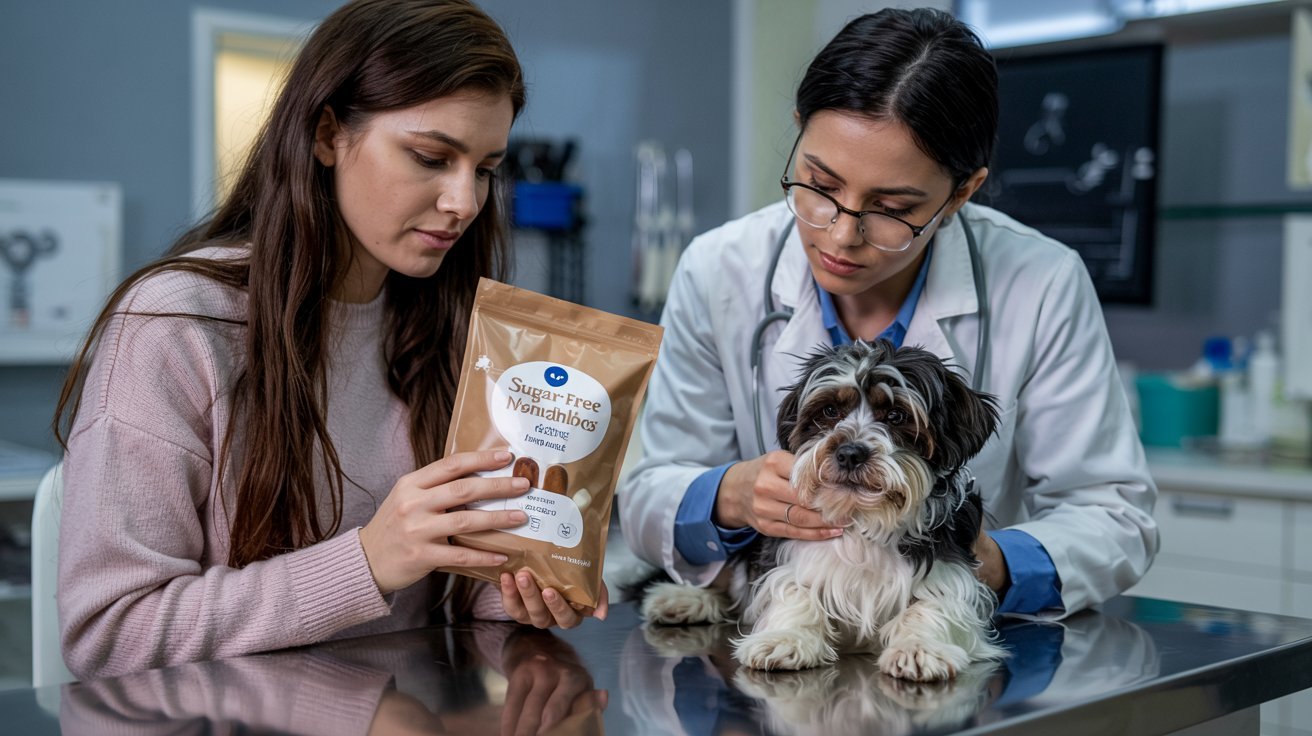
Some sugar-free marshmallows contain xylitol, which is extremely toxic to dogs.
Even a small amount can cause a rapid blood sugar drop, leading to weakness, seizures, or liver failure.
Always check the label. If xylitol appears anywhere on the packaging, treat it as a medical emergency.
Digestive Issues
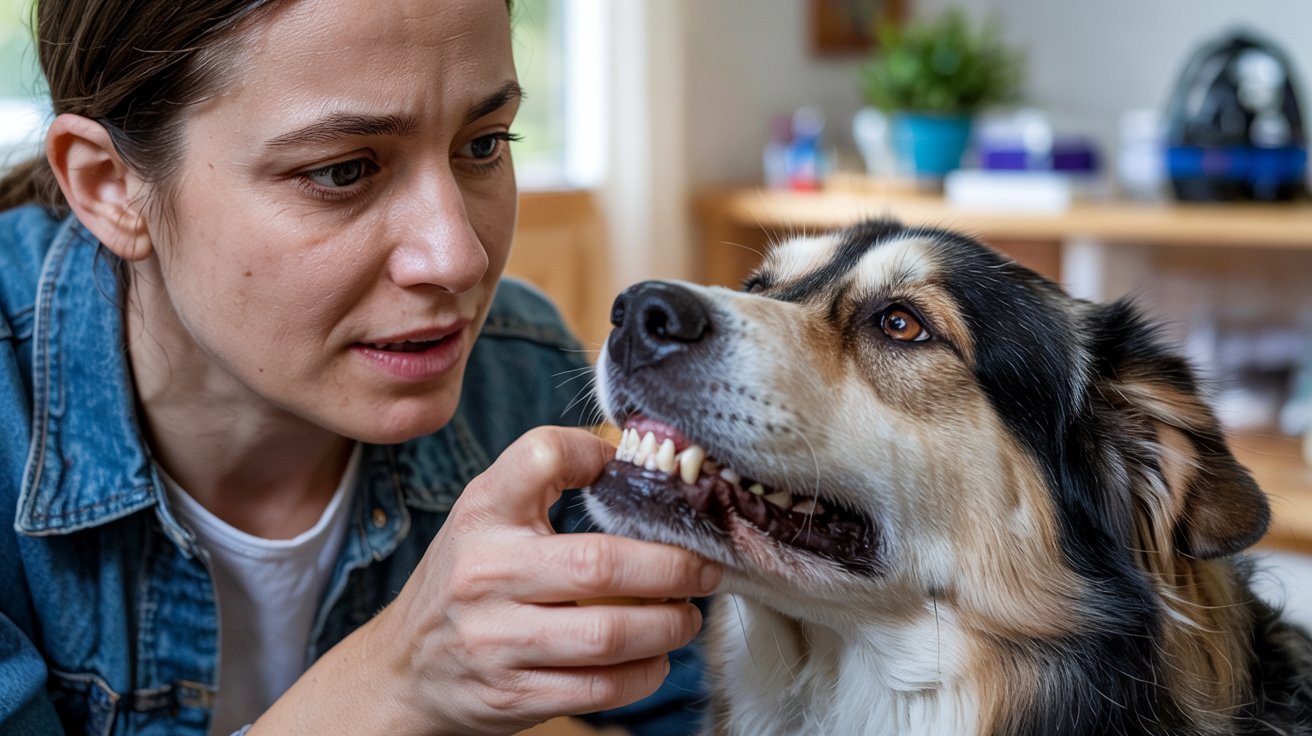
High sugar alone is enough to trigger vomiting and diarrhea in dogs.
Dogs with sensitive stomachs may react badly even to a small amount.
Keep your dog hydrated and monitor them closely if they've eaten one.
Choking and Blockage Risks
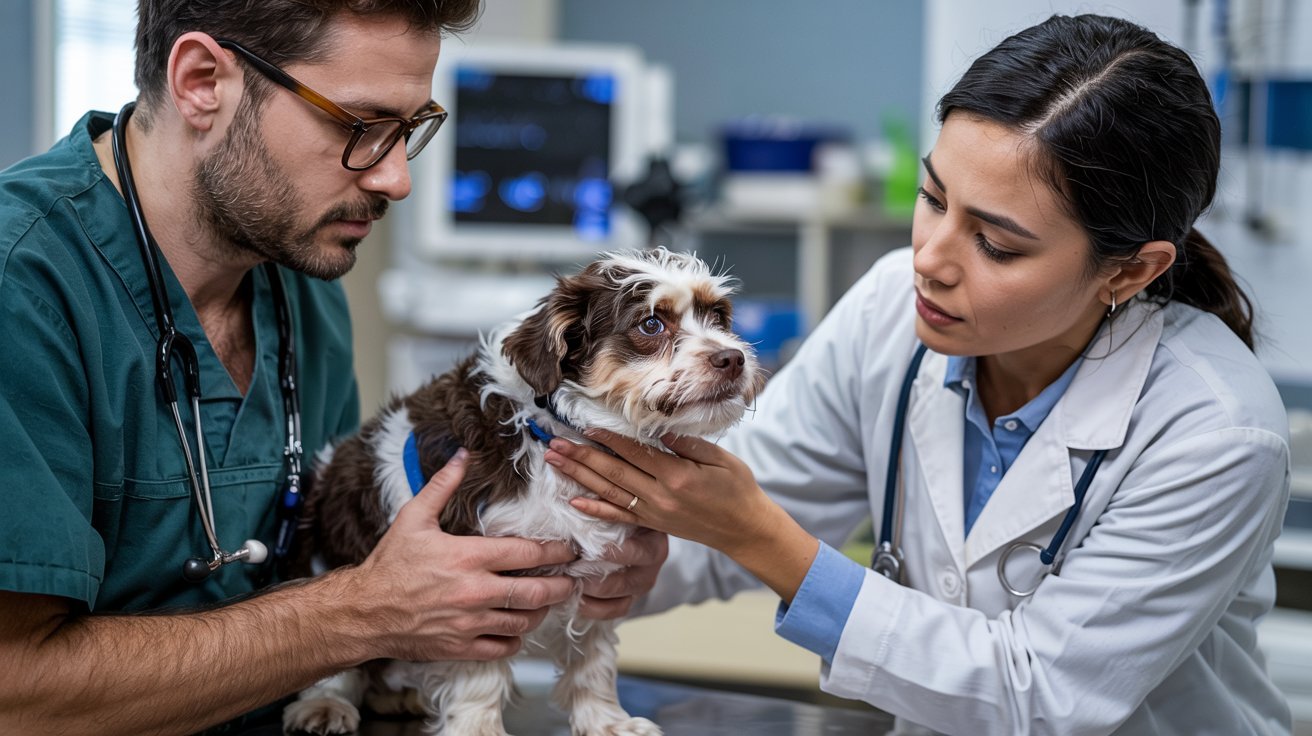
Marshmallows are sticky and expand when wet, making them hard to swallow safely.
Small dogs are especially at risk of choking. A marshmallow can easily get lodged in a small dog's throat.
Eating multiple marshmallows also raises the risk of intestinal blockage, which often needs medical treatment.
Soft doesn't mean safe when the food is sticky and expanding.
Signs to Watch After Consumption
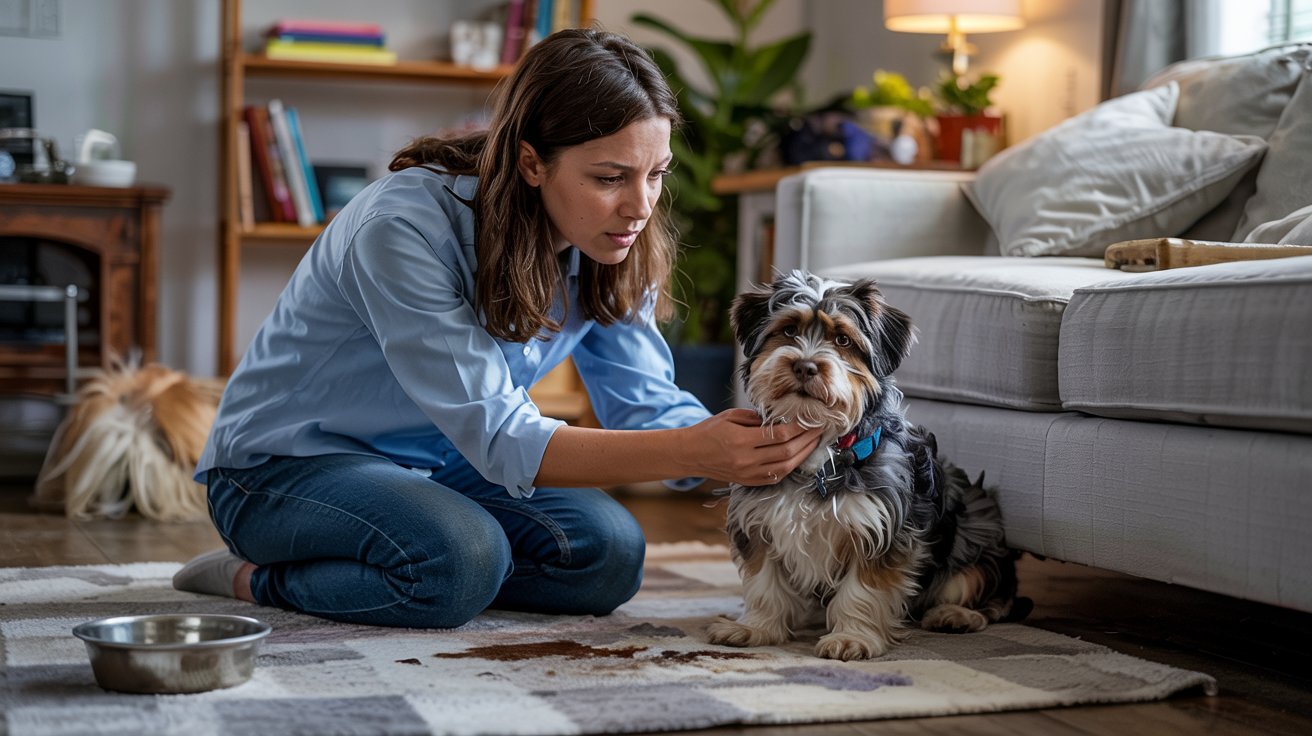
If your dog got into marshmallows, watch them closely for the next few hours. Signs usually appear quickly if something is wrong.
Here's what to look for:
- Excessive thirst or increased urination
- Restlessness or hyperactivity
- Vomiting or loose stool
- Weakness or loss of coordination
- Loss of appetite shortly after eating
Any of these signs means it's time to call your vet. Don't wait to see if it improves, especially if you're unsure about the ingredients.
What to Do If Your Dog Eats Marshmallows

Check the packaging right away and look for xylitol or any artificial sweetener listed in the ingredients.
Figure out how much your dog ate. One marshmallow is very different from a handful.
Do not try to make your dog vomit unless a vet specifically tells you to.
Call your vet if the marshmallow was sugar-free or if your dog ate a large amount. Keep the packaging nearby for reference.
Healthier Alternatives to Marshmallows
Your dog doesn't need marshmallows to enjoy a treat. There are options that are actually good for them.
Try these instead:
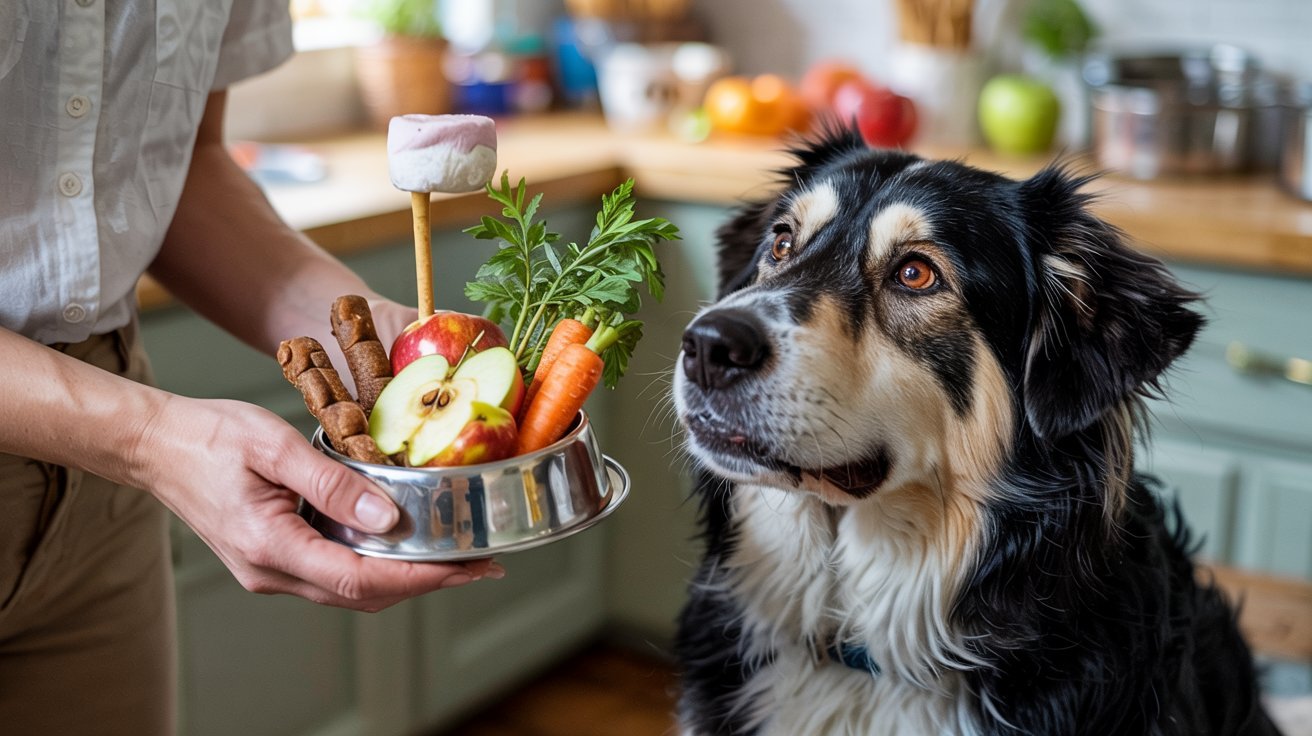
- Apple slices with seeds and core removed
- Carrot pieces, crunchy and low in calories
- Blueberries, small and easy to use as rewards
- Low-sugar commercial dog treats with natural ingredients
- Frozen banana slices or frozen broth cubes on hot days
Moderation still applies even with healthy treats. A little goes a long way.
Conclusion
So now you know the full picture.
Can dogs eat marshmallows? The answer is no, and it's not worth the risk.
But if your dog already had one, don't spiral. Check the ingredients, watch for symptoms, and call your vet if anything feels off.
You're already a step ahead just by reading this. That's what good pet ownership looks like.
If this helped you, share it with someone who has a dog at home. And if you have questions, drop them in the comments. I'm happy to help.
Frequently Asked Questions
Can Dogs Eat Marshmallows Safely in Small Amounts?
A single plain marshmallow is unlikely to cause serious harm, but it's still an unhealthy choice with no nutritional value. It's better to skip it and offer a dog-safe treat instead.
Are Marshmallows Toxic to Dogs?
Plain marshmallows are not highly toxic, but sugar-free versions with xylitol can be extremely dangerous even in small amounts. Always check the label before assuming it's harmless.
What Should I Do If My Dog Eats Marshmallows?
Check the ingredients immediately and note how many your dog ate. Contact your vet right away if the marshmallow was sugar-free or if a large amount was consumed.
Why Are Marshmallows Bad for Dogs?
They're loaded with sugar, carry a choking risk, and may contain harmful additives. There's no nutritional benefit that justifies the risk.
What Sweets Can Dogs Eat Instead?
Dog-safe fruits like apple slices, blueberries, and bananas make great sweet treats in moderation. Always remove seeds and keep portions small.