
You brush your dog and notice white flakes falling onto their coat or your furniture. It is easy to brush it off as nothing serious, but dandruff in dogs is worth paying attention to.
Sometimes it is as simple as dry air or a diet that is missing key nutrients.
Other times, it points to something like allergies, a skin infection, or a hormonal issue that needs proper care.
This guide covers everything you need to know about dog dandruff, from what causes it to how to treat and prevent it, so your dog can feel comfortable in their own skin again.
What Is Dog Dandruff?
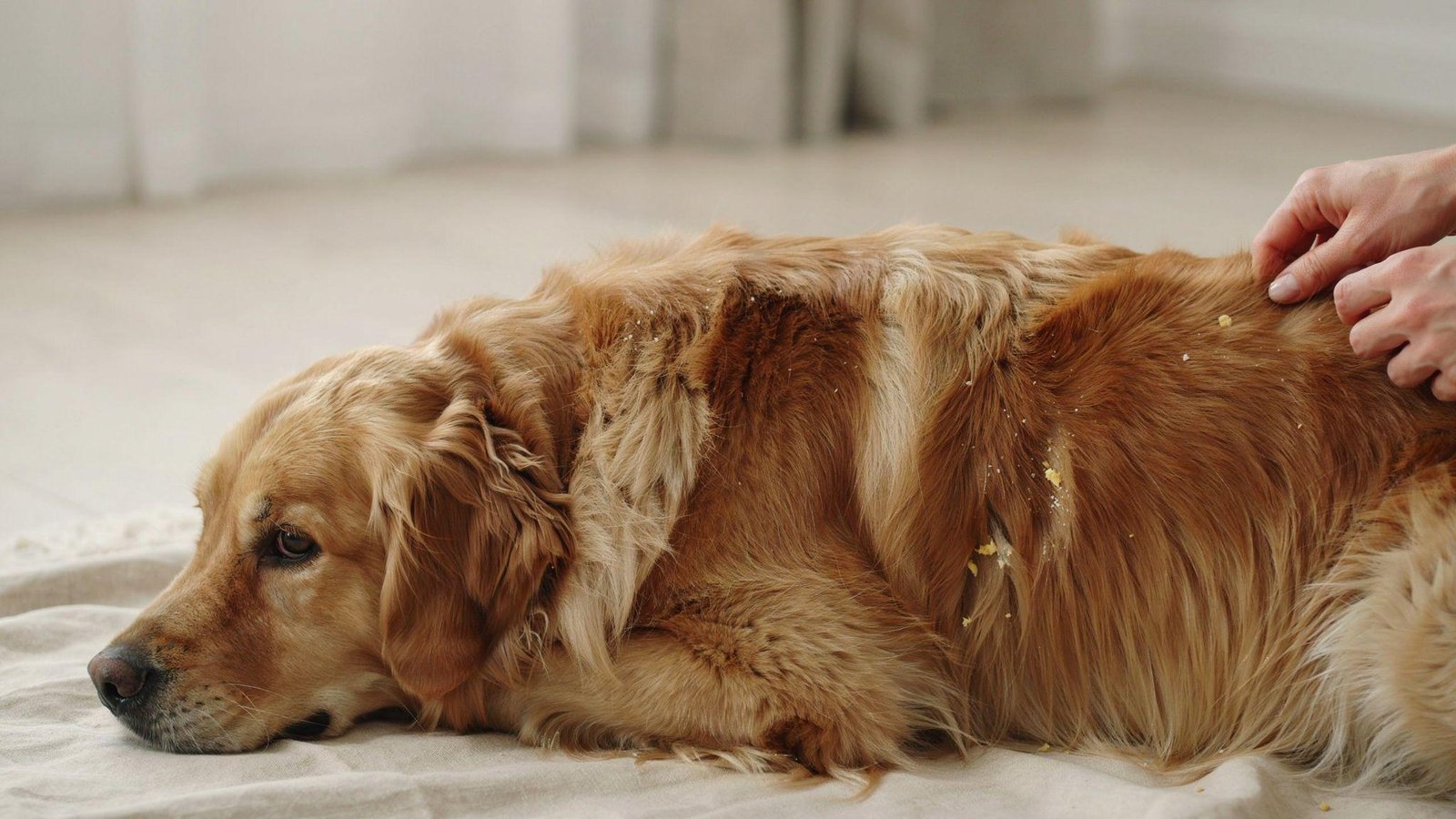
Dog dandruff shows up as white or yellowish flakes on your dog's coat and skin. It happens when the skin loses its natural balance, either becoming too dry or too oily.
Dry dandruff leaves powdery flakes that fall off easily. Oily dandruff sticks to the fur and feels greasy.
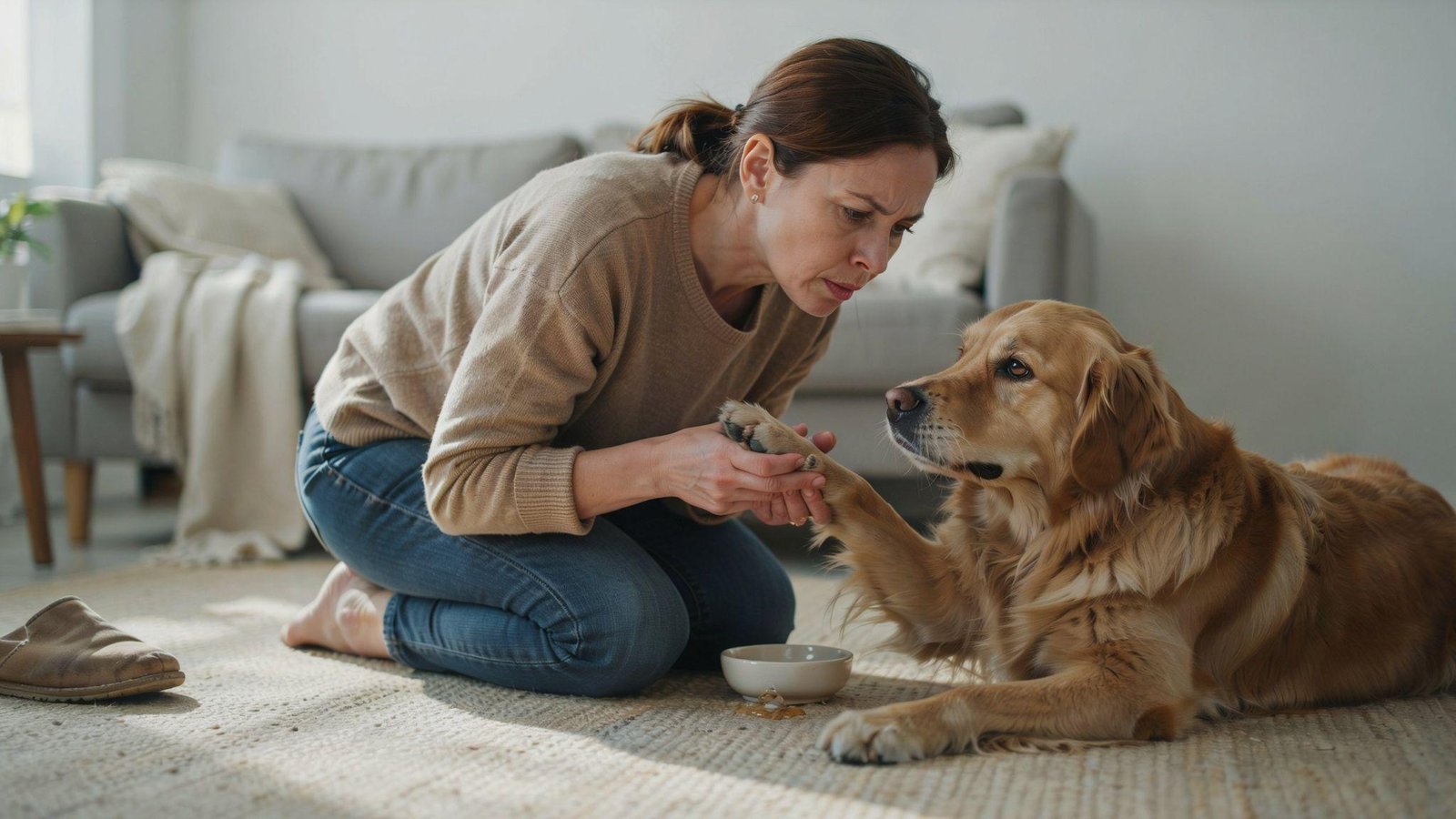
You might also notice your dog scratching more than usual, or see flakes on their bedding and your furniture. Both types need attention before they get worse.
Why Does My Dog Have Dandruff?
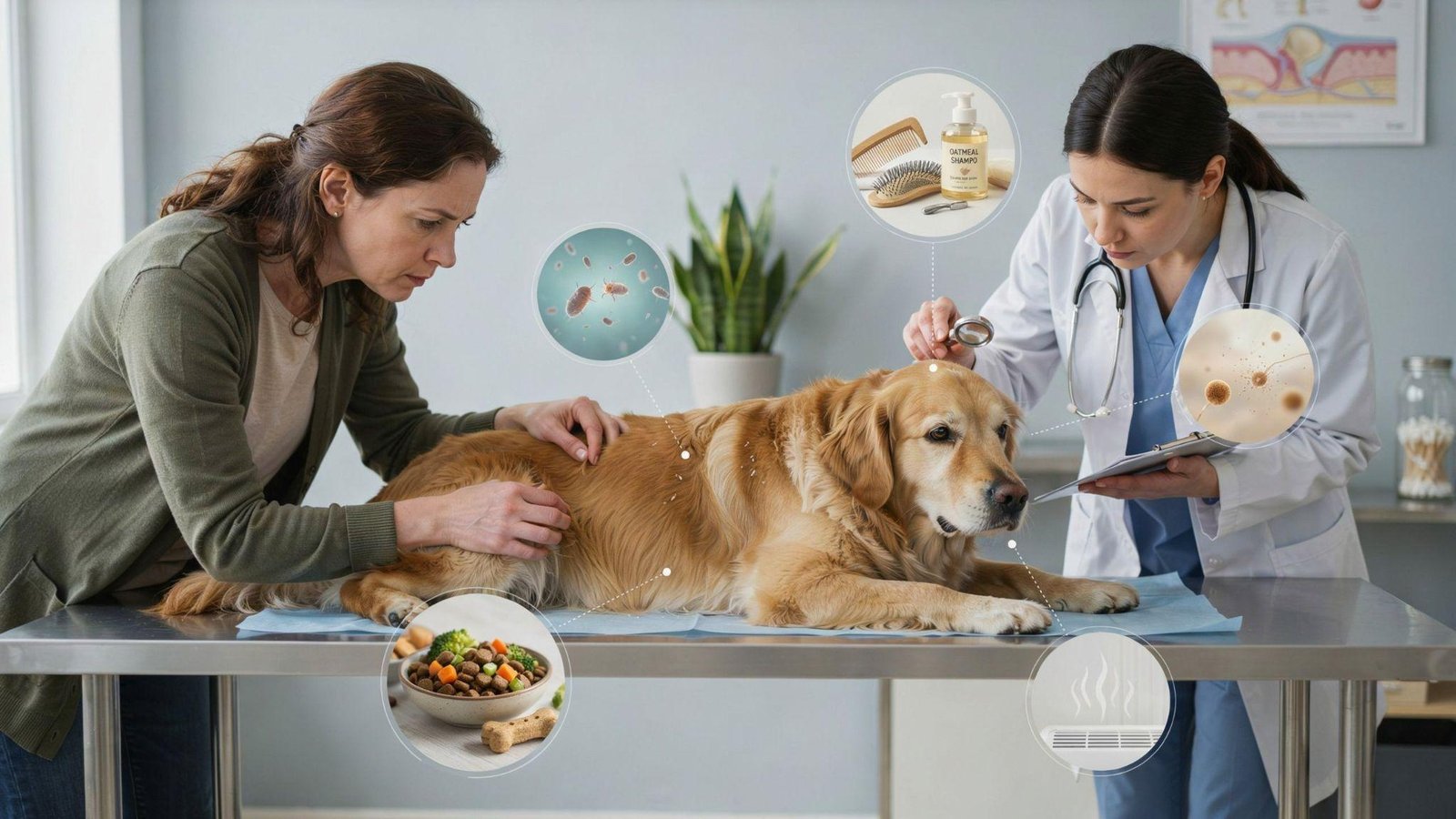
Dandruff in dogs is fairly common and not always a sign of something serious. Dry air, poor diet, or infrequent grooming can all trigger flaking.
However, dandruff is sometimes your dog's skin telling you something is off internally. Hormonal imbalances, fungal infections, allergies, and parasites like mites can all cause persistent flaking.
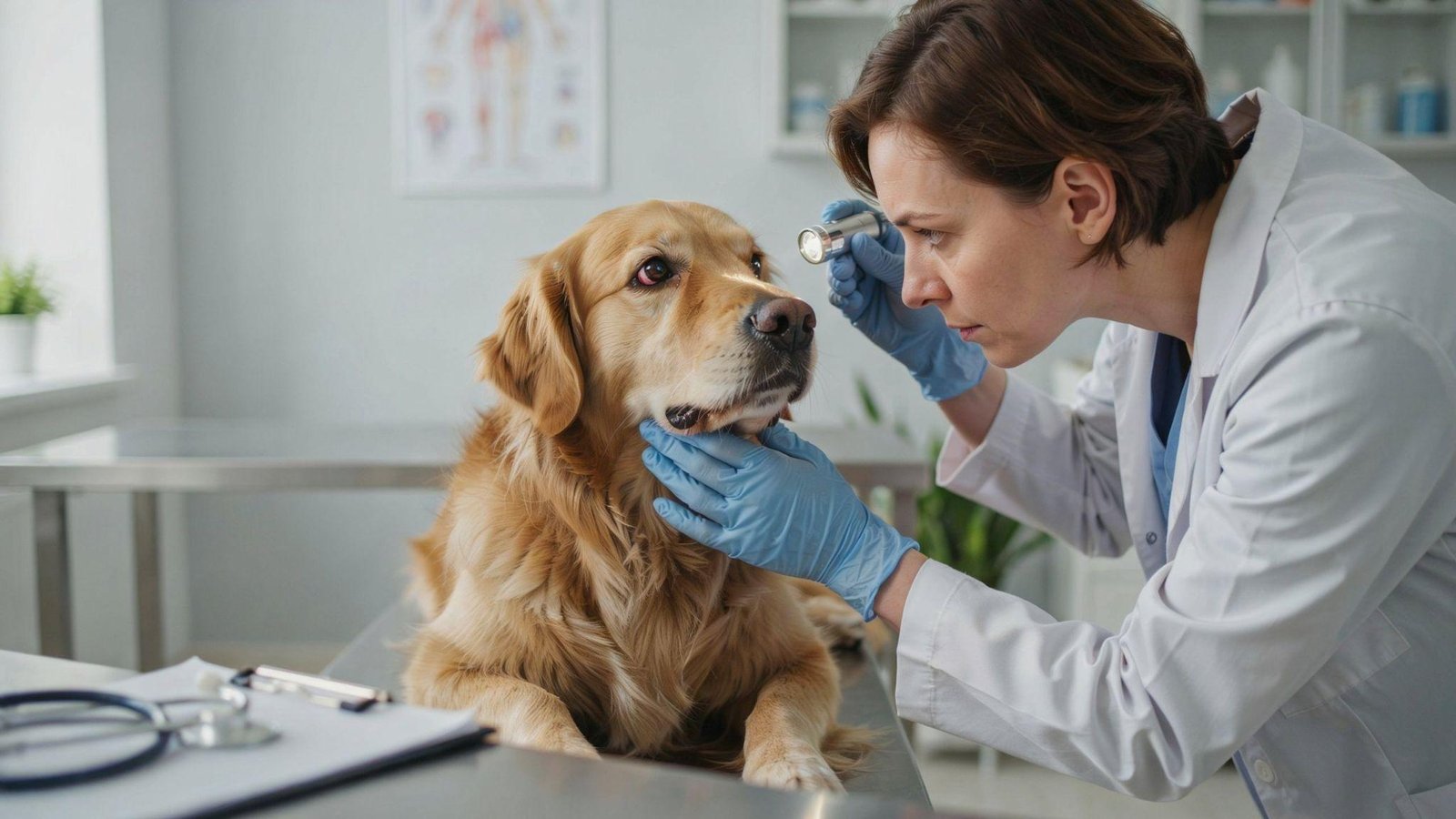
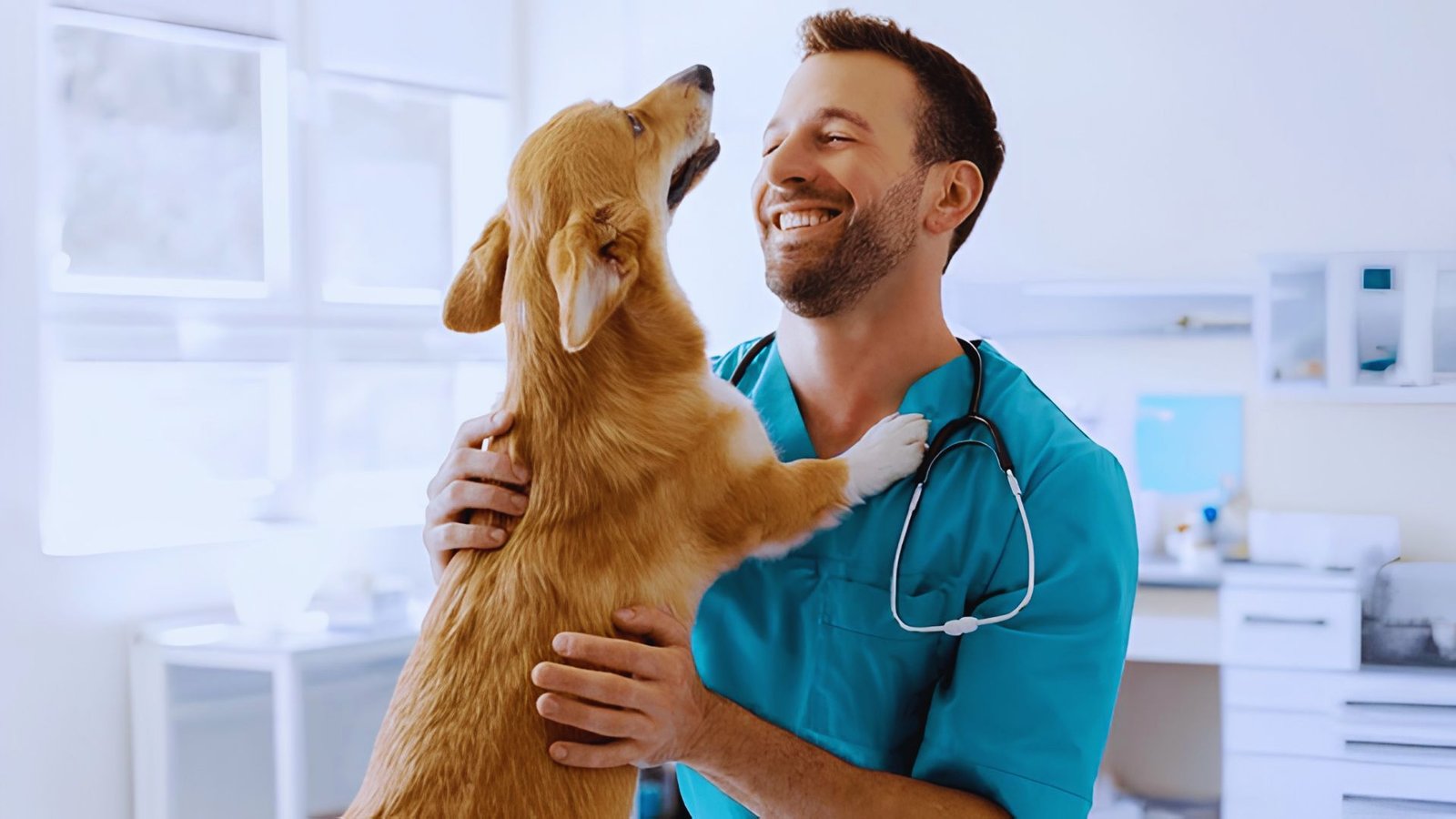
If the dandruff comes with redness, hair loss, a bad smell, or constant scratching, it is worth a visit to the vet to rule out any underlying condition.
Common Causes of Dandruff in Dogs
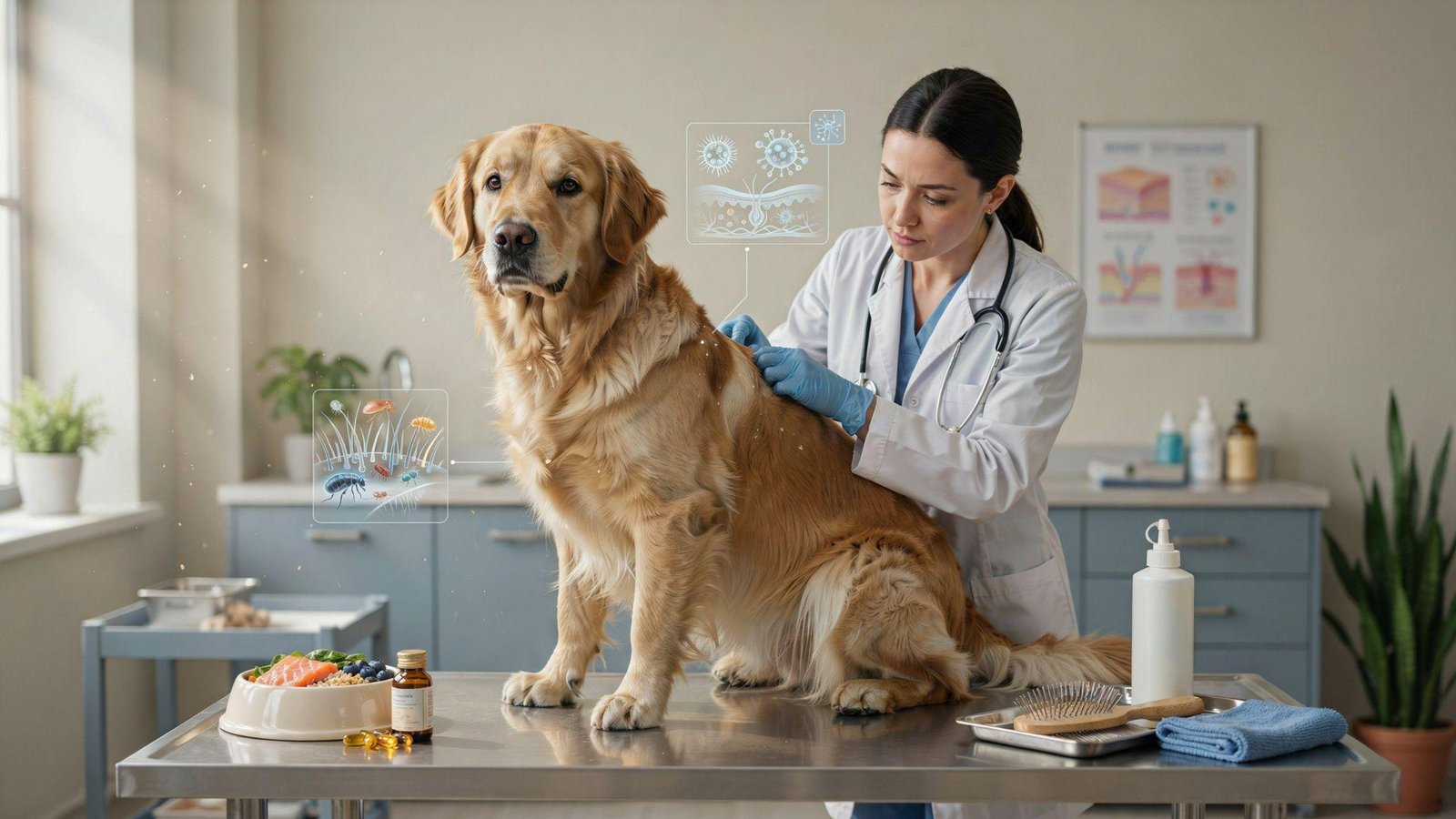
Dog dandruff rarely appears without a reason. Identifying the cause early helps you choose the right treatment and keep your dog's skin healthy.
1. Dry Air and Seasonal Weather Changes
Cold winters and dry indoor air pull moisture from your dog's skin. Humidity drops during seasonal changes make things worse, especially for dogs with already sensitive skin.
2. Poor Diet and Nutritional Deficiencies
What your dog eats directly affects their skin. A diet lacking essential vitamins and minerals weakens the skin barrier, leading to a dull coat and persistent flaking over time.
3. Lack of Omega-3 and Omega-6 Fatty Acids
These fatty acids keep skin moisturised and reduce inflammation. Without enough of them, skin dries out and flakes. Many commercial dog foods fall short, making fish oil supplements a helpful addition.
4. Food Allergies and Environmental Allergens
Some dogs react to ingredients like chicken, wheat, or dairy. Others respond to pollen or dust mites. Both can irritate the skin and trigger dandruff. Finding and removing the trigger brings the most relief.
5. External Parasites and Walking Dandruff
Cheyletiella mites cause walking dandruff, where flakes appear to move across the coat. Fleas also trigger skin irritation and flaking. Regular parasite prevention keeps these issues from taking hold.
6. Bacterial and Fungal Skin Infections
Infections disrupt the skin's balance and cause flaking, redness, and odor. Ringworm and bacterial infections are common culprits. Both need proper diagnosis and treatment, usually through medicated shampoos or vet-prescribed medication.
7. Hormonal Conditions Such as Hypothyroidism and Cushing's Disease
An underactive thyroid or excess cortisol affects the skin directly. Affected dogs often develop dry, flaky skin along with weight gain or hair loss. Blood tests help confirm the issue, and treating the condition usually improves skin health.
8. Genetic Skin Disorders and Seborrhea
Some breeds are prone to seborrhea, where the skin produces too much or too little oil. Cocker Spaniels and Basset Hounds are commonly affected. This type of dandruff requires ongoing management rather than a one-time fix.
9. Frequent Bathing or Harsh Grooming Products
Bathing too often strips natural oils from the skin. Harsh shampoos make it worse. Stick to a mild, dog-specific shampoo and bathe your dog once or twice a month to keep the skin balanced.
Signs That Your Dog's Dandruff May Need Veterinary Attention
- Your dog scratches constantly or rubs against furniture and walls. This level of itching goes beyond normal and often points to an allergy, infection, or parasite problem.
- The skin looks red, swollen, or irritated in patches. Inflamed skin alongside flaking is rarely just dryness and usually needs a proper diagnosis.
- You notice thinning fur or bald patches forming on your dog's coat. Hair loss combined with dandruff is a strong sign that something internal or hormonal may be going on.
- A strong, unpleasant smell is coming from your dog's skin or coat. Odor alongside flaking often indicates a bacterial or fungal infection that will not clear up on its own.
- Your dog keeps licking, chewing, or biting at their paws and skin. This repeated behavior, paired with dandruff, usually signals an allergic reaction or ongoing skin irritation that needs attention.
How to Identify the Cause of Your Dog's Dandruff
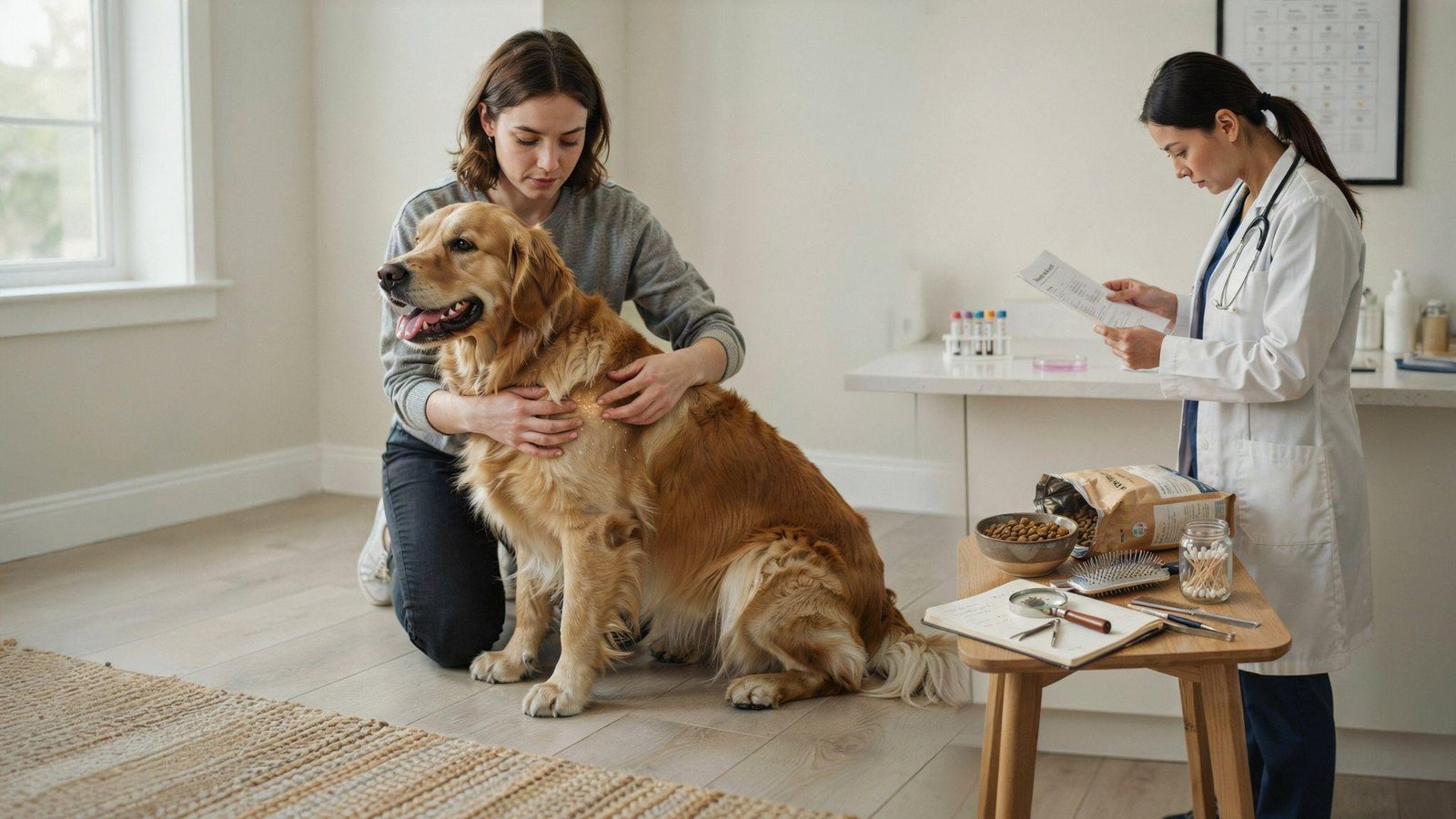
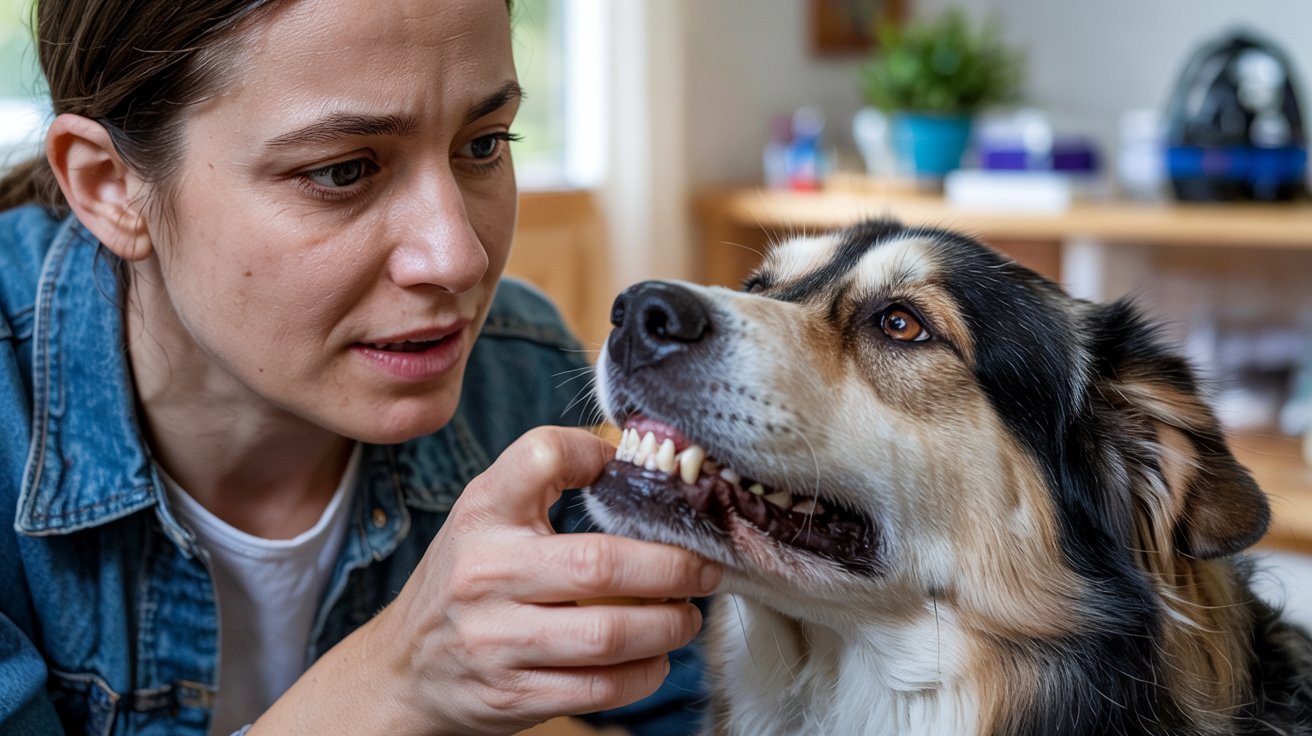
Start by checking your dog's skin and coat closely. Look for redness, greasiness, or dry patches. Then check for signs of parasites like tiny moving flakes, flea dirt, or excessive scratching.
Think about recent changes in food, grooming products, or environment. These lifestyle factors often trigger flaking.
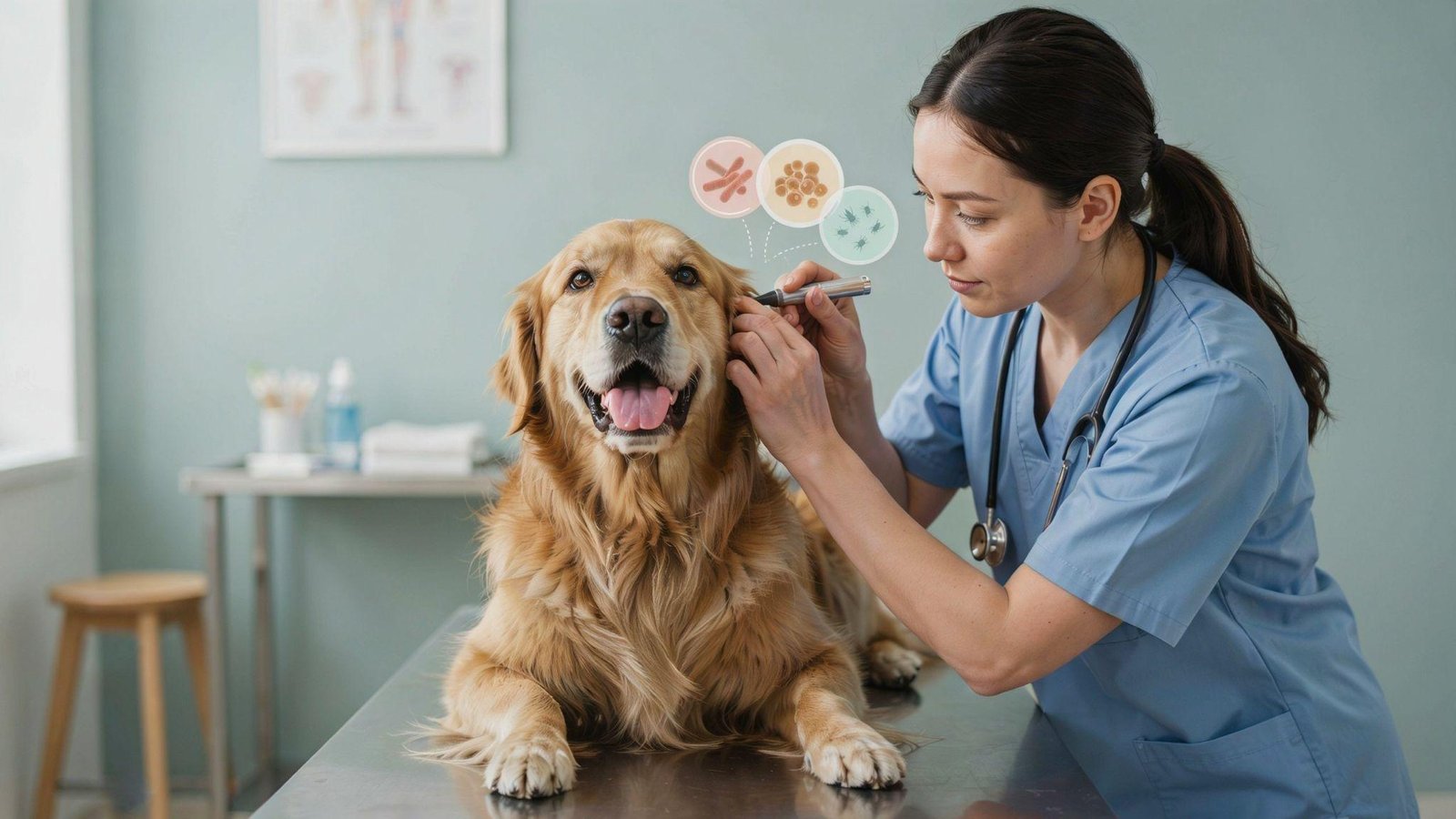
If the dandruff persists despite basic care, a vet may run skin scrapings, blood tests, or allergy panels to pinpoint the exact cause and rule out underlying conditions.
How to Treat Dog Dandruff Effectively
- Brush your dog regularly to remove loose flakes and spread natural oils through the coat. A consistent grooming routine keeps the skin clean and reduces buildup between baths.
- Pick a shampoo made specifically for dogs with sensitive or dry skin. Avoid products with strong fragrances or harsh chemicals that strip the skin of its natural moisture.
- Use a medicated shampoo if your vet recommends one for infections or seborrhea. These are formulated to target specific skin issues and should be used as directed for best results.
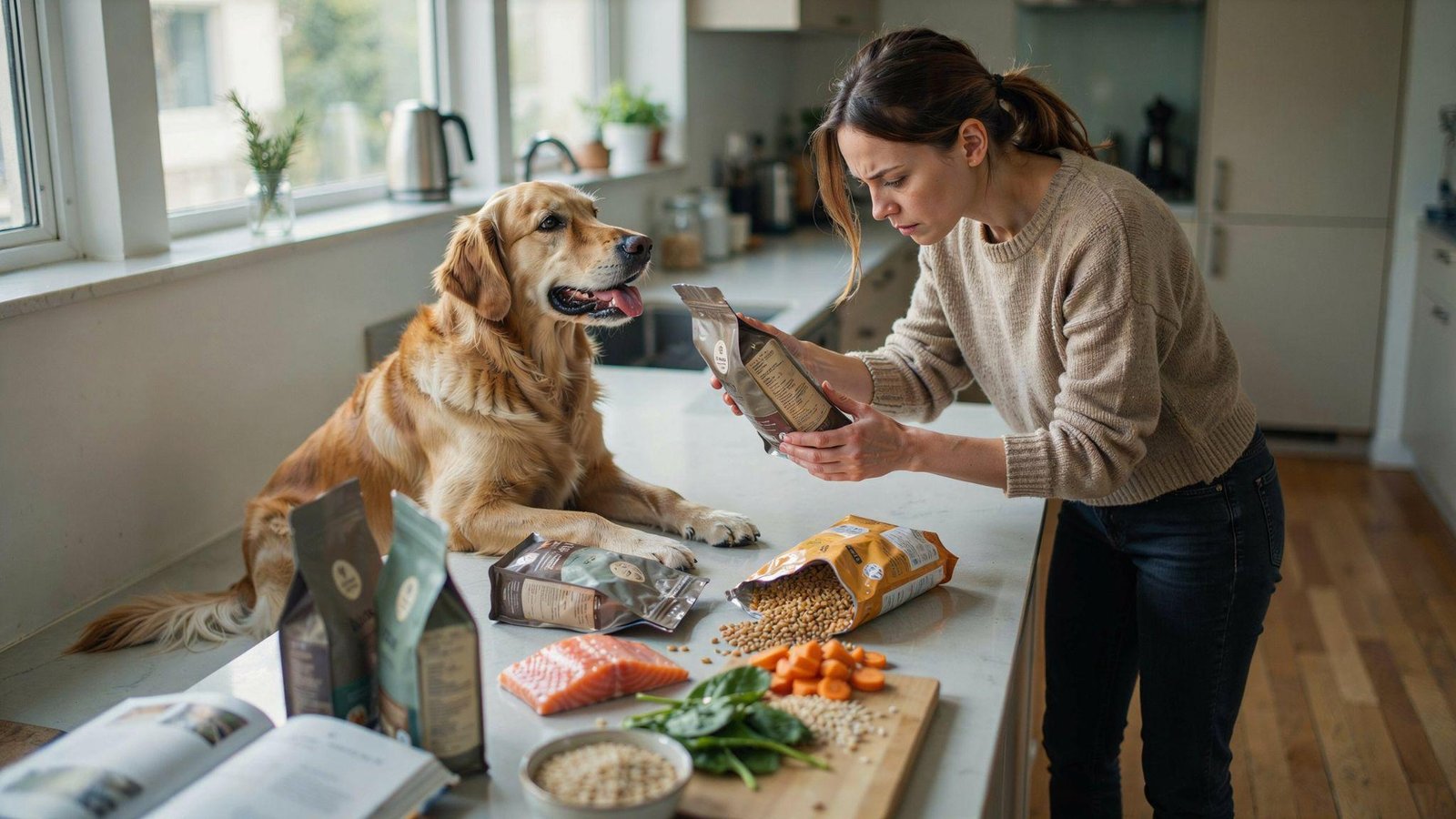
- Feed your dog a high-quality diet with real protein and balanced nutrients. Poor nutrition shows up on the skin first, so upgrading the food often makes a visible difference.
- Add vet-approved fish oil or fatty acid supplements to your dog's meals. These support skin hydration from the inside and help reduce flaking over time.
- Treat the root cause, whether it is an allergy, infection, or hormonal condition. Managing the underlying issue is the only way to get lasting relief from persistent dandruff.
How to Prevent Dandruff in Dogs
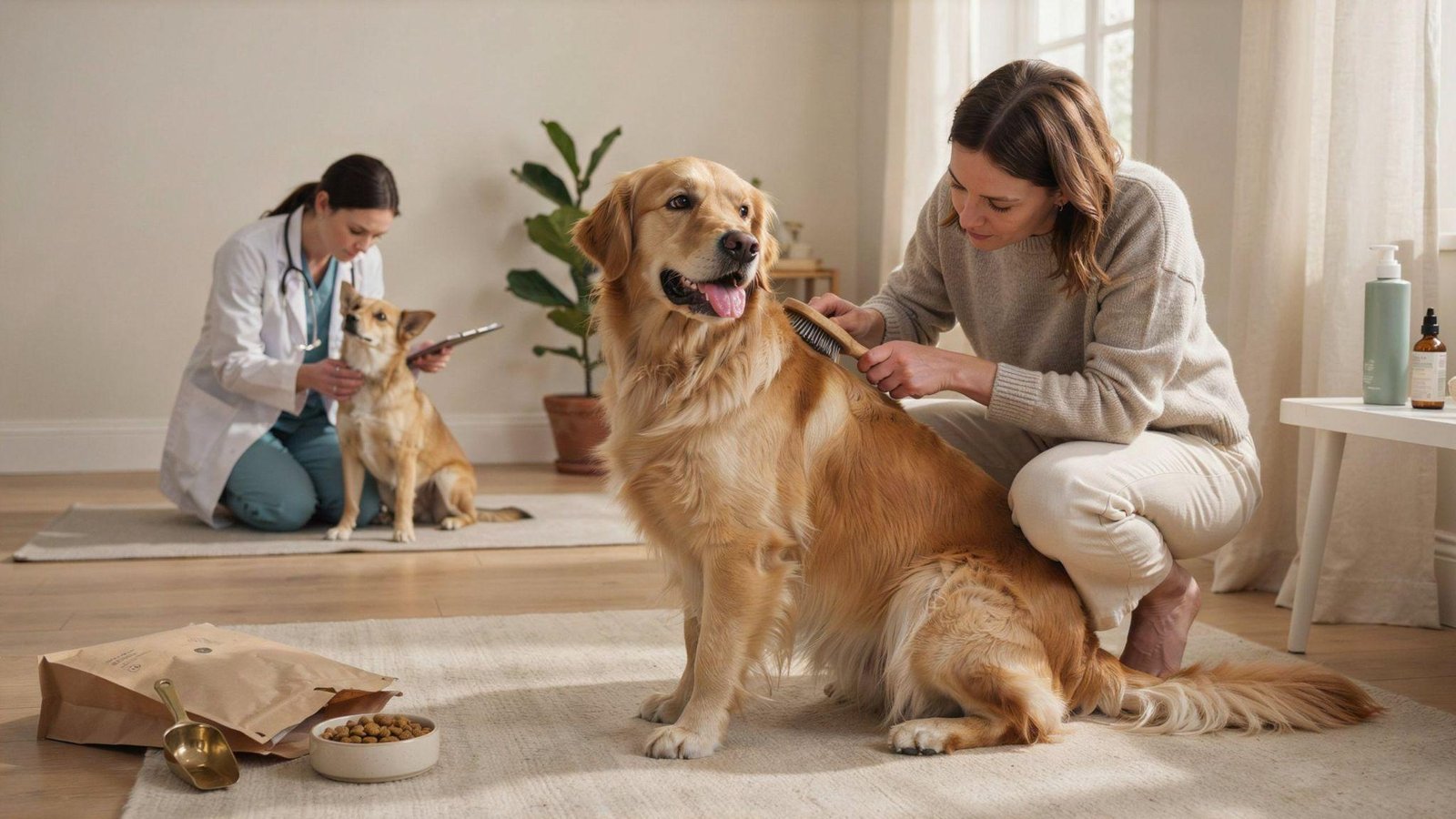
Feed your dog a balanced, high-quality diet and keep grooming sessions consistent. Regular brushing removes dead skin cells and keeps the coat in good condition.
Stay up to date on flea and mite prevention, as parasites are a common and often overlooked cause of flaking.
Always use grooming products made for dogs, as human products can disrupt the skin's natural balance. Routine vet checkups help catch early skin changes before they turn into bigger problems.
Common Mistakes Pet Owners Make When Treating Dog Dandruff
- Many pet owners reach for human dandruff shampoos when they notice flaking. These products are too harsh for dog skin and can make the condition significantly worse.
- Ignoring dandruff that does not go away after basic care is a common mistake. Persistent flaking is often a sign of something that needs proper diagnosis and treatment.
- Switching your dog's food suddenly in hopes of fixing skin issues can backfire. Rapid diet changes often upset the stomach and make it harder to identify the actual trigger.
- Some owners treat the flaking without looking into what is causing it. Skipping the root cause means the dandruff keeps coming back no matter what products you use.
- Underlying conditions like hypothyroidism or allergies are easy to miss without testing. Many pet owners spend months on surface-level treatments without realising a medical issue is driving the problem.
Conclusion
Dog dandruff is manageable once you know what is behind it. From dry air and poor diet to infections and hormonal issues, the cause matters more than the symptom.
Keep up with grooming, feed your dog well, and do not ignore signs that something deeper is going on. A quick vet visit can save months of guesswork.
Your dog deserves comfortable, healthy skin. If you found this helpful, share it with a fellow dog owner who needs it.
Frequently Asked Questions
Can dog dandruff go away on its own?
Mild dandruff from dry air or seasonal changes can improve with basic care. Persistent flaking beyond a few weeks needs a vet visit.
Is dog dandruff contagious to humans or other pets?
Most causes are not contagious. Cheyletiella mites are an exception and can spread to other animals and occasionally cause irritation in humans.
How often should I bathe my dog to reduce dandruff?
Once or twice a month with a mild, dog-specific shampoo is enough. Bathing too often strips natural oils and makes dandruff worse.
Can I use coconut oil on my dog's skin for dandruff?
Coconut oil can offer temporary moisture relief for dry skin. Always check with your vet before applying anything new to your dog's skin.
What is the fastest way to get rid of dog dandruff?
Start with regular brushing, a proper diet, and a gentle dog shampoo. If flaking continues after two weeks, see a vet to rule out infections or allergies.