
The Catahoula Leopard Dog is unlike any breed you have seen before. Bold eyes, a striking coat, and a personality that demands attention.
But is this the right dog for you?
In this guide, we cover everything you need to know about the Catahoula, from its Louisiana roots to its temperament, training needs, grooming, and health. Whether you are a longtime dog lover or just starting your research, this blog gives you honest, straightforward answers.
Having spent time studying and working with working breeds, we know what makes this dog tick.
By the end, you will know exactly what life with a Catahoula looks like.
What Is a Catahoula Dog?
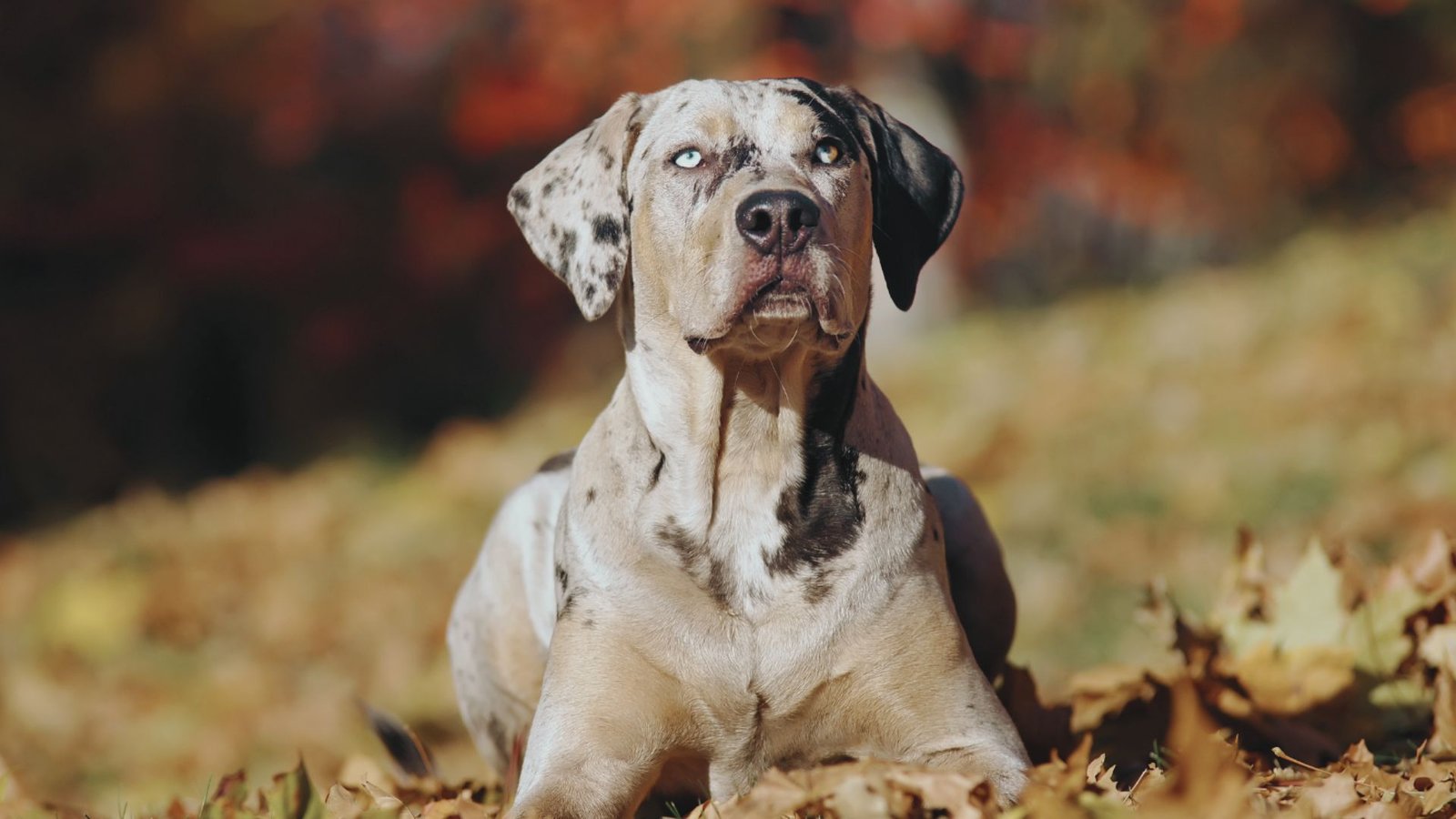
The Catahoula Leopard Dog is the official state dog of Louisiana, developed from a mix of Native American dogs and Spanish explorer dogs in the 1500s. Bred to hunt wild boar and deer, they are true working dogs.
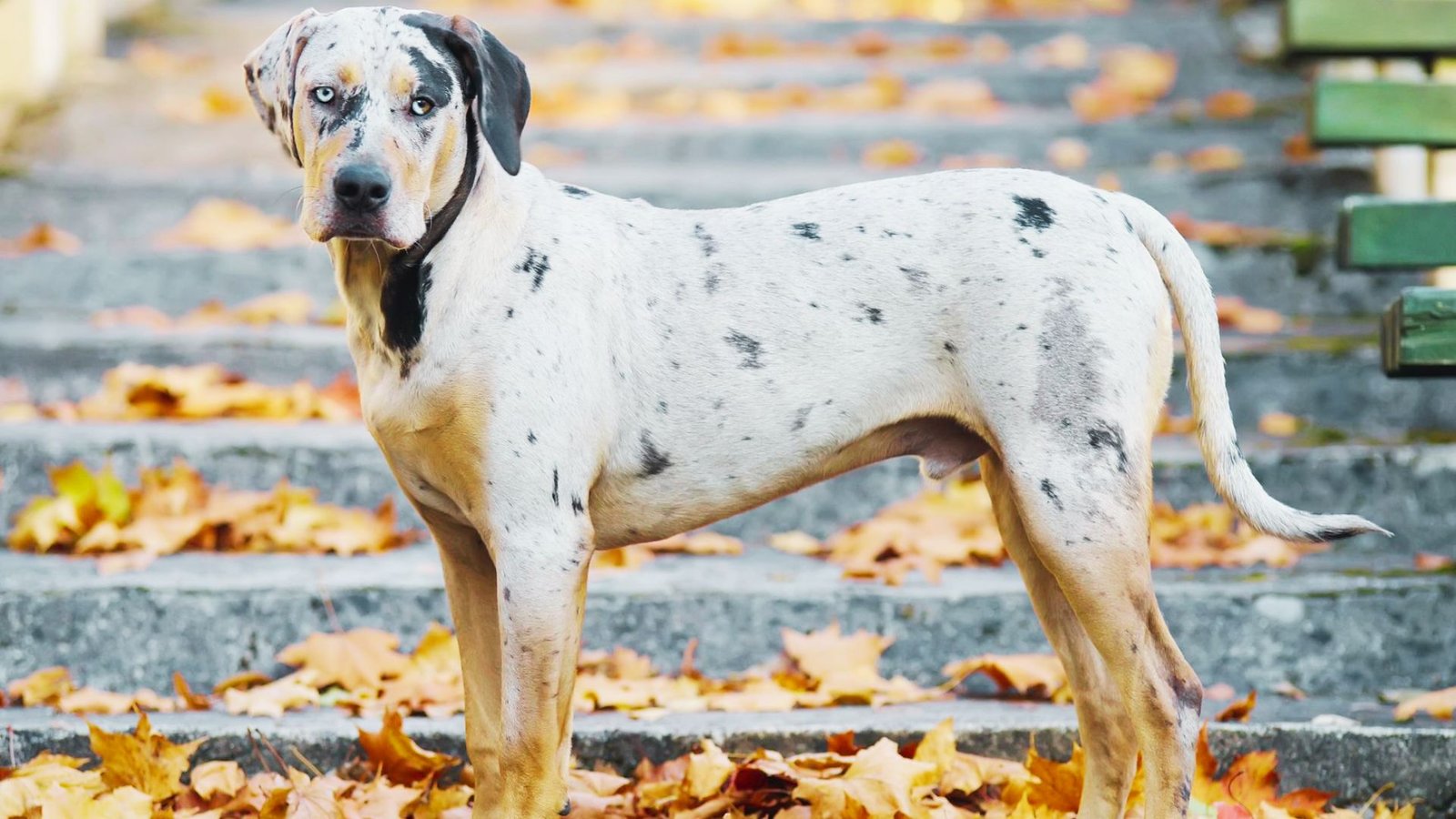
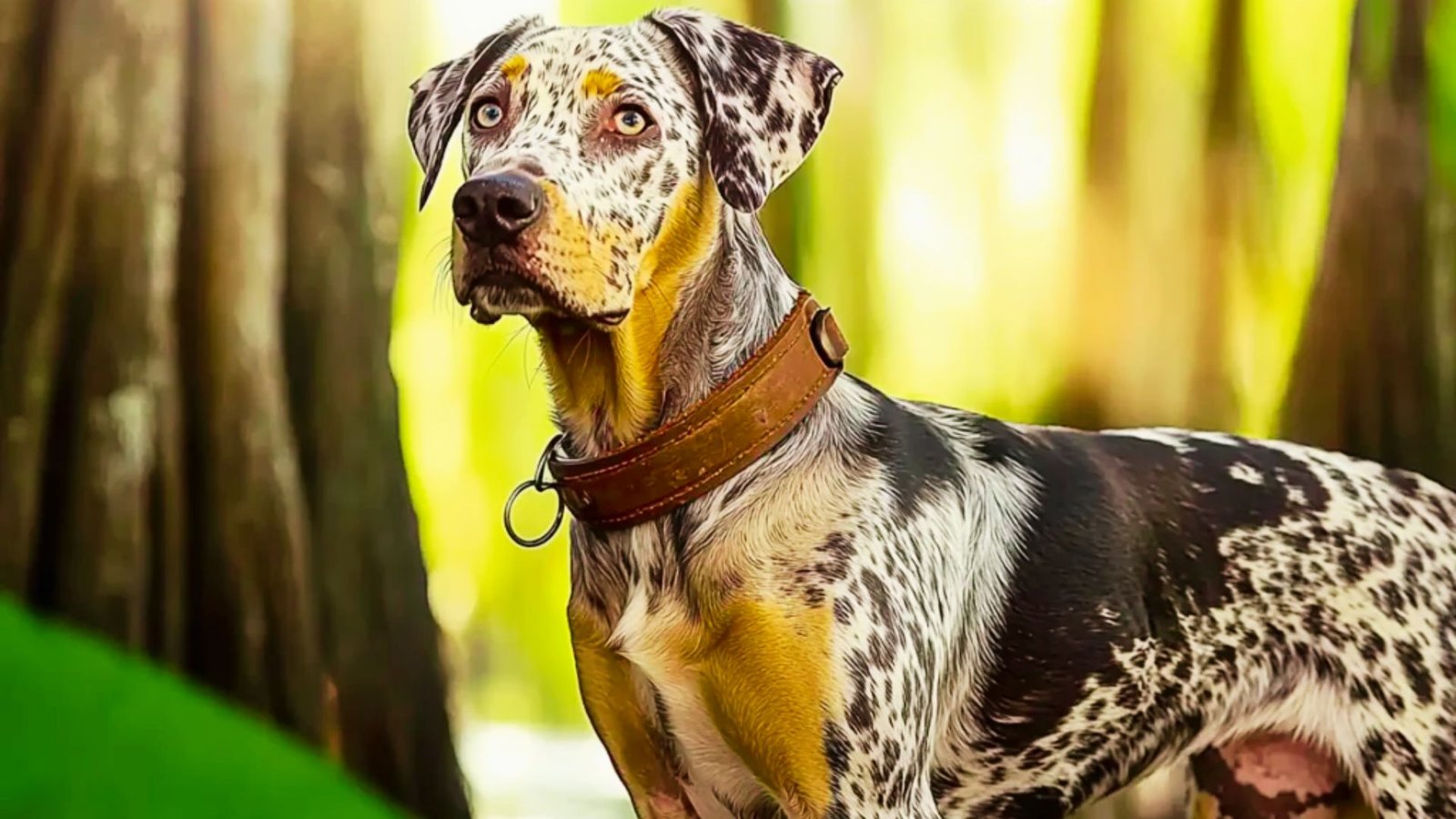
Their coats come in merle, brindle, and patchy patterns, with eyes that often show multiple colors. Males weigh between 65 and 90 pounds with a muscular, athletic build.
Catahoulas are confident, intelligent, and loyal. They need daily exercise, positive training, and early socialization. Best suited for experienced, active owners who can match their energy and drive.
They live 10 to 14 years, with common health concerns including deafness, hip dysplasia, and eye conditions.
History of the Catahoula Dog
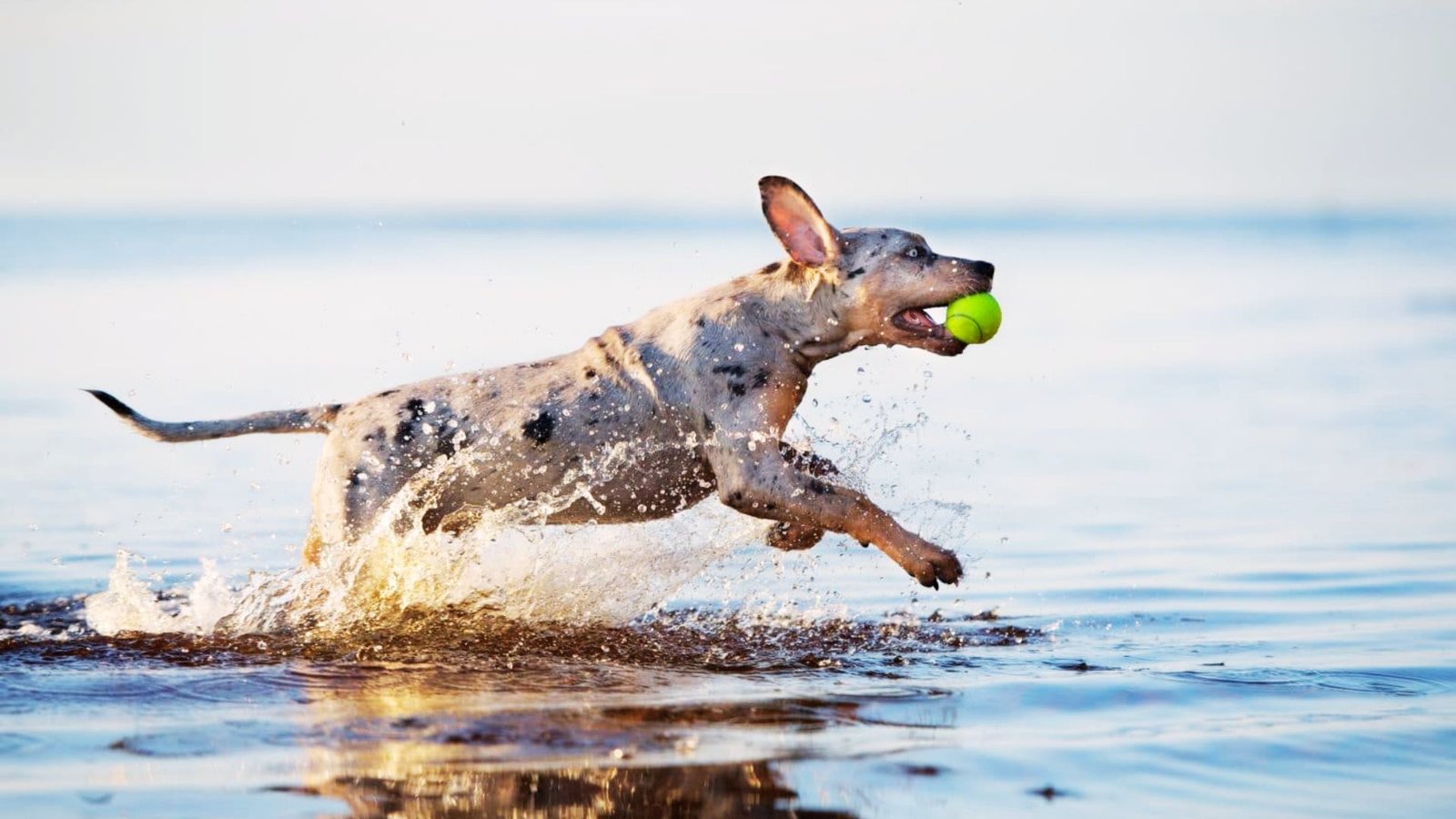
The Catahoula Leopard Dog has a rich history rooted in the American South.
Origins of the Louisiana Catahoula Dog
The Catahoula originated in the marshlands and forests of Louisiana. It developed over hundreds of years in one of the most demanding natural environments in North America.
Native American and European Influences
The breed traces back to a cross between dogs kept by Native American tribes and those brought by Spanish explorers in the 1500s.
Spanish dogs, believed to include Mastiffs and Greyhounds, mixed with Native dogs over generations to produce a tough, versatile working dog.
How the Breed Got Its Name
The name Catahoula comes from a Choctaw word meaning "sacred lake." It refers to Catahoula Parish in Louisiana, where the breed was most commonly found.
Over time, the full name became the Louisiana Catahoula Leopard Dog.
From Working Dog to Louisiana State Dog
For most of its history, the Catahoula was used to hunt and herd. Farmers relied on them to round up hogs and cattle, while hunters used them to track game through dense swamps.
In 1979, the Catahoula became the official state dog of Louisiana.
What Does a Catahoula Dog Look Like?
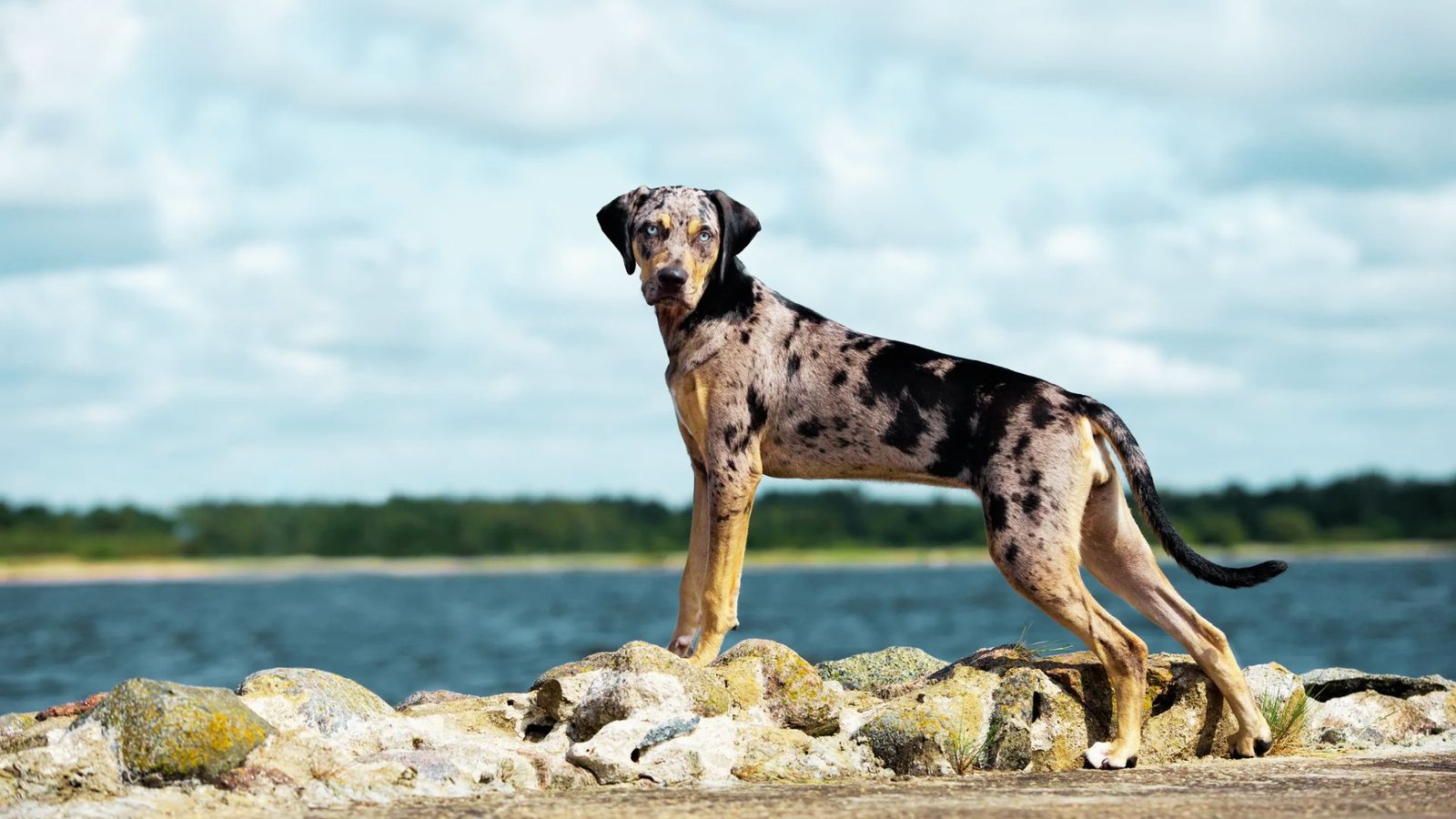
The Catahoula has a bold, athletic appearance. No two dogs in this breed look exactly the same.
Size, Weight, and Athletic Build
Catahoulas are medium to large dogs. Males weigh between 65 and 90 pounds, females between 50 and 65 pounds. They stand 22 to 24 inches tall with a strong, muscular build.
Distinctive Eyes, Facial Features, and What Makes the Breed Easy to Recognize
Many Catahoulas have "cracked glass" or "marbled glass" eyes, where two or more colors appear within a single iris. Some have two completely different colored eyes.
A spotted or merle coat combined with that striking gaze makes this breed hard to miss.
Catahoula Dog Colors and Coat Patterns
The Catahoula comes in more coat variations than almost any other breed. Color and pattern combinations are wide-ranging and often striking.
Leopard Catahoula Dog Markings
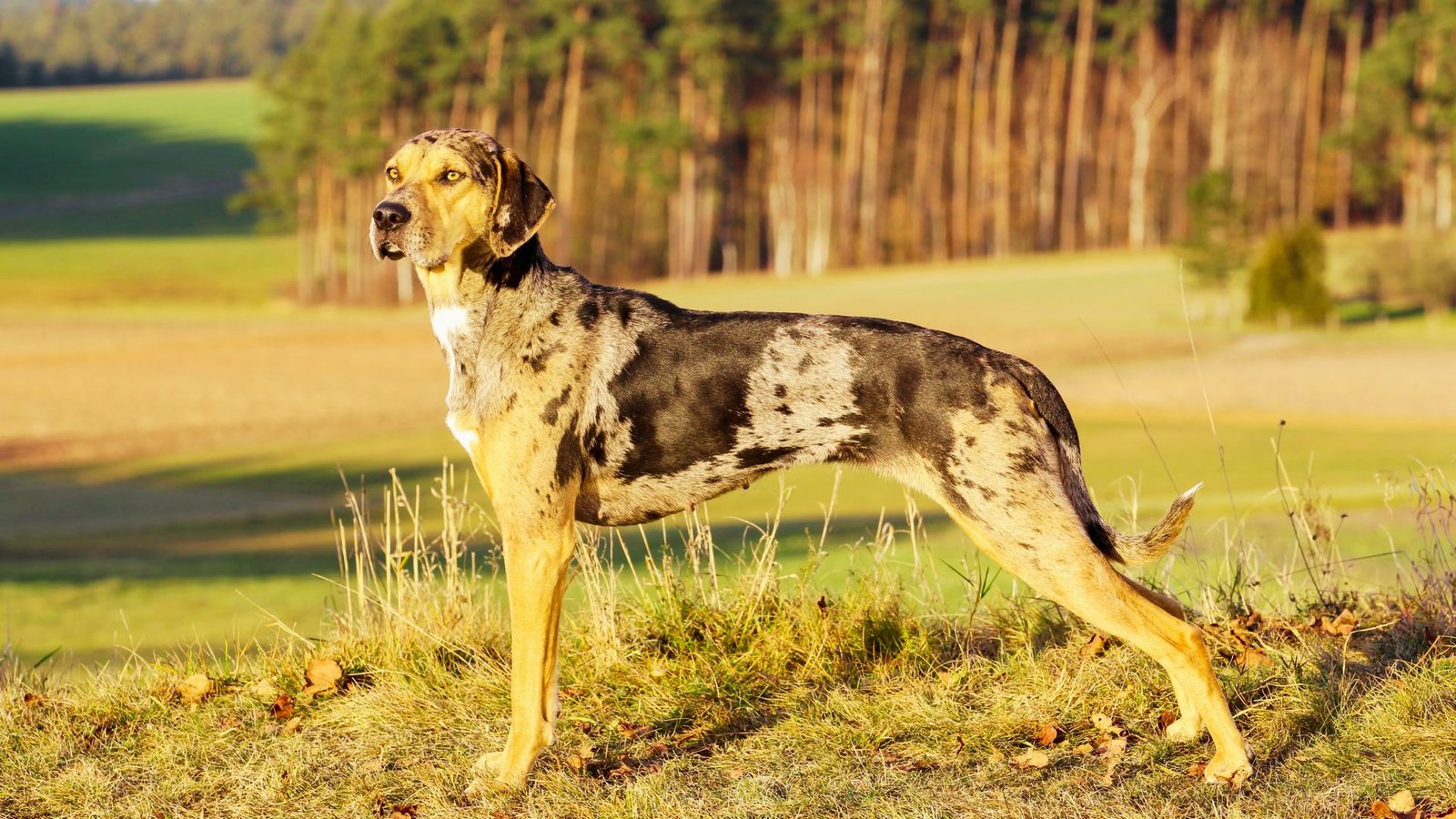
The leopard pattern is the most well-known look in the breed. It features a base coat with lighter or darker spots scattered across the body.
This pattern is what gave the breed the word "leopard" in its name.
Brown Catahoula Dog
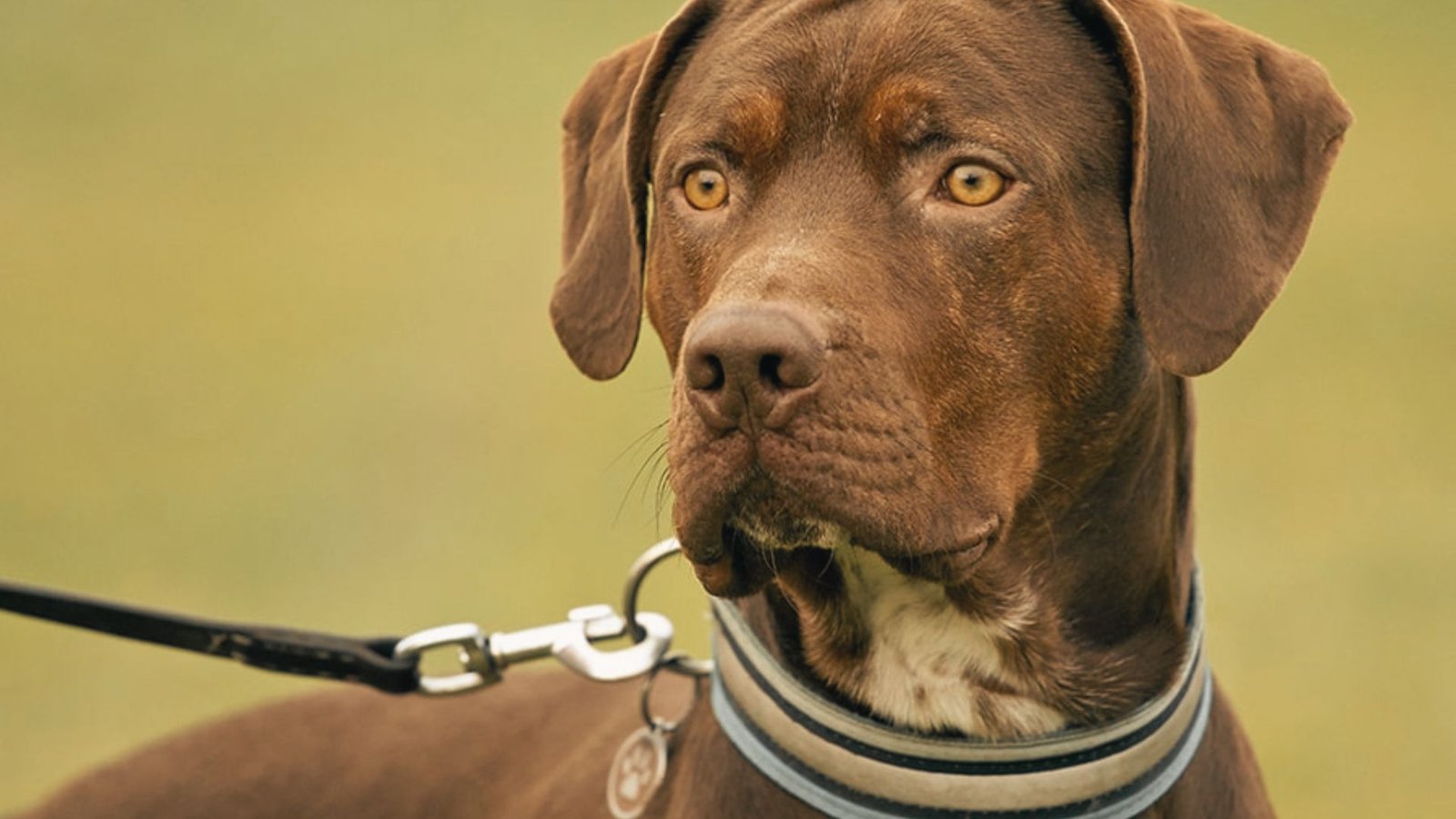
Brown or chocolate Catahoulas have a warm, earthy base coat. They may appear as solid brown or carry a merle or patchy overlay.
Brown Catahoulas are less common but just as striking as other color variations.
Black Catahoula Dog
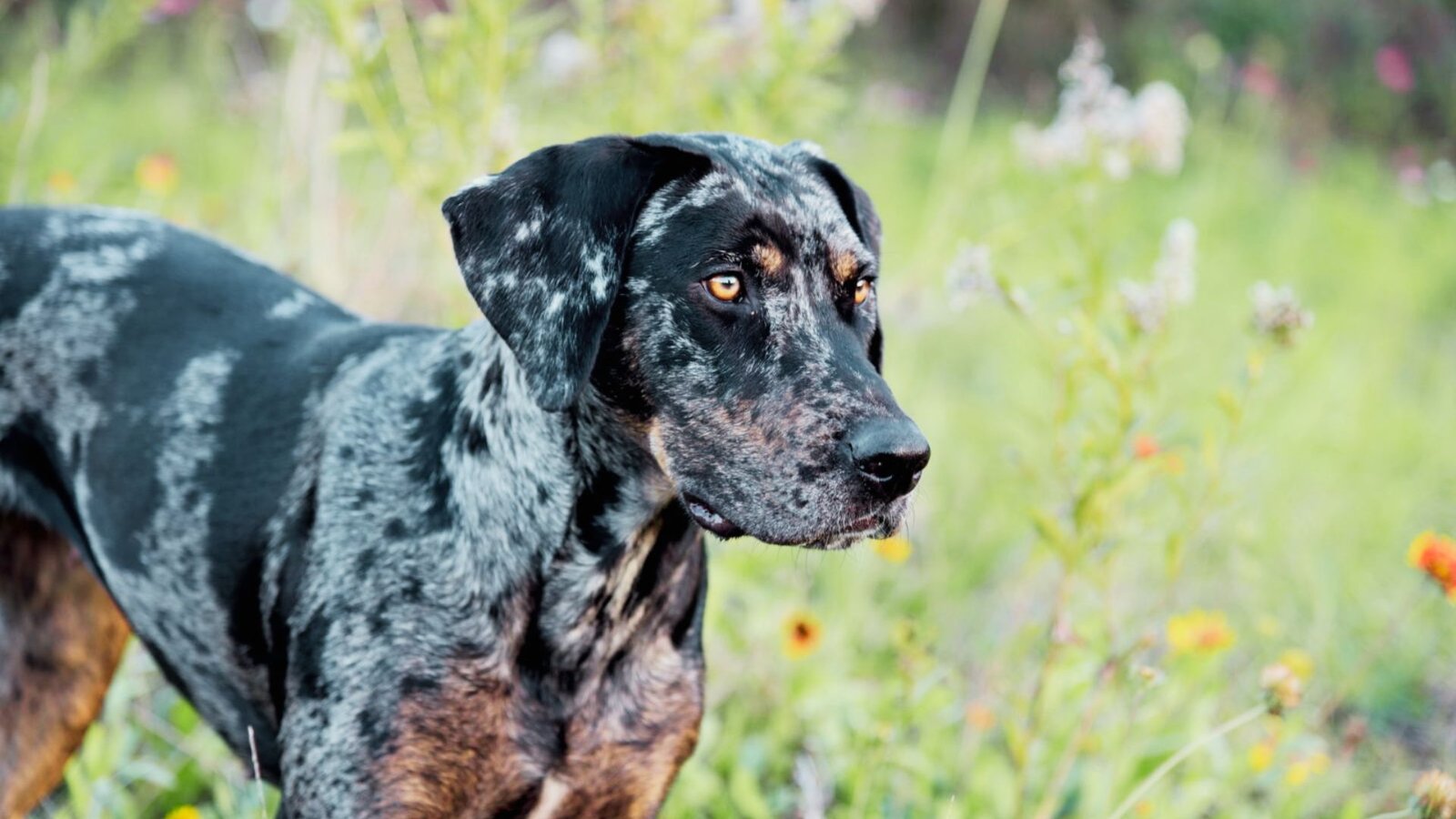
Black is one of the more common solid colors in the breed. A black Catahoula may have white trim on the chest, paws, or face.
Some carry a merle pattern over the black base, giving a smoky or mottled appearance.
Tan Catahoula Dog
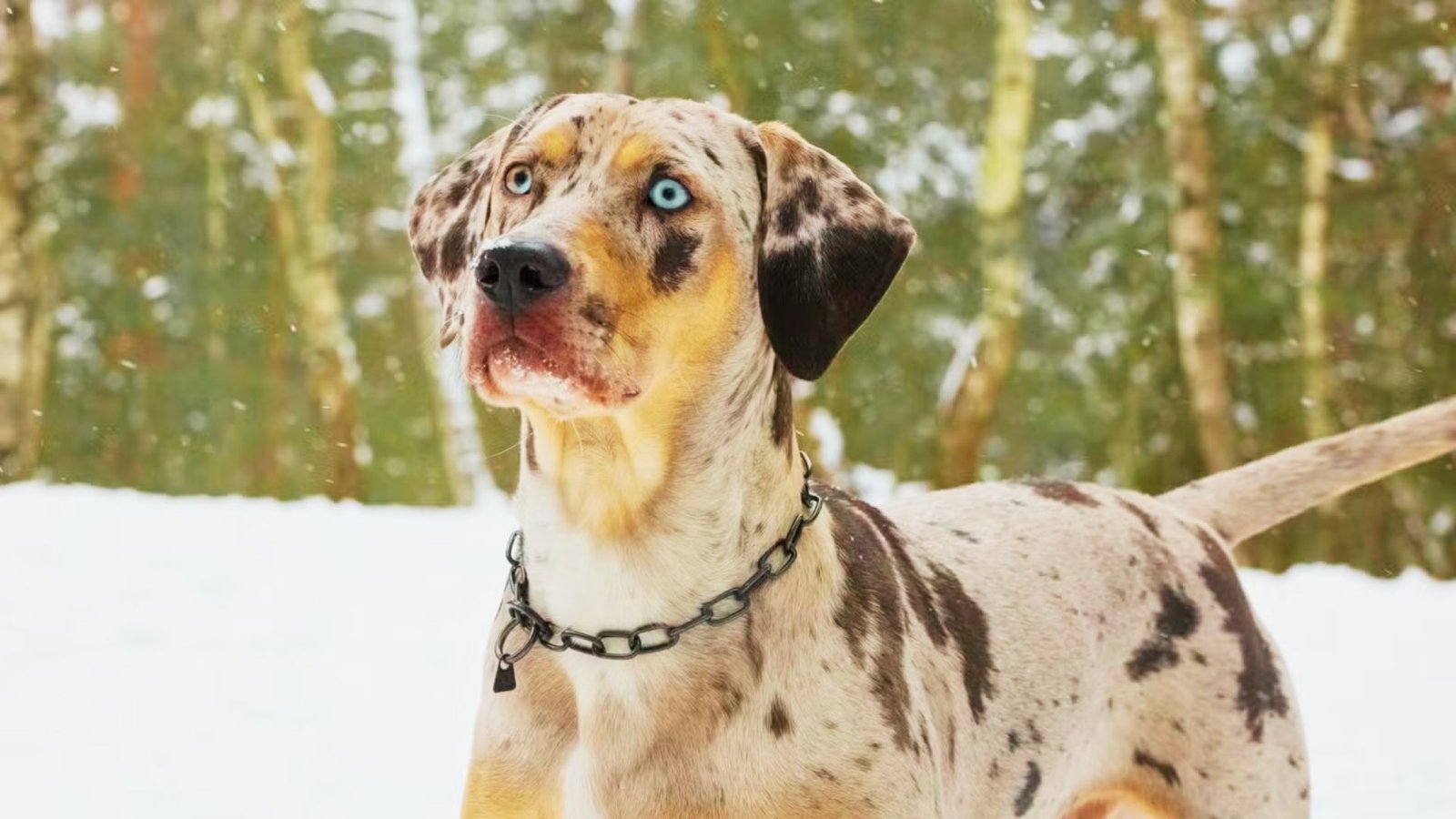
Tan Catahoulas often appear alongside black or brown as secondary coloring. A black and tan Catahoula is a recognizable variation where tan markings appear on the face, legs, and chest.
Brindle and Patchwork Coat Patterns
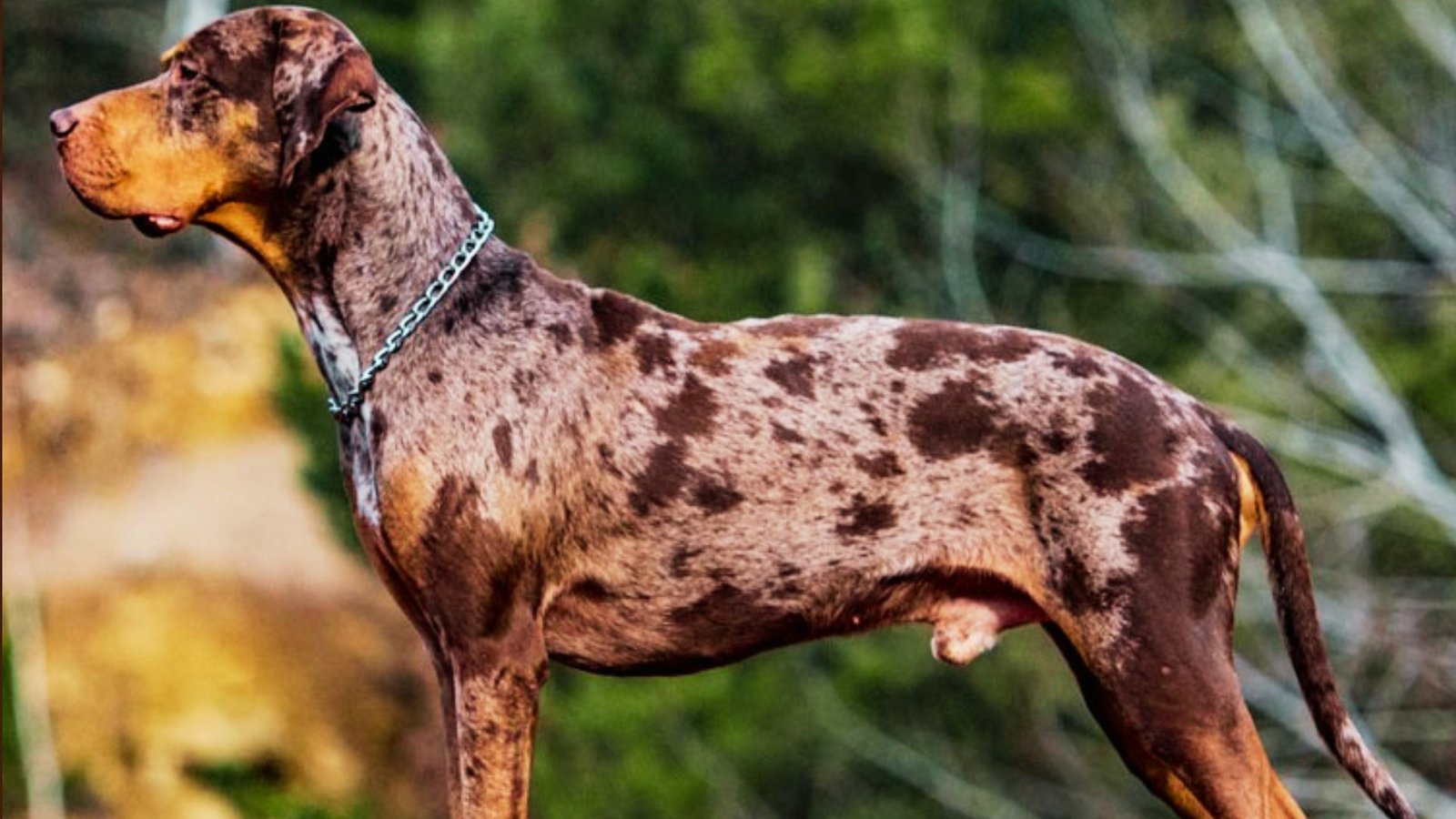
Brindle Catahoulas have dark streaks running through a lighter base coat, similar to a tiger-stripe effect.
Patchwork coats feature large blocks of two or more colors without a clear merle pattern. Both variations are accepted within the breed.
Catahoula Dog Temperament and Personality
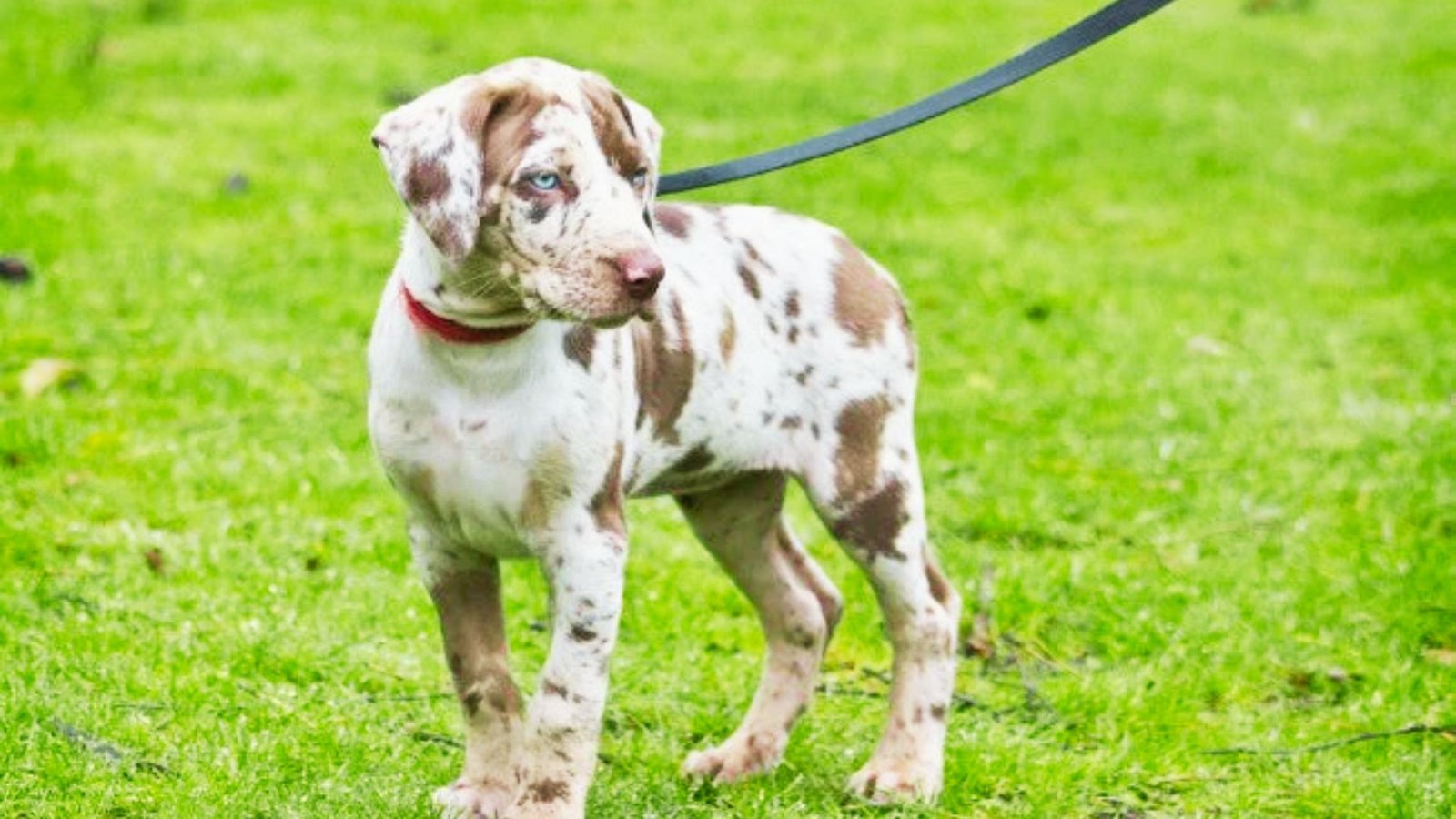
The Catahoula is a confident, driven, and loyal dog. It has a strong personality that stands out in any setting.
Loyalty, Protectiveness, and Family Life
Catahoulas bond deeply with their families and are naturally protective. They do best with active, consistent owners who commit to training and structure from the start.
Intelligence and Independent Nature
Catahoulas are highly intelligent but independent. They were bred to make decisions on their own, which makes them sharp but sometimes stubborn. Patient, reward-based training works best.
Behavior Around Children, Strangers, and Other Dogs
Catahoulas can be gentle with children they are raised with, but supervision is always advised. They are cautious around strangers and can be assertive with other dogs. Early socialization helps shape better behavior in all areas.
Training a Catahoula Dog
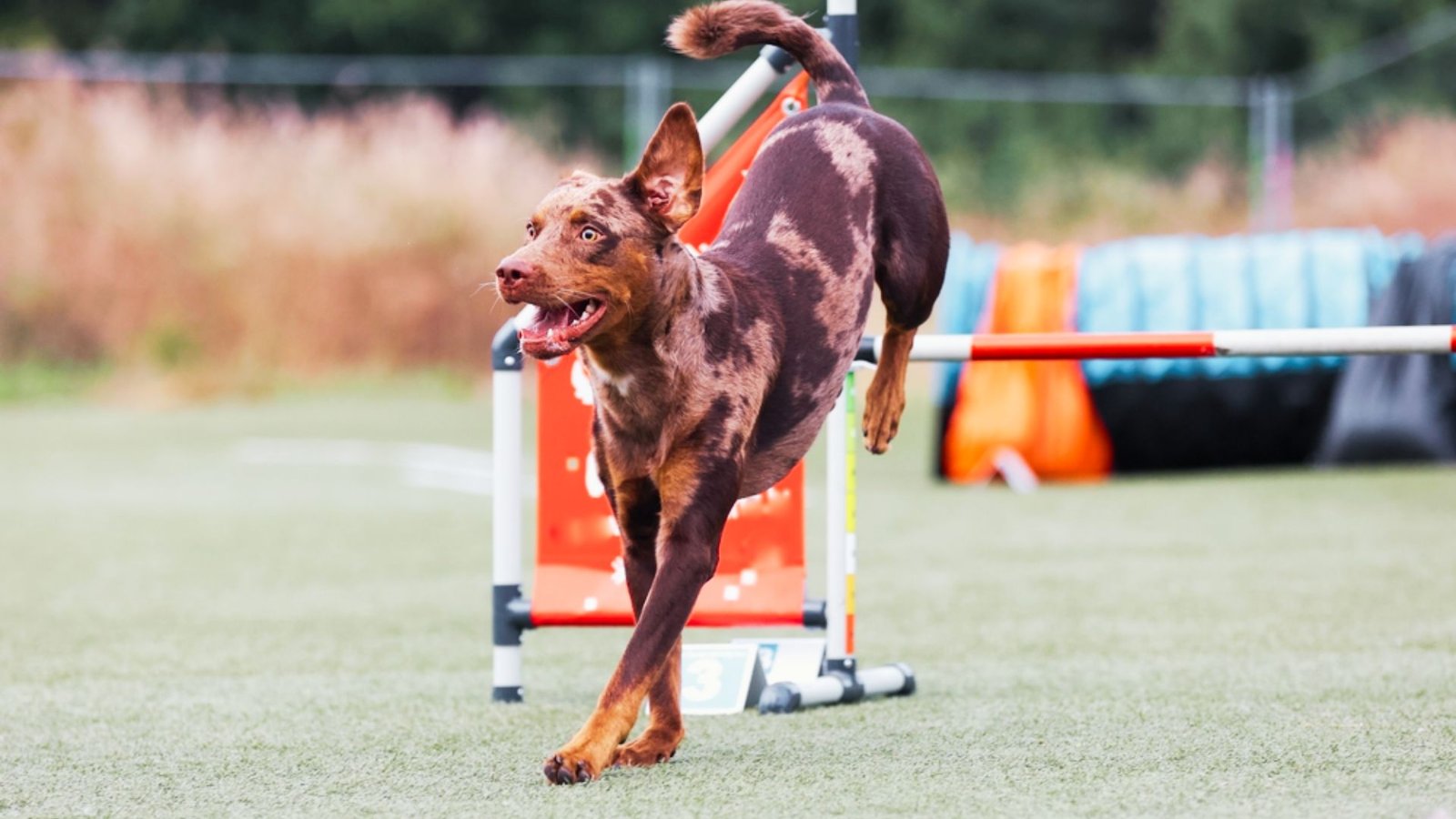
Training a Catahoula takes patience, consistency, and a calm but firm approach. This is not a breed that responds well to laziness in training.
Why Early Socialization Matters
Socialization should begin as early as possible. Introducing a puppy to different people, places, and animals helps build a confident adult dog.
Skipping this step can lead to anxiety or aggression later on.
Best Training Methods and Common Challenges
Positive reinforcement works best. Keep sessions short and reward-based, as Catahoulas get bored quickly. Their independence is the biggest challenge.
They may know what you are asking and simply choose not to do it. Patience and consistency are key.
Tips for First-Time Catahoula Owners
Research the breed before bringing one home. Work with a trainer who has experience with working breeds. Set clear rules from day one and stick to them consistently.
Catahoula Dog Health and Lifespan
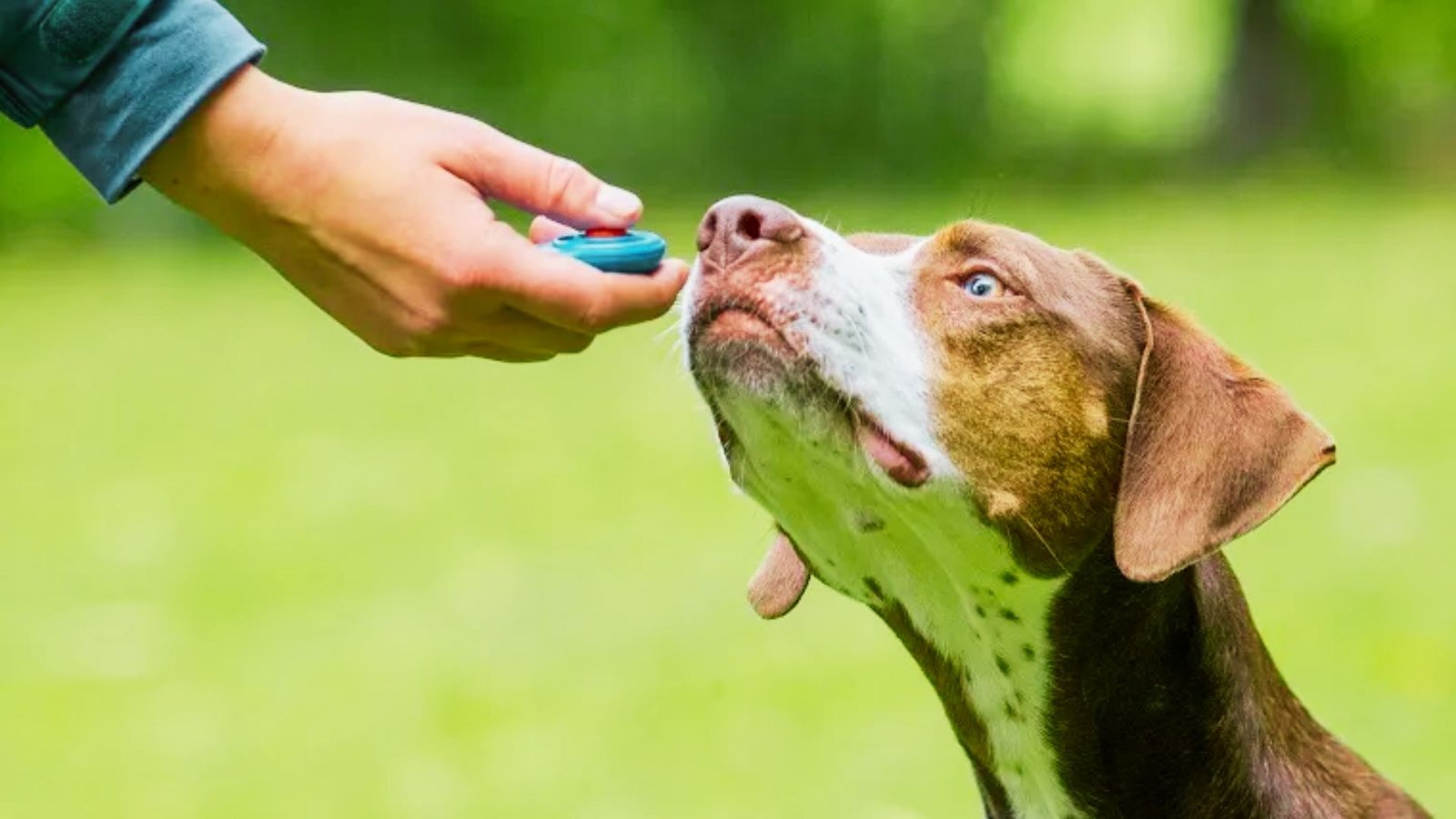
Catahoulas are generally healthy dogs, but like all breeds, they have some specific health concerns worth knowing about.
Lifespan and Common Health Concerns
The average Catahoula lives between 10 and 14 years. Common health issues include hip dysplasia, deafness, and eye problems.
Deafness is more common in dogs carrying two copies of the merle gene. Buying from a responsible breeder who screens for these conditions lowers the risk.
Preventive Care and Wellness Tips
Regular vet checkups, a good diet, and consistent exercise keep a Catahoula healthy. Maintain a healthy weight to reduce joint strain.
Keep dental care, parasite prevention, and vaccinations up to date.
Grooming, Maintenance, and Nutrition
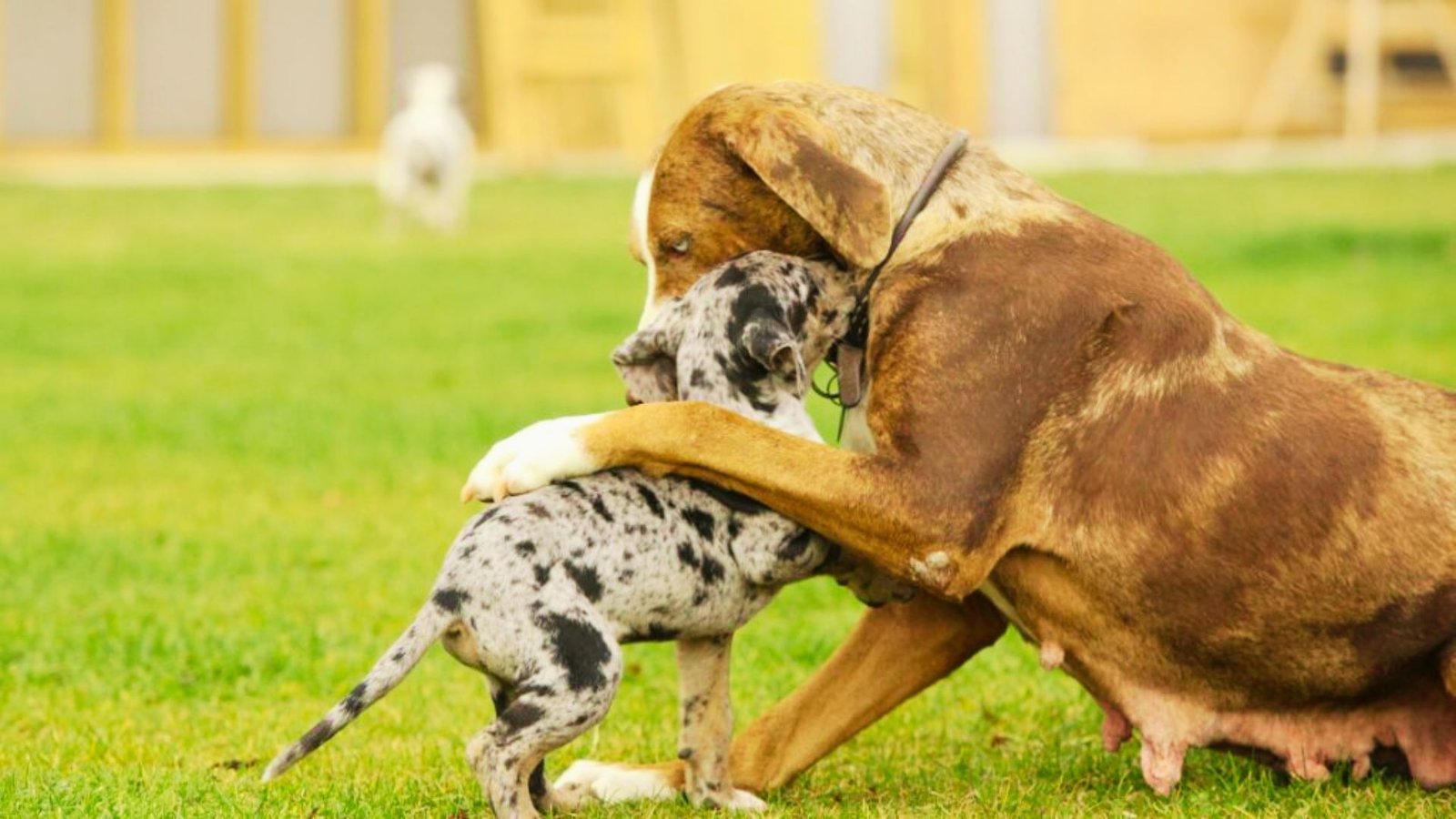
The Catahoula is a low-maintenance breed when it comes to grooming, but getting their diet right matters just as much.
Coat Care, Grooming, and Seasonal Maintenance
Brush the coat weekly to remove loose hair. Bathe once every four to six weeks. Over-bathing strips natural oils and dries out the skin.
Check ears weekly, trim nails every three to four weeks, and brush teeth a few times a week. Catahoulas shed moderately year-round, with slightly more during seasonal changes.
Nutrition, Feeding Schedule, and Foods to Avoid
Puppies need protein and fat for growth. Adults need balanced nutrition, and seniors benefit from lower-calorie food for joint support.
Choose high-quality kibble or raw food with real meat as the first ingredient. Two meals a day works well for most adults.
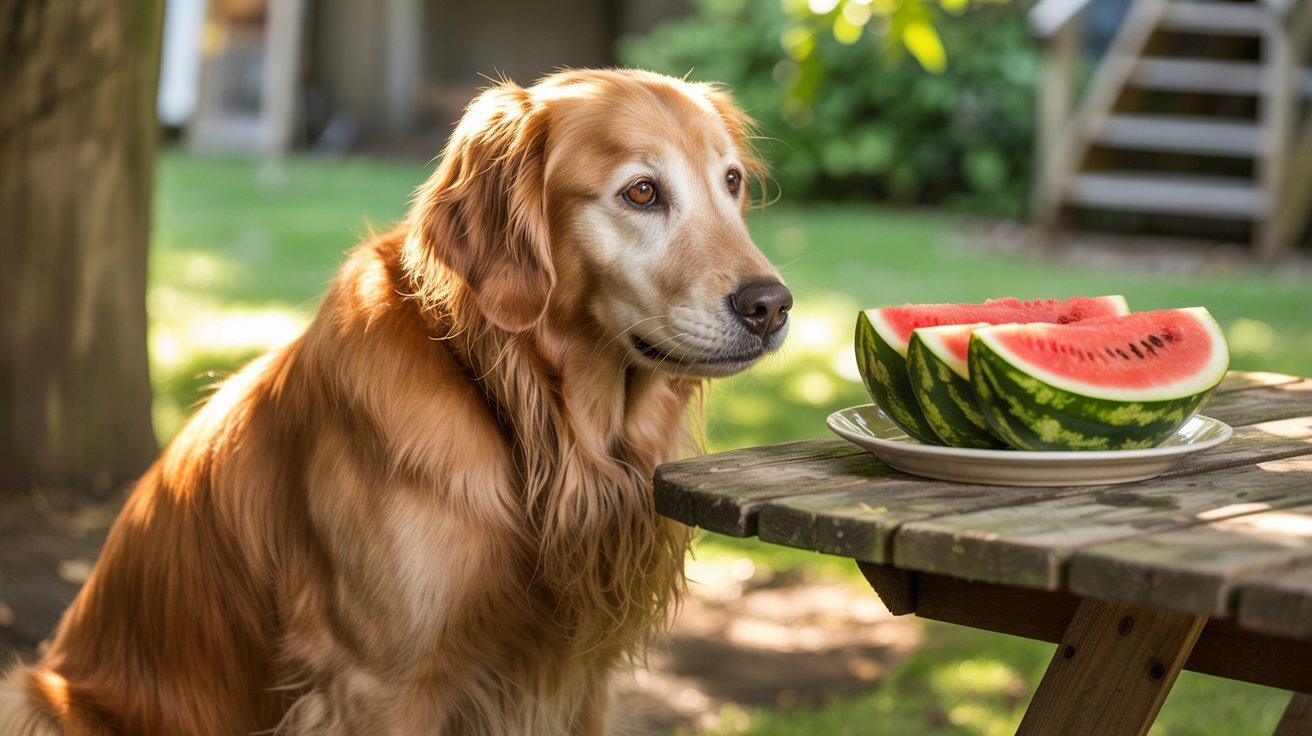
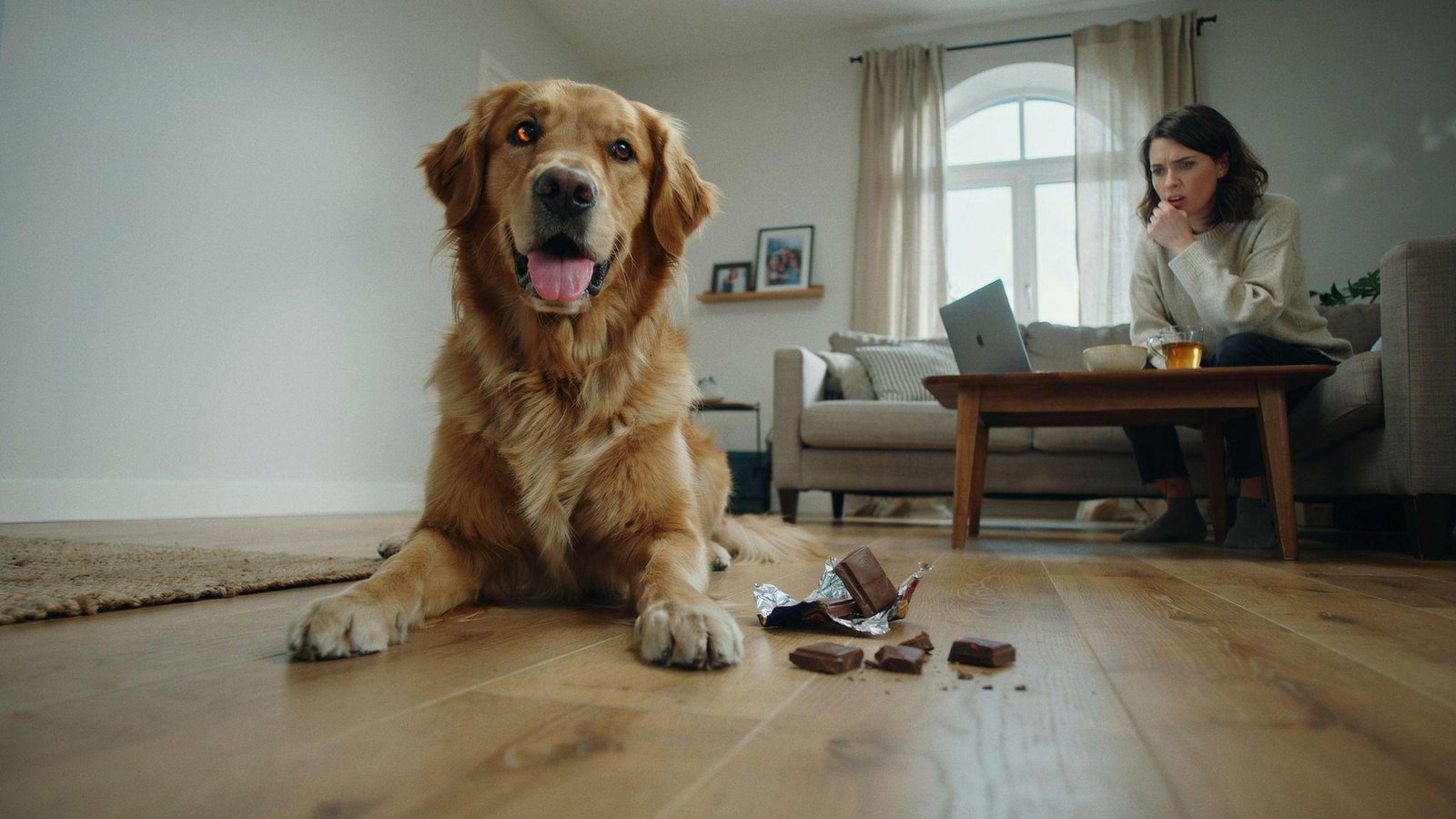
Never feed chocolate, grapes, raisins, onions, garlic, or xylitol. These are toxic to dogs. Check with your vet before introducing new foods.
Is the Catahoula Dog Right for You?
The Catahoula is a rewarding breed, but it is not the right fit for every household.
Ideal Owners and Living Situations
Catahoulas do best with active owners who have space to run and play. A large yard in a rural or suburban setting works best. Those in small apartments or with little dog experience may find this breed too demanding.
Key Takeaways Before Making a Decision
The Catahoula is intelligent, loyal, and hardworking. Do your research, speak with breeders, and spend time with the breed before making a decision.
Tips for Raising a Happy Catahoula Dog
Raising a Catahoula well comes down to a few core habits practiced consistently over time.
- Set clear household rules from day one and make sure everyone in the home follows them. Inconsistency leads to stubborn behavior.
- Plan at least one to two hours of physical activity daily. Mix in mental challenges like scent work or puzzle feeders to keep them engaged.
- Take regular outings to parks and pet-friendly spaces. Positive exposure to new people and environments builds confidence over time.
- Keep training sessions short and always end on a positive note. Reward good behavior with treats and praise to keep them motivated.
- Schedule routine vet visits to catch health issues early. Annual exams, dental cleanings, and vaccinations are all part of responsible ownership.
Conclusion
If you have ever met a Catahoula in person, you already know there is something about them that stays with you. They are bold, loyal, and full of character.
In my opinion, few breeds match their combination of drive and devotion. If you are thinking about bringing one home, go for it, but go in prepared. They reward every ounce of effort you put in.
Have questions or already own a Catahoula? Drop a comment below and share your experience. We would love to hear from you.
Frequently Asked Questions
Are Catahoula Dogs Good for First-Time Owners?
Catahoulas are better suited for experienced owners due to their independent nature. First-time owners can manage with consistent training and a strong commitment to daily exercise.
How Much Exercise Does a Catahoula Need?
Catahoulas need at least one to two hours of activity every day. Running, hiking, and swimming are all great options for this high-energy breed.
Are Catahoula Dogs Aggressive?
Catahoulas are not naturally aggressive but can be assertive and protective. Early socialization and consistent training help shape a calm and well-behaved dog.
How Long Do Catahoula Dogs Live?
The average Catahoula lives between 10 and 14 years. Proper nutrition, regular exercise, and routine vet care support a longer, healthier life.
Do Catahoula Dogs Shed a Lot?
Catahoulas shed moderately throughout the year. Weekly brushing keeps loose hair under control and maintains a healthy coat.