
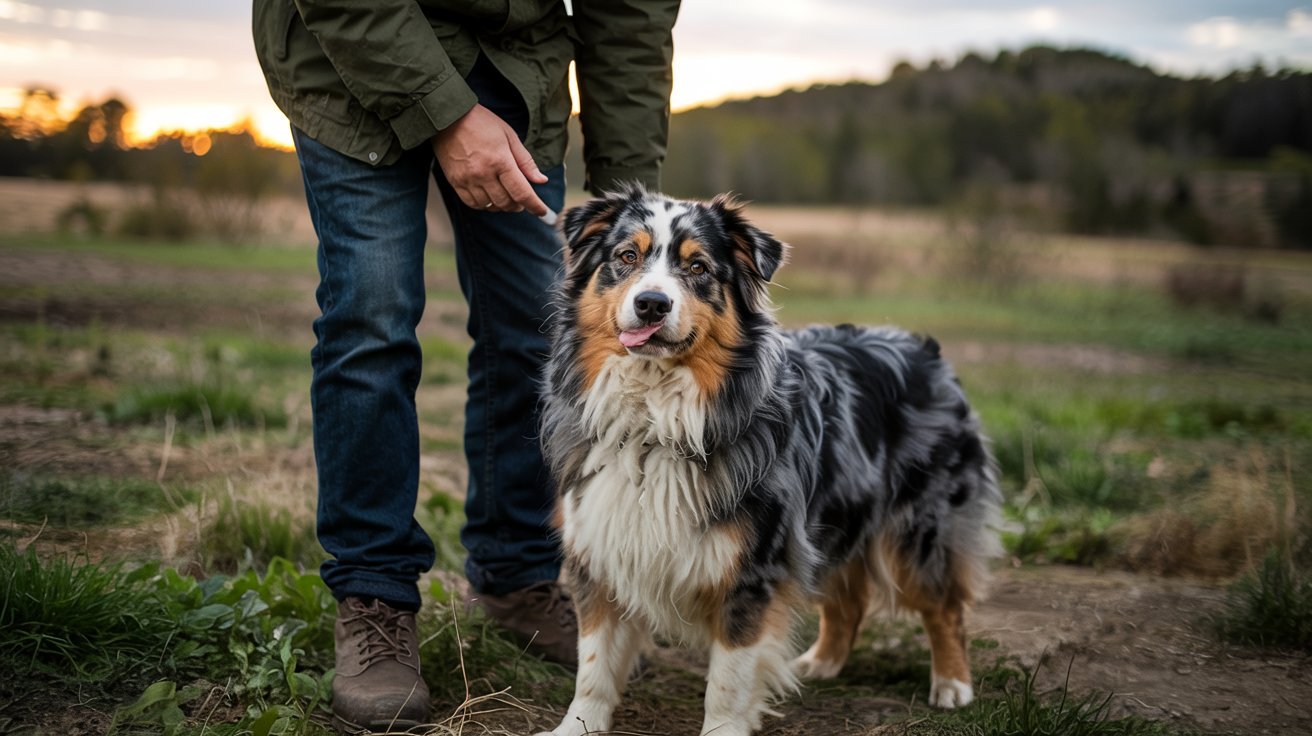
Before I got my first Australian Shepherd, I did a lot of research. But nothing quite prepared me for what living with one actually feels like.
The Australian Shepherd dog temperament is something you have to experience to fully understand. On the surface, they look like a high-energy working dog. And they are.
But underneath that, there's a level of emotional intelligence and loyalty that genuinely catches you off guard.
If you're considering this breed or already have one and want to understand them better, I've put together everything that matters, backed by real experience and research that goes beyond the basics.
What Is the Typical Australian Shepherd Temperament?
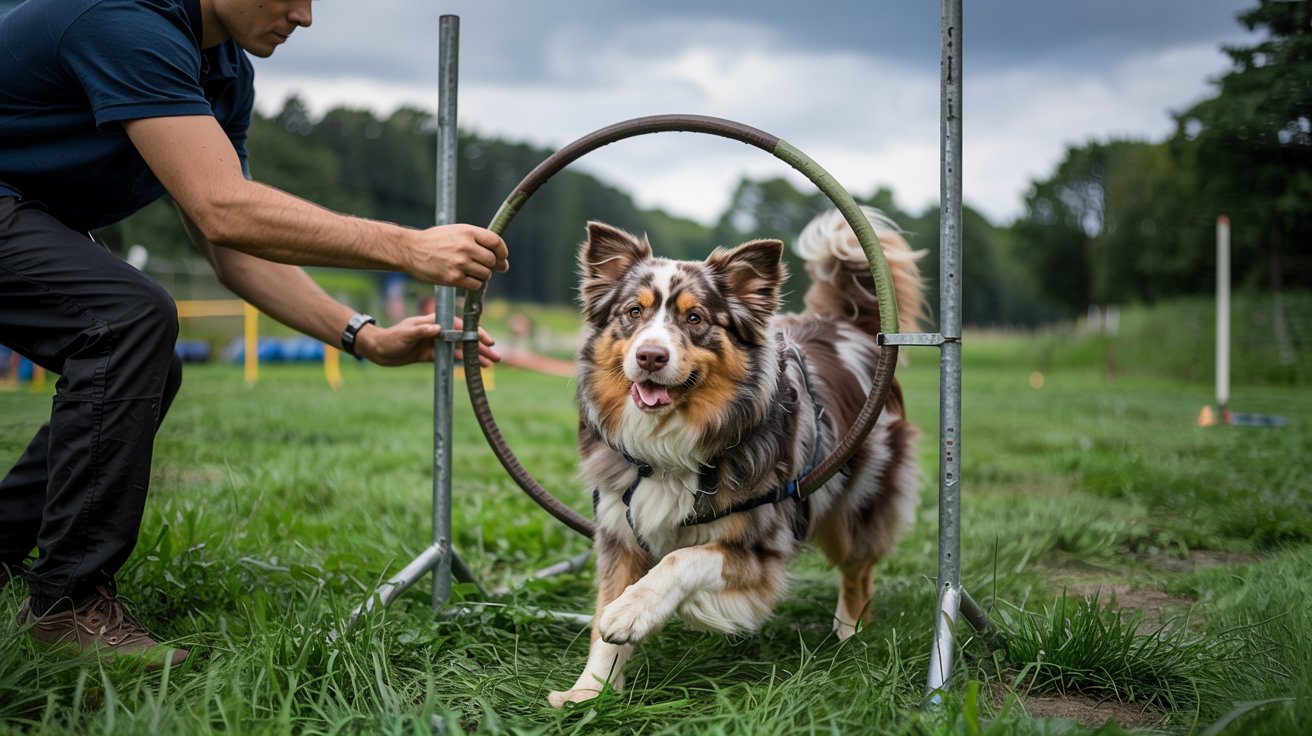
Australian Shepherds are intelligent, energetic, and deeply loyal. They form strong emotional attachments and thrive when they feel connected and engaged. This is not a dog that's happy sitting on the sidelines.
They were bred to herd livestock for hours. That work ethic doesn't disappear in a suburban home. They need a job, a routine, or consistent mental and physical activity.
These dogs are naturally alert and eager to please. They pick up commands fast but get bored quickly when life slows down.
They do best in active households where someone is home often and willing to put in real time and effort.
Key Traits of Australian Shepherd Dog Temperament
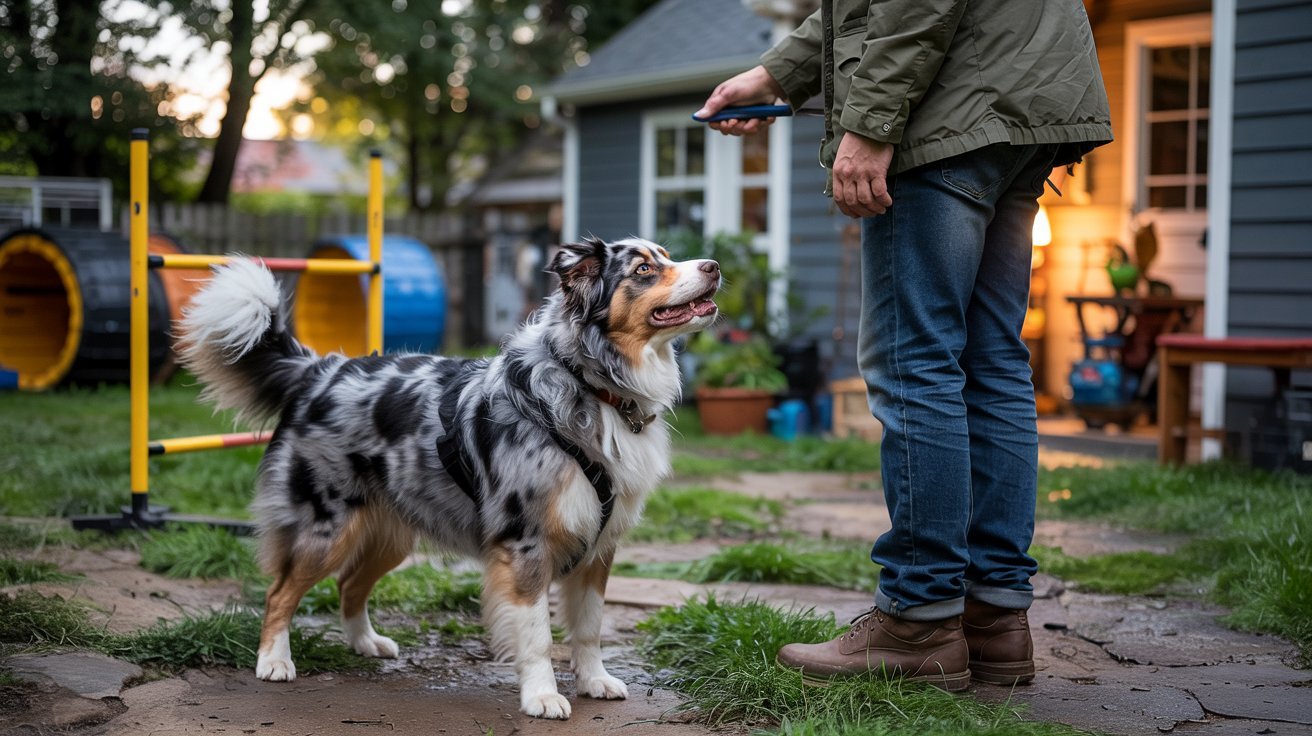
The Australian Shepherd dog temperament covers a wide range of qualities that are closely linked.
Understanding them together gives you a clearer picture of what daily life with this breed looks like.
- Highly intelligent and quick to learn new commands
- Loyal and emotionally attached to their owners and family
- Energetic and always ready for activity or play
- Emotionally sensitive to tone of voice and environment
- Prone to destructive behavior when bored or left alone too long
These traits don't exist in isolation. Give this dog structure, engagement, and real connection, and you'll have one of the most rewarding companions around.
Are Australian Shepherds Protective by Nature?
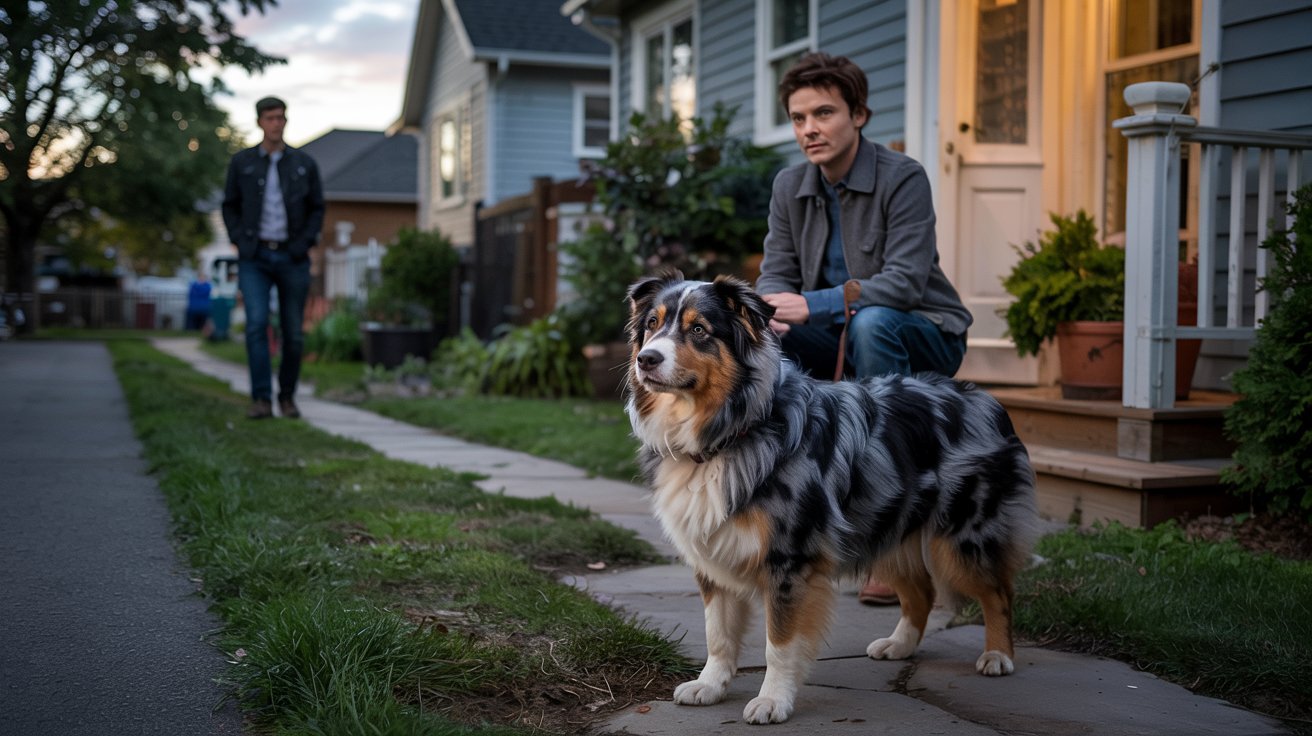
Yes, but not aggressively. Australian Shepherds are naturally watchful and will alert you when something unfamiliar enters their space. It's calm and observant, not reactive.
The Australian Shepherd dog temperament protective side shows most around strangers. They hold back, watch closely, and stay near their owner.
Once they decide someone is safe, they warm up without much fuss.
Early socialization keeps that protective instinct balanced. Exposure to different people and situations from a young age helps them learn what's actually worth reacting to.
How Australian Shepherds Behave Around Families
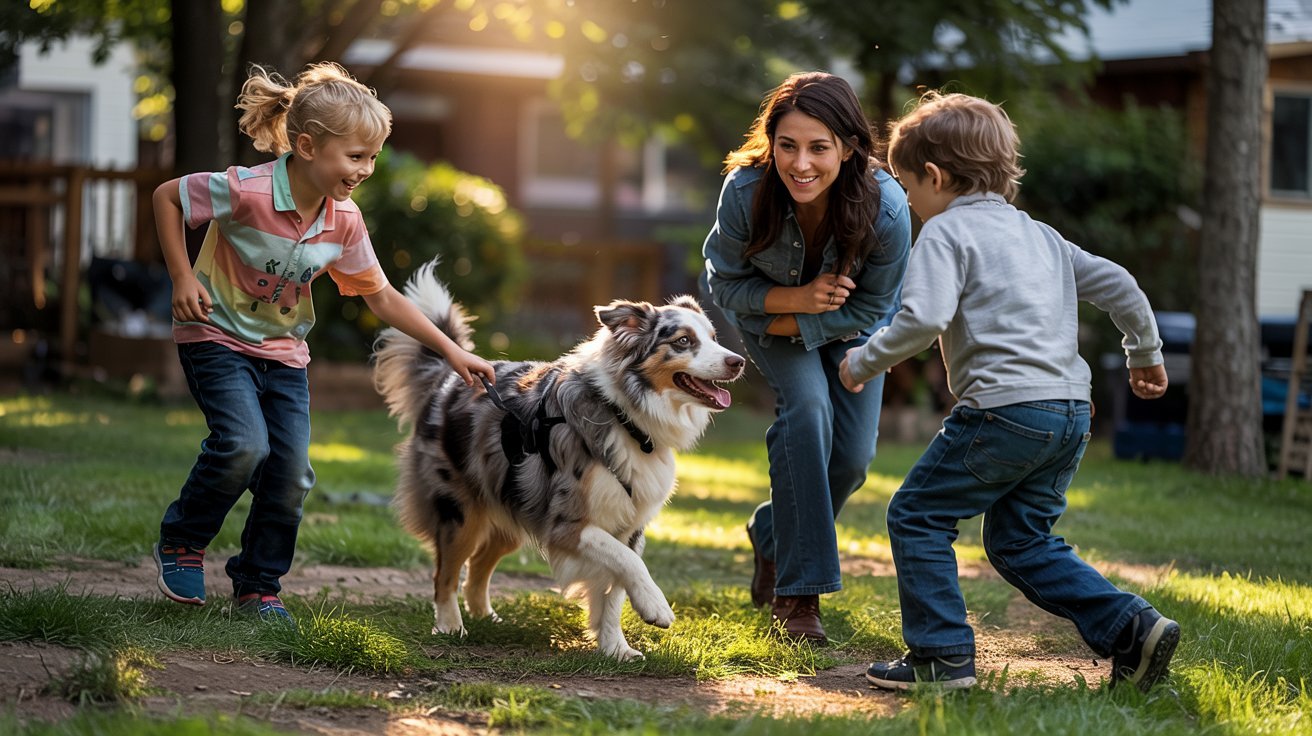
Australian Shepherds bond strongly with family and want to be involved in everything. They can become stressed when left out for too long.
They're usually great with active children. They match the energy and enjoy the play. But herding instincts can lead to nipping at heels during high-energy games.
It's instinct, not aggression. Still, it needs to be managed around younger kids. Teaching both the dog and child how to interact properly makes a big difference.
Australian Shepherds Around Other Pets
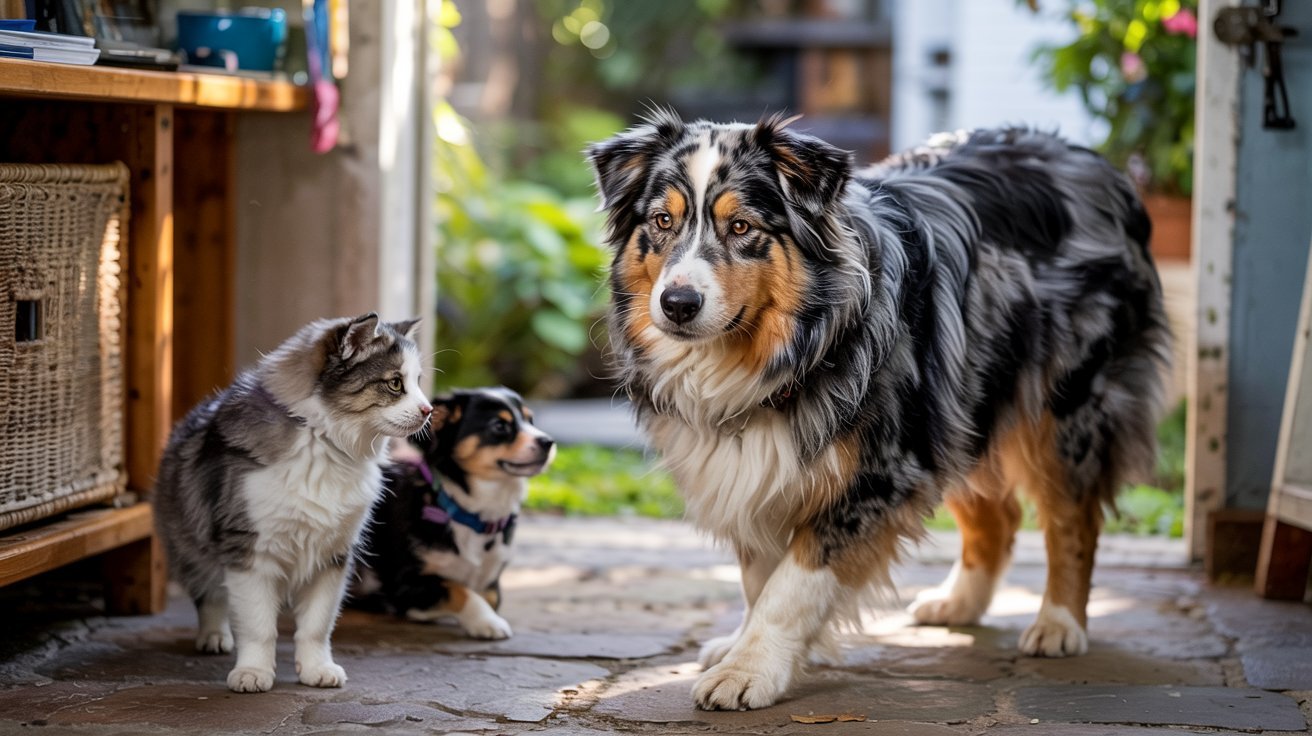
Australian Shepherds can live well with other dogs and cats, especially when introduced early. A dog raised alongside other pets is far more likely to accept them naturally.
Their herding instincts can affect interactions though. They may try to herd smaller animals, which stresses cats or smaller dogs over time.
Slow, controlled introductions work best. Rushing the process usually creates tension that takes a long time to undo.
Common Behavioral Problems in Australian Shepherds
Most behavioral issues come down to one thing: unmet needs.
When this breed doesn't get enough exercise, stimulation, or connection, problems follow quickly.
- Separation anxiety when left alone for long stretches
- Excessive barking from boredom or environmental triggers
- Chewing and destructive behavior when energy has nowhere to go
- Hyperactivity indoors from insufficient daily exercise
- Reactivity toward people or animals due to under-socialization
These are signals, not permanent flaws. Address the root cause and the behavior usually improves. Consistent structure and daily outlets for energy are the foundation of a calm, well-adjusted Aussie.
Australian Shepherd Temperament Male vs Female
Both males and females share the same core Australian Shepherd dog temperament. The differences are subtle and shaped more by upbringing than gender.
| Trait | Male | Female |
| Attachment style | More openly affectionate | More selective |
| Maturity rate | Slower to mature | Matures faster |
| Playfulness | More playful and goofy | More focused |
| Independence | Slightly more dependent | More independent |
| Training focus | Eager but easily distracted | Sharper focus |
Training and environment will always matter more than gender. Spend time with the individual dog before deciding.
Is the Australian Shepherd the Right Dog for You?
If you have an active lifestyle, time to train, and enjoy a dog that's genuinely engaged with you, an Australian Shepherd could be a great fit. They're loyal, sharp, and deeply rewarding.
But they're not low-maintenance. They need daily exercise, mental challenges, and consistent training. Without those, their best qualities can become overwhelming fast.
Be honest about your schedule. Long hours away from home or a preference for a relaxed environment may not suit this breed.
The Australian Shepherd dog temperament suits people who want a partner, not just a pet. If that sounds like you, few breeds will give you more in return.
Conclusion
Owning an Australian Shepherd has taught me more about consistency and commitment than I expected. This breed gives back everything you put in, and then some.
The Australian Shepherd dog temperament isn't for everyone, and that's okay. But if you're ready to show up every day with energy, patience, and structure, you'll have a dog that's completely devoted to you.
Still deciding? Drop your questions in the comments.
Already an Aussie owner? Share your experience below. And if this helped, pass it along to someone who needs it.
Frequently Asked Questions
Are Australian Shepherds Naturally Protective?
Yes, they are naturally alert and watchful around strangers but not typically aggressive. Proper socialization keeps that instinct balanced and manageable.
Do Australian Shepherds Get Attached to One Person?
Many Aussies form a strong bond with one primary person in the household. They still love the whole family, but that one connection tends to run deepest.
Are Australian Shepherds Difficult to Manage?
They can be challenging for first-time owners due to high energy and intelligence. Consistent training and daily exercise make a significant difference.
Can Australian Shepherds Stay Alone at Home?
They prefer company and can develop anxiety when left alone regularly for long periods. This breed may struggle if your schedule involves long hours away.
Are Australian Shepherds Calm Indoors?
Yes, they can settle well indoors once their exercise and mental stimulation needs are met. A tired Aussie is generally a calm one.