
I remember the first time my dog started drooling more than usual. My first thought was panic. Is something wrong? Did he eat something bad?
If you are asking why my dog is drooling so much, you are not alone. Many dog owners go through this.
This article covers the difference between normal and excessive drooling Sudden vs gradual causes Serious warning signs to watch Simple tips to manage it at home
I have spent time researching and talking to vets so you get clear, honest answers. You will know exactly when to worry and when to relax.
Understanding Dog Drooling
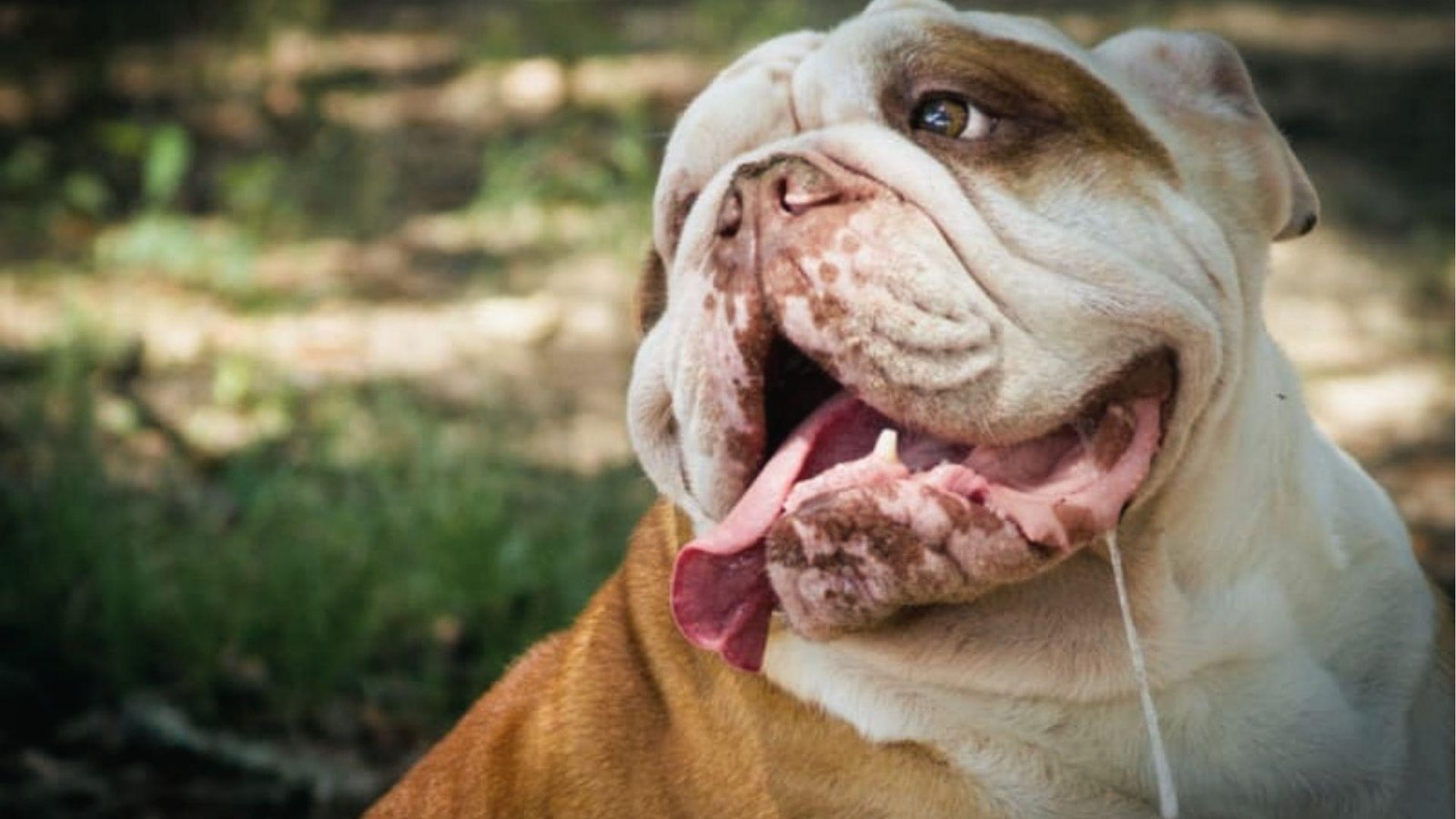
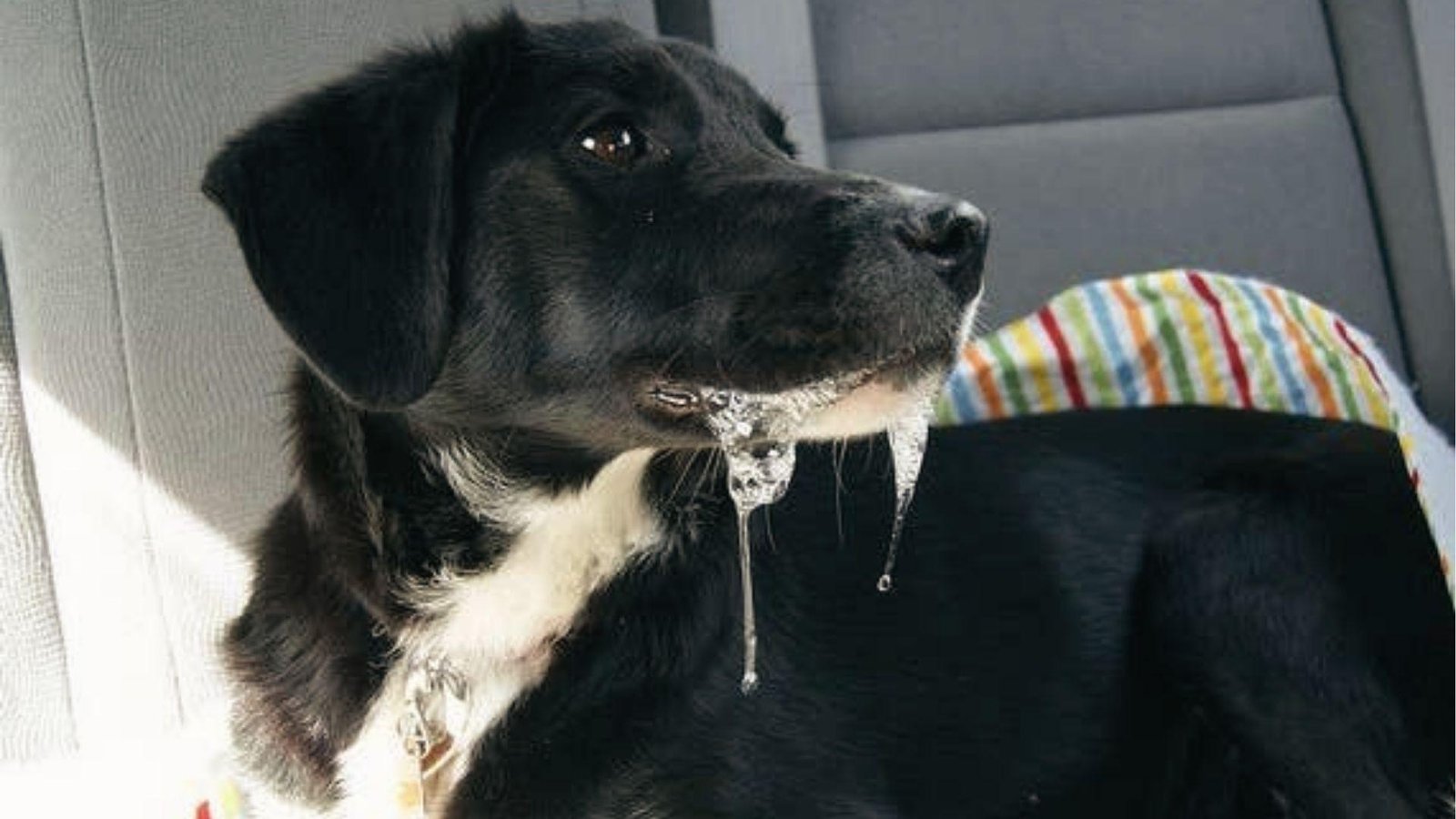
Every dog drools, but knowing how much is too much can save your dog's life.
Dogs produce saliva to aid digestion and keep the mouth moist. When the body senses food, stress, or irritation, saliva increases and in small amounts, that is completely normal.
Some breeds like Bulldogs, Saint Bernards, Bloodhounds, and Mastiffs naturally drool more due to their loose jowls and large lips, so heavy drooling in these dogs is usually not a health concern.
Medical drooling is different. It is sudden, heavy, or paired with symptoms like vomiting, lethargy, or pawing at the mouth.
If your dog is not a heavy-drooling breed and suddenly starts drooling a lot, that is a sign worth taking seriously.
Why is My Dog Drooling So Much All of a Sudden?
Sudden drooling in dogs often signals something urgent, and quick action can make a big difference.
Nausea, Motion Sickness, or Stomach Upset
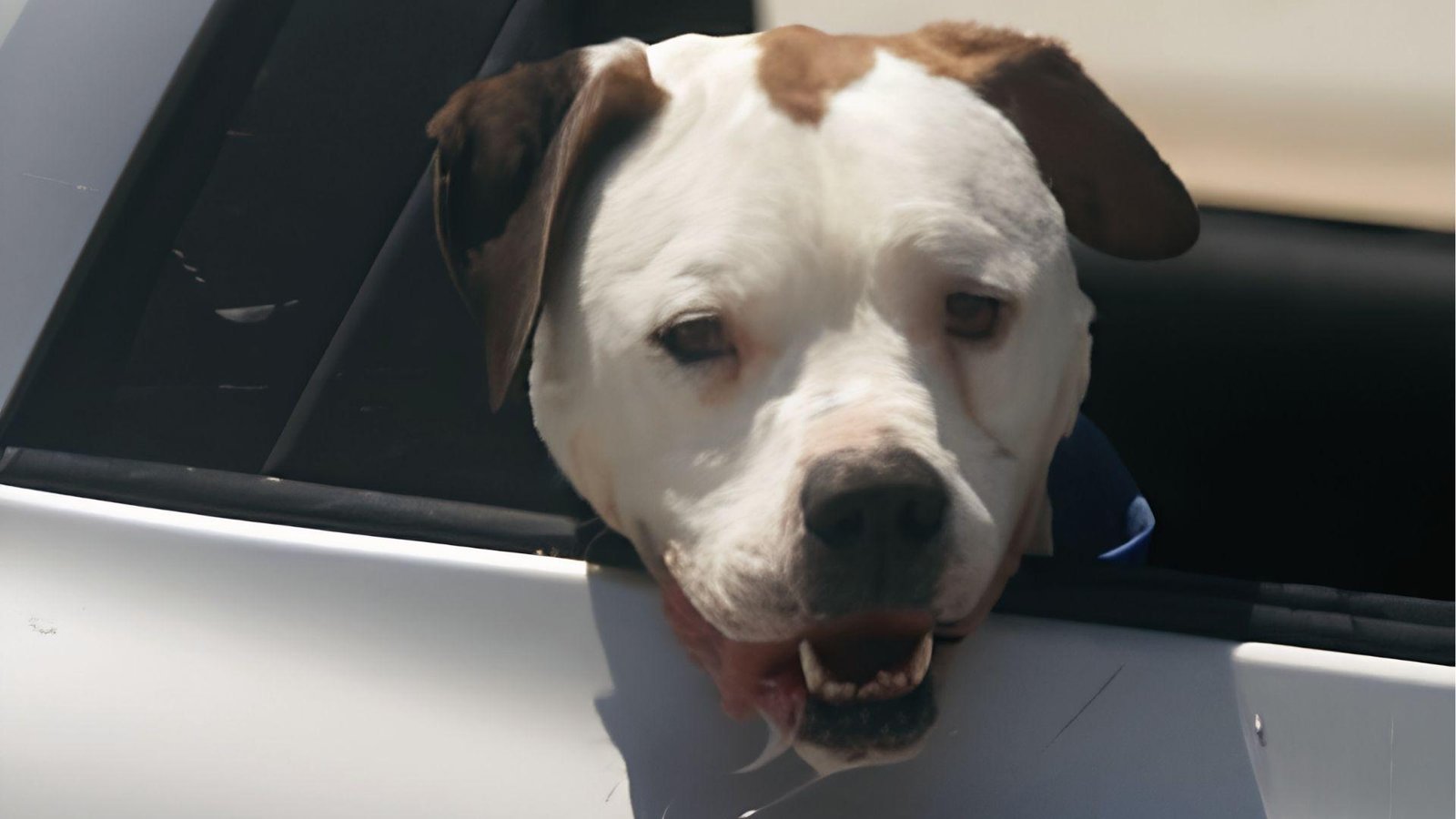
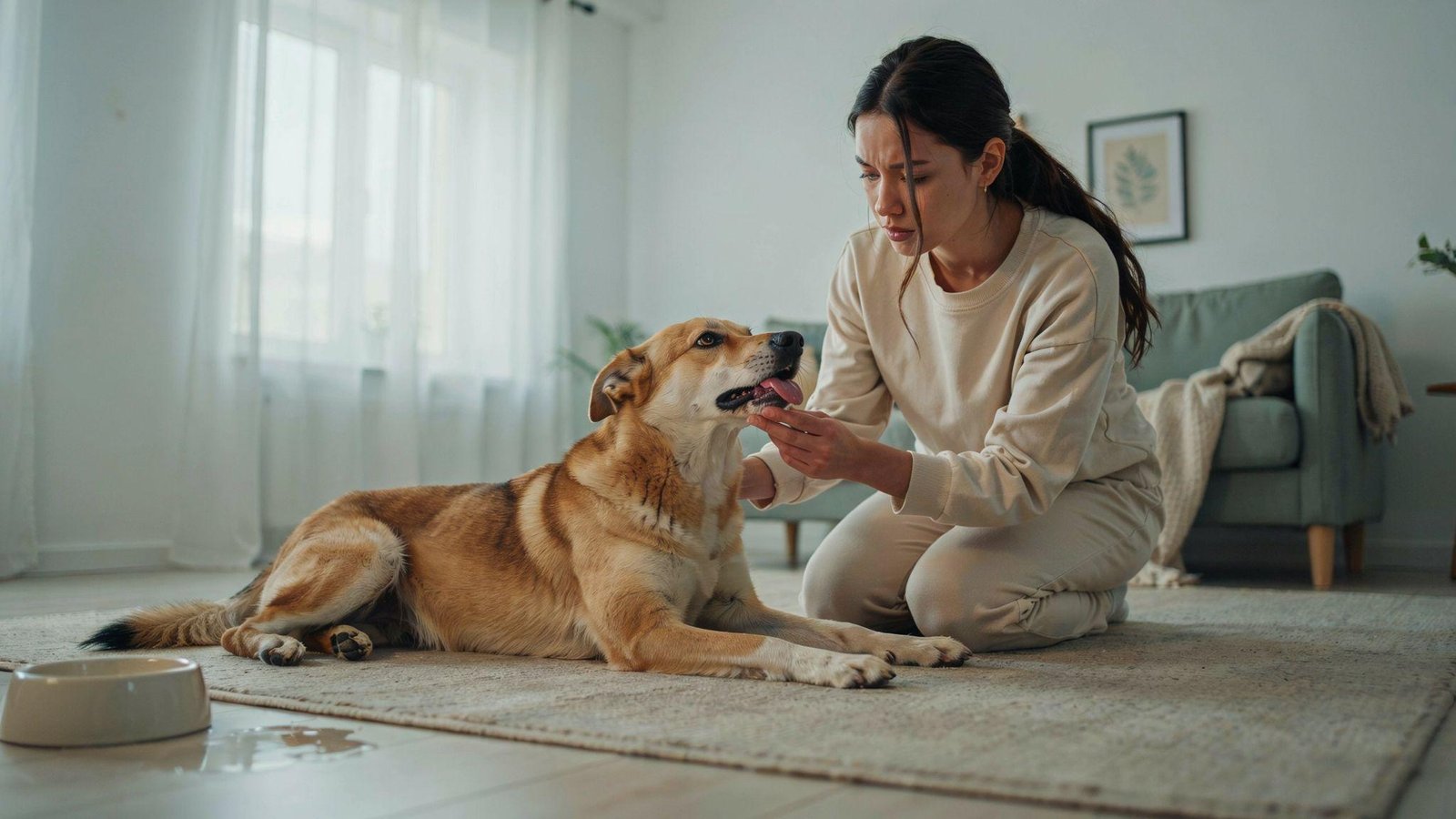
Dogs drool when they feel sick to their stomach. Car rides, eating too fast, or a stomach bug can all cause sudden drooling.
You may also notice your dog swallowing more or looking uncomfortable.
Toxic Ingestion or Poisoning Warning Signs
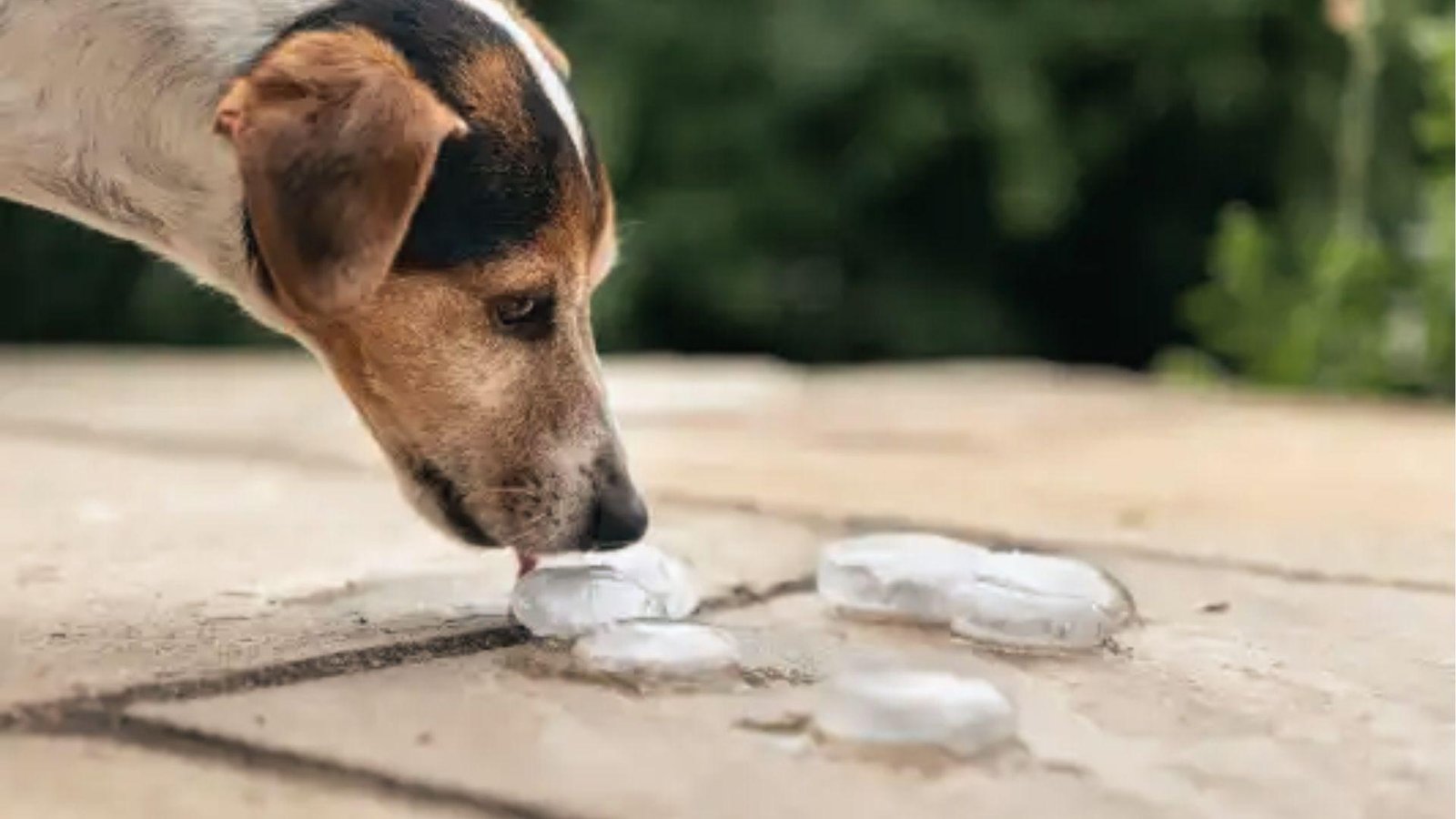
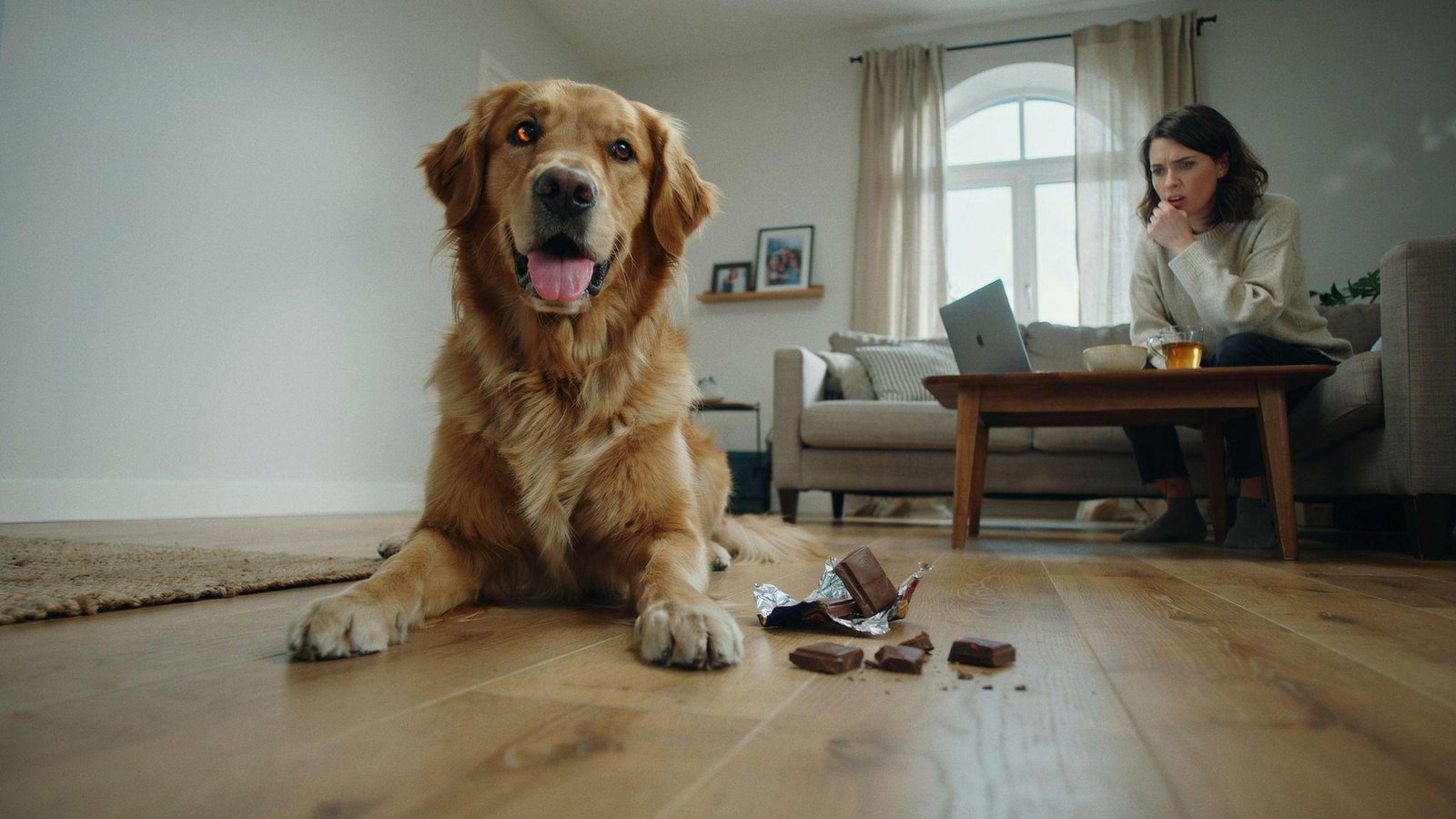
If your dog ate something toxic, drooling is often one of the first signs. Common culprits include certain plants, human medications, grapes, xylitol, and household chemicals.
Other signs include shaking, vomiting, and confusion. This is an emergency. Call your vet right away.
Mouth Injury, Burns, or Foreign Objects
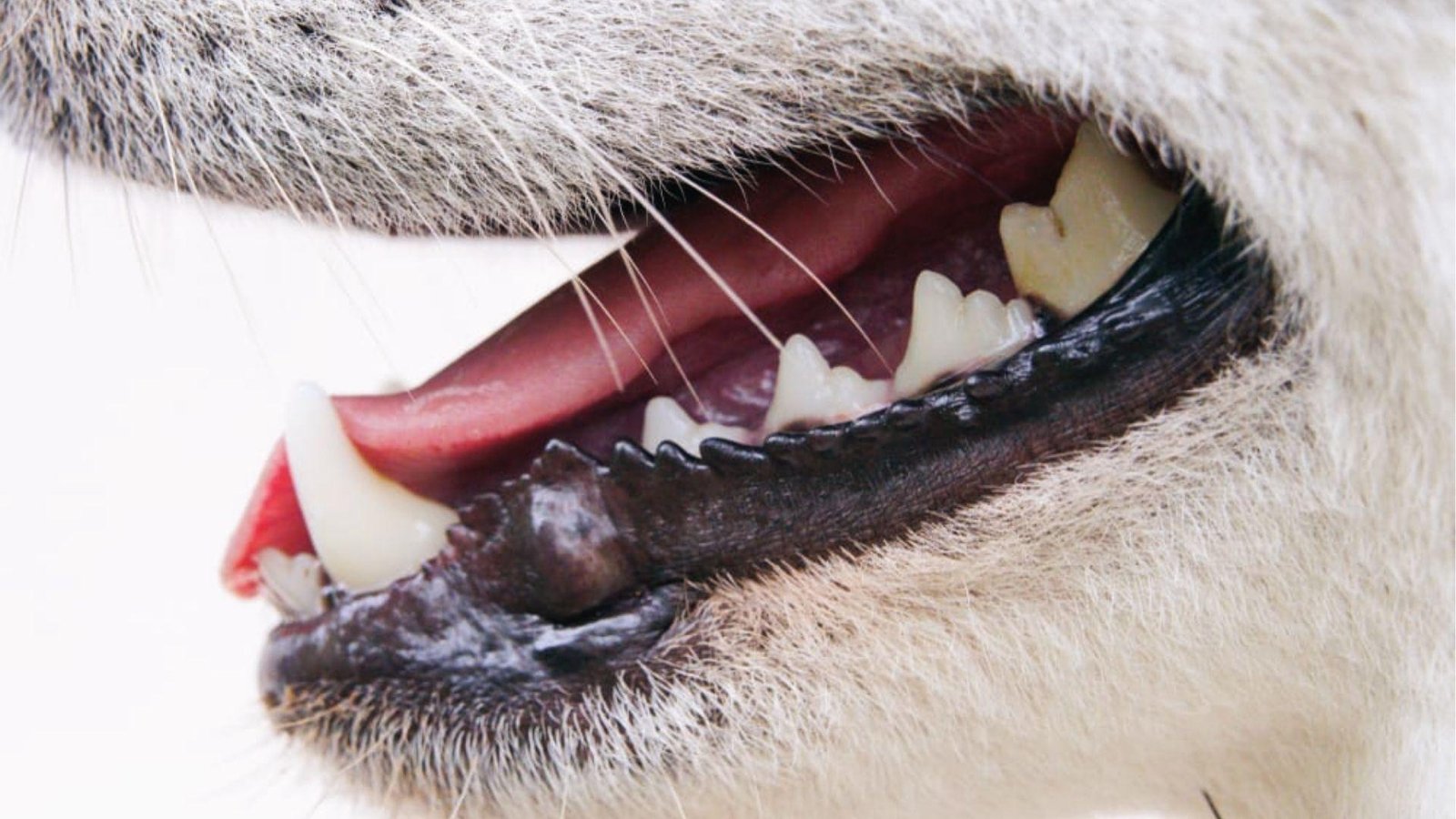
A stick, bone fragment, or sharp object stuck in the mouth can cause sudden heavy drooling.
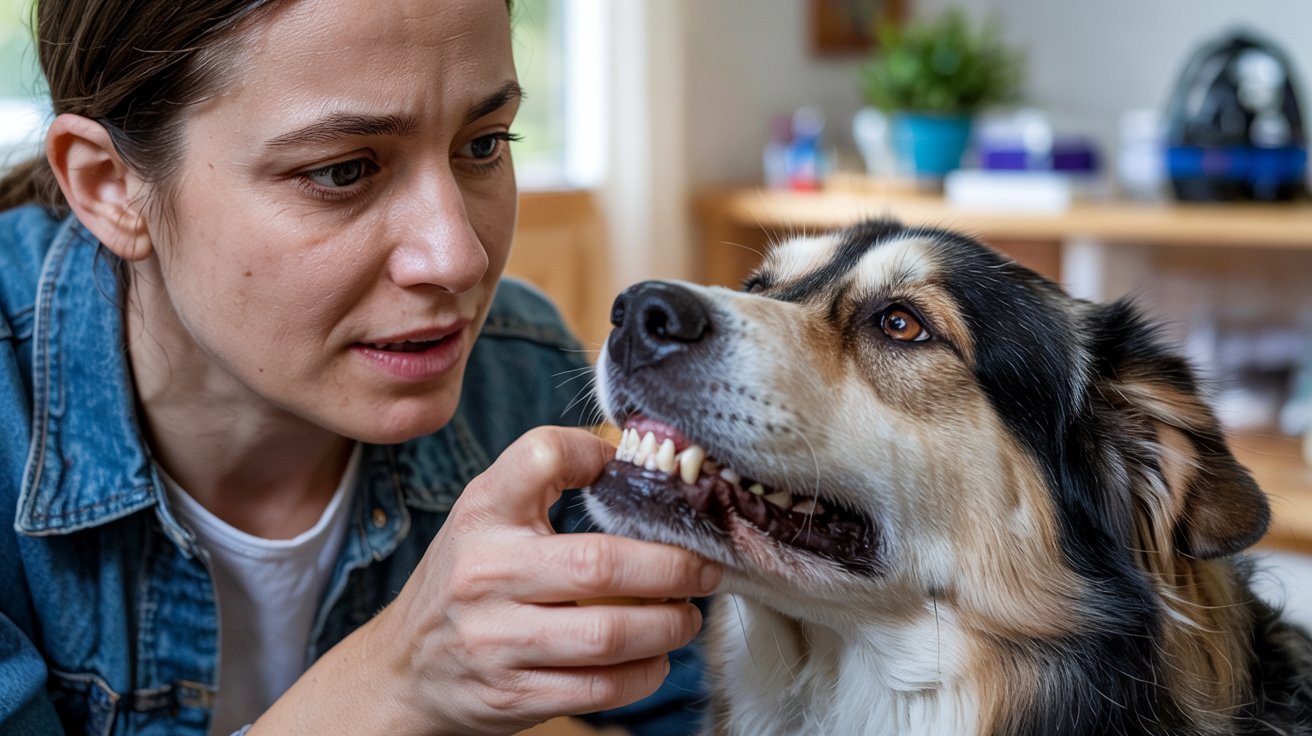
Burns from chewing on electrical cords or eating something hot can also trigger it. Check your dog's mouth carefully if drooling starts out of nowhere.
Heat Stroke or Overheating Emergencies
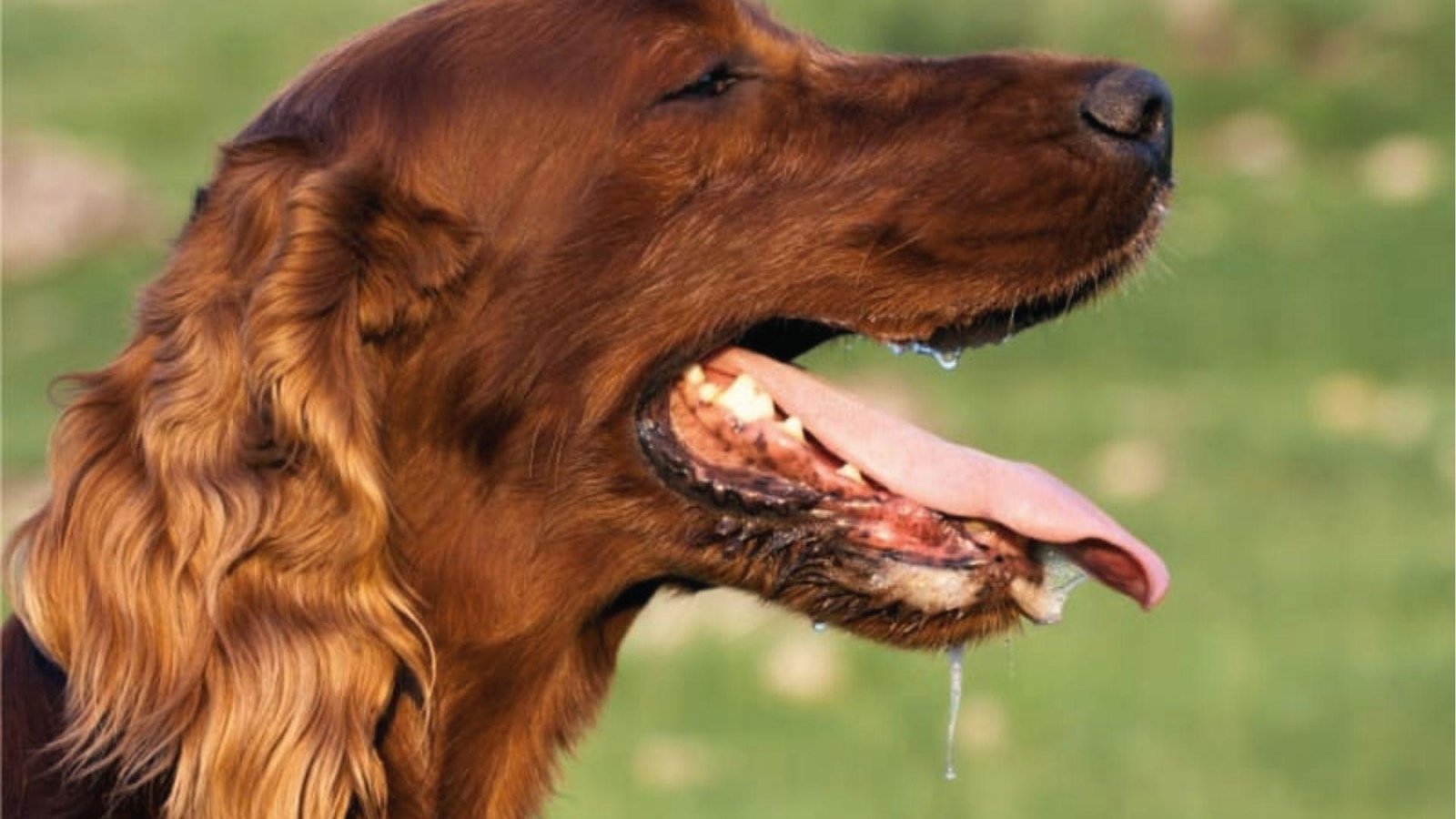
Dogs cool themselves by panting. In extreme heat, this can lead to overheating and heavy drooling.
Other signs include rapid breathing, red gums, and weakness. Move your dog to a cool area immediately and contact a vet.
Why is My Dog Drooling So Much Lately? (Gradual Worsening)
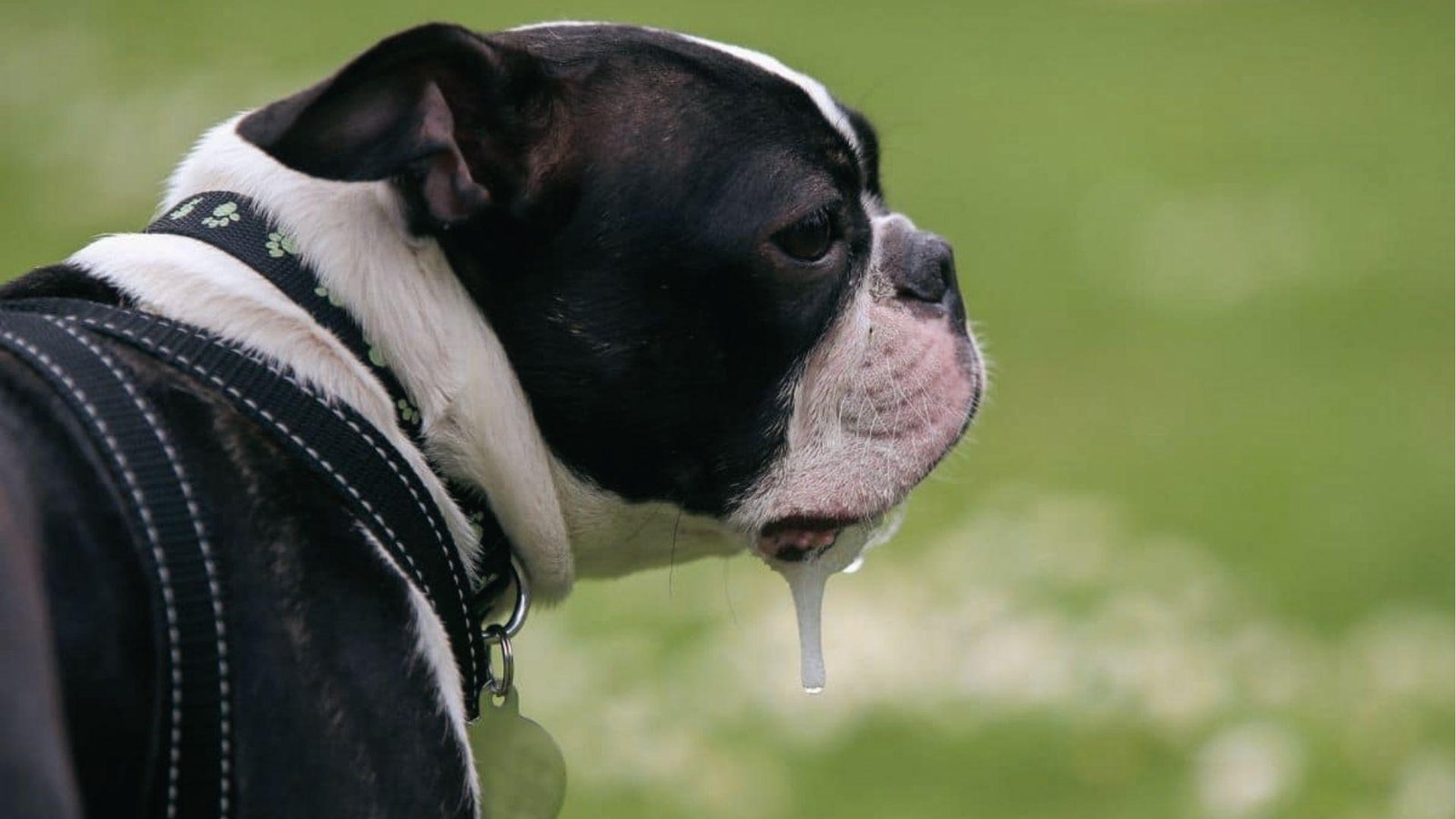
When drooling builds up over days or weeks, it often points to an ongoing health issue that needs attention.
Dental Disease and Gum Infections
This is one of the most common reasons for increased drooling in dogs. Tartar buildup, infected gums, and broken teeth cause pain and irritation.
The mouth responds by producing more saliva. Bad breath is often a sign alongside the drooling.
Oral Tumors or Abnormal Growths
Lumps or growths in the mouth can block normal saliva flow or cause irritation. They are not always visible. A vet check is needed if drooling is getting worse with no clear cause.
Ongoing Digestive or Gastrointestinal Issues
Conditions like acid reflux, inflammatory bowel disease, or a partial blockage can cause drooling over time. Your dog may also show signs like vomiting, weight loss, or changes in appetite.
Age-Related Health Decline in Dogs
Older dogs are more prone to dental issues, tumors, and organ problems. If your senior dog has started drooling more, a full health check is a good idea.
Medical Conditions That Cause Excessive Dog Drooling
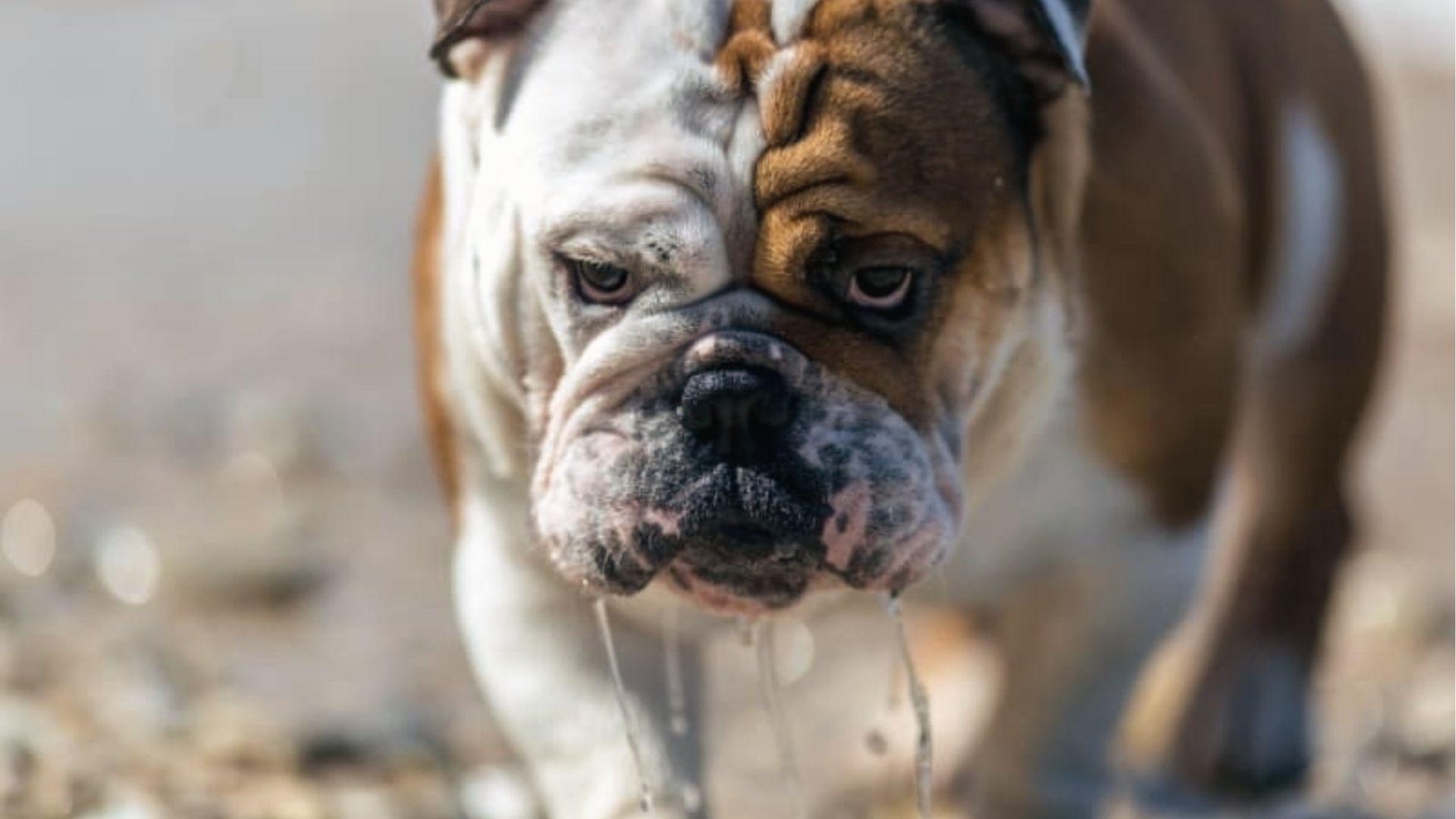
Some health conditions directly affect the nerves, throat, or body systems that control saliva.
Neurological Disorders Affecting Swallowing
Conditions that affect the brain or nerves can disrupt swallowing. When a dog cannot swallow properly, saliva pools in the mouth and spills out.
Signs may include head tilting, stumbling, or difficulty eating.
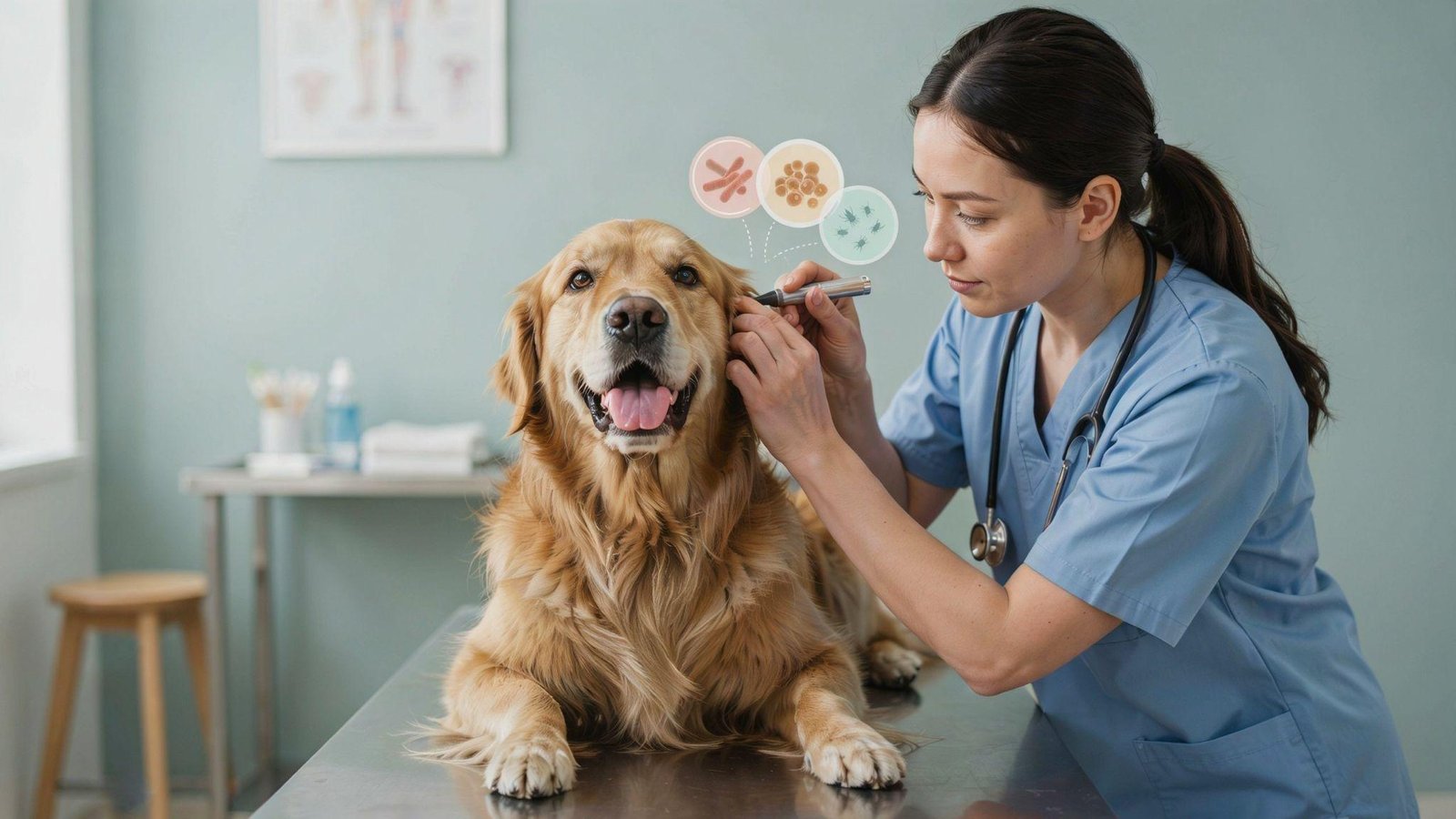
Infections and Systemic Diseases
Rabies is a well-known cause of drooling, but other infections like distemper or leptospirosis can also cause it.
Kidney or liver disease can cause a buildup of toxins in the body, which often leads to drooling and bad breath.
Difficulty Swallowing Due to Throat or Esophagus Issues
Megaesophagus, throat swelling, or growths in the throat can all make swallowing hard. Saliva has nowhere to go and drools out. These conditions need veterinary diagnosis and treatment.
When to Worry: Warning Signs You Should Not Ignore
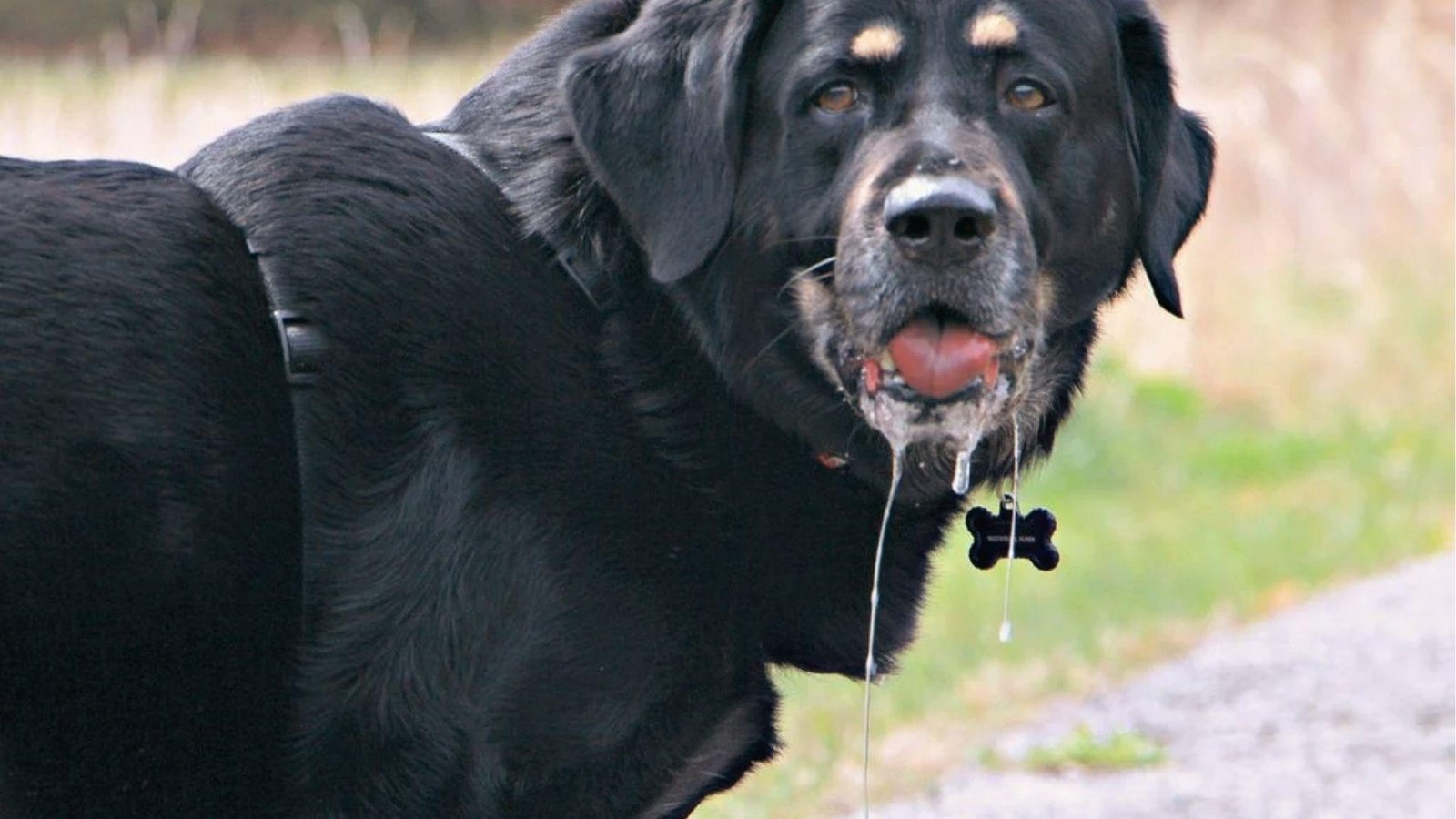
Some drooling signs point to serious problems that need immediate veterinary care.
Why is My Dog Drooling So Much + Vomiting or Diarrhea
This combination can signal poisoning, a serious infection, or a gastrointestinal emergency. Do not wait to see if it passes. Contact a vet the same day.
Loss of Appetite or Refusal to Eat
A dog that stops eating alongside sudden drooling may be in pain or dealing with a mouth problem, nausea, or organ issue. This warrants a vet visit sooner rather than later.
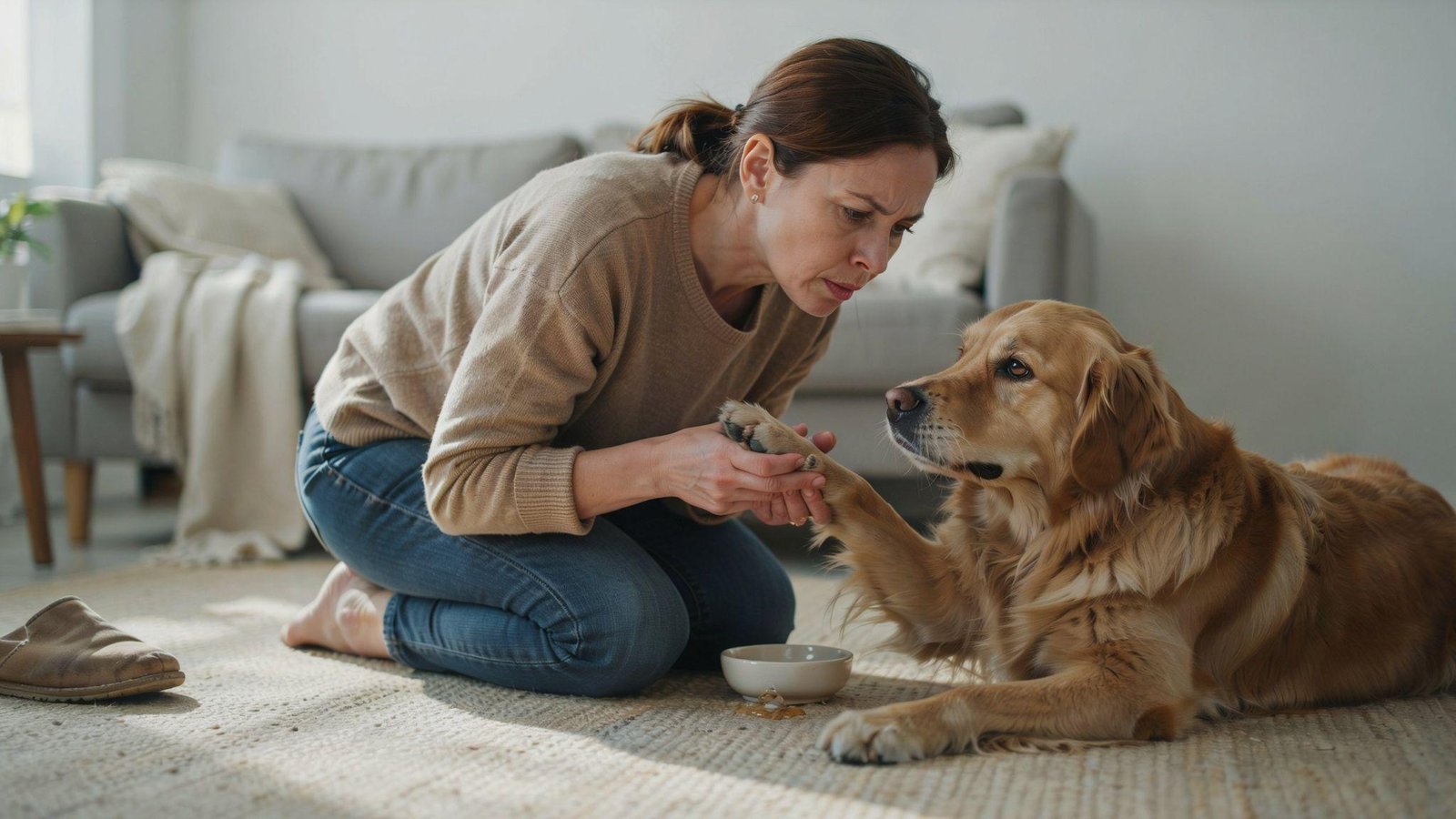
Pawing at the Mouth or Visible Pain
If your dog keeps pawing at their face or mouth, something is likely stuck or painful inside. Check carefully and get vet help if you cannot find or remove the cause safely.
Blood, Foul Smell, or Thick Saliva
Normal saliva is clear and thin. Blood, a very bad smell, or thick and foamy saliva all point to a health problem. This includes dental infections, injuries, or more serious conditions.
Seizures, Weakness, or Collapse
These are emergencies. Drooling alongside any of these signs means your dog needs immediate veterinary attention. Do not wait.
Tips to Manage and Reduce Dog Drooling at Home
A few simple habits can reduce drooling and keep your dog more comfortable day to day.
- Keep chemicals, medications, and toxic plants completely out of your dog's reach and check what they chew on regularly.
- Brush your dog's teeth a few times a week with dog-safe toothpaste and schedule yearly vet dental cleanings.
- Identify stress triggers like loud noises or car rides and use vet-recommended calming aids to help your dog feel settled.
- Tie a soft bandana around your dog's neck and keep pet-safe wipes nearby for quick and easy cleanups.
- Use washable covers on furniture your dog uses often to keep your home clean without extra effort.
Conclusion
I know how worrying it feels when something seems off with your dog. Trust that instinct.
If you are asking why my dog is drooling so much, you already care deeply about their health.
Most causes are treatable when caught early. Keep an eye on the signs covered here, stay on top of dental care, and never wait too long to call your vet.
Drop a comment below if this helped or share it with a fellow dog owner who needs it.
Frequently Asked Questions
Why is my dog drooling so much all of a sudden?
Sudden drooling is often caused by nausea, something stuck in the mouth, toxic ingestion, or overheating. Check for other symptoms and contact a vet if it does not stop quickly.
Is it normal for dogs to drool a lot?
Some breeds naturally drool more than others. If your dog is not a heavy-drool breed and starts drooling more than usual, it is worth investigating with a vet.
Can dental problems cause excessive drooling in dogs?
Yes. Gum disease, infected teeth, and mouth pain are common causes of increased drooling. Bad breath is often present alongside it.
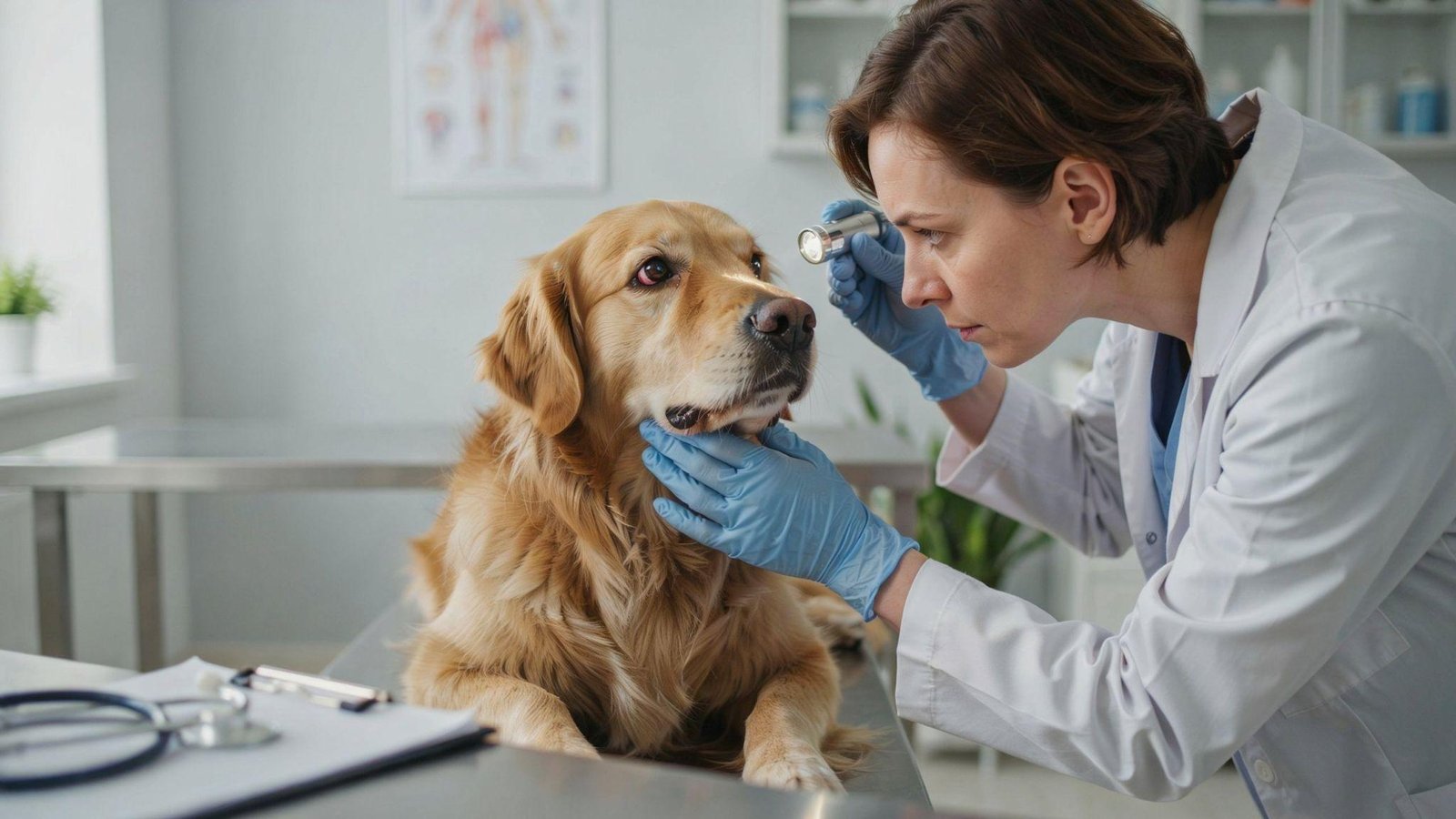
When should I take my dog to the vet for drooling?
Go to the vet if drooling is heavy and sudden, or comes with vomiting, weakness, pawing at the mouth, loss of appetite, blood, or any sign of pain.
What home steps can help reduce my dog's drooling?
Keep your dog away from toxins, maintain regular dental hygiene, manage stress triggers, and use bandanas or wipes to handle the drool. Always rule out medical causes first.