
If you've noticed red spots on your dog's skin, you're not alone. I've been there too, panicking over every little bump on my dog's belly. It's stressful, but the good news is that most cases are treatable.
In this guide, I'll walk you through what red spots look like, the common causes behind them, the best treatment options, and when to call a vet.
With years of research and hands-on experience in pet care, I want to help you act fast and feel confident. Early attention really does make a difference.
You don't have to guess anymore. Let's figure this out together, step by step.
Understanding Red Spots on Dogs Skin
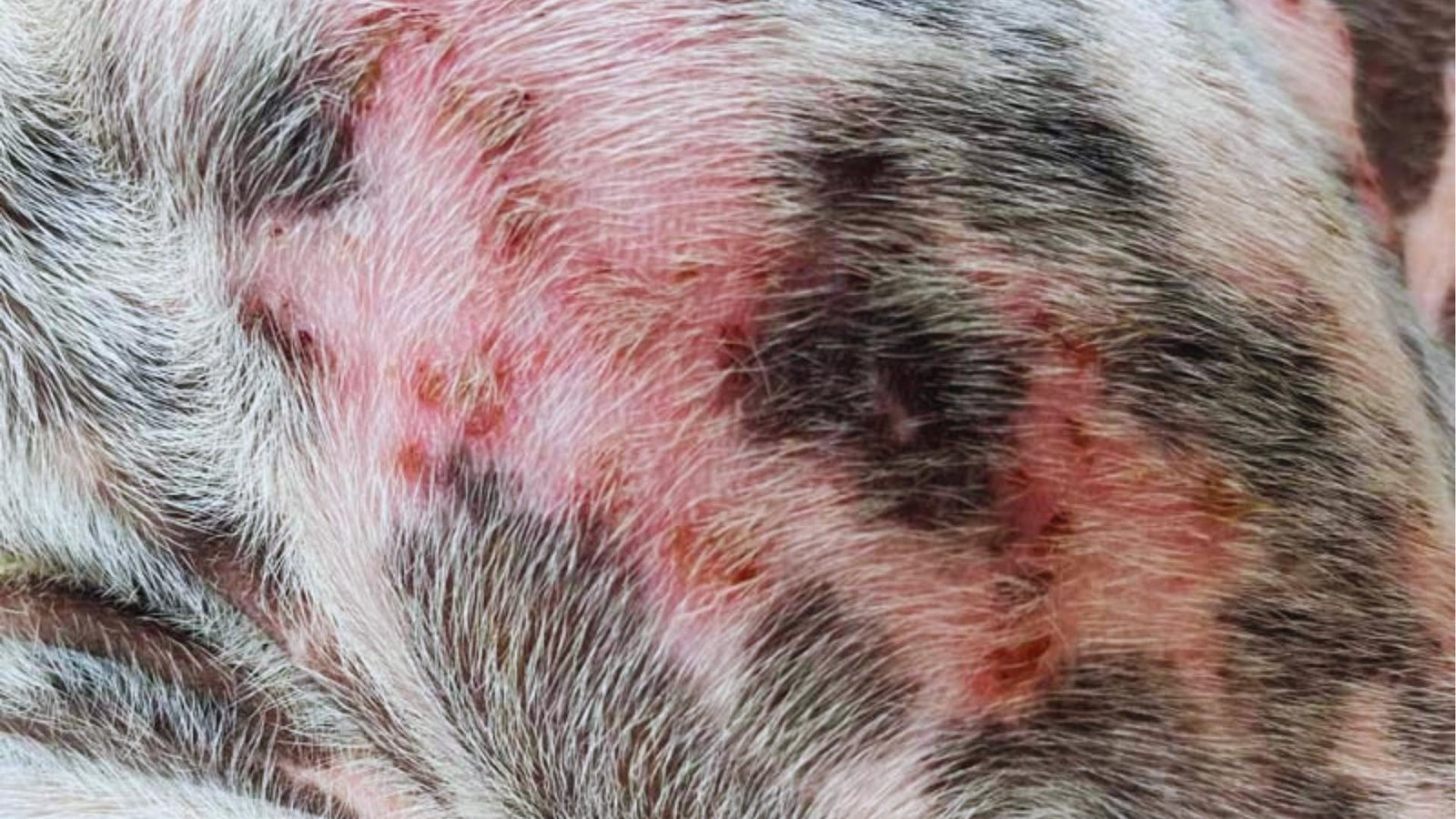
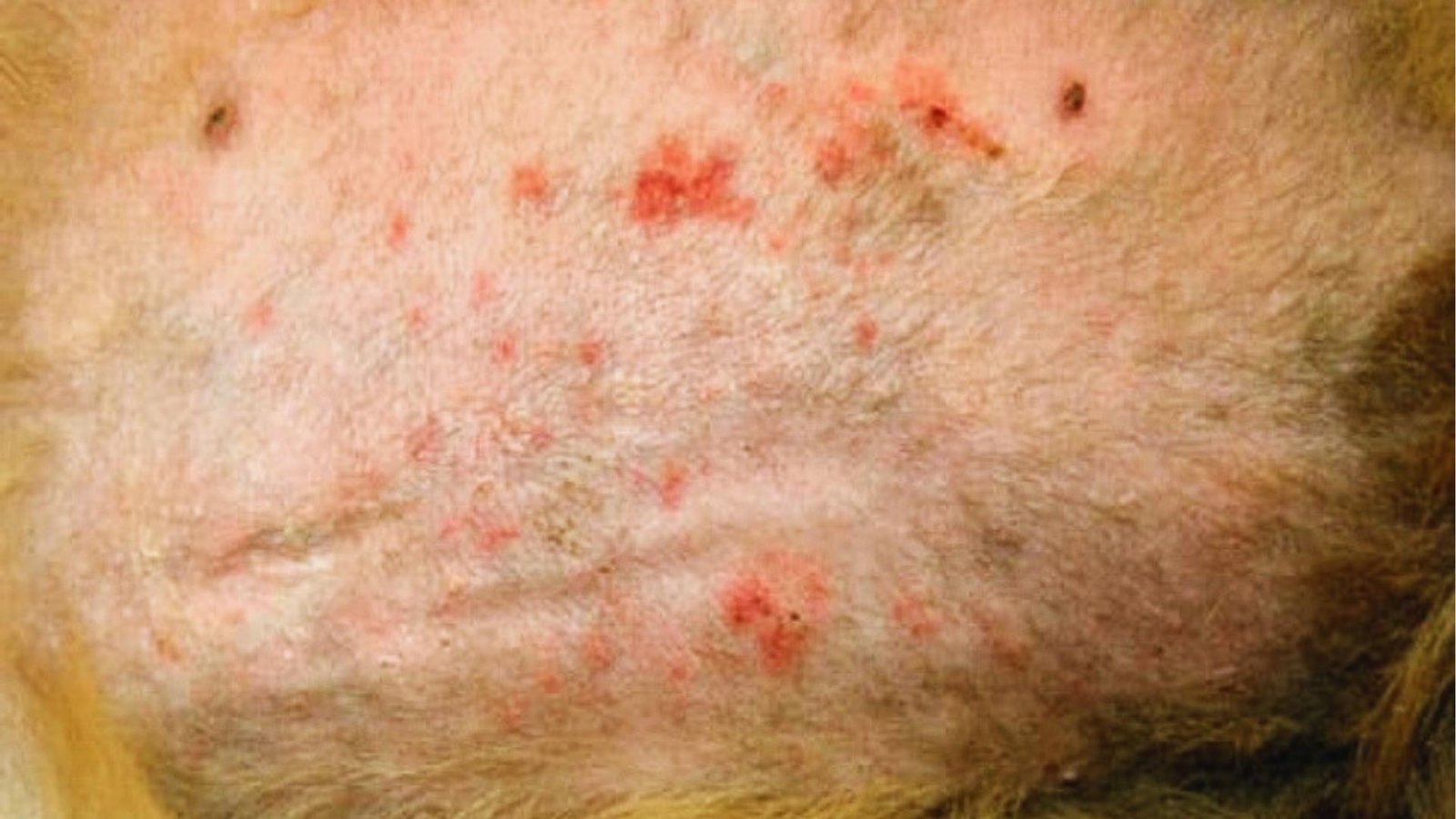
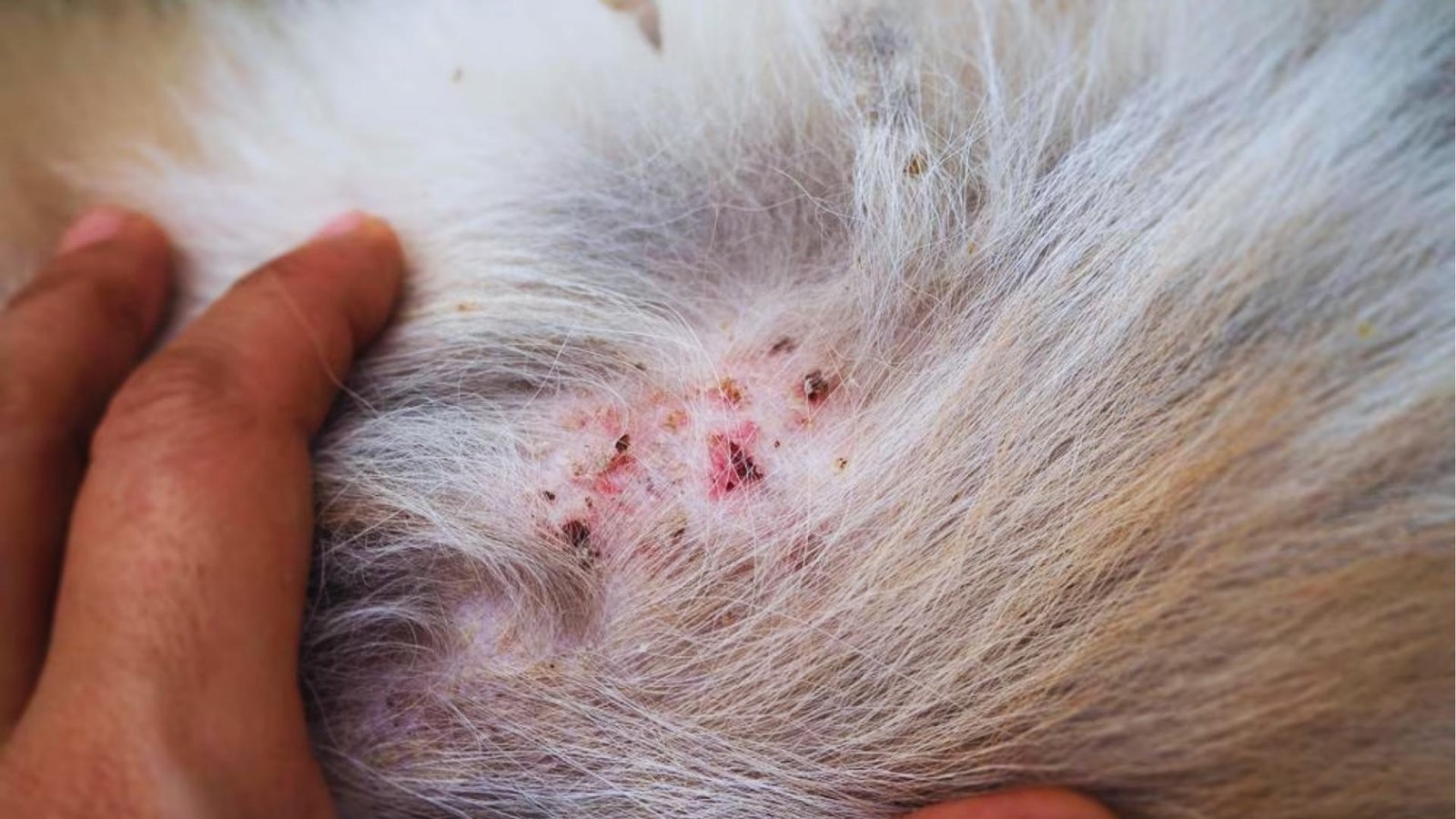
Knowing what you're looking at is the first step toward helping your dog feel better. Red spots on dogs skin can show up in many ways, from small raised bumps to flat red patches, rashes, or moist crusty lesions.
The color ranges from light pink to deep red, and some spots ooze or bleed while others stay dry. Size varies too.
These spots most often appear on the belly, groin, between the toes, around the ears, and along the neck. These areas stay warm and moist, which makes them easy targets for irritation and infection.
Main Causes of Red Spots on Dogs Skin
Several everyday factors can trigger skin trouble in dogs, and knowing the cause helps you treat it the right way.
Allergies (Food, Fleas, Environment)
Allergies are one of the most common reasons dogs get red, itchy skin. Your dog might be reacting to a certain protein in their food, pollen in the air, or even grass in the yard.
Signs include constant scratching, licking paws, and recurring red patches. These spots often come back if the trigger isn't removed.
Parasites (Fleas, Mites)
Fleas and mites cause a lot of skin grief. Even one flea bite can trigger a reaction in sensitive dogs. Mites, like those that cause mange, burrow into the skin and cause intense itching.
Look for clusters of red dots, hair thinning, and restless scratching.
Bacterial and Yeast Infections
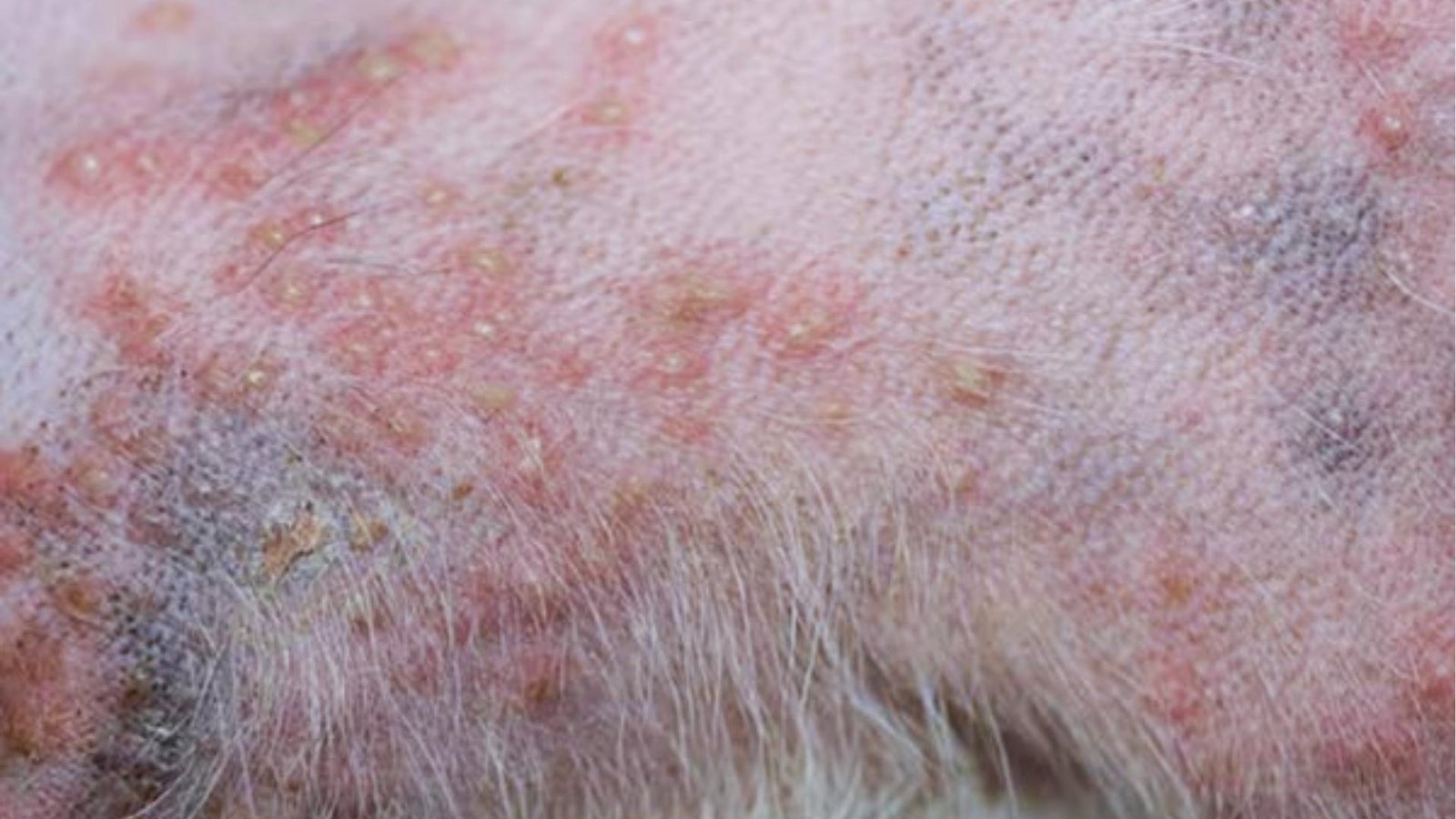
These infections usually show up as pimple-like bumps, greasy or flaky skin, and a noticeable smell. Yeast infections often cause a musty odor and reddish-brown discoloration around skin folds.
Moist areas of the skin are most at risk.
Hot Spots (Acute Moist Dermatitis)
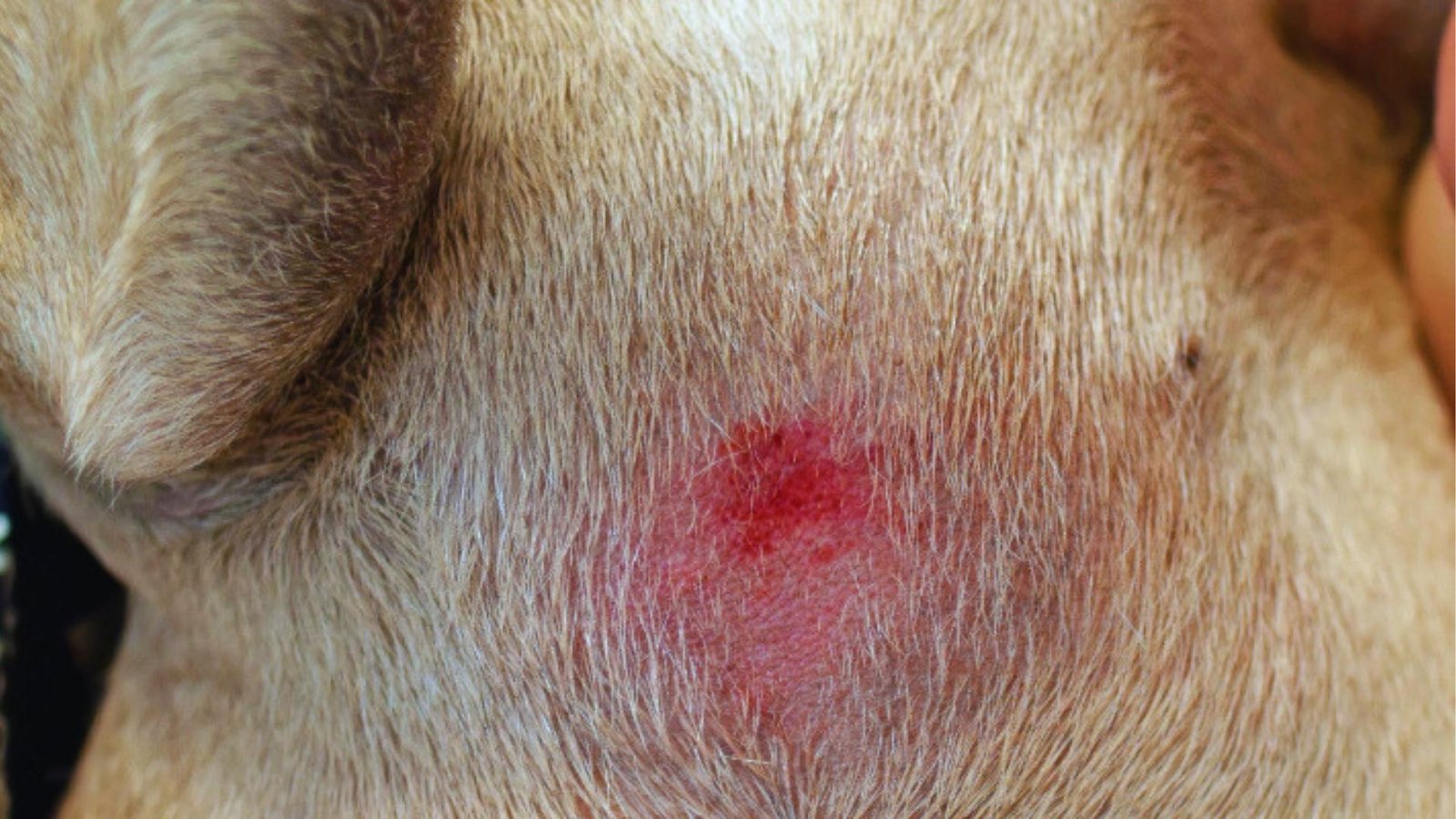
Hot spots appear fast. One hour your dog's skin looks fine, and the next there's a red, wet, irritated patch. These are painful and spread quickly.
Dogs often lick or chew the area non-stop, which makes it worse. Thick-coated breeds are especially prone to hot spots.
Contact Irritation
Sometimes the cause is as simple as a new shampoo or a chemical your dog walked through.
Skin irritation from soaps, cleaning products, or even synthetic fabrics can cause redness and itching at the point of contact.
Symptoms That Help Identify the Problem
The symptoms your dog shows can give you important clues about what's going on beneath the surface.
Mild Signs
Mild cases often look like
- Small, pink spots on the skin
- Light scratching or licking
- Minor redness in one area
Your dog may seem a little uncomfortable but is otherwise acting normal. These cases can sometimes be managed at home with vet-approved products.
Moderate to Severe Signs
If the problem is getting worse, you may notice
- Hair loss around the red area
- Skin that oozes or bleeds
- A bad odor coming from the skin
- Non-stop licking or biting at one spot
At this stage, a vet visit is needed. Don't wait too long.
Diagnosis and Treatment Options
Getting the right diagnosis saves time, money, and most importantly, keeps your dog out of unnecessary pain.
How Vets Diagnose Skin Issues
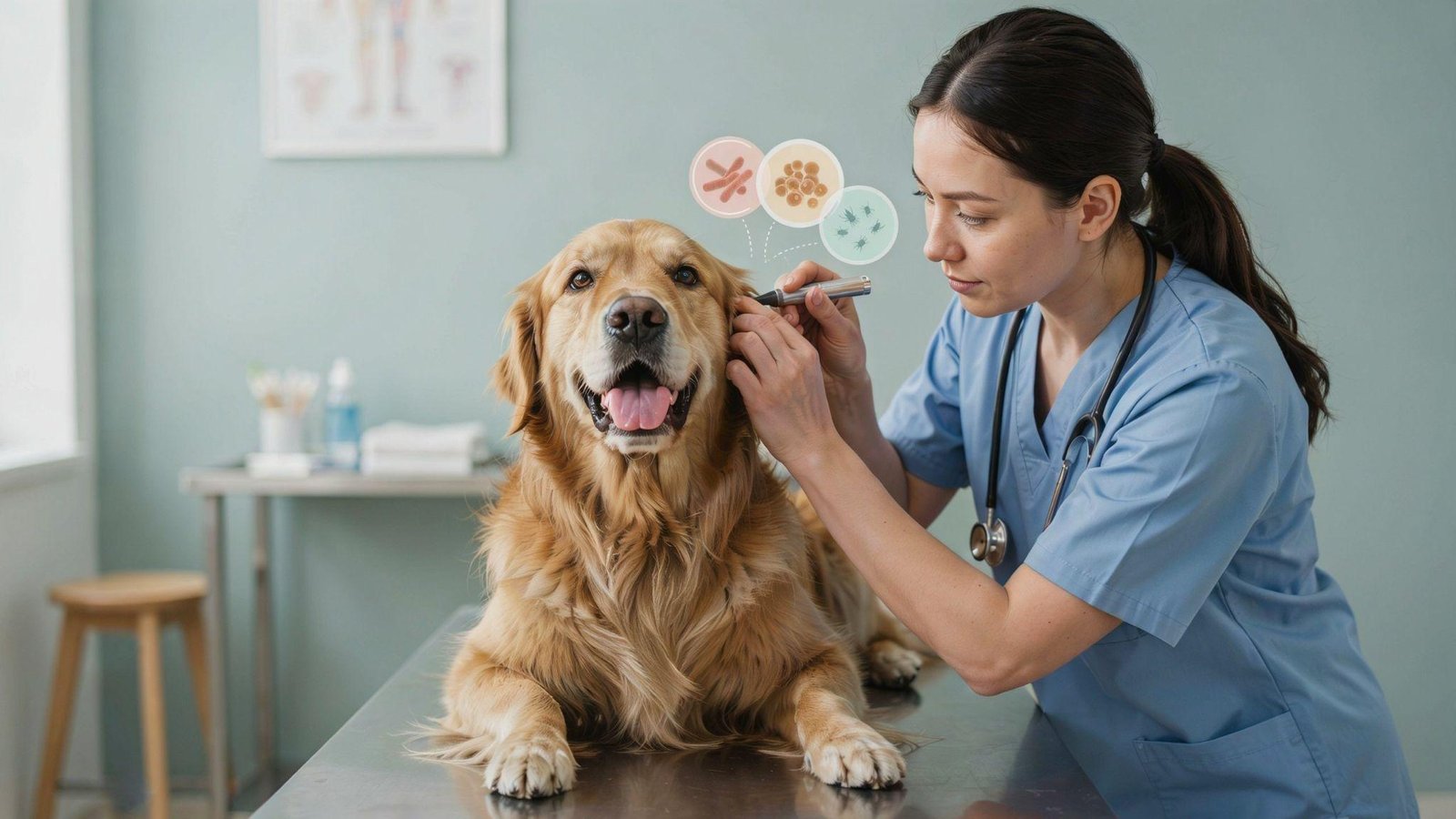
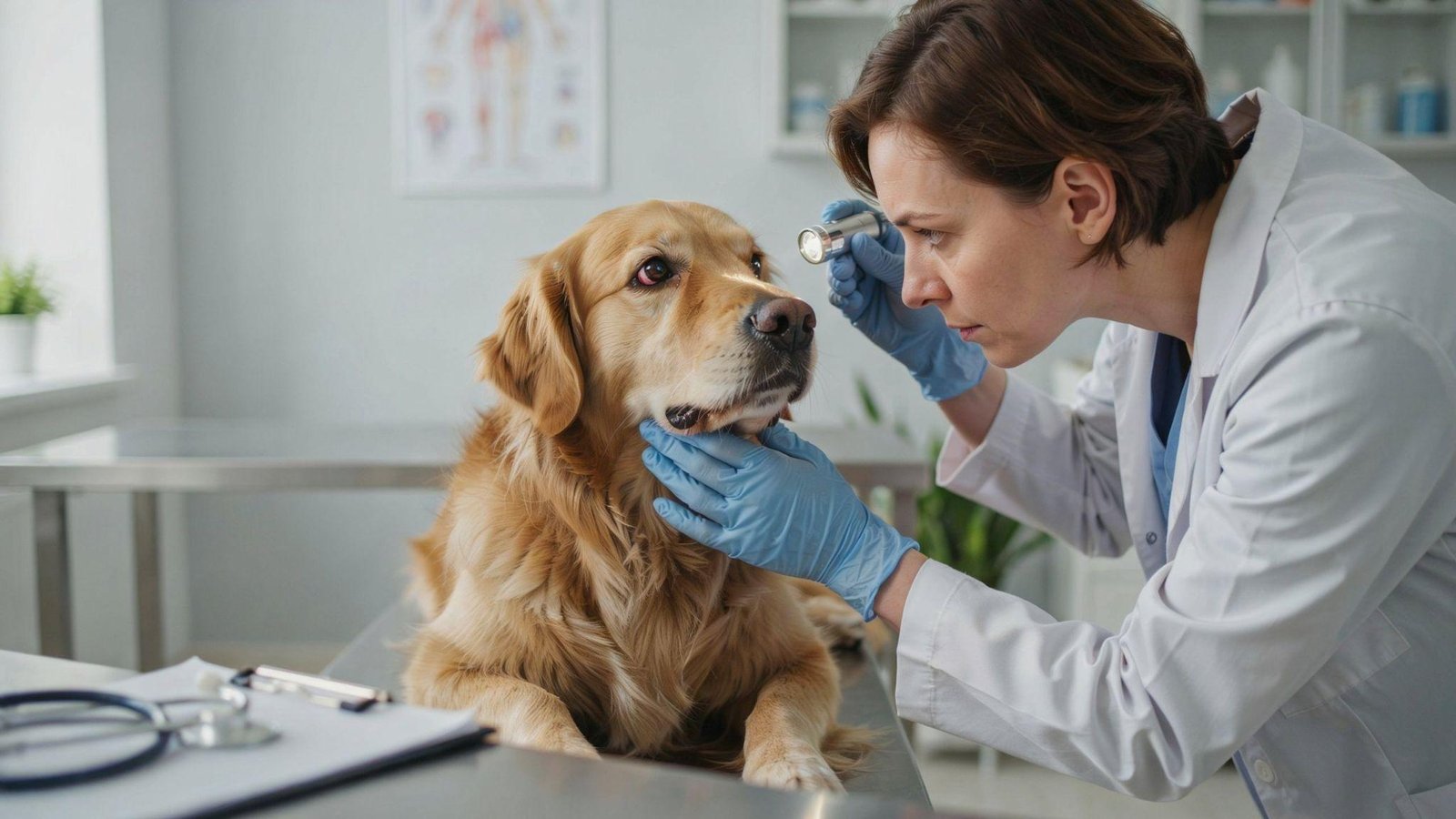
Your vet will start with a physical exam. They'll look closely at the spots, feel the skin, and ask about your dog's diet, habits, and recent changes at home.
From there, they may do a skin scraping to check for mites, a culture test for bacteria or yeast, or an allergy test. These steps help narrow down the exact cause.
Common Treatment Methods
Treatment depends on what's causing the problem.
Most vets recommend one or more of the following:
- Medicated Shampoos: These help clean infected skin and reduce inflammation. They're used a few times a week.
- Topical Creams or Sprays: Applied directly to the red area to reduce itching and fight infection.
- Oral Medications: Antibiotics for bacterial infections, antifungals for yeast, or antihistamines for allergies.
Managing Underlying Causes
Treating the red spots isn't enough if the root cause stays. Allergy control may mean changing your dog's food or reducing outdoor exposure.
Parasite prevention means consistent monthly treatments. Managing these long-term helps stop red spots from coming back.
When to See a Vet

Don't ignore warning signs. Knowing when to call your vet can save your dog from unnecessary pain.
Warning Signs
See a vet if
- The red spots haven't improved in one to two days
- The rash is spreading to new areas
- Your dog seems to be in pain when you touch the area
Emergency Symptoms
Go to an emergency vet right away if your dog shows
- Facial swelling or swelling around the throat
- Vomiting along with skin symptoms
- Trouble breathing
These can point to a severe allergic reaction that needs immediate care.
Tips to Prevent Red Spots on Dogs Skin
A few simple habits done consistently can keep your dog's skin healthy and irritation-free.
- Groom regularly Brush your dog often and check the skin each time. Bathe once or twice a month using a gentle, dog-safe shampoo.
- Use parasite prevention Apply flea and tick treatments every month without skipping. It is one of the easiest ways to protect your dog's skin.
- Avoid known allergens Keep your dog away from food or environmental triggers. This may mean switching food brands or limiting grass exposure.
- Keep skin clean and dry After baths or wet walks, dry skin folds, paws, and ears well. Leftover moisture leads to infections fast.
- Check skin often Catching a small red spot early is much easier to treat than one that has been ignored for days.
Conclusion
Dealing with red spots on your dogs skin can feel overwhelming at first. I remember checking my dog's belly every morning, hoping things would look better. The good news? Most cases clear up with the right care.
Start with the basics:clean skin, regular grooming, and parasite prevention. Act fast if things get worse. And when in doubt, call your vet.
Found this helpful? Drop a comment below or share it with another dog parent who might need this. Your dog deserves to feel comfortable.
Frequently Asked Questions
Can red spots on my dog go away without treatment?
Mild spots caused by minor irritation may clear up on their own. But if the redness spreads or your dog keeps scratching, treatment is needed.
Are red spots on dogs' skin contagious to humans?
Some causes, like mange or ringworm, can spread to people. Wash your hands after touching affected areas and check with your vet right away.
What home remedy is safe for dog skin redness?
A cool, clean cloth applied gently to the area can soothe mild irritation. Avoid using human creams or antiseptics unless your vet approves them.
How long does it take for red spots to heal?
It depends on the cause. Minor irritation may clear in a few days. Infections or allergy-related spots can take one to three weeks with proper treatment.
Can diet changes help reduce red spots on dogs' skin?
Yes. Food allergies are a common cause of recurring skin problems. Switching to a limited-ingredient or hypoallergenic diet can make a big difference over time.