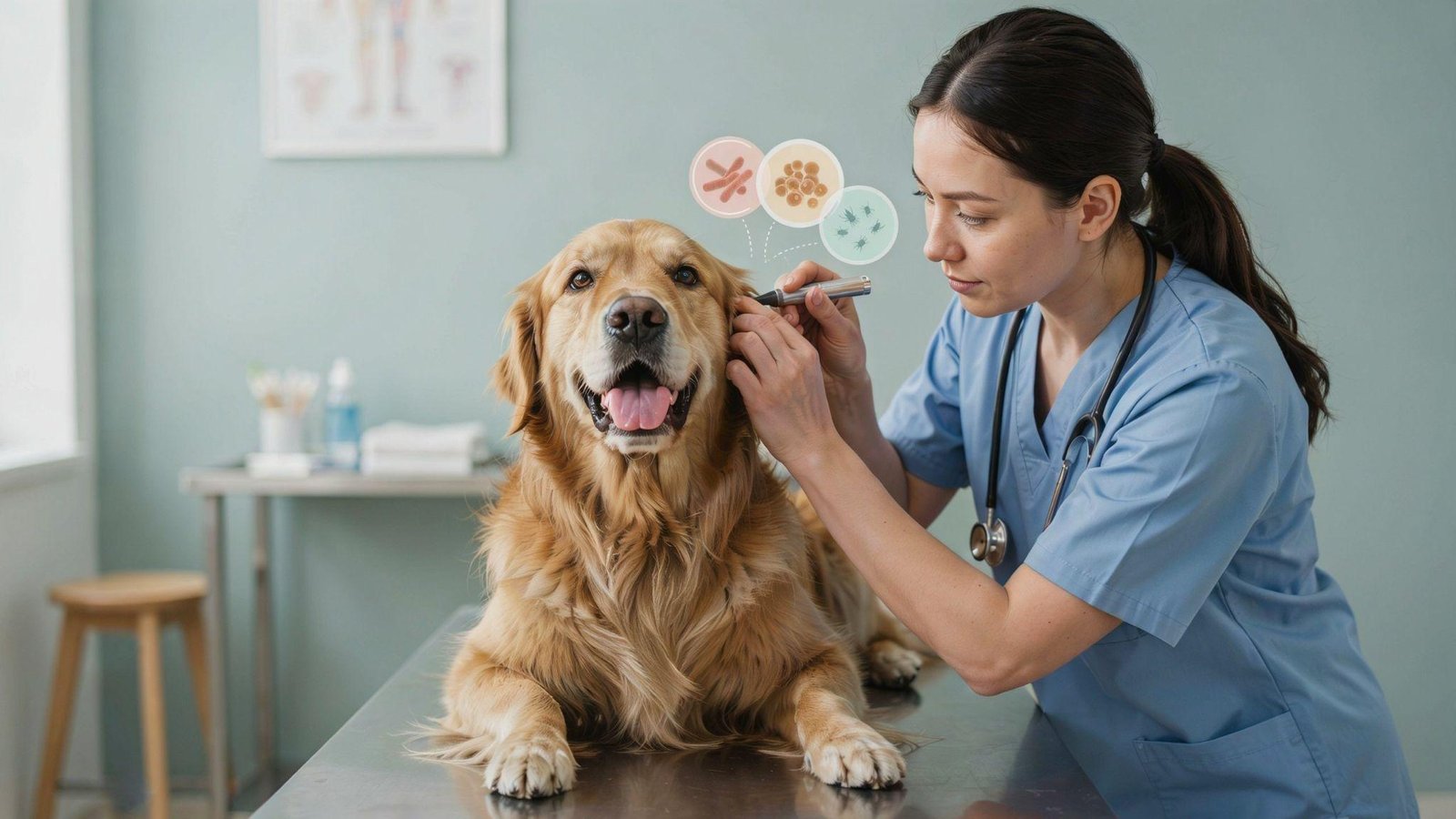

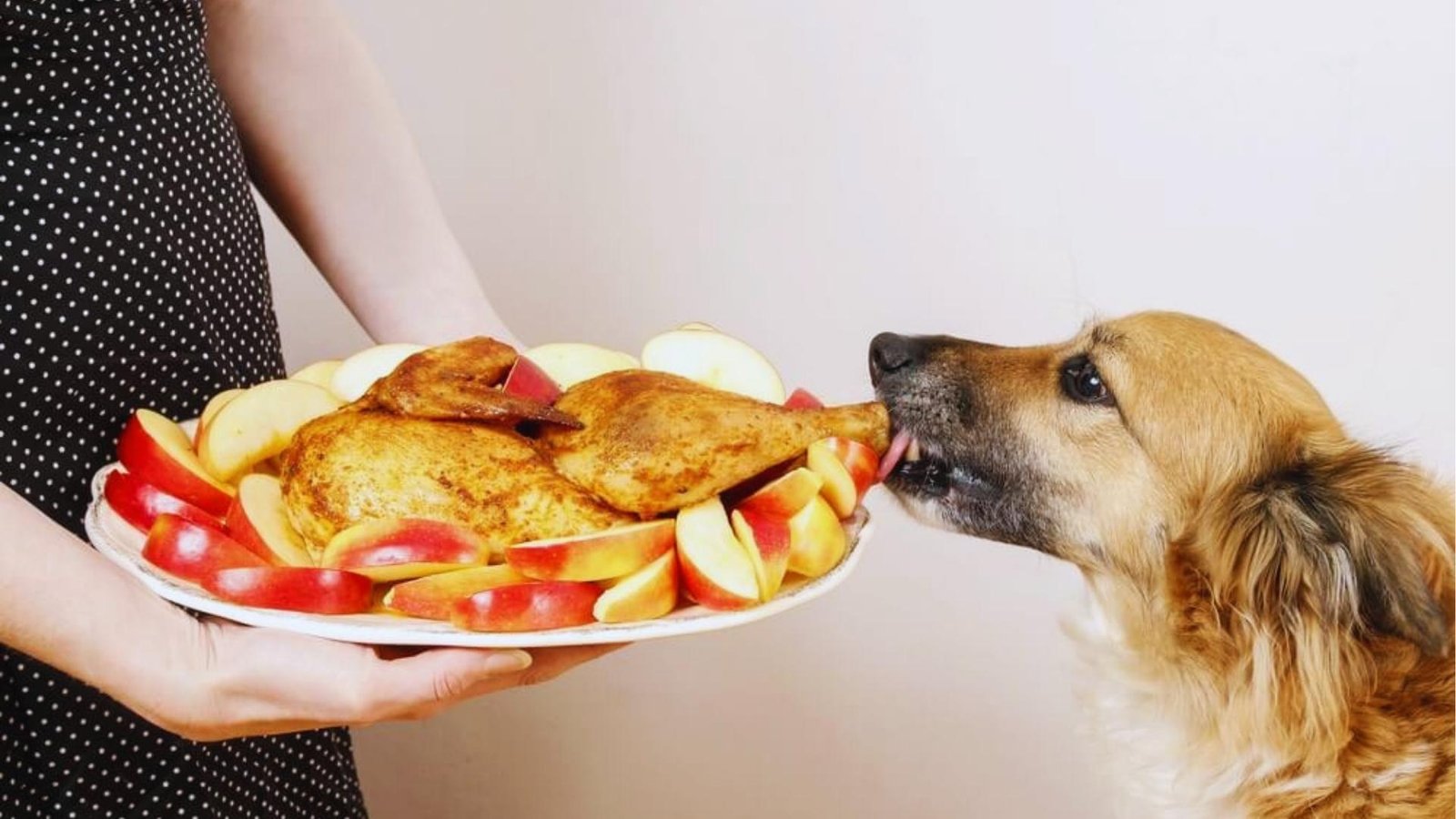
Can dogs eat turkey breast? Yes, and I get why you're asking. As a dog owner, I've stood in the kitchen holding leftover turkey, wondering the exact same thing.
The short answer is that plain, cooked turkey breast is safe for most dogs, but the details matter.
In this guide, I'll cover how to prepare it safely, how much to feed, when to avoid it, risks to watch out for, and real nutritional benefits.
I've spent time researching this with vet-backed sources so you don't have to guess. Let's get into it.
Can Dogs Eat Turkey Breast Safely?
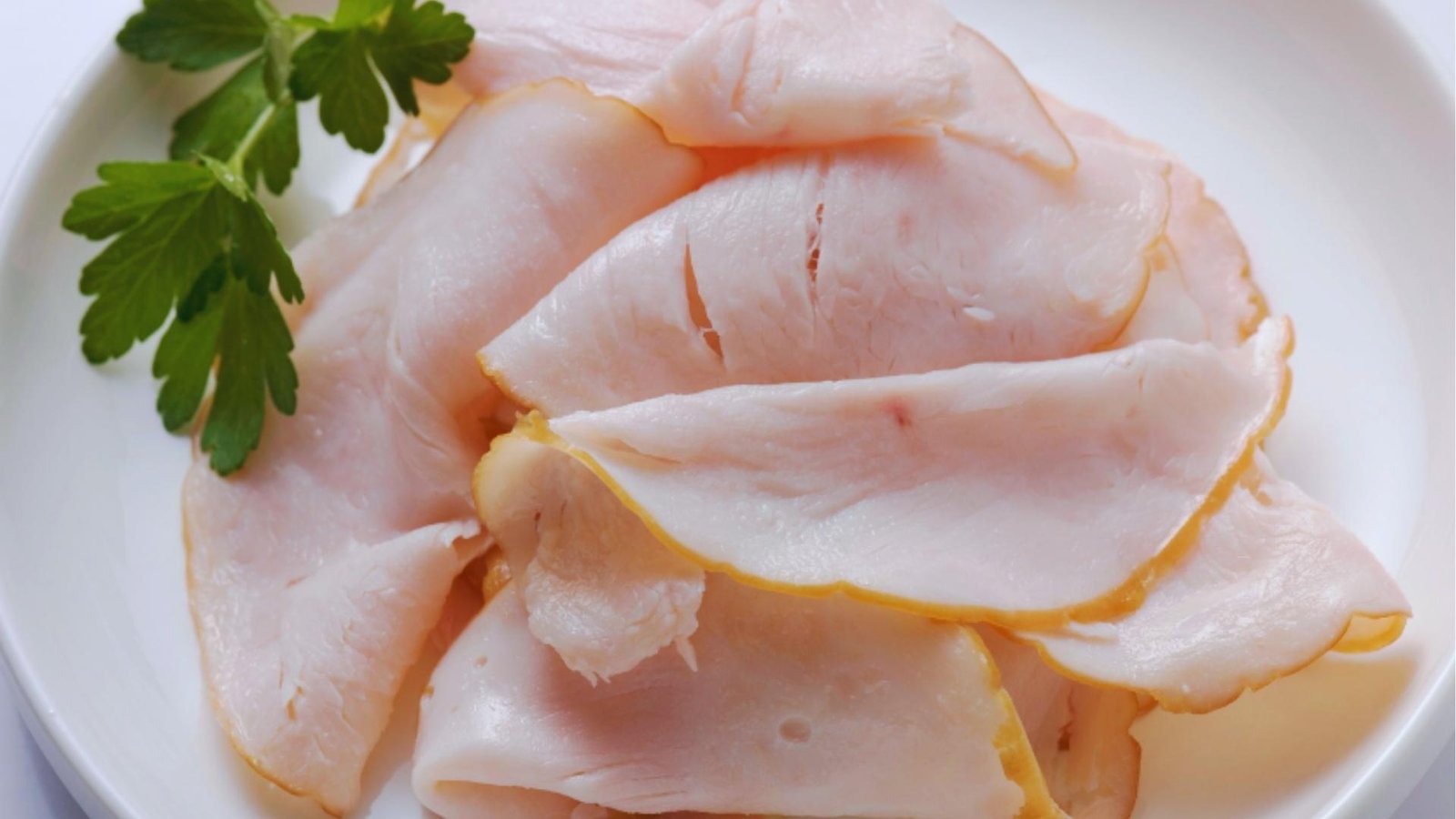
A quick look at what makes turkey breast safe or risky for your dog. Plain, cooked turkey breast is safe for dogs. It's a lean white meat with good protein and low fat.
White meat is preferred over dark meat because it has less fat, which lowers the risk of stomach problems or pancreatitis. The key word is plain, meaning no spices, sauces, or extras.
How you prepare it makes all the difference. Common risks include seasonings like garlic and onion, high fat from skin or oils, and bones that can splinter.
Safe turkey is cooked, plain, boneless, and skinless. Unsafe turkey is seasoned, fried, fatty, or raw.
How to Safely Prepare Turkey Breast for Dogs
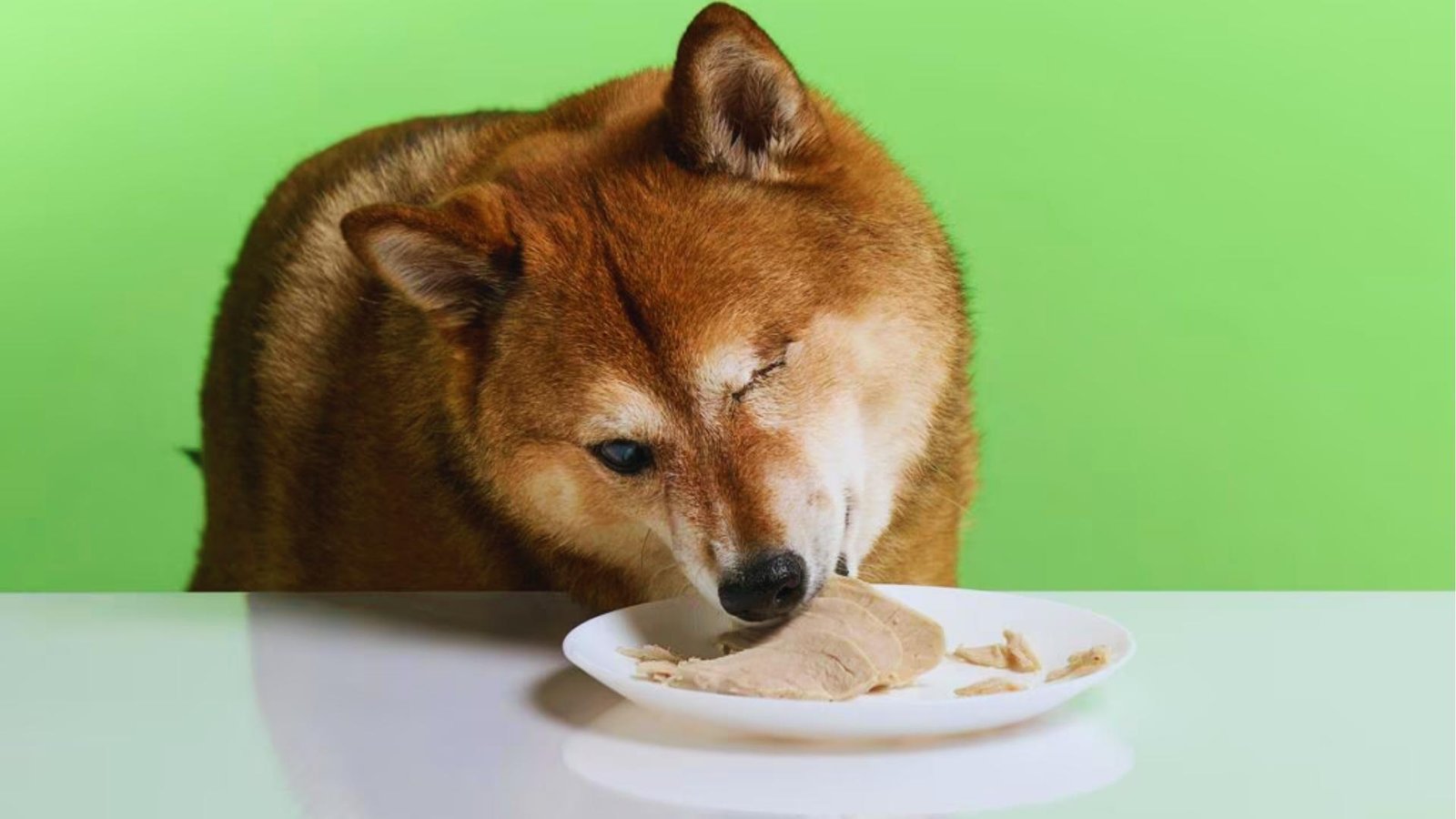
Simple steps to make turkey breast safe and healthy for your dog.
Step-by-Step Safe Preparation
Follow these steps to prepare turkey breast the right way
- Use fresh, plain turkey breast with no added flavoring
- Boil or bake it until fully cooked (internal temp: 165°F)
- Use no oil, butter, salt, or spices
- Let it cool completely before serving
Boiling is the easiest method. It keeps things simple and avoids any added fat.
What to Remove Before Serving
Before giving turkey to your dog, always remove:
- Skin: too high in fat
- Bones: can splinter and cause choking or internal damage
- Visible fat: can trigger digestive issues
Even small amounts of skin or fat can upset a sensitive dog's stomach.
Best Way to Serve
Cut the turkey into small, bite-sized pieces. This reduces choking risk, especially for smaller dogs.
You can serve it
- As an occasional treat
- Mixed on top of their regular food as a topper
- As a protein boost during training
Keep it simple. It doesn't need to be fancy to be good for them.
How Much Turkey Breast Can Dogs Eat?
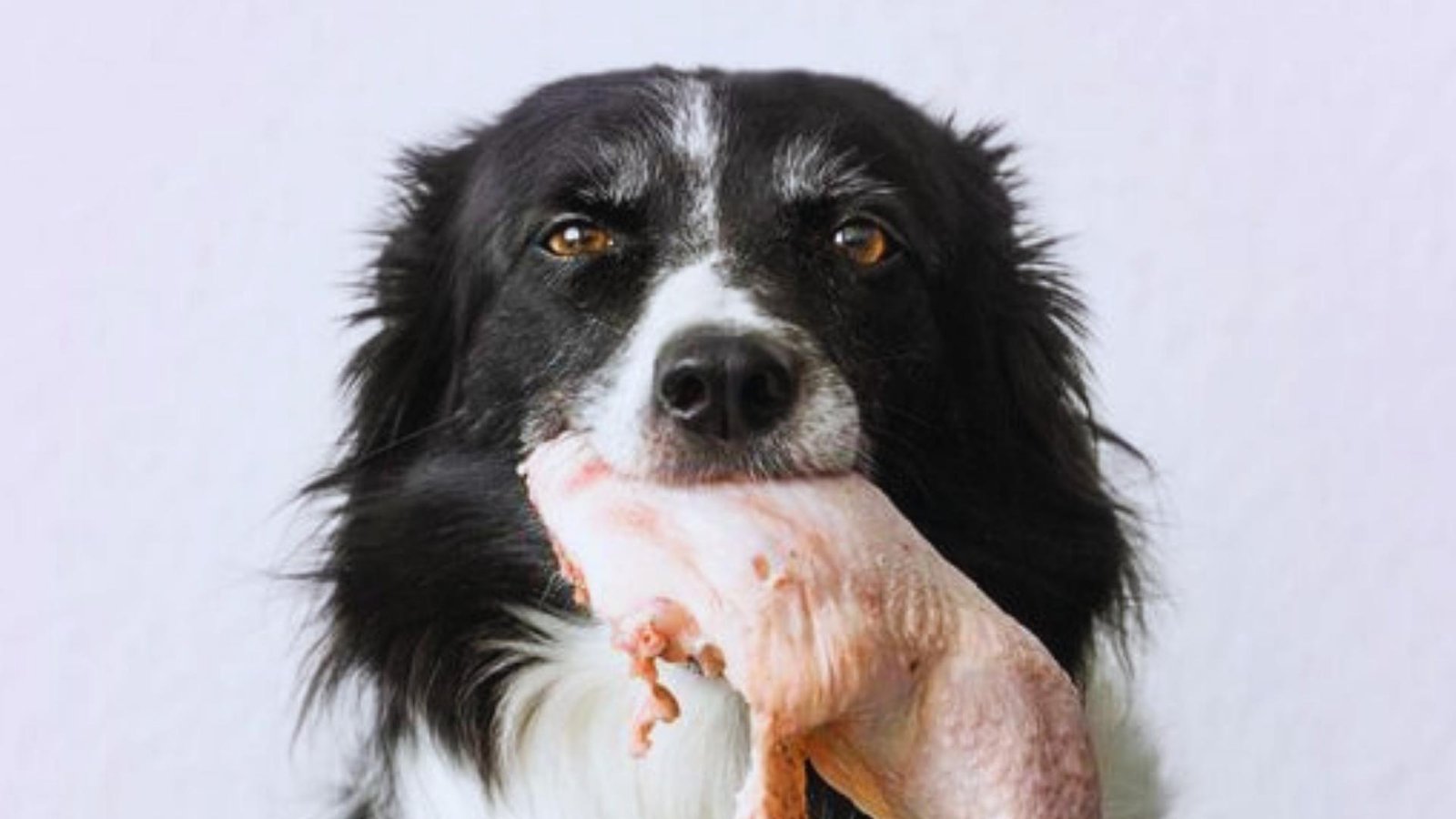
Portion size matters. Here's how to find the right amount for your dog.
Recommended Portion Guidelines
Follow the 10% treat rule: treats, including turkey, should not make up more than 10% of your dog's daily calorie intake.
For most dogs, a few small pieces a few times a week is enough. It should complement their regular diet, not replace it.
Factors That Affect Portion Size
Every dog is different.
Portion size depends on:
- Size and weight: a small Chihuahua needs far less than a Labrador
- Activity level: active dogs burn more calories
- Age: older or less active dogs need smaller amounts
When in doubt, start small and observe how your dog reacts.
Signs of Overfeeding
Watch for these signs if you think your dog had too much
- Vomiting
- Loose stools or diarrhea
- Bloating or visible discomfort
- Loss of appetite
If these appear, stop feeding turkey and give your dog time to settle. Contact your vet if symptoms last more than 24 hours.
When Should You Avoid Feeding Turkey Breast?
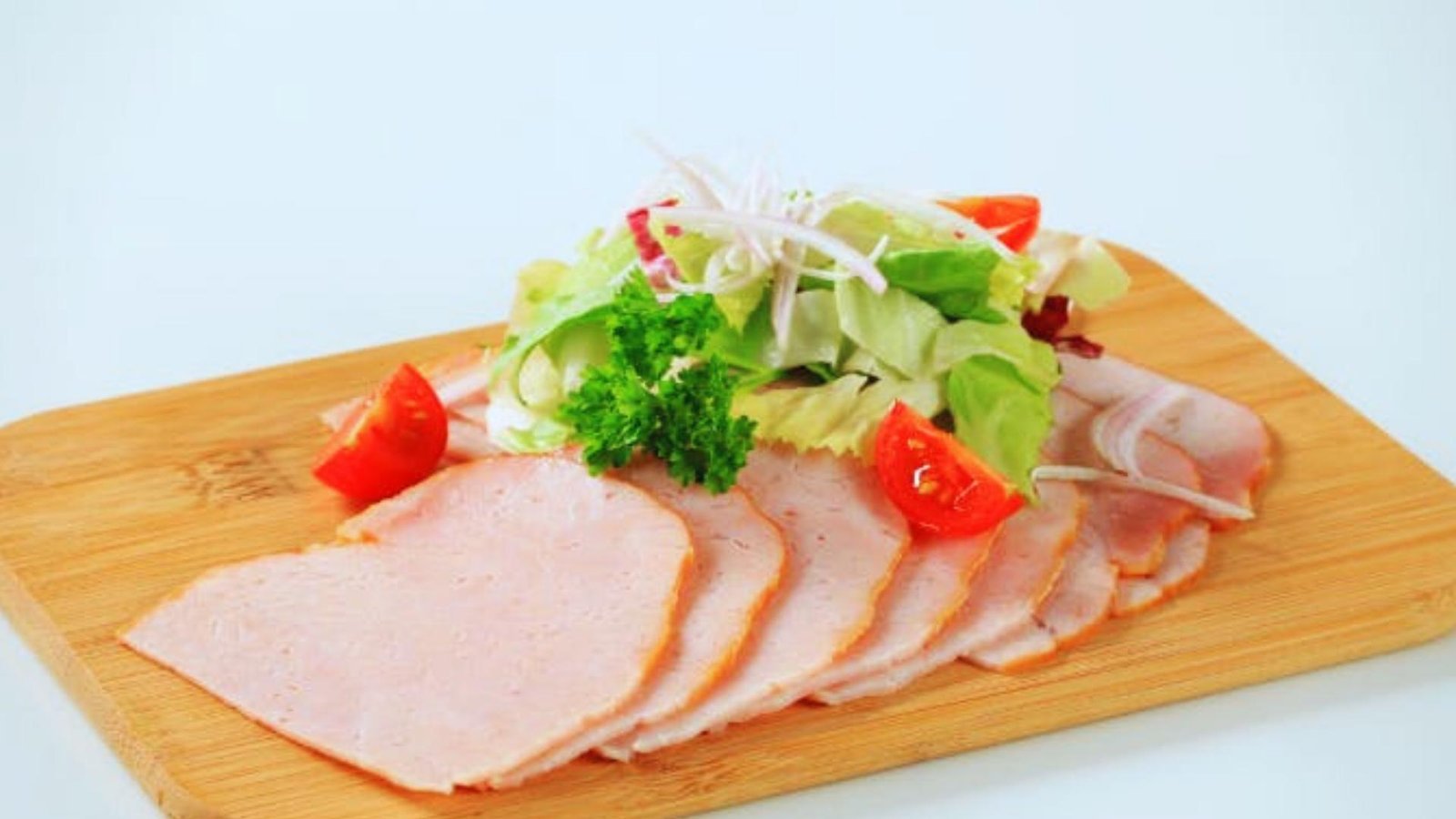
Turkey isn't right for every dog. Know when to skip it.
Dogs With Health Conditions
If your dog has pancreatitis, even lean turkey can be risky. The pancreas is sensitive, and introducing new proteins can cause a flare-up.
Dogs that are overweight or obese should also have turkey in strict moderation, if at all. Speak to your vet first.
Dogs With Food Allergies
Some dogs are allergic to poultry. Signs of a food allergy include
- Itchy skin or redness
- Ear infections
- Vomiting or diarrhea after eating
If you notice any of these after feeding the turkey, stop immediately and consult your vet.
When to Consult a Veterinarian
Always check with your vet before making major changes to your dog's diet. This is especially important if your dog is on medication, has chronic health issues, or is a puppy or senior dog.
Risks of Feeding Turkey Breast to Dogs

Know the risks before you share that leftover turkey.
Seasonings and Toxic Ingredients
Many seasonings used in human cooking are dangerous for dogs. Garlic and onion are toxic even in small amounts. Salt in large quantities can cause sodium poisoning.
Always check ingredients before sharing any human food with your dog.
Bones and Choking Hazards
Cooked turkey bones are brittle. They can splinter into sharp pieces and cause
- Choking
- Mouth or throat injuries
- Internal punctures
Never give your dog cooked turkey bones. Raw bones carry their own risks too. Just avoid bones altogether.
Excess Fat and Digestive Issues
Even a small amount of turkey fat or skin can upset your dog's stomach. In more serious cases, it can lead to pancreatitis, which is painful and sometimes dangerous.
Always trim all visible fat before serving.
Raw or Undercooked Turkey Risks
Raw turkey can carry bacteria like Salmonella and Campylobacter. These can make your dog seriously ill and can also spread to humans in your household.
Always cook turkey fully before serving it to your dog.
Nutritional Benefits of Turkey Breast for Dogs
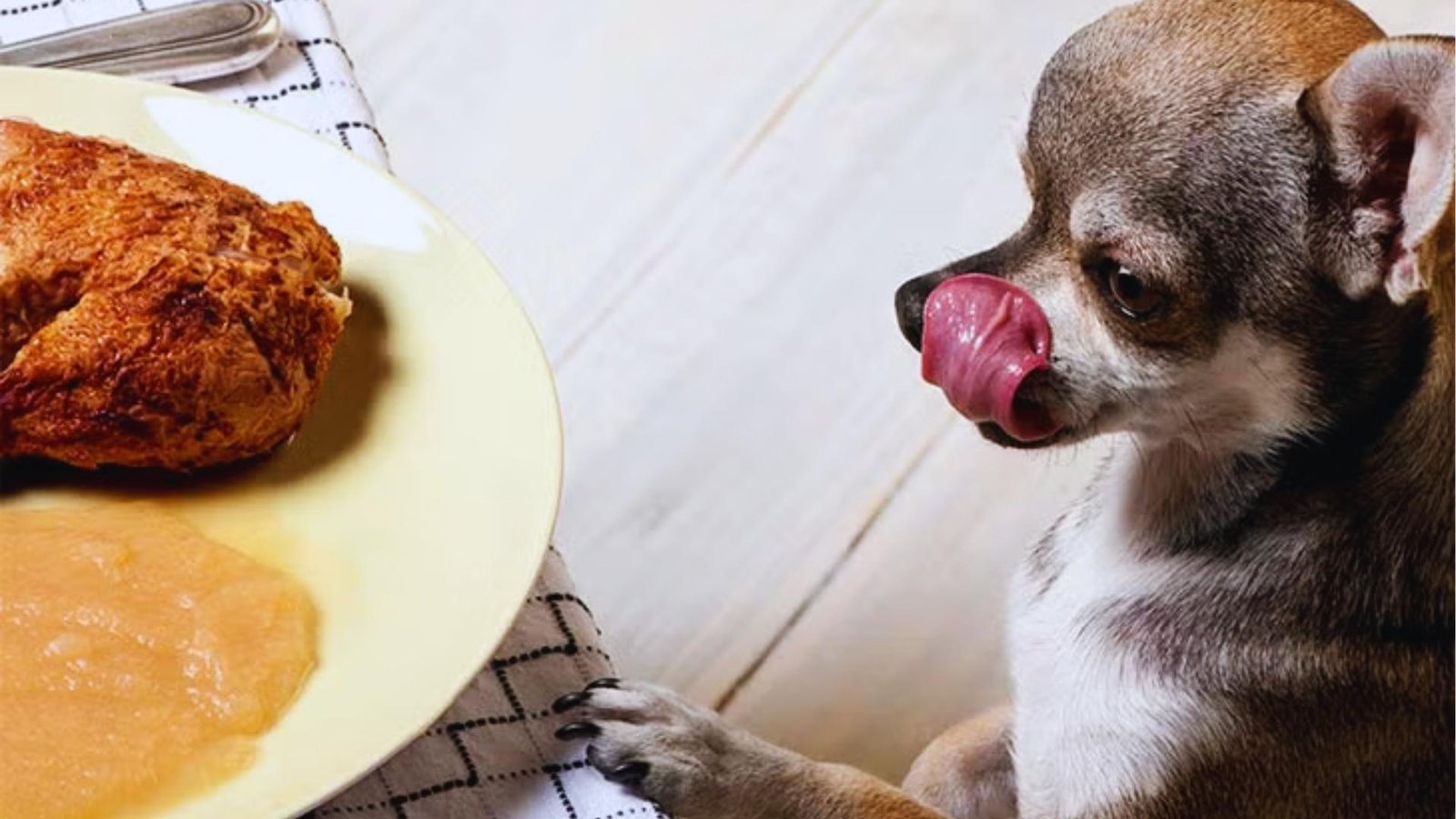
When prepared right, turkey breast offers real health value for dogs.
High-Quality Lean Protein
Turkey breast is packed with lean protein. Protein supports
- Muscle growth and repair
- Healthy energy levels
- A strong immune system
It's a solid protein source, especially for active dogs.
Important Vitamins and Minerals
Turkey breast contains several important nutrients
- B vitamins: support energy and brain function
- Zinc: helps with immune health and wound healing
- Selenium: acts as an antioxidant and supports thyroid function
These nutrients add real value when turkey is part of a balanced diet.
Suitable for Low-Fat Diets
Because turkey breast is naturally low in fat, it's a good option for dogs that need to manage their weight or are on a low-fat diet recommended by a vet.
It gives them a tasty protein source without loading them up on unnecessary fat.
General Tips for Feeding Turkey Breast to Dogs
A few final pointers to keep things safe and simple.
- Always choose fresh, plain turkey with no additives or marinades added to keep your dog safe and healthy.
- Avoid processed turkey like deli slices, smoked turkey, or pre-seasoned packs as they contain harmful additives.
- Introduce turkey slowly by starting with a small piece and waiting 24 hours to check for reactions.
- Watch your dog after feeding and look for any signs of discomfort, allergies, or digestive issues carefully.
- Keep turkey as an occasional treat only and never use it as a full meal replacement for dogs.
Conclusion
So, can dogs eat turkey breast? Absolutely, as long as it's plain, fully cooked, and given in the right amounts. I've shared turkey with my own dog this way, and it's become a simple, healthy treat he looks forward to.
The key is preparation and moderation. Stick to those two things and you're good.
If this helped you, drop a comment below and let me know. Share it with a fellow dog owner who might be wondering the same thing. For more dog-friendly food guides, check out our related posts!
Frequently Asked Questions
Can I give my dog turkey breast every day?
It's best to offer turkey breast a few times a week, not daily. Too much of any single food can throw off your dog's balanced diet over time.
Can puppies eat turkey breast?
Yes, puppies can eat plain, cooked turkey breast in very small amounts. Always check with your vet first since puppies have specific dietary needs.
Is deli turkey safe for dogs?
No. Deli turkey contains salt, preservatives, and sometimes garlic or onion powder. These are harmful to dogs and should be avoided completely.
What if my dog ate seasoned turkey by accident?
If your dog ate a small amount, monitor them closely for vomiting, diarrhea, or lethargy. For large amounts or symptoms that don't pass, contact your vet right away.
Can dogs eat ground turkey breast?
Yes, plain cooked ground turkey breast is safe for dogs. Make sure it's fully cooked, contains no added seasoning, and has had excess fat drained off before serving.