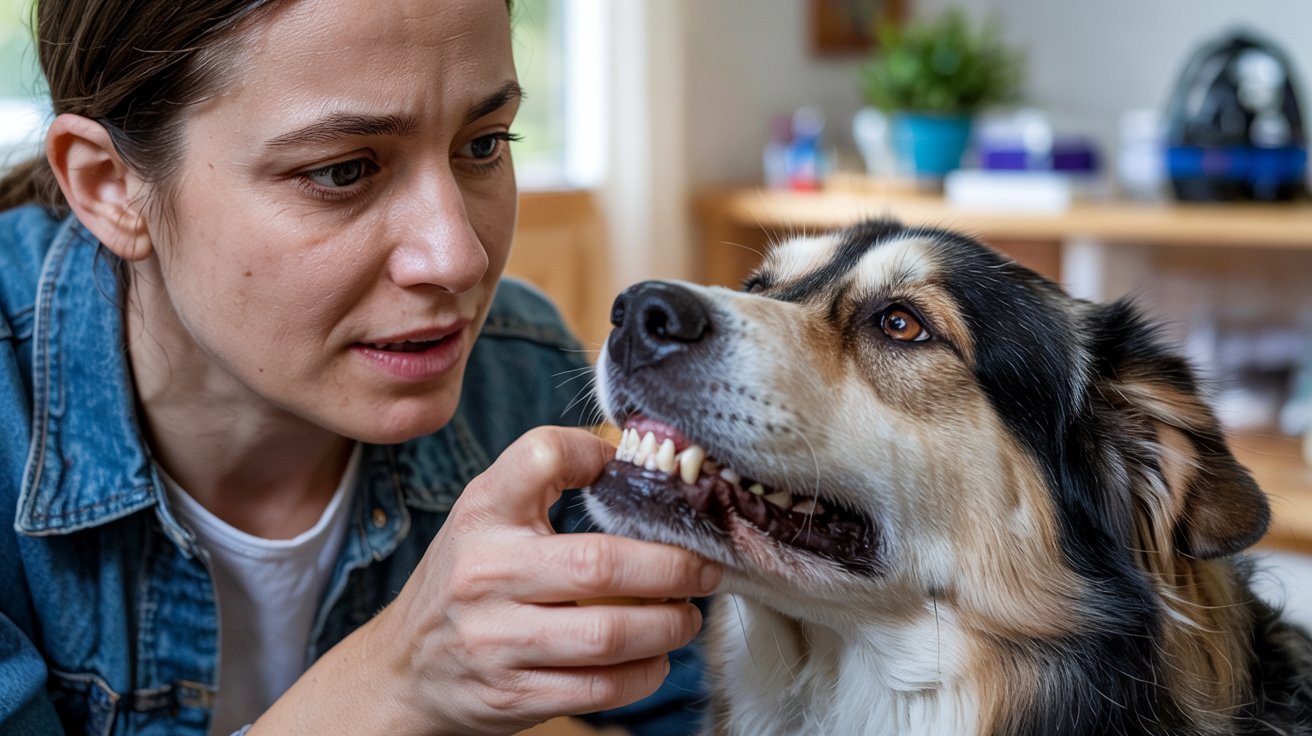


My dog went through a phase where she scratched herself raw. I tried ignoring it at first, thinking it would pass. It didn't.
What followed was weeks of research, trial and error, and a lot of learning about dog skin health.
Here's what surprised me most: some of the best solutions were already in my kitchen.
If you've been searching for what can I put on my dog to relieve itching home remedies that are genuinely safe and effective, this guide is for you.
I'll walk you through exactly what worked, what to avoid, and when it's time to stop guessing and call your vet.
Why Is My Dog So Itchy?

Dogs scratch for many reasons. The most common triggers are allergies, dry skin, fleas, skin infections, and food sensitivities.
Environmental allergens like pollen, grass, and dust cause seasonal flare-ups. Certain food ingredients can also trigger itching that shows up on the skin.
Fleas and mites cause intense irritation that leads to constant scratching. Hot spots, which are red and moist patches of inflamed skin, often develop from repeated scratching and chewing.
Mild scratching is normal. But when itching is severe, non-stop, or comes with swelling, discharge, or open sores, it's time to see a vet.
Best Home Remedies to Relieve Your Dog's Itching
When it comes to what can I put on my dog to relieve itching home remedies, these are the safest and most effective options to try at home.
Start with one and watch how your dog responds.
1. Oatmeal Bath for Instant Skin Relief
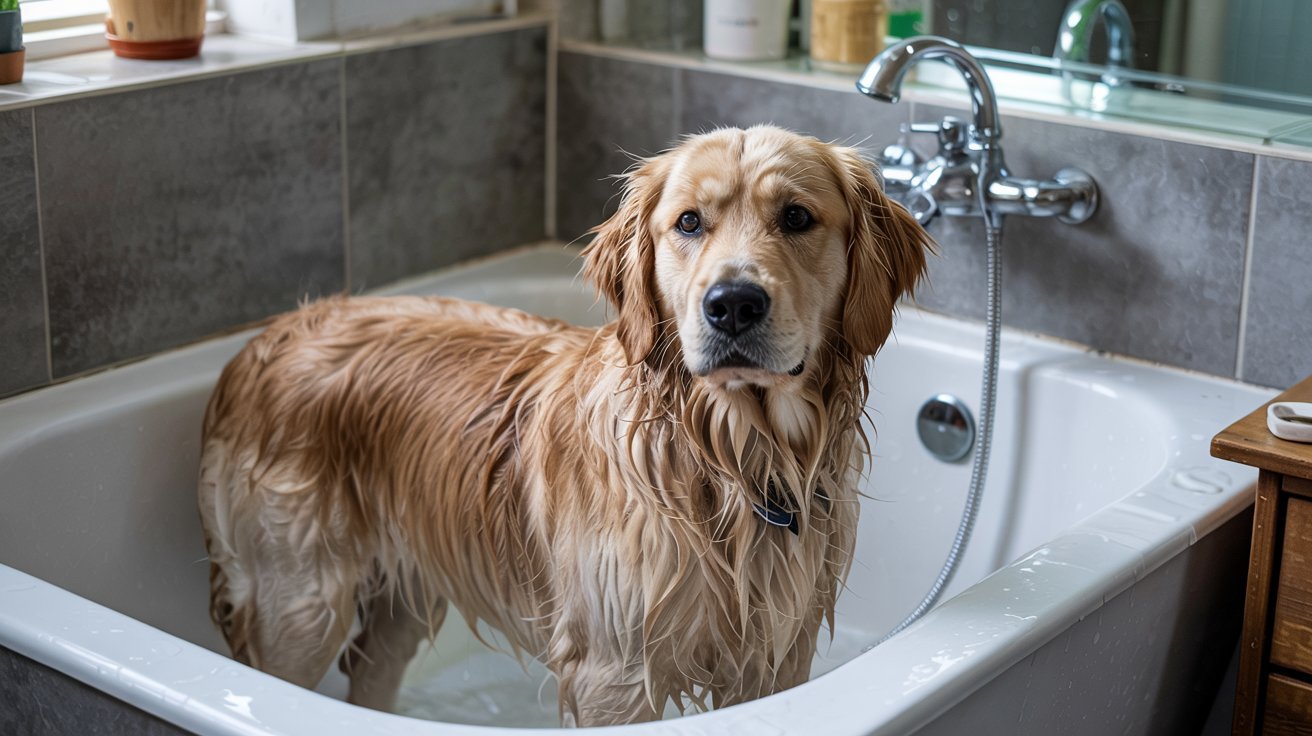
An oatmeal bath is one of the most reliable remedies for itchy dog skin. Colloidal oatmeal soothes inflammation and creates a protective layer on the skin.
Grind plain, unflavored oatmeal into a fine powder and mix it into lukewarm bathwater. Let your dog soak for 10 to 15 minutes, then rinse thoroughly.
You can do this once or twice a week without worrying about side effects. It works well for dogs with widespread itching or allergic reactions.
2. Coconut Oil for Dry and Irritated Skin
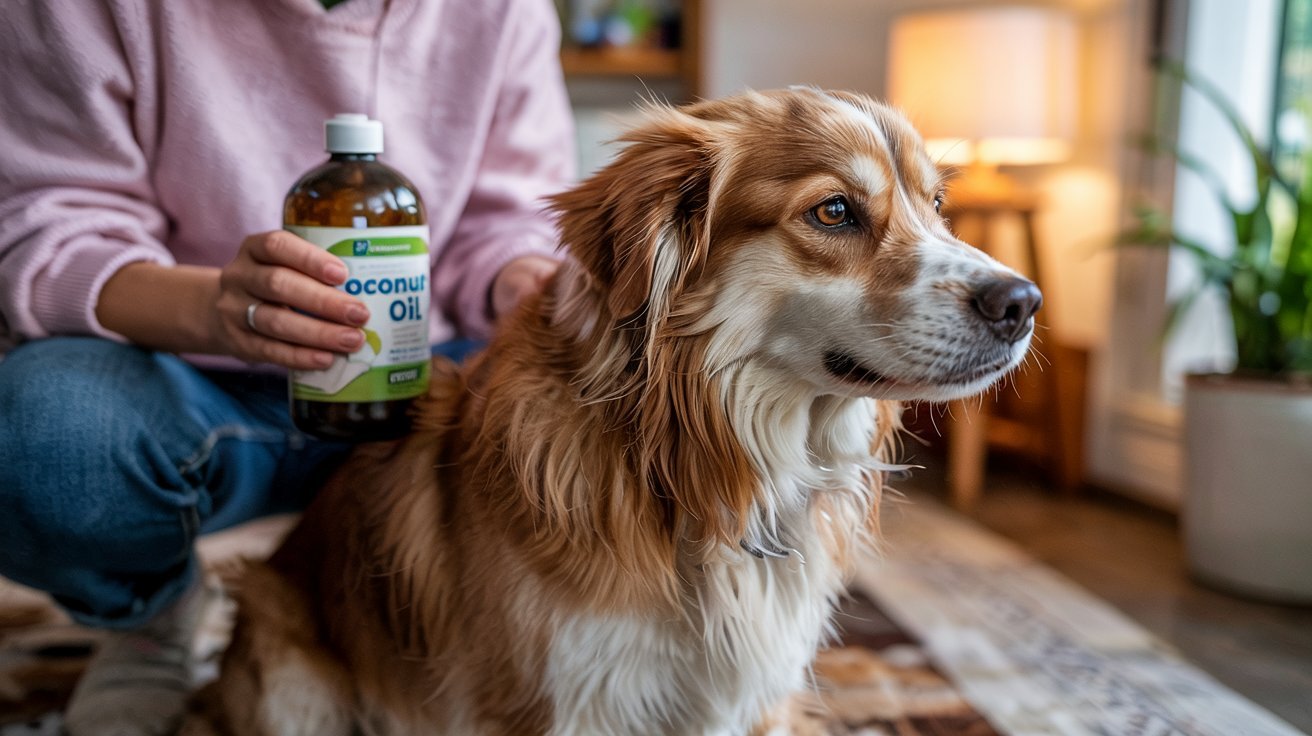
Coconut oil has natural antibacterial and anti-inflammatory properties that help with dry, itchy skin. Apply a small amount directly to the itchy area and massage it gently in.
You can also add a small amount to your dog's food to support skin health from the inside. Use it in moderation though. Too much can cause digestive issues.
3. Aloe Vera Gel to Cool Inflamed Skin
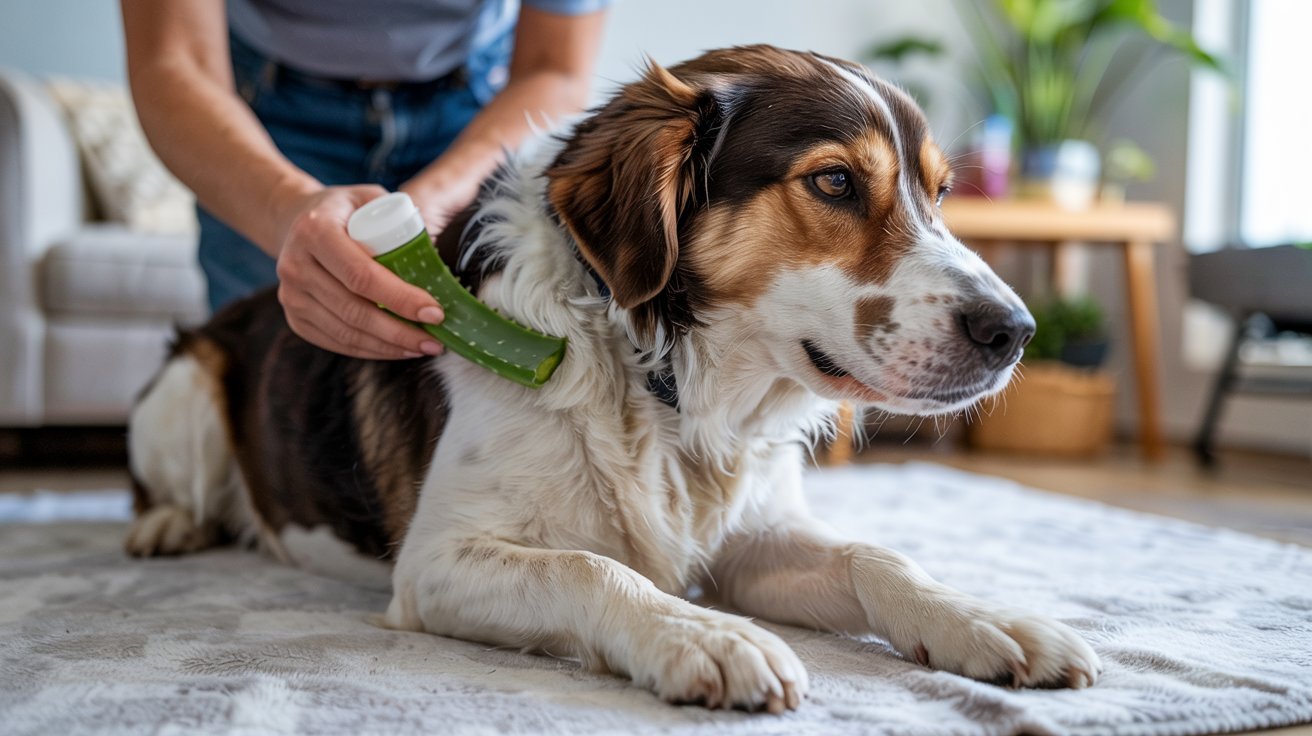
Aloe vera is cooling and soothing, making it great for red or inflamed patches. Use pure aloe vera gel with no added fragrances or alcohol.
Apply a thin layer to the affected area and let it absorb. Make sure your dog doesn't lick it off right away. Pure aloe vera is safe on skin but can upset the stomach if eaten in large amounts.
4. Apple Cider Vinegar Spray for Allergies and Irritation
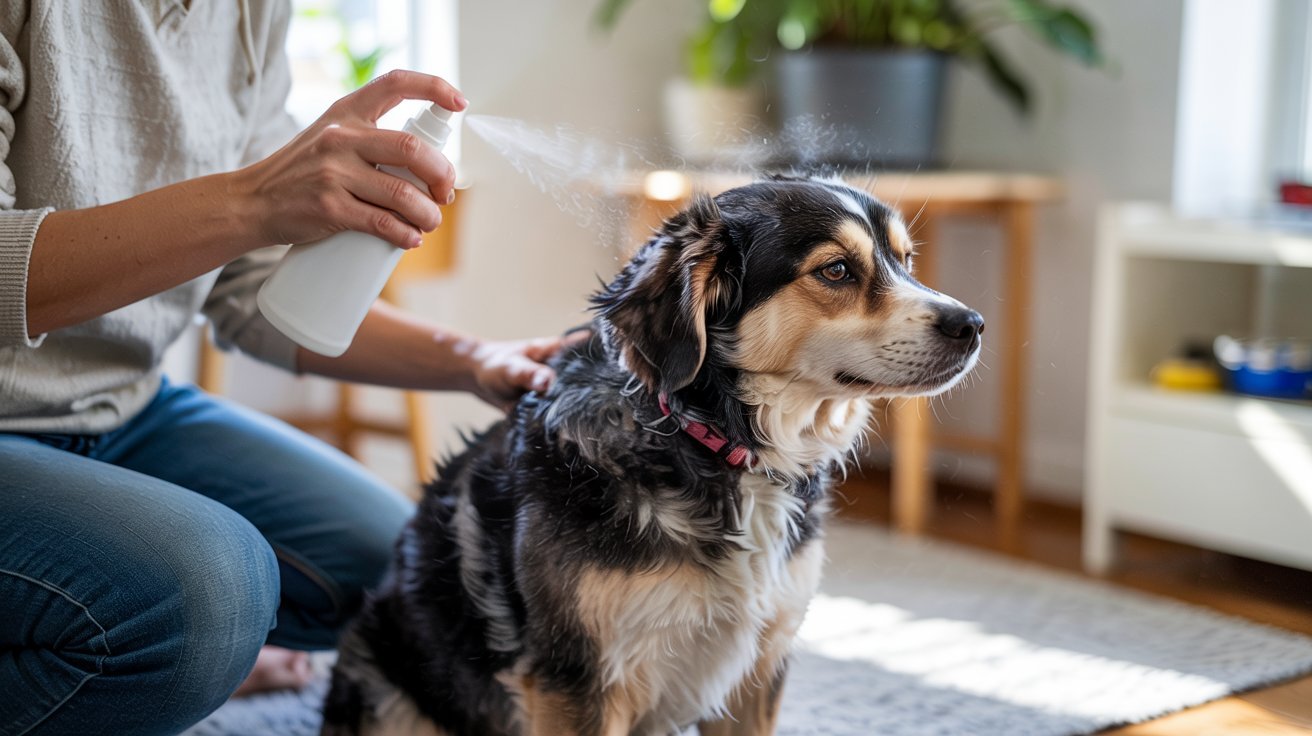
Apple cider vinegar helps with allergy-related itching and minor irritation. It also helps restore the skin's natural pH balance.
Mix equal parts apple cider vinegar and water in a spray bottle and apply to itchy areas. Never use it on open wounds or raw skin as it will sting and cause more irritation.
5. Chamomile Tea Rinse for Sensitive Skin
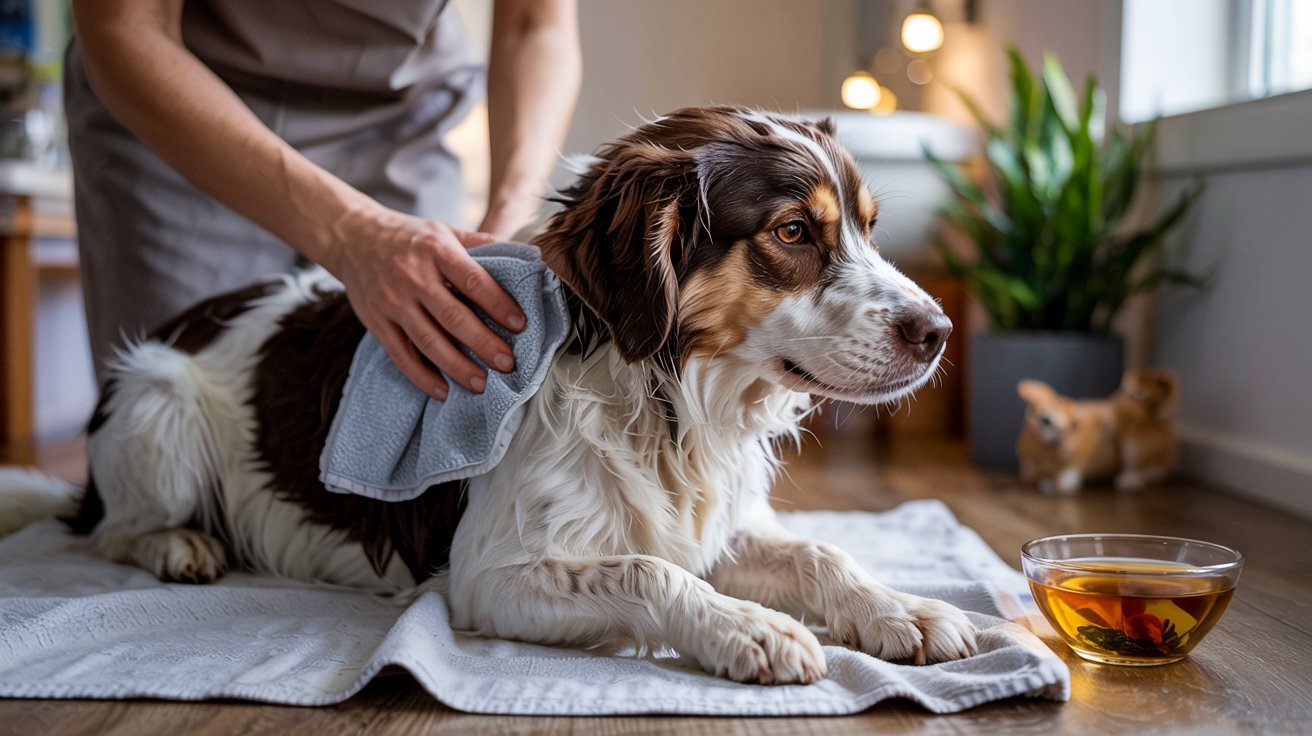
Chamomile has natural calming and anti-inflammatory properties that work gently on sensitive skin. Brew a strong cup, let it cool completely, and use it as a rinse after a bath.
You can also soak a cloth in the tea and apply it directly to irritated spots. It's one of the mildest options available and works well for dogs that react badly to stronger remedies.
6. Baking Soda Paste for Itchy Spots
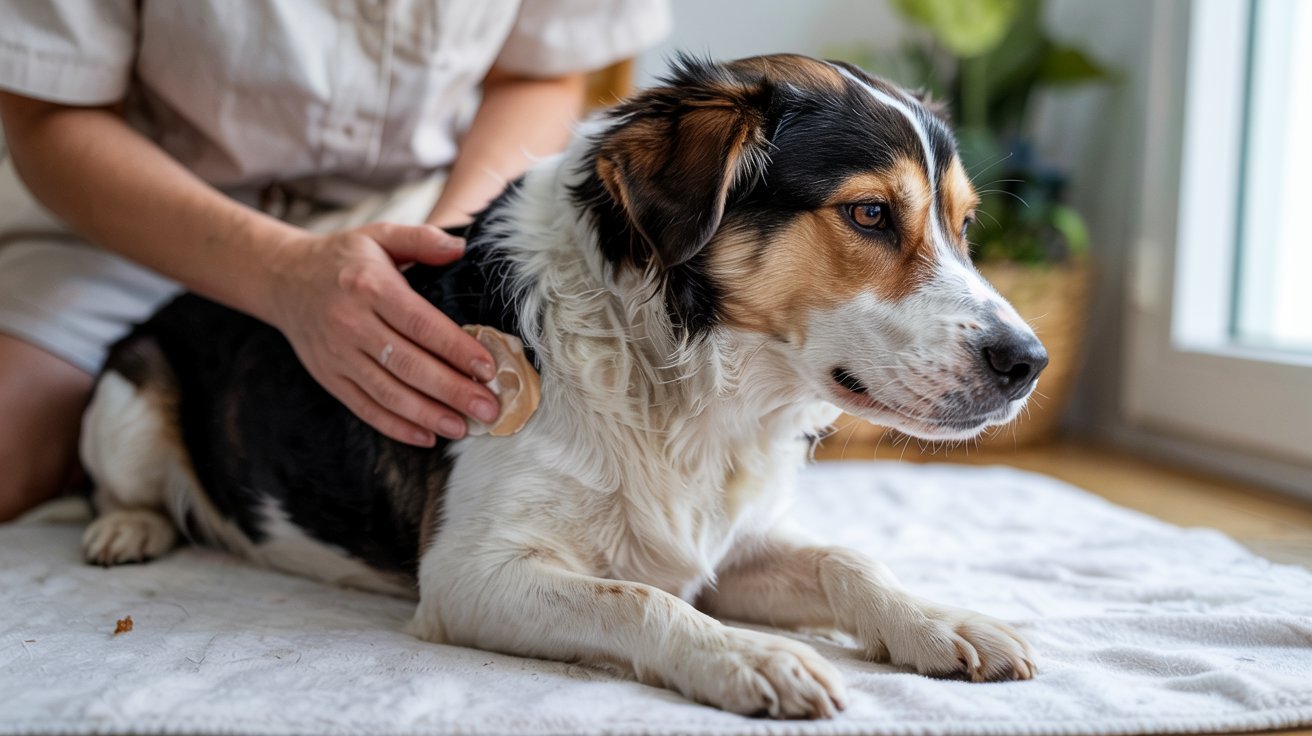
Baking soda neutralizes skin irritants and reduces itching quickly. Mix it with just enough water to form a thick paste and apply to the itchy spot.
Leave it on for 15 to 20 minutes, then rinse off completely. Keep it away from your dog's eyes and don't leave it on too long.
7. Olive Oil or Fish Oil for Dry Skin

Olive oil and fish oil work from the inside out. Add a small amount of olive oil to your dog's food a few times a week, or use a fish oil supplement with omega-3 fatty acids.
These take a few weeks to show results but can make a real difference in coat quality and reduced scratching with consistent use.
8. Plain Yogurt for Itching Linked to Allergies
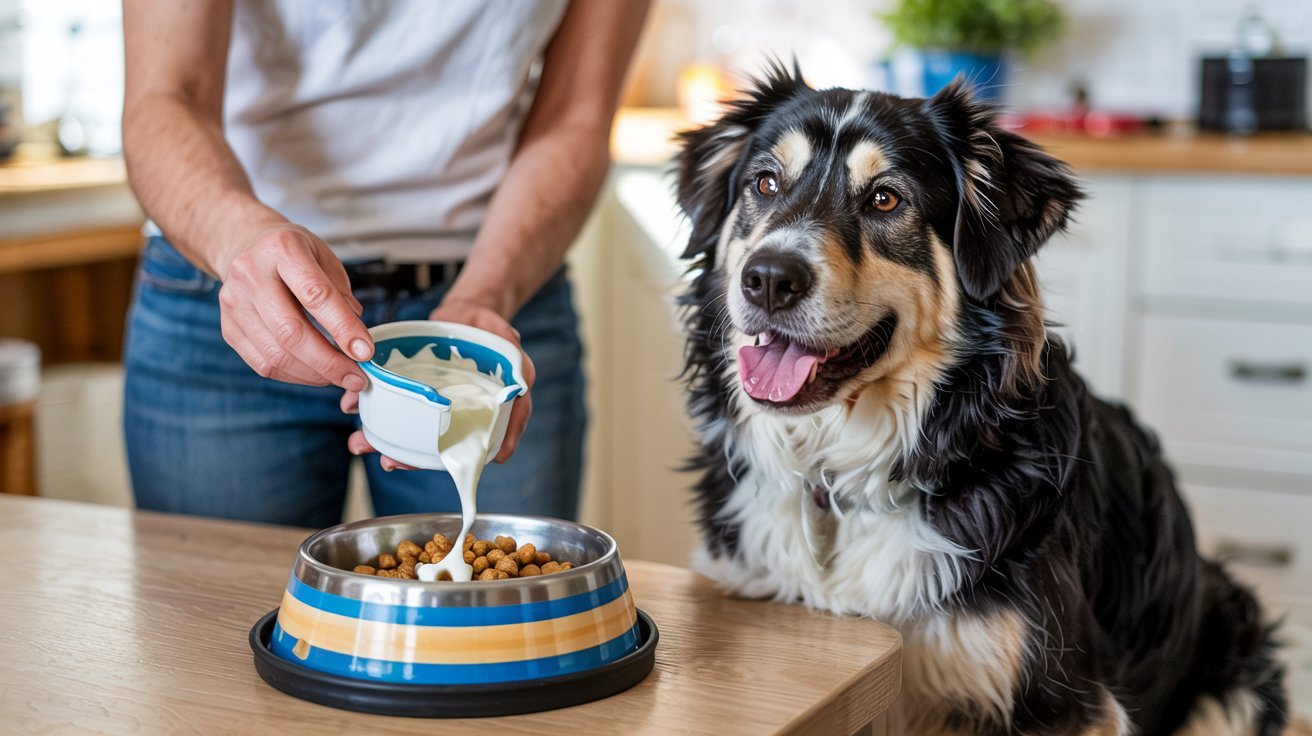
Plain, unsweetened yogurt contains probiotics that support gut health, which is directly linked to skin health. A small spoonful added to food a few times a week can help reduce allergy-driven flare-ups over time.
Make sure it has live cultures and no artificial sweeteners. Xylitol in particular is toxic to dogs.
9. Cold Compress for Quick Itch Relief
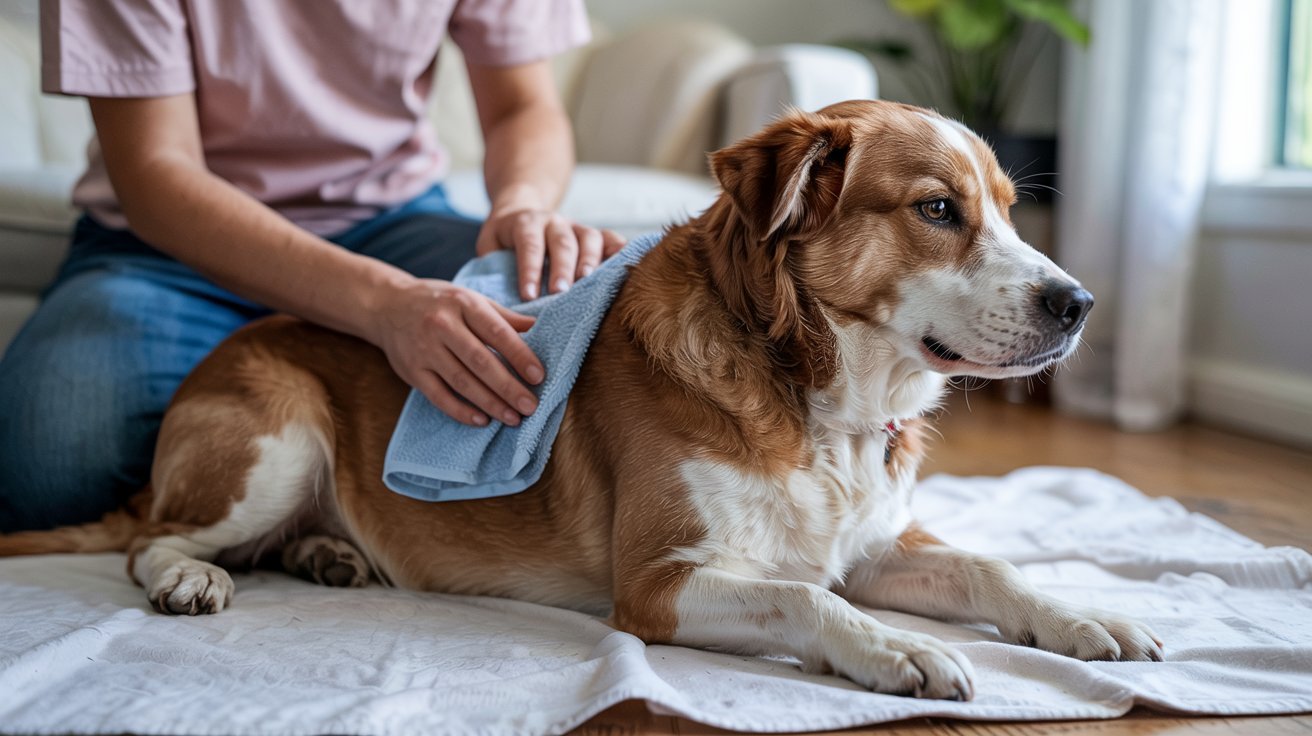
A cold compress is the fastest way to give immediate comfort. Wrap ice in a cloth or use a cold, damp towel and hold it gently against the itchy area for a few minutes.
It won't treat the underlying cause, but it gives quick relief while you work on a longer-term solution.
Signs Your Dog Needs a Vet Instead of Home Remedies
Home remedies work well for mild itching, but some signs mean something more serious is going on. Knowing when to stop treating at home is just as important as knowing the remedies.
Watch for these warning signs:
- Itching that hasn't improved after a week of home treatment
- Open sores, scabs, or bleeding skin
- Swelling or pus around the affected area
- Strong or unusual odor from the skin
- Patchy hair loss
- Scratching that is affecting your dog's sleep or daily comfort
- Symptoms spreading to new areas
If any of these are present, call your vet. Infections and severe allergic reactions need proper diagnosis. Delaying care makes things harder to treat.
How Long Do Home Remedies Take to Work?
Some remedies work fast, others take time. Oatmeal baths, cold compresses, and baking soda paste can reduce itching within minutes to hours.
Coconut oil, aloe vera, and apple cider vinegar typically show results within a few days of consistent use. Apply them regularly rather than once and expecting a change.
Fish oil, olive oil, and plain yogurt work over weeks. They build up skin health gradually, and results improve with regular use.
Consistency matters across all of these. One application rarely makes a difference. Give the remedy proper time to work before switching to something else.
Conclusion
Your dog can't tell you how uncomfortable they feel, but the scratching says it all. I've watched my own dog struggle with it, and finding the right remedy made a real difference.
Now you have a full list of options for what can I put on my dog to relieve itching home remedies that are safe, simple, and actually work.
Pick one, stay consistent, and watch how your dog responds. Small changes add up fast.
Tried one of these remedies already? Tell me what worked in the comments. Your experience could help another dog owner find relief faster.
Frequently Asked Questions
What Can I Put on My Dog Immediately to Stop Itching?
An oatmeal bath, cold compress, or coconut oil applied to the skin can give fast relief. These are safe options you can use right away while identifying the cause.
Is Coconut Oil Safe for Itchy Dogs?
Yes, coconut oil is safe for most dogs in small amounts applied to the skin or added sparingly to food. Avoid overuse as too much can lead to digestive upset.
Can I Use Apple Cider Vinegar on My Dog's Itchy Skin?
Yes, but always dilute it with equal parts water before applying. Never use it on broken skin or open wounds as it will cause stinging and further irritation.
What Home Remedy Is Best for Dogs With Allergies?
Oatmeal baths work well for immediate relief while fish oil supplements help reduce allergy-driven inflammation over time. Reducing exposure to known allergens alongside these remedies gives the best results.
When Should I Take My Itchy Dog to the Vet?
If itching is persistent, worsening, or comes with sores, hair loss, discharge, or strong odor, it's time to see a vet. Home remedies are not a substitute for medical treatment when infection or serious allergy is involved.