

I've seen many dog owners panic when their vet mentions anemia, and honestly, I get it. The word sounds scary. But understanding what causes anemia in dogs makes a huge difference in how fast you act.
I've spent years researching pet health, and I want to give you clear, honest answers you can actually use.
In this guide, I'll cover what anemia really is, why it happens, the signs to watch for, how vets treat it, and simple ways to prevent it.
No confusing medical jargon. Just straight, helpful information. Early action saves lives, and by the end of this, you'll know exactly what to do.
What is Anemia in Dogs?
Anemia means your dog has fewer red blood cells or less hemoglobin than normal. Red blood cells carry oxygen through the body, reaching every organ and muscle your dog relies on daily.
When there aren't enough of them, your dog's organs simply don't get the oxygen they need to function properly. But here's what most people miss. Anemia is not a disease by itself.
It's a warning sign that something else is going on inside your dog's body. It could be an infection, a toxin, a nutritional gap, or a serious illness.
That's why finding the root cause is always the most important first step.
Overview of Anemia in Dogs

A quick look at why anemia happens and why catching it early matters for your dog's health.
Why Understanding the Cause Matters
Anemia is often linked to serious conditions like kidney disease, cancer, or autoimmune disorders. If you only treat the anemia without finding the cause, the problem will keep coming back.
Early detection gives vets more treatment options. It also improves your dog's chances of a full recovery.
How Anemia Develops in Dogs
There are three main ways anemia develops
- Blood loss: from injuries, internal bleeding, or parasites
- Low red blood cell production: when the body can't make enough
- Destruction of red blood cells: when the immune system or toxins break them down too fast
Common Causes of Anemia in Dogs
From injuries to infections, several factors can trigger anemia. Knowing them helps you protect your dog.
Blood Loss from Injuries or Internal Bleeding
Trauma is one of the most direct causes. A bad wound, surgery complications, or internal tumors can lead to heavy blood loss.
Stomach ulcers also bleed slowly over time, which causes gradual anemia. Even small but constant blood loss adds up fast.
Diseases That Reduce Red Blood Cell Production
Some diseases stop the body from making enough red blood cells. Kidney disease is a big one. Damaged kidneys produce less of a hormone called erythropoietin, which tells the bone marrow to make red blood cells.
Bone marrow disorders and chronic illnesses like cancer also slow down production over time.
Destruction of Red Blood Cells
This is called hemolytic anemia. The body destroys its own red blood cells faster than it can replace them.
The most common cause is immune-mediated hemolytic anemia (IMHA), where the immune system attacks red blood cells by mistake. Certain toxins and genetic conditions can also trigger this.
Parasites and Infectious Diseases
Fleas, ticks, and intestinal worms feed on blood. Heavy infestations, especially in puppies or small dogs, can cause significant blood loss.
Tick-borne diseases like ehrlichiosis and babesiosis directly attack red blood cells. Distemper and other infections also affect the bone marrow, reducing red blood cell production.
Toxins, Medications, and Poor Nutrition
Many human medications are dangerous for dogs. Ibuprofen and acetaminophen can cause serious damage. Ibuprofen leads to stomach bleeding. Acetaminophen damages red blood cells directly.
Chemical exposure from rat poison or certain plants also causes anemia. On top of that, a diet low in iron, B12, or folate means the body can't produce healthy red blood cells in the first place.
Symptoms of Anemia in Dogs to Watch For

Catching the warning signs early gives your dog a much better shot at quick recovery.
Early Warning Signs
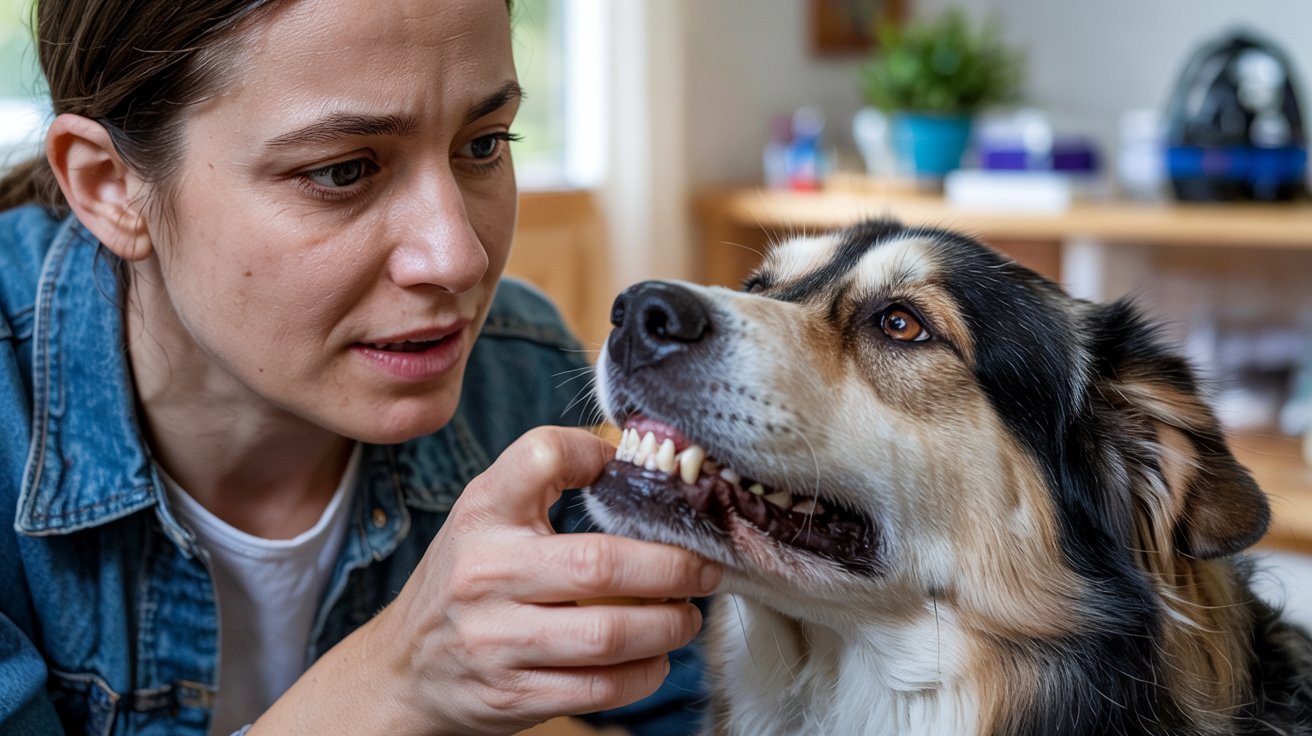
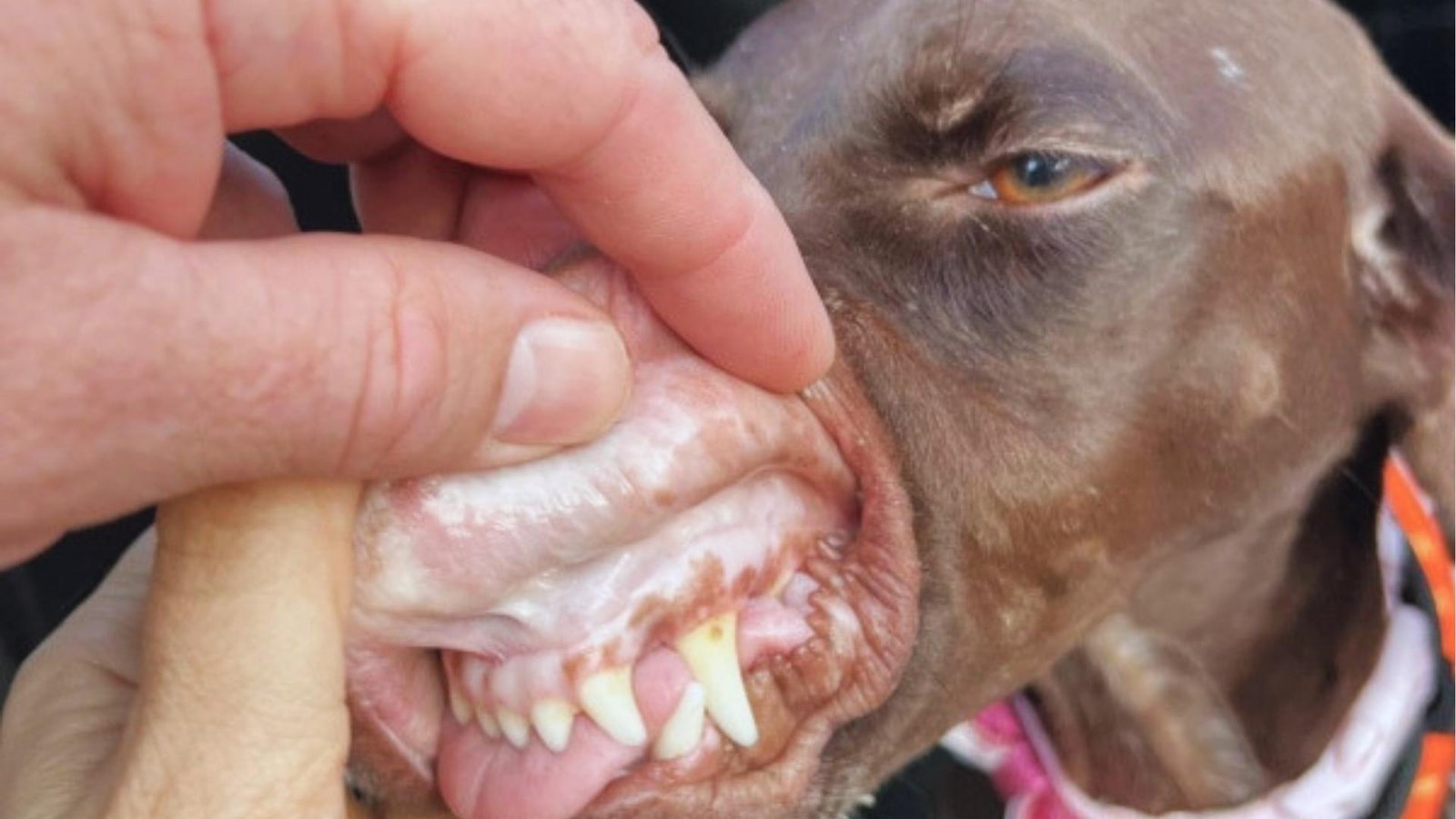
The first signs are often subtle. Check your dog's gums. Healthy gums are pink. Pale or white gums are a red flag.
Other early signs include:
- Weakness
- Unusual tiredness
- Less interest in play or walks
Advanced or Serious Symptoms
As anemia gets worse, the signs become harder to miss
- Rapid breathing even at rest
- Fast or weak pulse
- Vomiting
- Black or tarry stools (this signals internal bleeding)
Behavioral and Physical Changes
Dogs with anemia often stop eating as much. They may lose weight over time. Some become withdrawn or seem low on energy all day.
These changes are easy to write off, but they deserve a vet visit.
Types of Anemia in Dogs Explained
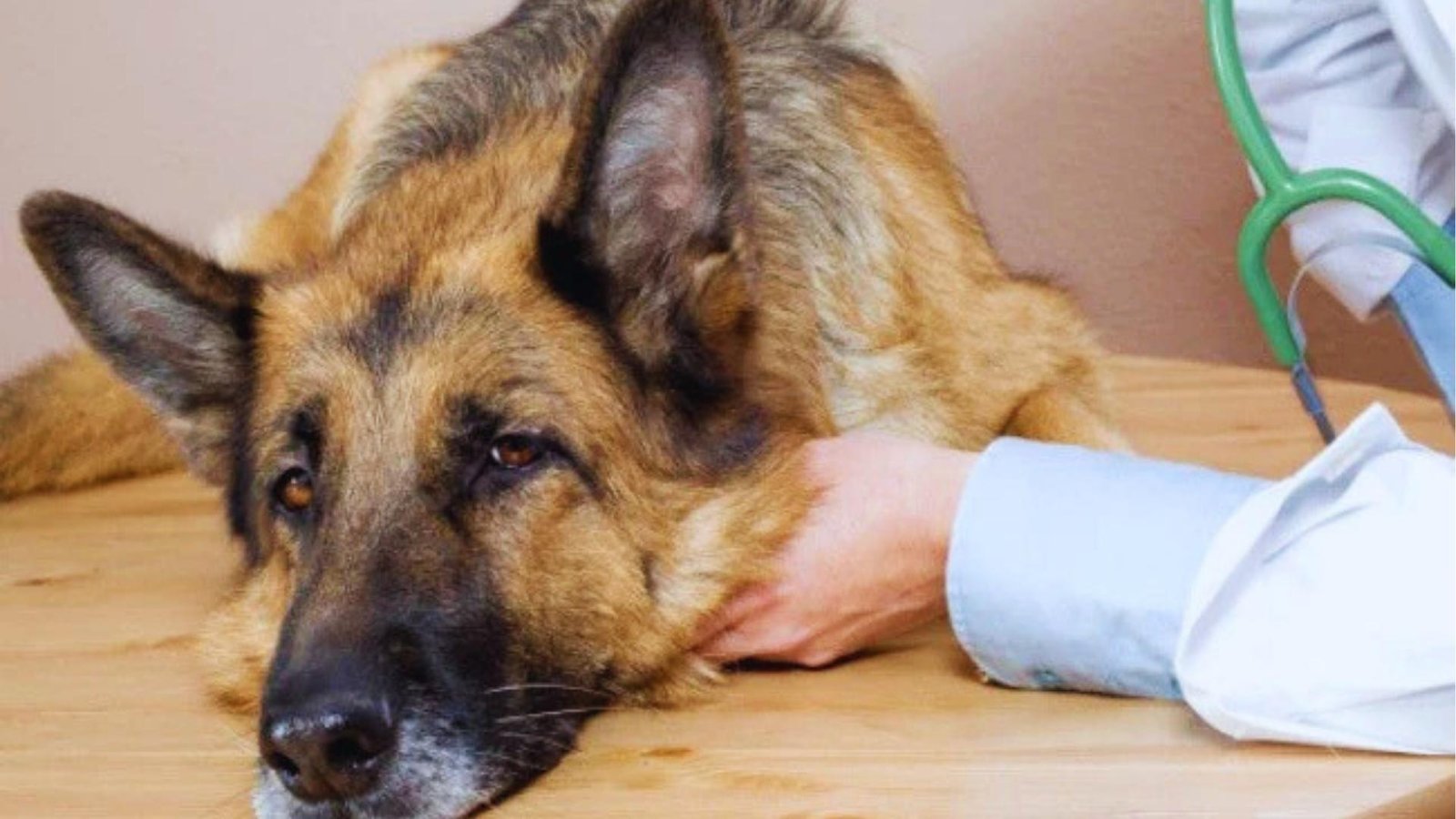
Not all anemia is the same. The type affects how vets treat it.
Blood Loss Anemia
This happens when a dog loses too much blood. It can be sudden (from trauma) or gradual (from ulcers or parasites).
The body may recover on its own if the bleeding stops, but serious cases need treatment.
Aplastic (Non-Regenerative) Anemia
Here, the bone marrow doesn't produce enough new red blood cells. This is often caused by chronic illness, toxin exposure, or bone marrow disease. It takes longer to treat and is harder to reverse.
Hemolytic Anemia
The body destroys red blood cells faster than it makes them. IMHA is the most common form. Without treatment, it can become life-threatening within days.
Methemoglobinemia
This is caused by toxins (like acetaminophen) that change the structure of hemoglobin. The affected hemoglobin can no longer carry oxygen properly. It's a medical emergency.
Diagnosis and Treatment Options for Anemia in Dogs

Vets use a mix of tests and treatments depending on what's causing the anemia.
How Vets Diagnose Anemia
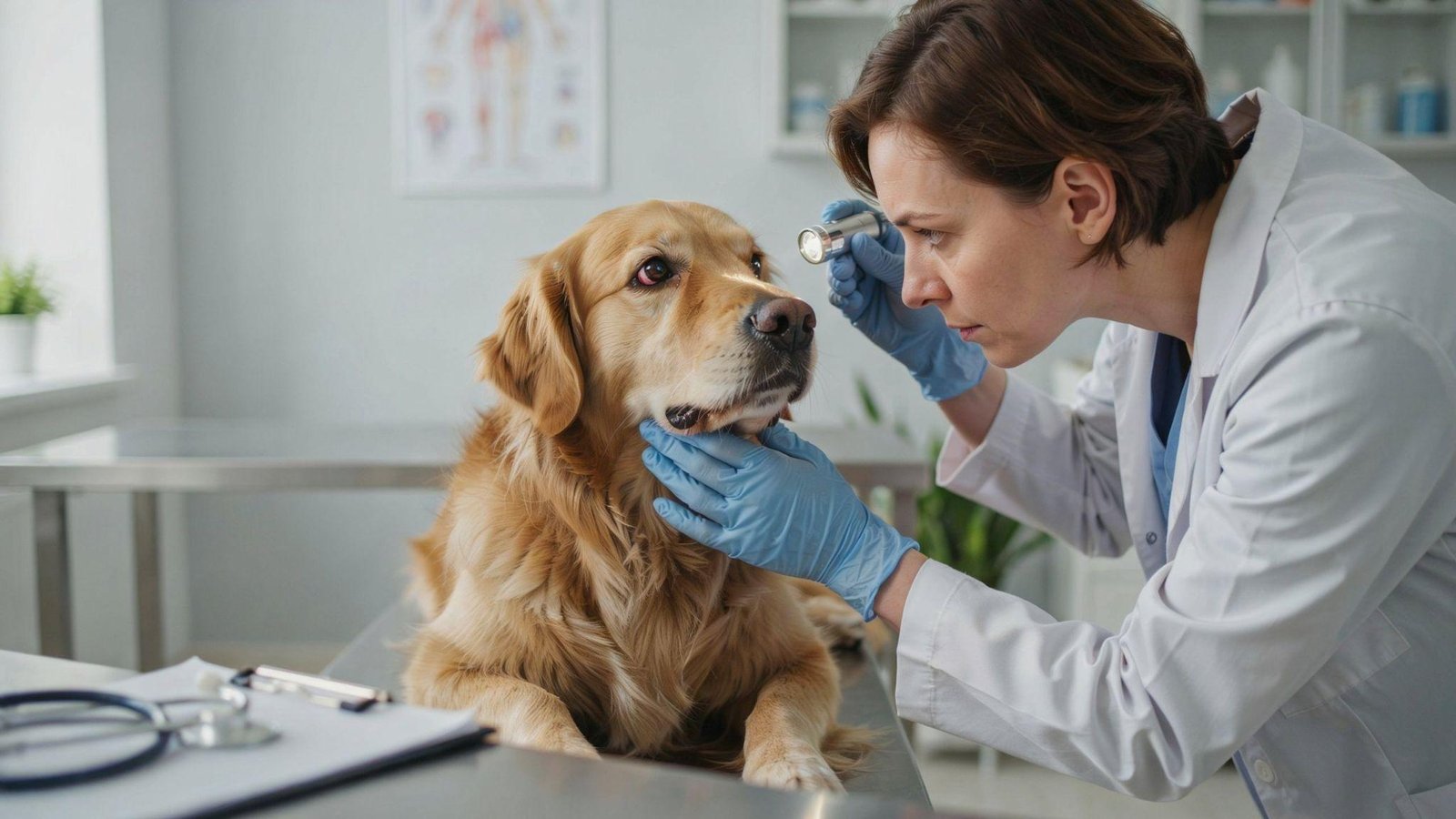
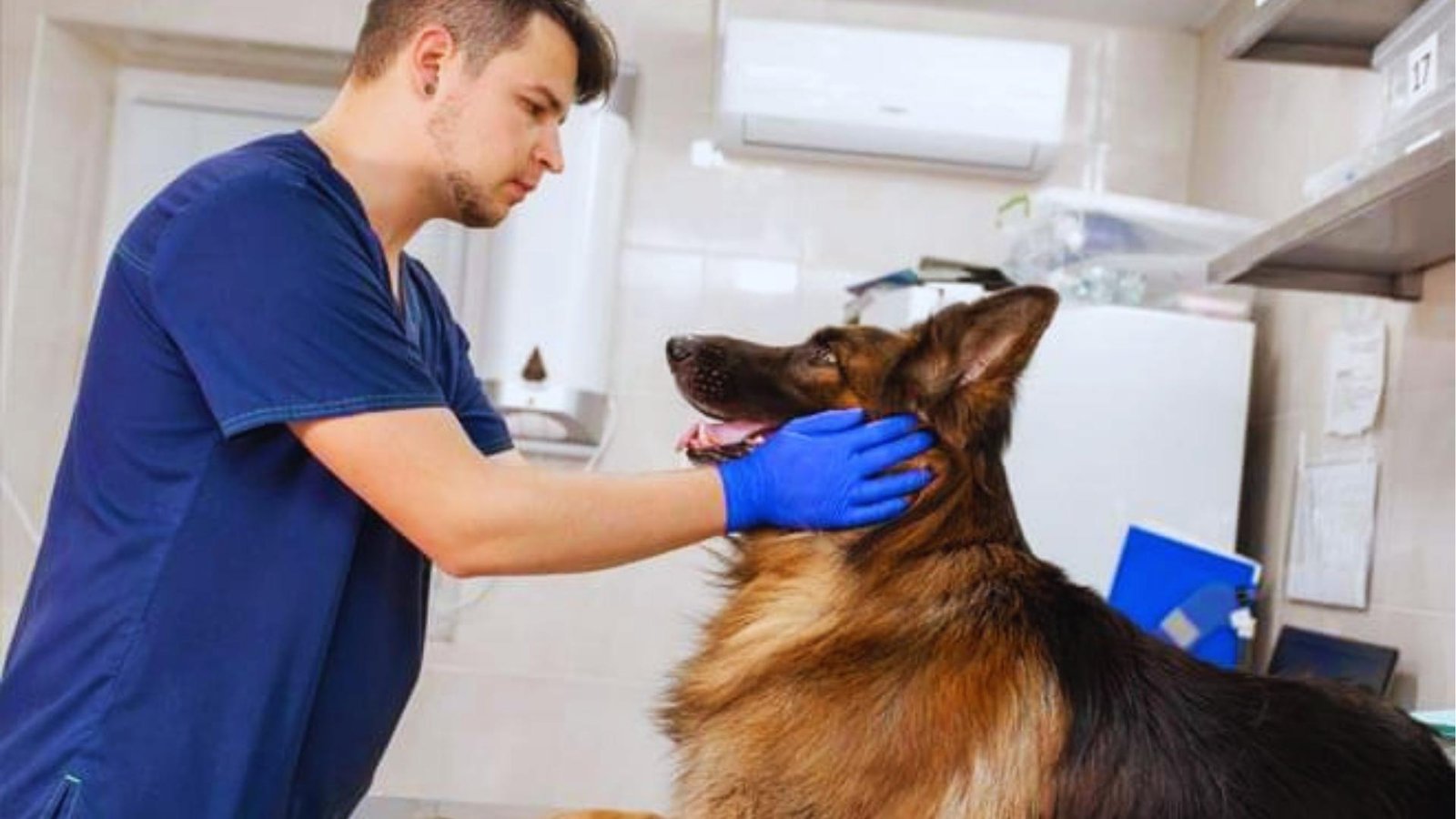
The vet will start with a physical exam, paying close attention to gum color and energy levels. Blood tests like a complete blood count (CBC) measure red blood cell levels.
Other tests may include
- Blood smear analysis
- Bone marrow biopsy
- Urinalysis
- Imaging (X-rays or ultrasound) to find internal bleeding or tumors
Common Treatment Methods
Treatment depends on the cause
- IV fluids to stabilize the dog
- Medications to suppress the immune system (for IMHA)
- Parasite control for flea or tick-related anemia
- Antibiotics for infections causing anemia
Advanced Treatments for Severe Cases
In serious cases, a blood transfusion may be needed to stabilize the dog quickly. Surgery may be required to stop internal bleeding or remove a tumor.
If cancer is the cause, chemotherapy might be recommended.
Tips to Prevent Anemia in Dogs
A few simple habits can go a long way in keeping your dog healthy and anemia-free.
- Feed a nutritionally complete diet with proper iron, B12, and folate levels. Ask your vet about supplements if your dog has a history of anemia.
- Use flea and tick prevention every month, not just in warmer months. Parasites are a completely preventable cause of anemia.
- Deworm your dog regularly, especially if they spend time outside. Intestinal worms feed on blood and can cause gradual but serious blood loss.
- Keep human medications and chemicals out of reach. Never give your dog ibuprofen or acetaminophen without direct vet approval.
- Schedule annual blood work so your vet can catch early signs of anemia before the condition becomes harder to treat.
Conclusion
Understanding what causes anemia in dogs helped me stop worrying and start acting smarter. Once you know the signs and causes, you're in a much better position to help your dog.
Don't wait for things to get worse. If your dog looks pale, tired, or just off, call your vet. I always say trust your gut as a pet owner.
You know your dog best. Drop a comment below if this helped, or share it with another dog parent who might need it.
Frequently Asked Questions
Can anemia in dogs go away on its own?
Mild anemia from a minor injury may improve once bleeding stops. But most cases need a vet to find and treat the root cause.
Is anemia in dogs painful?
Anemia itself isn't painful, but the conditions causing it (like ulcers or tumors) can be. Your dog may feel weak or uncomfortable rather than in sharp pain.
How quickly does anemia develop in dogs?
It depends on the cause. Sudden blood loss causes anemia within hours. Chronic conditions like kidney disease cause it slowly over weeks or months.
What foods help a dog with anemia?
Iron-rich foods like lean meat and liver can help. Always check with your vet before changing your dog's diet, especially during treatment.
Can puppies get anemia?
Yes, puppies are at higher risk, especially from flea or worm infestations. Their smaller blood volume means even small blood loss affects them quickly.