
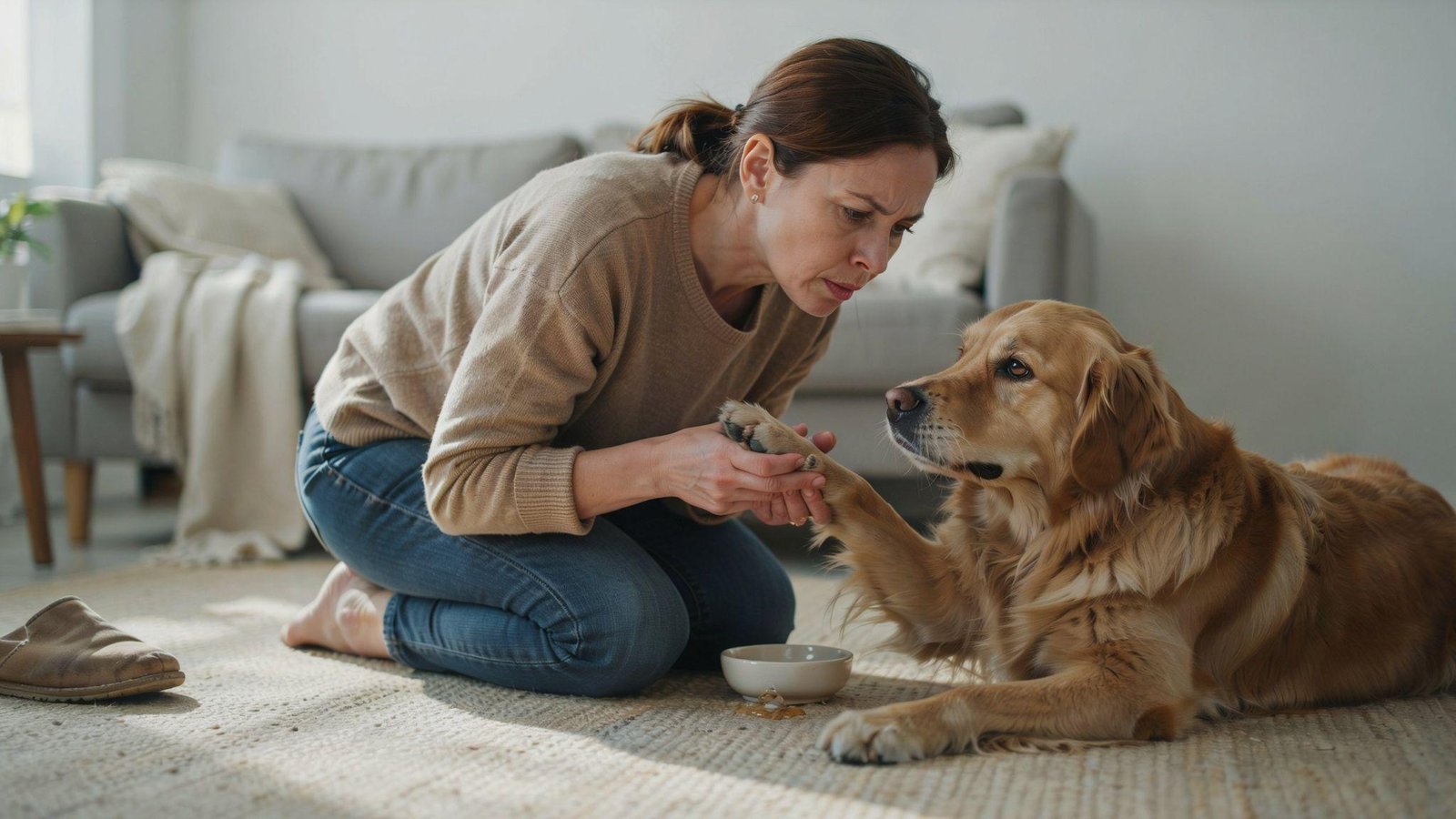
Seeing your dog limp can stop your heart for a second. You start wondering if it is serious, if they are in pain, or if you did something wrong. Take a breath. You are not alone in this moment.
Limping is a sign that something is off. It is not a diagnosis on its own. It could be a small stone stuck in the paw or something that needs a vet's attention today.
The tricky part is knowing which one you are dealing with. Acting too slowly can turn a minor issue into a bigger problem. But not every limp means an emergency.
This guide helps you figure out your next step, calmly and clearly.
Common Reasons Why Dogs Start Limping
Dogs limp for many reasons. Some are simple fixes you can handle at home. Others need a vet's help right away. Knowing the difference can save your dog from unnecessary pain.
Minor Causes of Limping
These are the most common and the least scary.
Your dog may have a small stone, thorn, or piece of debris stuck in their paw. It happens more often than you think, especially after walks on rough ground.
Minor cuts or scrapes on the paw pads can also cause a limp. The pads are sensitive, and even a small wound can make walking uncomfortable.
Insect bites and stings are another common cause. A bee sting on the paw can cause sudden limping and some swelling.
Moderate Causes
These need attention but are not always an emergency.
Muscle, ligament, or tendon strains are common in active dogs. Too much running, jumping, or rough play can pull something easily.
Bruising from a hard landing or collision can also cause limping with no visible injury.
Mild inflammation around a joint or muscle can cause stiffness and a slight limp, especially after rest.
Serious Causes That Need Veterinary Care
If you notice any of the following, contact your vet the same day.
- CCL tear: A torn ligament that causes sudden, severe limping
- Broken bones or fractures: Your dog cannot put any weight on the leg
- Luxating patella: The kneecap slips out of place, causing an on-and-off limp
- Arthritis flare-ups: Common in older dogs, makes movement painful
- Infections or Lyme disease: No visible injury but the dog still limps
First Steps to Take When Your Dog Is Limping
The moment you notice a limp, your reaction in the next few minutes matters. Here is what to do right away.
Step 1: Restrict Movement Immediately
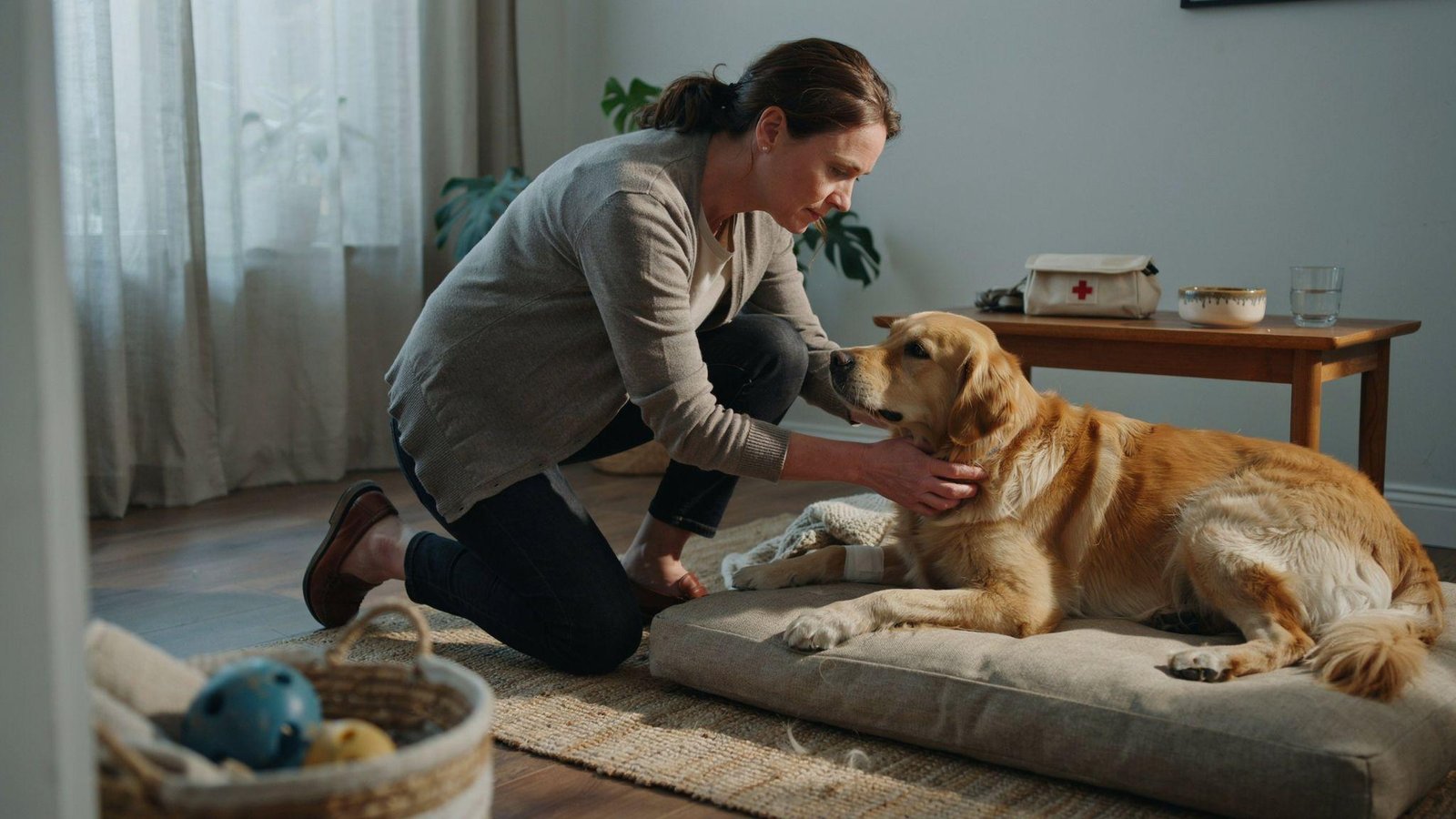
Stop all activity right away. No running, jumping, or playing. Movement can make an injury worse.
Keep your dog on a leash for bathroom breaks only and let them rest comfortably.
Step 2: Observe How Severe the Limp Is
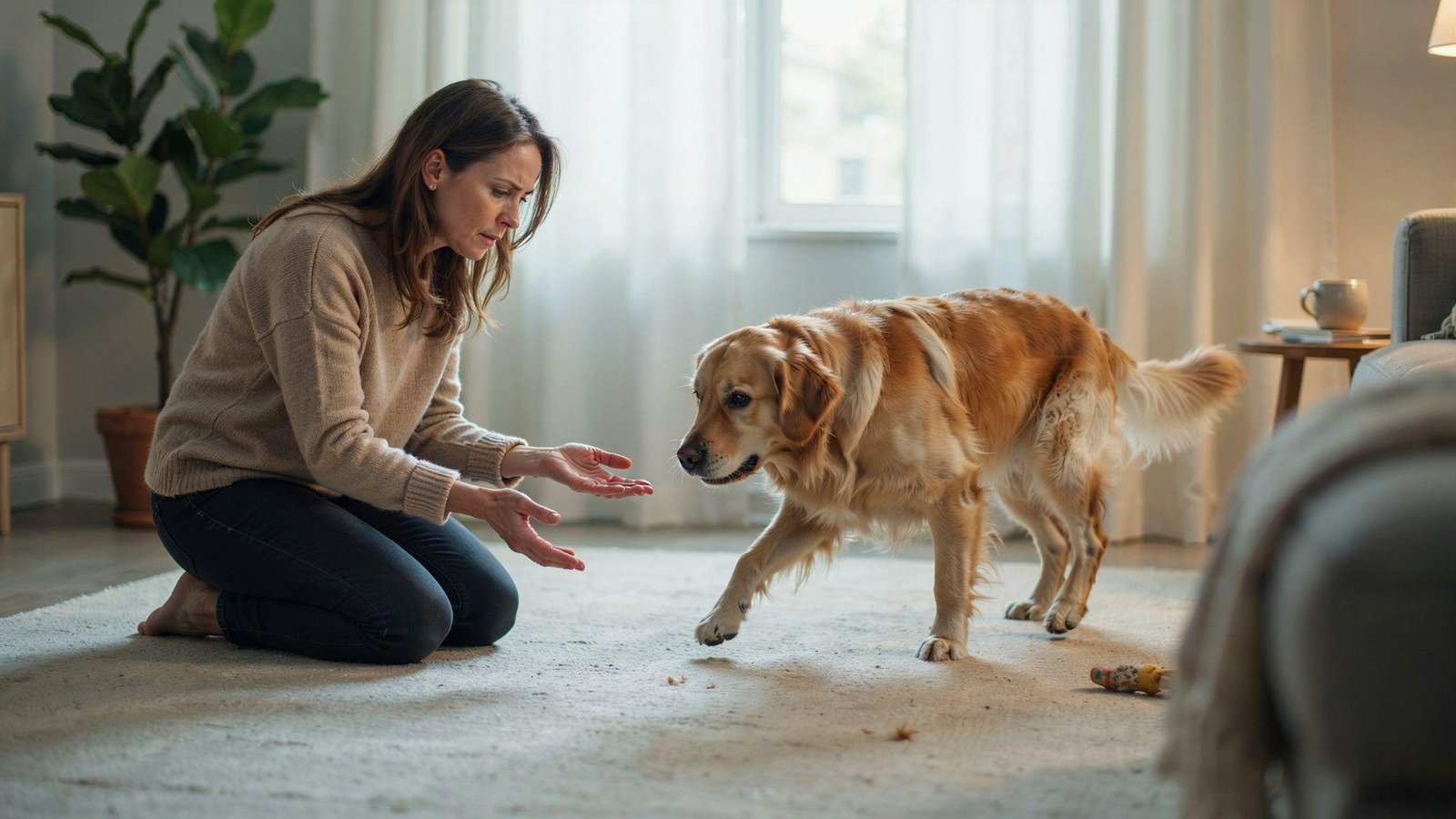
Watch your dog walk for a minute and ask yourself:
- Is your dog refusing to put any weight on the leg?
- Did the limp start suddenly or gradually?
- Is it getting worse or staying the same?
A dog that cannot bear weight needs vet attention quickly. A mild, stable limp can be watched at home for a short time.
Step 3: Check the Paw and Leg Carefully
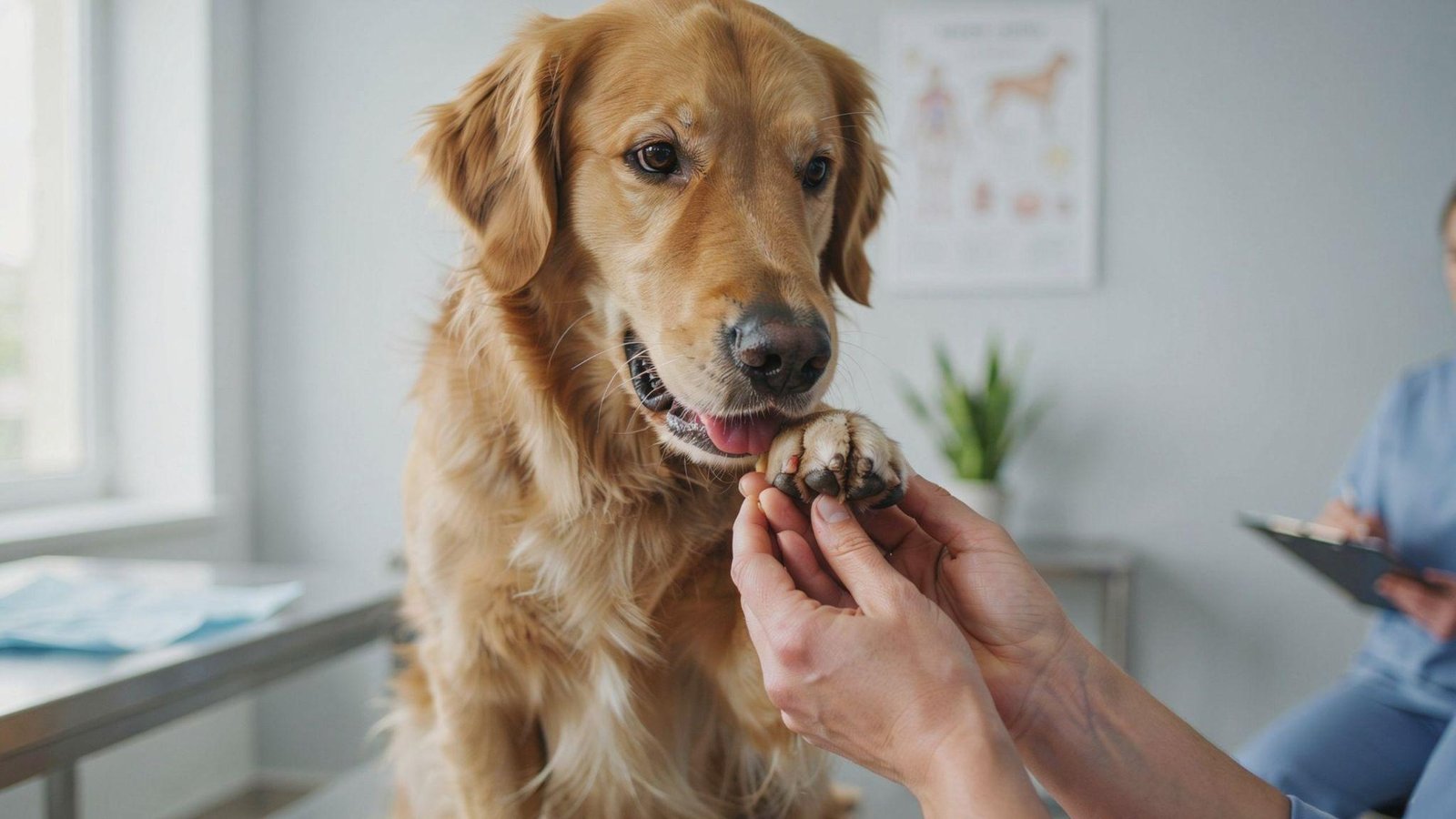
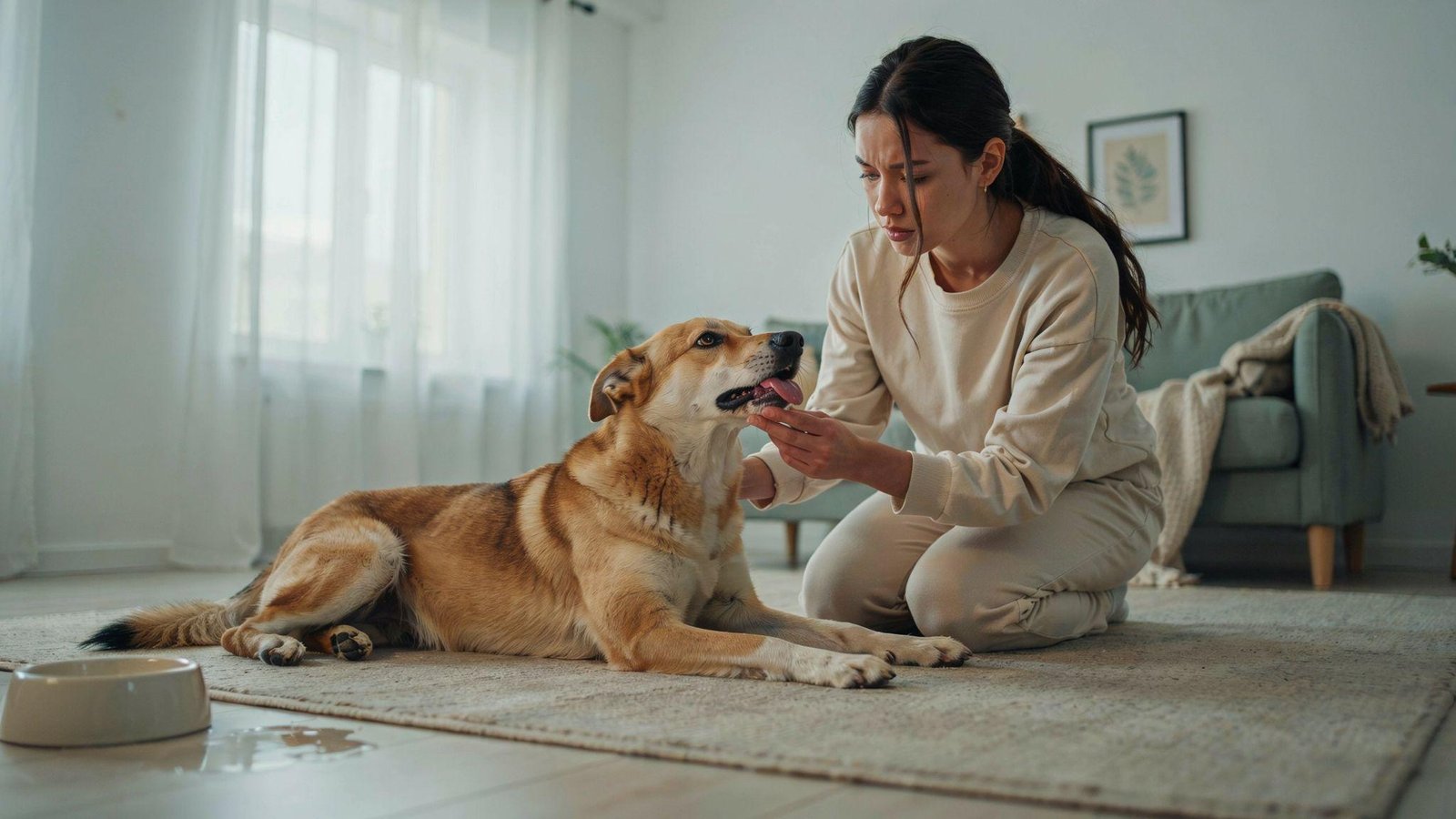
Once your dog is calm, do a quick gentle check.
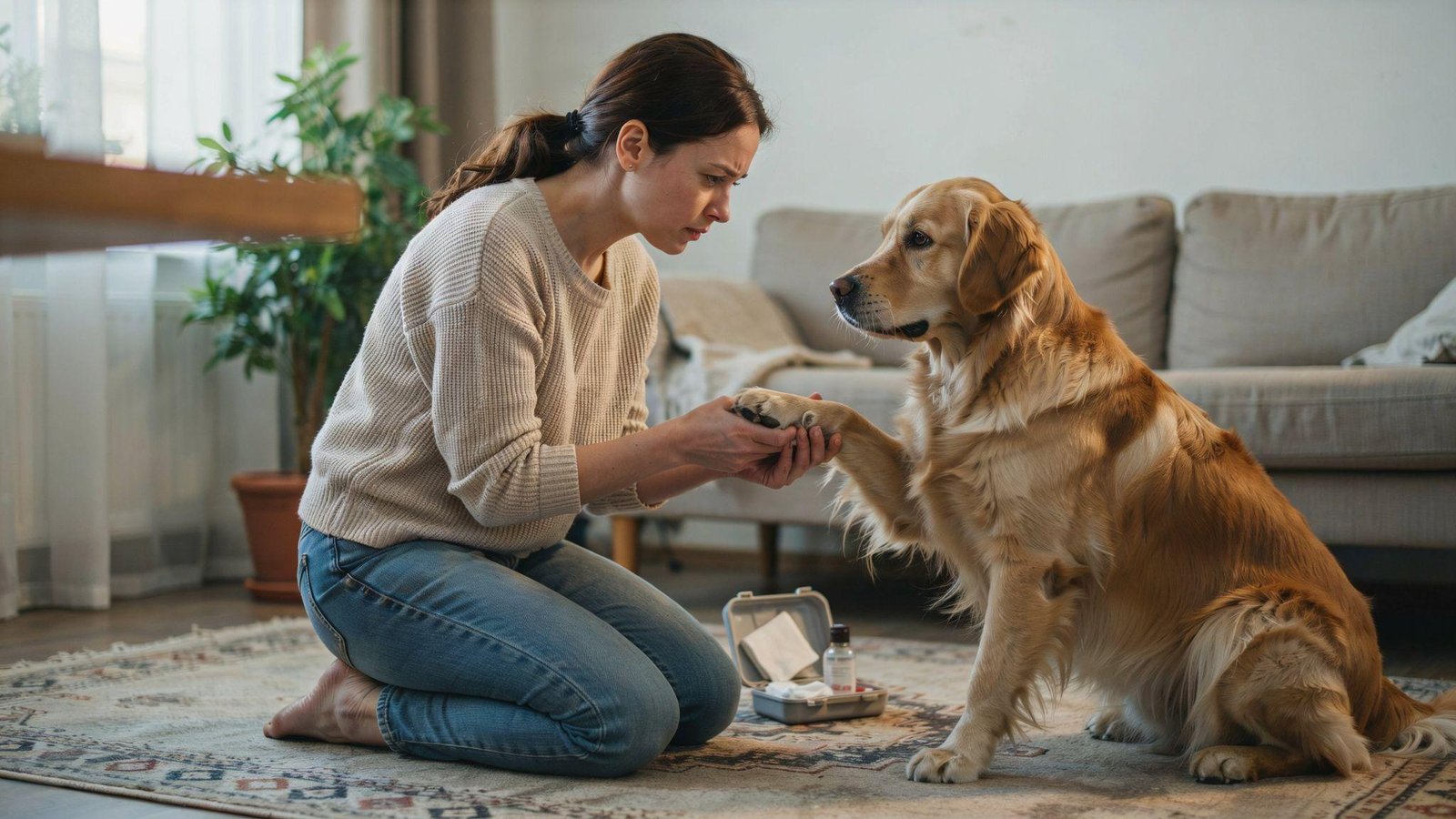
- Look between the toes for stones, thorns, or debris
- Check the paw pads for cuts or bleeding
- Inspect the nails for breaks or unusual angles
- Gently feel the leg and compare it to the other leg
If your dog pulls away, whimpers, or snaps during the check, stop right away. That means the area is painful and a vet needs to take a look.
Simple First Aid You Can Do at Home
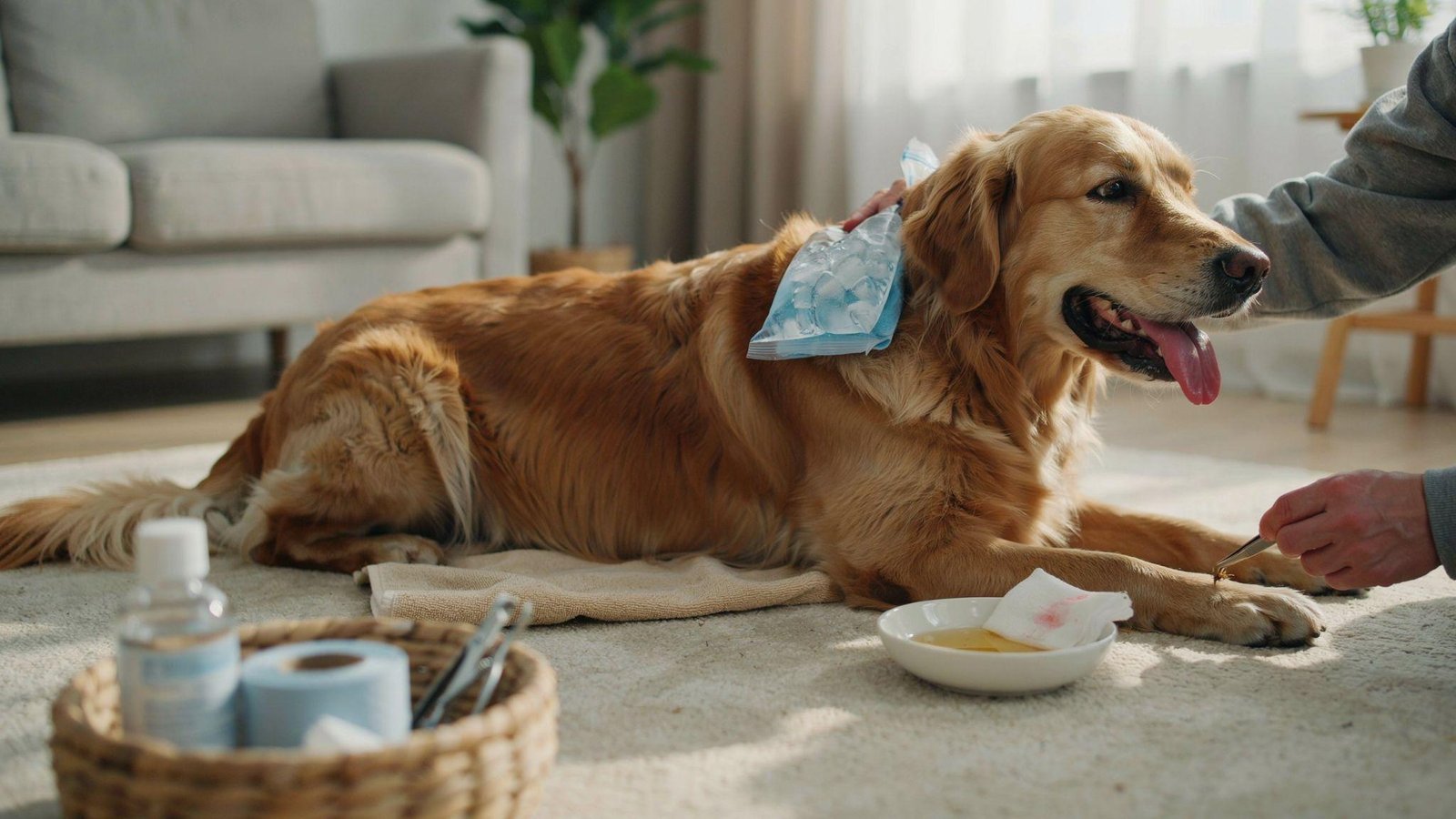
Some minor limps can be handled at home with basic care. Here is what to do based on what you find.
If Something Is Stuck in the Paw
If you can clearly see the object and it is easy to reach, remove it carefully with clean tweezers.
Once removed, clean the area with mild antiseptic or soap and warm water. Keep an eye on it for the next day or two.
If There Is Swelling or Mild Strain
Wrap an ice pack in a cloth and apply it to the area for 10 to 15 minutes. Do not place ice directly on the skin.
Repeat this a few times a day if the swelling continues.
If There Is a Minor Wound or Irritation
Rinse the area gently with warm water to clean it out.
An Epsom salt soak can help reduce irritation if your vet recommends it. Keep the paw clean and dry between soaks to avoid infection.
If the wound looks deep, is bleeding heavily, or does not improve within a day, skip home care and call your vet.
What NOT to Do When Your Dog Is Limping
Do not force your dog to walk, run, or exercise. Rest is important, and pushing them can make things worse.
Avoid pressing hard on a painful joint or any area where a fracture is possible. You could cause more harm without meaning to.
Never give your dog human painkillers like ibuprofen or paracetamol. These are toxic to dogs and can be life threatening.
Do not wait too long if the limp is getting worse. Early care always leads to better results.
When to See a Vet Immediately
Some signs need same-day emergency care.
Go to a vet right away if the limb looks bent or odd, your dog refuses to use the leg at all, there is severe swelling or heat, or you can see a visible fracture.
Limping with fever or extreme pain is also an emergency.
Book a vet visit within 24 to 48 hours if the limp does not improve, gets worse, has no clear cause, or your dog seems uncomfortable or is whining.
How Vets Diagnose a Limping Dog
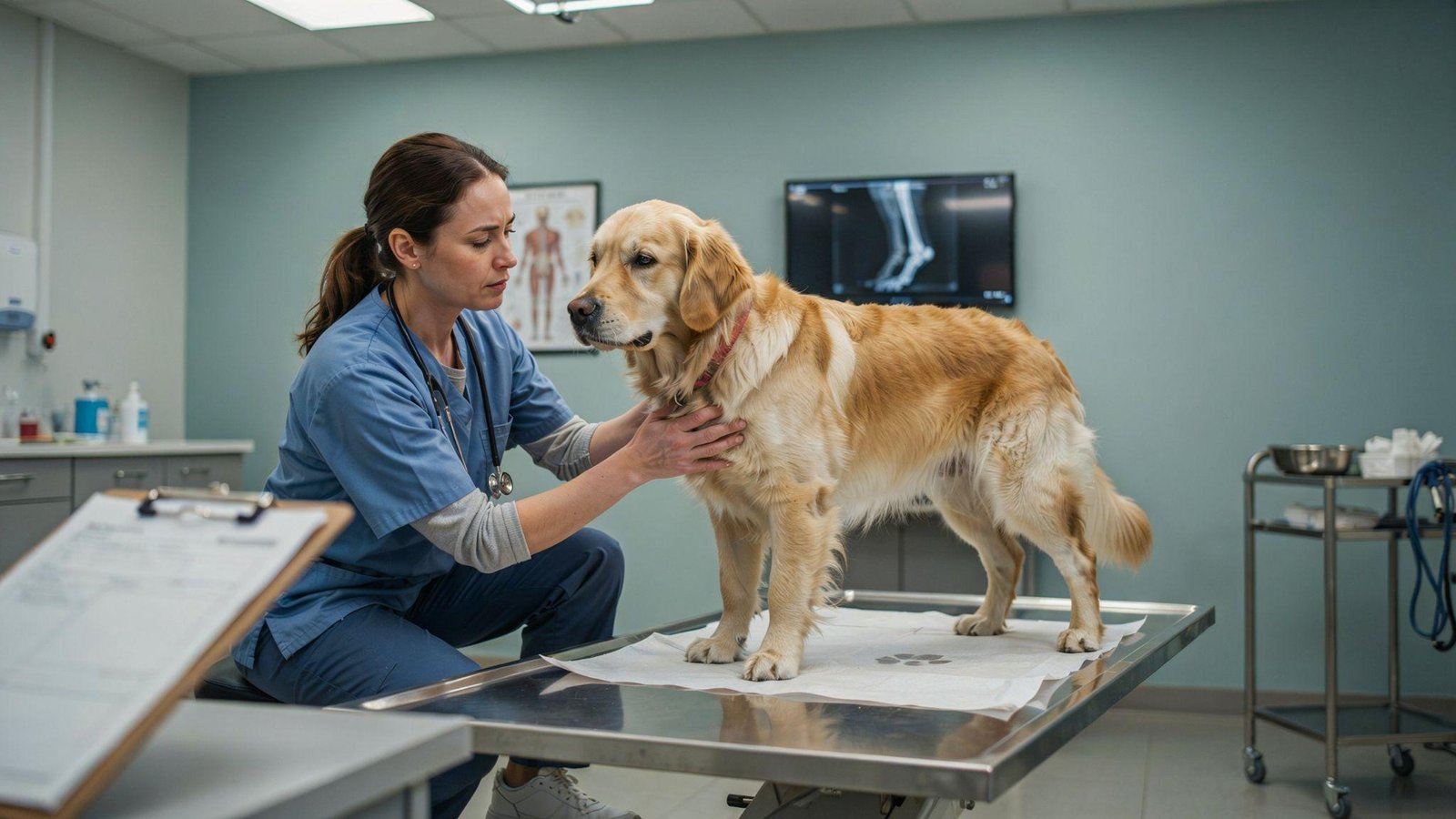
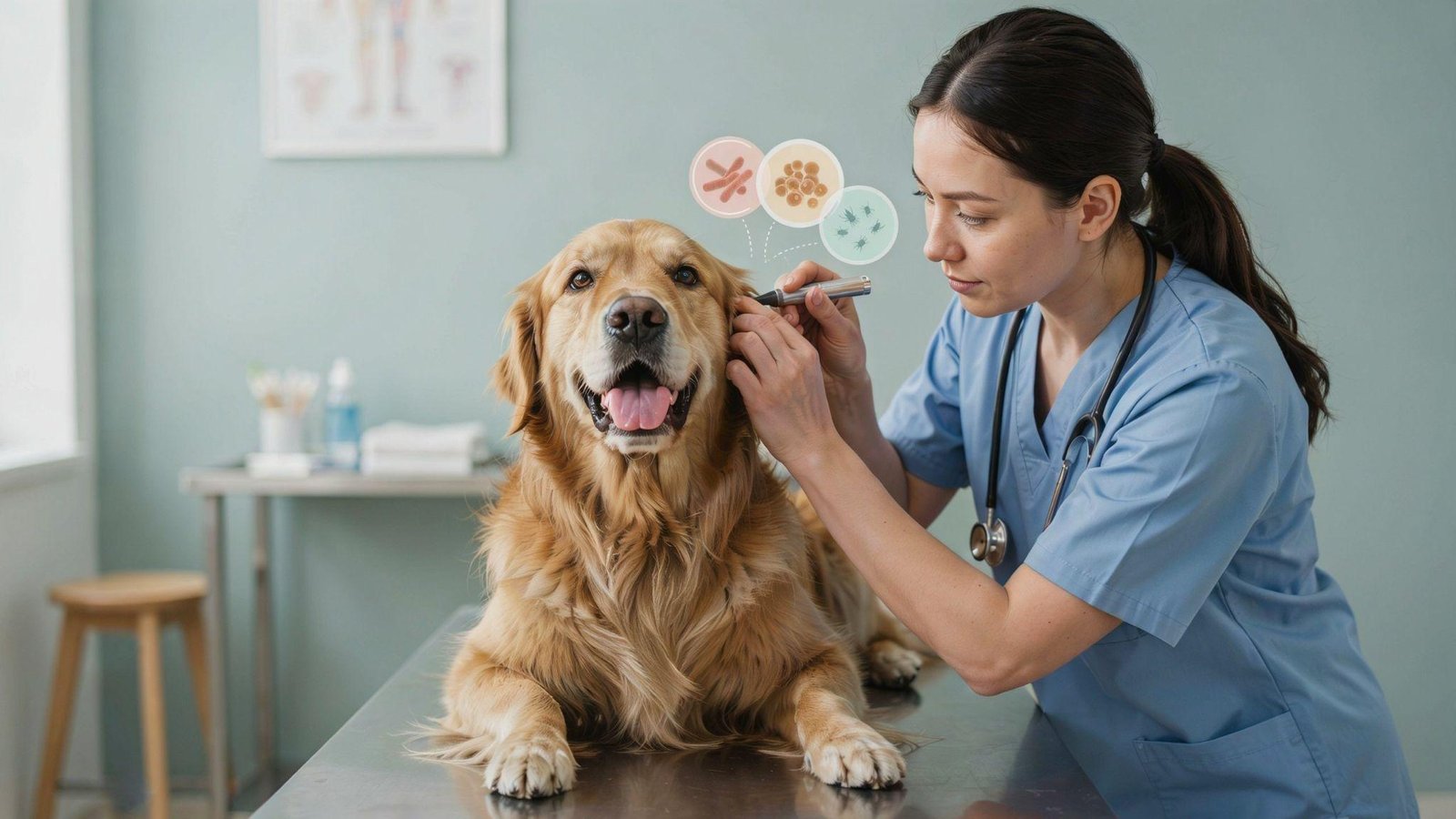
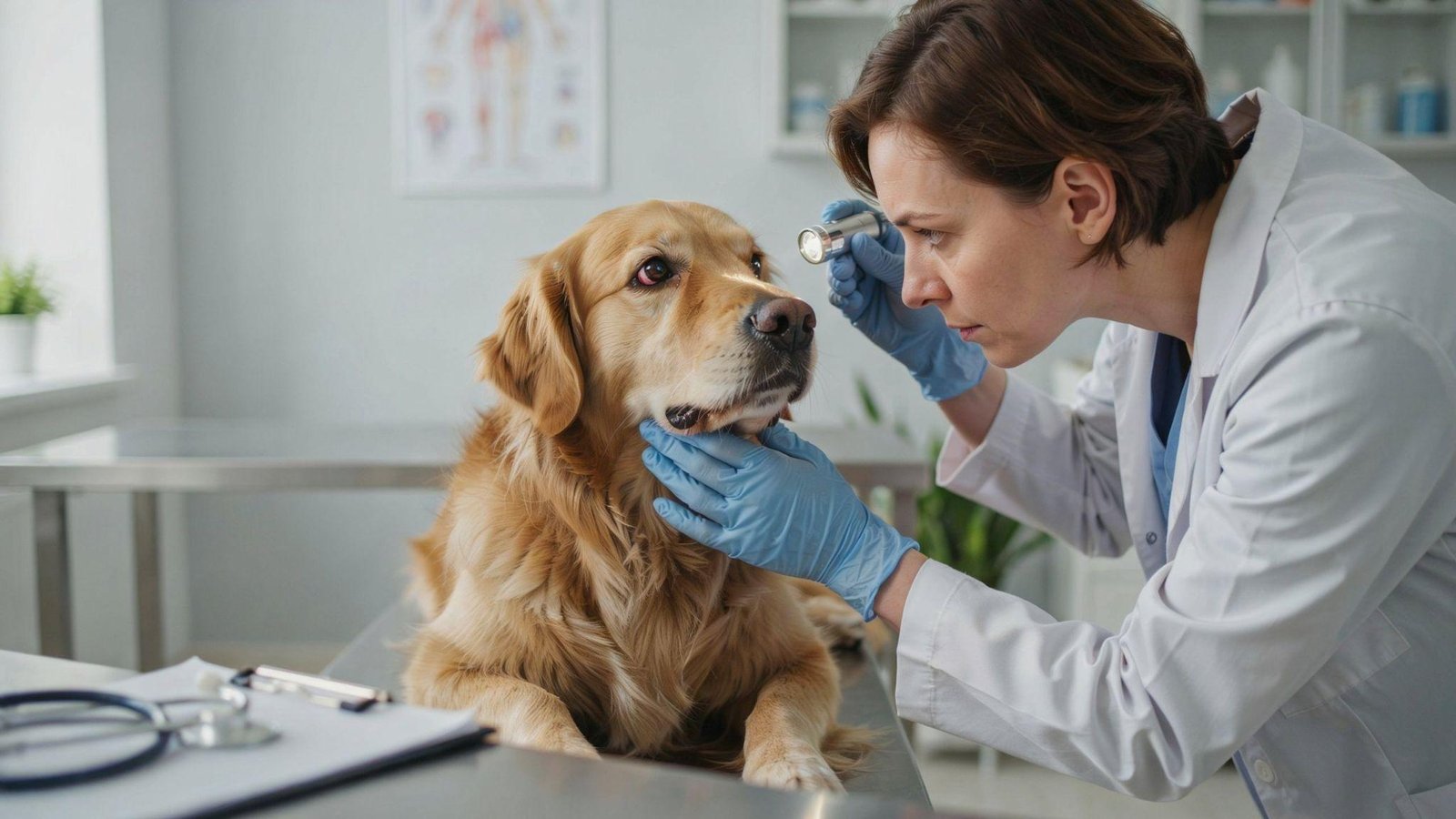
When you bring your dog in, the vet will start with a full physical check. They will feel the legs, joints, and paw area to find where the pain is coming from.
If a bone or joint issue is suspected, an X-ray will be taken. Blood tests may be done if an infection is a possibility.
Tick disease testing may also be carried out depending on your location and symptoms.
The vet will also consider your dog's breed, age, and health history. These details often point to the most likely cause.
Treatment Options for Limping Dogs
- Pain and anti-inflammatory medication helps reduce discomfort and swelling. Your vet will prescribe the right dosage based on your dog's size and condition.
- Rest and restricted activity is often the first step in recovery. Limiting movement gives the body time to heal properly.
- Antibiotics are prescribed when an infection is causing the limp. A full course of medication is important to clear it completely.
- Surgery may be needed for fractures, ligament tears, or joint problems. Your vet will discuss the best option based on the diagnosis.
- Physical therapy supports recovery after injury or surgery. Gentle exercises help rebuild strength and improve movement over time.
Conclusion
Most minor limps get better with rest and basic care at home. But the key is checking early before a small issue becomes a bigger one.
If the limp persists, worsens, or your dog seems to be in real pain, do not wait. Vet care at the right time makes a real difference.
Your dog cannot tell you what hurts. You are their voice.
Have questions or concerns about your dog's health? Talk to your vet today or drop your question in the comments below.
Frequently Asked Questions
Can I let my dog walk if they are limping?
Short bathroom walks on a leash are fine, but avoid any running or play. Rest is the most important part of early recovery.
How do I know if my dog's limp is serious?
If your dog refuses to put weight on the leg, has visible swelling, or seems to be in a lot of pain, contact your vet the same day.
Can I give my dog pain relief from my medicine cabinet?
No. Human painkillers like ibuprofen and paracetamol are toxic to dogs. Only give medication that has been prescribed or approved by your vet.
How long does a dog limp usually last?
A minor limp from a strain or small paw injury can improve within a day or two with rest. If it lasts longer than 48 hours, a vet visit is needed.
When should I go to an emergency vet for a limping dog?
Go immediately if the leg looks bent or out of place, your dog cannot use the leg at all, or the limp comes with fever, severe swelling, or extreme pain.