
I've seen dog owners panic when they noticed something "off" about their dog's mouth but couldn't explain what. That feeling is scary, and I want to help you understand it clearly.
In this article, I'll show you what pale gums look like in dogs, how to check them at home, and when to call your vet.
We'll cover normal vs pale gum colors, how to do a simple gum check at home, and the causes, warning signs, and treatment options you need to know.
With years of pet health research behind this guide, I can help you spot trouble early and act fast before it gets serious.
Understanding Gum Color in Dogs
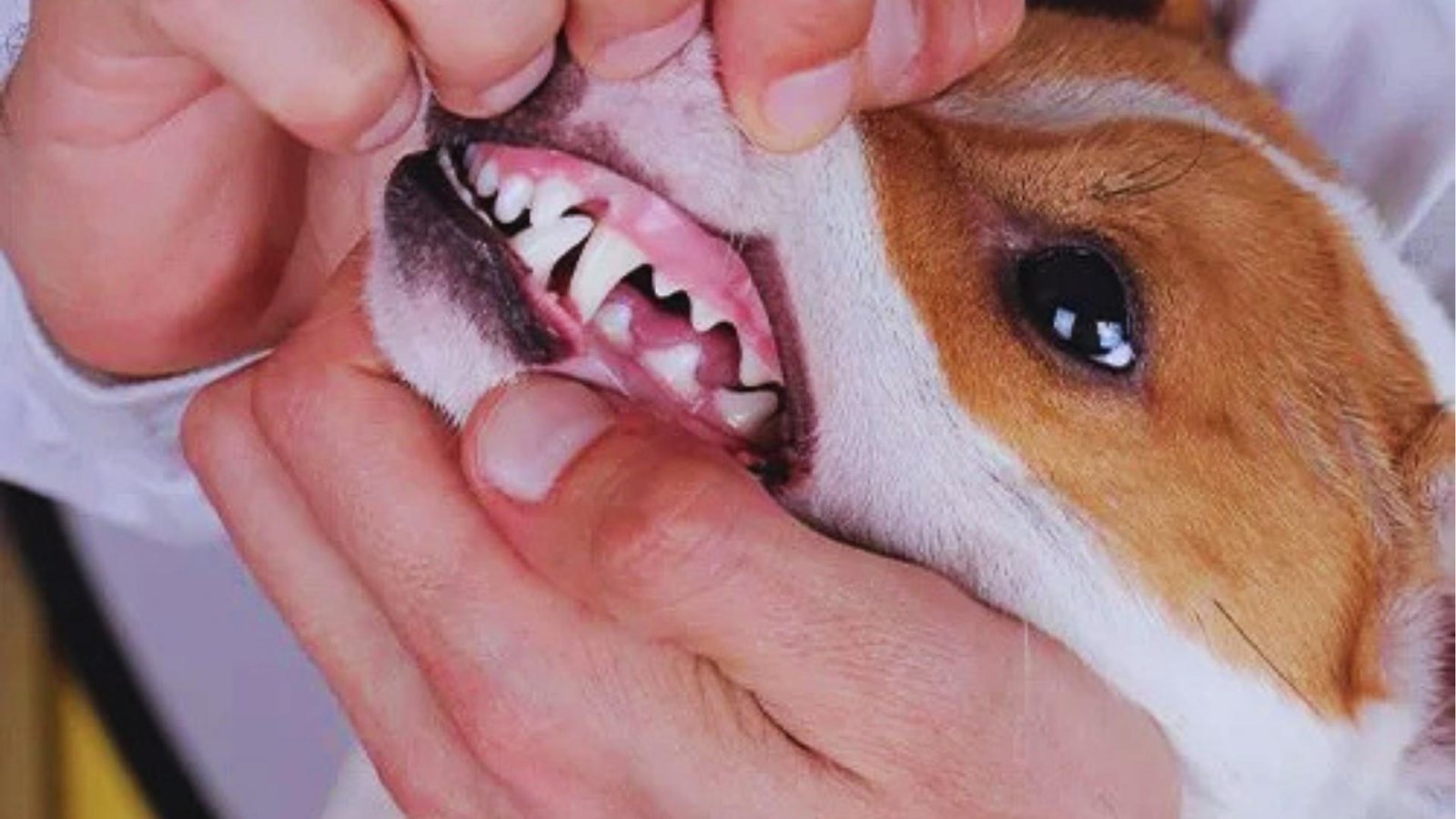
Your dog's gums tell you more about their health than most people realize. Healthy dog gums are bubblegum pink, bright, moist, and smooth to the touch.
If you press your finger on them and let go, the color should return within 1-2 seconds. The texture matters too. Healthy gums feel slick, not dry or sticky.
Gum color directly reflects blood flow and oxygen levels in the body. When circulation drops, gums lose that pink color fast.
This is your first visual clue that something may be wrong inside. Knowing what normal looks like makes it easier to spot changes early.
What Do Pale Gums Look Like in Dogs?
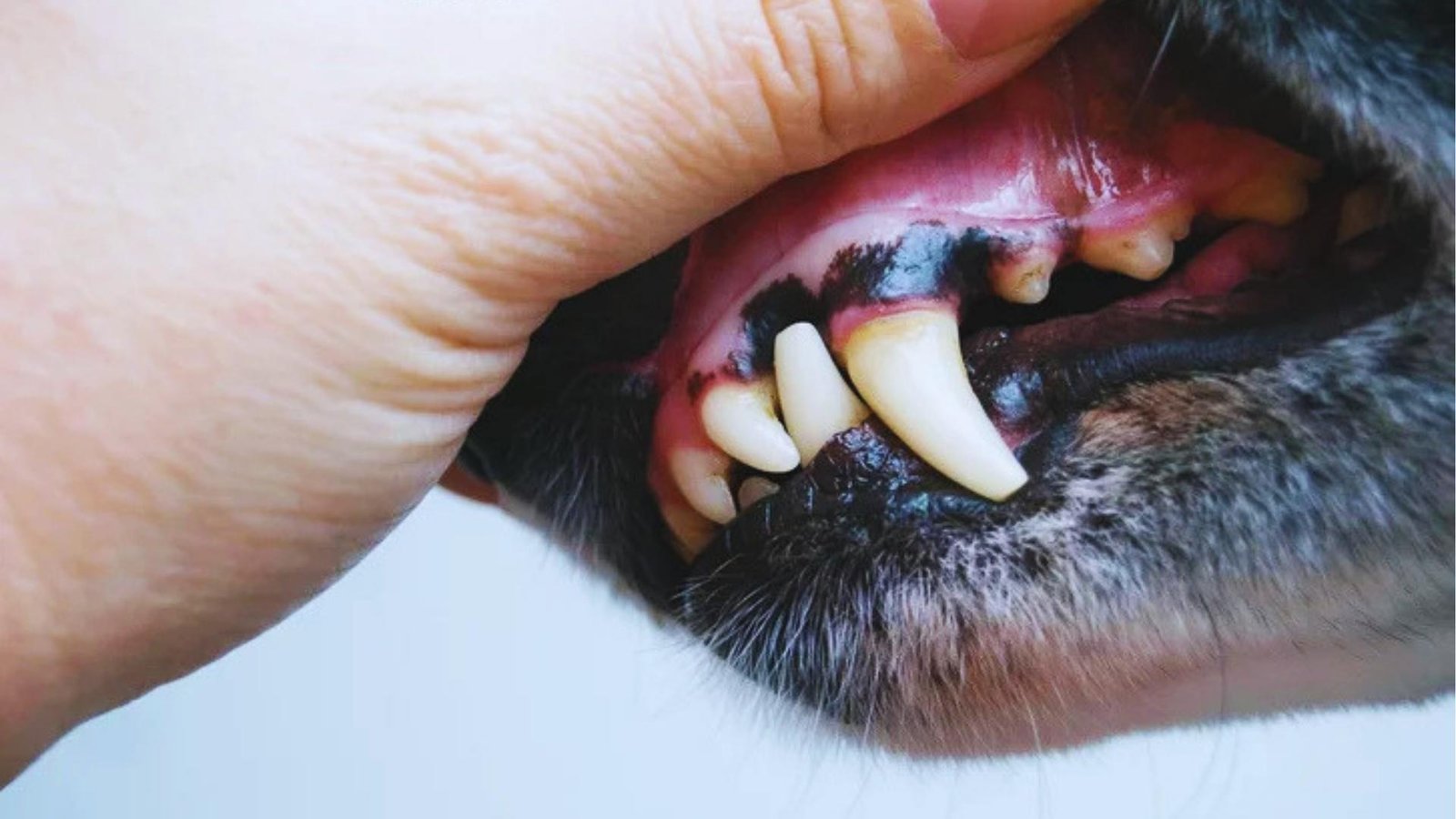
Knowing the exact look of pale gums can help you act before it gets serious.
Visual Signs of Pale Gums
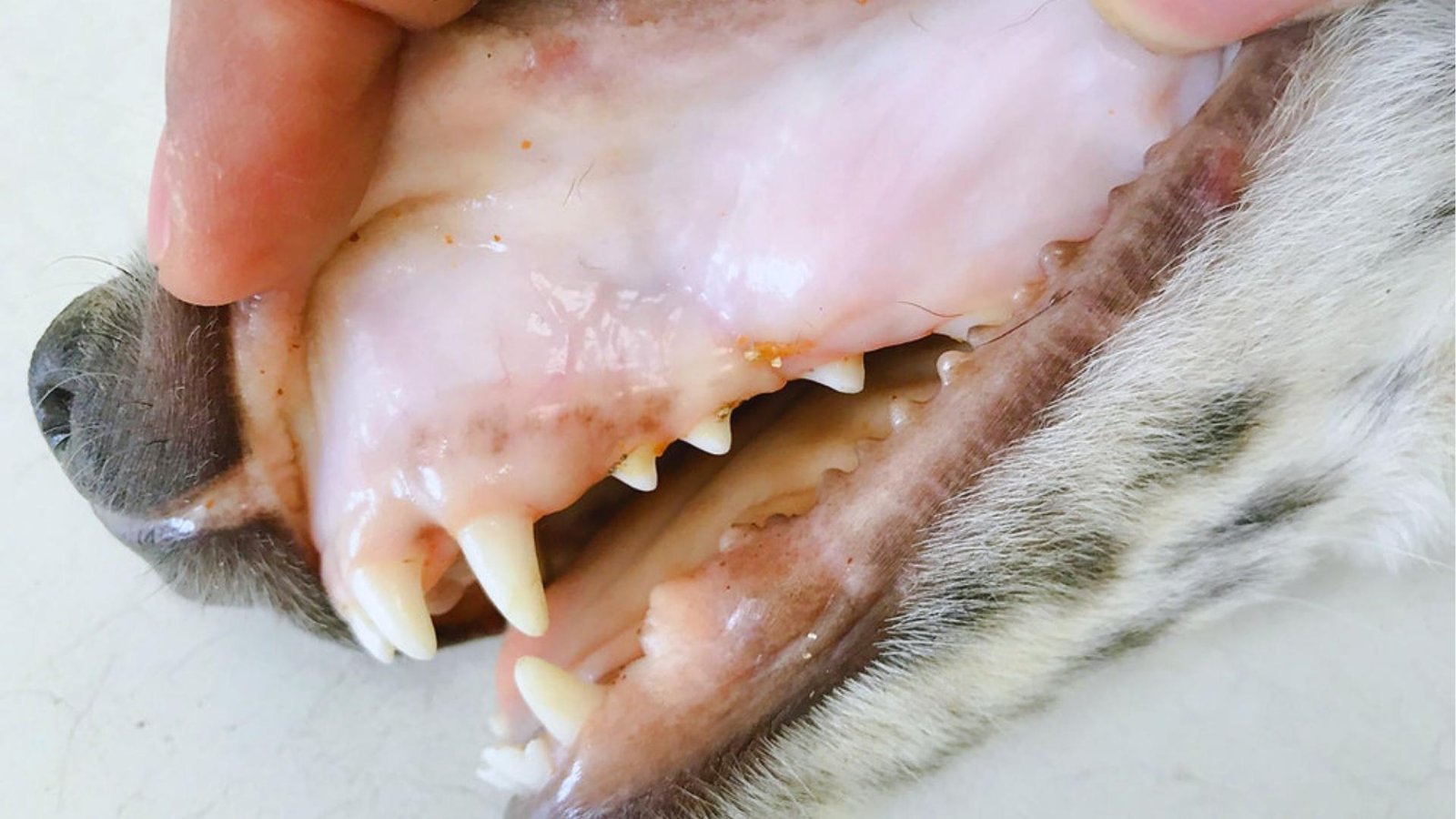
Pale gums can appear
- White or grayish
- Washed-out or faded pink
- Dry, dull, or sticky to the touch
They may look similar to the inside of your hand when you press on it hard and hold.
Comparing Normal vs Pale Gums
Normal gums are vivid and pink. Pale gums look like the color has been drained out. Mild paleness is a lighter pink. Severe cases show almost no color at all, closer to white or gray.
How Pale Is Too Pale?
Slight paleness may signal mild dehydration or stress. But white or gray gums are a medical emergency. Don't wait to see if it improves. Act right away.
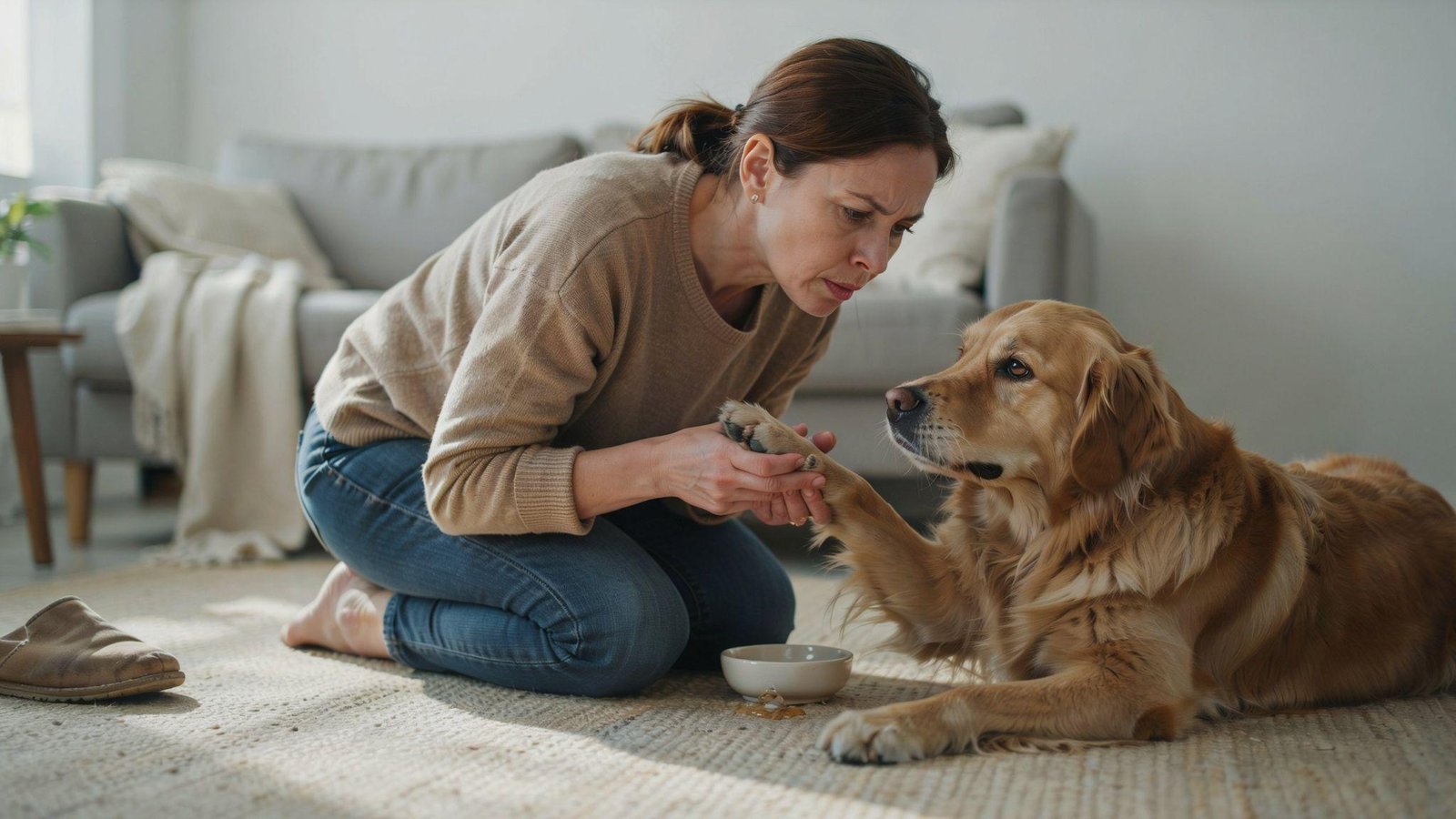
How to Check Your Dog's Gums at Home
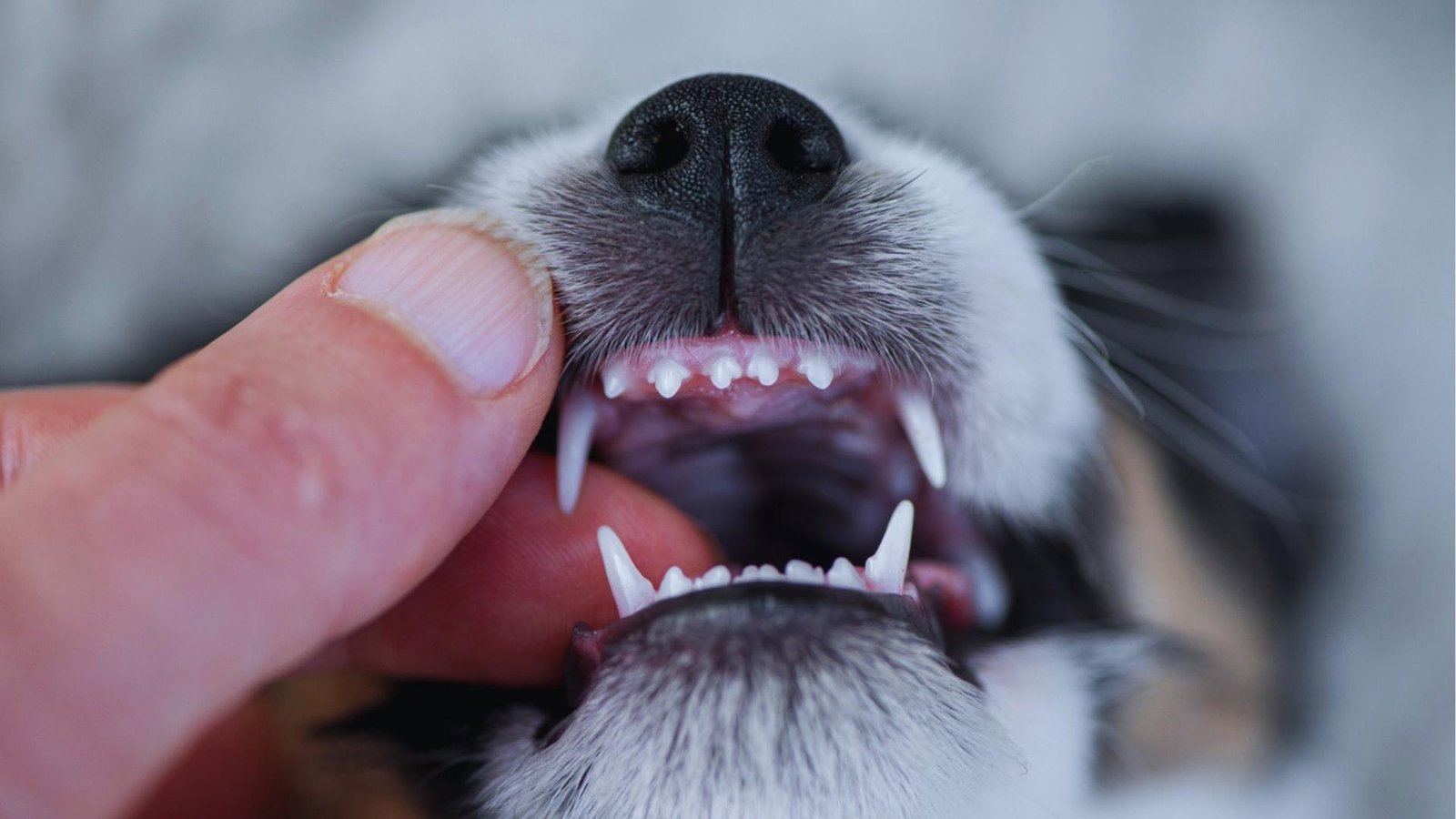
A quick and simple check you can do in under a minute.
Simple Step-by-Step Check
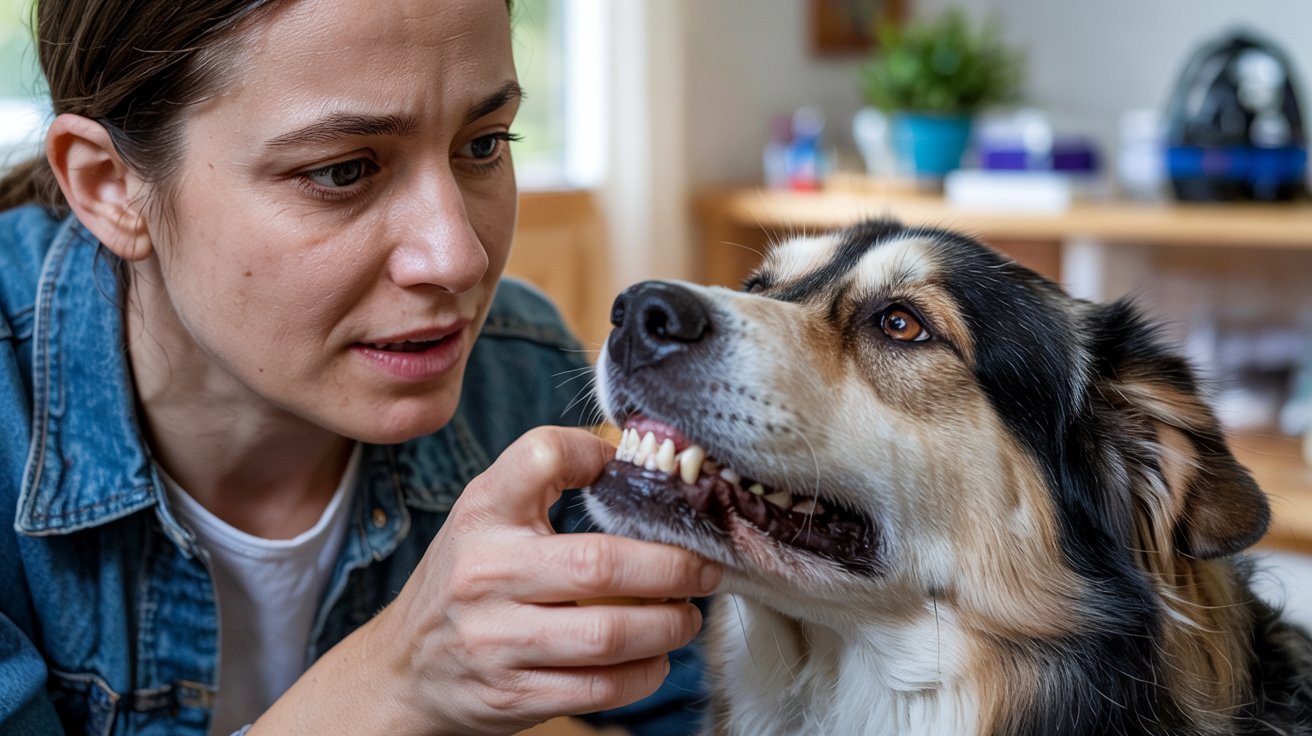
- Sit your dog in a calm position
- Gently lift the upper lip
- Look at the gum line above the front teeth
- Note the color and texture
Do this regularly so you know what "normal" looks like for your dog.
Capillary Refill Test
Press your finger firmly on the gum for 2 seconds. Release and watch the color return.
- Normal: Color returns in 1-2 seconds
- Delayed: Takes more than 2 seconds, may signal poor circulation
Checking Dogs with Dark Gums
Some breeds have naturally dark or spotted gums.
In that case, check:
- The inner lower eyelid (should be pink, not pale or white)
- The tongue (should be pink and moist)
Causes Behind Pale Gums in Dogs
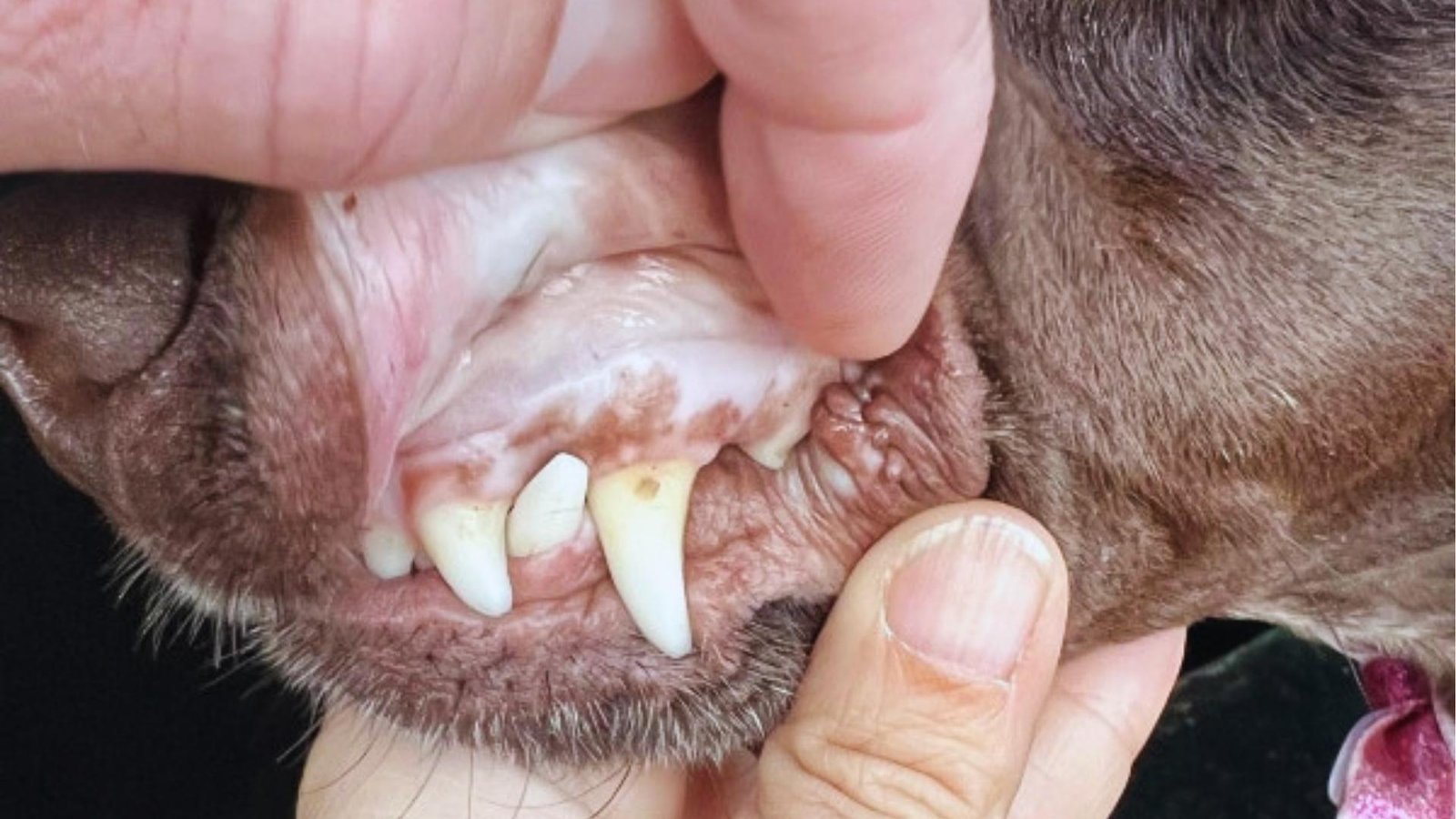
Pale gums are a symptom, not a disease. The cause can range from mild to serious.
Anemia and Blood Loss
Anemia is one of the most common causes.
It can happen due to:
- Internal bleeding
- Heavy parasite load (fleas, ticks, hookworms)
- Red blood cell destruction from illness
Poor Circulation and Shock
Heart problems or trauma can cause blood pressure to drop. When the body goes into shock, blood is pulled away from the surface tissues, including the gums.
Mild Causes Like Dehydration
Dehydration can cause a temporary, lighter gum color. This is less severe but still worth monitoring. Make sure your dog is drinking enough water daily.
Symptoms That Help Identify Severity
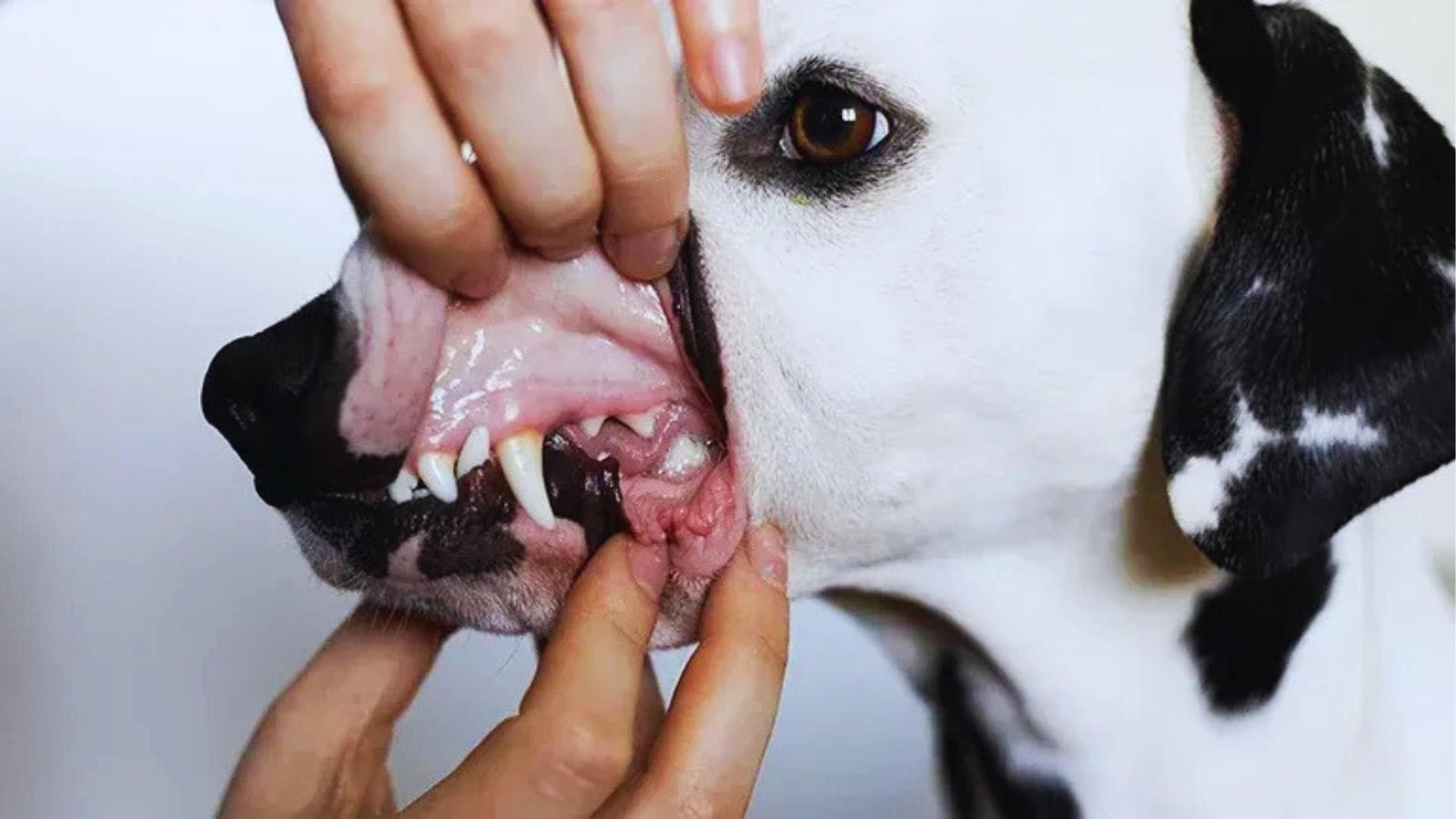
Other signs alongside pale gums can tell you how urgent the situation is.
Mild Symptoms
- Low energy or lethargy
- Slight drop in appetite
- Less playful than usual
These alone may not be emergencies, but combined with pale gums, they deserve attention.
Severe Warning Signs
Act immediately if you notice
- Collapse or inability to stand
- Rapid or labored breathing
- Cold paws or ears
- Vomiting or diarrhea
- Unresponsiveness
These signs alongside pale gums = emergency vet visit now.
When Pale Gums Become an Emergency
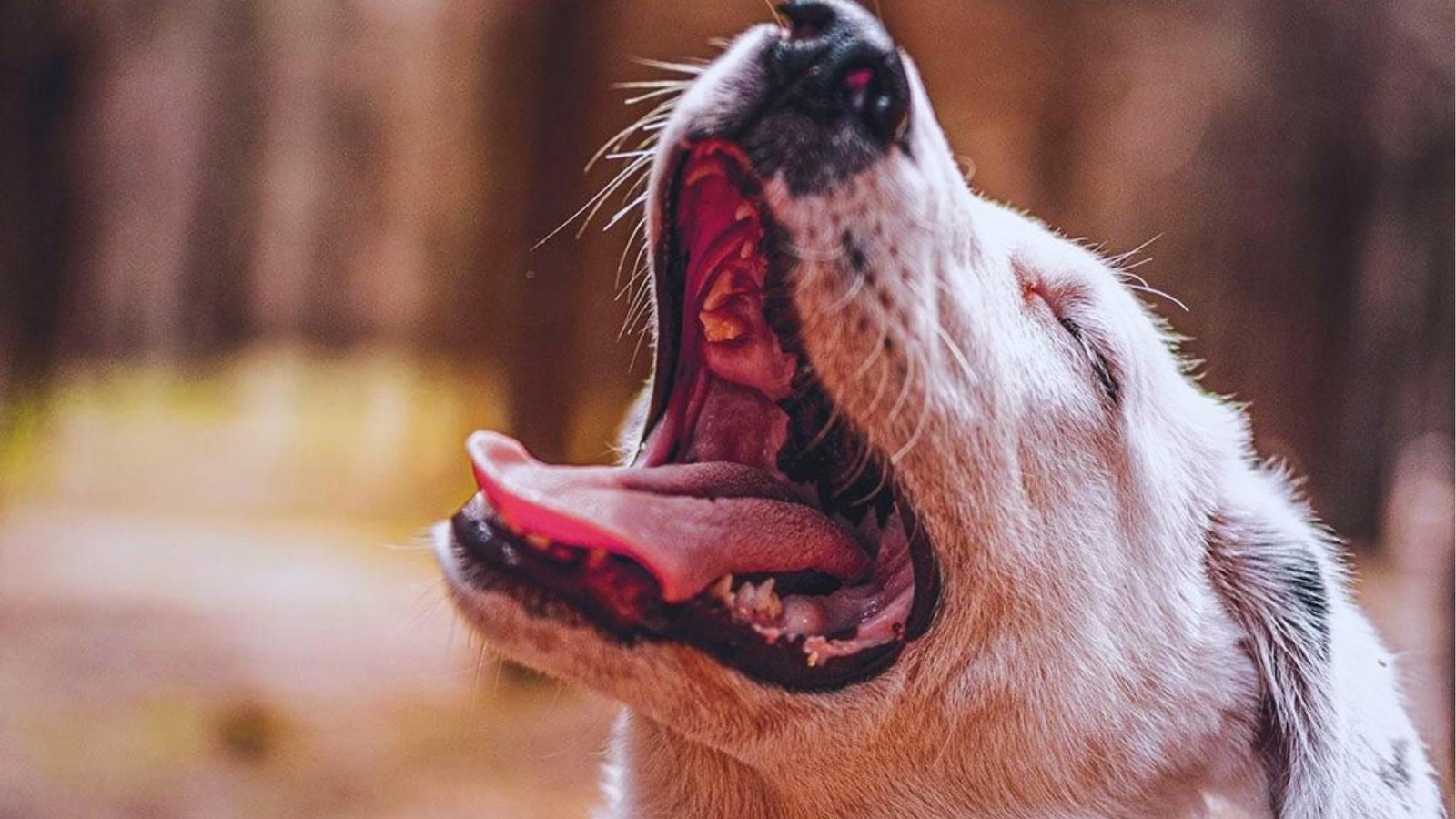
Some situations can't wait. Knowing when to go is critical.
Critical Signs to Watch
Call your vet or go to an emergency clinic if your dog has
- White or gray gums
- Trouble breathing
- Sudden weakness or collapse
Conditions Linked to Emergencies
Pale gums are often linked to
- Internal bleeding from injury or tumors
- Severe anemia from disease or parasites
- Heatstroke, which affects blood flow rapidly
Don't assume it will pass. These conditions worsen fast.
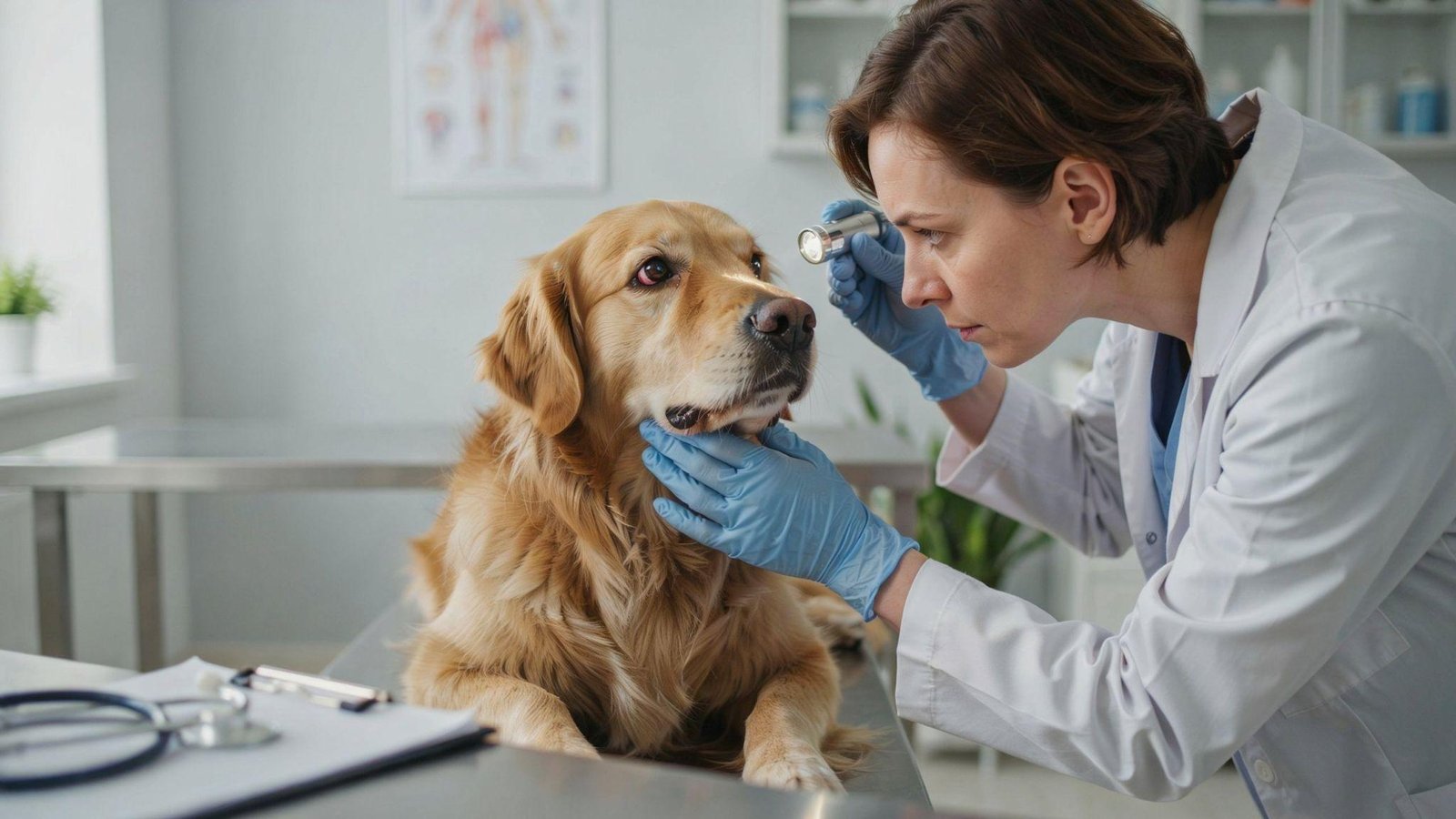
How Vets Diagnose and Treat Pale Gums
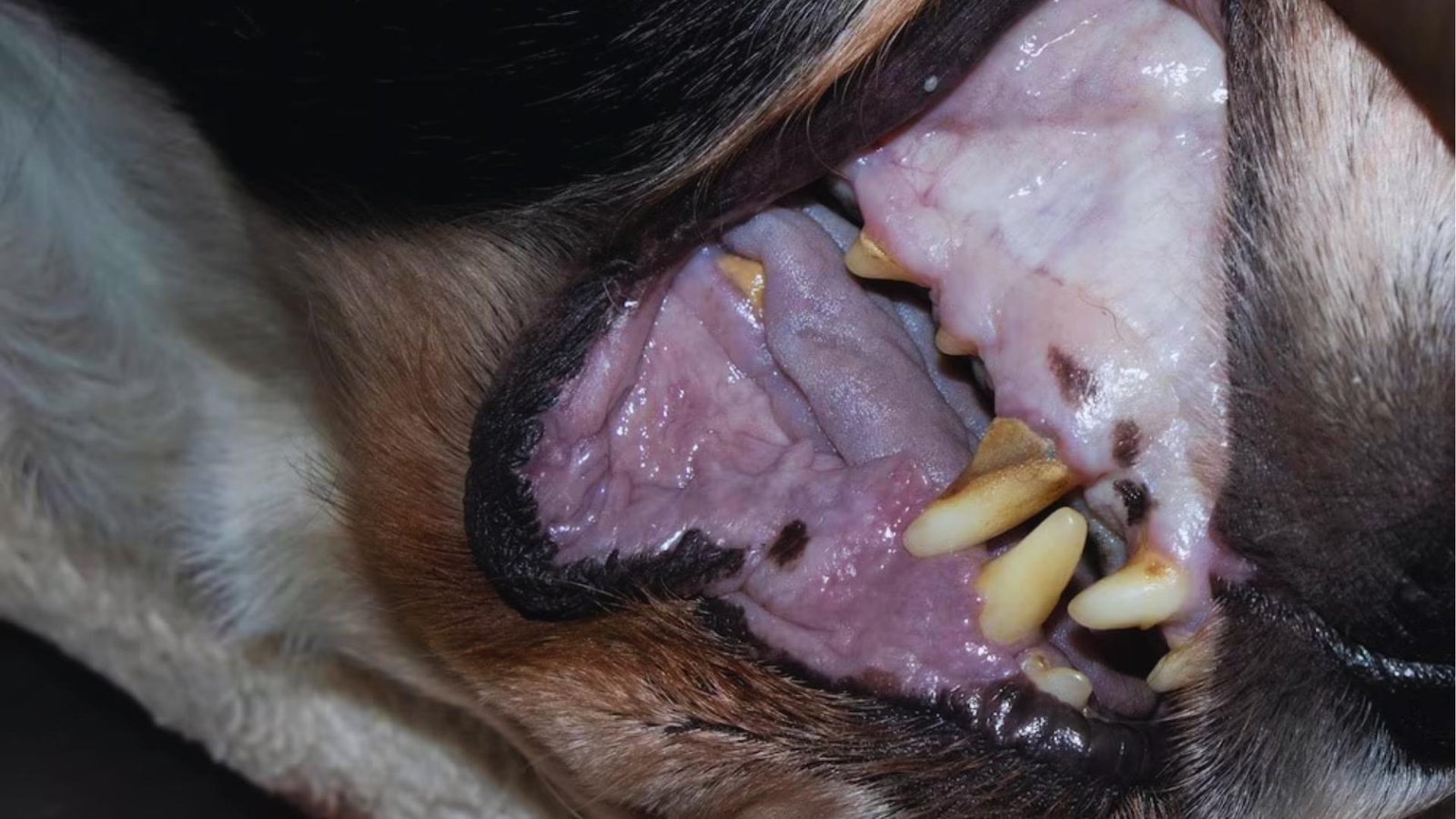
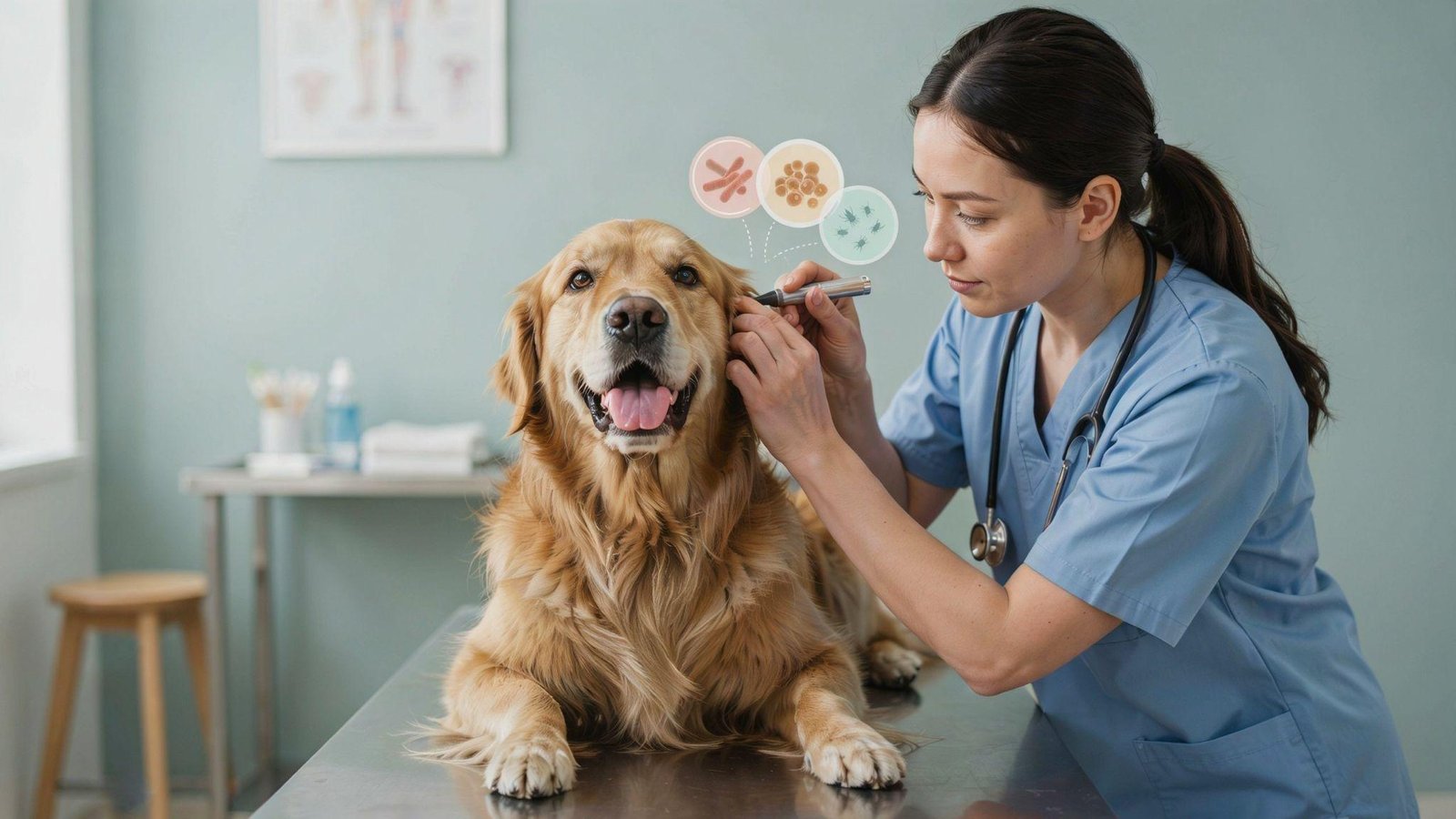
Your vet has the tools to find the root cause and start the right treatment.
Diagnostic Methods
A vet will likely
- Do a full physical exam
- Run blood tests to check red blood cell count
- Use X-rays or ultrasound to look for internal bleeding or organ issues
Treatment Options
Treatment depends on the cause
- Fluids and medications for dehydration or infection
- Blood transfusion for severe anemia
- Surgery if internal bleeding is found
The faster you act, the better the outcome for your dog.
Tips for Monitoring Your Dog's Gum Health
Small habits can make a big difference in catching problems early.
- Know the baseline Learn your dog's normal gum color today so you can spot any changes quickly and confidently.
- Check weekly Make gum checks part of grooming or cuddle time so it feels easy and natural for both of you.
- Track changes If your dog's gums look different two days in a row, call your vet without waiting too long.
- Act quickly. Don't wait and hope things improve on their own. Early action can seriously save your dog's life.
- Stay consistent Regular checks build a habit that helps you catch warning signs before they turn into emergencies.
Conclusion
If you've made it this far, you clearly care deeply about your dog. That already puts you ahead. I remember the first time I checked my dog's gums after learning about this.
It felt strange, but now it's second nature. Knowing what pale gums look like in dogs gave me confidence to act fast when it mattered.
Check your dog's gums today. Make it a habit. And if something looks off, call your vet right away. Share this with a fellow dog parent who might need it.
Frequently Asked Questions
Can stress cause pale gums in dogs?
Yes, stress or fear can temporarily reduce blood flow to the gums. The color should return to normal once your dog calms down.
How quickly should I act if I notice pale gums?
If the gums are white or gray, go to a vet immediately. For light pink or dull gums, call your vet within the hour and describe what you see.
Are pale gums always a sign of something serious?
Not always. Mild dehydration or brief stress can cause slight paleness. But it should never be ignored, especially if other symptoms appear alongside it.
What breeds are harder to check for pale gums?
Breeds like Chow Chows and Shar-Peis have darker or spotted gums naturally. Check their inner eyelids or tongue for a more accurate color read.
Can I treat pale gums at home?
No. Pale gums are a symptom that needs a professional diagnosis. You can monitor and check at home, but treatment always requires a vet.