
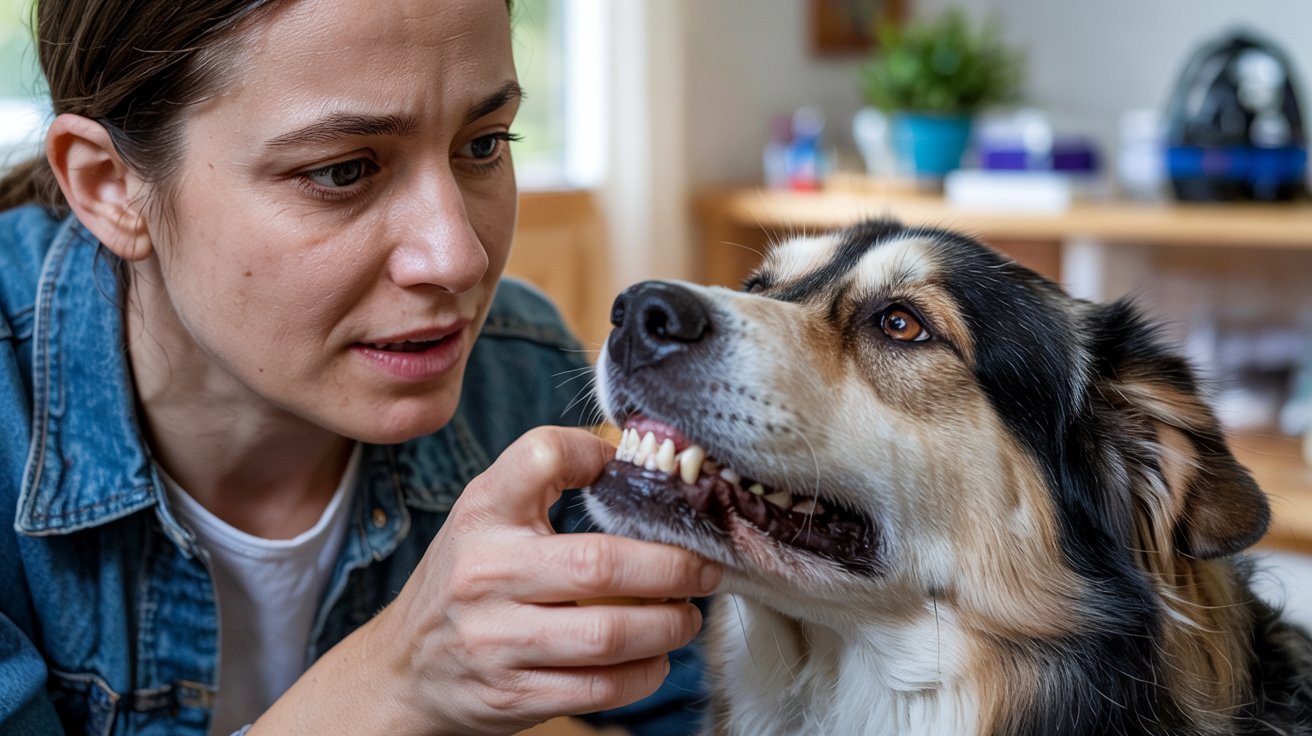
I noticed it during a regular cuddle session. My dog yawned, and I caught a glimpse of brown along his teeth. It stopped me cold.
That one moment pushed me to research something I had completely overlooked as a dog owner.
If your dogs teeth are brown, this blog is written with that exact concern in mind.
I've gone through vet sources, dental care guides, and real owner experiences to bring you what actually matters.
Some causes are minor. Others point to something more serious.
By the end of this, you'll know exactly what's going on and what steps to take next.
What It Means When Dogs Teeth Are Brown
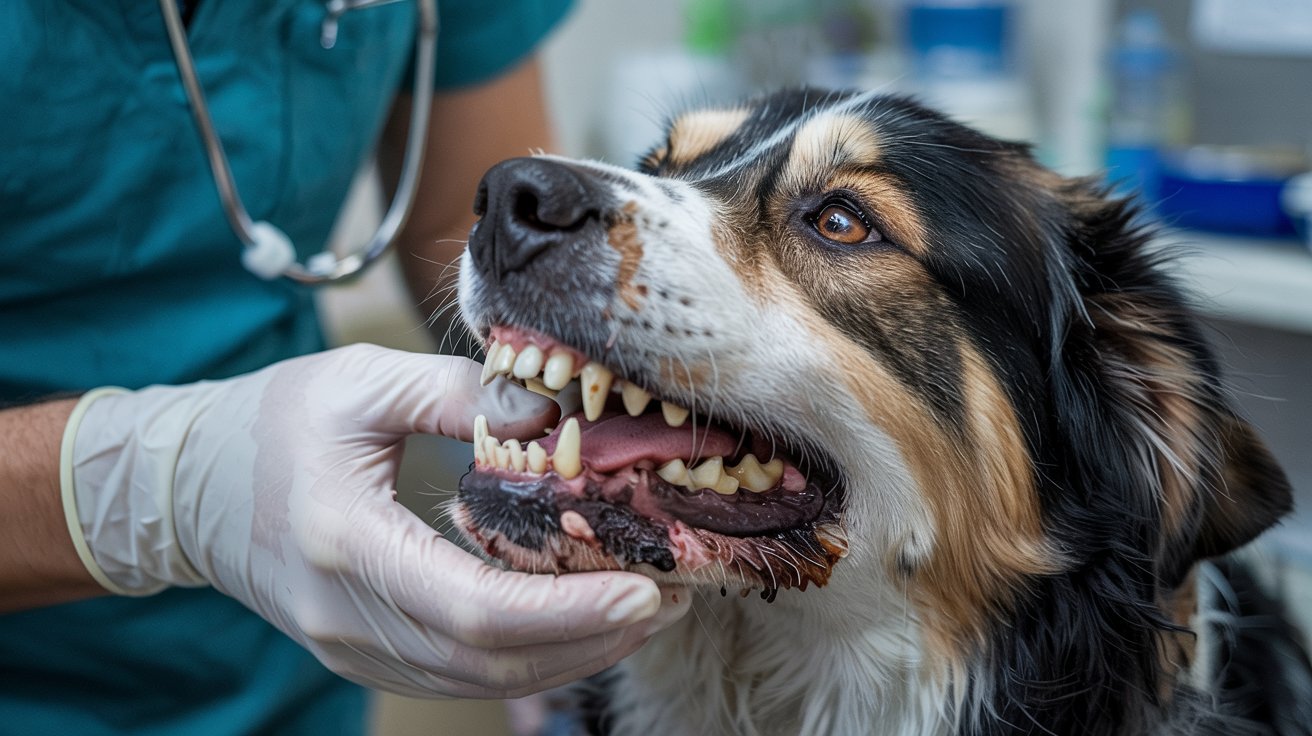
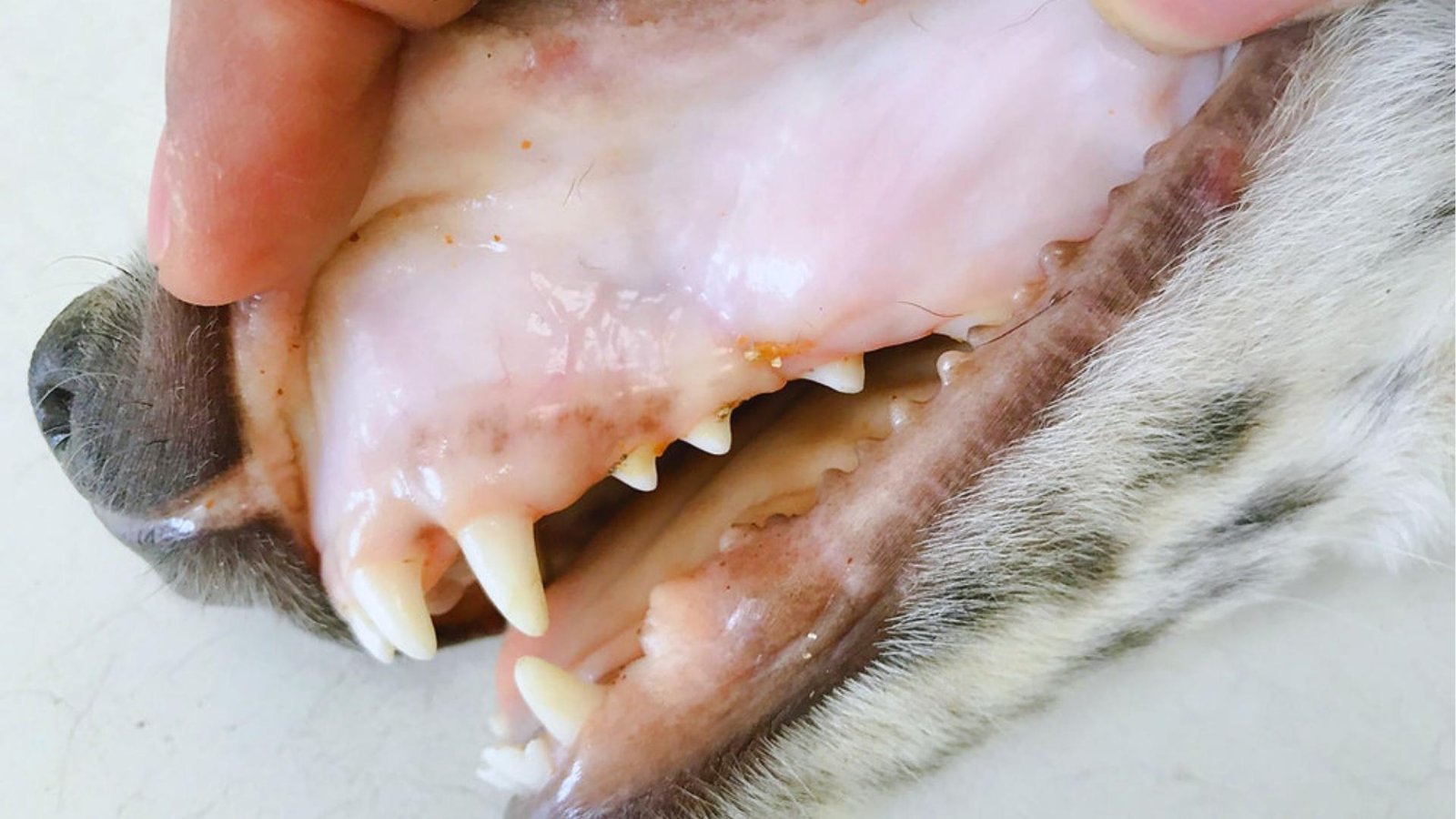
Brown teeth usually point to one thing: a buildup of plaque or tartar that hasn't been dealt with. It's one of the most common dental issues vets see.
There's a difference between light surface staining and actual dental disease. A small amount of discoloration can be normal, especially in older dogs. But thick brown coating is a different story.
Plaque is a sticky film of bacteria that forms on teeth daily. When it's not removed, it hardens into tartar, causing that brown or yellow appearance.
This isn't just cosmetic. Poor oral hygiene in dogs is directly linked to heart, kidney, and liver problems over time.
Causes of Dogs Teeth Are Brown (7 Key Reasons)
There's usually more than one factor at play. Here are the seven most common reasons.
1. Plaque Buildup
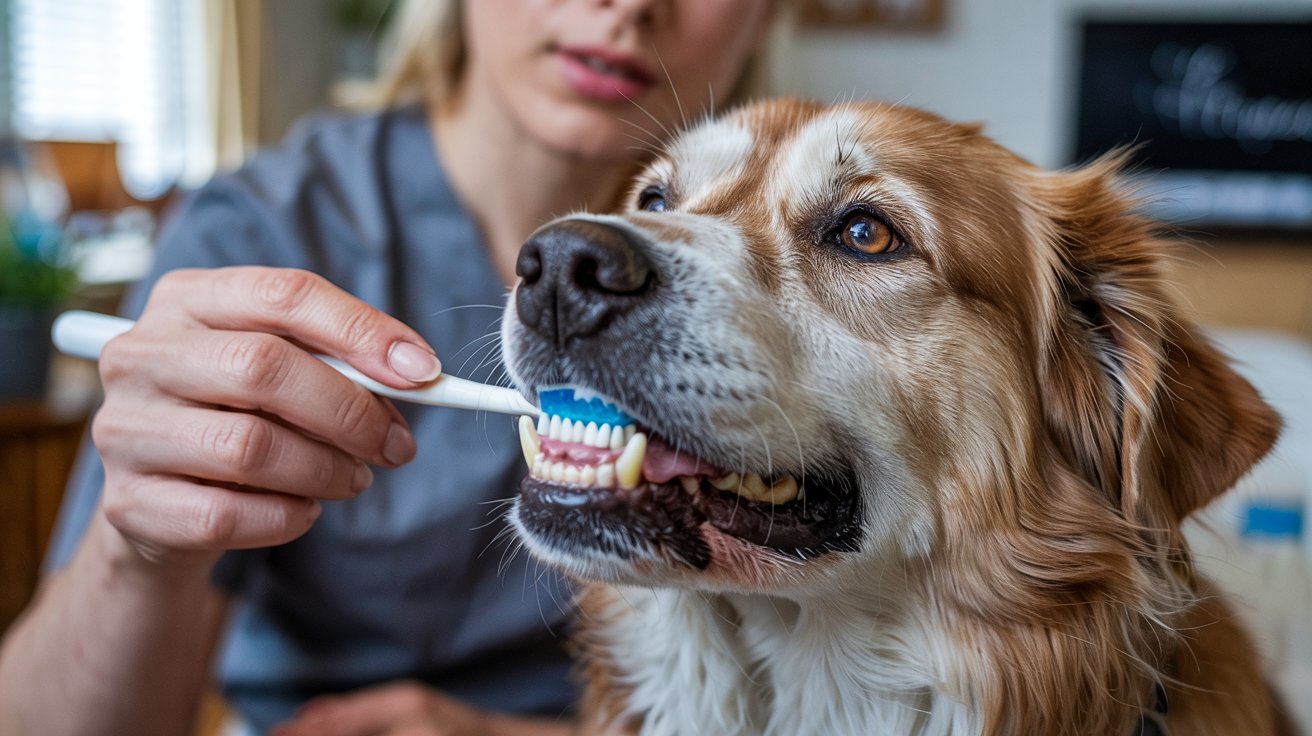
Plaque is a soft, sticky layer of bacteria that coats your dog's teeth after every meal. It forms fast and builds up quietly.
Left alone, it becomes the starting point for all serious dental problems.
Daily brushing is the only reliable way to stop it early.
2. Tartar (Calculus) Formation
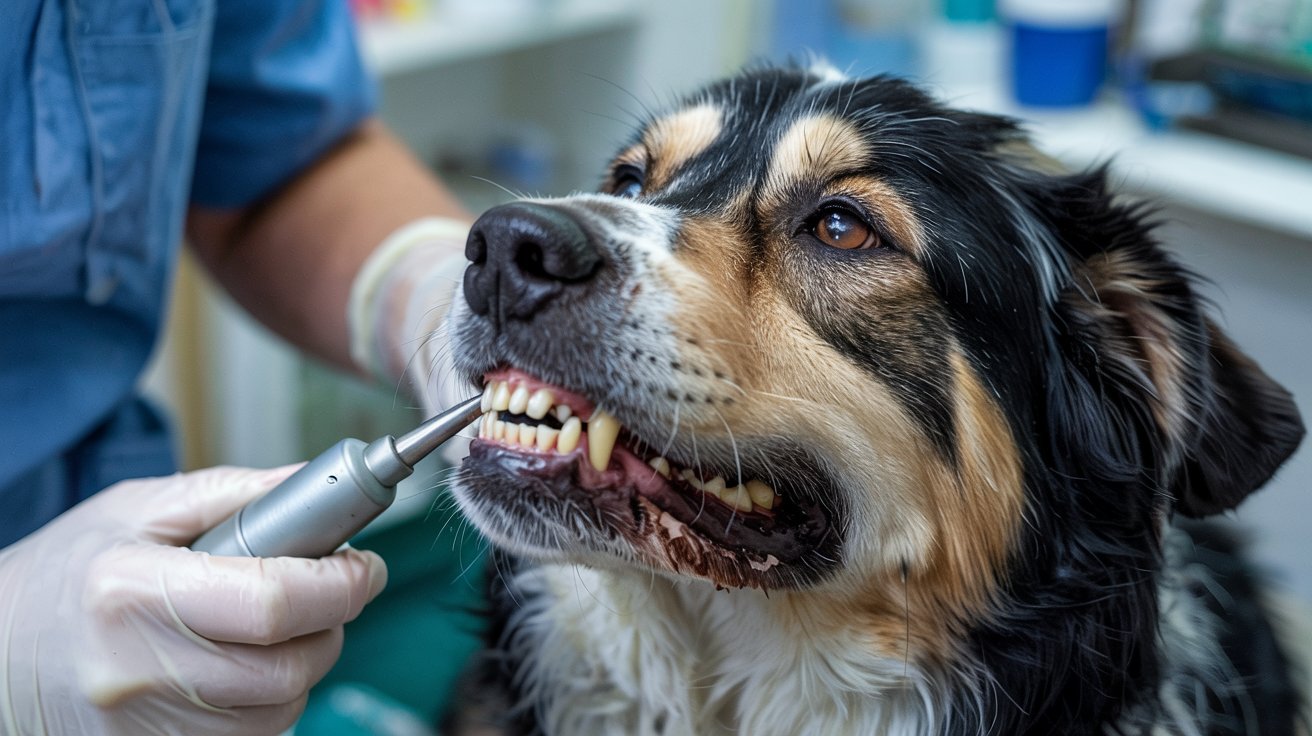
When plaque isn't removed, it hardens within days and becomes tartar. Tartar is what turns teeth visibly brown or yellow.
Unlike plaque, you can't brush tartar away at home. It bonds to the tooth surface and needs professional cleaning.
This is one of the top reasons my dogs teeth are brown is such a common concern among pet owners.
3. Poor Oral Hygiene
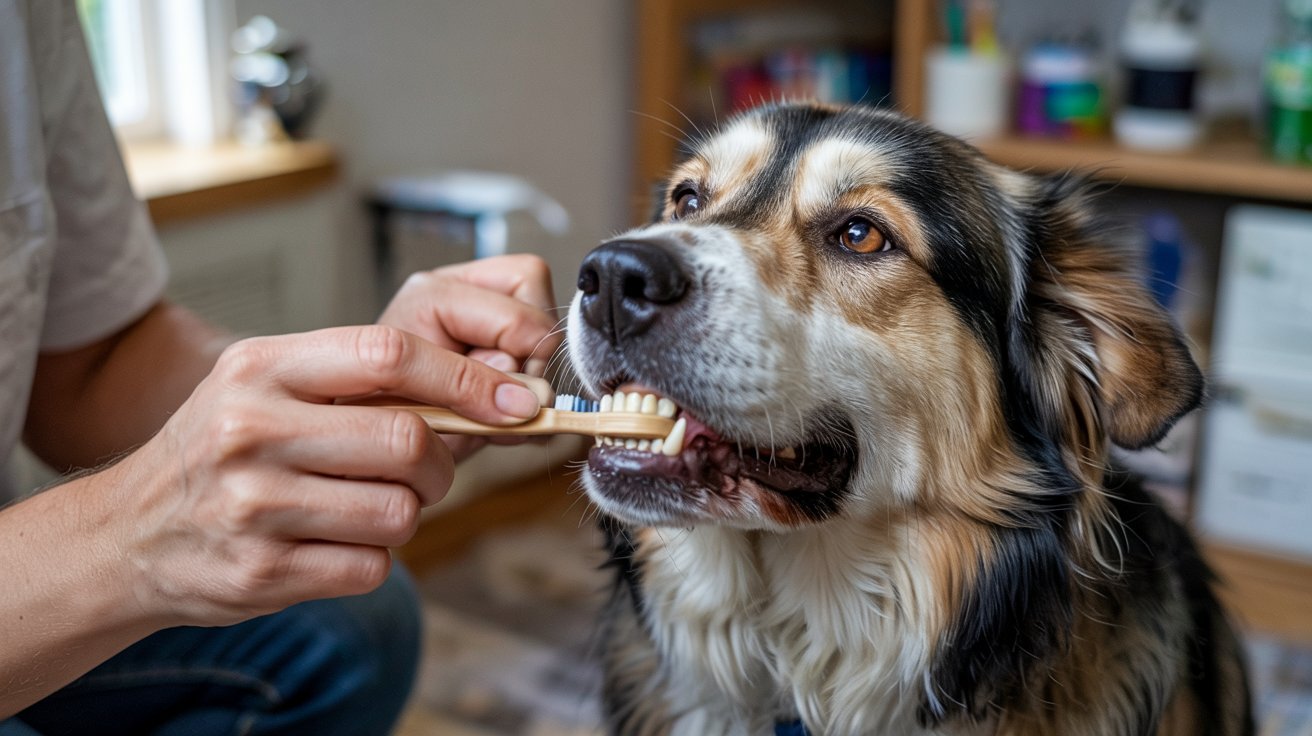
Many dogs go their whole lives without proper dental care. No brushing, no dental chews, no routine checkups.
Without any oral hygiene routine, bacteria and food particles build up fast.
Starting a dental routine late is still better than never starting at all.
4. Diet and Food Choices
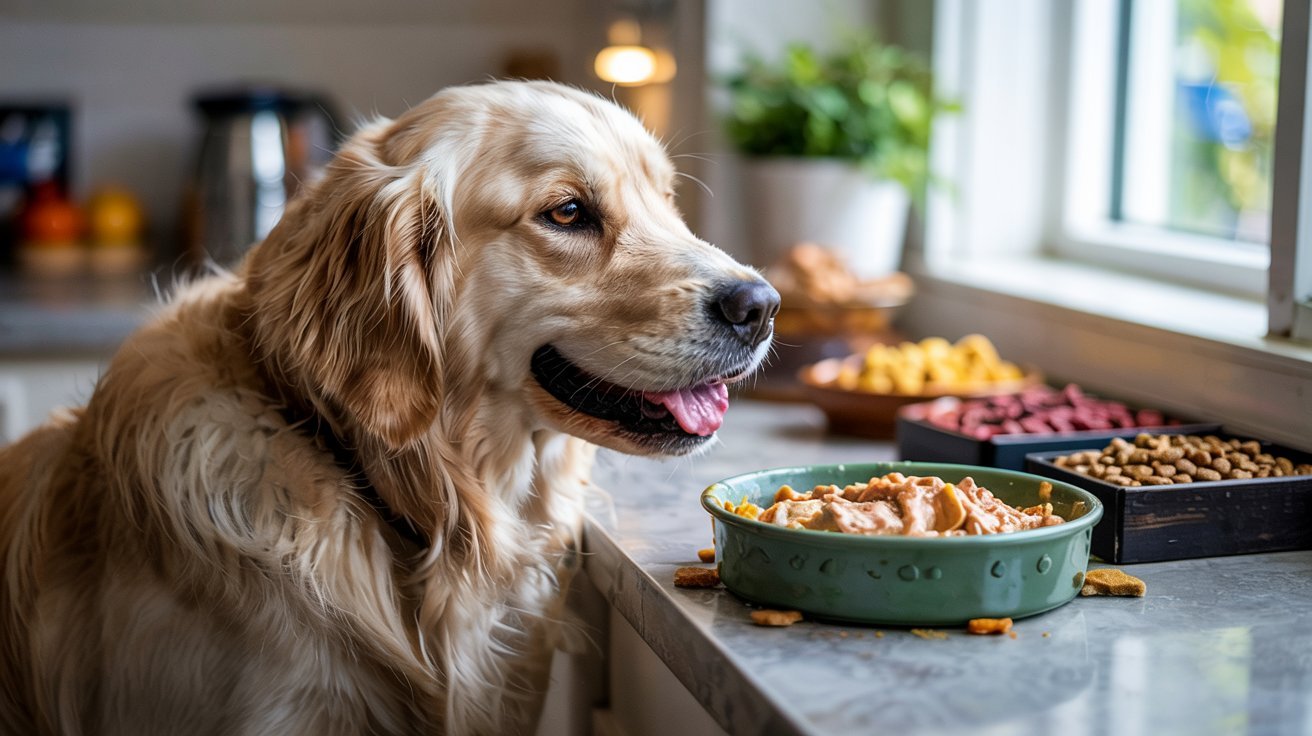
Soft or wet food sticks to teeth more than dry kibble. That leftover food becomes fuel for bacteria.
Sugary treats make things worse and accelerate plaque formation.
What your dog eats every day directly affects what their teeth look like over time.
5. Ageing in Dogs
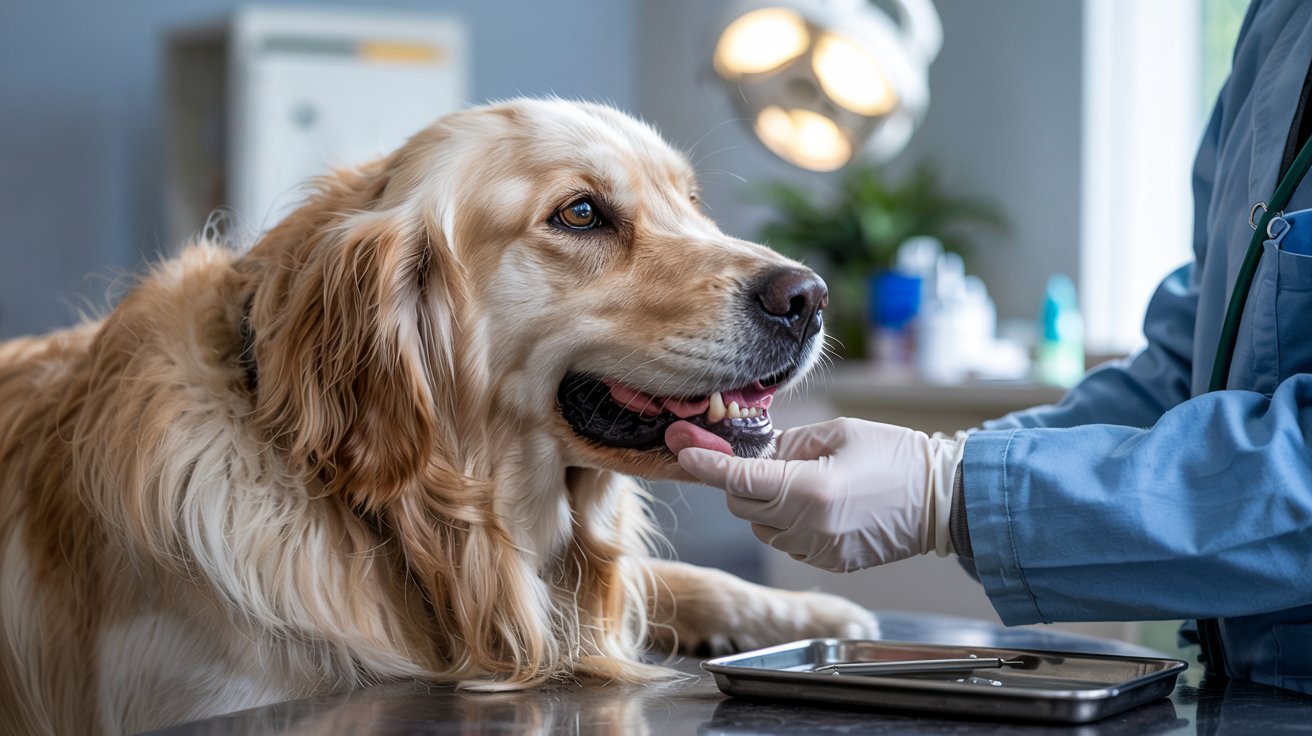
Older dogs naturally experience more wear and discoloration. Years of use take a toll on enamel strength.
Senior dogs are also at higher risk for dental disease, as their immune systems are slower to fight oral infections.
Regular vet checkups become more important as your dog ages.
6. Periodontal Disease
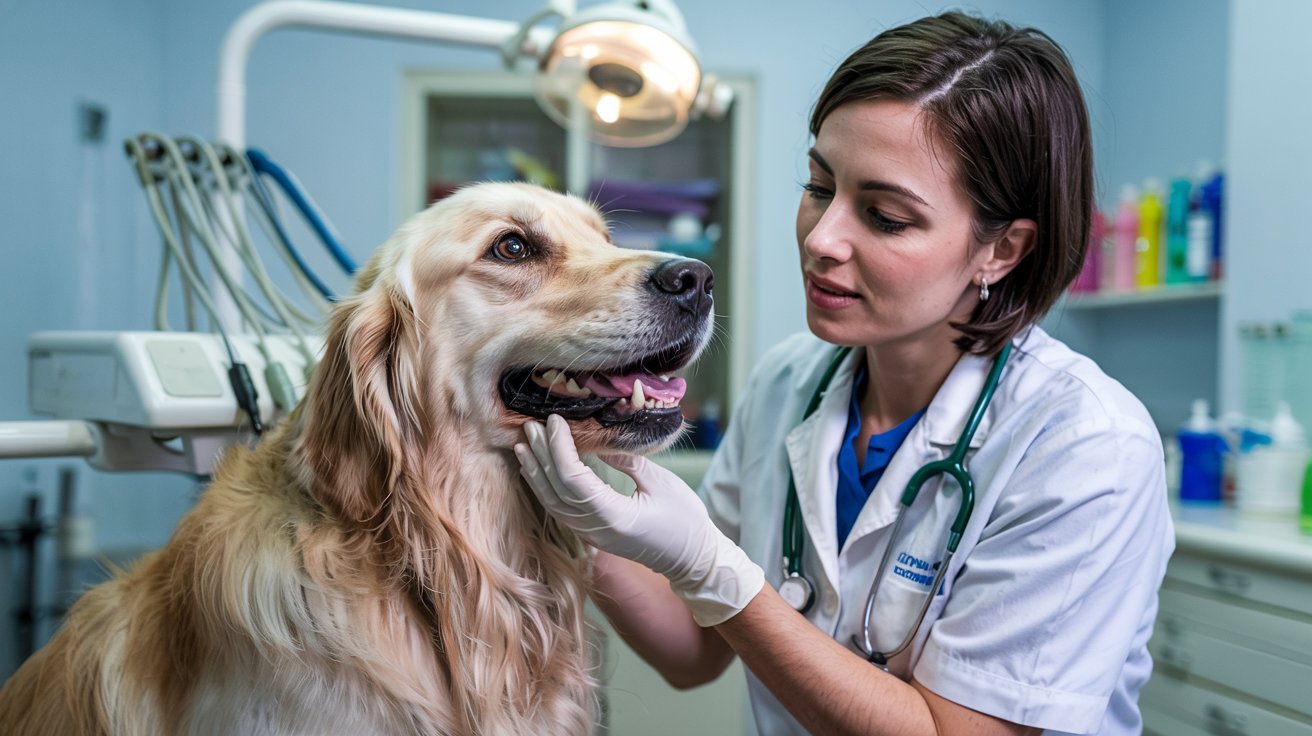
Periodontal disease is a gum infection that goes deeper than the surface. It affects the structures holding teeth in place.
It causes darkening, persistent bad breath, and in advanced stages, tooth loss.
This is one of the more serious reasons dogs teeth are brown, and it needs professional treatment.
7. Genetic or Breed Predisposition
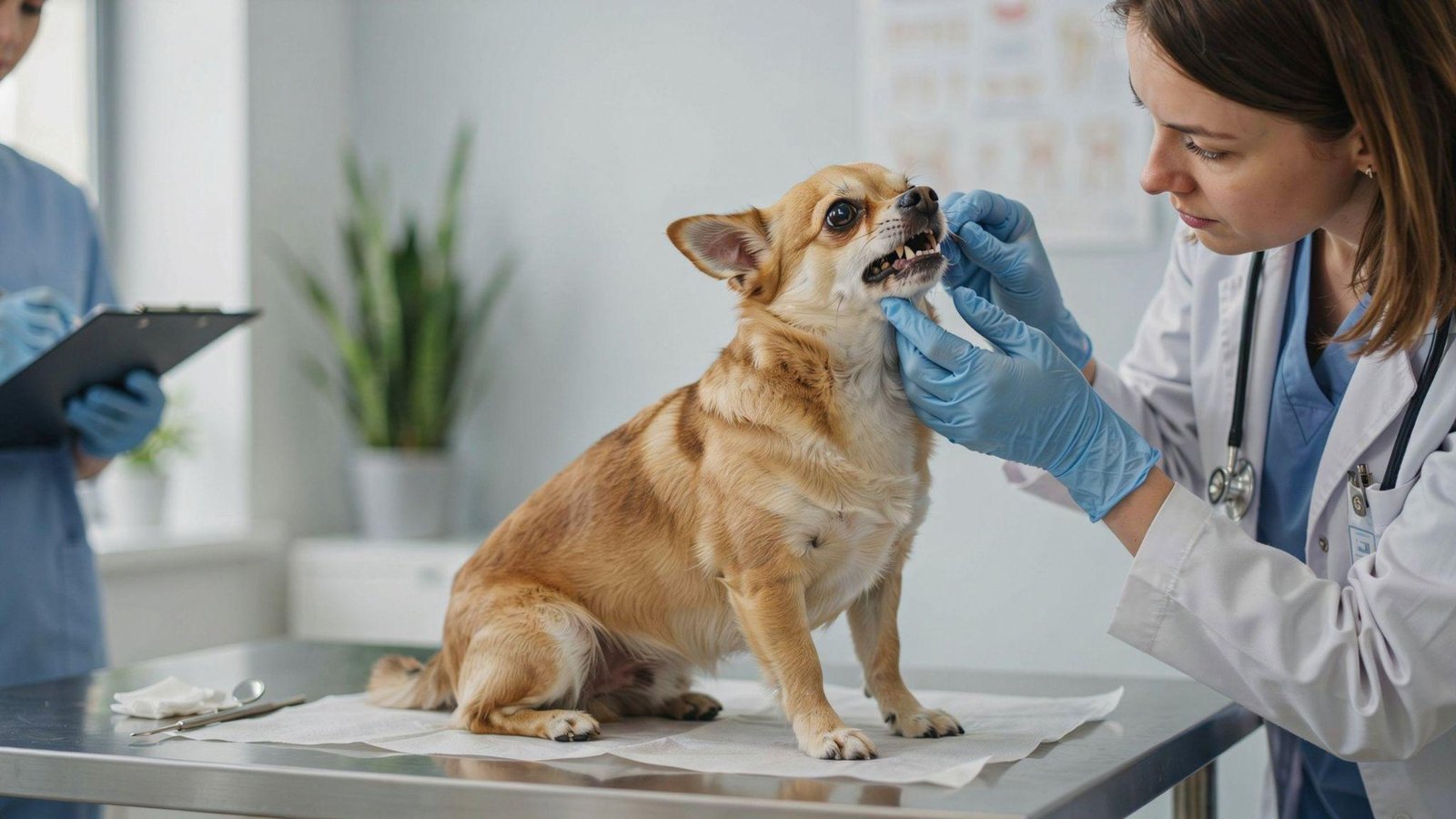
Small breeds like Chihuahuas, Dachshunds, and Pugs tend to have crowded teeth that trap more bacteria.
Some dogs also have naturally weaker enamel due to genetics, making their teeth more vulnerable to staining and decay.
Knowing your breed's dental tendencies helps you stay ahead of problems.
Symptoms That May Accompany Brown Teeth
Brown teeth rarely show up alone.
Watch for these signs alongside the discoloration:
- Bad breath that doesn't go away
- Red, swollen, or bleeding gums
- Difficulty chewing or dropping food from the mouth
- Excess drooling with no clear reason
- Loose teeth or visible gum recession
- Changes in eating behavior or reluctance to chew hard food
If you're seeing two or more of these together, book a vet appointment soon. These signs combined usually mean dental disease is already progressing.
How Veterinarians Diagnose Brown Teeth in Dogs
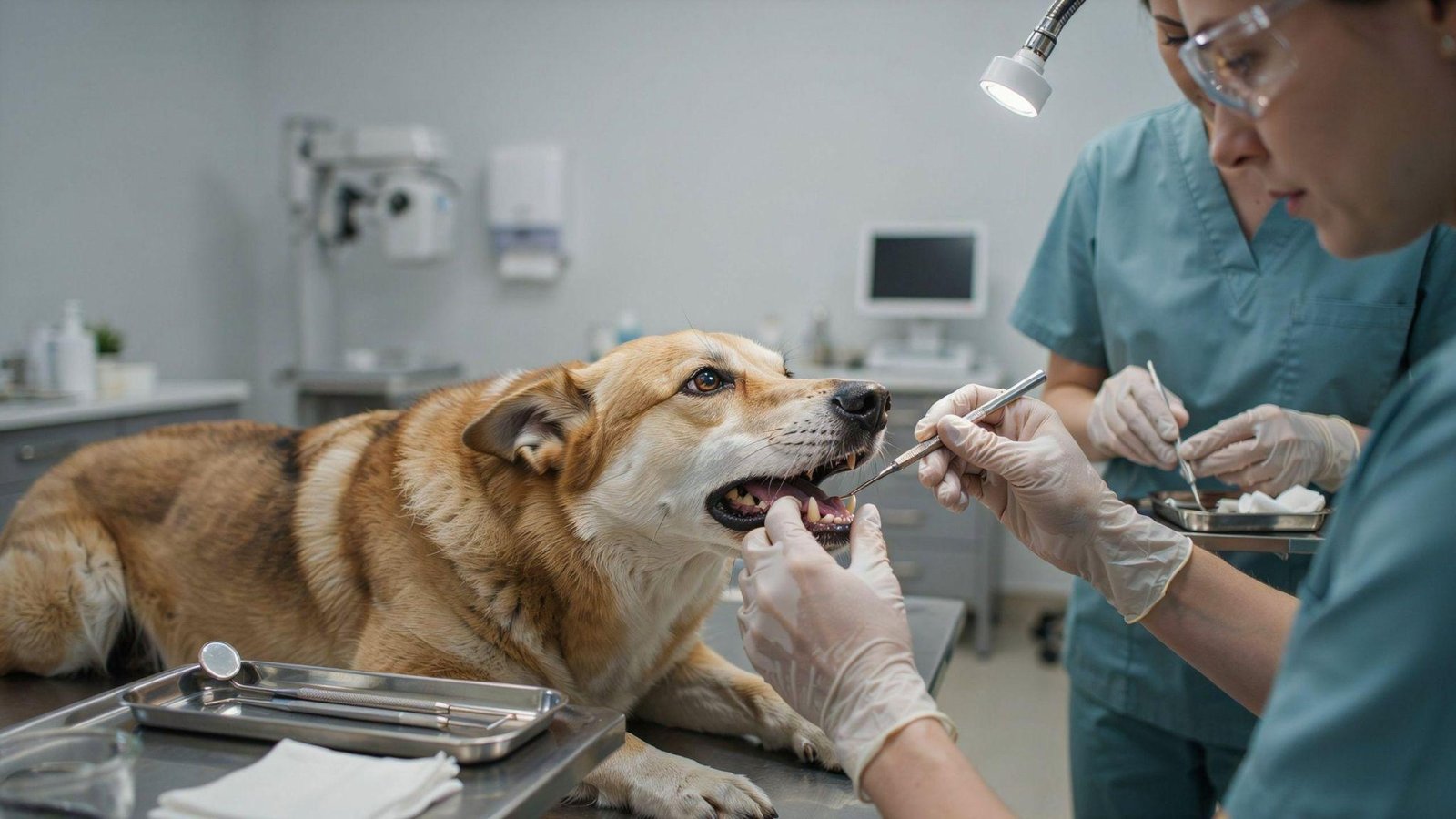
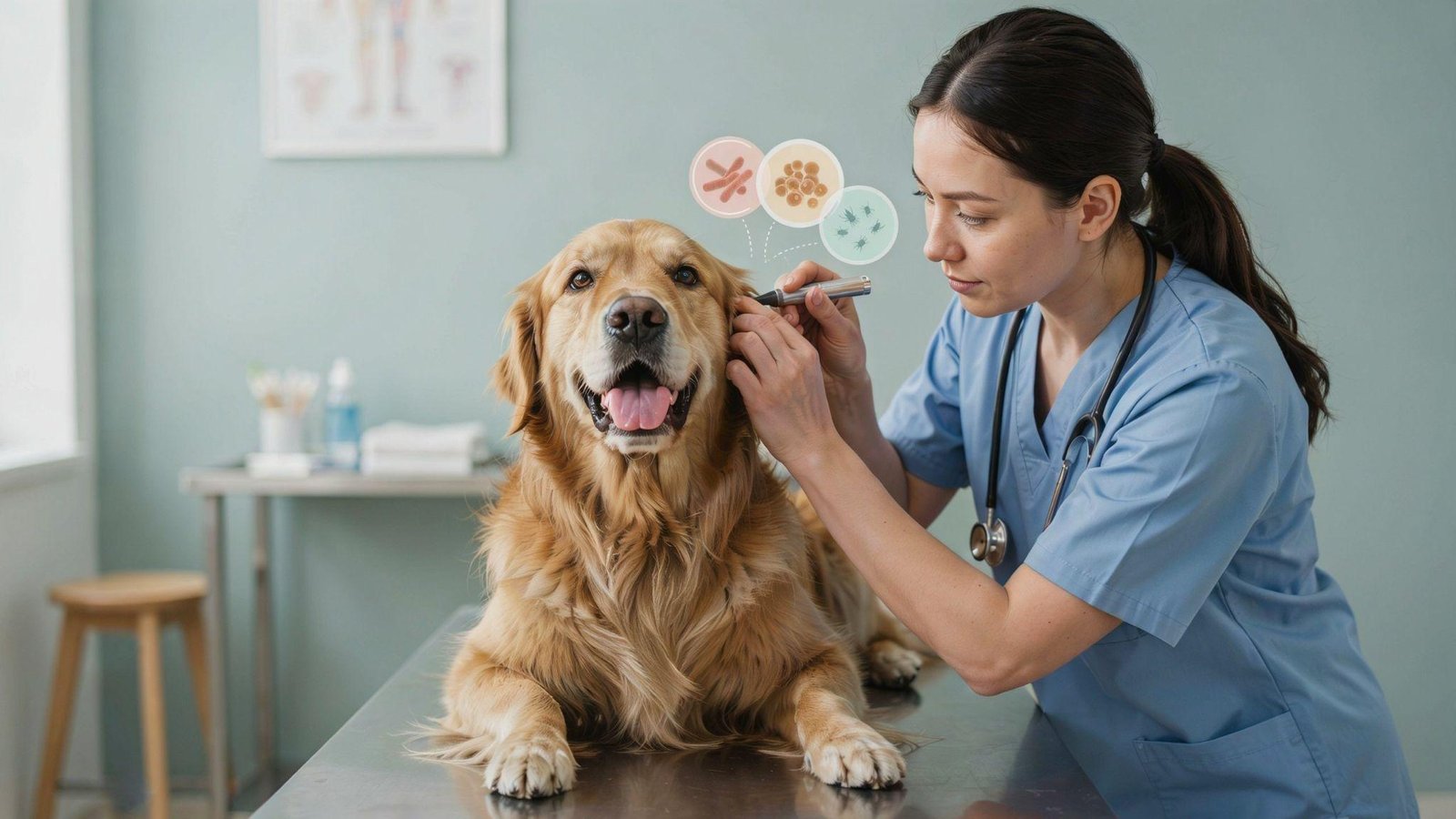
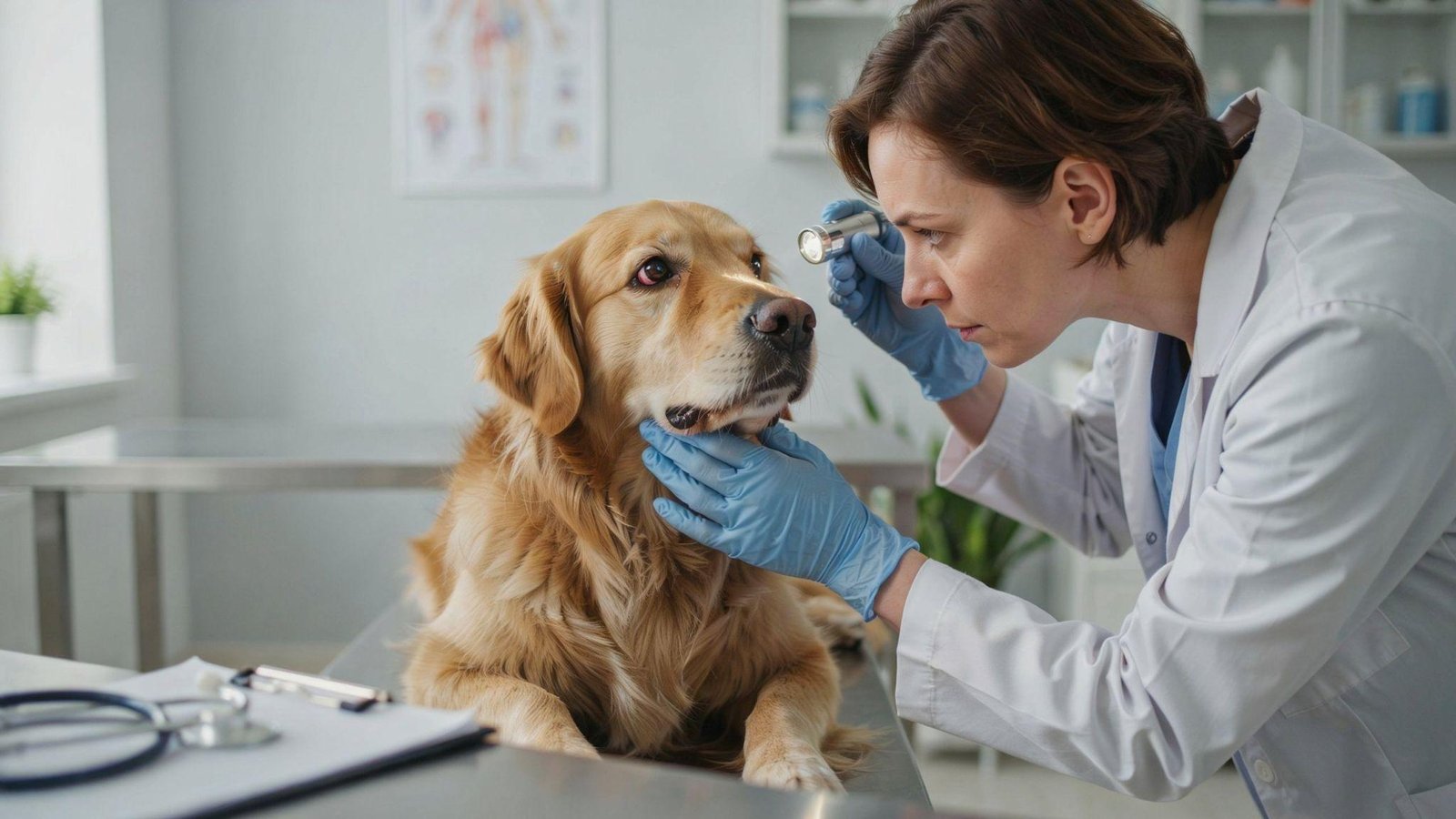
A vet will start with a visual oral exam, checking the teeth, gums, and tongue for visible signs of disease.
Dental probing checks the depth of pockets between teeth and gums, revealing how far any infection has spread.
X-rays are often needed since a lot of dental damage happens below the gumline and won't show in a regular exam.
The vet will also assess plaque and tartar severity to determine whether a cleaning or extraction is needed.
Treatment Options for Brown Teeth in Dogs
Treatment depends on how far things have progressed.
Here's what your vet may recommend:
- Professional dental cleaning under anesthesia
- Scaling to remove hardened tartar
- Polishing to smooth enamel and slow future buildup
- Treatment of active gum infections
- Tooth extraction for severely damaged teeth
- Antibiotics if bacterial infection is present
- At-home care instructions after the procedure
Many owners feel nervous about anesthesia, but it's the only way to properly clean below the gumline. Your vet will assess your dog beforehand.
How to Prevent Dogs Teeth from Turning Brown
Brush your dog's teeth regularly, ideally daily or a few times a week using dog-safe toothpaste.
Dental chews and toys help reduce plaque between brushing sessions. They won't replace brushing but they support it.
Ask your vet about dental diets. Some kibbles are formulated to reduce tartar as your dog chews.
Schedule annual dental checkups and avoid sticky or sugary treats. Starting these habits during puppyhood gives the best long-term results.
When to See a Vet Immediately
Go to the vet right away if your dog has strong persistent bad breath, heavy brown or black tartar on multiple teeth, or visible pain while eating.
Bleeding gums, facial swelling, sudden refusal to eat, and loose or missing teeth all need prompt attention.
These signs don't resolve on their own. Early treatment prevents far more serious problems down the line.
Conclusion
Your dog can't tell you their mouth hurts. But when dogs teeth are brown, their teeth are telling you something loud and clear.
You've already taken the first step by reading this. Now take the next one.
Book a dental checkup, start a brushing routine, and don't put it off. Small consistent habits make a bigger difference than you'd expect.
Found this helpful? Share it with a fellow dog owner who might need it.
Have a question about your dog's teeth? Drop it in the comments. I read every single one.
Frequently Asked Questions
Why Are My Dog's Teeth Turning Brown?
Brown teeth in dogs are most commonly caused by plaque buildup, tartar formation, or a lack of regular oral hygiene. In more advanced cases, it can also be a sign of periodontal disease.
Is It Normal for Dogs Teeth to Be Brown?
Mild staining can occur naturally with age, but heavy brown discoloration usually points to a dental problem that needs attention. It's worth getting a vet to take a look.
Can I Clean My Dog's Brown Teeth at Home?
Regular brushing can help reduce soft plaque and prevent further buildup. However, hardened tartar needs to be removed professionally by a vet.
Are Brown Teeth in Dogs Dangerous?
Yes, especially when caused by periodontal disease. Left untreated, it can lead to pain, infection, tooth loss, and even affect internal organs over time.
How Can I Prevent My Dog's Teeth from Turning Brown?
Consistent brushing, dental chews, a vet-recommended diet, and annual dental checkups are the most effective ways to keep your dog's teeth clean and healthy.