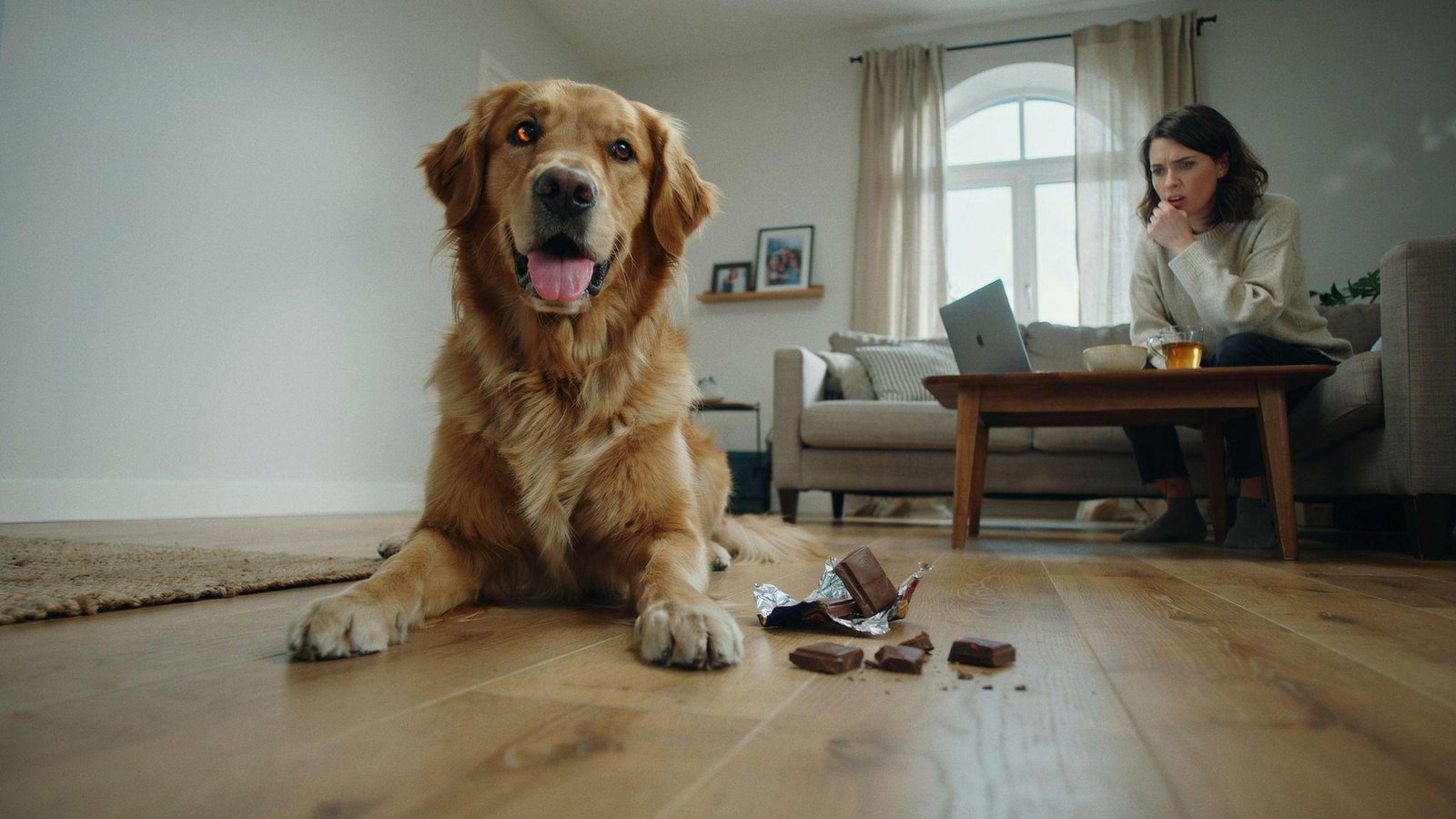

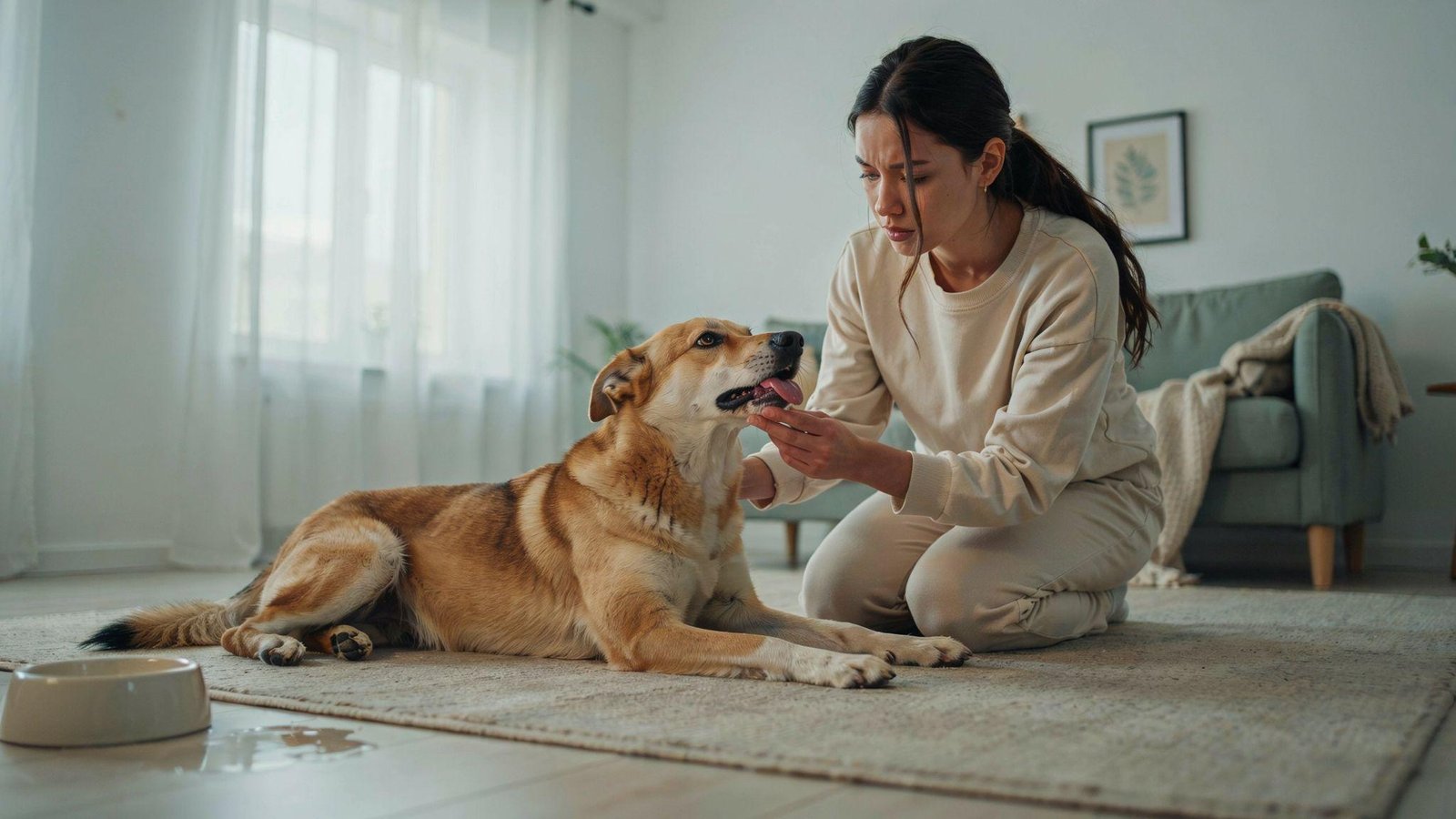
My dog was perfectly fine in the morning and completely flat by afternoon. No vomiting, no obvious signs, just quiet and still. When I checked his gums, they were dry and sticky.
That was my first real encounter with dog dehydration and it scared me more than I expected.
What I didn't know then was how many owners miss it simply because they don't know what to look for.
The signs are subtle at first but they matter more than most people realize. This guide covers what I wish I had known sooner, and some of it might surprise you.
What Is Dog Dehydration?
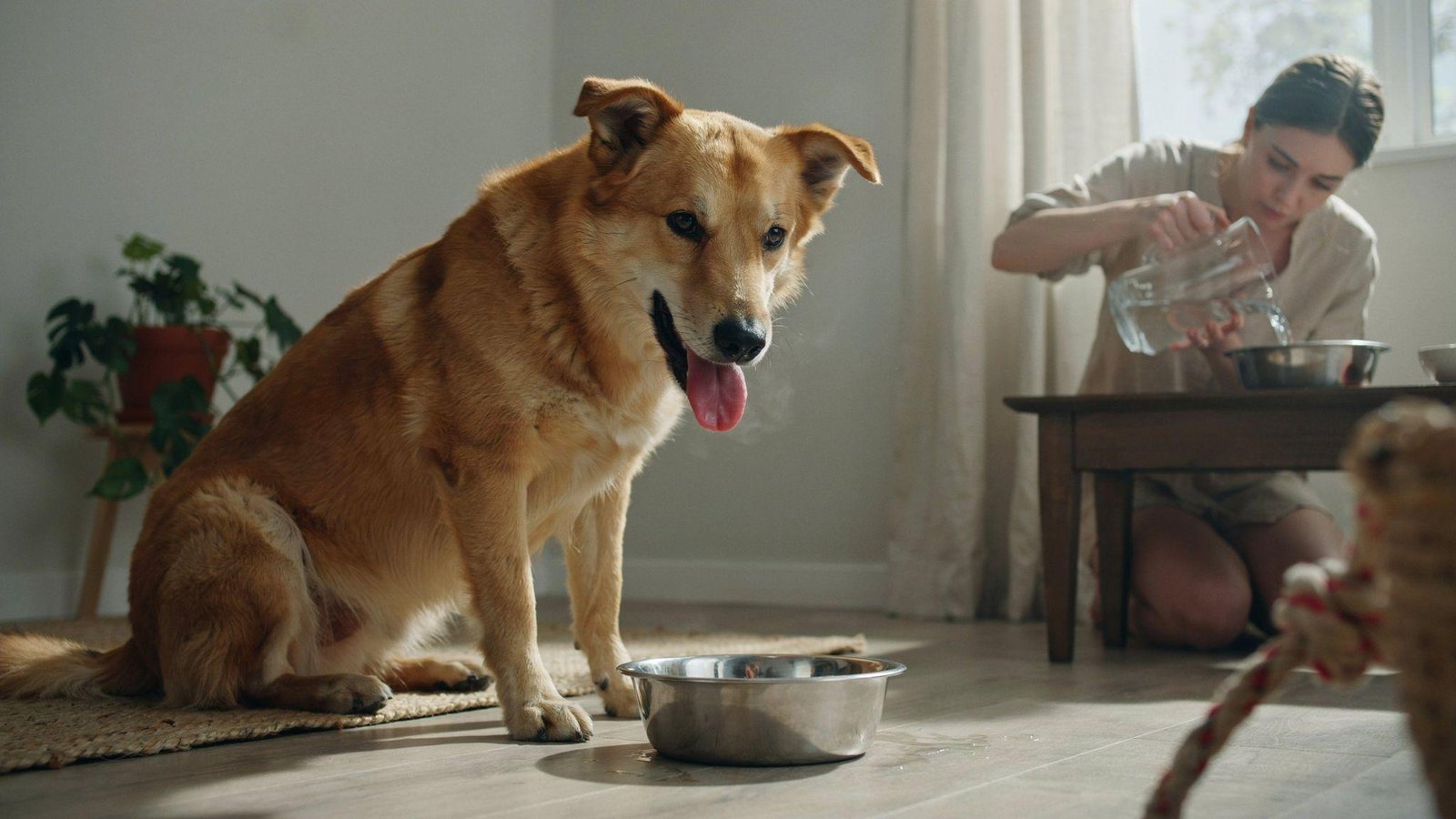
Dog dehydration happens when your dog loses more fluids than they take in. It's not just water loss. It also involves a drop in electrolytes, which throws off how the body functions.
Common causes include not drinking enough, heat exposure, vomiting, diarrhea, illness, and fever. Each one speeds up fluid loss in different ways.
Dogs cool down mostly through panting, which releases a lot of moisture. That makes them more vulnerable than humans in hot or stressful conditions.
Checking hydration daily is a simple habit that can prevent a serious problem down the line.
Dog Dehydration Symptoms: Key Warning Signs Every Owner Must Know
Some dog dehydration symptoms are obvious. Others are easy to miss. Knowing both gives you a real advantage.
1. Dry Nose and Gums
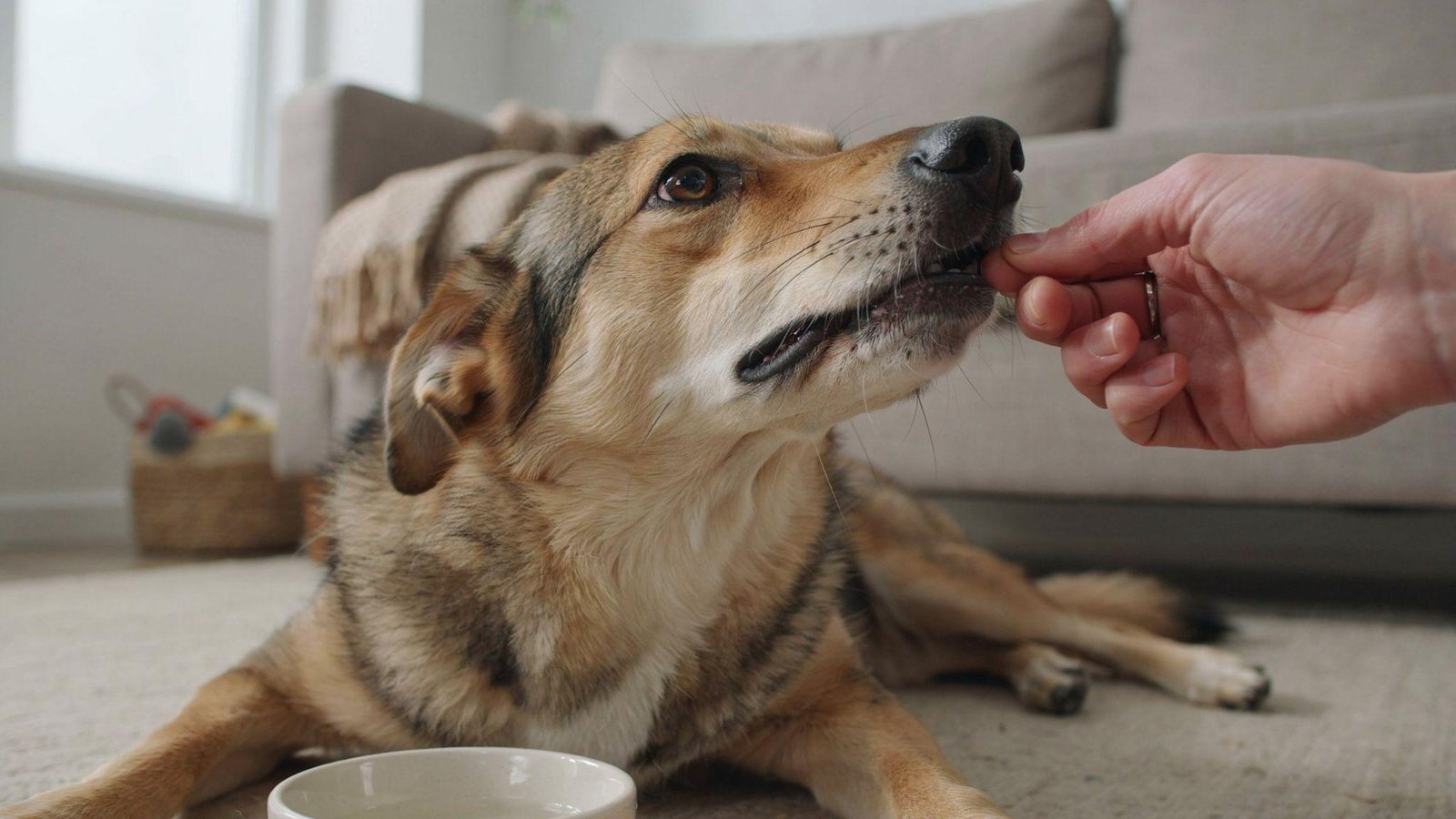
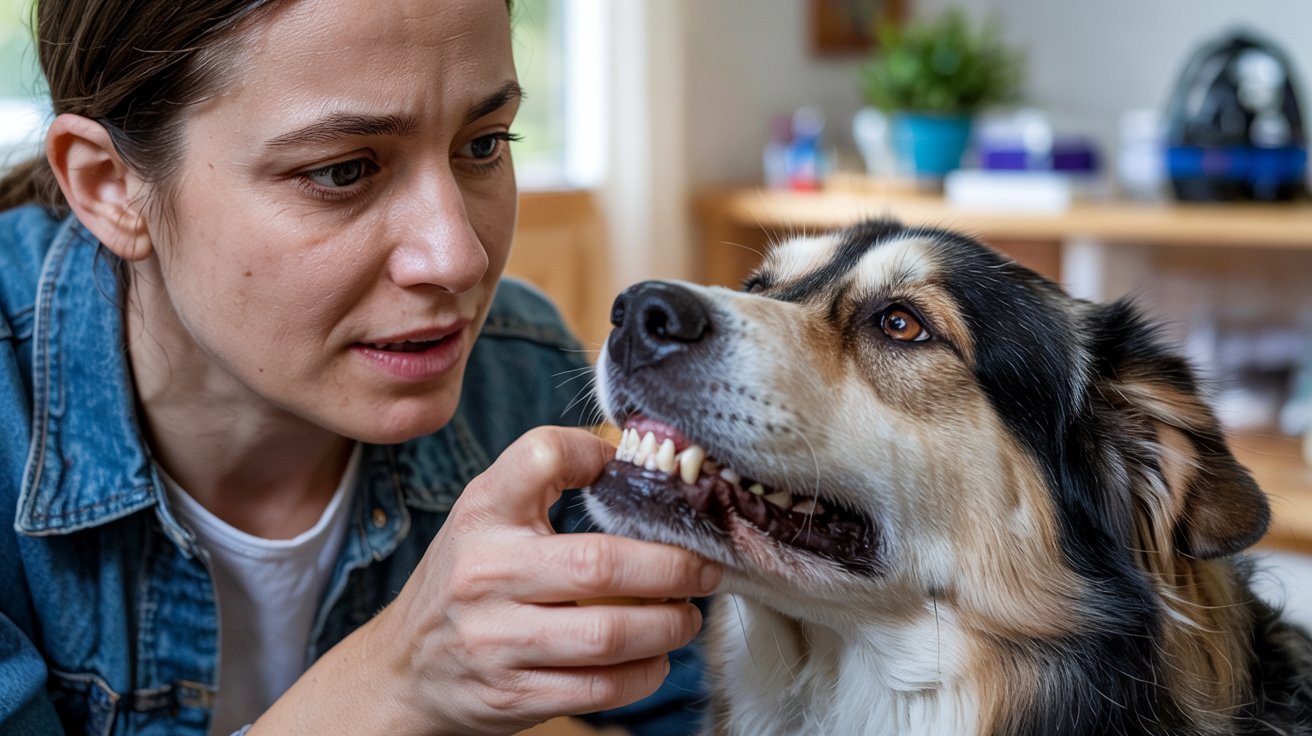
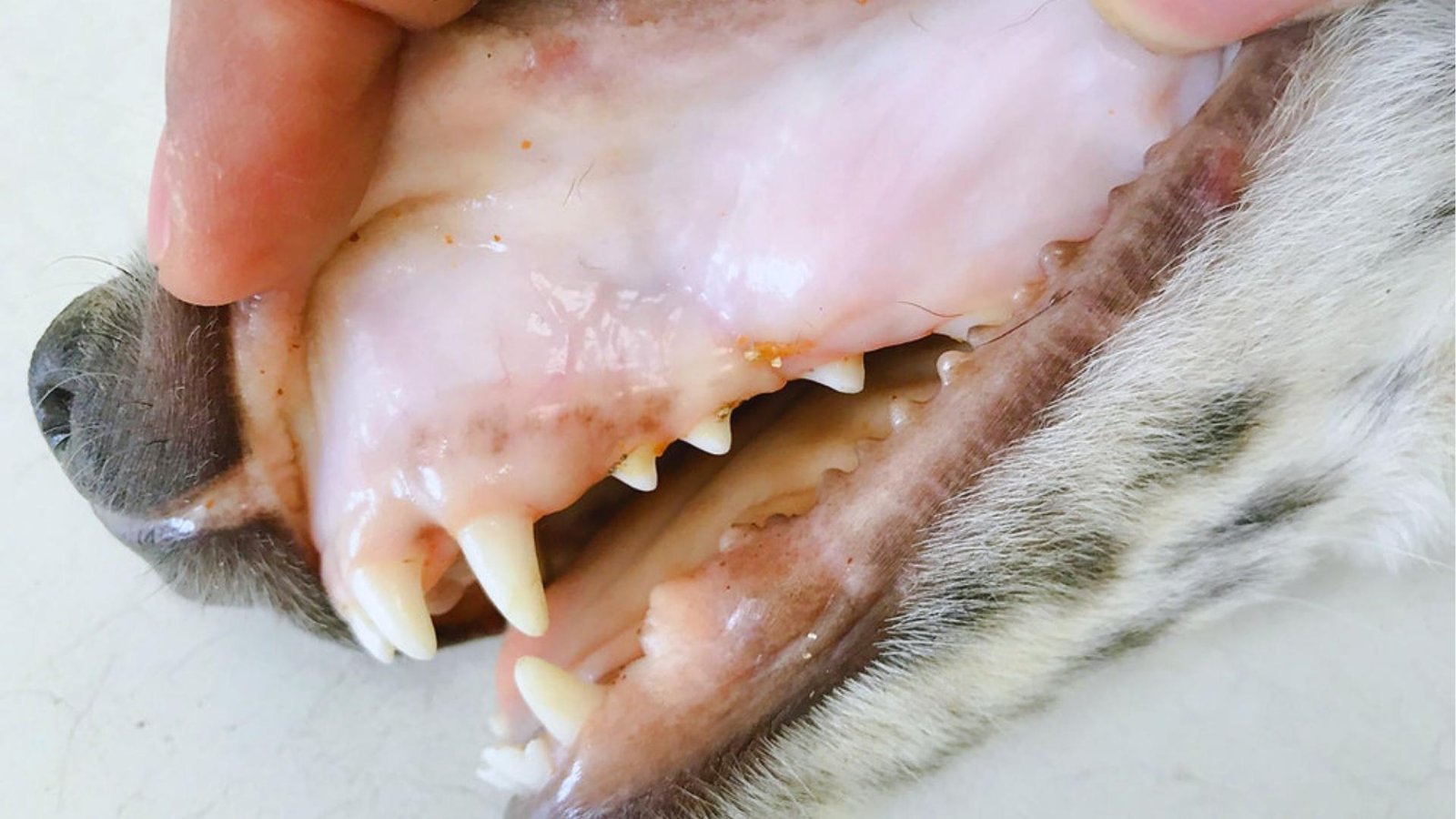
Healthy gums feel slick and moist. Dehydrated gums feel sticky or tacky when you run your finger along them.
Saliva production slows as fluids drop. That stickiness is a direct result of the body conserving moisture.
A dry nose alongside tacky gums is an early combination worth taking seriously.
2. Loss of Skin Elasticity (Skin Turgor Test)
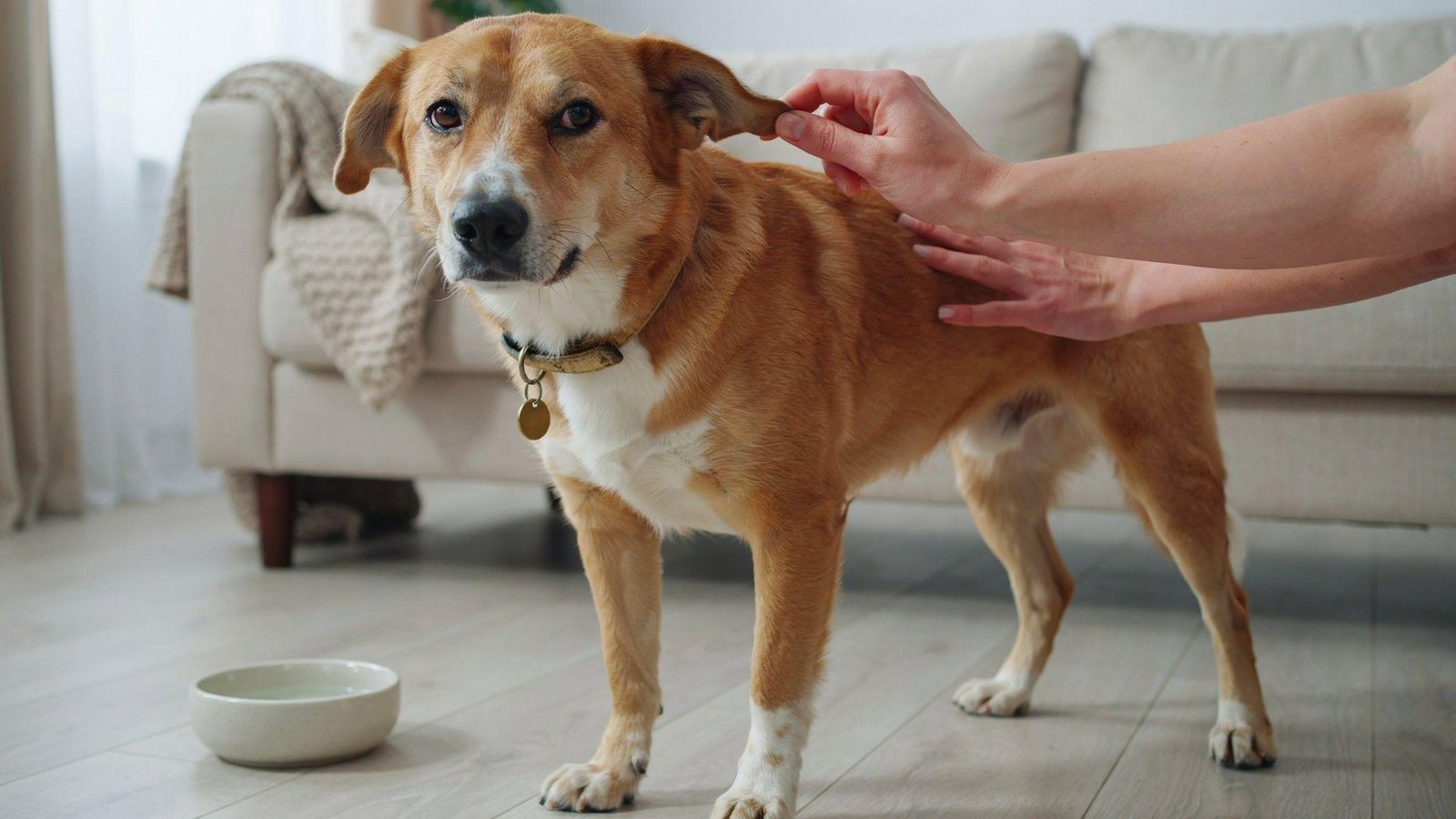
Gently pinch the skin at the back of your dog's neck and release. It should snap back immediately.
If it returns slowly or stays lifted, fluid levels are low. This is one of the most reliable at-home checks for dehydration.
The slower the return, the more dehydrated your dog likely is.
3. Lethargy and Low Energy

A dehydrated dog looks flat, tired, and disinterested. They may skip activities they normally enjoy or not respond as quickly.
Fluid loss reduces blood volume, which affects energy and circulation throughout the body.
Sudden quietness or unusual stillness is always worth a hydration check.
4. Sunken Eyes
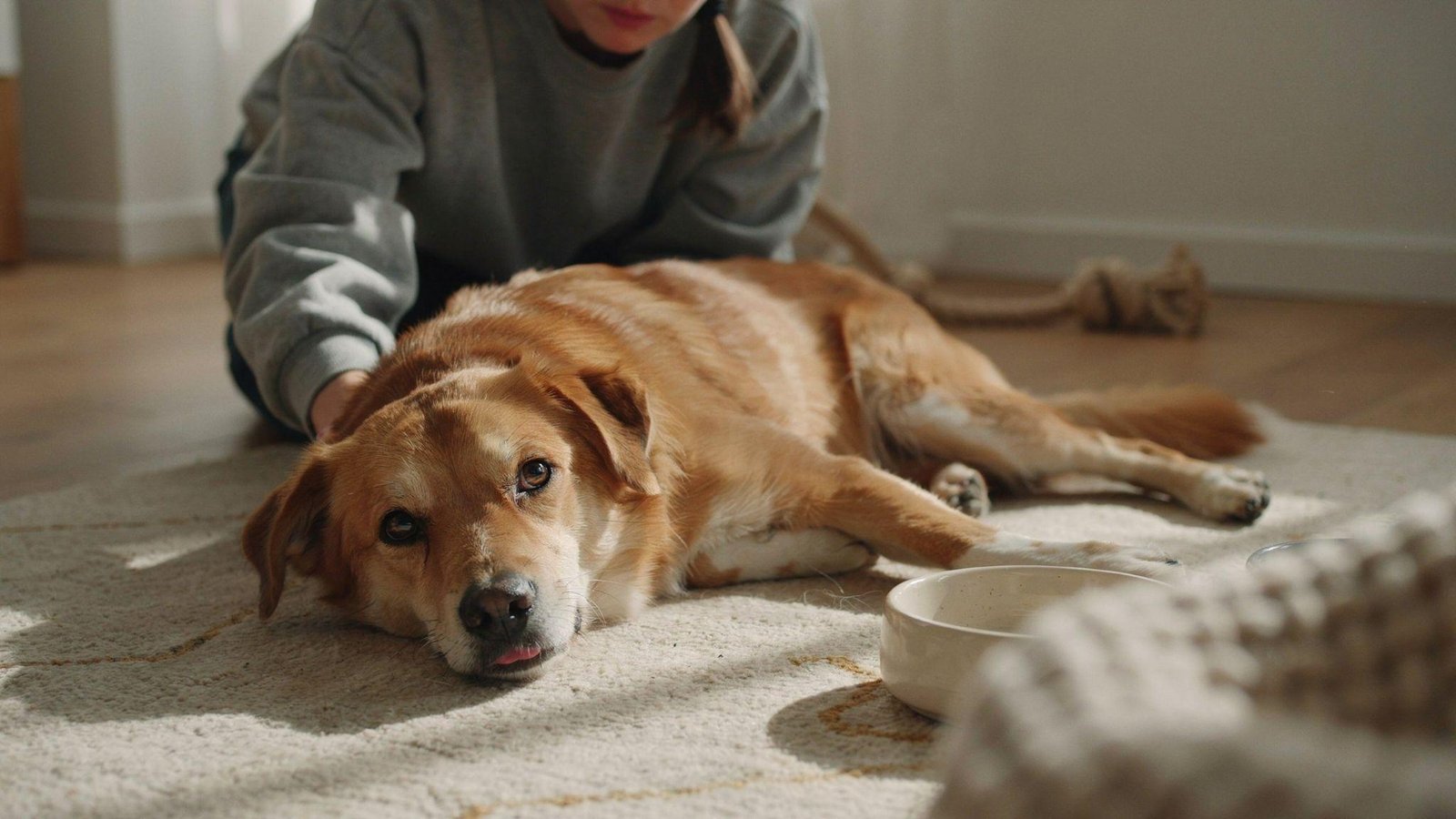
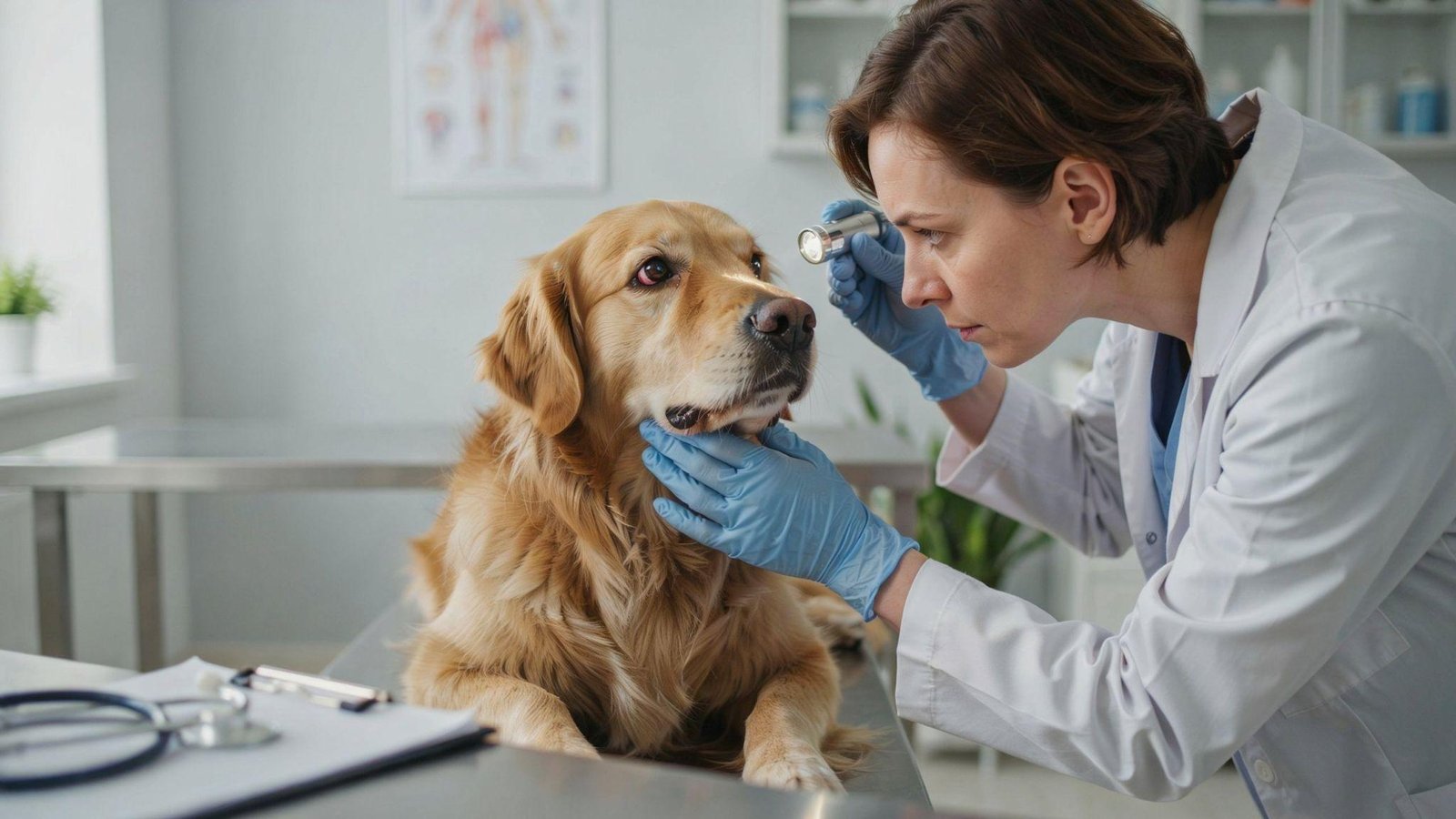
Dehydration pulls moisture from tissues, including the area around the eyes. The eyes may look dull, dry, or set deeper than normal.
This usually points to moderate to severe dehydration. If you notice this, the problem has likely been building for a while.
Don't wait it out. A vet visit is the right call at this stage.
5. Loss of Appetite and Thick Saliva
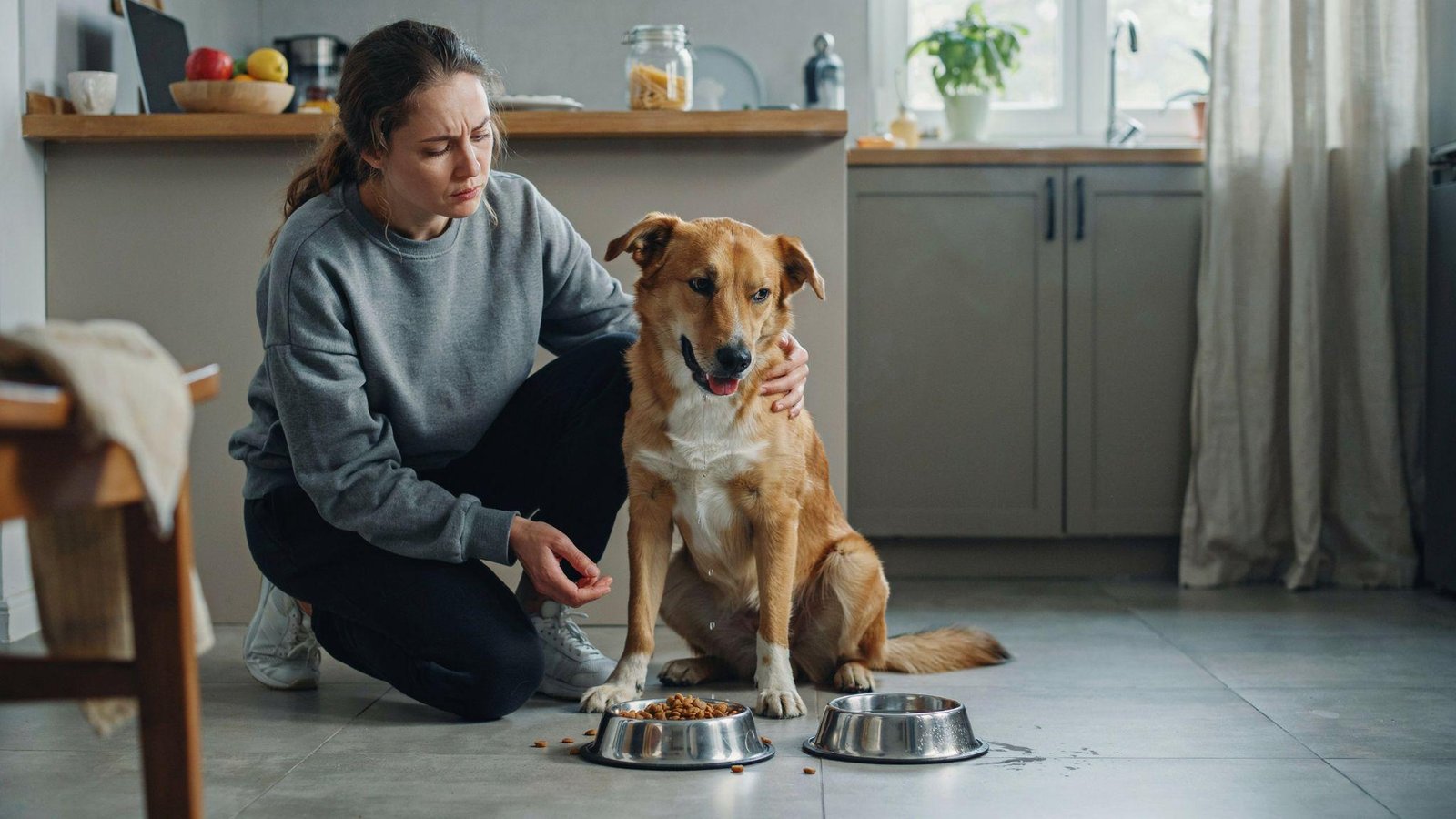
A dehydrated dog often refuses food, even favorites. Nausea from fluid loss plays a big role in appetite changes.
Saliva may look thicker or stringy. Some dogs drool more, others less. Either shift is a signal.
When a dog refuses both food and water together, things can get worse fast.
Common Causes Behind Dog Dehydration
Dog dehydration rarely happens without a reason. Knowing the triggers helps you stay ahead of it.
Here are the most common causes:
- Hot weather and heatstroke risk
- Vomiting, diarrhea, or gastrointestinal issues
- No access to clean drinking water
- Too much exercise without hydration breaks
- Underlying conditions like kidney disease or diabetes
Some causes are easy to fix. Others point to a health issue that needs proper diagnosis. Treating symptoms without addressing the root cause won't lead to full recovery.
How to Check Dog Dehydration at Home
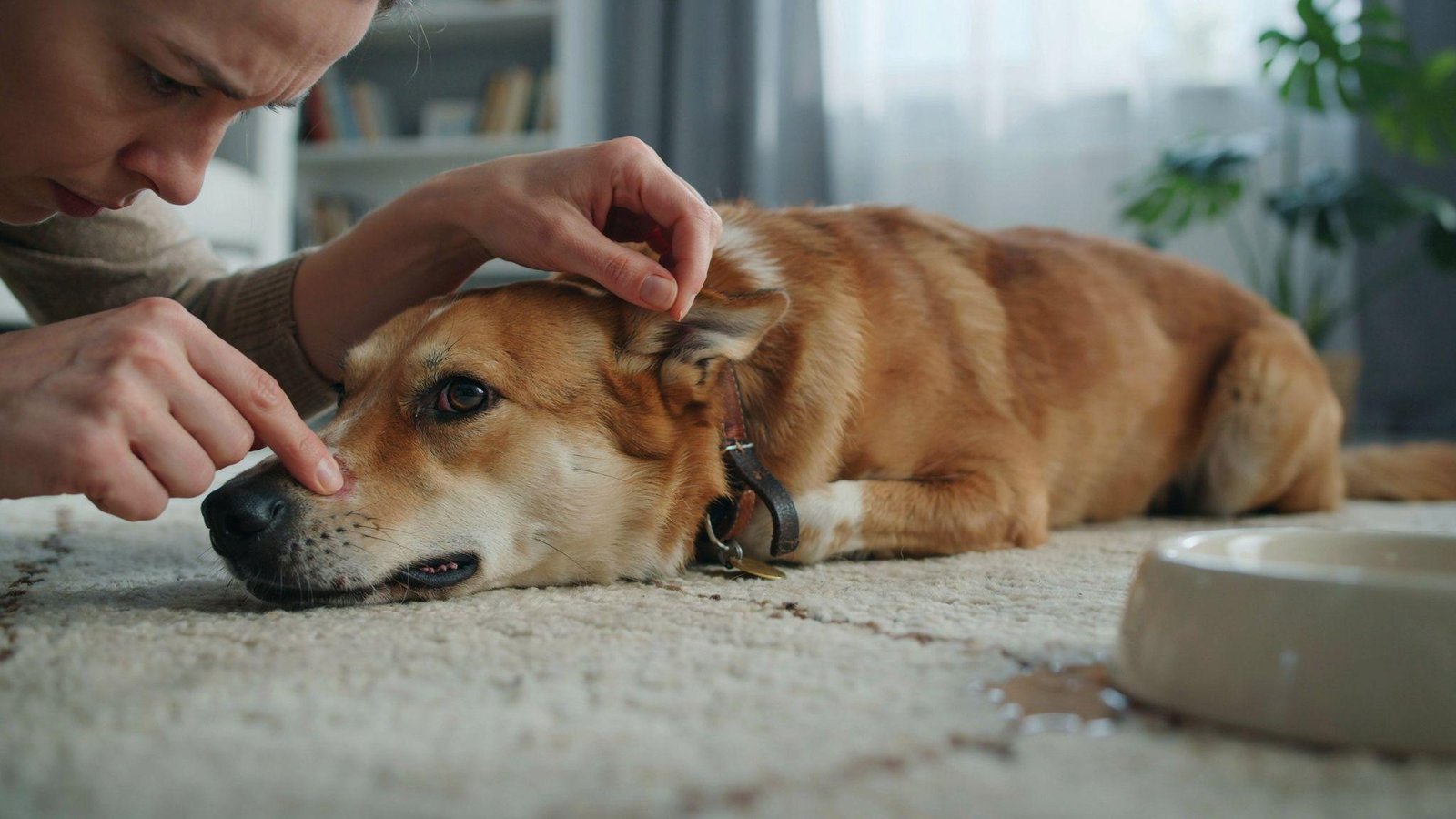
Three simple tests can give you a clear picture without any equipment.
The gum test: press your finger on the gum until it turns white, then release. Pink should return within two seconds. A slower return signals poor circulation from dehydration.
The skin pinch test: lift the skin on the back of the neck and let go. Immediate return means good hydration. A slow or tented return means fluids are low.
Mild results can be managed at home. If tests show a strong response or your dog seems unresponsive, get to a vet straight away.
Treatment Options for Dog Dehydration
Treatment depends on severity. Mild cases can be handled at home. Moderate to severe cases need a vet.
For mild dehydration:
- Offer fresh water in small, frequent amounts
- Use vet-approved electrolyte solutions made for dogs
- Move your dog somewhere cool and let them rest
- Watch closely for any signs of worsening
Never assume a severely dehydrated dog will recover with water alone. Fast action is what makes the real difference.
How to Prevent Dog Dehydration
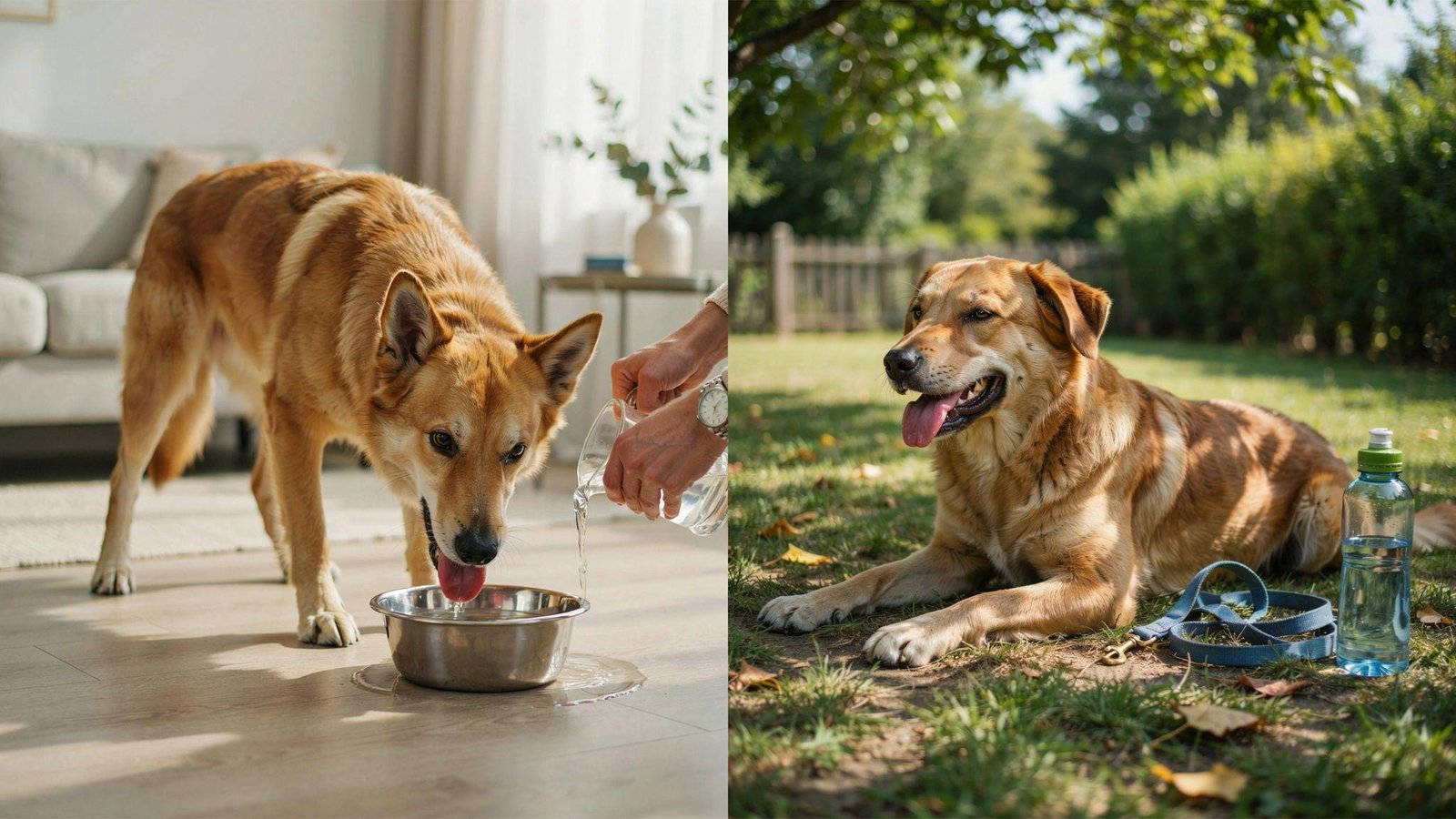
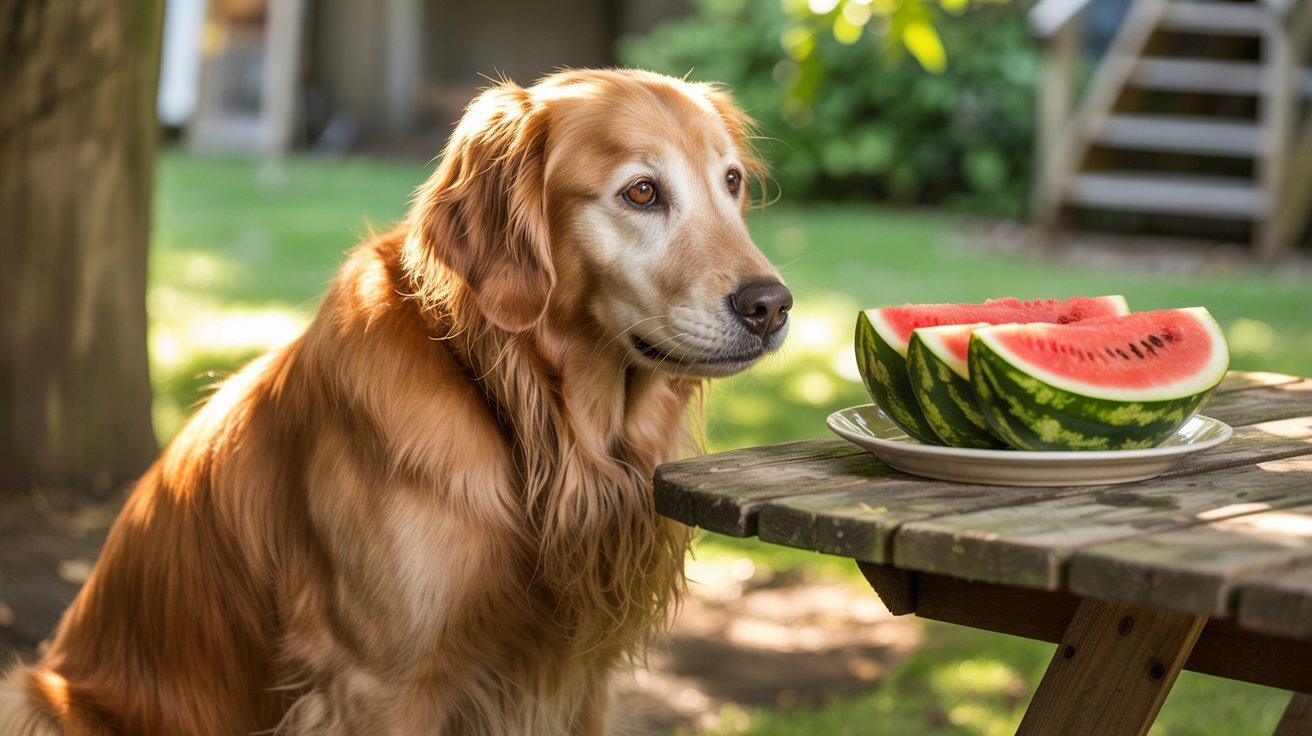
Fresh, clean water should always be available. Change it daily and check the bowl regularly, especially in summer.
During hot months, limit outdoor activity during peak heat hours. Dogs overheat faster than most people expect.
Avoid intense exercise in warm weather. Take breaks, stay in the shade, and carry water on walks.
Wet food or low-sodium broth added to meals boosts daily fluid intake. This works especially well for older dogs or those recovering from illness.
When to See a Veterinarian
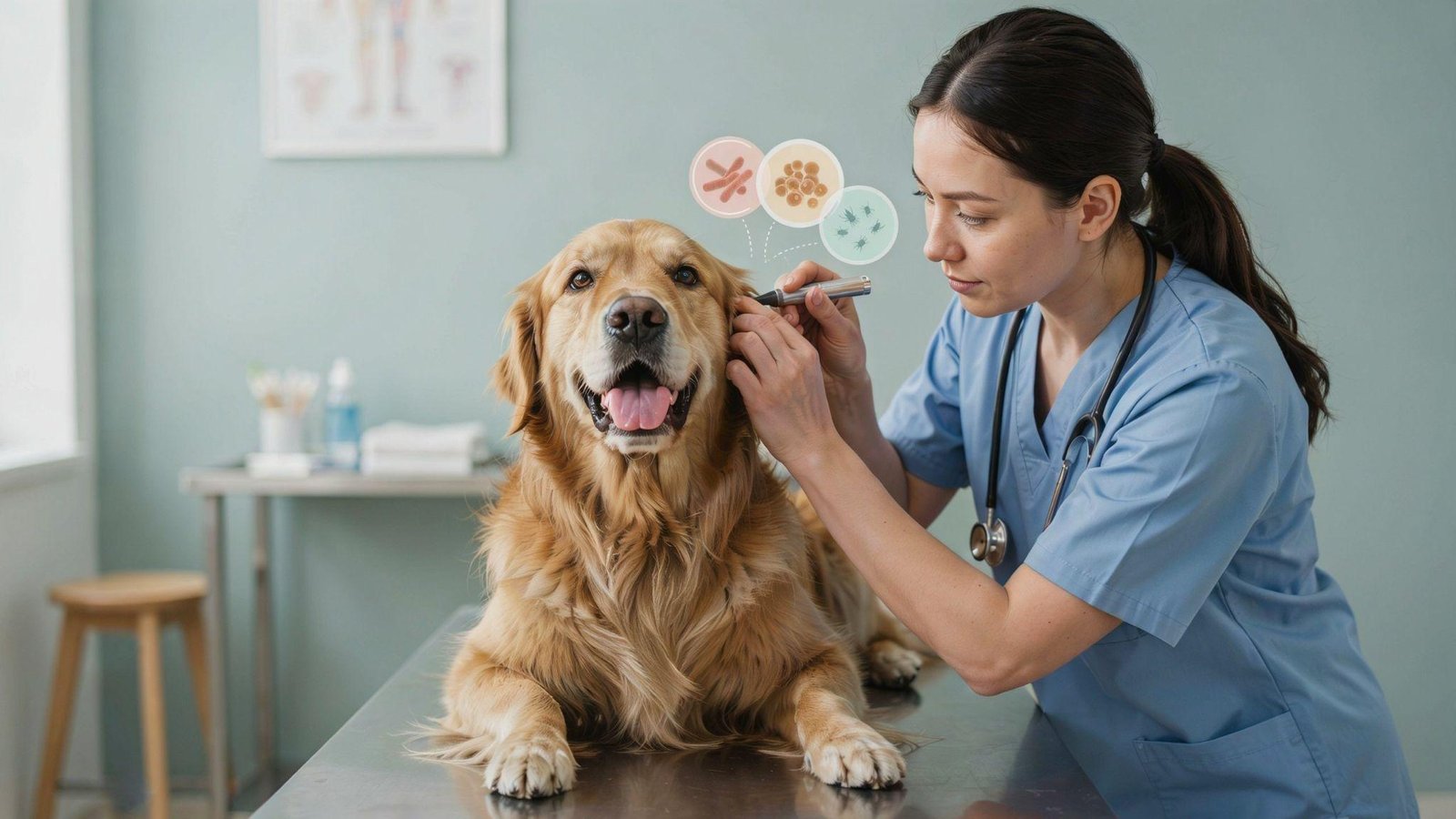
If dog dehydration symptoms last more than 24 hours, book a vet visit. A dog not improving with water and rest needs professional help.
Vomiting or diarrhea alongside dehydration is a red flag. The body is losing fluids faster than home care can replace them.
Collapse, confusion, or extreme weakness are emergencies. Get to a vet immediately.
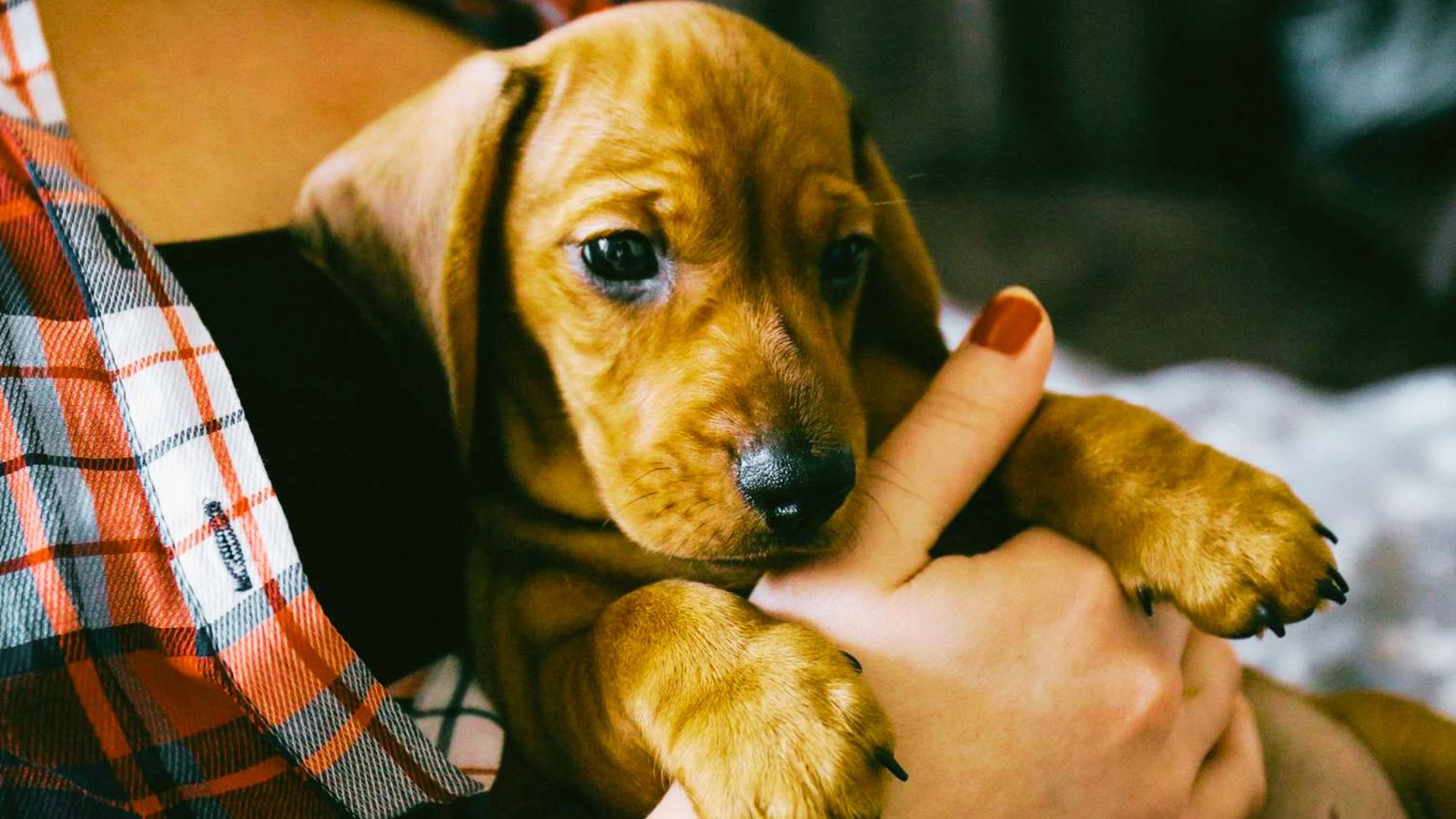
Puppies and senior dogs need earlier intervention. Their bodies have less reserve and decline faster than healthy adults.
Conclusion
I used to think dehydration was something that only happened to dogs left outside in extreme heat. I was wrong.
Dog dehydration can happen quietly, on a regular day, with no obvious trigger. That's what makes it so easy to miss. You now have the knowledge to catch it before it turns serious.
So take five minutes today, check your dog's gums, refill that water bowl, and stay observant.
If something feels off, call your vet. Don't wait. Share this with a dog owner who needs it.
Frequently Asked Questions
What Are the First Signs of Dog Dehydration?
Early signs include dry gums, low energy, and reduced skin elasticity. These can appear before more serious symptoms develop.
How Can I Quickly Check if My Dog Is Dehydrated?
Check the gums for moisture, do the skin pinch test, and observe energy levels. These three checks give you a solid picture fast.
Can Dog Dehydration Become Life-Threatening?
Yes, severe dehydration can lead to organ failure if left untreated. Puppies and senior dogs face this risk much faster.
What Should I Give My Dog if They Are Dehydrated?
Offer fresh water in small amounts and use vet-approved electrolyte solutions for mild cases. Severe cases need IV fluids from a vet.
How Long Does It Take for a Dog to Recover From Dehydration?
Mild cases can improve within hours with proper hydration. Severe cases depend on the underlying causse and require veterinary care.