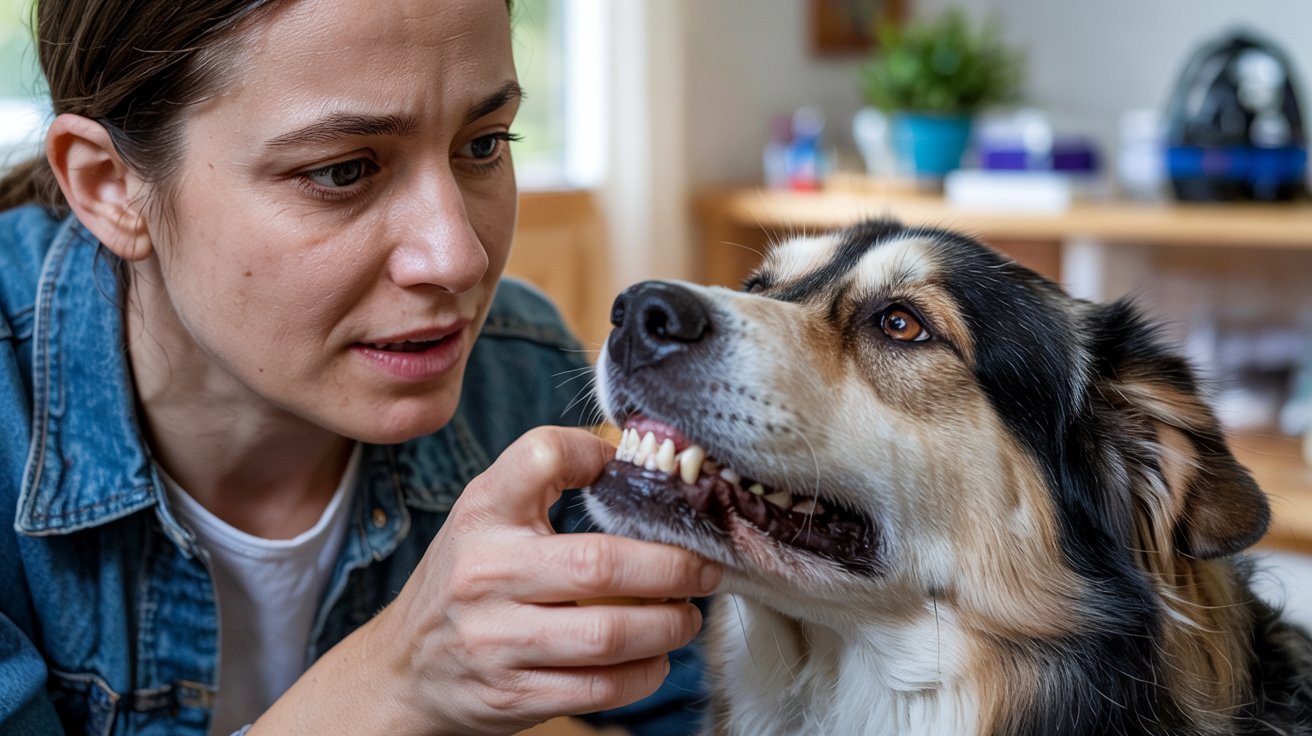

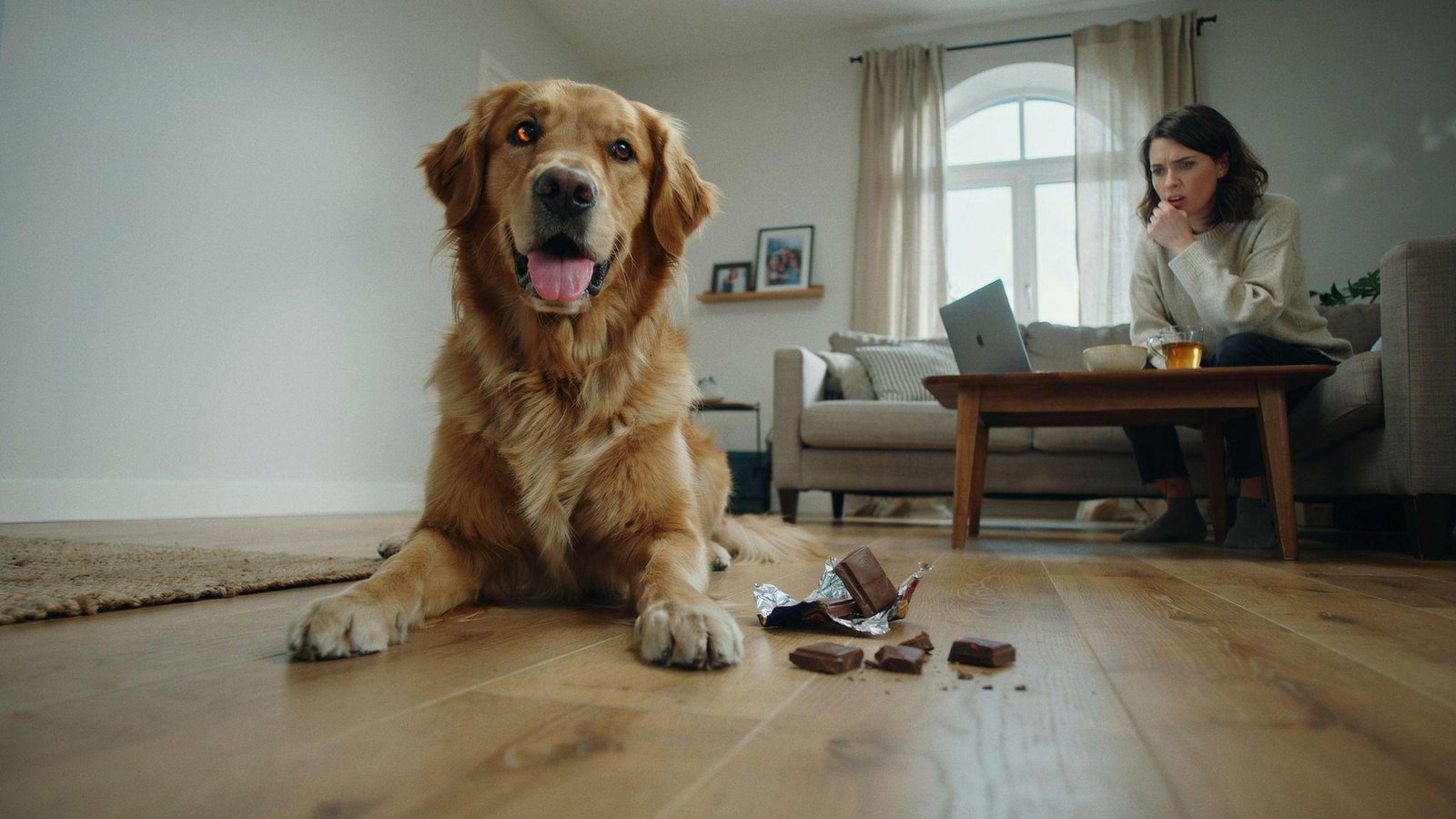
I have been there. You turn around for two minutes and your dog has gotten into the chocolate. Your heart drops. But then they look up at you, tail wagging, acting like nothing happened.
So now what? If you are thinking my dog ate chocolate but is acting fine, that calm exterior can be misleading. I learned this the hard way researching pet emergencies.
Chocolate toxicity does not always show up immediately. In fact, the most dangerous window is the one where your dog seems perfectly okay.
Here is exactly what you need to know and do right now.
Understanding Chocolate Toxicity in Dogs
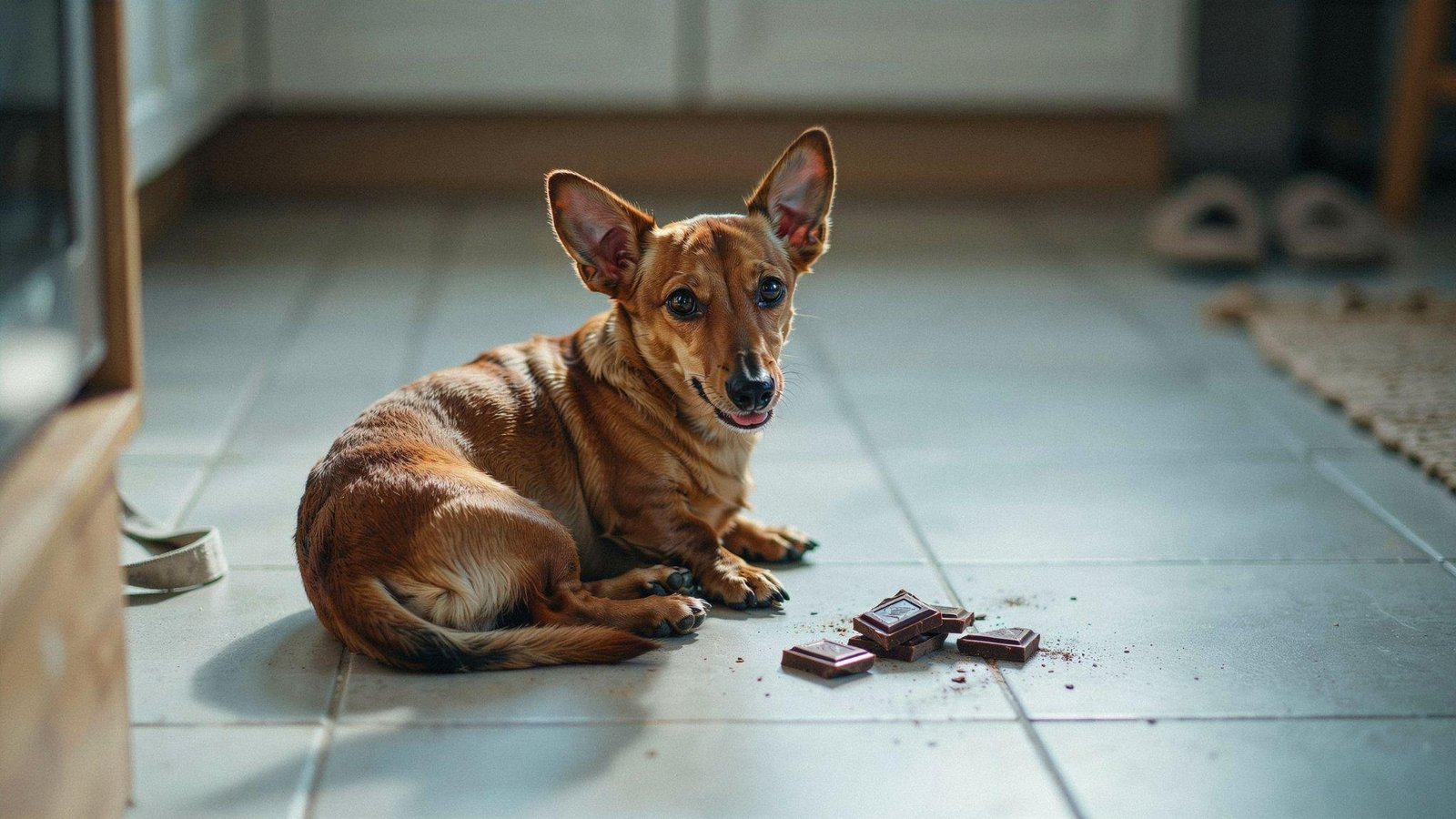
Chocolate contains theobromine and caffeine. Dogs process these much slower than humans, so toxins build up fast.
Not all chocolate carries the same risk. Baking and dark chocolate are the most dangerous. Milk chocolate has less, white chocolate has almost none.
Your dog's size matters. A large dog eating a small piece of milk chocolate is very different from a small dog eating the same amount.
Symptoms can take 6 to 12 hours to appear. Acting fine now does not mean your dog is safe.
My Dog Ate Chocolate But Is Acting Fine: Should I Be Concerned?
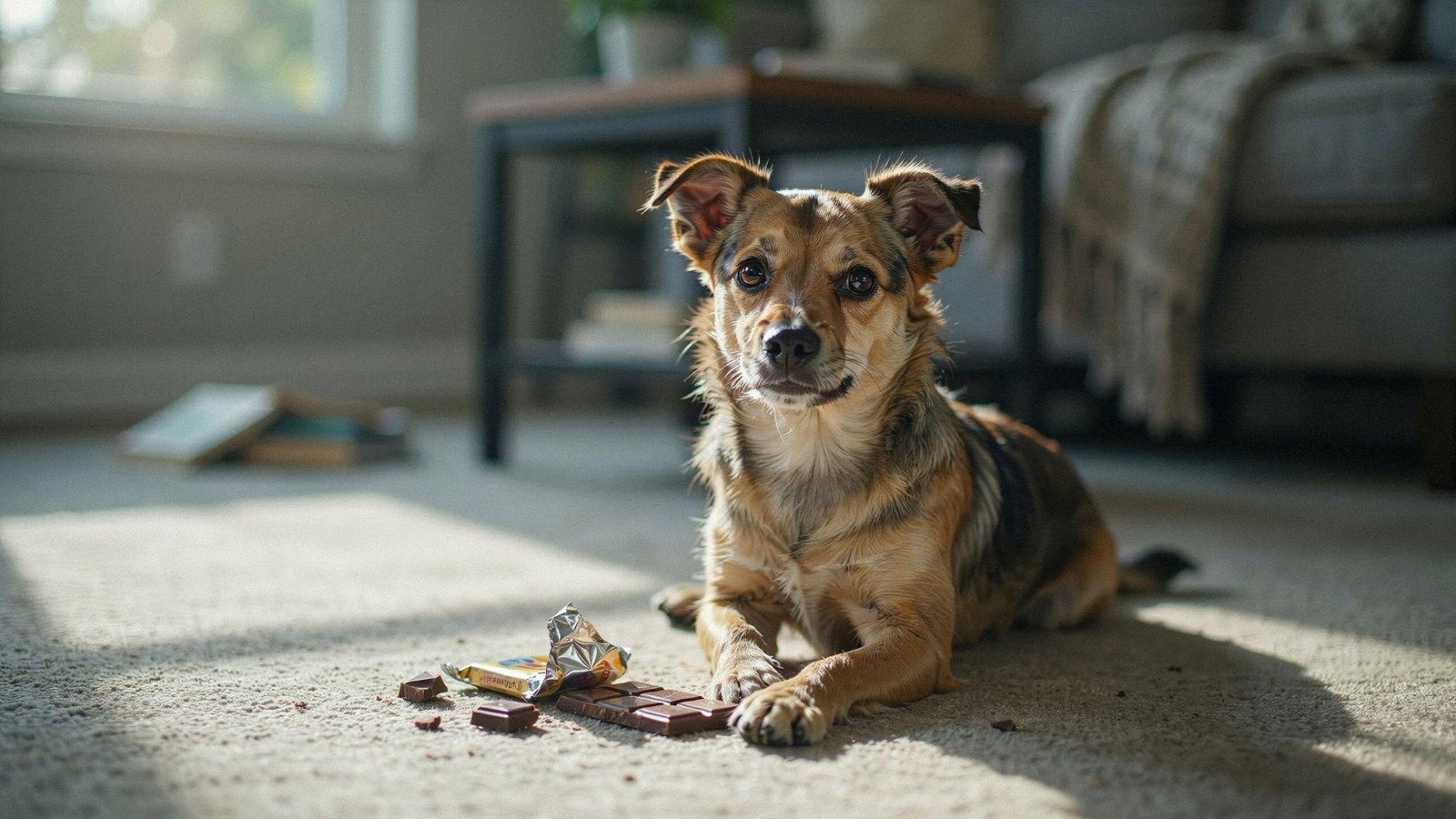
Yes. Acting fine in the first few hours is common. Theobromine moves slowly through a dog's body, and symptoms often come later.
Several factors determine the risk level:
- Type of chocolate: Dark and baking chocolate are far more dangerous than milk chocolate
- Quantity eaten: More chocolate means higher toxin intake
- Dog's weight: Smaller dogs are at greater risk
- Time since ingestion: Earlier action means better outcomes
A large dog that ate a small amount of milk chocolate may be low risk. A small dog that ate dark chocolate needs urgent attention, even if acting fine.
Do not wait for symptoms. By the time they show, the toxins are already absorbed.
Signs of Chocolate Poisoning to Watch For
Even if your dog seems okay, watch closely for the next 12 hours. Symptoms can escalate fast once they start.
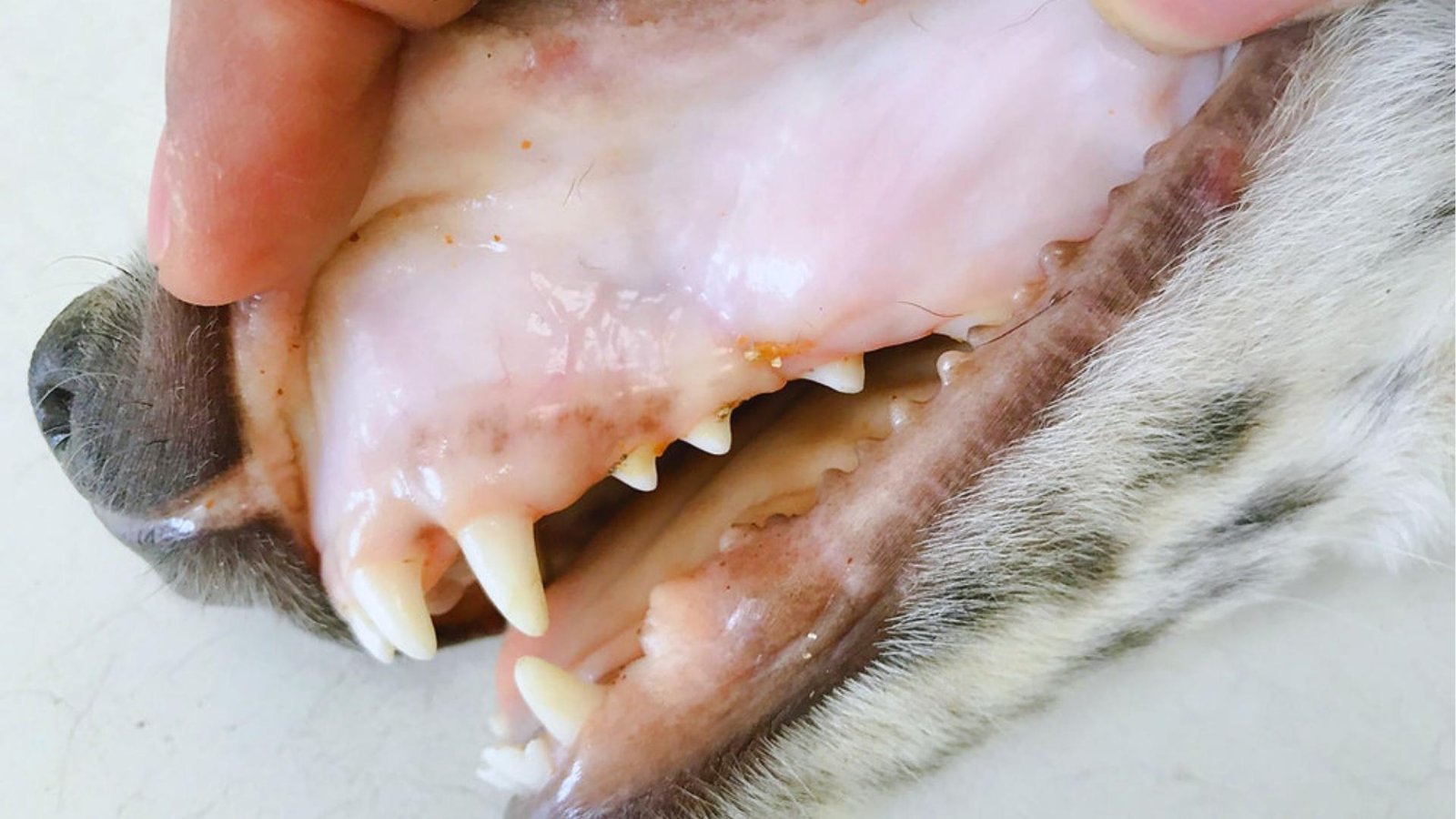
- Vomiting: often the first sign
- Diarrhea: may follow vomiting
- Restlessness: pacing, unable to settle
- Rapid heart rate: stimulants taking effect
- Tremors or seizures: serious, needs immediate care
- Excessive thirst: increased drinking and urination
If you see any of these, call your vet or an emergency animal hospital right away. Waiting only narrows your treatment window.
What To Do Immediately After Your Dog Eats Chocolate
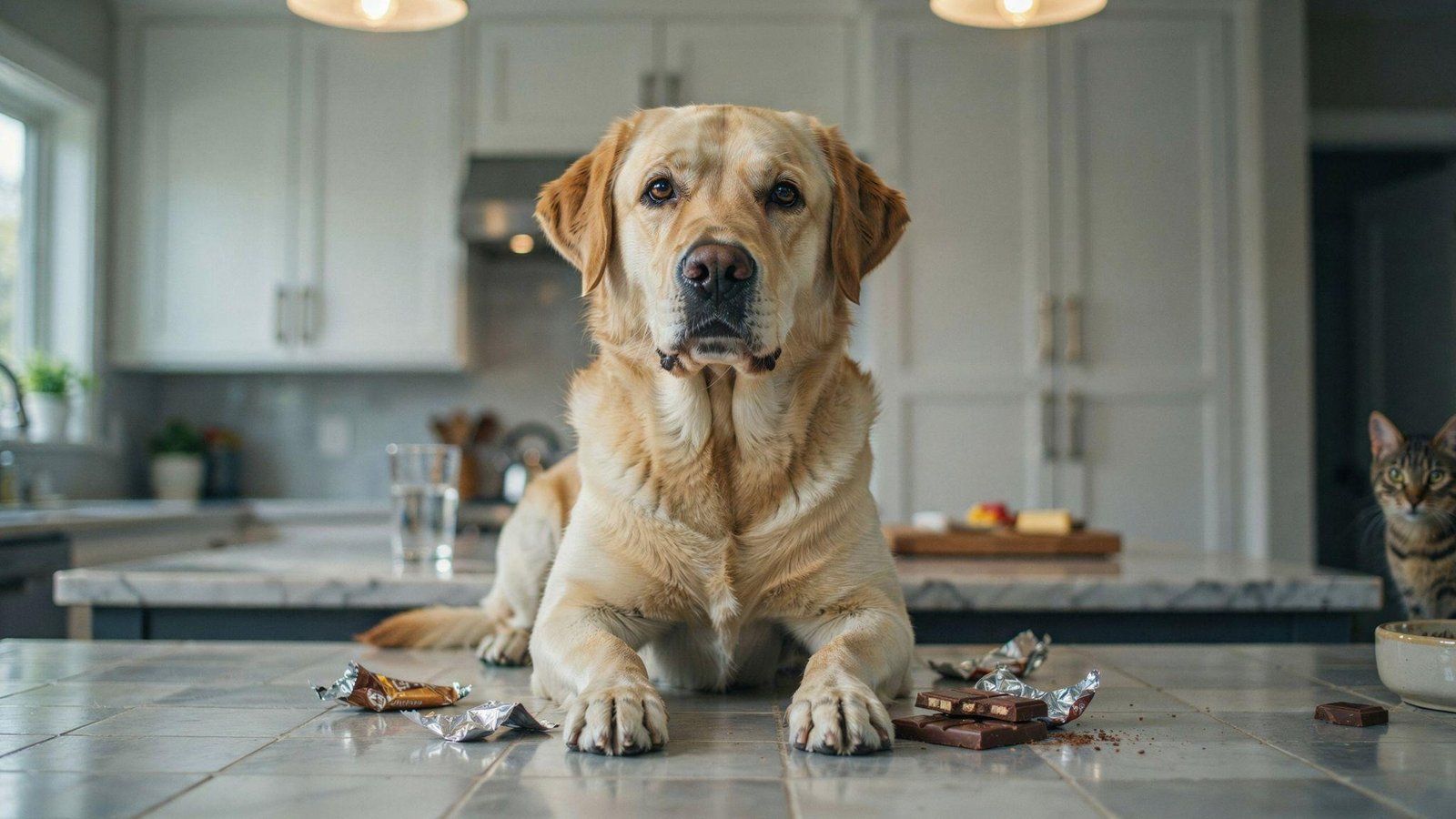
Do not panic, but do not wait. The next 30 minutes matter. Here is what to do.
Identify the Type and Amount
Check the packaging for cocoa percentage. Higher percentage means more theobromine. Estimate how much was eaten and note your dog's weight before calling.
Contact a Vet Quickly
Call your vet or a pet poison helpline straight away. If your dog shows seizures or a racing heart, go directly to an emergency animal hospital. In dog chocolate poisoning cases, speed matters.
Avoid Unsafe Home Remedies
Do not induce vomiting unless a vet tells you to. Salt, hydrogen peroxide, and similar methods can cause serious harm. Let the vet guide your next step.
When To Monitor at Home vs Go to the Vet
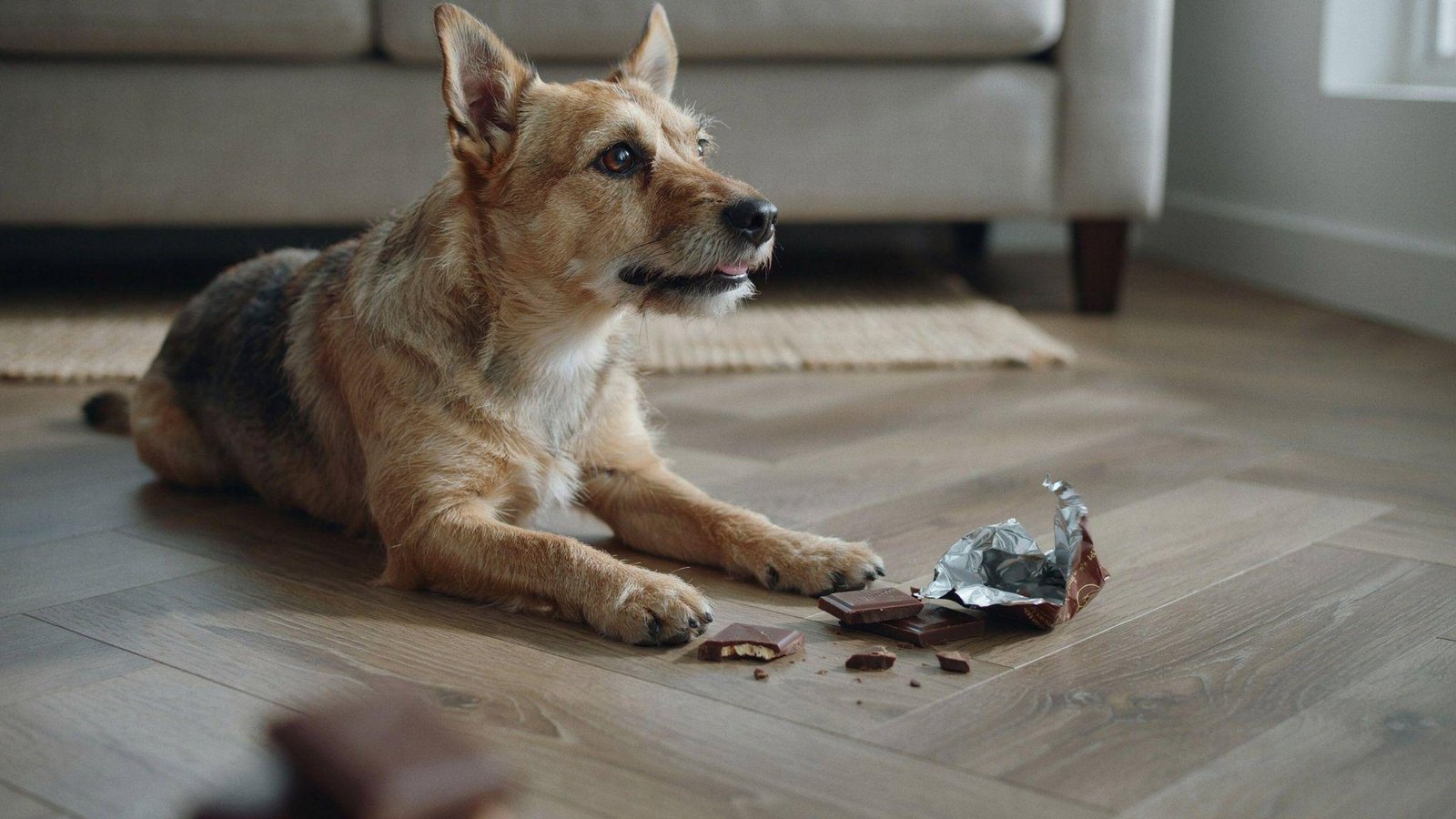
A large dog that ate a tiny piece of milk chocolate may be okay with close monitoring for 12 hours.
Dark chocolate, baking chocolate, or cocoa powder needs a vet call regardless of amount. Small dogs need urgent care even with milk chocolate.
Tremors, seizures, or a rapid heart rate mean go now. When in doubt, call. A vet can advise you quickly over the phone.
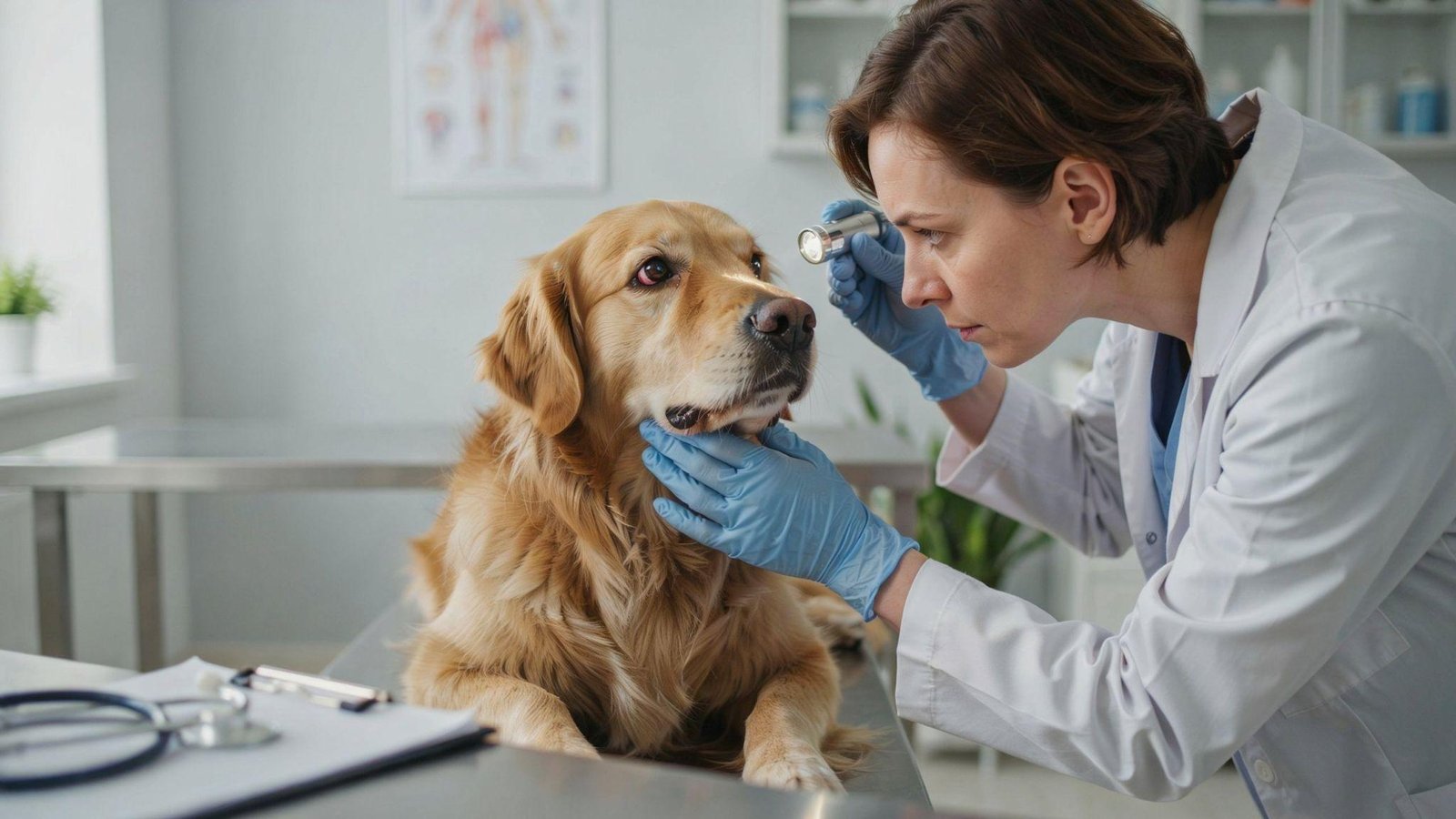
How Vets Treat Chocolate Poisoning
If caught early, a vet may induce vomiting before the chocolate fully absorbs. Activated charcoal is often given to limit further theobromine absorption.
IV fluids support the heart and kidneys and help flush toxins. Most dogs recover well when treatment starts early.
Chocolate Toxicity Quick Reference Chart
| Chocolate Type | Theobromine per oz | Risk Level |
| White chocolate | Trace amounts | Very low |
| Milk chocolate | ~60 mg | Low to moderate |
| Dark chocolate | ~150 mg | High |
| Baking chocolate | ~450 mg | Very high |
| Cocoa powder | ~800 mg | Extremely high |
Risk also depends on your dog's weight. Always contact a vet for a proper assessment.
How To Prevent Future Chocolate Accidents
Most chocolate accidents happen because the food was within reach. A few habits can stop it from happening again.
- Store chocolate in closed cabinets your dog cannot access
- Warn children and guests not to share chocolate with your dog
- Be extra careful during holidays when chocolate is more common around the home
- Keep your vet's number saved so you are not searching in a panic
- Check bags and countertops before leaving your dog unsupervised
Dogs are opportunistic. If they can reach it, they will eat it.
Conclusion
I have written about pet emergencies for years, and chocolate cases always stand out. Why? Because so many owners wait.
They see a happy, tail-wagging dog and assume the worst is over. If my dog ate chocolate but is acting fine sounds familiar right now, please do not sit on it.
Pick up the phone and call your vet. One conversation could save your dog's life. Share this post with every dog owner you know. It might help someone else make that call in time.
Frequently Asked Questions
Can dogs seem fine after eating toxic chocolate?
Yes. Symptoms can take 6 to 12 hours to appear, so acting fine does not mean they are out of danger.
How much chocolate is dangerous for dogs?
It depends on the type and your dog's weight. Dark and baking chocolate are risky even in small amounts.
What if my dog ate chocolate but is acting fine after 12 hours?
Risk may be lower if the amount was small, but still call your vet to confirm based on your dog's situation.
Should I make my dog vomit?
No, not without vet guidance. Doing it incorrectly can cause harm. Always call a professional first.
Which chocolate is most toxic to dogs?
Baking chocolate and cocoa powder carry the highest theobromine levels. Dark chocolate follows closely behind.