
If your dog came in from the yard with a swollen face or puffy paws, you're likely worried and you should be paying attention.
Allergic reaction dog mosquito bite swelling can range from a minor itch to a serious situation that needs fast care.
In this article, I'll walk you through what causes the swelling, what signs to watch for, how dangerous it can get, and when to call your vet.
I'll also cover treatment and prevention so you're never caught off guard. I've spent years helping dog owners handle exactly this.
You'll leave knowing what to do, step by step.
Understanding Allergic Reaction Dog Mosquito Bite Swelling
When a mosquito bites your dog, it injects tiny proteins from its saliva. Your dog's immune system sees these as threats and releases histamine, causing swelling, redness, and itch.
Most dogs have a mild reaction, but some immune systems overreact, leading to much bigger swelling than you'd expect. Not every dog responds the same way.
Some barely notice a bite while others swell up fast. Dogs that get bitten often can become more reactive over time, with each bite training the immune system to respond harder.
Secondary allergens in mosquito saliva can add extra triggers to an already sensitive system.
Symptoms of Allergic Reaction Dog Mosquito Bite Swelling
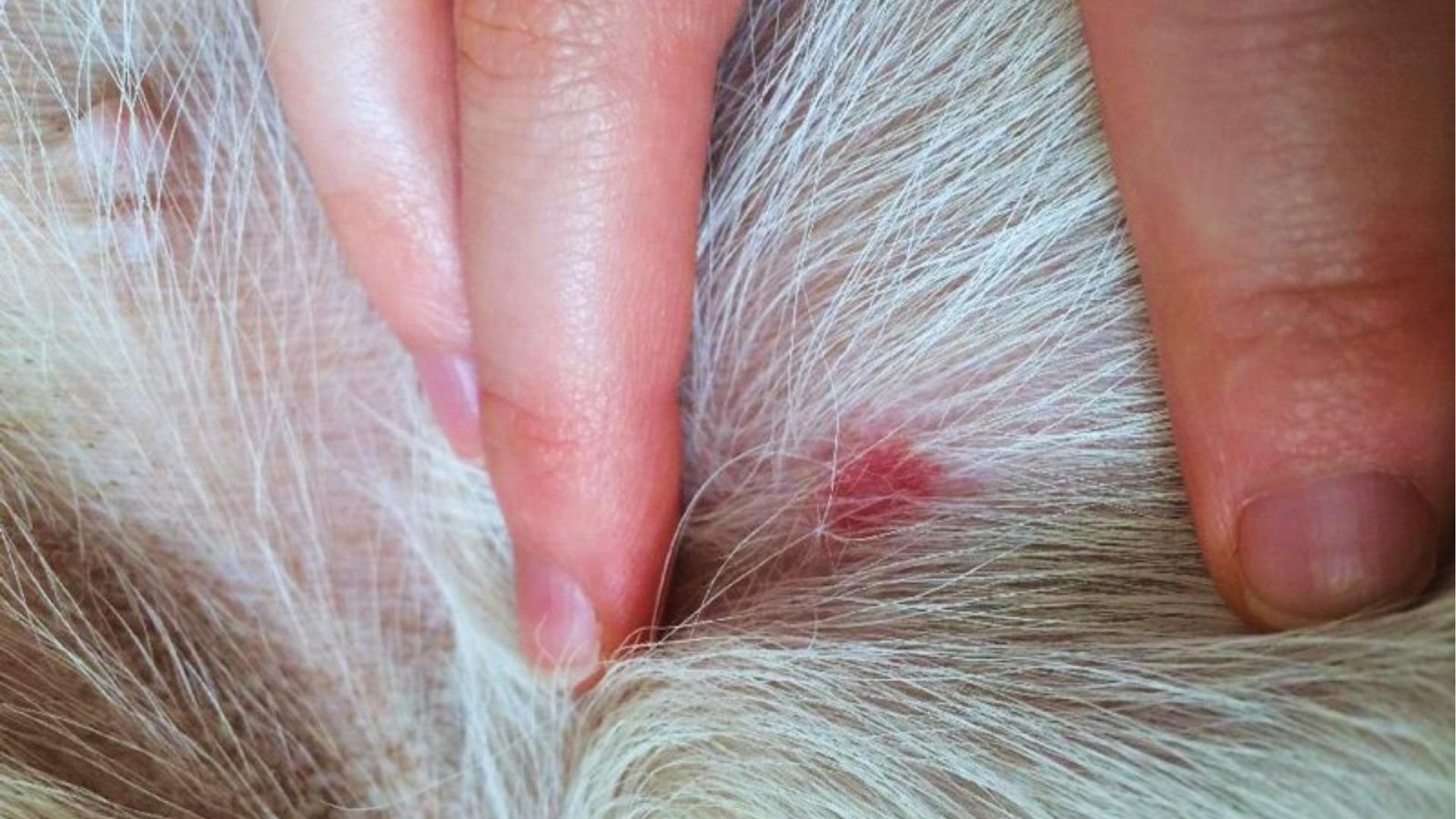
Reactions can go from small bumps to serious emergencies. Know the difference.
Mild Symptoms
These are common and usually not dangerous
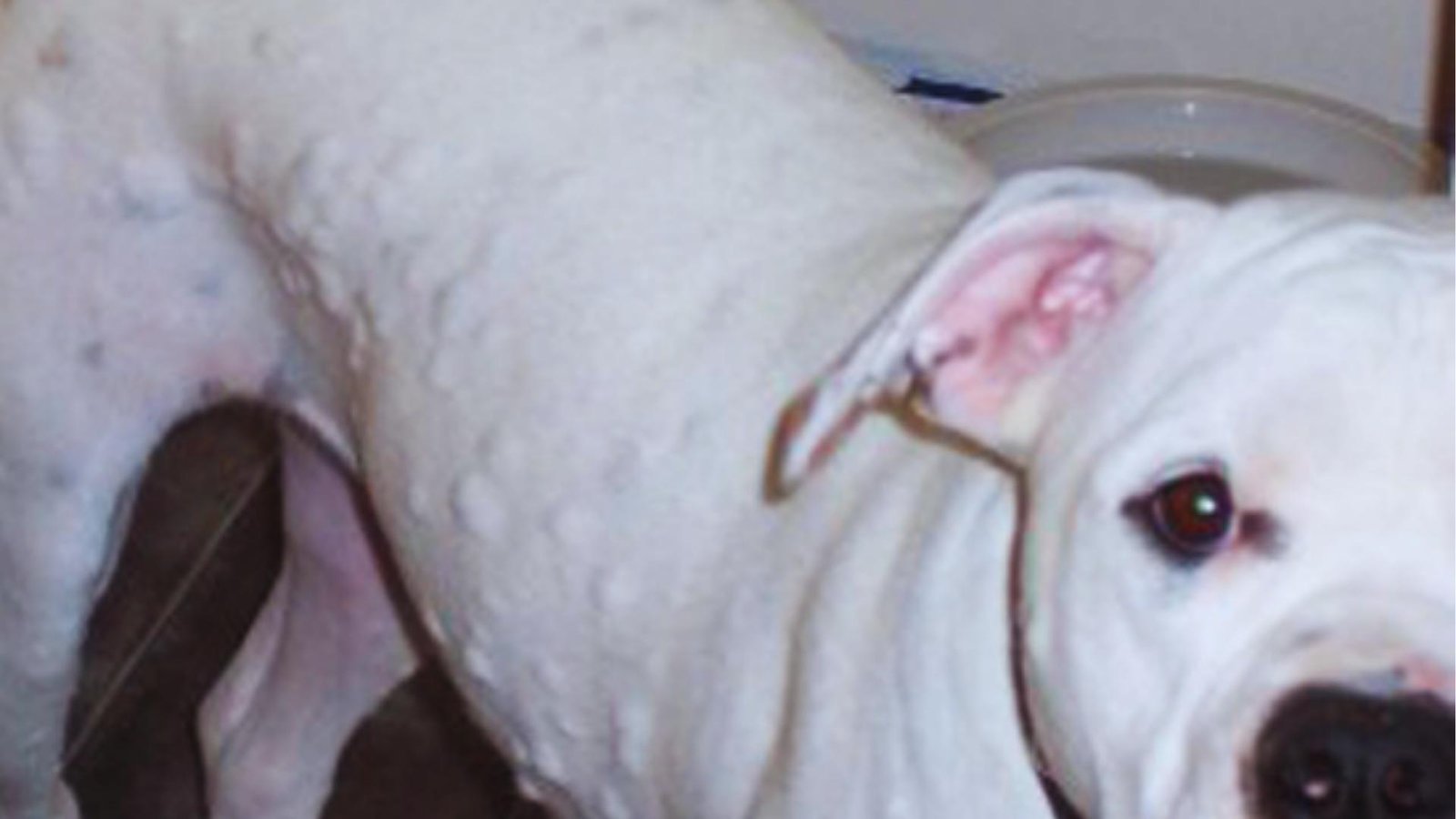
- Small bumps or raised welts on the skin
- Localized swelling near the bite site
- Licking, scratching, or rubbing the area
Moderate Symptoms
These need close watching:
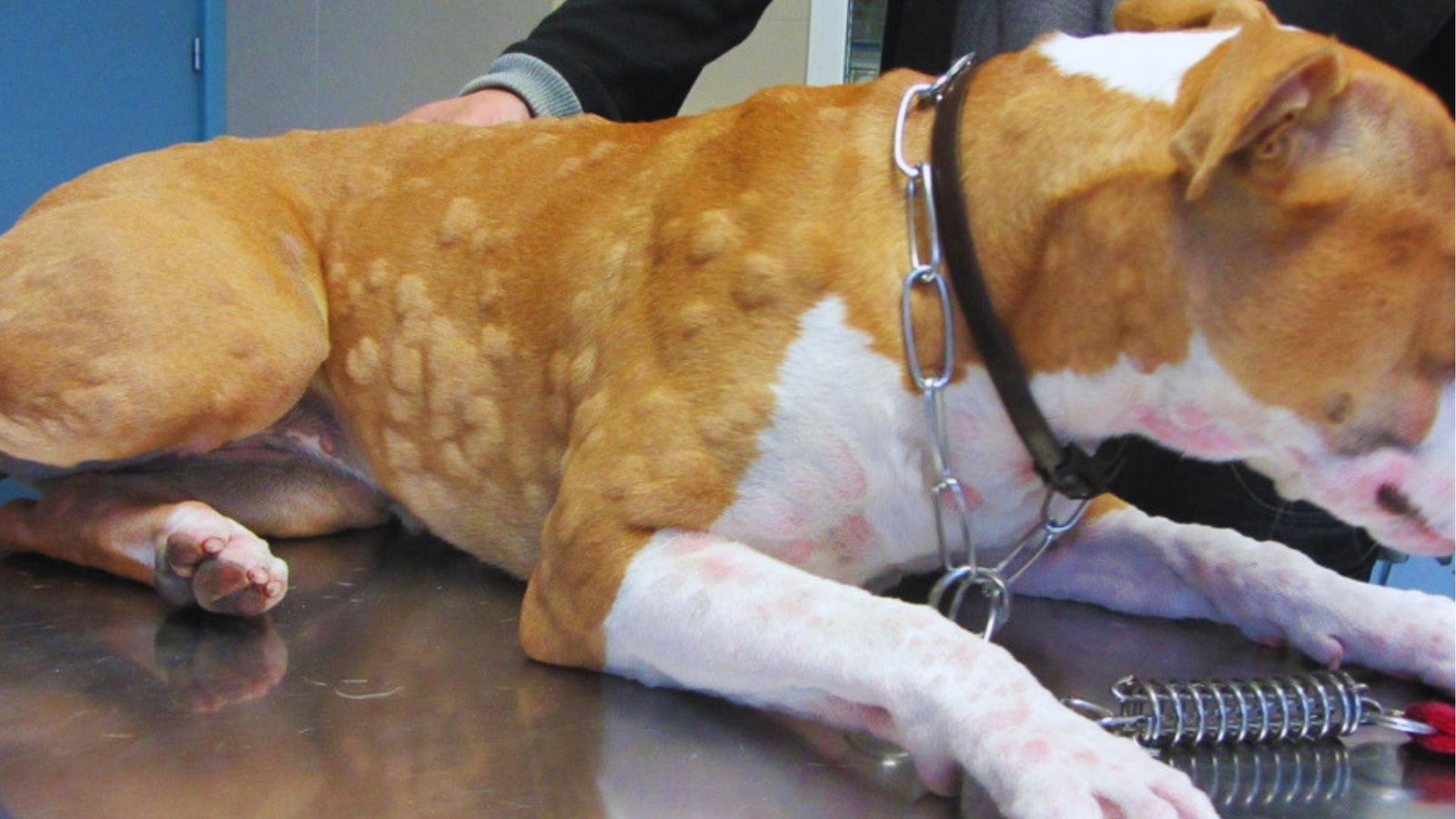
- Hives or a spreading rash
- Swelling on the face, paws, or across the body
- Your dog seems tired or is not eating normally
Severe Symptoms (Emergency Signs)
Go to a vet immediately if you see any of these
- Trouble breathing or gasping
- Vomiting or diarrhea
- Pale gums or your dog collapses
How Dangerous Is Mosquito Bite Swelling in Dogs
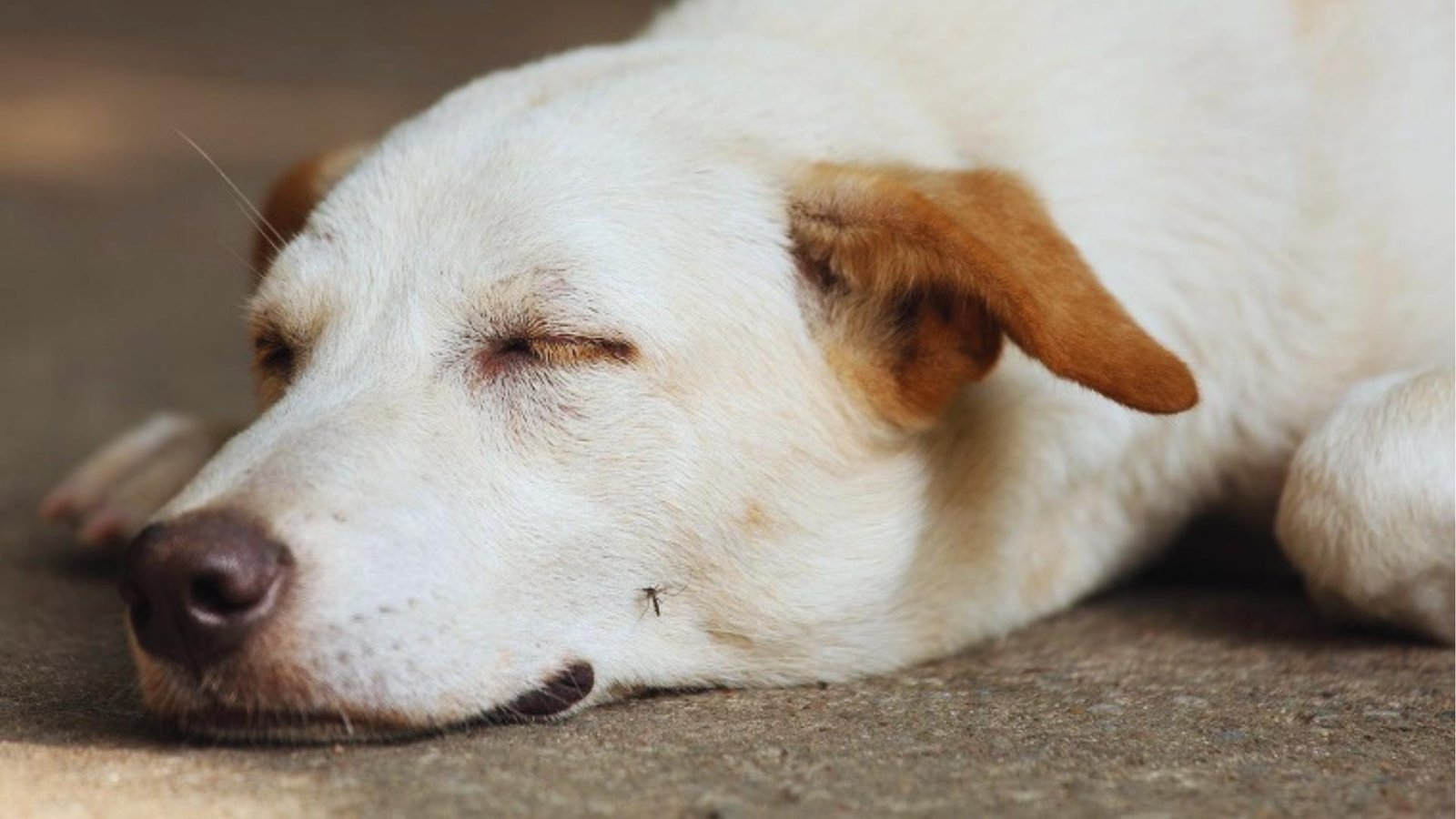
Some swelling is harmless. Some are not. Here's how to tell.
When Swelling Is Normal
A small, localized bump that fades in one to two days is usually nothing to panic about. It's your dog's body doing its job.
Watch it, but don't rush to the vet over mild, contained swelling that isn't spreading.
Potential Complications
If your dog scratches at the bite and breaks the skin, a bacterial infection can set in. This leads to hot spots, which are painful, moist patches of inflamed skin.
These get worse quickly if left alone.
Serious Health Risks
The worst-case scenario is anaphylaxis. This is a full-body allergic reaction that can affect breathing and circulation. It's rare, but it happens fast.
Mosquito bites also carry heartworm disease. This is a serious, long-term health risk that has nothing to do with the bite's size or swelling. A small bite can carry a big threat.
What to Do If Your Dog Has Swelling from a Mosquito Bite
Fast, calm action at home can make a big difference.
Immediate Steps at Home
Keep your dog from scratching. Put on a cone or cover the bite area with a light shirt or wrap. Scratching opens the skin and raises infection risk.
Watch the swelling for the first hour. Is it staying the same? Is it growing? Is your dog behaving normally? These observations will help your vet a lot if you do need to call.
When to Contact a Veterinarian
Call your vet if
- The swelling spreads or gets worse over a few hours
- You notice a smell, discharge, or heat around the bite
- Your dog shows any breathing problems or starts vomiting
When in doubt, call. Vets would rather hear from you early than late.
Treatment Options for Mosquito Bite Allergies in Dogs
Treatment depends on how bad the reaction is.
Mild Cases
Most mild reactions don't need medication. Basic care is enough. Keep the area clean. Stop your dog from licking or scratching.
Watch for any changes. Many mild bites clear up on their own in a day or two.
Medications and Veterinary Care
For moderate reactions, your vet may suggest antihistamines. For more serious swelling, corticosteroids can bring the inflammation down faster.
In emergency cases, your dog may need epinephrine and IV fluids. These cases are rare, but acting quickly matters.
Long-Term Management
If your dog reacts badly to mosquito bites every season, talk to your vet about immunotherapy. This is a longer-term approach that slowly reduces sensitivity.
Regular vet monitoring also helps you track patterns and catch problems early.
How to Prevent Allergic Reaction Dog Mosquito Bite Swelling
Prevention is easier than treatment. A few small changes go a long way.
Environmental Control
Remove any standing water from your yard. Buckets, pots, bird baths, and clogged gutters are all mosquito breeding spots. Fewer mosquitoes in your space means fewer bites for your dog.
You can also use outdoor mosquito control products. Just make sure anything near your dog is pet-safe.
Preventive Health Measures
Keep your dog on a regular heartworm prevention plan. This protects against one of the most serious risks a mosquito bite can cause.
Schedule annual vet checkups so your vet can spot any patterns or sensitivity changes.
General Prevention Tips
Simple daily habits can go a long way in keeping mosquitoes away from your dog.
- Keep your dog indoors during dusk and dawn. These are peak mosquito hours and the riskiest time for bites.
- Use only vet-approved mosquito repellents on your dog. Human products can contain ingredients that are toxic to pets.
- Trim grass and shrubs regularly. Mosquitoes rest in dense vegetation, so a clean yard means fewer hiding spots.
- Remove standing water from buckets, pots, and gutters. Even small amounts of water can breed hundreds of mosquitoes.
- Check your window and door screens for holes. Keeping mosquitoes out of your home protects your dog indoors too.
Conclusion
I know how scary it is to see your dog's face puffed up after a trip outside. I've been there, standing over my own dog wondering if I should rush to the emergency vet or just wait and watch.
Most of the time, quick action and calm observation are all it takes. Keep an eye on the swelling, stop the scratching, and trust your gut. If something feels off, call your vet.
Have you dealt with a mosquito bite reaction in your dog? Drop a comment below and share what helped. Someone else might really need it.
Frequently Asked Questions
Can a mosquito bite cause my dog's face to swell up?
Yes. Mosquito bites can trigger allergic reactions in dogs that cause noticeable facial swelling. If the swelling spreads quickly or affects breathing, see a vet right away.
How long does swelling from a mosquito bite last in dogs?
Mild swelling usually goes away within one to two days. If it lasts longer or gets worse, it may be infected or part of a stronger allergic reaction.
Are certain dog breeds more prone to mosquito bite allergies?
Dogs with sensitive immune systems or existing skin allergies tend to react more strongly. Any breed can be affected, but dogs with a history of allergies are at higher risk.
What can I put on my dog's mosquito bite at home?
A clean, cool compress can help reduce swelling. Do not use human antihistamine creams without checking with your vet first. Some ingredients are not safe for dogs.
Can mosquito bites make my dog sick beyond swelling?
Yes. Mosquitoes can transmit heartworm disease, which is a serious internal condition. This is separate from the bite reaction. Regular heartworm prevention is the best protection.