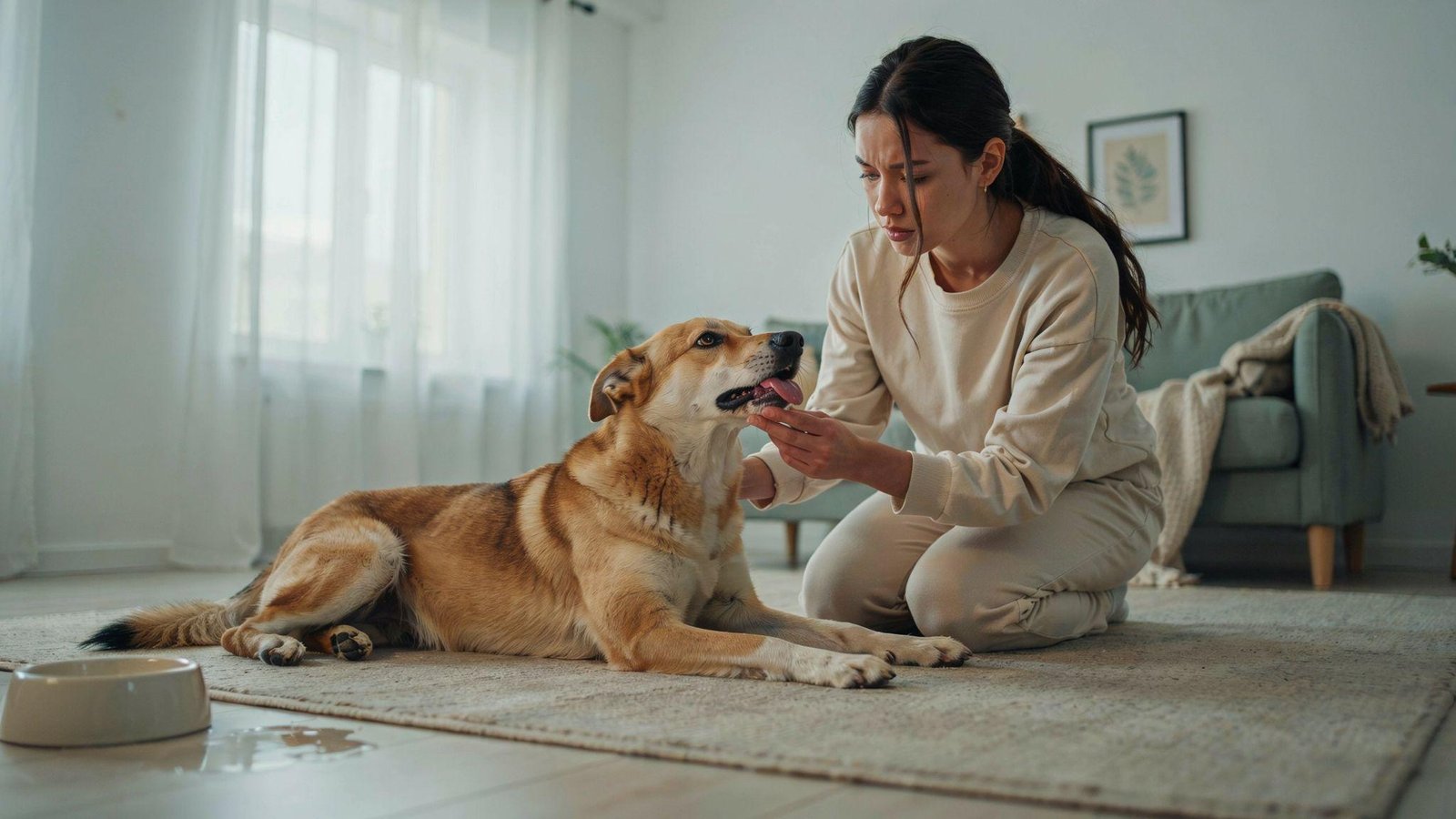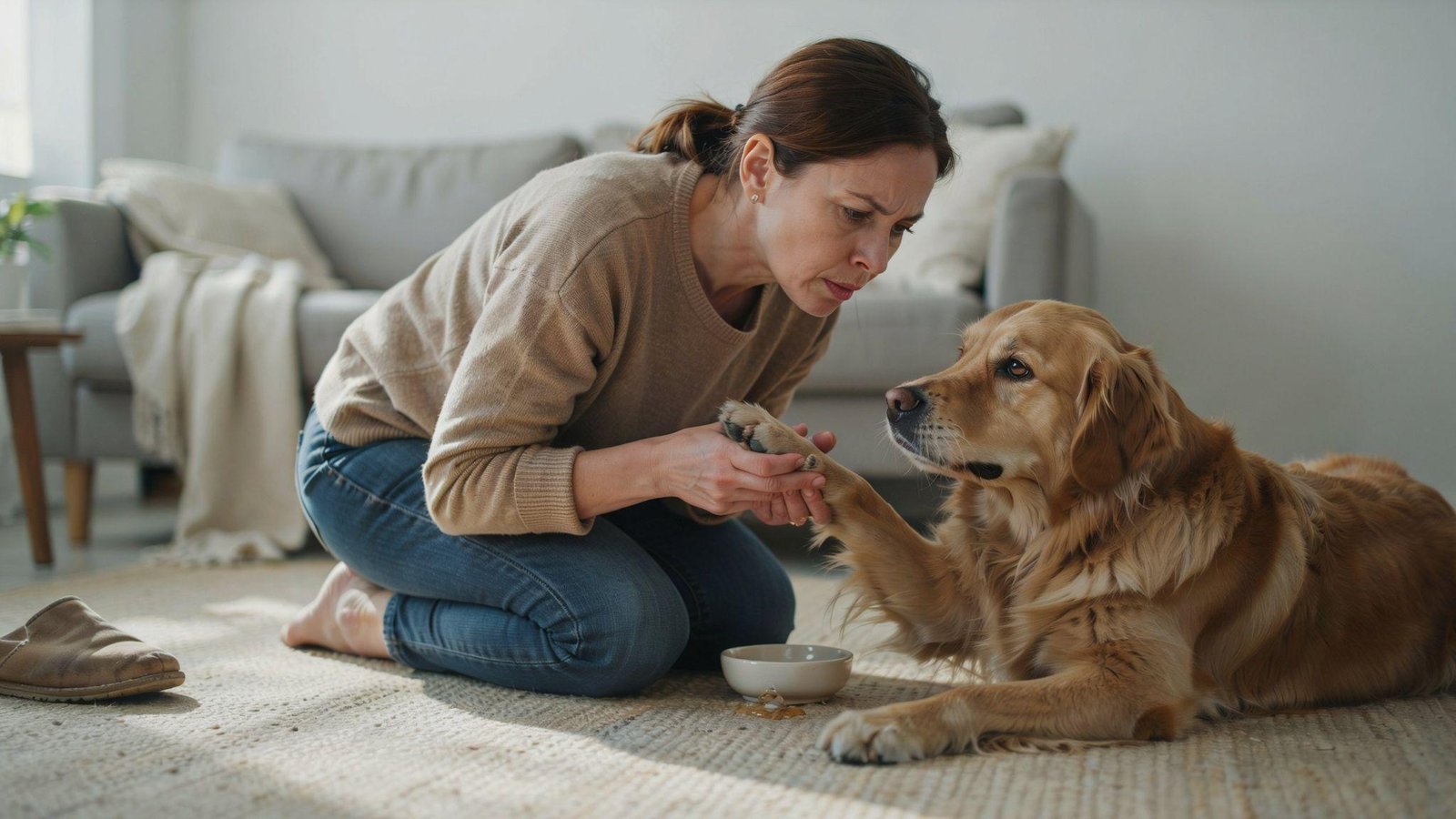

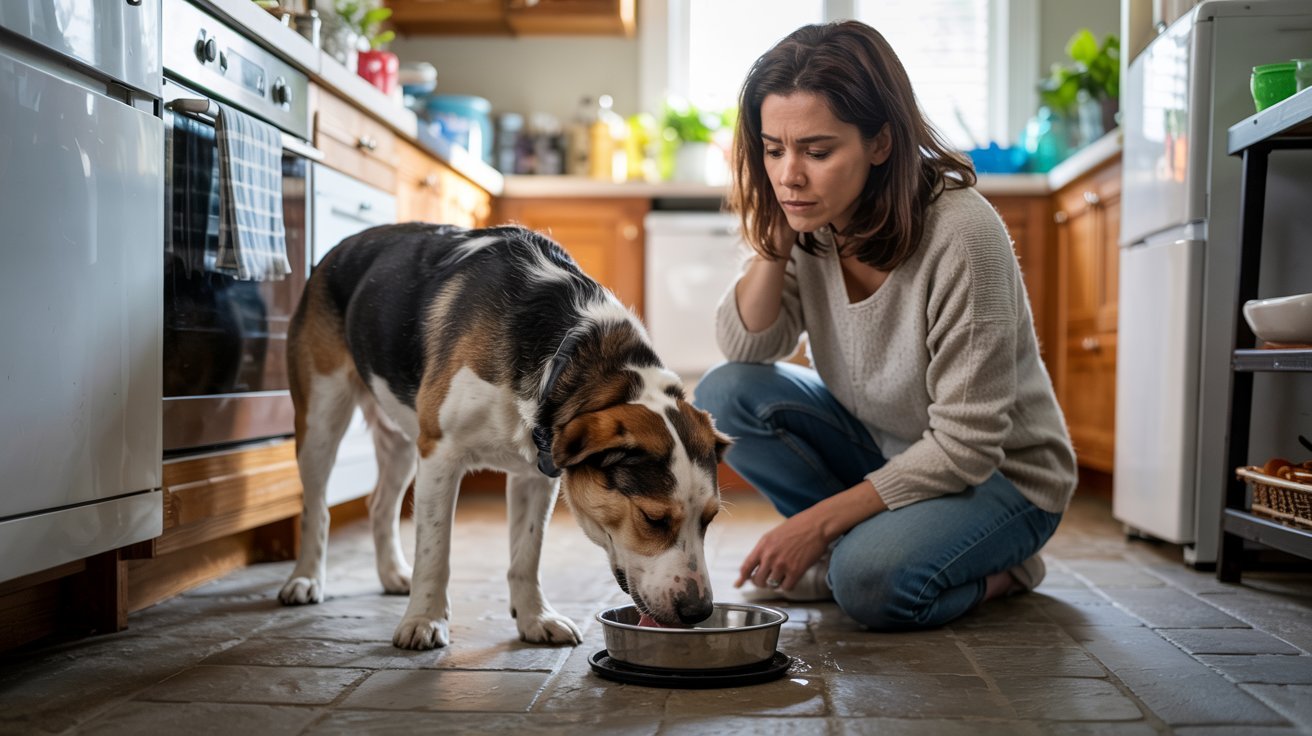
I noticed something was off with my dog before I could even explain why. He was at his water bowl constantly, way more than usual. That's when I started paying close attention.
A dog drinking a lot of water can mean something as simple as a hot day or a diet change. But it can also point to something you really don't want to miss.
I've talked to vets, done the research, and tracked the patterns myself.
In this blog, I'm breaking down every possible cause, the warning signs that matter, and exactly when you should pick up the phone and call your vet.
How Much Water Should a Dog Normally Drink?
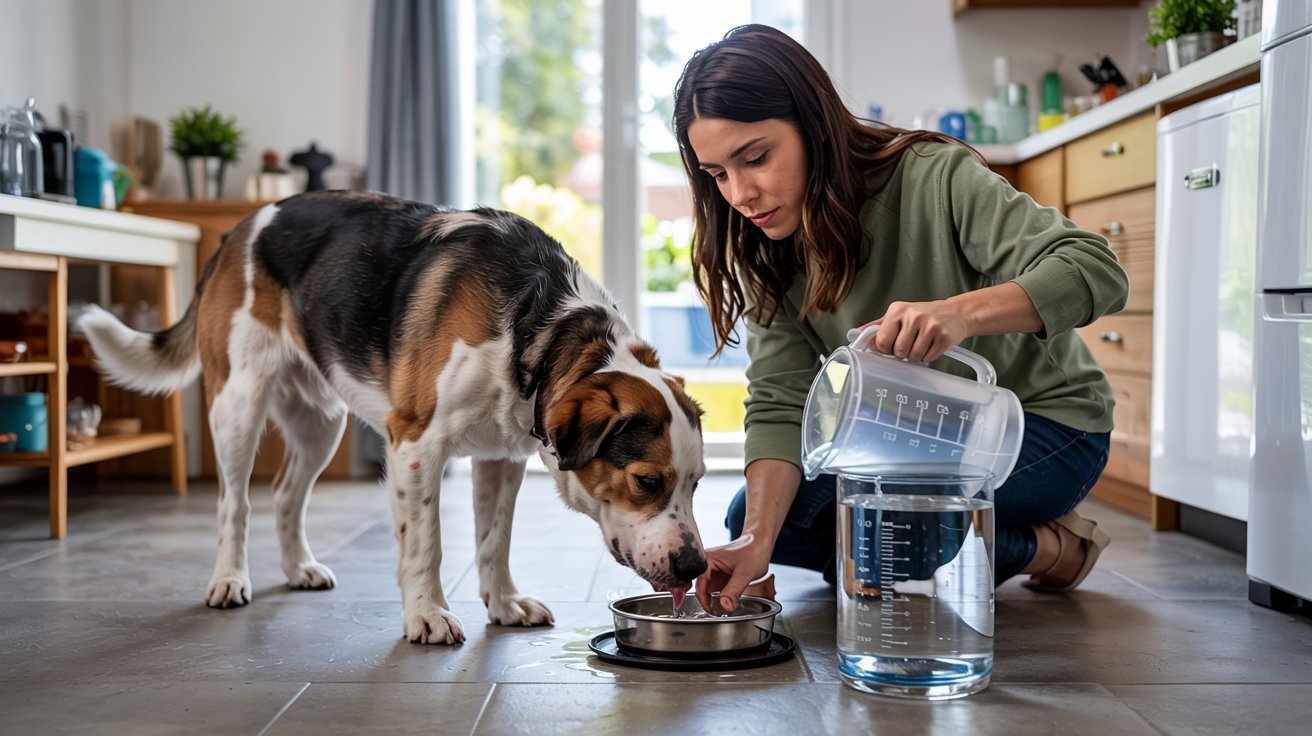
Most dogs need about one ounce of water per pound of body weight each day. A 30-pound dog should drink roughly 30 ounces daily. Going slightly over sometimes is fine.
A few things naturally push intake higher. Hot weather, long walks, and dry kibble all make dogs thirstier. Nursing or pregnant dogs need more water too.
If your dog drinks up to 1.5 ounces per pound on an active day, that's generally okay. Consistently drinking two to three times the normal amount is worth watching.
A simple check: notice how often you're refilling the bowl. If it's empty far more than usual, start tracking the amounts.
Common Reasons for Dog Drinking a Lot of Water
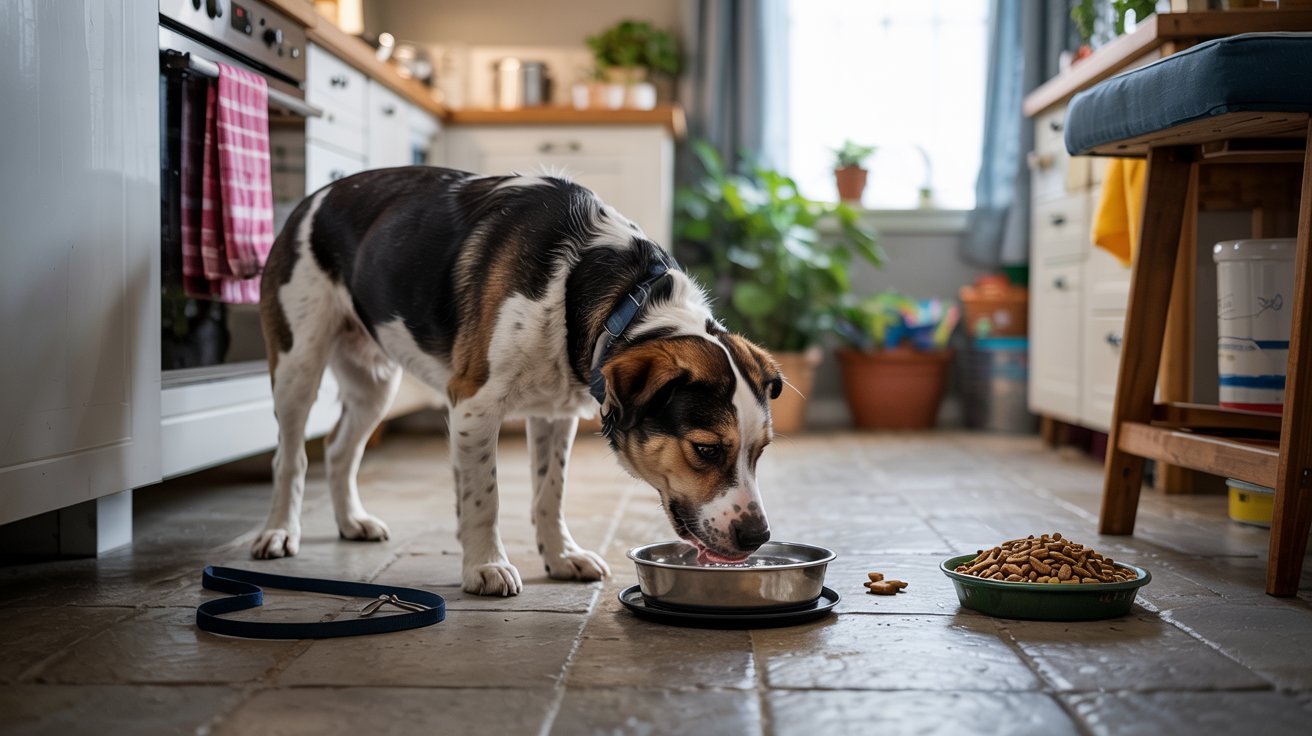
Not every case of increased thirst is a medical emergency. Several everyday reasons can explain why your dog is drinking more.
Hot Weather or Increased Activity
Dogs cool down through panting, not sweating. After a run or a hot afternoon outside, they drink more to rehydrate.
Seasonal changes matter too. Summer months and longer outdoor sessions can significantly increase water needs.
If the extra drinking only happens after exercise or on hot days, it's likely nothing to worry about.
Diet Changes
Switching from wet food to dry kibble is a common trigger. Wet food holds a lot of moisture, dry kibble has almost none.
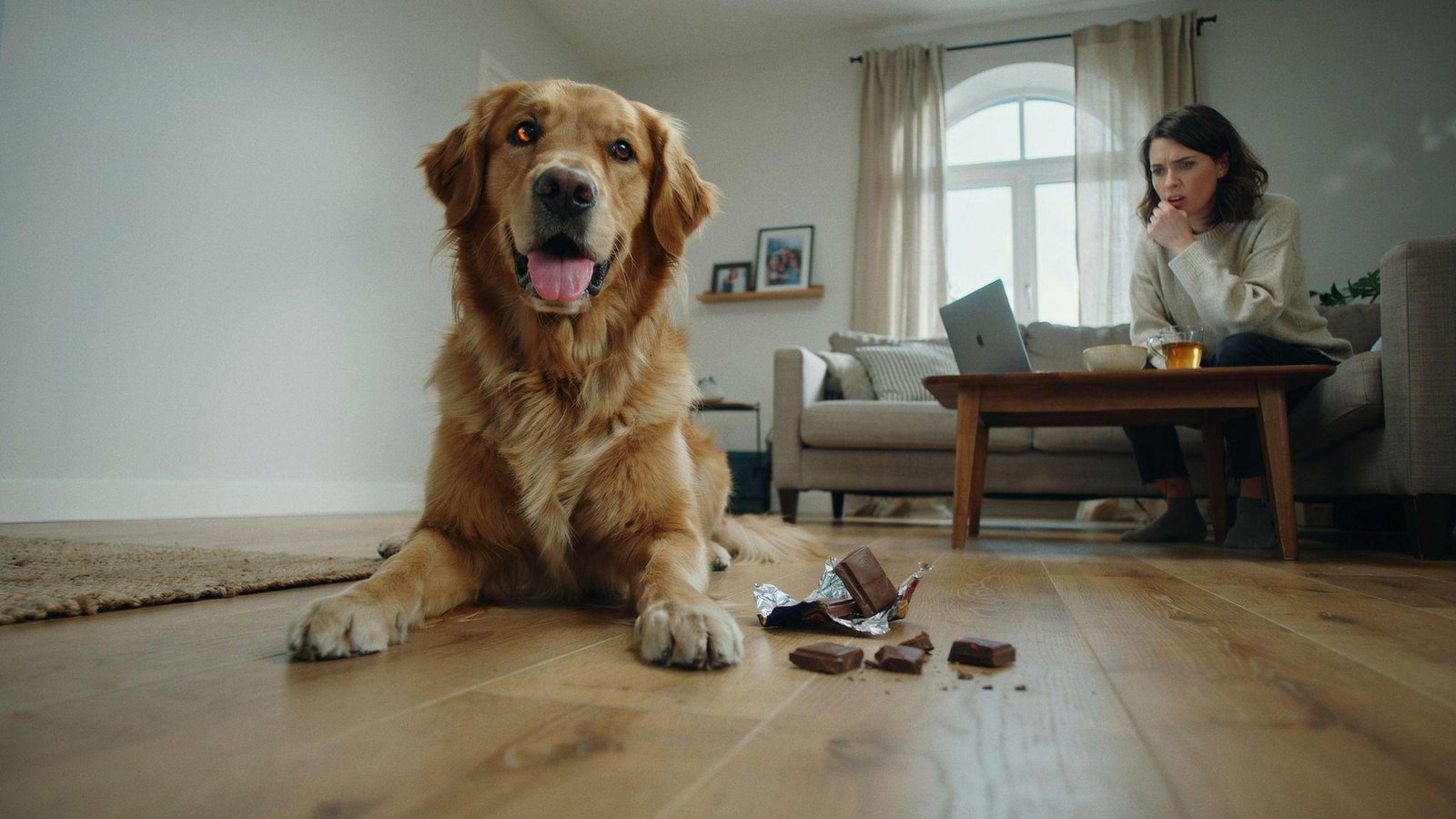
Salty treats or table scraps can also spike thirst quickly. Human foods often carry far more sodium than dogs need.
If you recently changed your dog's food or introduced new treats, that could explain the increase.
Stress or Anxiety
Some dogs drink more when anxious. It's a behavioral response that usually settles once things calm down.
Moving homes, loud noises, or household changes can all trigger temporary increases in drinking.
If the stress is ongoing, speak to your vet or a dog behaviorist.
Medication Side Effects
Steroids like prednisone are one of the most common causes of increased thirst. Diuretics and some anti-seizure medications have the same effect.
If your dog recently started a new medication and is now drinking more, it may be a normal side effect.
Always confirm with your vet to be sure.
Medical Conditions That Can Cause Excessive Thirst in Dogs
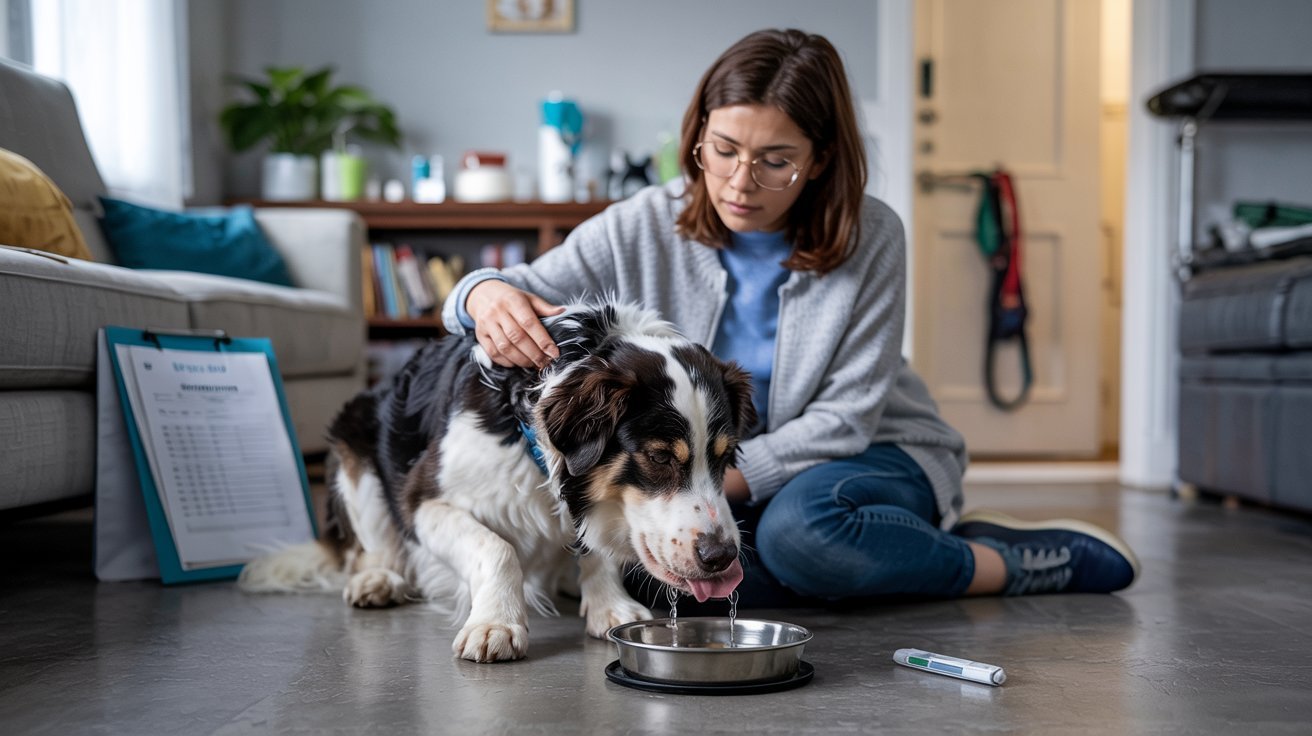
Sometimes a dog drinking a lot of water points to something happening inside the body. These are the conditions most commonly linked to excessive thirst.
Diabetes in Dogs
Diabetic dogs struggle to regulate blood sugar, and increased thirst and urination are among the first signs. You may also notice weight loss despite a good appetite.
Diabetes is more common in middle-aged to older dogs and unspayed females.
If you see more drinking alongside weight loss and frequent bathroom trips, contact your vet promptly.
Kidney Disease
When kidneys aren't working properly, the body loses more water than it should. One early sign many owners miss is subtle changes in urination frequency.
Mild weight loss or low energy can also appear early on.
Kidney disease is manageable when caught early. Waiting makes treatment harder.
Cushing's Disease
Cushing's disease is caused by excess cortisol and develops slowly. Common signs include a pot belly, panting, hair loss, and heavy drinking and urinating.
It's more common in middle-aged and older dogs. Poodles, Dachshunds, and Boxers are more prone to it.
Urinary Tract Infections
A UTI creates a constant urge to urinate, so dogs drink more to keep up. Watch for straining, indoor accidents, or cloudy urine.
UTIs are very treatable but need a proper diagnosis first.
Liver Disease
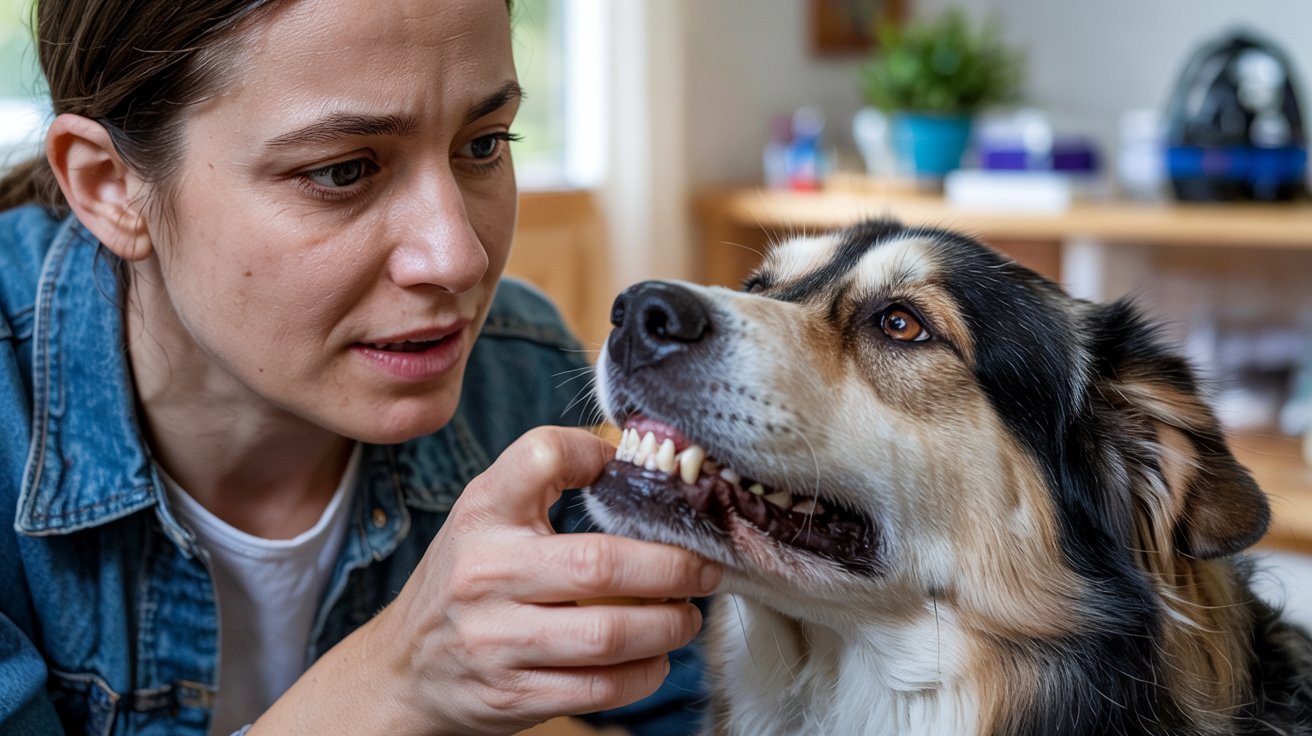
When the liver struggles, increased thirst often shows up alongside vomiting, appetite loss, and yellowing of the eyes or gums.
Early bloodwork can catch liver disease before symptoms get serious.
Dehydration or Fever
A sick or feverish dog uses up fluids fast. The body responds by driving thirst higher.
If your dog seems unwell and is drinking heavily, also check for lethargy, warm ears, or a dry nose.
Signs Your Dog's Water Drinking May Be Serious
Increased thirst alone doesn't always mean trouble. But when it comes with other changes, pay close attention.
Here are the signs I'd never ignore:
- Drinking excessively every day, not just after exercise
- Frequent indoor accidents despite being house-trained
- Vomiting or diarrhea lasting more than a day
- Lethargy or loss of energy
- Sudden unexplained weight loss
- Refusing food or eating much less
- Cloudy eyes, weakness, or unsteady walking
If you're seeing two or more of these alongside a dog drinking a lot of water, call your vet. Catching something early makes a real difference in how well your dog responds to treatment.
When Should You Take Your Dog to the Vet?
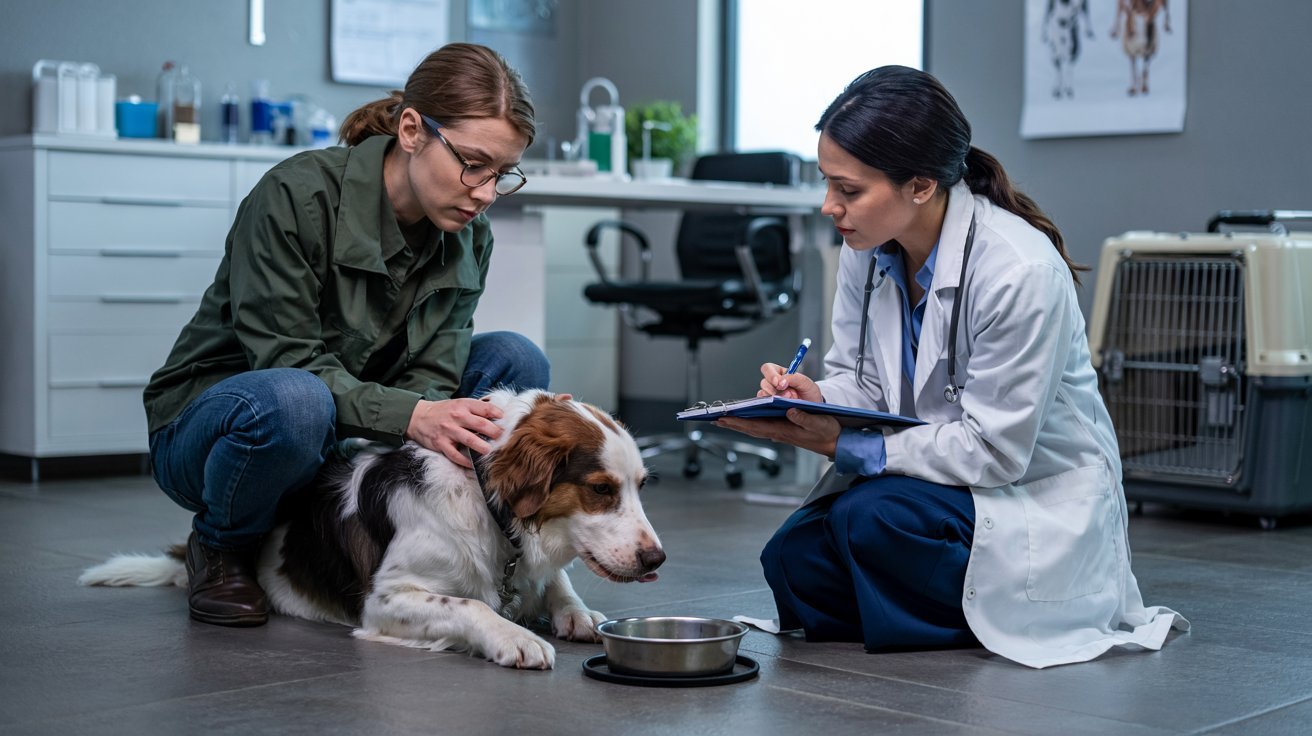
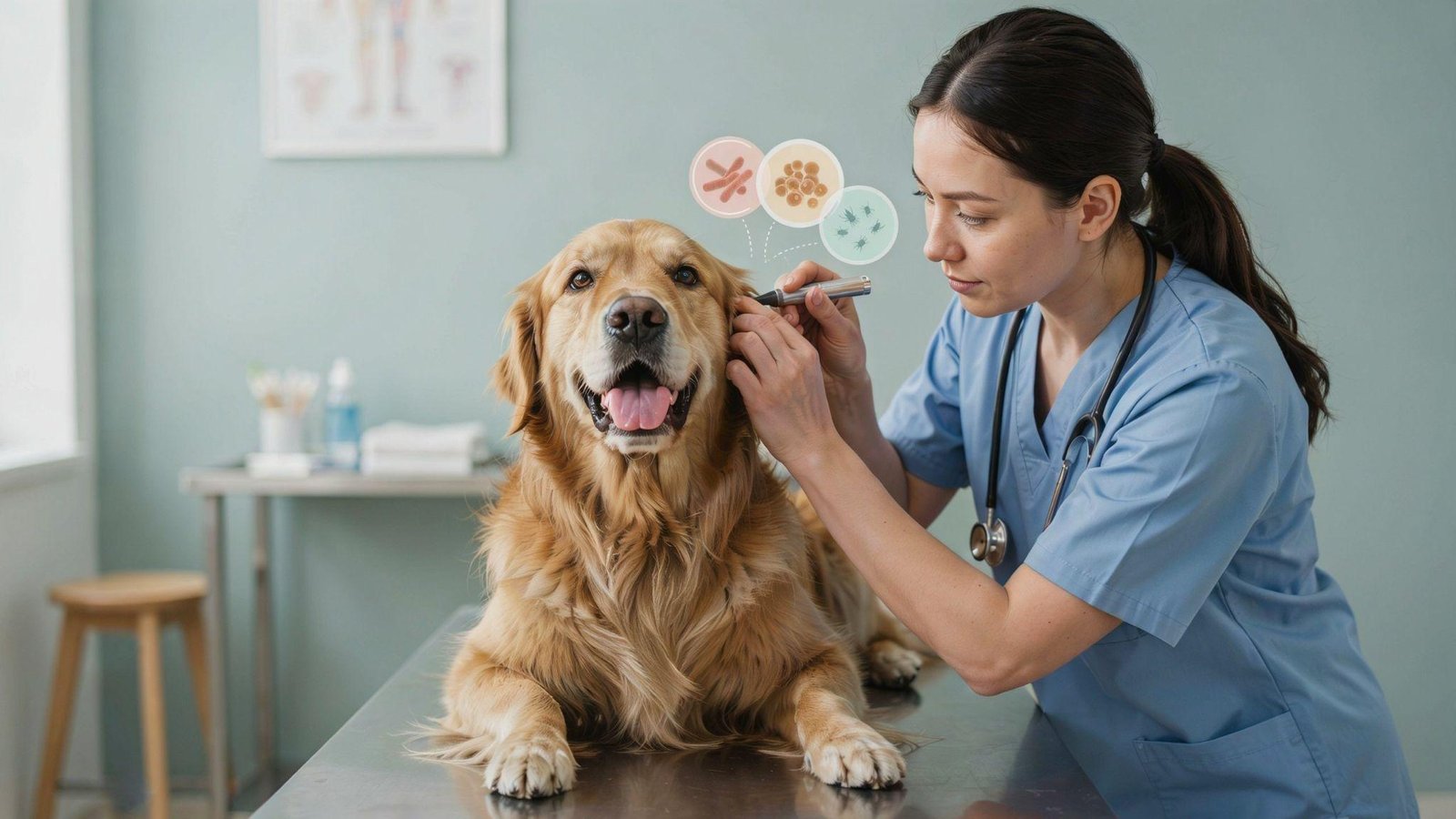
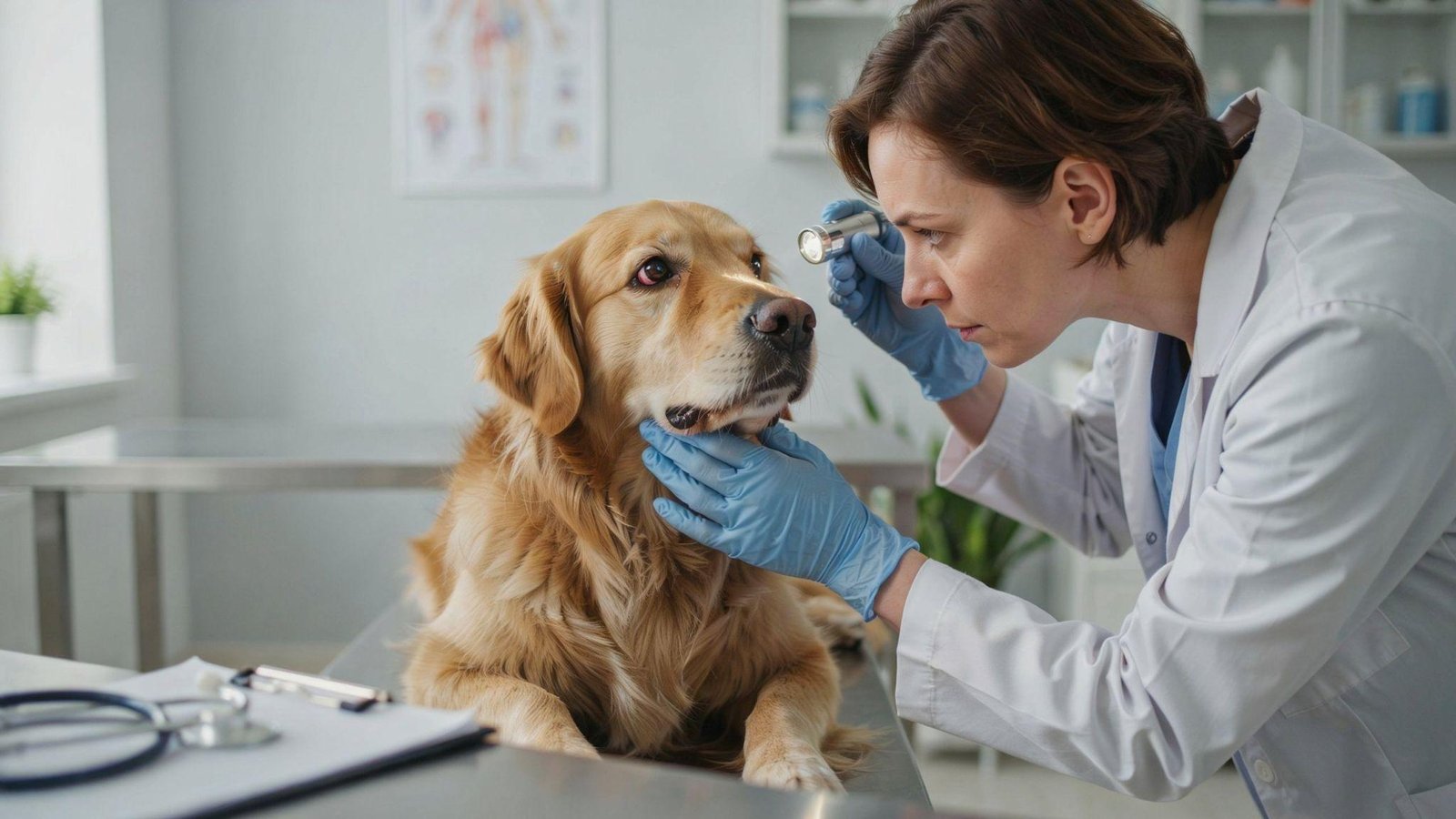
If your dog is drinking noticeably more for more than 24 to 48 hours straight, that's the time to call. One heavy-drinking day after a long hike is fine. Several days in a row is not.
When increased thirst comes with vomiting, weight loss, or lethargy, don't wait. That combination needs professional attention fast.
Senior dogs and higher-risk breeds should be taken seriously from the start. Any change in drinking habits in an older dog is worth a vet call.
Can You Prevent Excessive Thirst in Dogs?
Feed your dog a balanced diet suited to their age and size. Avoid high-sodium treats and limit table scraps.
Always keep fresh, clean water available. Dehydration pushes the body into compensation mode and creates bigger problems.
Schedule routine vet checkups even when your dog seems healthy. Bloodwork can catch early signs of kidney disease or diabetes before symptoms appear.
If your dog is on long-term medication, ask your vet about side effects. Tracking water intake while on meds is a simple habit that can alert you to problems early.
Conclusion
It's easy to write off extra drinking as nothing. But I've learned that the dogs who get the best care are the ones with owners who pay attention. If something feels off, it probably is.
A dog drinking a lot of water every single day is your dog's way of telling you something. Listen to it.
Don't wait for things to get worse before you act. Book that vet appointment, share this post with another dog owner who might need it, and drop a comment below. Your dog is counting on you.
Frequently Asked Questions
Why Is My Dog Drinking a Lot of Water Suddenly?
Sudden increased drinking can happen due to heat, exercise, stress, medication, or conditions like diabetes or kidney disease. If it lasts more than a day or two without a clear reason, check with your vet.
How Much Water Is Too Much for a Dog?
Dogs typically need about one ounce of water per pound of body weight per day. Consistently drinking well beyond that amount is worth a vet visit.
Should I Limit My Dog's Water Intake?
No, never restrict your dog's water unless your vet specifically advises it. Limiting water can lead to dangerous dehydration.
Can Anxiety Cause Dogs to Drink More Water?
Yes, stress and anxiety can temporarily increase thirst in some dogs. It usually settles once the source of stress is removed.
Is Excessive Thirst in Older Dogs Normal?
Not always. Senior dogs have a higher chance of developing kidney disease or diabetes, so increased thirst should always be monitored carefully.