
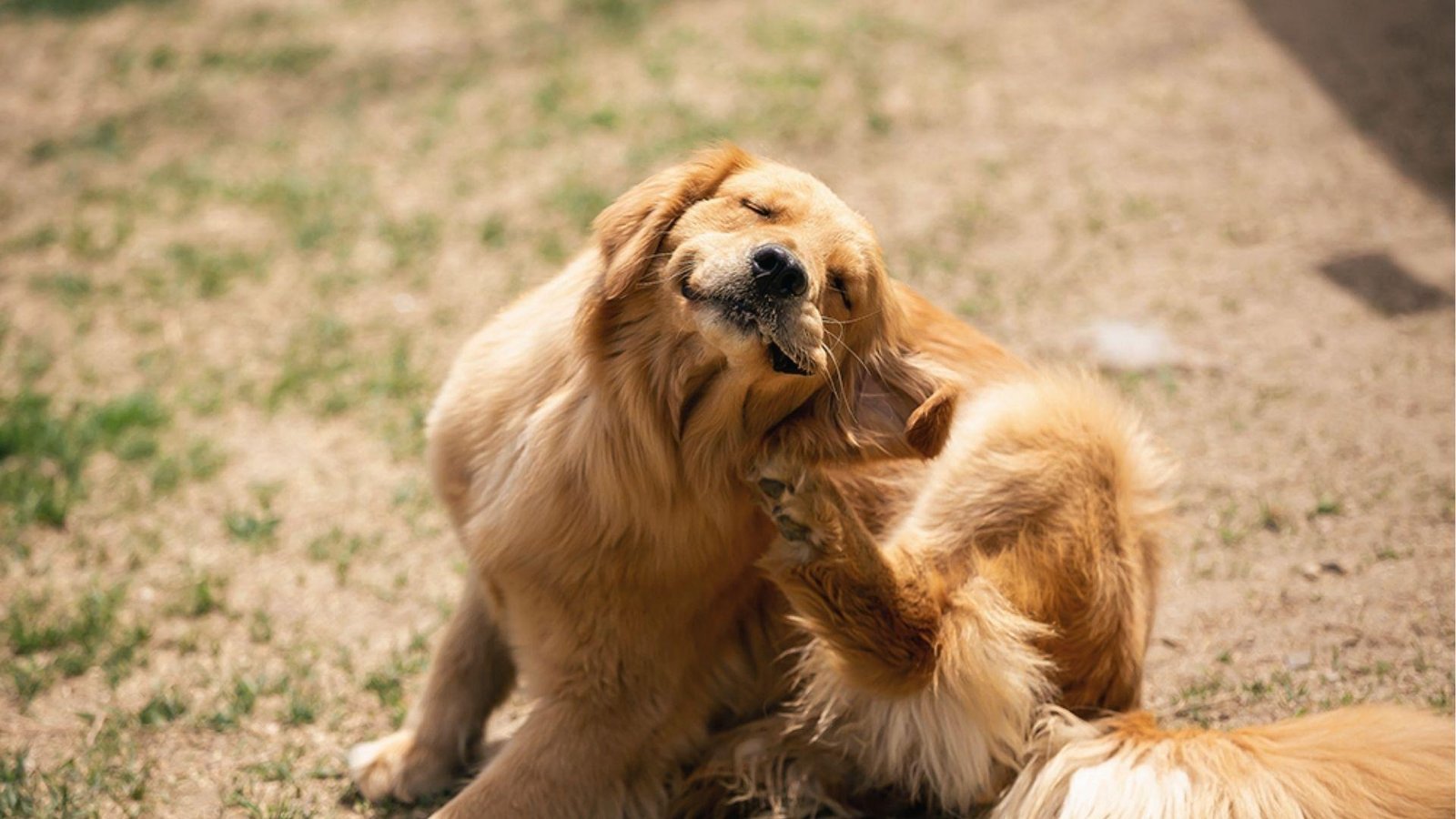
If your dog keeps scratching its ears repeatedly, it is trying to tell you something. I have seen this with my own dog, and ignoring it only made things worse.
This article covers the most common reasons behind ear scratching, from infections and allergies to mites and foreign objects.
You will learn what each cause looks like, what warning signs to watch for, and when to see a vet.
I have spent time researching this topic using vet-backed sources so you get clear, reliable information.
We will cover what ear scratching usually means, infection and allergy triggers, other common causes, and how to prevent future issues from coming back.
Dog Keeps Scratching Ear: What It Usually Indicates

Ear scratching is often a signal of something deeper going on inside the ear. It is rarely a standalone issue and usually points to irritation, inflammation, or infection inside the ear canal.
When the root cause stays untreated, the dog keeps scratching because the discomfort does not go away.
The scratch is the symptom, not the problem itself. Addressing only the scratching without finding the actual cause will not bring your dog any real relief.
Getting to the bottom of what is triggering the behavior is the only way to help your dog feel comfortable again.
Ear Infections: A Major Reason Dog Keeps Scratching Ear
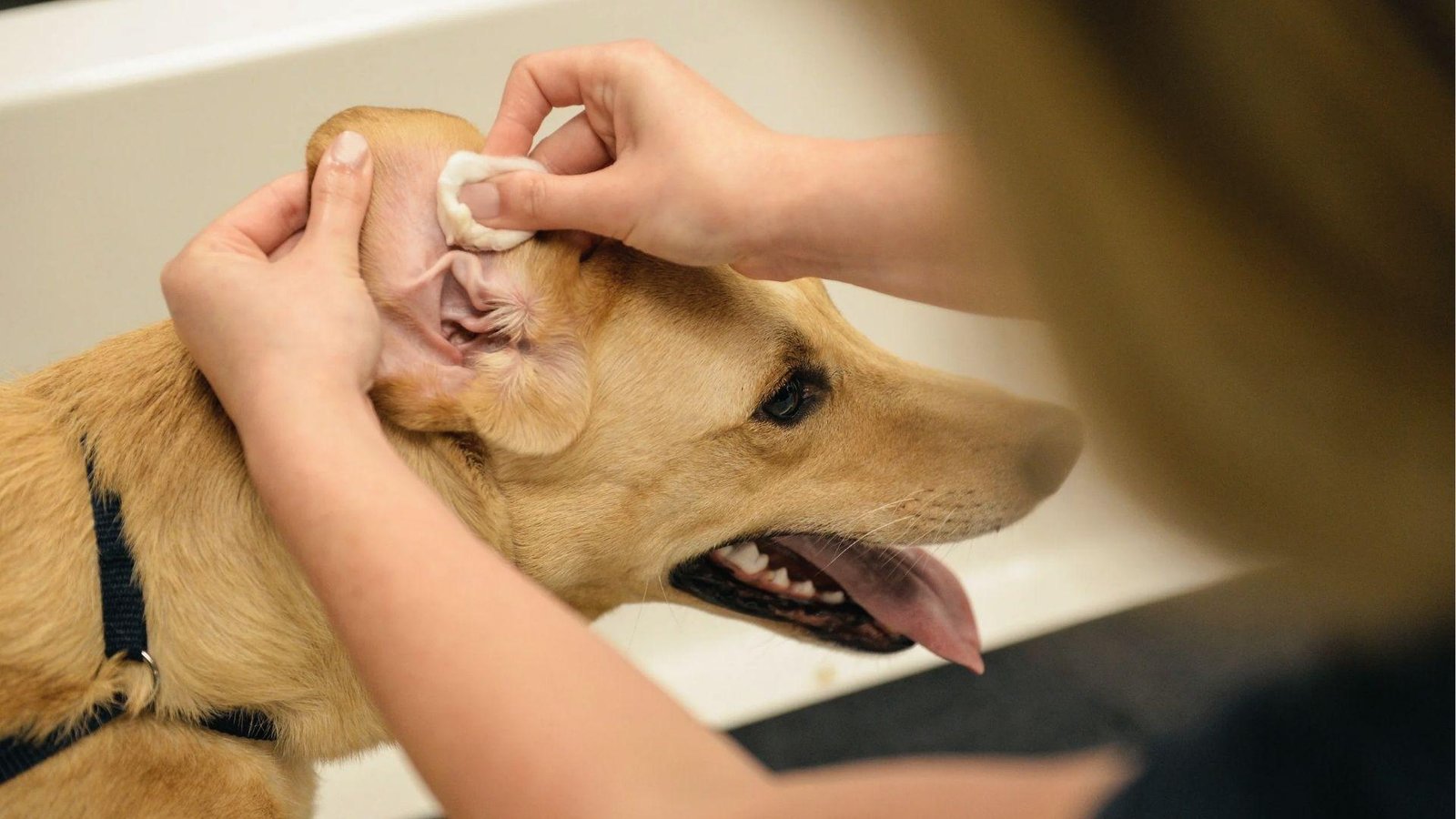
Ear infections are one of the most common medical reasons a dog keeps scratching its ear over and over.
Bacterial Ear Infections
Bacterial infections happen when bacteria overgrow inside the ear canal.
This often occurs after moisture gets trapped in the ear, especially in dogs that swim frequently or live in humid conditions.
The warm, wet environment allows bacteria to multiply quickly and cause inflammation.
Yeast Ear Infections
Yeast infections thrive in warm, moist ear environments. Dogs with floppy ears or those who suffer from allergies are more prone to yeast overgrowth.
The ear canal does not get enough airflow, which creates the perfect setting for yeast to build up.
Signs of Ear Infections
Knowing what to look for can help you act early.
Common signs include:Redness, swelling, and warmth inside or around the ear. A foul smell coming from the ear.
Unusual discharge that may be brown, yellow, or black. Head shaking and visible discomfort when you touch the ears.
Allergies: Hidden Cause Behind Dog Keeps Scratching Ear
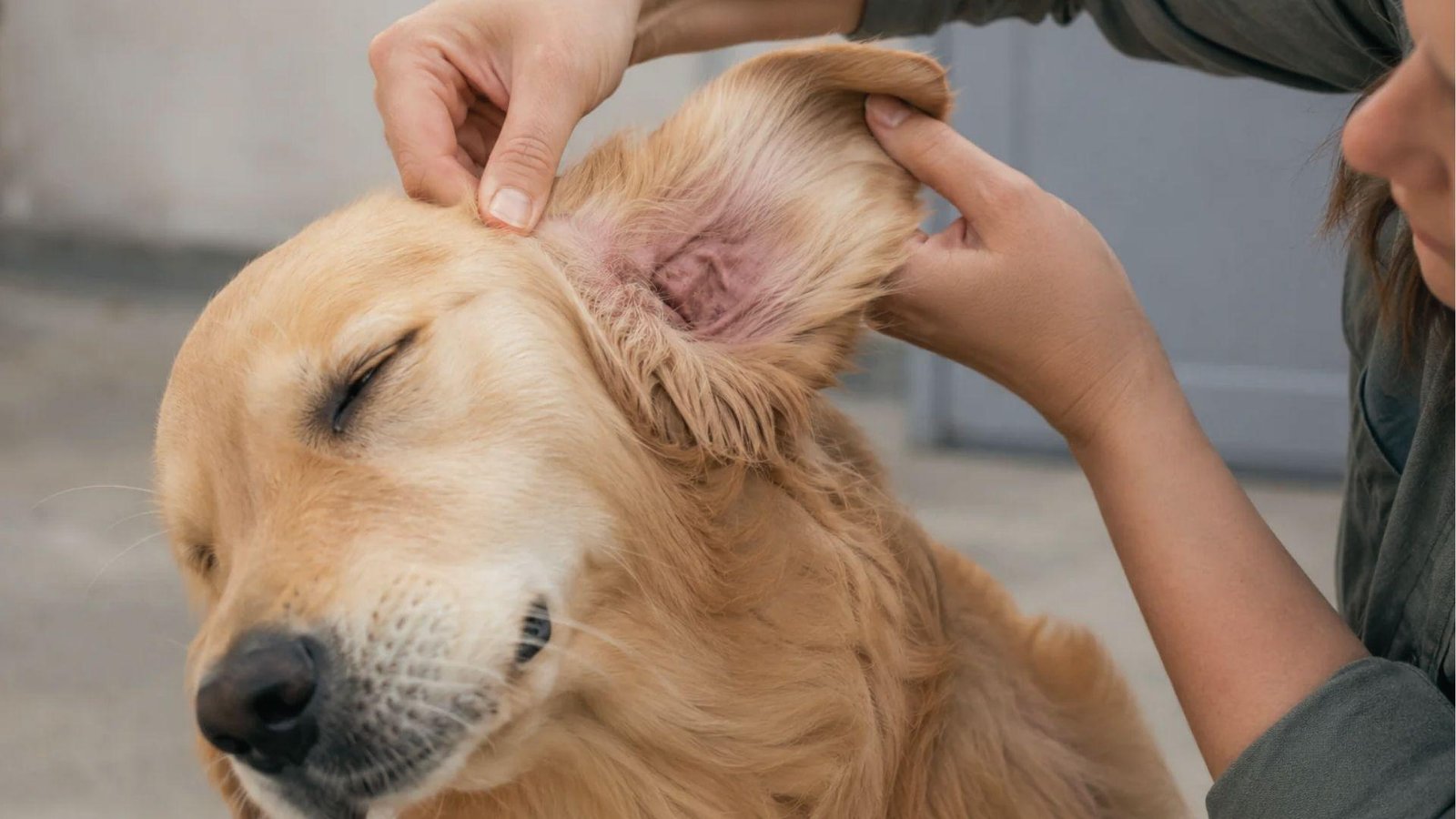
Allergies are often overlooked but are a leading trigger when a dog keeps scratching its ear for weeks or months.
Environmental Allergies
Pollen, dust mites, and mold are common environmental triggers. Some dogs react to these year-round, while others only show symptoms during certain seasons.
The ears are often one of the first places to show irritation.
Food Allergies
Certain ingredients in your dog's diet can trigger an allergic response. Proteins like chicken, beef, or dairy are common culprits.
Dogs with food allergies often experience chronic itching, and ear issues tend to keep coming back until the dietary trigger is identified and removed.
How Allergies Trigger Ear Problems
Allergic reactions cause inflammation inside the ear canal. This inflammation creates the right conditions for secondary bacterial or yeast infections to develop.
So what starts as an allergy can quickly become a full infection if left unaddressed.
When Dog Keeps Scratching Ear: Warning Signs to Watch
Some symptoms signal that the situation needs immediate attention.
Scratching, Head Shaking, and Physical Signs

Constant or uncontrollable scratching that does not let up is a red flag.
You may also notice your dog shaking its head frequently or holding it tilted to one side. Ears that look red, swollen, or feel hot to the touch are clear signs something is wrong.
Discharge, Pain, and Behavioral Changes
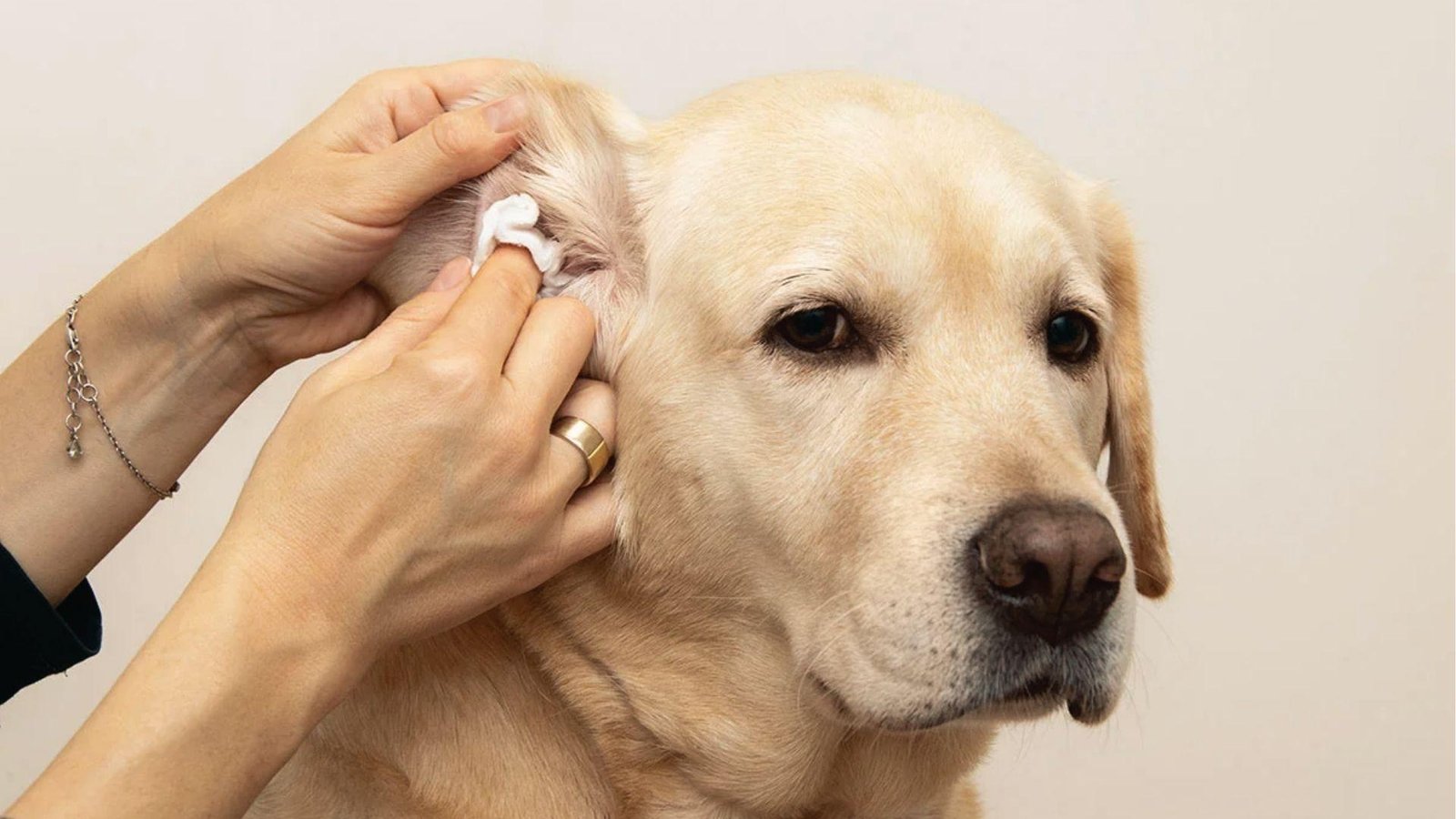
A bad smell or visible discharge coming from the ear canal should never be ignored. Your dog may show sensitivity or pain when you gently touch the ears.
Balance problems or unusual behavior can point to a deeper inner ear issue that needs prompt care.
What to Do If Dog Keeps Scratching Ear

Taking the right steps early can prevent a minor issue from becoming a bigger problem.
Observe and Check the Ear at Home
Start by noting how long the scratching has been going on and whether other symptoms are present.
Check the ear carefully for visible signs like redness, odor, or discharge. Avoid using cotton swabs or pouring any liquids into the ear without vet guidance, as this can make things worse.
Keep Ears Dry and Know When to Call the Vet
Keep your dog's ears as dry as possible, especially after baths or swimming sessions. If symptoms have lasted more than a day or two, do not delay.
Contact your vet right away if your dog appears to be in pain or discomfort.
Veterinary Diagnosis and Treatment

Getting a proper diagnosis is the most reliable path to solving the problem for good.
How Vets Diagnose Ear Problems
A vet will examine the ear using an otoscope to get a clear look inside the canal.
A swab test is often done to identify whether bacteria, yeast, or mites are responsible. This step ensures the right treatment is chosen rather than guessing at the cause.
Treatment Options and Long-Term Prevention
Based on the diagnosis, treatment may include antibiotics, antifungal medication, or antiparasitic care depending on the cause.
If allergies are involved, the vet may suggest allergy testing or dietary changes for long-term management.
Keeping ears clean, dry, and regularly checked goes a long way in preventing future issues.
Quick Tips to Help When Your Dog Keeps Scratching Ear
Simple habits can make a big difference in keeping your dog's ears healthy and comfortable.
- Clean your dog's ears regularly using a vet-approved ear cleaner
- Dry the ears thoroughly after every bath or swim
- Keep up with flea and tick prevention throughout the year
- Schedule routine vet check-ups to catch ear issues before they worsen
- Monitor your dog's diet closely if food allergies are suspected
Conclusion
When my dog would not stop scratching his ear, I wished I had acted sooner. That experience taught me how quickly a small problem can grow.
If your dog keeps scratching ear, take it seriously. It is almost always a sign of something that needs attention, whether that is an infection, allergy, or parasite.
The sooner you look into it, the faster your dog finds relief.
Drop a comment below and share what worked for you, or share this post with another dog owner who might need it.
Frequently Asked Questions
Why does my dog keep scratching one ear only?
Scratching one ear often points to a localized issue like an infection, mite infestation, or a foreign object in that specific ear. A vet check can confirm the cause quickly.
Can I use home remedies if my dog keeps scratching ear?
Some mild cases can be managed at home with vet-approved ear cleaners, but avoid using oils, hydrogen peroxide, or cotton swabs without professional guidance. These can sometimes make things worse.
How do I know if my dog has ear mites or an infection?
Ear mites typically leave dark, grainy debris and cause intense scratching, while infections often come with discharge, odor, and redness. A vet swab test gives a clear answer.
Can food cause my dog to keep scratching its ears?
Yes, food allergies can trigger ongoing ear irritation and recurring infections. Switching to a limited-ingredient diet under vet guidance can help pinpoint the trigger.
When should I take my dog to the vet for ear scratching?
If scratching has lasted more than a couple of days, or if you notice pain, swelling, discharge, bad odor, or balance issues, it is time to see a vet without delay.