
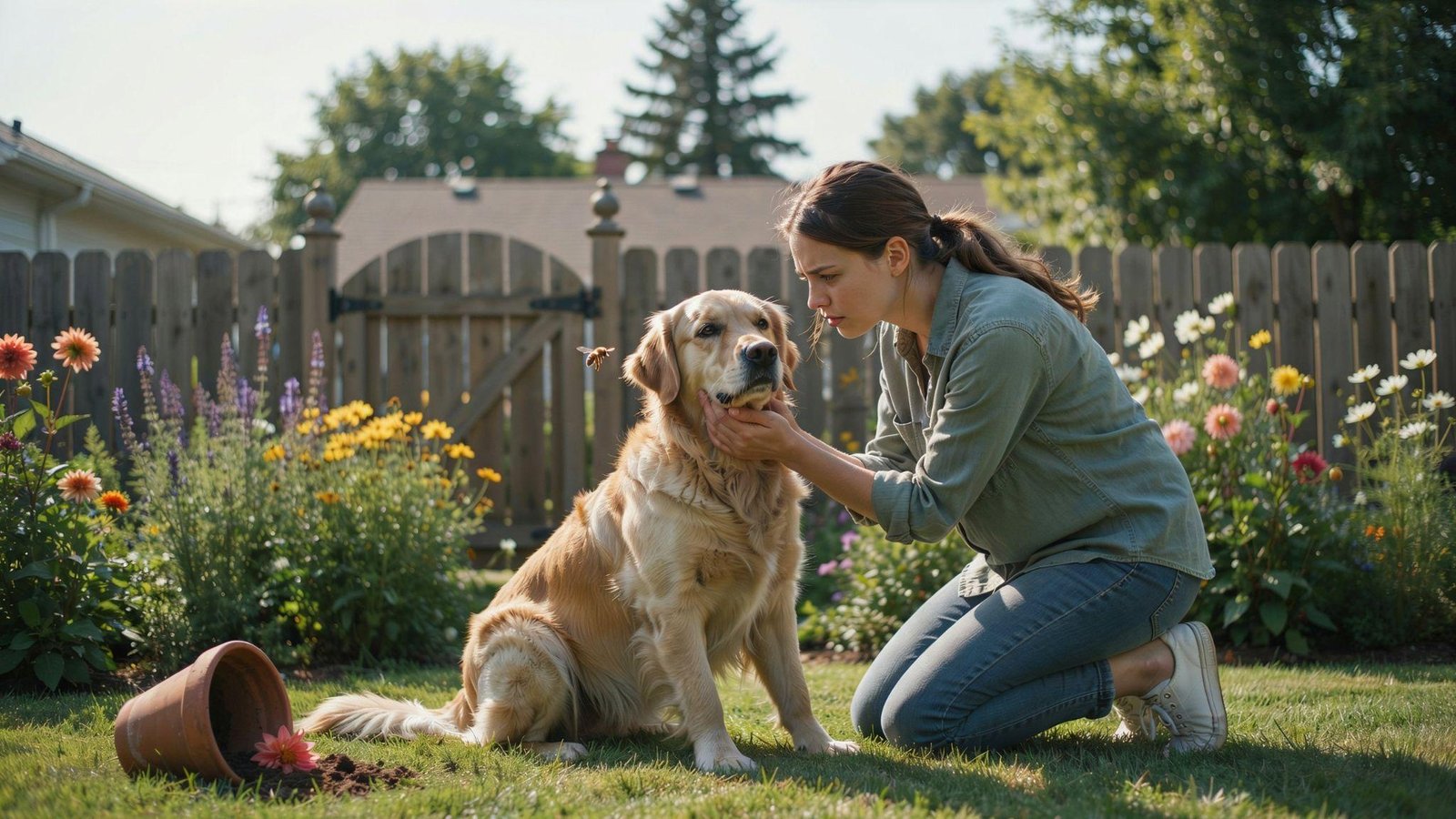
One moment your dog is playing outside, and the next, they are yelping in pain.
If you have ever watched your dog snap at a bee and immediately regret it, you know how fast things can go from fine to stressful.
Bee stings happen more often than most pet owners expect. The good news is that most stings are manageable at home with the right steps. But some reactions need a vet fast.
This guide walks you through exactly what to do when your dog gets stung, what signs to watch for, and when to stop waiting and make that call.
What Happens When a Dog Gets Stung by a Bee?
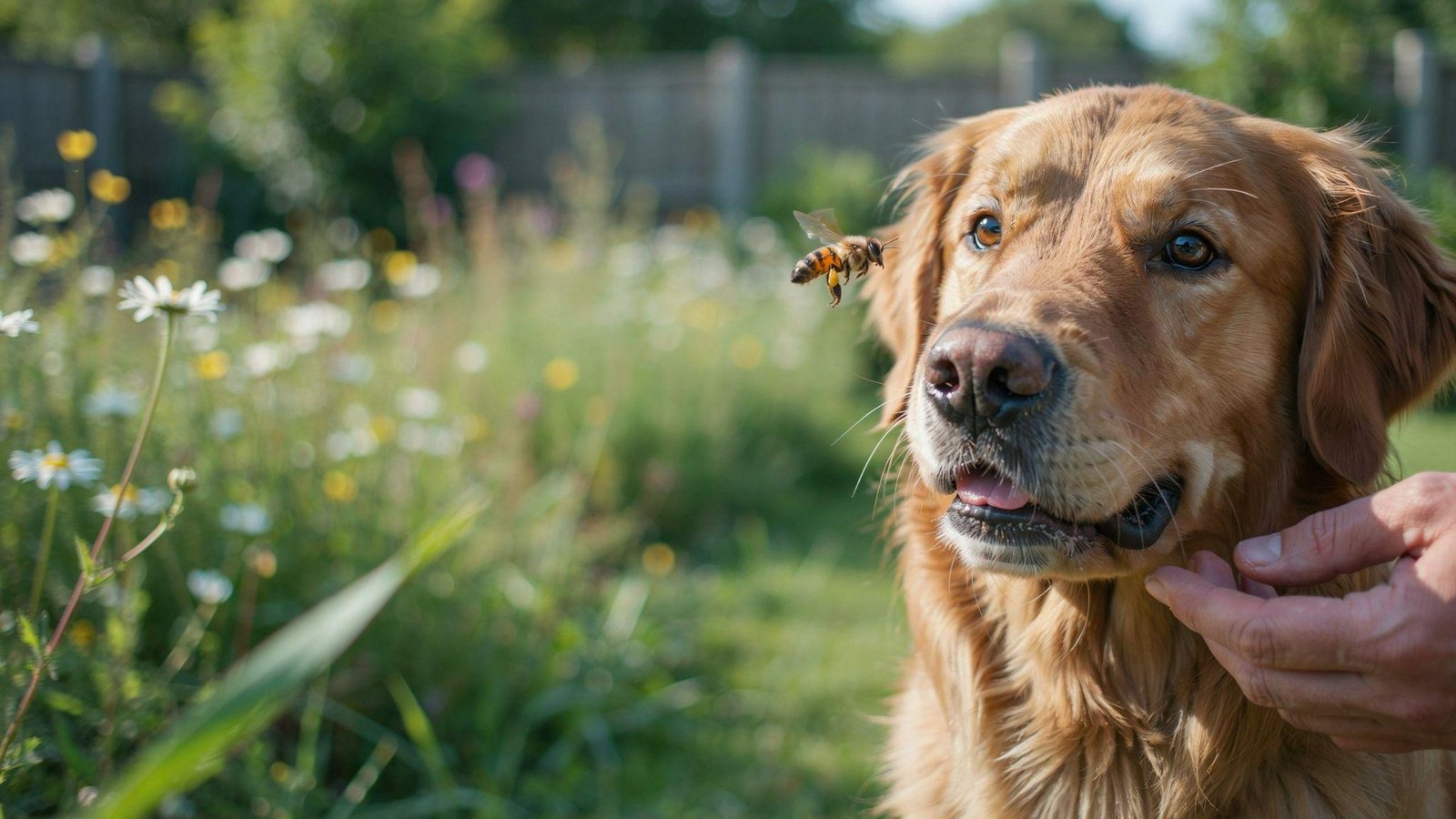
When a dog gets stung by a bee, the venom enters the skin and causes pain, swelling, and redness at the sting site.
Dogs often get stung because they snap at or paw at bees out of curiosity. The venom triggers an immune response that ranges from mild irritation to a serious allergic reaction.
Most stings are uncomfortable but not life-threatening. However, some dogs react severely, and that needs immediate attention.
How to Tell If Your Dog Has Been Stung by a Bee
Knowing the signs of a bee sting early can make a real difference. Your dog may suddenly yelp, paw at a spot, or show swelling and redness on the skin.
A sting on the face, nose, or mouth is more serious as swelling can block the airway. Paw stings cause limping or constant licking. Mild reactions include local swelling and discomfort.
Severe reactions involve vomiting, breathing trouble, or collapse, and need urgent vet care.
What to Do Immediately If Your Dog Is Stung by a Bee

A bee sting can be scary, but quick action helps your dog feel better faster. Follow these steps to handle the situation safely at home.
Step 1: Move Your Dog Away From the Bee
Get your dog away from the area right away. More stings make the situation worse. If bees are still nearby, calmly guide your dog indoors or to a safe spot without panicking.
Step 2: Stay Calm and Check the Sting Area
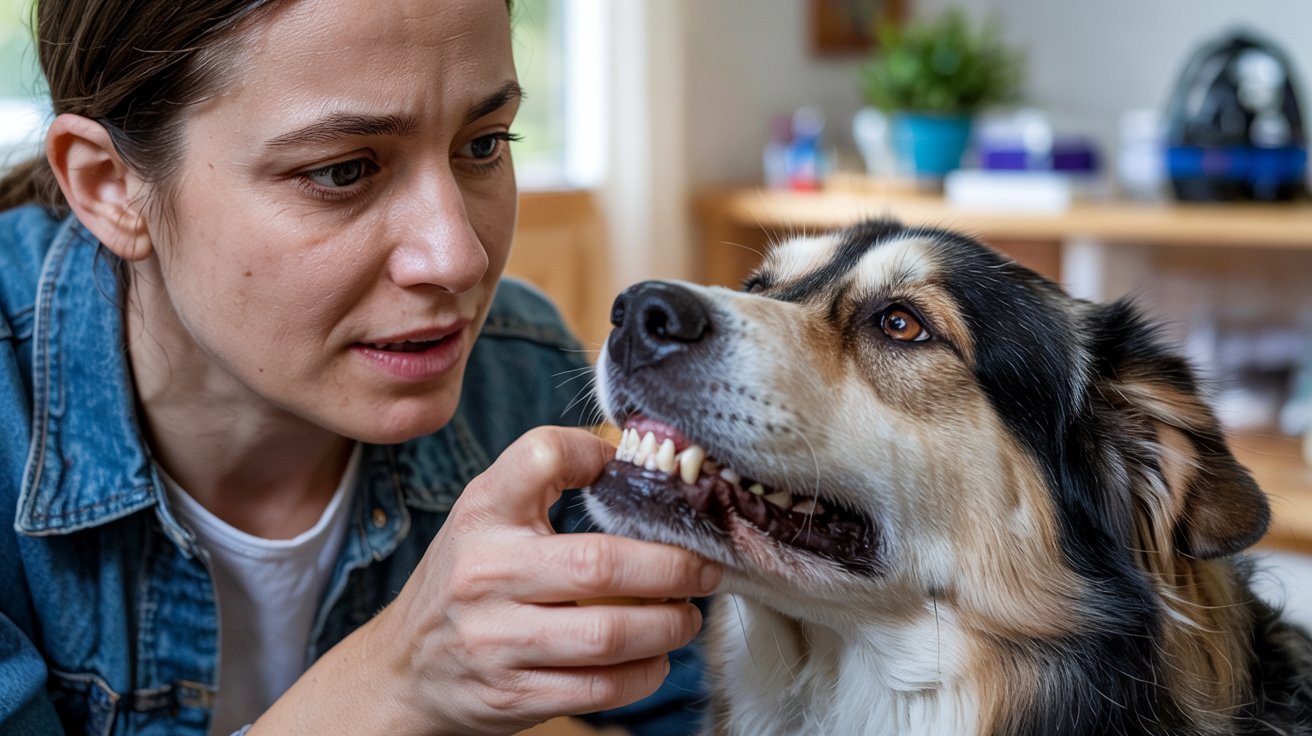
Your dog picks up on your stress, so stay composed. Gently look over the skin for redness, swelling, or a raised bump. Part the fur carefully to get a clear view of the affected spot.
Step 3: Remove the Stinger Safely
If the stinger is visible, scrape it out using a credit card or your fingernail. Do not use tweezers as squeezing pushes more venom in. Work quickly and gently to get it out clean.
Step 4: Apply a Cold Compress to Reduce Swelling
Wrap some ice in a cloth or use a cold pack and hold it on the sting site for 10 minutes. This reduces swelling and eases pain. Never place ice directly on your dog's skin.
Step 5: Prevent Licking, Scratching, and Chewing
Dogs instinctively lick sore spots, but this slows healing and can cause infection. Use an e-collar if needed. Keep checking the area and distract your dog with a toy or calm activity nearby.
Step 6: Monitor Your Dog Closely for the Next Several Hours
Watch for any changes in behaviour, breathing, or swelling. Symptoms can develop slowly after a sting. Note anything unusual and be ready to call your vet if things do not improve or worsen.
How to Remove a Bee Stinger From Your Dog
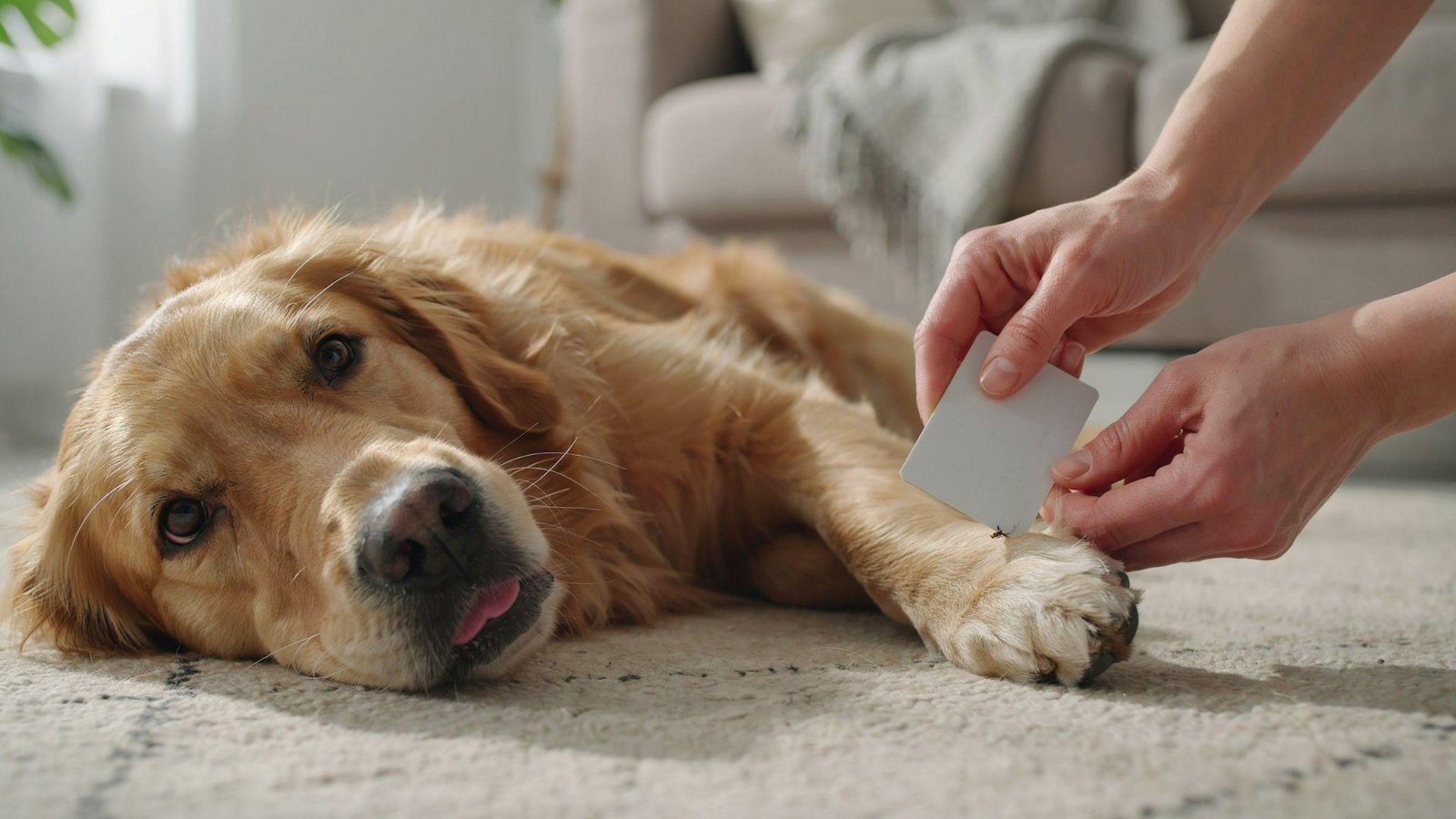
Removing the stinger quickly reduces the amount of venom released into the skin. The longer it stays, the worse the reaction can get.
Use a flat edge like a credit card or your fingernail to scrape it out in one smooth motion. Never use tweezers as they squeeze more venom in.
Avoid pressing or pinching the area. Work gently and check that the stinger is fully out before moving on to the next step.
Signs of an Allergic Reaction to a Bee Sting
- Mild reactions include local swelling, redness, and itching around the sting site. Your dog may whine or keep pawing at the area.
- Moderate reactions cause hives, puffiness across the face, and visible discomfort. Your dog may seem restless or more sensitive than usual.
- Severe reactions, known as anaphylaxis, can cause breathing difficulty and excessive drooling. This needs immediate vet attention, not a wait-and-watch approach.
- Vomiting, diarrhea, and pale gums are serious warning signs. These point to a full-body reaction that can turn dangerous very fast.
- Weakness or sudden collapse means the body is shutting down its normal functions. Call your vet or an emergency clinic without any delay.
When to Take Your Dog to the Vet Immediately

Some situations need a vet visit right away. If your dog is struggling to breathe, swallowing with difficulty, or has heavy swelling around the face or throat, do not wait.
Multiple stings at once push more venom into the body and raise the risk fast. Persistent vomiting, diarrhea, collapse, or confusion are serious red flags.
Dogs with a known history of allergic reactions need extra caution and should see a vet even after a mild sting.
How Long Does Bee Sting Swelling Last in Dogs?

Mild bee sting swelling usually goes down within 12 to 24 hours with basic care at home. Most dogs feel better within a day or two.
Signs of normal healing include reduced swelling, less scratching, and your dog acting like itself again.
However, if swelling grows after 24 hours, the skin looks infected, or your dog stays lethargic and off food, something is wrong. These signs need a follow-up call or visit to your vet.
How to Prevent Future Bee Stings
- Keep your dog away from flower beds, fruit trees, and areas where bees are commonly active. Check your yard for hives or nests and have them removed safely.
- Train your dog to ignore flying insects with a firm but calm "leave it" command. Consistent practice during outdoor time makes a real difference over weeks.
- Always watch your dog during outdoor play, especially in gardens or grassy open areas. Quick supervision lets you step in before your dog snaps at a bee.
- Stock a basic pet first-aid kit with antihistamines, a cold pack, and your vet's contact number. Being prepared saves time when every minute counts.
- Talk to your vet about the right antihistamine dose to keep on hand for emergencies. Having a plan ready means you react faster and smarter when a sting happens.
Conclusion
A bee sting can catch any dog owner off guard, but knowing what to do makes all the difference.
Check the sting, remove the stinger, apply a cold compress, and watch your dog closely for the next few hours. Most dogs recover well with basic home care.
If something feels off, trust your instincts and call your vet. Your dog counts on you to act fast. Bookmark this guide and share it with every pet parent you know.
Frequently Asked Questions
Can I give my dog Benadryl after a bee sting?
Yes, but only after checking with your vet first. The right dose depends on your dog's weight, and giving the wrong amount can cause more harm than good.
How do I know if my dog is having a bad reaction to a bee sting?
Watch for heavy swelling, vomiting, pale gums, or trouble breathing. If any of these show up, skip the wait and call your vet right away.
What should I do if my dog gets stung inside the mouth?
Get to a vet as soon as possible. Swelling inside the mouth or throat can block the airway quickly, and this is not a situation to handle at home.
How long will my dog be in pain after a bee sting?
Most dogs feel better within 24 hours if the reaction stays mild. If pain, swelling, or unusual behaviour continues beyond that, a vet check is the right move.
Can a single bee sting kill a dog?
In rare cases, yes. Dogs with severe allergies can go into anaphylactic shock from just one sting. This is why knowing your dog's history and acting fast matters so much.