
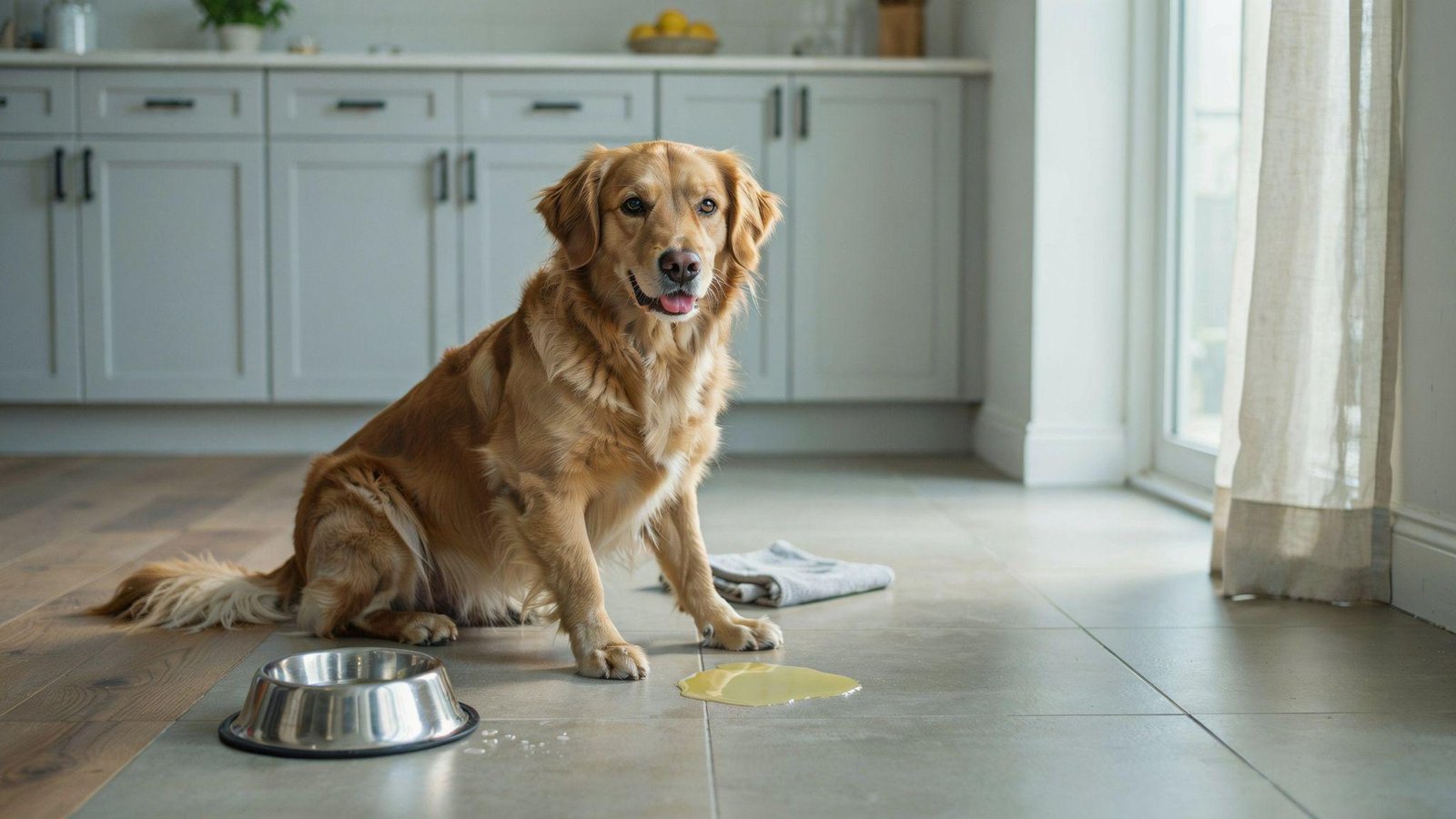
Finding yellow vomit on the floor is never a good way to start your morning. If you have a dog, chances are you have seen it at least once.
That yellow liquid or foam can look alarming, and it is completely normal to feel worried. But before you panic, it helps to understand what is actually happening inside your dog's body.
Sometimes it is as simple as a long gap between meals. Other times, it can point to something that needs a vet's attention.
This blog covers the most common causes of yellow vomiting in dogs, what the warning signs look like, and what you should do next.
Why Is My Dog Throwing Up Yellow?
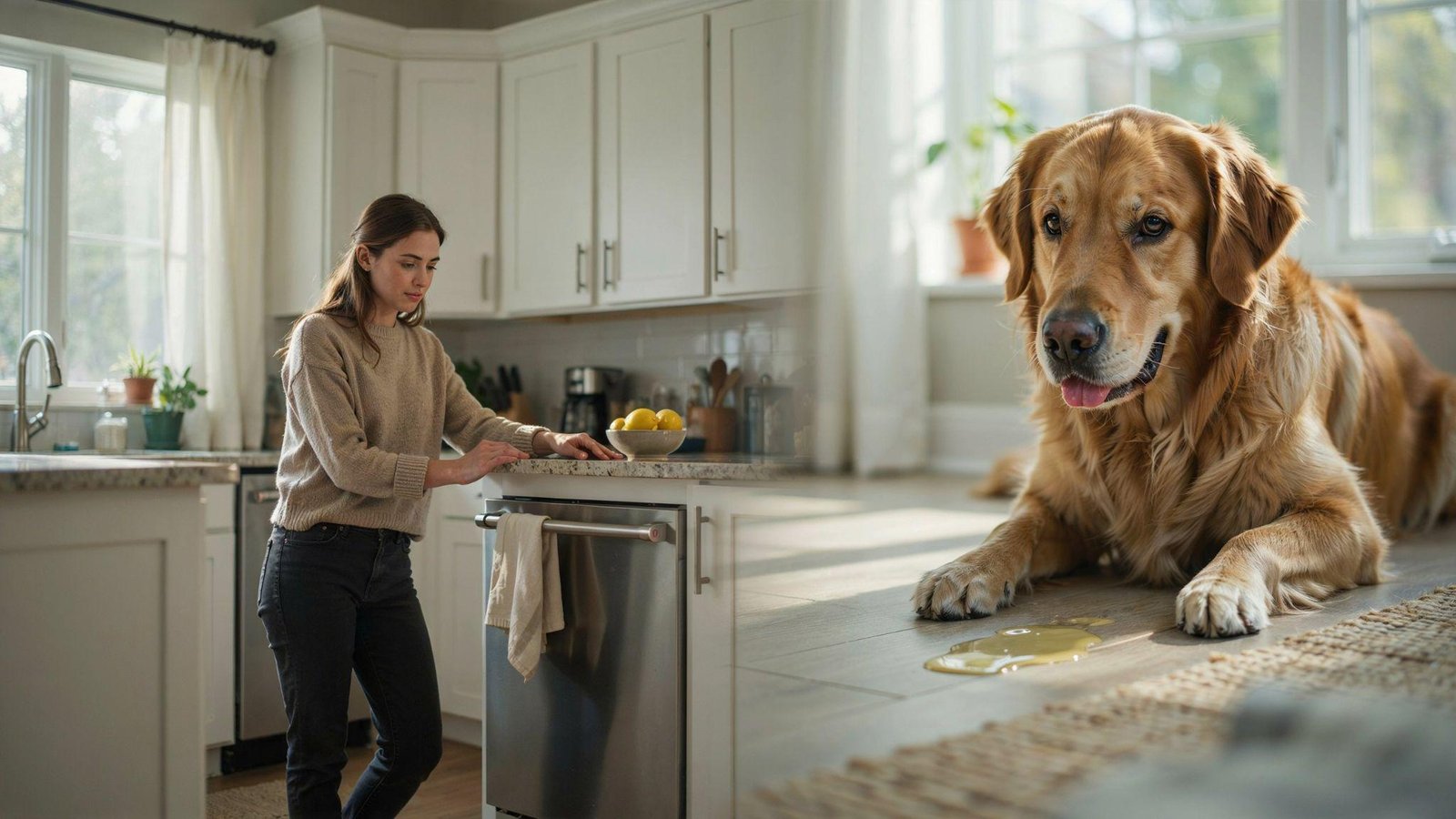
When a dog throws up yellow, it is usually bile. Bile is a digestive fluid made in the liver. It sits in the stomach when empty and can irritate the lining, causing vomiting.
Yellow foam means the bile has mixed with air or mucus. Yellow liquid is pure bile. Most cases happen early morning or after long gaps between meals.
Not every yellow vomit needs a vet visit, but repeated episodes should not be ignored.
What Is Bile and Why Do Dogs Vomit It?
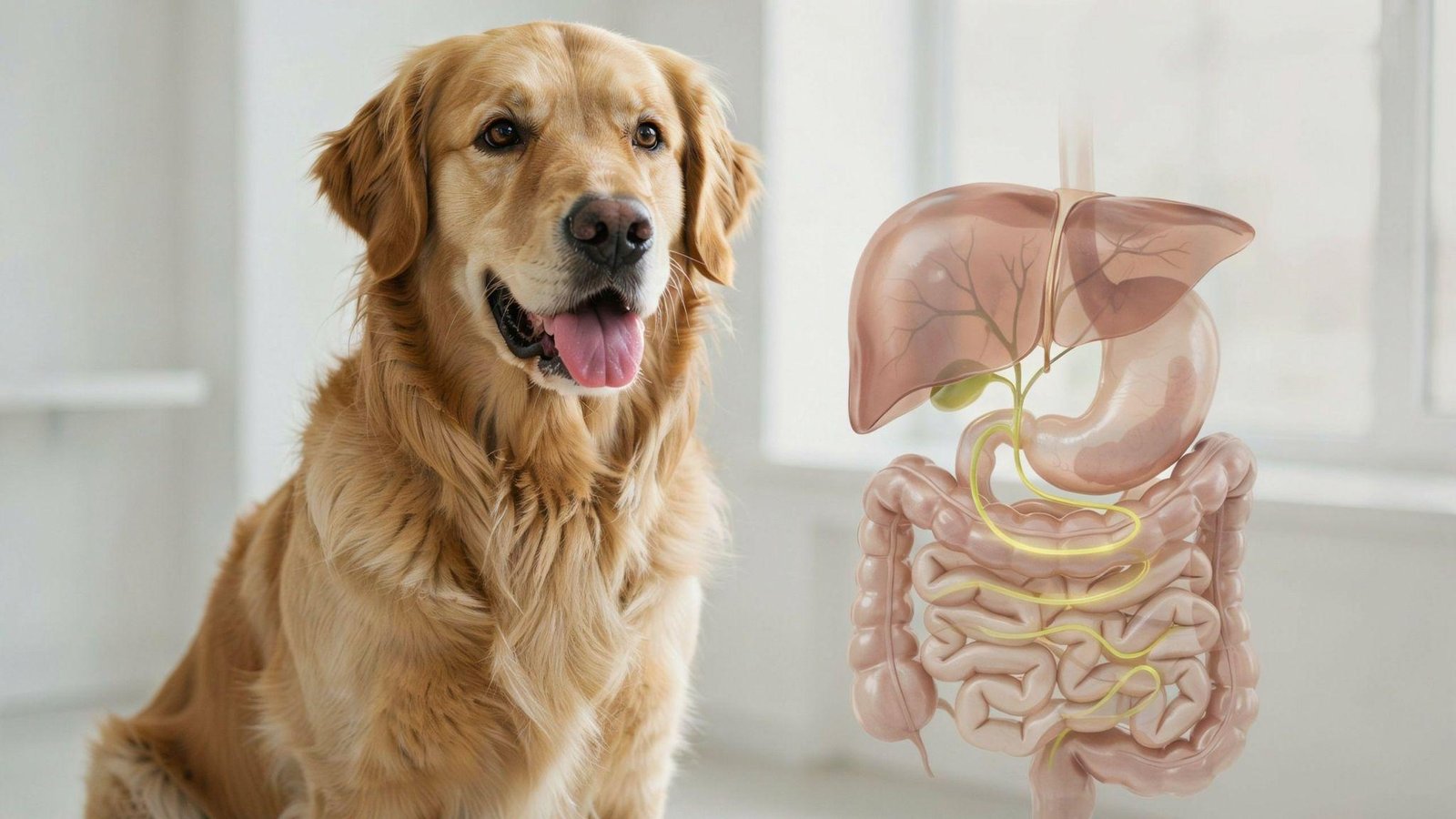
Bile is a yellow-green fluid made by the liver and stored in the gallbladder. It helps break down fats during digestion.
Normally, bile moves into the small intestine. But when a dog's stomach stays empty for too long, bile flows backward into the stomach.
This irritates the stomach lining and triggers vomiting. The vomit usually looks bright yellow or yellowish-green. It can be watery, foamy, or slightly thick. There is rarely any food mixed in.
Common Reasons Your Dog Is Throwing Up Yellow
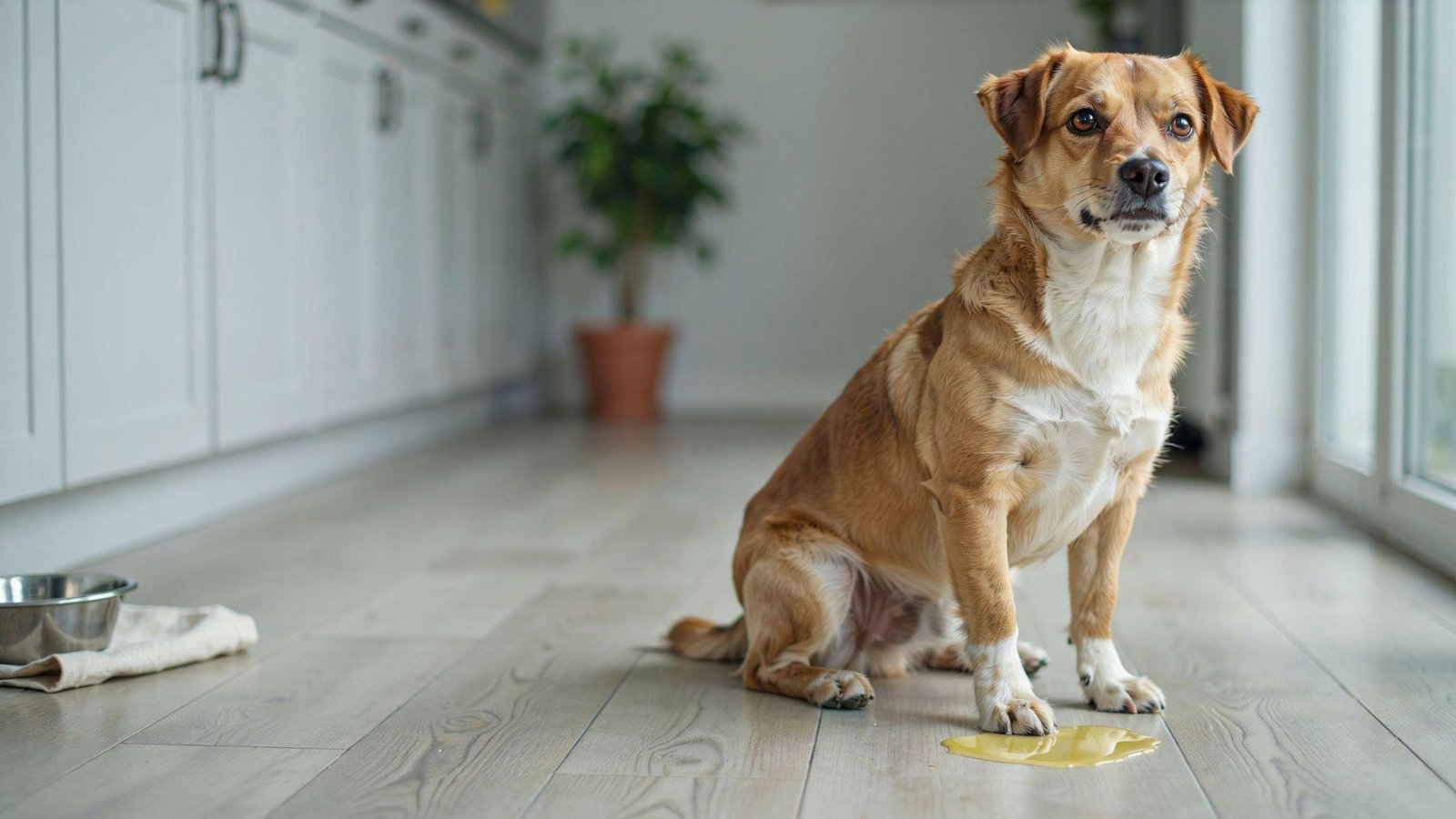
There are many reasons why a dog throws up yellow. Some are minor, while others need medical attention right away.
Bilious Vomiting Syndrome (Empty Stomach Syndrome)
Long gaps between meals cause bile to build up in an empty stomach. Dogs often vomit yellow in the early morning. They may show lip licking, restlessness, or grass eating before the episode.
Acid Reflux
Stomach acid flows back into the esophagus and causes irritation. This leads to yellow vomiting in dogs. Other symptoms include gulping, burping, and discomfort after eating. Reflux often gets worse when a dog sleeps on a full stomach.
Gastritis (Stomach Inflammation)
Gastritis means the stomach lining is inflamed. It can happen due to bad food, toxins, medications, or infections. Dogs may vomit yellow bile repeatedly. Eating too fast or swallowing foreign material can also trigger it.
Dietary Indiscretion
Dogs that eat garbage, spoiled food, or non-food items often vomit yellow bile. A sudden switch in diet can also upset the stomach. The digestive system reacts strongly to unfamiliar or harmful foods.
Food Allergies and Sensitivities
Common allergens in dogs include beef, chicken, dairy, wheat, and eggs. When a dog reacts to a food, digestion gets disrupted. Signs include yellow vomiting, loose stools, skin itching, and gas.
Gastrointestinal Diseases
IBD causes chronic gut inflammation. Stomach ulcers lead to bile vomiting and pain. Bacterial and viral infections irritate the digestive tract. Parasites like Giardia or roundworms also cause yellow vomiting along with diarrhea and weight loss.
Pancreatitis
Fatty foods are a leading trigger of pancreatitis in dogs. When the pancreas gets inflamed, bile vomiting follows. Other symptoms include hunched posture, abdominal pain, loss of appetite, and lethargy. It can range from mild to life-threatening.
Addison's Disease
Addison's disease occurs when the adrenal glands do not produce enough hormones. This disrupts digestion and causes vomiting. Common warning signs include weakness, weight loss, low energy, and increased thirst.
Intestinal Blockages
Dogs sometimes swallow toys, bones, or fabric that get stuck in the gut. This blocks normal digestion and causes yellow vomiting. Blockages are serious emergencies. Without quick treatment, they can lead to internal damage or infection.
Certain Types of Cancer
Cancers affecting the stomach, intestines, or liver can cause chronic yellow vomiting. Tumors interfere with normal digestion and bile flow. Vomiting that keeps coming back without a clear cause, especially in older dogs, should always be checked by a vet.
Why Is My Dog Throwing Up Yellow Foam?
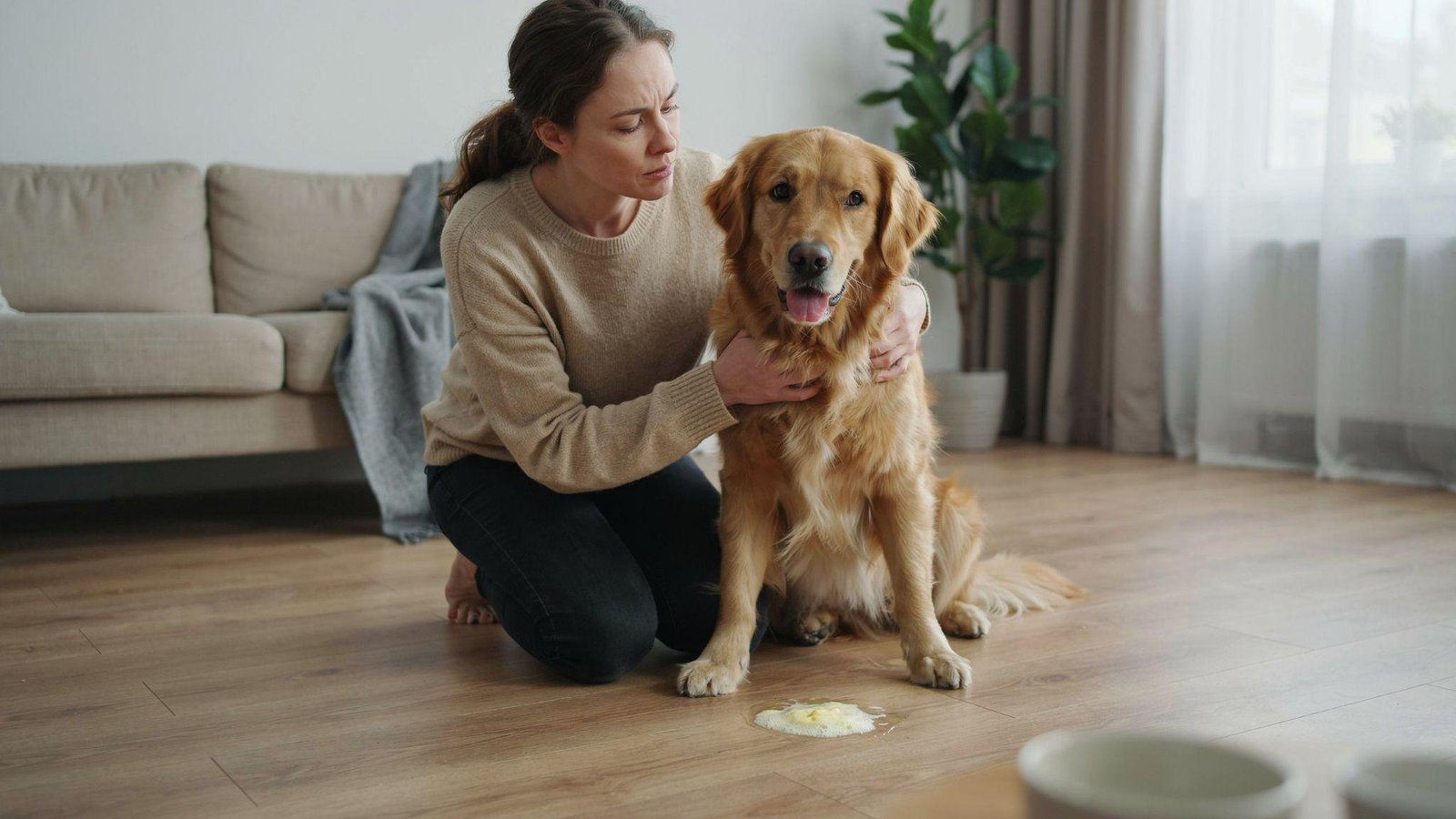
Yellow foam vomit is bile mixed with air or mucus. It usually happens when a dog's stomach stays empty for too long.
Common causes include skipped meals, acid buildup, gastritis, and digestive infections. An empty stomach is often the reason, but repeated foam vomiting can point to a deeper health issue.
If your dog vomits yellow foam more than twice a week, loses appetite, acts lethargic, or shows signs of pain, a vet visit is needed.
Symptoms That Require Immediate Veterinary Attention
There are certain signs that should never be ignored. These symptoms mean your dog needs veterinary care right away.
- Vomiting more than two or three times in a short period is not normal. It can lead to dehydration and may signal a serious internal problem.
- A dog that is extremely tired, weak, or unable to stand needs urgent attention. Lethargy combined with vomiting often points to infection, organ issues, or poisoning.
- Skipping one meal can be normal, but refusing food for more than 24 hours is a concern. Ongoing loss of appetite paired with vomiting needs a proper diagnosis.
- Loose stools alongside vomiting can cause fast fluid loss. Blood in the stool is a red flag that should never be left unchecked by a vet.
- A swollen, hard, or painful belly is a serious warning sign. It can indicate bloat, blockage, or internal inflammation, all of which need immediate medical treatment.
- Dry gums, sunken eyes, and skin that does not spring back when pinched are signs of dehydration. Vomiting removes fluids quickly and can make dehydration worse fast.
- Blood in vomit may appear bright red or look like dark coffee grounds. Either way, it points to internal bleeding or ulcers and needs same-day veterinary care.
- If your dog swallowed something harmful or got into toxins, do not wait for symptoms to worsen. Immediate vet care can prevent serious damage or save your dog's life.
What To Do If Your Dog Is Throwing Up Yellow
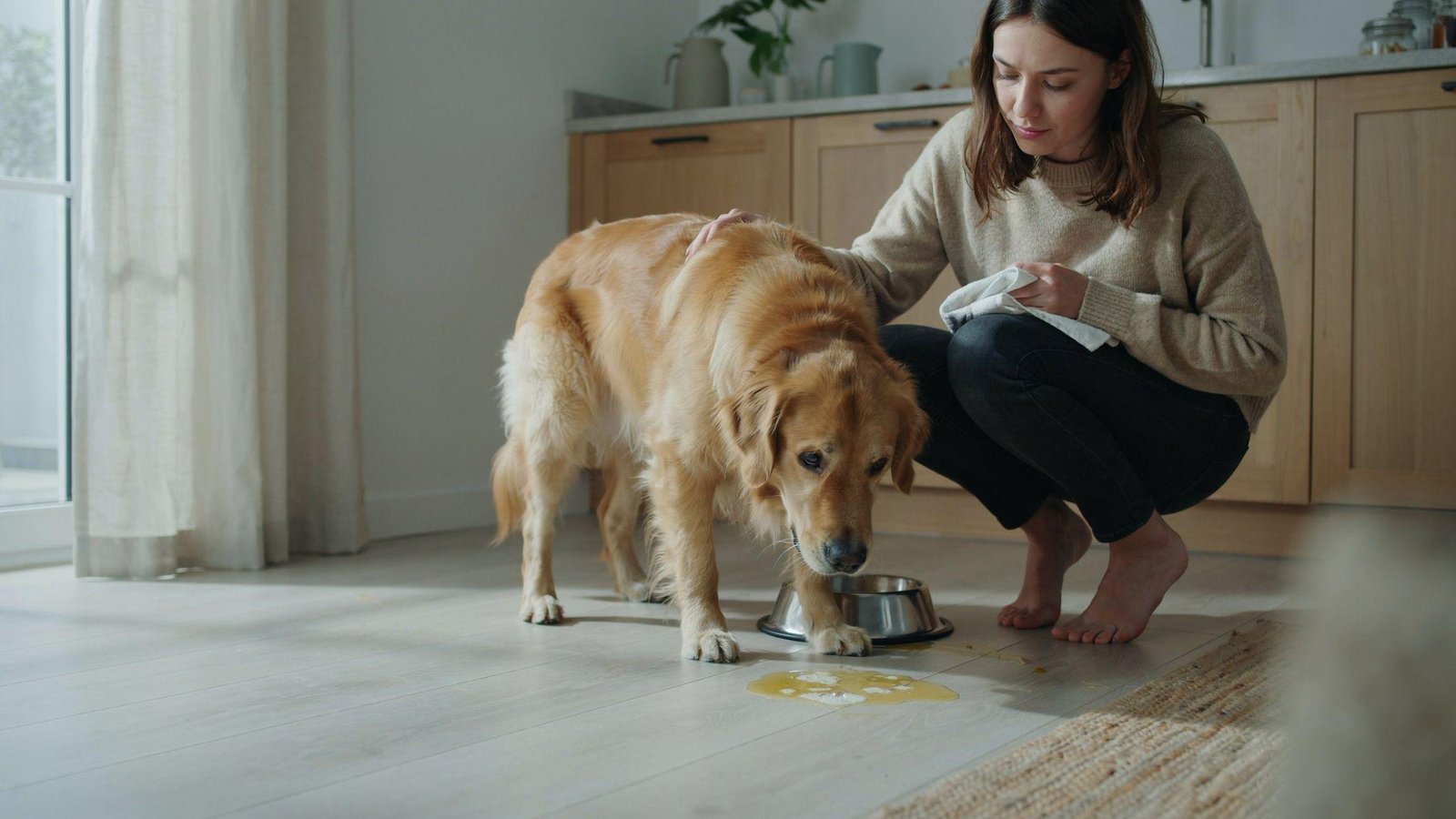
If your dog throws up yellow, stay calm and watch closely. Offer small sips of water to prevent dehydration but avoid forcing it.
Hold off food for a few hours to let the stomach settle. Keep a note of how often vomiting happens and what it looks like.
Never give human medications like ibuprofen or antacids without vet approval. Most cases improve with rest and small meals, but persistent vomiting always needs professional attention.
How To Prevent Yellow Bile Vomiting in Dogs
A few simple changes in your dog's routine can reduce the chances of yellow bile vomiting significantly.
- Feeding smaller meals two to three times a day keeps the stomach from staying empty for too long. This reduces bile buildup and lowers the chance of morning vomiting episodes.
- Fatty foods and table scraps put extra stress on the stomach and pancreas. Sticking to a consistent, balanced dog food helps keep digestion running smoothly.
- Switching food too fast can upset your dog's digestive system. Always shift to a new food slowly over seven to ten days by mixing it with the old food.
- Dogs often chew and swallow things they should not. Keep small objects, toys, socks, and household items out of reach to avoid blockages and digestive irritation.
- Regular vet visits help catch underlying health problems before they get worse. Routine checkups, stool tests, and bloodwork can spot issues that may be causing repeated vomiting.
Conclusion
Yellow vomit in dogs can be as simple as a skipped meal or a sign of something that needs medical care. As a dog owner, knowing the difference matters.
Watch your dog closely, feed them on time, and never ignore repeated vomiting. Your dog cannot tell you when something feels wrong.
That responsibility falls on you. If something feels off, trust your instinct and call your vet. Early attention always leads to better outcomes for your dog.
Worried about your dog? Book a vet appointment today and get the right answers.
Frequently Asked Questions
Why is my dog throwing up yellow liquid in the morning?
This usually happens because the stomach has been empty overnight. Bile builds up and irritates the stomach lining, causing your dog to vomit before the first meal of the day.
Is yellow vomit in dogs always serious?
Not always. A single episode linked to a skipped meal is usually not a major concern. However, if it keeps happening or comes with other symptoms, a vet should take a look.
What is the difference between yellow foam and yellow liquid vomit?
Yellow liquid is pure bile from the stomach. Yellow foam means the bile has mixed with air or mucus. Both point to an empty or irritated stomach but foam can sometimes signal more irritation.
When should I take my dog to the vet for yellow vomiting?
Take your dog to the vet if vomiting happens more than twice in a short time, is paired with lethargy, blood, bloating, or loss of appetite for more than 24 hours.
Can I give my dog anything at home to stop the yellow vomiting?
You can offer small sips of water and hold off food for a few hours. Never give human medications without vet approval as they can cause serious harm to your dog.