

I noticed something was off with my dog during our morning walks, a slight limp, less jumping, and more resting than usual. That's when I started asking, what age do dogs get arthritis?
In this guide, I'll cover when arthritis typically starts in dogs, the early signs to watch for, and how to manage and prevent it effectively.
I've spent time researching this so you don't have to guess. Knowing the facts about canine arthritis helps you act early and keep your dog comfortable for years to come.
If your dog is slowing down or showing stiffness, this is the right place to start.
Understanding Arthritis in Dogs

Canine arthritis is a joint disease that occurs when the cartilage between joints breaks down, causing bones to rub together and leading to pain, swelling, and stiffness.
It is not strictly an old dog problem, as it can affect dogs at different life stages. The most common type is osteoarthritis, also known as degenerative joint disease, which develops gradually over time.
Other forms include rheumatoid arthritis, which is immune-related, septic arthritis caused by infection, and traumatic arthritis resulting from injury.
However, osteoarthritis is the condition most dog owners encounter and the one that requires the most attention in daily care.
What Age Do Dogs Get Arthritis?

Age plays a big role in arthritis risk, but it's not the only factor to consider.
Typical Age Range for Arthritis in Dogs
Most dogs start showing signs of arthritis around 7 to 8 years old. At this age, years of movement start to wear down their joints.
But large and giant breeds age faster. Dogs like German Shepherds, Labrador Retrievers, and Great Danes may show signs as early as 5 to 6 years old.
Can Young Dogs Get Arthritis?
Yes. Young dogs can get arthritis too. It's less common, but it happens.
Causes in younger dogs include:
- Joint injuries from accidents or rough play
- Hip or elbow dysplasia (a structural problem from birth)
- Genetics some breeds are simply more prone to it
If your young dog is limping or seems stiff after rest, don't ignore it.
Early Signs of Arthritis in Dogs
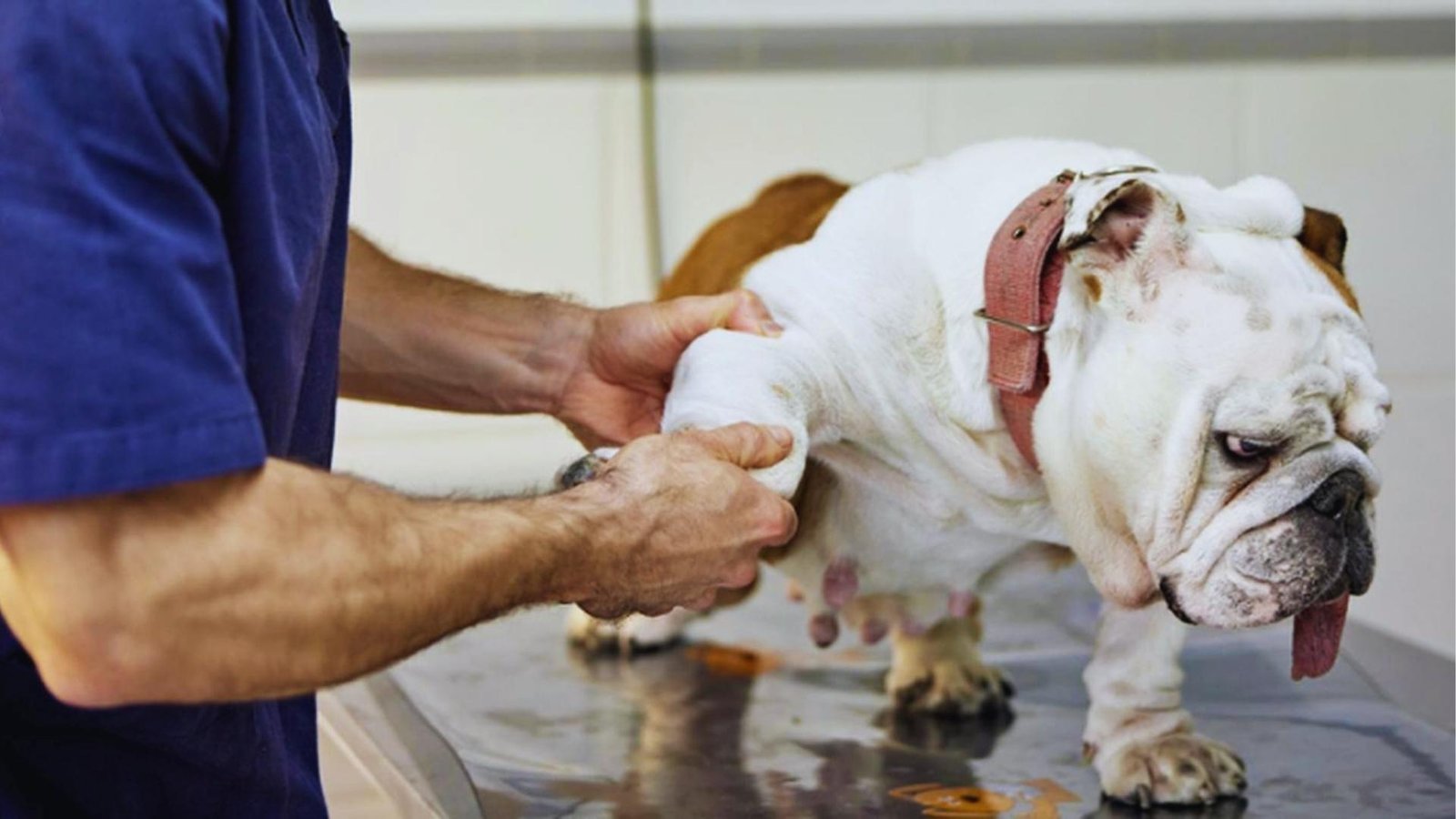
Catching arthritis early can make a real difference in how well your dog copes long-term.
Subtle Behavioral Changes
The first signs are often easy to miss. Your dog may
- Sleep more than usual
- Skip playing when they used to love it
- Seem grumpy or less social
These are quiet signals that something is off.
Mobility Issues
You might notice your dog
- Limping after rest
- Moving slowly in the morning
- Struggling to get up from the floor
Stiffness that eases as they warm up is a classic arthritis sign.
Difficulty with Daily Activities
Watch for trouble with things they used to do easily:
- Climbing stairs
- Jumping onto the couch or into the car
- Standing up after lying down for a while
Physical and Emotional Symptoms
Arthritis affects mood too. A dog in pain may
- Growl when touched near sore joints
- Withdraw from family interaction
- Change their posture hunching or holding a leg differently
Why Dogs Develop Arthritis with Age

Understanding the root causes helps you take better steps to protect your dog's joints.
Natural Wear and Tear
Every step your dog takes puts pressure on their joints. Over years, this adds up. Cartilage wears down. Fluid in the joints decreases. The result is friction and pain.
It's a natural process, but some factors speed it up.
Breed and Genetic Factors
Some breeds carry a higher risk
- Large breeds: Labs, Golden Retrievers, Rottweilers
- Giant breeds: Great Danes, Saint Bernards, Mastiffs
- Breeds with structural issues: Bulldogs, Dachshunds, Basset Hounds
If your dog falls into one of these groups, early joint care matters even more.
Lifestyle and Health Factors
Three things that increase arthritis risk
- Obesity: Extra weight puts more pressure on joints
- Poor diet: Lack of nutrients weakens joint health
- Past injuries: Old damage that didn't heal well
How to Manage Arthritis in Aging Dogs

Good management won't cure arthritis, but it can greatly improve your dog's daily comfort.
Veterinary Care and Diagnosis
See your vet if you notice any signs. Early diagnosis helps a lot. Your vet may use
- Physical exams
- X-rays
- Blood tests (to rule out other issues)
Don't wait until your dog is in serious pain.
Medications and Supplements
Your vet may recommend:
- NSAIDs: Anti-inflammatory pain relief
- Glucosamine and chondroitin: Joint support supplements
- Omega-3 fatty acids: Help reduce inflammation
Always use vet-approved options. Don't give human medications to dogs.
Exercise and Physical Therapy
Rest is not always the answer. Low-impact movement keeps joints flexible.
Good options include:
- Short, gentle walks
- Swimming or hydrotherapy
- Slow, controlled movement on flat ground
Avoid running on hard surfaces or jumping.
Preventing or Delaying Arthritis in Dogs
You can't stop aging, but smart habits from early on can slow joint damage significantly.
Maintain a Healthy Weight
This is the single biggest thing you can do. Extra weight = extra joint strain. Keep your dog at a healthy weight with proper portions and regular activity.
Balanced Nutrition
Feed your dog food with
- Quality protein for muscle support
- Omega-3s for joint health
- Vitamins C and E for tissue repair
Ask your vet about joint-support diets for at-risk breeds.
Safe Exercise Routine
Start good habits early. Regular moderate exercise keeps joints strong without overworking them.
Avoid:
- High jumps
- Sudden stops and sprints on hard ground
- Rough play on slippery floors
Home Care Tips for Dogs with Arthritis
Small changes at home can make a big difference in how comfortable your dog feels each day.
- Setting up an orthopedic dog bed, non-slip mats, and ramps around the home reduces joint strain and makes daily movement much easier for your dog.
- Keeping a simple daily log of your dog's symptoms, including limping frequency and activity changes, gives your vet valuable information to track progress accurately.
- If your dog suddenly shows worsening symptoms or cries when touched near the joints, visit your vet as soon as possible without delay.
- Loss of appetite linked to pain or an inability to stand and walk normally are serious signs that require immediate veterinary attention.
- Monitoring your dog's reaction to touch near affected joints regularly helps you spot changes early and take action before the condition gets worse.
Conclusion
Watching your dog slow down is hard. I know that feeling well. But what age do dogs get arthritis? Doesn't have to be a scary question anymore.
Most dogs face it around 7 to 8 years old, and some even earlier. The good news? You can help. Small steps, better food, gentle movement, regular vet visits make a real difference.
Start now, don't wait for the limp to get worse. If this helped you, drop a comment below or share it with another dog owner who needs it.
Frequently Asked Questions
Can a 2-year-old dog get arthritis?
Yes, young dogs with joint injuries or genetic conditions like hip dysplasia can develop arthritis early. Get a vet check if your dog limps or moves stiffly.
What are the first signs of arthritis in dogs?
Early signs include slowing down on walks, stiffness after rest, and reluctance to jump. Mood changes like irritability can also appear before physical signs become obvious.
How do I know if my dog is in pain from arthritis?
Watch for limping, whimpering when touched, or changes in posture. Dogs hide pain well, so even mild behavior changes are worth taking seriously.
Is arthritis in dogs manageable at home?
Yes, orthopedic beds, non-slip flooring, gentle walks, and vet-approved supplements all help. Home care works best alongside proper veterinary treatment, not as a replacement.
What dog breeds are most likely to get arthritis early?
Large breeds like Labrador Retrievers, German Shepherds, and Great Danes are most at risk. Dachshunds and Bulldogs also face higher chances due to their body shape.