

Heavy breathing in your dog can be scary. You want answers fast. I get it.
After years of being around dogs, I have learned that breathing changes are often the first sign something is wrong. Sometimes it is minor. Other times, it needs quick action.
This blog covers common causes of heavy breathing, warning signs to never ignore, what different breathing patterns mean, and simple prevention tips.
Whether it happens at rest, during sleep, or all of a sudden, this guide will help you understand what is going on and what to do next.
Let's get into it.
Why Is My Dog Breathing Heavy?
Seeing your dog breathe heavily can be worrying. But it is not always a bad sign.
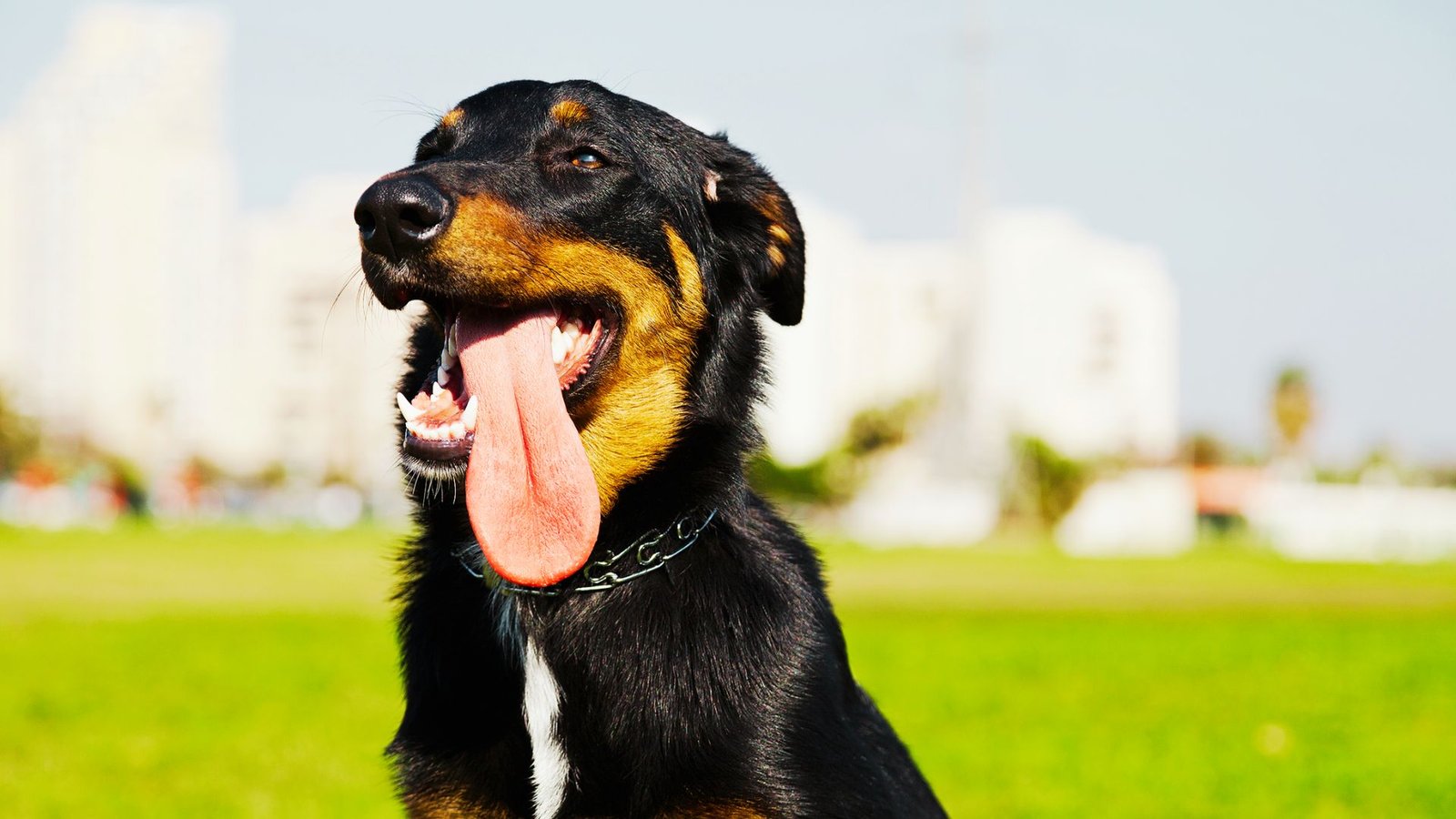
It is normal for dogs to pant after exercise, play, or time in a hot environment. Dogs do not sweat like humans, so panting is how they cool down. This is nothing to stress about.
Stress, pain, and anxiety can also cause heavy breathing. Loud noises, injuries, or stomach issues are common triggers.
In older dogs, heart disease is a frequent cause. When the heart does not pump well, fluid builds up around the lungs and makes breathing harder.
Lung infections from viruses or bacteria can also lead to heavy breathing, along with coughing, fever, and low energy.
If your dog shows blue or pale gums, or struggles to breathe while resting, that is an emergency. Get to a vet right away. When in doubt, a quick call to your vet is always the right move.
Common Causes of Heavy Breathing in Dogs
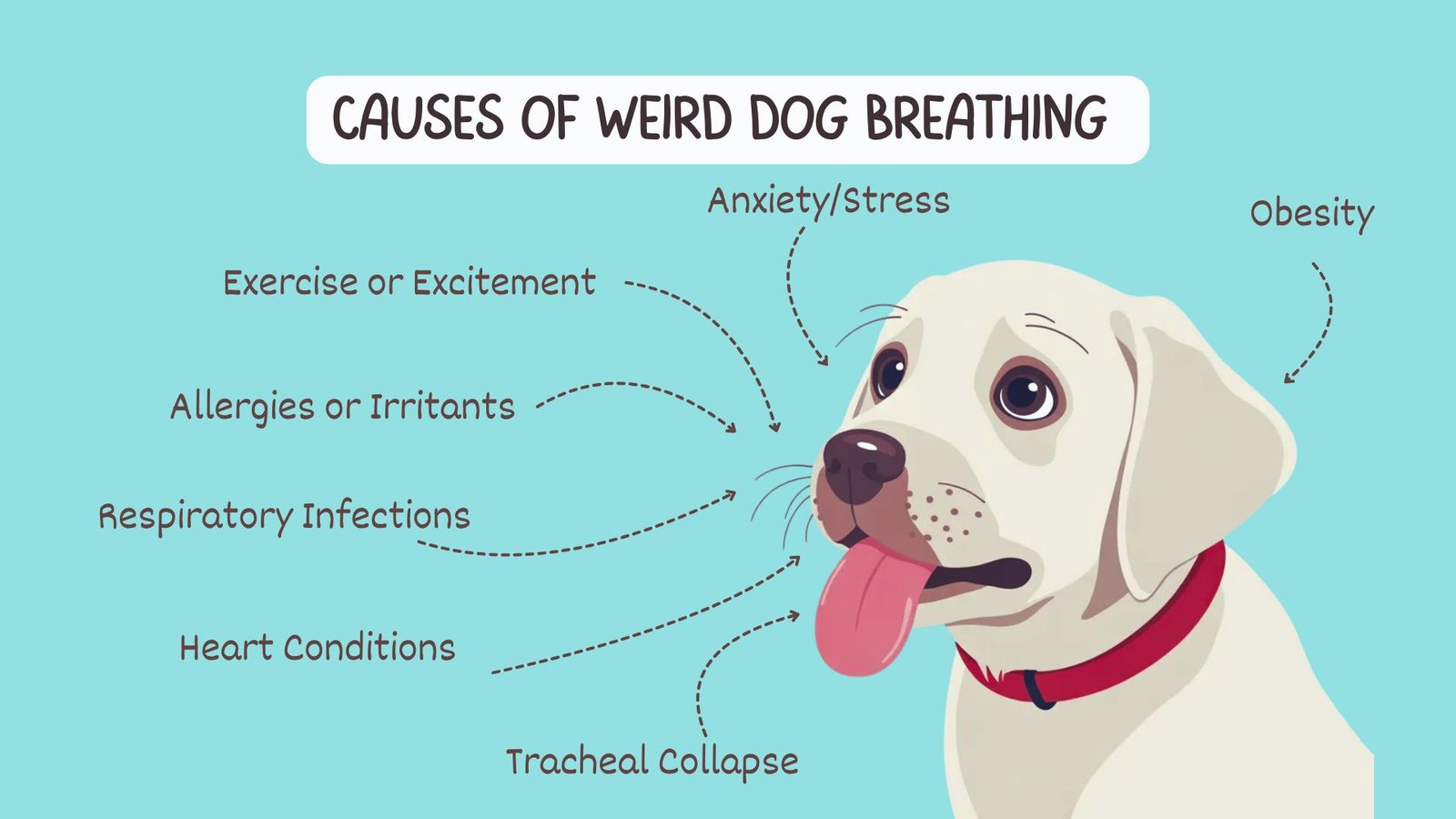
Heavy breathing in dogs can stem from heart issues, pain, heat, or stress, here's what to look for.
Heart and Lung Conditions
The heart and lungs work together to move oxygen through the body. When either one has a problem, breathing becomes harder.
Conditions like fluid in the lungs, heart disease, or pneumonia can cause a dog to breathe heavily even at rest. These are not conditions to wait on.
Pain, Injury, and Illness
Dogs cannot tell you when something hurts. Instead, they breathe faster or heavier. A dog in pain may also seem restless, refuse to lie still, or avoid being touched.
Any sudden change in breathing after an injury is a red flag.
Heat, Stress, and Anxiety
Dogs cool down by breathing fast and panting. On a hot day or during a stressful event, heavy breathing is the body's response.
Fireworks, car rides, or vet visits can also trigger anxious breathing. This type usually settles once the cause is removed.
When to Call a Vet Immediately

Some breathing changes in dogs are emergencies; these signs should never be brushed off.
Emergency Warning Signs
Call your vet right away if your dog has blue, gray, or white gums, cannot stand or seems confused, is gasping or choking, or has a swollen belly along with labored breathing.
These signs point to a life-threatening situation.
Symptoms You Should Never Ignore
Even if your dog seems stable, watch for breathing that is loud, raspy, or uneven. A dog that breathes hard for more than a few minutes without a clear reason needs a checkup.
Do not wait to see if it passes.
Why Is My Dog Breathing Heavy While Resting or Laying Down?

A dog breathing hard at rest may have an underlying condition that needs medical attention.
Possible Causes
Heavy breathing while resting can point to heart disease, anemia, respiratory infection, or pain.
Some dogs with fluid buildup around the lungs will breathe harder when lying down because it puts pressure on the chest.
When to Worry
If this happens more than once, or if your dog seems tired and low-energy along with it, get a vet involved. Resting should not be a struggle.
Why Is My Dog Breathing Heavy While Sleeping or At Night?

Some sleep breathing is normal, but certain nighttime patterns can signal a real problem.
Normal vs. Abnormal Sleep Breathing
Dogs can twitch, whimper, and breathe faster during dreams. This is normal. What is not normal is continuous heavy breathing that lasts throughout sleep, or breathing that sounds wet or rattling.
Signs of a Breathing Problem
Watch for noisy breathing, long pauses in breath, or if your dog wakes up frequently and seems distressed. Snoring that is new or louder than before can also signal a blockage or tissue problem in the airway.
Why Is My Dog Breathing Heavy and Fast?
Fast and heavy breathing together often point to something physical happening inside the body.
Rapid Breathing Causes
Rapid breathing can come from exercise, excitement, fever, pain, or low oxygen levels. In puppies, it can simply mean they are growing and active.
In older dogs, it may point to heart or lung problems.
How to Check Breathing Rate
Count how many times your dog's chest rises in 30 seconds, then multiply by two. A healthy resting rate is between 15 and 30 breaths per minute.
Anything above 40 at rest is worth a vet call.
Why Is My Dog Breathing Heavy and Shaking?
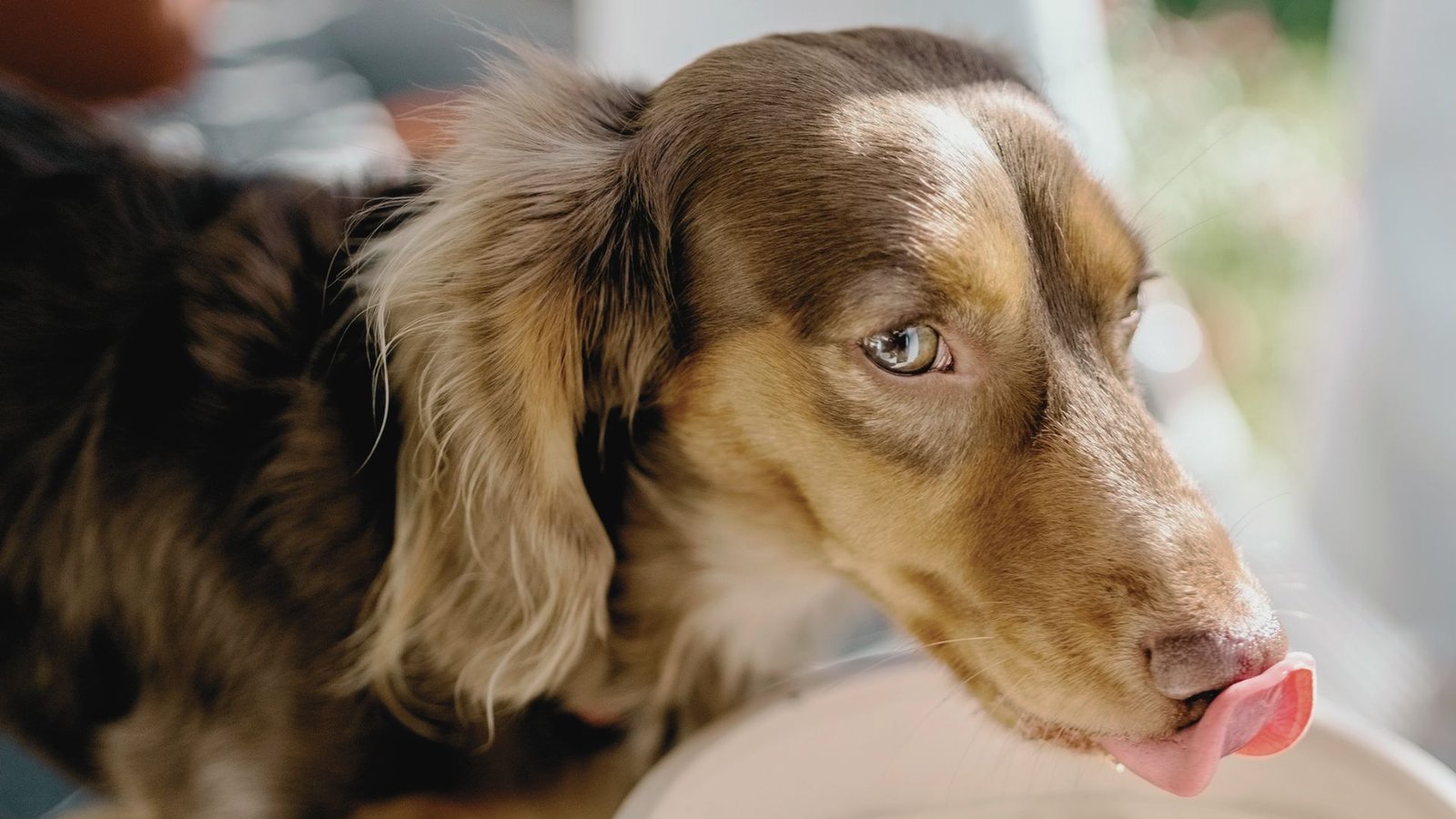
When heavy breathing comes with shaking, your dog is likely in pain, fear, or serious distress.
Anxiety and Stress
Shaking and heavy breathing together often mean your dog is scared or overwhelmed. Thunder, strangers, or new places can trigger this.
Comfort your dog, remove the stressor if possible, and give them a quiet space to calm down.
Pain and Serious Health Conditions
Shaking alongside heavy breathing can also mean your dog is in serious pain or is going into shock.
If the shaking is not stopping and there is no obvious emotional cause, this is an emergency.
Tips to Help Prevent Breathing Problems in Dogs
Small habits and regular care go a long way in keeping your dog's breathing healthy.
- Keep your dog at a healthy weight to reduce pressure on the chest and lungs.
- Give monthly heartworm prevention to protect the heart and lungs from damage.
- Avoid exposing your dog to smoke, strong chemicals, and dusty indoor air.
- Walk during cooler hours and always bring water to prevent overheating.
- Schedule yearly vet checkups to catch breathing issues before they get serious.
Conclusion
As a dog lover, I know how scary it feels to watch your pup struggle to breathe. You feel helpless. But paying attention to small changes early makes a big difference. Trust your gut.
If something feels off, it probably is. Your dog cannot speak, but their breathing tells you a lot. Keep these tips close, stay consistent with vet visits, and you will be ahead of most problems.
Have questions or a story to share? Drop it in the comments. Your experience might help another dog owner too.
Frequently Asked Questions
Why is my dog breathing heavily for no reason?
Heavy breathing without an obvious cause can point to pain, anxiety, or an internal health issue. A vet visit is the best way to rule out anything serious.
Is heavy breathing in dogs always a sign of something bad?
Not always. Dogs breathe harder after exercise, in heat, or when excited. It becomes a concern when it happens at rest or does not settle down.
How do I know if my dog is struggling to breathe?
Watch for open-mouth breathing at rest, blue or pale gums, and labored chest movement. These signs mean your dog needs medical attention right away.
Can stress cause heavy breathing in dogs?
Yes. Loud noises, new environments, and separation can all trigger stressed breathing in dogs. Removing the stressor and keeping your dog calm usually helps.
When should I take my dog to the vet for heavy breathing?
If heavy breathing lasts more than a few minutes at rest, comes with shaking, or your dog seems weak or confused, do not wait. Contact your vet immediately.