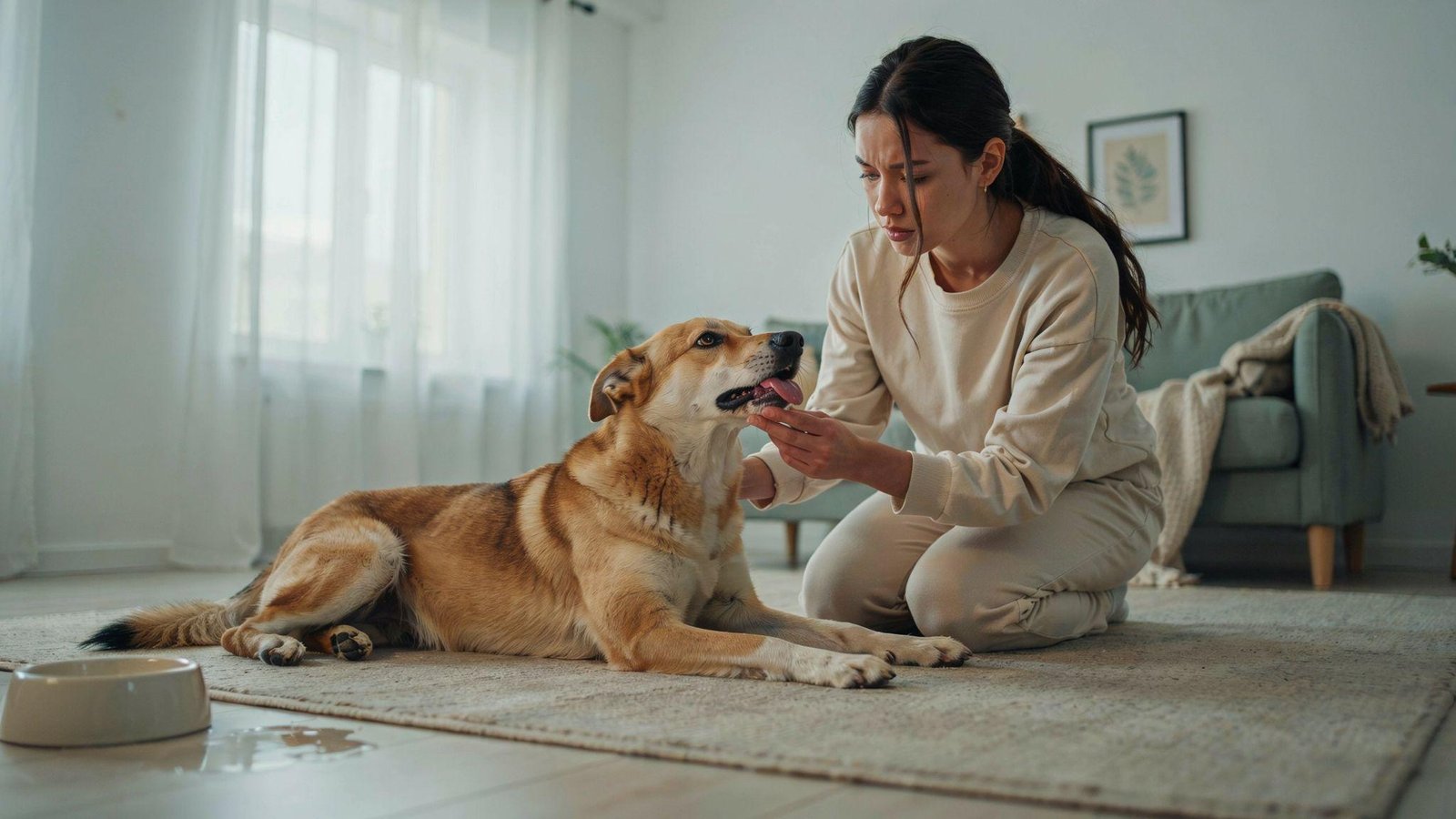


My dog started coughing one evening, and I panicked. Was it serious? Should I call the vet right away? If you're asking "why is my dog coughing," you're in the right place.
In this guide, I'll walk you through the most common causes, what different cough types mean, when to see a vet, and how to help prevent it.
I've researched this carefully so you don't have to guess. Sometimes a cough is harmless. Other times, it's a sign of something that needs quick attention.
With over 5 years of writing pet health content, I'm here to give you clear, honest answers you can actually use.
Why Do Dogs Cough? Understanding the Basics
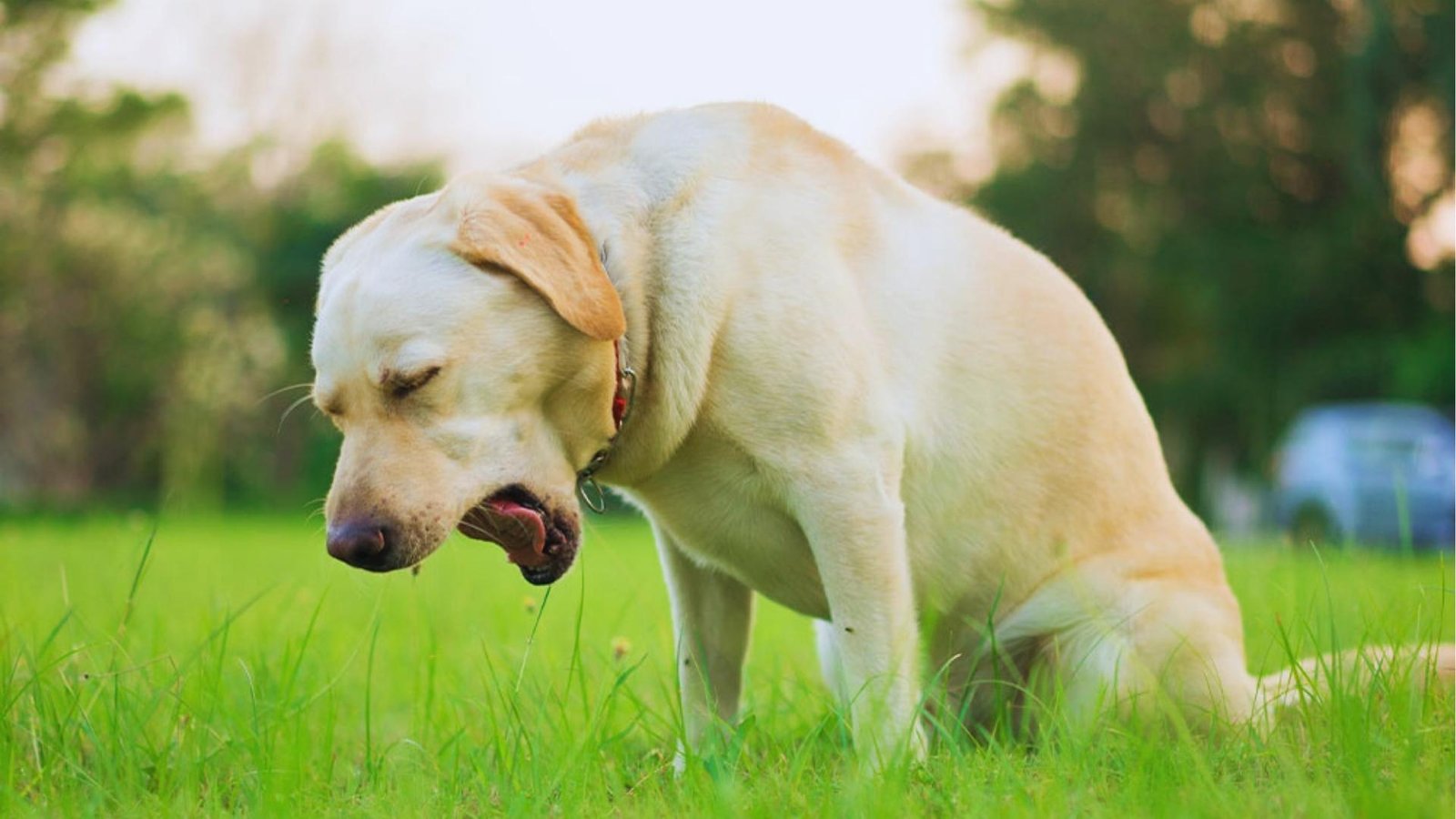
Coughing in dogs is more common than most people think. Dogs cough occasionally, just like people do. A quick throat clear after drinking water or sniffing something dusty is usually nothing to worry about.
But watch for coughing that lasts more than a few days, happens at night or after light activity, or comes with tiredness and weight loss.
A cough is your dog's way of clearing the airway. Dust, mucus, or irritants trigger the reflex. It's a built-in protection system.
The problem starts when that reflex keeps firing without a clear reason.
Common Causes of Dog Coughing
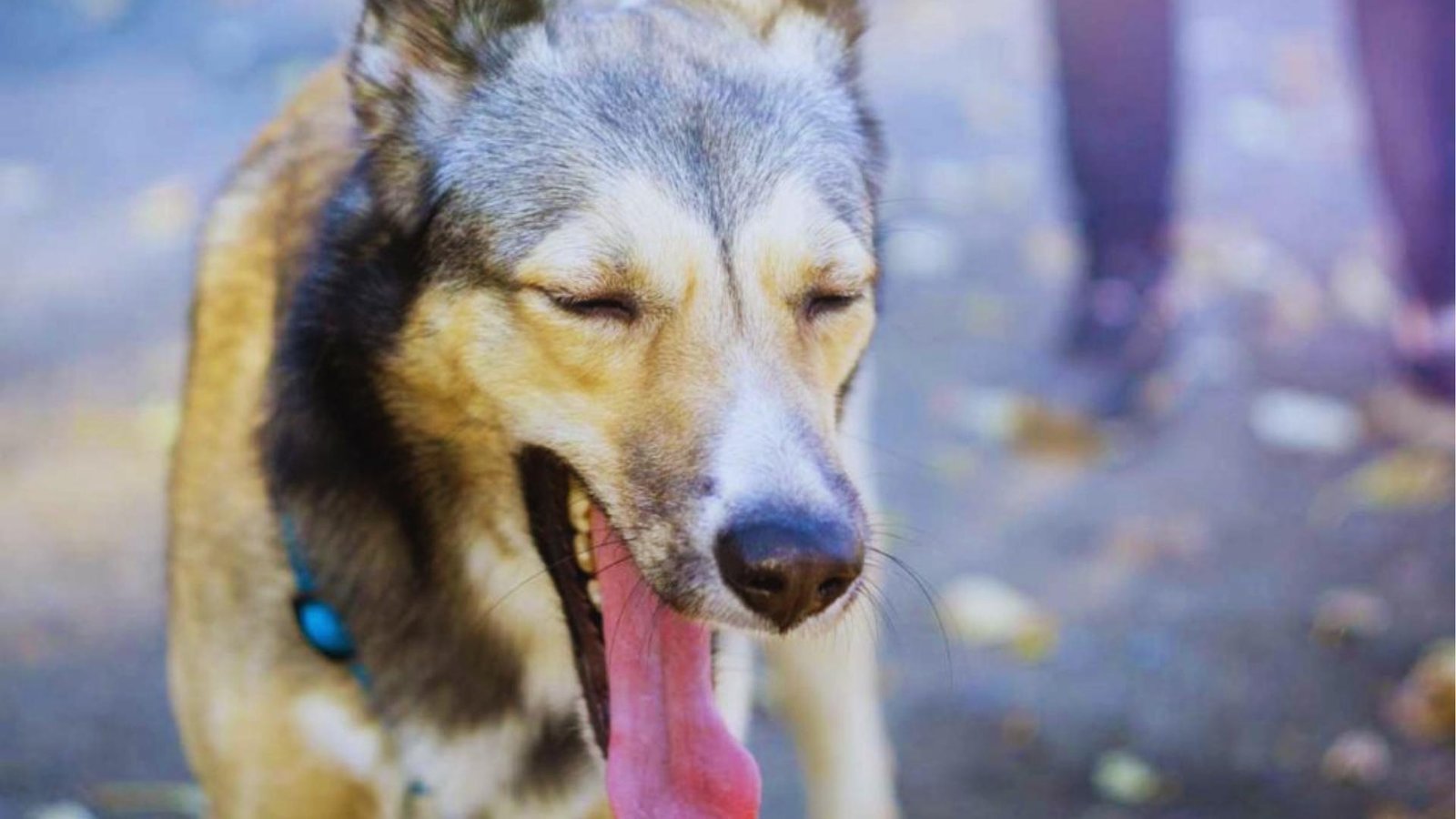
Most dog coughs have a simple cause. These are the ones vets see most often.
Pulling on the Lead or Collar Pressure
When a dog pulls hard on a collar, it puts direct pressure on the windpipe. This can irritate the trachea and trigger a cough. Switching to a harness often solves the problem quickly.
Kennel Cough (Contagious Infection)
Kennel cough is one of the most common reasons dogs cough. It spreads easily in places where dogs mix, like kennels, parks, and grooming salons.
Key symptoms:
- Loud, dry, honking cough
- Runny nose
- Mild fever in some cases
Most dogs recover in 1 to 3 weeks. Puppies and older dogs may need vet care sooner.
Tracheal Collapse in Dogs
This happens when the rings of the windpipe weaken and flatten. It causes a distinctive honking sound, especially during excitement or exercise.
Small breeds like Chihuahuas, Pomeranians, and Yorkshire Terriers are most at risk.
Bronchitis and Airway Inflammation
Chronic bronchitis causes the airways to stay inflamed. Mucus builds up, making it harder to breathe. Dogs with this condition often cough in the morning or after activity.
Foreign Objects Stuck in the Throat
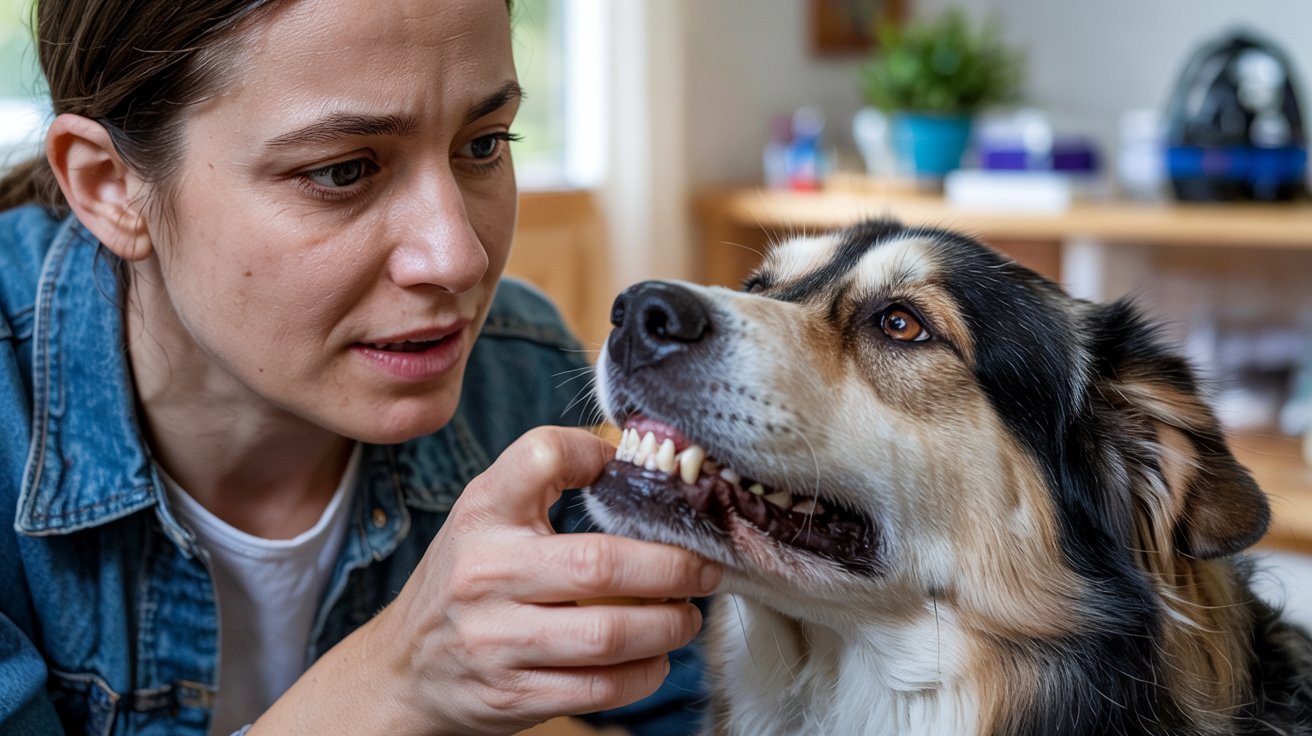
If your dog suddenly starts coughing, gagging, or pawing at their mouth, something may be stuck in the throat. This is an emergency. Get to a vet right away.
Serious Health Conditions Linked to Dog Coughing

Some causes go beyond the throat. These conditions need proper diagnosis and care.
Heart Disease and Persistent Cough
When the heart isn't pumping well, fluid can build up in the lungs. This causes a soft, wet cough, often at night or when your dog lies down.
Fatigue and reduced energy usually go along with it.
Lungworm and Parasitic Infections
Dogs pick up lungworm by eating slugs, snails, or infected grass. The larvae travel to the lungs and cause coughing, breathing problems, and sometimes bleeding.
Regular parasite prevention helps stop this.
Lung Cancer in Dogs
This is rare, but it does happen. Signs include a persistent cough, weight loss, and low energy. It's more common in older dogs.
Early detection gives the best outcome.
Brachycephalic Airway Syndrome (BOAS)
Flat-faced breeds like Bulldogs, Pugs, and French Bulldogs are built with narrower airways.
This makes breathing harder and leads to frequent coughing, snoring, and gagging. Some cases need surgery to improve airflow.
Types of Dog Coughs and What They Mean

Not all coughs sound the same. The sound gives useful clues about the cause.
Dry, Hacking Cough
This type of cough is often linked to kennel cough or general throat irritation, and it tends to sound harsh and repetitive.
If your dog is coughing this way frequently, it is worth getting a vet check done sooner rather than later.
Honking Cough
A honking cough usually signals tracheal collapse and produces a sound strikingly similar to a goose, which can be alarming to hear.
This pattern is far more common in small dog breeds and should be evaluated by a veterinarian promptly.
Wet or Phlegmy Cough
A wet or phlegmy cough points to the presence of fluid or mucus building up in the lungs, which can be a sign of bronchitis, pneumonia, or even heart disease.
This type of cough should never be ignored, as the underlying cause often requires medical treatment.
Gagging or Choking Sounds
Gagging or choking sounds can indicate that something is lodged in your dog's throat, or that they are dealing with post-nasal drip or acid reflux.
If the gagging comes on suddenly and is severe, treat it as an emergency and get your dog to a vet immediately.
When Should You See a Vet for Dog Coughing?
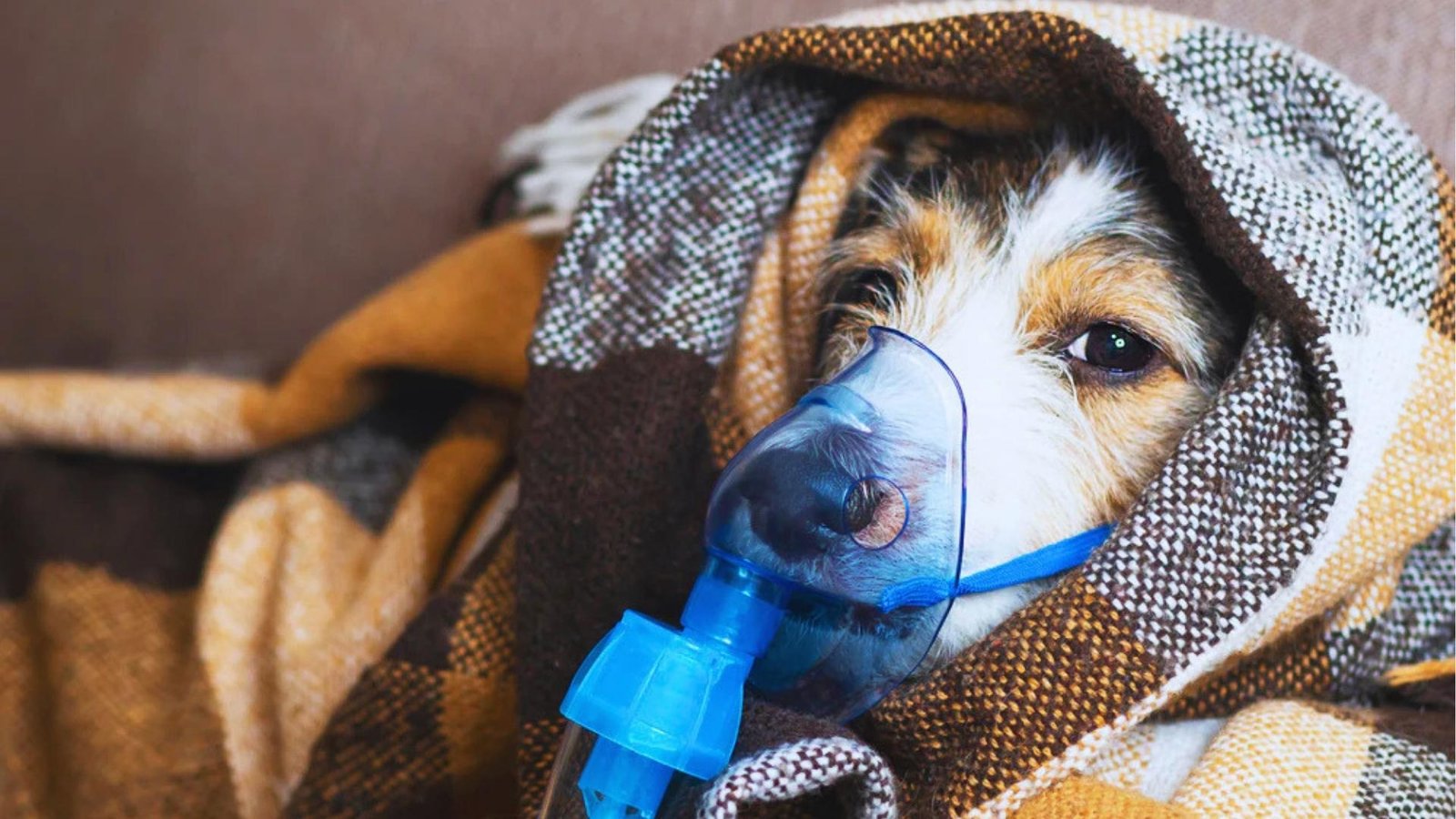
Knowing when to act quickly can make a real difference. Some signs cannot wait.
Emergency Warning Signs
Go to the vet immediately if your dog shows
- Blue or pale gums
- Struggling to breathe
- Collapse or extreme weakness
- Choking with no relief
Symptoms That Need Medical Attention
Book a vet appointment if you notice
- Coughing that lasts more than 7 days
- Loss of appetite or weight
- Lethargy or reduced playfulness
- Coughing that gets worse over time
Diagnosis and Treatment Options
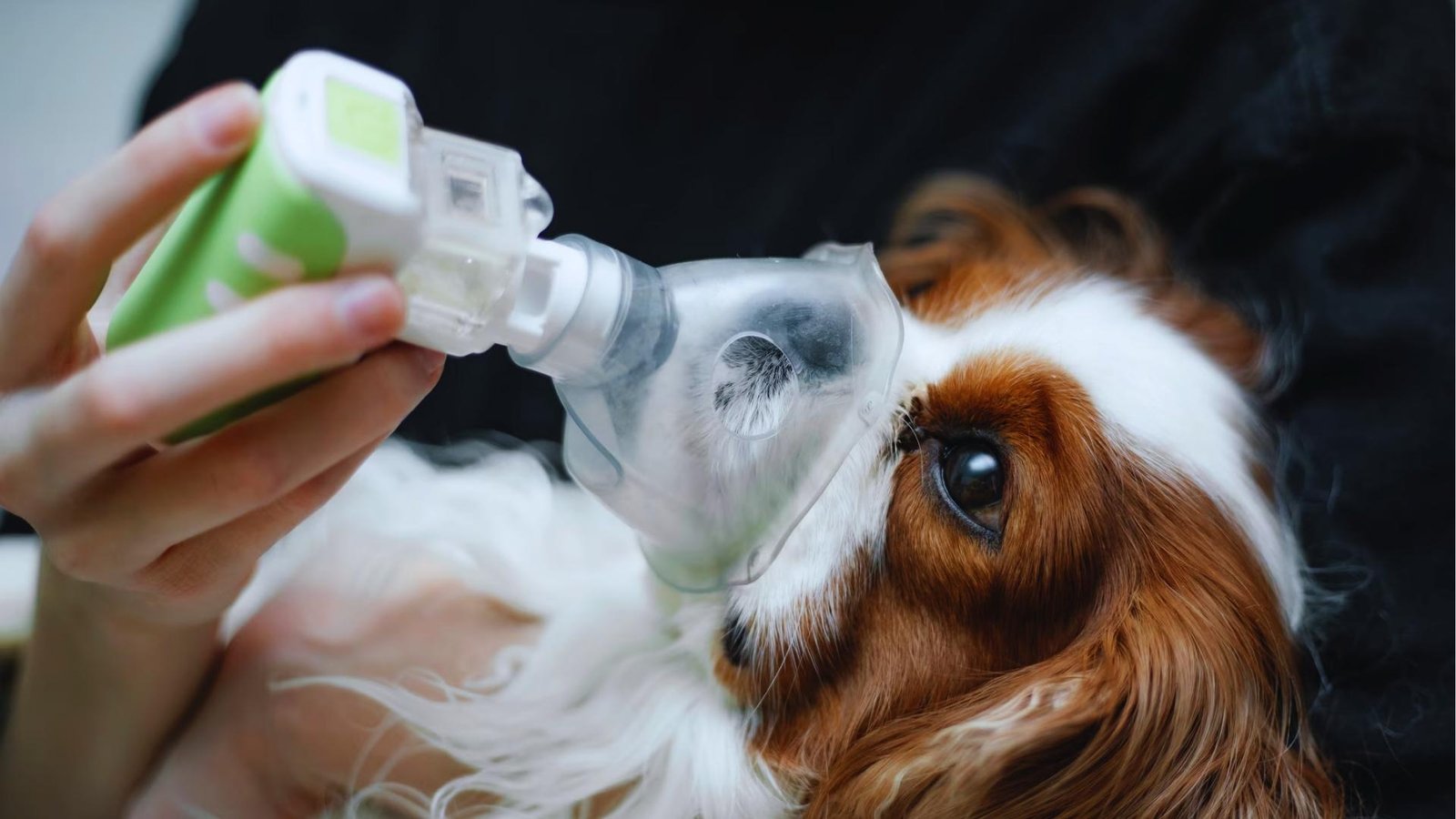
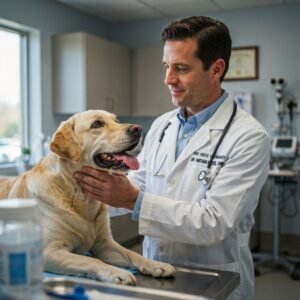
A vet visit gives you real answers. Here's what to expect when you go.
How Vets Diagnose Coughing
Your vet will start with a physical check and listen to your dog's chest. Depending on what they find, they may order
- Chest X-rays
- Blood tests
- Bronchoscopy (camera in the airway)
- Tracheal wash to test for infection
Common Treatments for Dog Cough
Treatment depends on the cause
- Kennel cough: rest, fluids, sometimes antibiotics
- Bronchitis: anti-inflammatory medications
- Heart disease: heart medications and regular monitoring
- Tracheal collapse: weight management, cough suppressants, or surgery in severe cases
- Lungworm: antiparasitic treatment
Tips to Prevent Dog Coughing
Small changes in routine can lower the risk of your dog developing a cough.
- Using a harness instead of a collar removes pressure from the neck and windpipe, benefiting dogs that pull.
- Keeping the kennel cough vaccine updated reduces infection risk significantly, so ask your vet about a suitable schedule.
- Smoke, cleaning products, and dusty spaces irritate your dog's airways, so keep the home ventilated and use pet-safe products.
- Monthly parasite prevention treatments protect against lungworm and other harmful parasites, your vet can recommend the right product.
- Routine vet check-ups help detect underlying conditions early, giving your dog the best chance at a quick recovery.
Conclusion
Watching your dog cough is stressful, I know that feeling well. But now you have a clearer picture of what might be going on and what to do next.
Most coughs are treatable when caught early. Don't wait too long if something feels off.
Trust your gut as a dog owner. If the cough keeps coming back or other symptoms appear, book that vet visit. Your dog can't tell you what's wrong, but you can act for them.
Drop a comment below if this helped, or share it with another dog owner who might need it.
Frequently Asked Questions
Why is my dog coughing but acting normal?
Some mild coughs are caused by minor throat irritation or allergies. If your dog is eating, drinking, and playing normally, it may not be serious. Monitor it for a few days.
Can dogs cough from allergies?
Yes, dogs can react to pollen, dust, mold, or smoke. This often causes a dry, recurring cough. A vet can help confirm if allergies are the cause.
Is kennel cough dangerous?
For healthy adult dogs, kennel cough is usually mild and clears up on its own. It can be more serious for puppies, older dogs, or dogs with health conditions.
How long should a dog cough before I see a vet?
If your dog has been coughing for more than 7 days, or the cough is paired with other symptoms, see a vet. Don't wait longer than that.
Can a dog cough from excitement or pulling on the lead?
Yes. Pressure on the windpipe from a collar or sudden excitement can trigger a cough. Switching to a harness often reduces this type of coughing quickly.