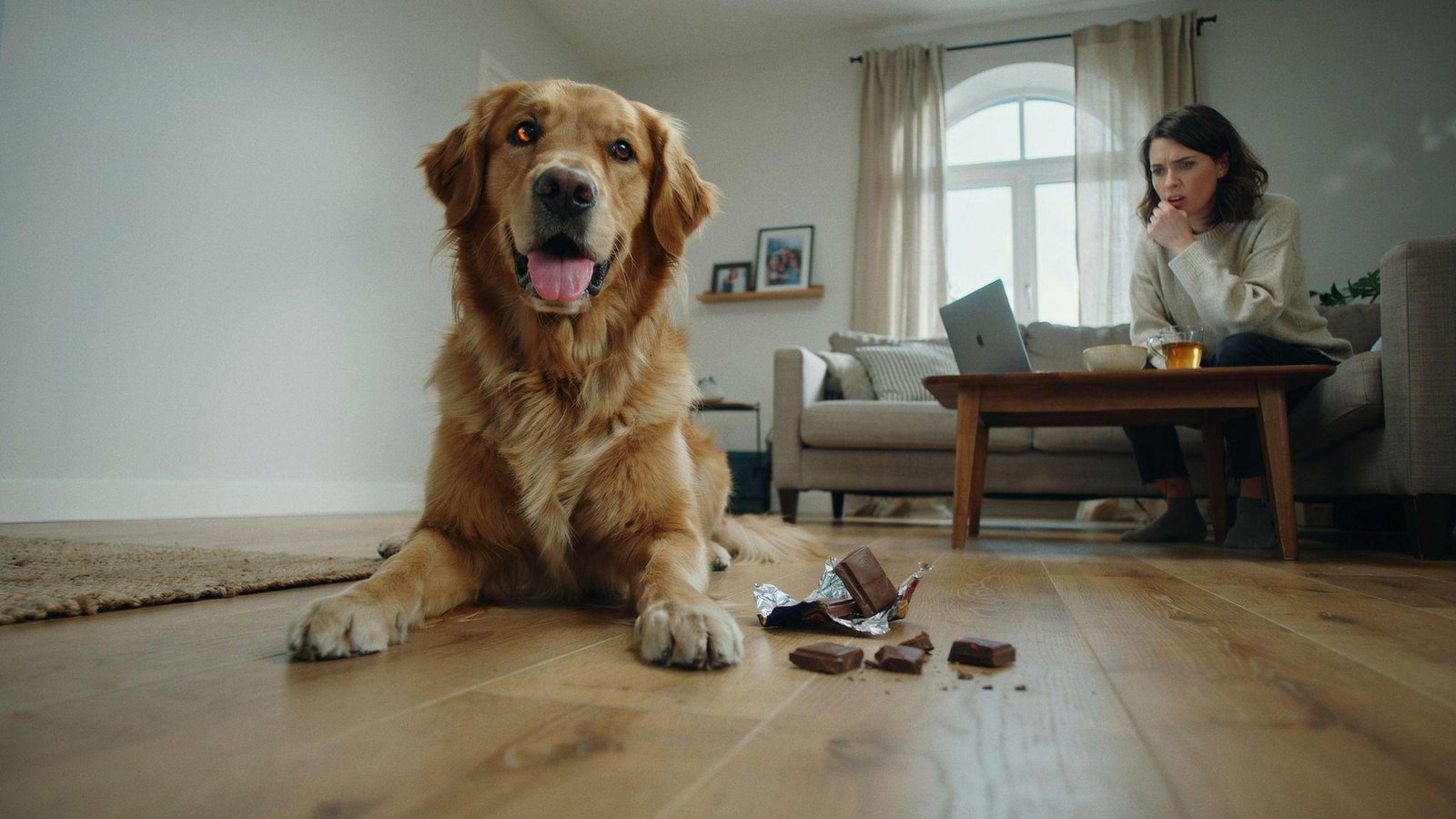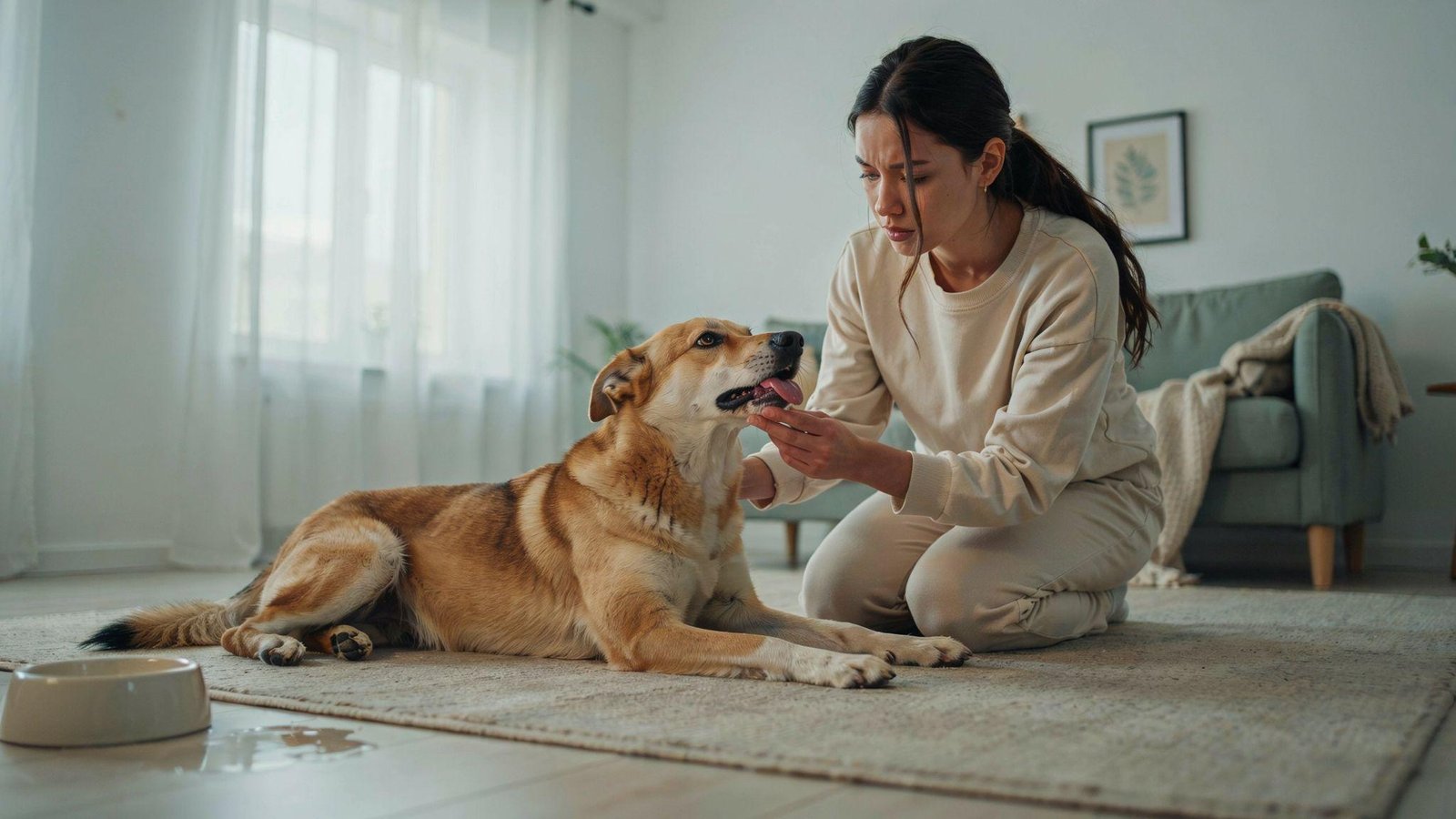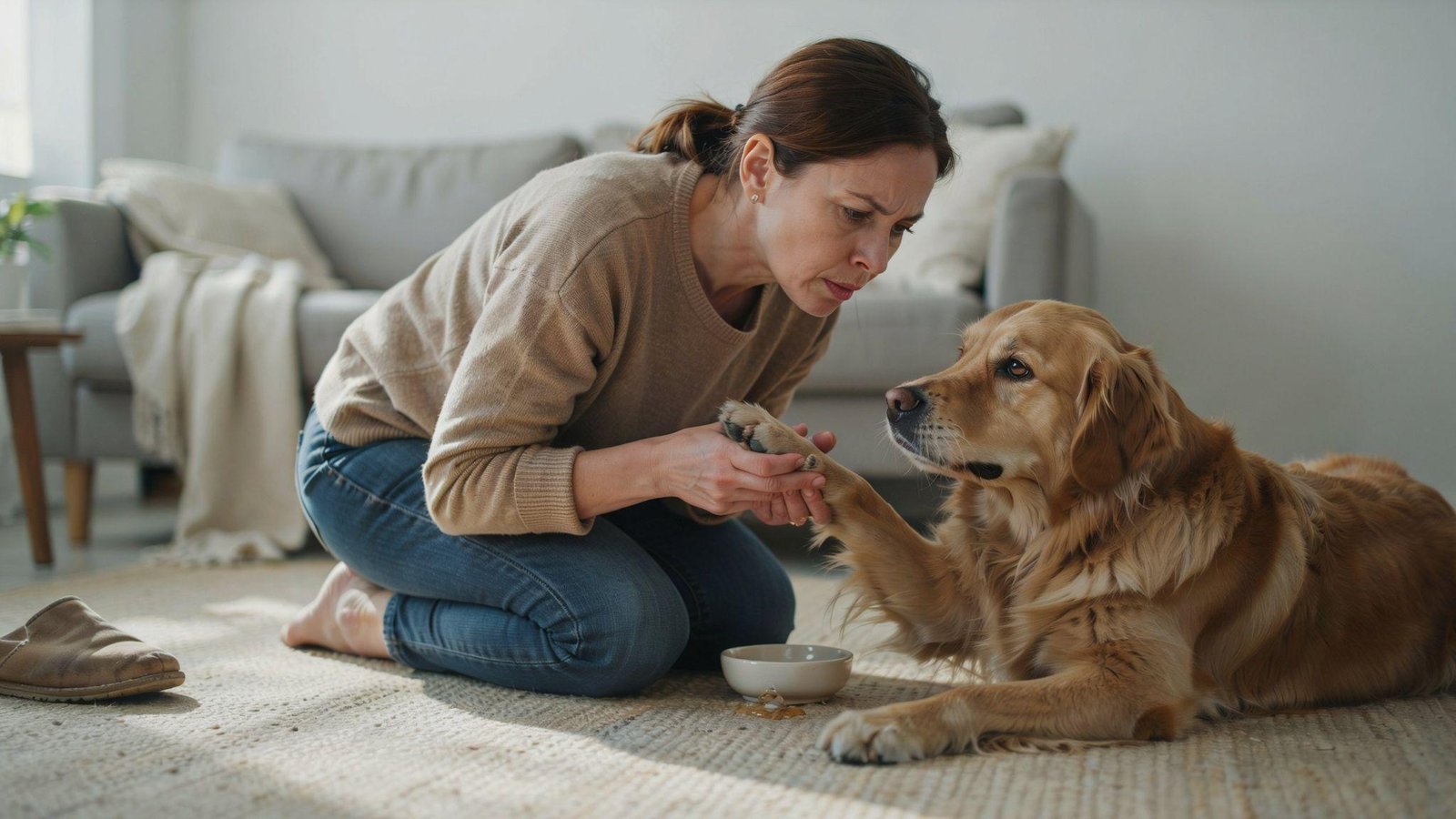

I still remember the night I caught my dog chewing at his paws like something was really bothering him. I checked, didn't see anything obvious, and assumed he'd stop. He didn't.
That experience taught me more about dog health than I expected. The truth is, why is my dog licking his paws is a question that seems simple but often points to something deeper.
Allergies, infections, anxiety, pain, the list of possible causes is longer than most people realize.
In this guide, I'm walking you through everything I've learned so you can figure out what's going on with your dog faster.
Is It Normal for Dogs to Lick Their Paws?
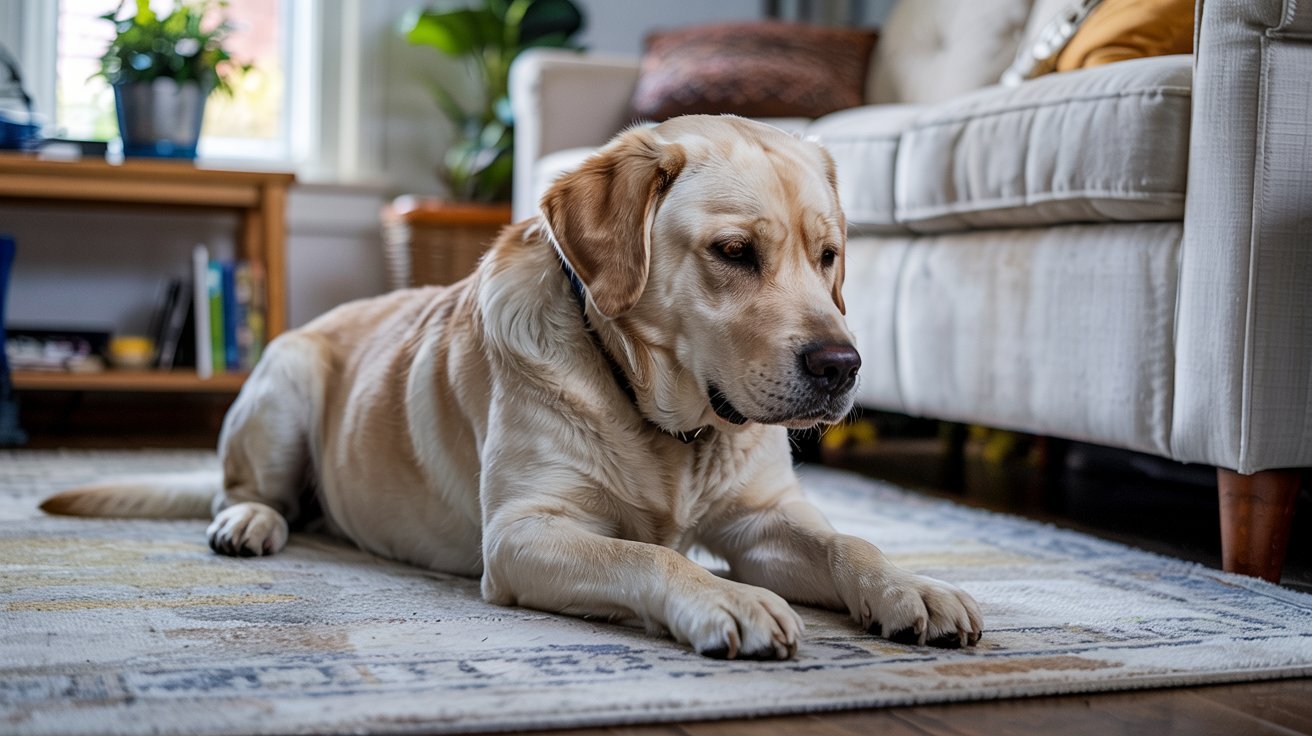
Yes, some paw licking is completely normal. Dogs groom themselves, and occasional licking is just part of that routine.
The problem starts when it becomes constant. If your dog is licking, chewing, or biting at his paws repeatedly throughout the day, something is bothering him.
Watch for redness or swelling around the paws, hair loss near the toes, limping, or constant chewing at the same spot.
If you notice any of these alongside the licking, it's time to look closer.
Common Reasons Why Your Dog Keeps Licking His Paws
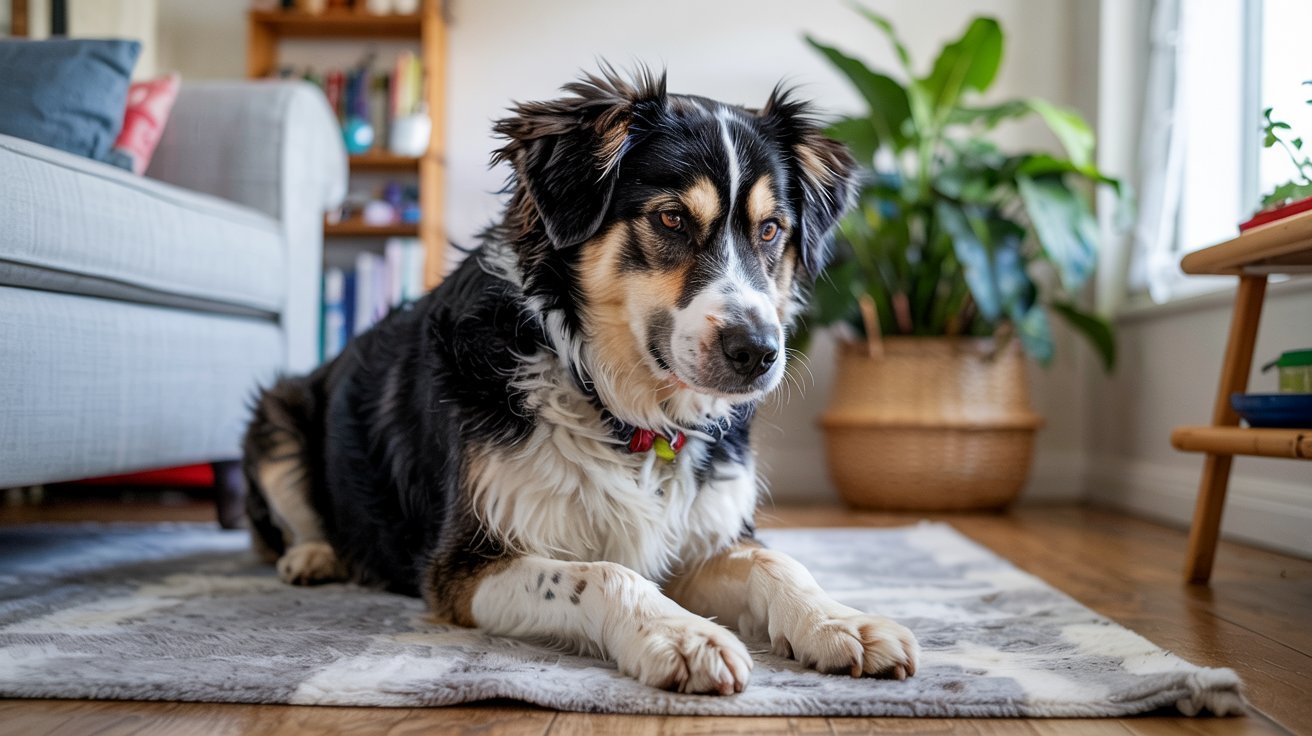
There's rarely just one answer. Paw licking can stem from several different causes, and sometimes more than one thing is happening at the same time.
Allergies and Skin Irritation
Allergies are the number one reason dogs lick their paws. Food allergies, especially to certain proteins or grains, can trigger itchy skin that shows up around the feet and toes.
Environmental allergens like grass, pollen, and dust mites are also common culprits. Your dog walks through these every day, and they stick to his paws.
Seasonal patterns are a big clue. If the licking gets worse in spring or fall, environmental allergies are likely the cause. The inflammation makes the paws itchy and uncomfortable, and licking is your dog's way of trying to get relief.
Dry Skin or Paw Injuries
Cracked paw pads are painful and often go unnoticed. Dry weather, rough terrain, and hot pavement can all damage the skin on your dog's feet.
Small cuts, splinters, or pebbles stuck between the toes can also cause focused licking. Your dog is trying to remove whatever is bothering him.
Salt and chemical de-icers used on winter roads are another irritant. Always wipe your dog's paws after walks in treated areas.
Parasites and Infections
Fleas and mites cause intense itching all over the body, including the paws. If your dog is scratching in multiple spots alongside the licking, parasites could be involved.
Yeast infections are very common in dogs and tend to affect the skin between the toes. You might notice a musty smell coming from the paws.
Bacterial infections usually follow prolonged licking. The moisture from constant licking creates the perfect environment for bacteria to grow. Look for redness, swelling, discharge, or a strong odor as signs an infection may already be present.
Anxiety, Stress, or Boredom
Some dogs lick their paws as a self-soothing behavior. It's repetitive and calming for them, similar to how people bite their nails when nervous.
Separation anxiety is a big trigger. Dogs left alone for long periods often develop compulsive habits, and paw licking is one of the most common.
If the licking happens mostly when your dog is alone or idle, stress and boredom are likely playing a role.
Pain or Joint Problems
Sometimes why is my dog licking his paws comes down to pain. Arthritis, injuries, and joint problems can cause dogs to lick at the affected area repeatedly.
If your dog is licking just one paw and not the others, that's a strong signal. It usually points to a localized issue like a sting, splinter, or sprain.
Watch for limping, stiffness, or reluctance to walk alongside the licking. Those signs together almost always mean a vet visit is needed.
How to Tell What Is Causing the Paw Licking
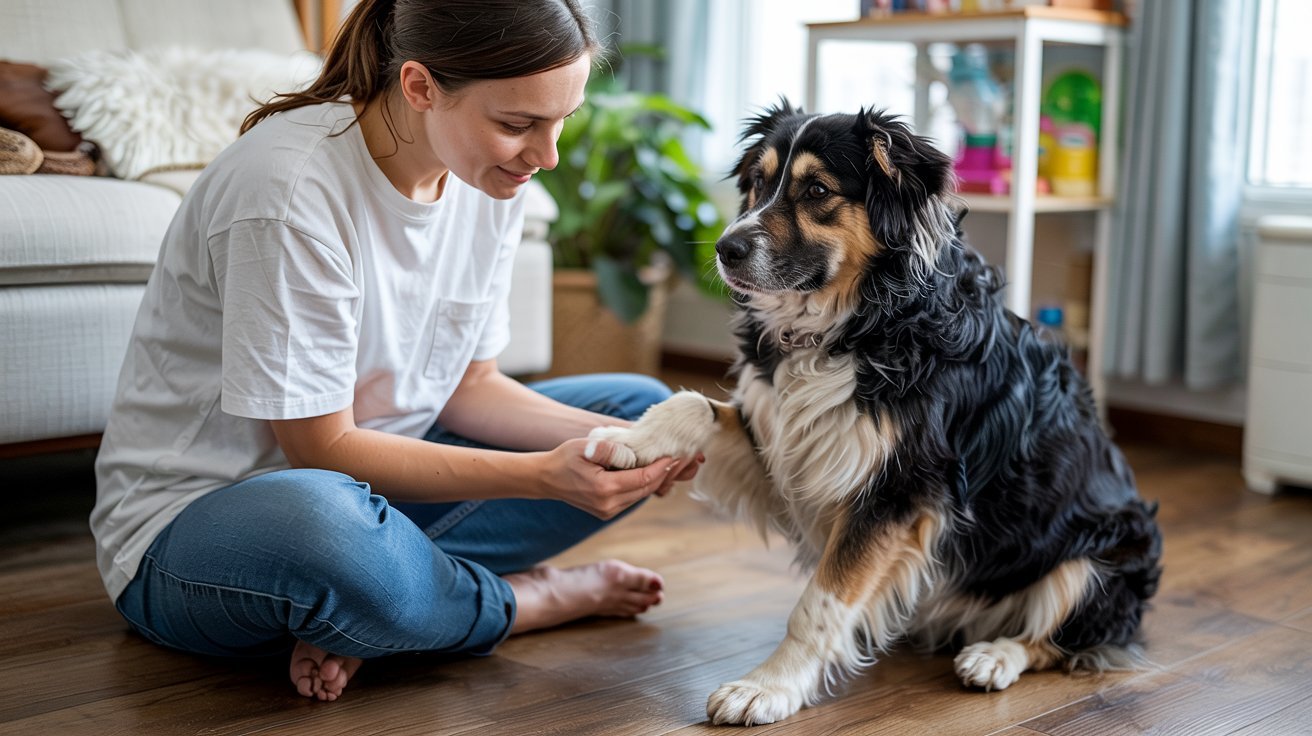
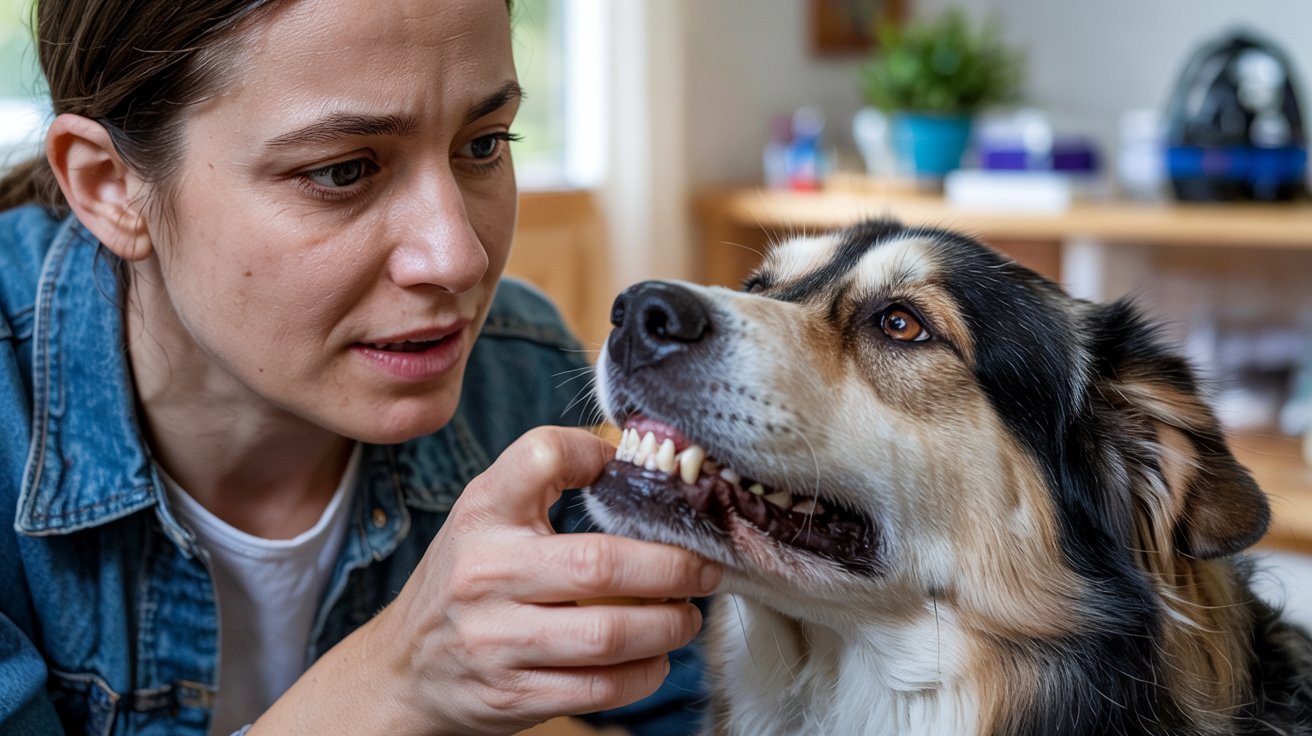
Start by checking the paws directly. Look between the toes, under the pads, and around the nails for cuts, swelling, redness, or anything stuck in the skin.
Pay attention to timing. Does the licking happen after walks? After eating? Only at night? The timing can point directly to the cause.
Seasonal patterns matter too. Licking that spikes in spring or summer often means environmental allergies. Licking that starts after a diet change usually points to food sensitivity.
Also watch for other symptoms happening at the same time.
Ear infections, digestive issues, scratching, and limping alongside paw licking all suggest something systemic like allergies or parasites.
How to Stop Your Dog From Licking His Paws
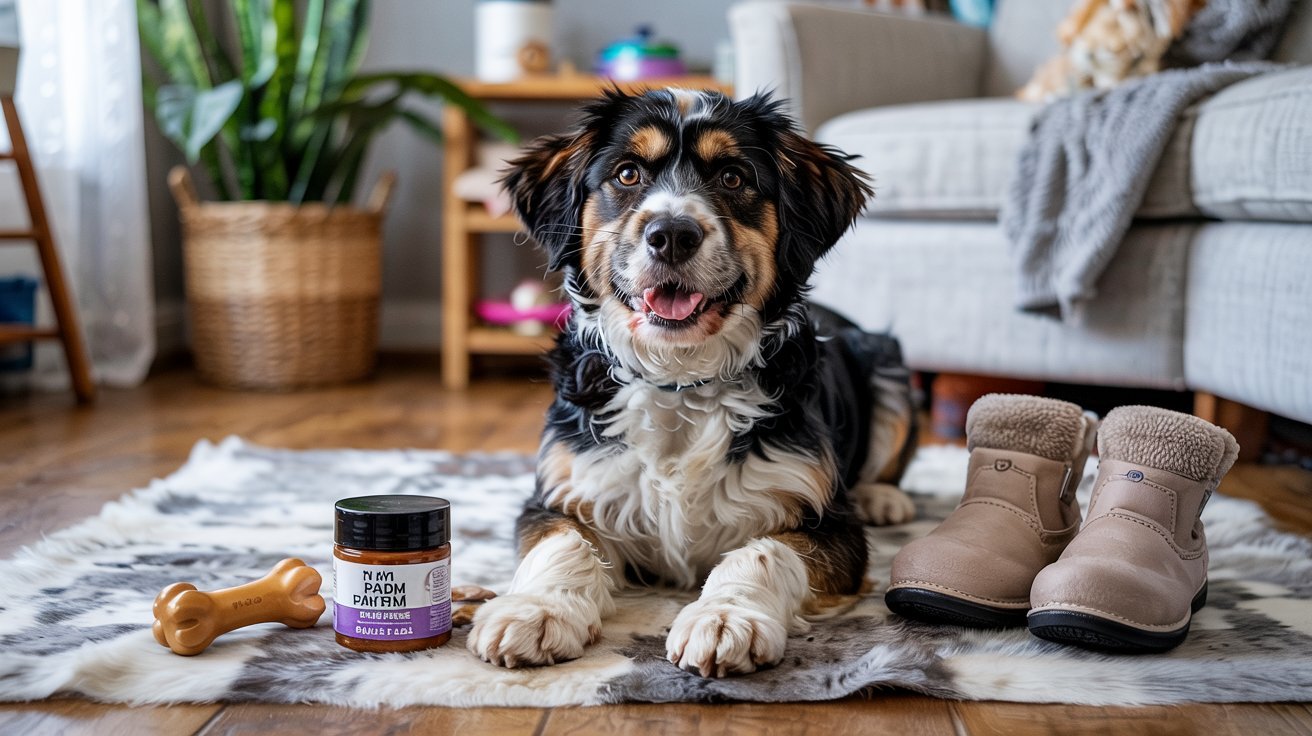
Treating paw licking starts with finding the cause. Once you know what's behind it, the right fix becomes much clearer.
Clean and Moisturize the Paws
Washing your dog's paws after every walk removes allergens, chemicals, and debris before they cause irritation. Use lukewarm water and a gentle, dog-safe cleanser.
After washing, dry the paws thoroughly. Moisture left between the toes creates the perfect environment for yeast and bacteria.
Apply a dog-safe paw balm if the pads are cracked or dry. It soothes the skin and creates a protective layer against further irritation.
Address Allergies Properly
If food allergies are suspected, talk to your vet about an elimination diet. This helps identify which ingredient is causing the reaction.
Allergy testing through a vet can pinpoint environmental triggers. Simple changes like wiping paws after outdoor time and washing your dog's bedding regularly can make a real difference.
Prevent Boredom and Anxiety
More exercise is one of the most effective fixes for stress-driven licking. A tired dog is a calmer dog.
Puzzle toys, chew toys, and interactive feeders keep your dog mentally busy. If separation anxiety is severe, structured training or working with a behaviorist can help.
Use Protective Measures
Dog booties protect paws from hot pavement, salt, and rough surfaces. Paw wax acts as a barrier between your dog's skin and outdoor irritants, and it's especially useful in winter or during allergy season.
If your dog won't stop licking despite other treatments, a cone collar can break the cycle and give the skin time to heal.
When Should You Take Your Dog to the Vet?
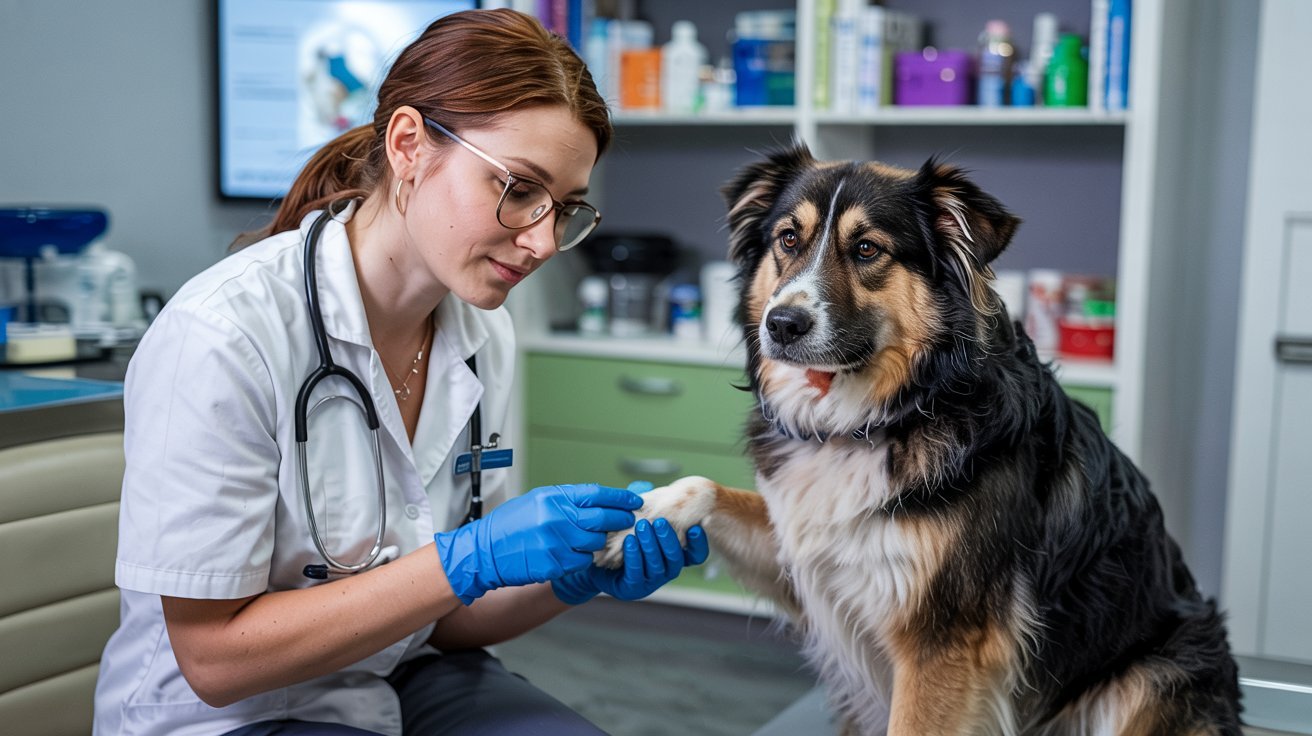
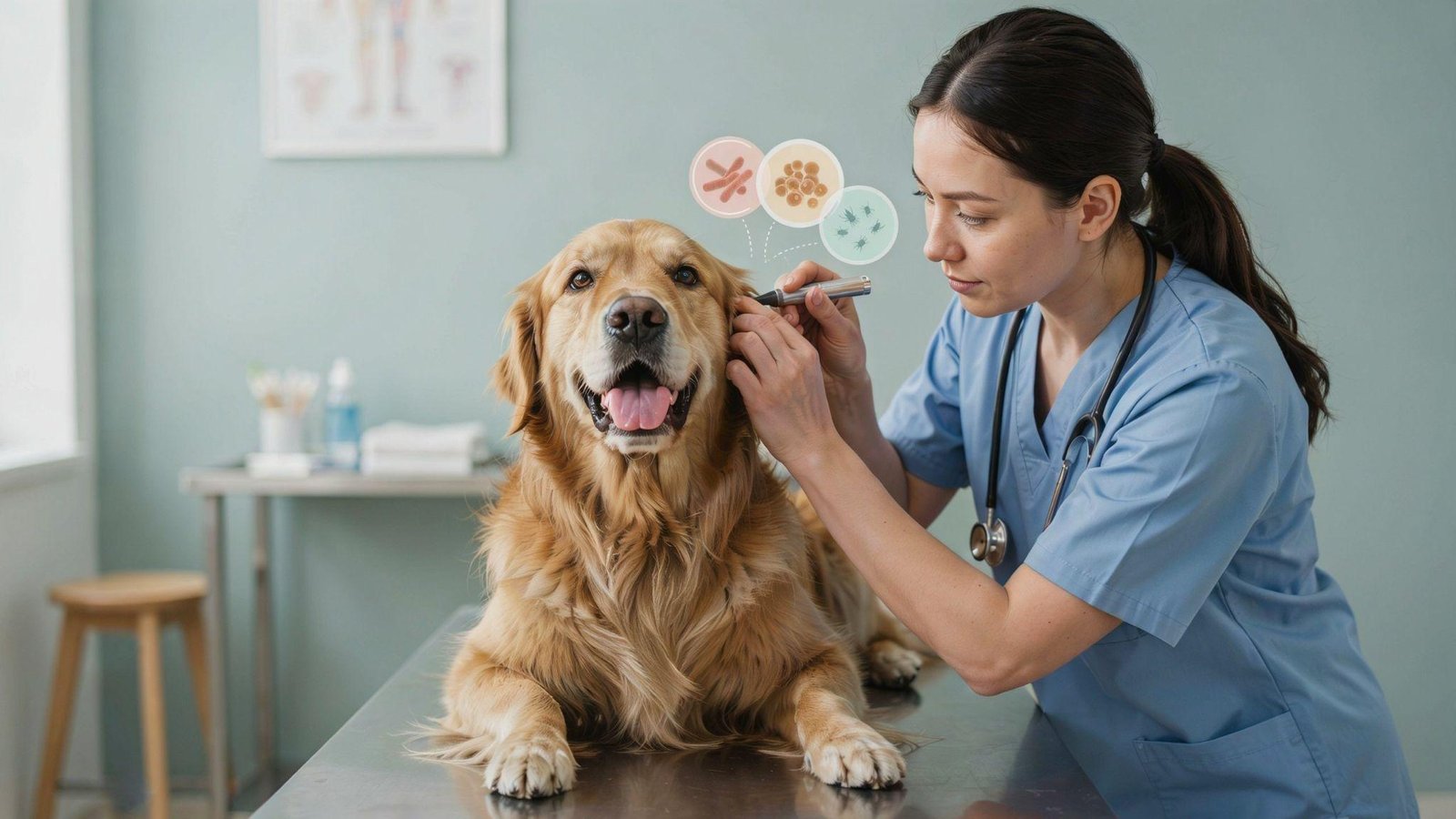
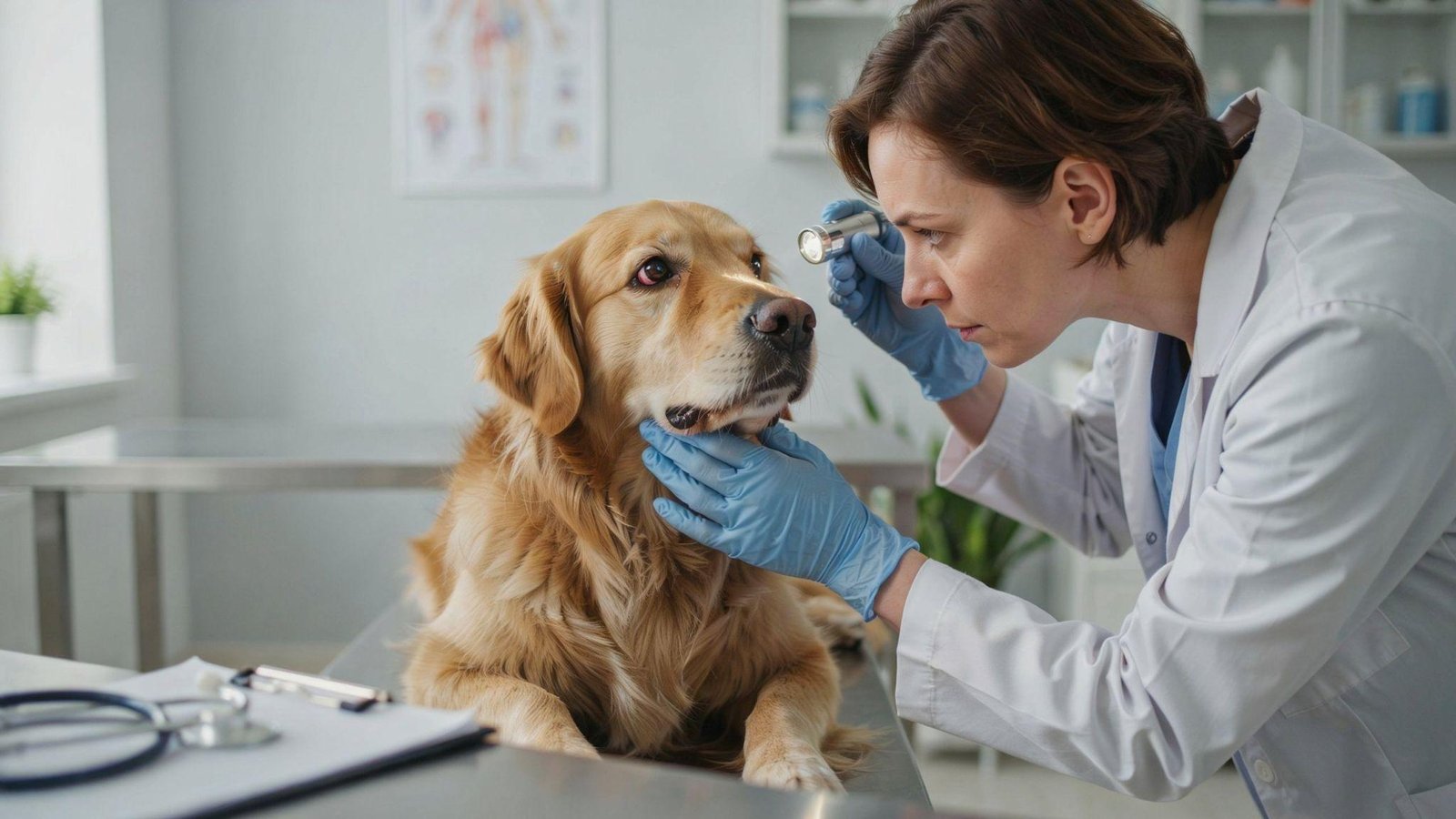
Take your dog to the vet if the licking has gone on for more than a few days with no clear cause. Persistent licking almost always means something needs proper diagnosis.
Go sooner if you notice bleeding, open sores, or significant swelling. A bad smell or discharge from the paws is another red flag, usually pointing to an active yeast or bacterial infection.
Sudden changes in behavior alongside paw licking, like loss of appetite, lethargy, or limping, should never be ignored. When in doubt, always get it checked.
Can Excessive Paw Licking Become Serious?
Yes, it can. What starts as minor irritation can turn into a real problem if left untreated.
Constant moisture from licking breaks down the skin barrier, making it easy for bacteria and yeast to move in.
Chronic inflammation from ongoing licking can cause lasting skin damage that becomes harder to treat over time.
Compulsive licking can also become a behavioral habit. Even after the physical cause is resolved, some dogs continue licking out of routine. Early treatment avoids that cycle entirely.
Conclusion
Watching your dog suffer and not knowing why is genuinely stressful. I've been there, and I know how helpless it feels.
The moment you start paying attention to the signs, things get a lot clearer.
Why is my dog licking his paws isn't always a simple answer, but it's always worth finding out.
Don't wait for it to get worse. Check those paws, track the patterns, and get your vet involved when needed.
Have you figured out what's causing your dog's paw licking? Share your experience in the comments. It might help another dog owner going through the same thing.
Frequently Asked Questions
Why Is My Dog Licking His Paws at Night?
Nighttime licking is often linked to allergies, anxiety, or boredom when the house is quiet and there are fewer distractions. It can also be triggered by irritants picked up during evening walks.
Should I Stop My Dog From Licking His Paws?
Occasional licking is normal grooming behavior and doesn't need intervention. If it's constant, causing redness, or affecting your dog's skin, it's time to step in and find the cause.
Can Food Allergies Cause Paw Licking in Dogs?
Yes, food allergies, especially to certain proteins and grains, commonly cause itchy paws in dogs. Switching to a limited-ingredient diet under vet guidance can help identify and remove the trigger.
What Home Remedies Can Help With Dog Paw Licking?
Regular paw washing after walks, applying a dog-safe moisturizing balm, and reducing exposure to known allergens are all helpful starting points. These steps work best for mild cases while you identify the root cause.
Why Is My Dog Licking Only One Paw?
Licking focused on one paw usually points to a localized issue like a cut, splinter, insect sting, or joint pain in that leg. Check the paw carefully and visit a vet if you can't spot an obvious cause.