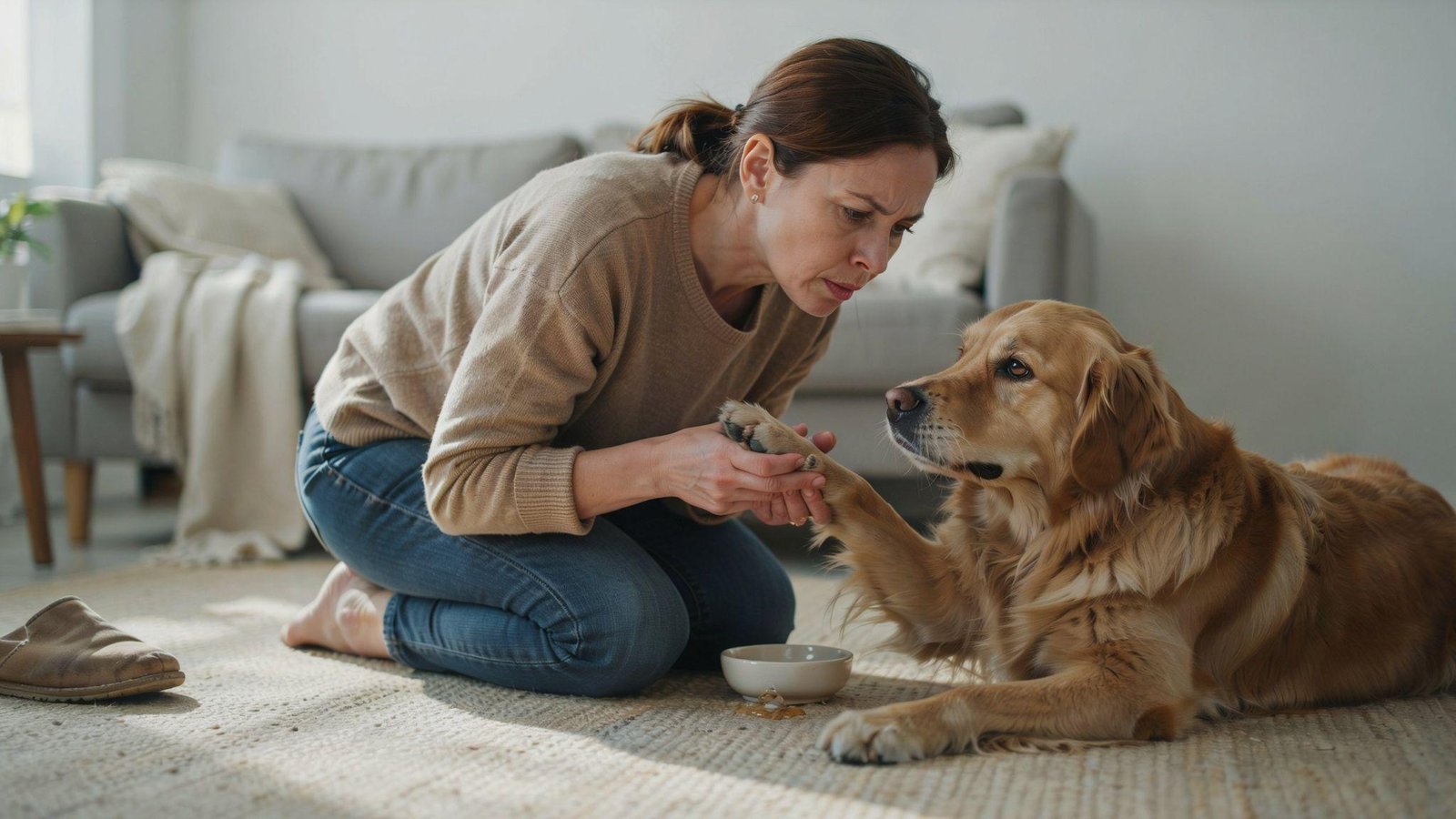

If you have noticed your dog panting heavily for no clear reason, you are not alone. Many dog owners face this and feel unsure about what to do next.
Panting is normal after exercise or on a hot day.
But when it happens at rest, during cool weather, or comes with other symptoms like restlessness or drooling, it is worth paying attention.
This blog covers the most common reasons behind excessive panting, the medical conditions linked to it, and the warning signs you should never ignore.
By the end, you will know exactly when to monitor your dog and when to call the vet.
Why Is My Dog Panting So Much?
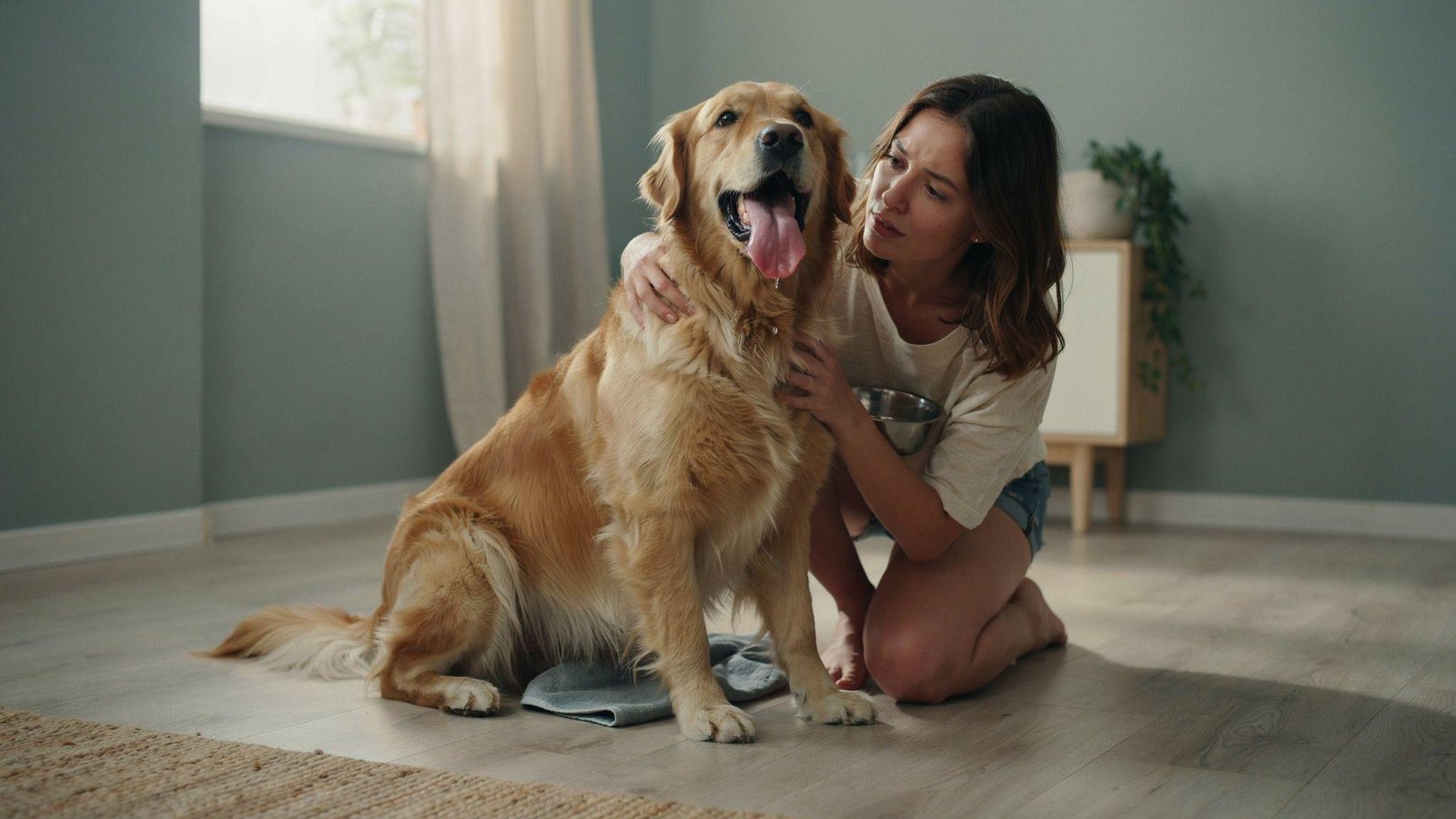
Dogs pant to cool down after exercise or on hot days. This is completely normal. But if your dog is panting heavily without any clear reason, it could be a sign of something more serious.
Watch for panting that happens at rest, during cool weather, or comes with other symptoms like restlessness, drooling, or weakness.
If the panting seems intense and does not stop, it is time to pay attention and consult your vet.
Common Reasons Why Dogs Pant Excessively
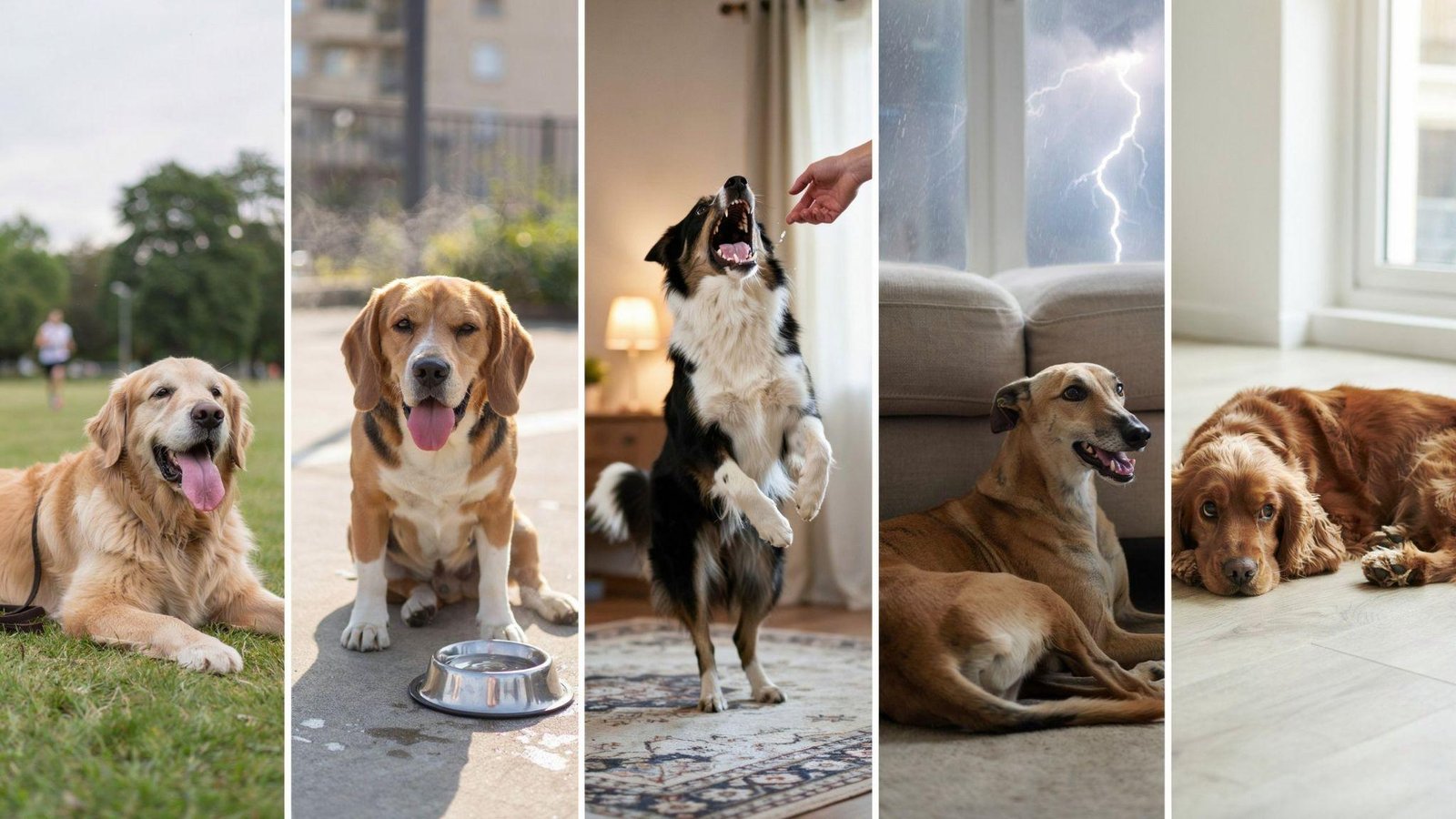
Dogs pant for many reasons, and most of them are completely normal. But some causes need a closer look.
Cooling Down After Exercise
After a run or play session, panting helps bring body temperature back to normal. It usually settles within a few minutes once your dog rests. If it continues longer, something else may be going on.
Hot Weather and Overheating
High temperatures make dogs pant heavily to release body heat. Move them to a cool area and offer fresh water immediately. Overheating can turn serious fast, so act quickly when you notice it.
Excitement and High Energy Levels
Dogs breathe faster when they are excited. Meeting someone new or hearing a fun sound can trigger it. This type of panting is short-lived and stops once your dog calms down.
Stress, Fear, and Anxiety
Loud noises, car rides, or unfamiliar places can cause stress-related panting. It often comes with restlessness or tucked tail. Identifying the trigger helps you manage your dog's anxiety more effectively.
Pain or Physical Discomfort
A dog in pain may pant even without physical activity. It is their way of responding to internal discomfort or injury. If no other cause is clear, a vet check is the right step.
Medical Conditions That Can Cause Excessive Panting
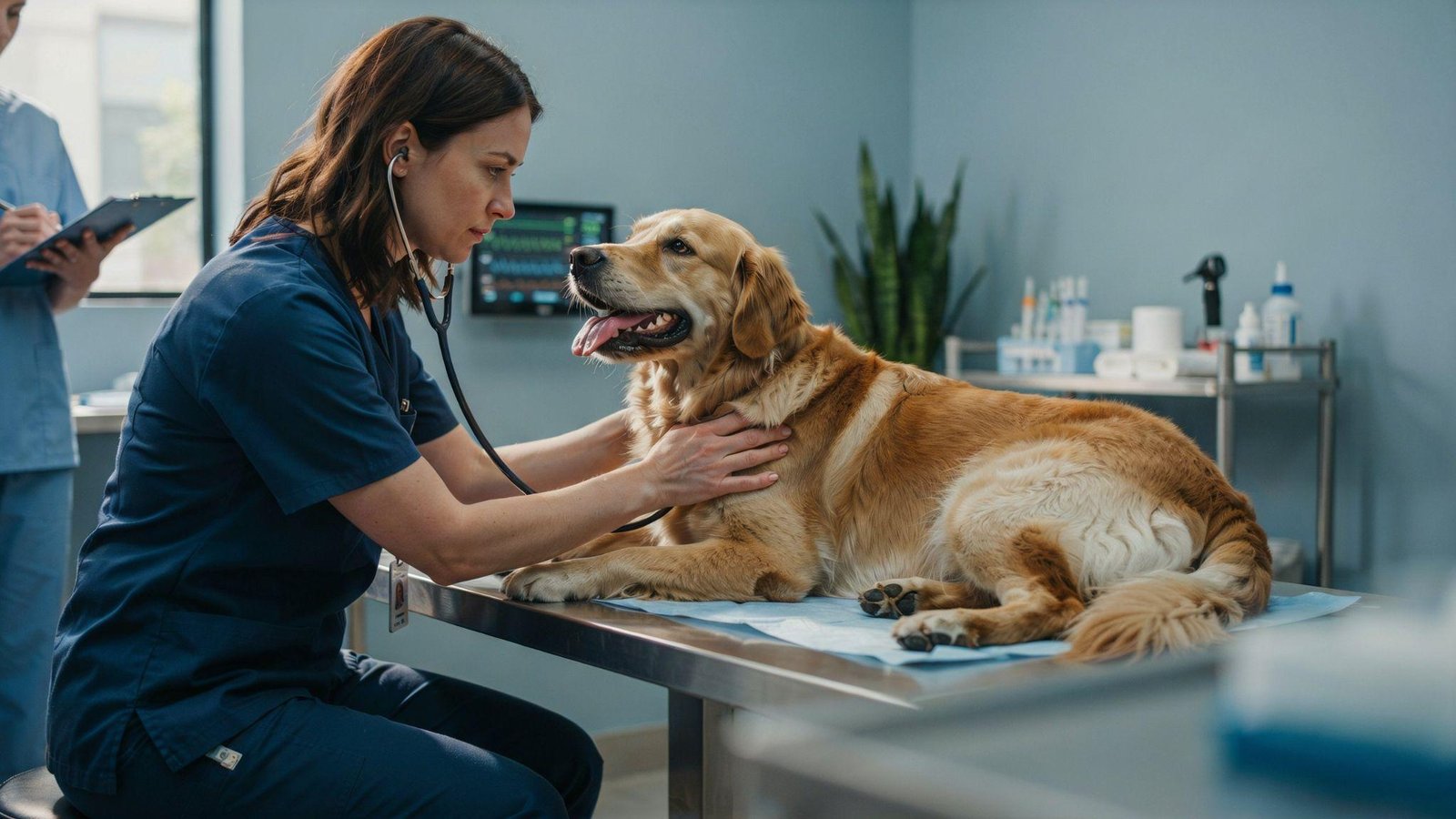
Sometimes panting points to a health issue that needs medical attention. Knowing the possible conditions helps you act faster.
Respiratory Diseases and Breathing Problems
Breathing problems make it harder for dogs to get enough oxygen, which leads to heavy panting. Several conditions fall under this category.
- Asthma: Dogs with asthma struggle to breathe normally. Panting is a common sign, often paired with wheezing or coughing. A vet can confirm the diagnosis and suggest the right treatment plan.
- Kennel Cough: Kennel cough is a contagious respiratory infection. It causes a harsh cough and can lead to labored breathing. Dogs in group settings like boarding facilities are more likely to pick it up.
- Pneumonia: Pneumonia causes inflammation in the lungs, making breathing difficult. Affected dogs often pant heavily and may show fever, loss of appetite, or lethargy. It requires prompt veterinary treatment.
- Airway Obstructions: A blocked airway causes immediate and intense panting. Your dog may gag, cough, or struggle to breathe. This is a medical emergency and needs instant attention.
Heart Disease and Heart Failure
When the heart is not working properly, the body gets less oxygen. Dogs compensate by breathing faster and panting more. Other signs include fatigue, coughing, and reduced activity levels.
Cushing's Disease
Cushing's disease causes the body to produce too much cortisol. One of the most noticeable signs is heavy panting, especially at night. It is more common in middle-aged and older dogs.
Heatstroke
Heatstroke happens when a dog's body temperature rises to a dangerous level. Heavy panting is the first and most obvious sign. Without quick cooling and vet care, it can become life-threatening.
Anemia
Anemia means the body has fewer red blood cells to carry oxygen. To make up for it, dogs breathe faster and pant more. Pale gums and low energy are other signs to watch for.
Lung Conditions and Tumors
Lung disease or tumors put pressure on the airways and reduce breathing capacity. This leads to ongoing panting that does not match the dog's activity level. A vet will need imaging to assess the condition.
Parasites and Infections
Heartworms and other parasites can damage the lungs and heart over time. This leads to breathing difficulties and excessive panting. Regular parasite prevention is one of the best ways to avoid this.
Canine Cognitive Dysfunction (Dog Dementia)
Older dogs with cognitive dysfunction often feel confused and restless, especially at night. This mental distress shows up as panting, pacing, and disrupted sleep. It is similar to dementia in humans and needs vet guidance.
Why Is My Dog Panting So Much at Night?
Nighttime panting in dogs is more common than most people think. It can stem from anxiety, restlessness, or physical discomfort like arthritis, especially in older dogs.
Senior dogs may also experience sleep disruptions that trigger heavy breathing at night. In some cases, an underlying health condition is responsible.
If your dog pants regularly at night without any obvious reason, do not ignore it.
Consistent nighttime panting paired with other symptoms like pacing or whining is a clear sign to book a vet appointment soon.
Why Is My Dog Panting While Resting?
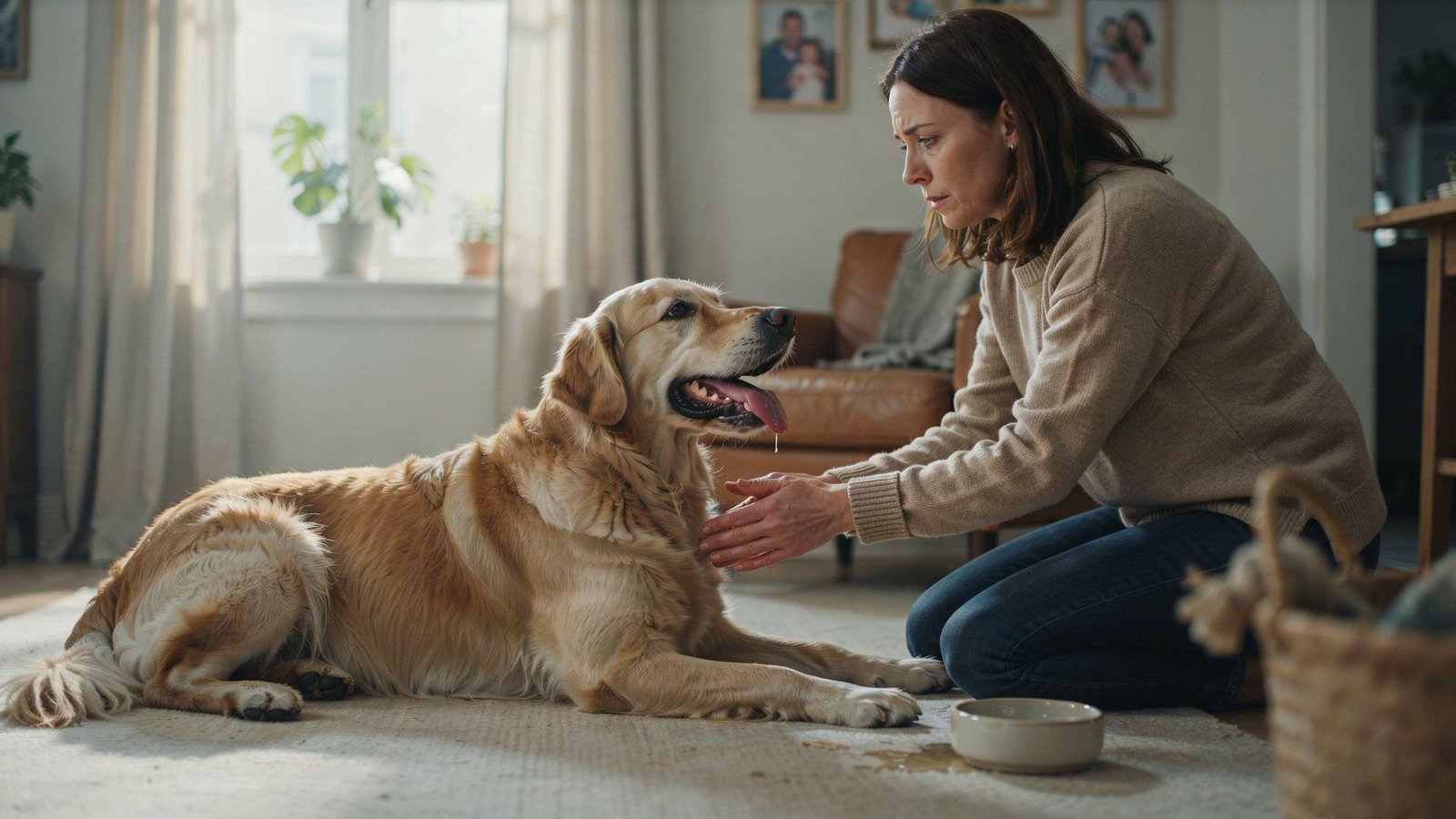
Panting while resting is not something to brush off. A dog that breathes heavily without any exercise or heat exposure may be dealing with pain, anxiety, or a medical condition.
Respiratory distress is another possibility, and it often comes with noisy breathing or visible effort to inhale.
Conditions like heart disease, anemia, or hormonal imbalances can all cause panting at rest.
If your dog seems calm but is breathing fast and heavy, that combination alone is reason enough to get a vet involved.
Dog Panting Warning Signs You Should Never Ignore
- Heavy panting during sleep or open-mouth breathing at rest is not normal. These are early signs that something may be physically wrong with your dog.
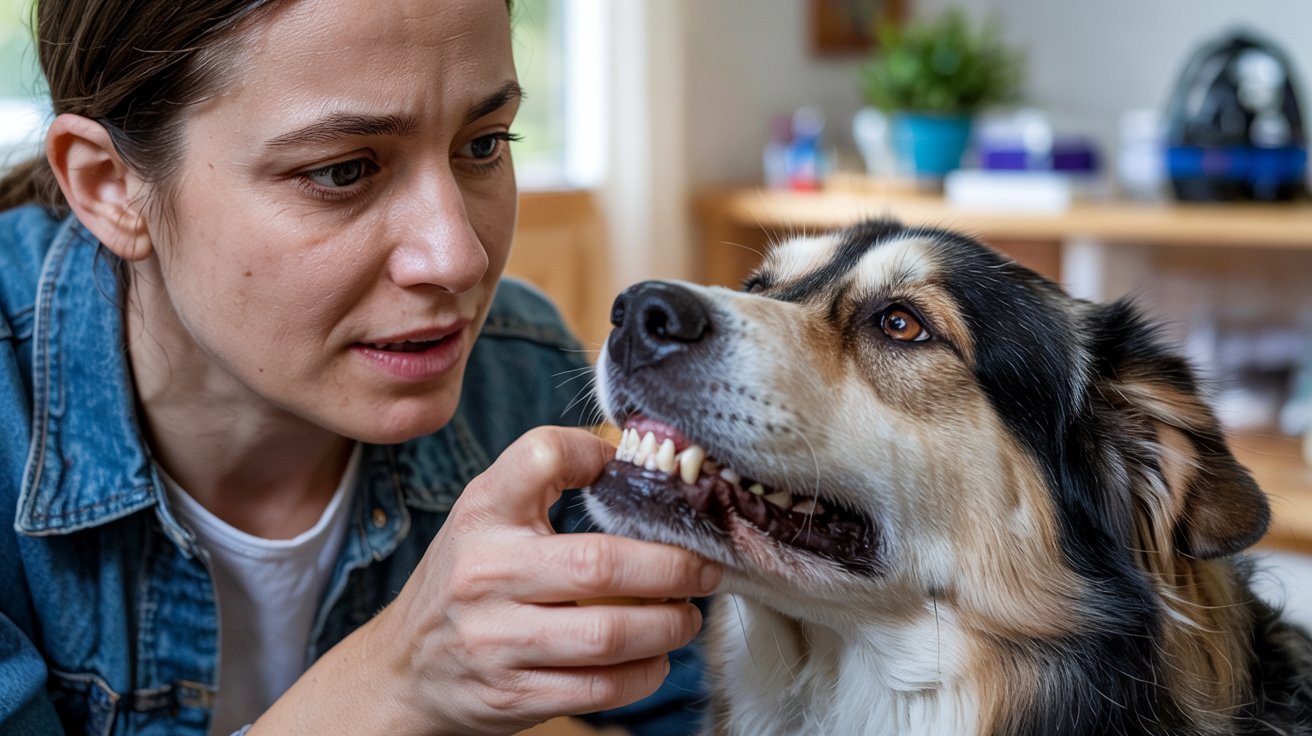
- Blue, purple, or pale gums mean your dog is not getting enough oxygen. This is a medical emergency and needs immediate vet attention.
- Excessive drooling alongside panting can point to nausea, overheating, or serious internal distress. Do not wait to see if it passes on its own.
- A dog that refuses to eat, drink, or move while panting is clearly struggling. This level of discomfort needs same-day veterinary care.
- Labored breathing or belly breathing means your dog is working hard just to breathe. This is one of the most serious warning signs and requires urgent medical help.
How to Tell if Your Dog Is Panting Too Much
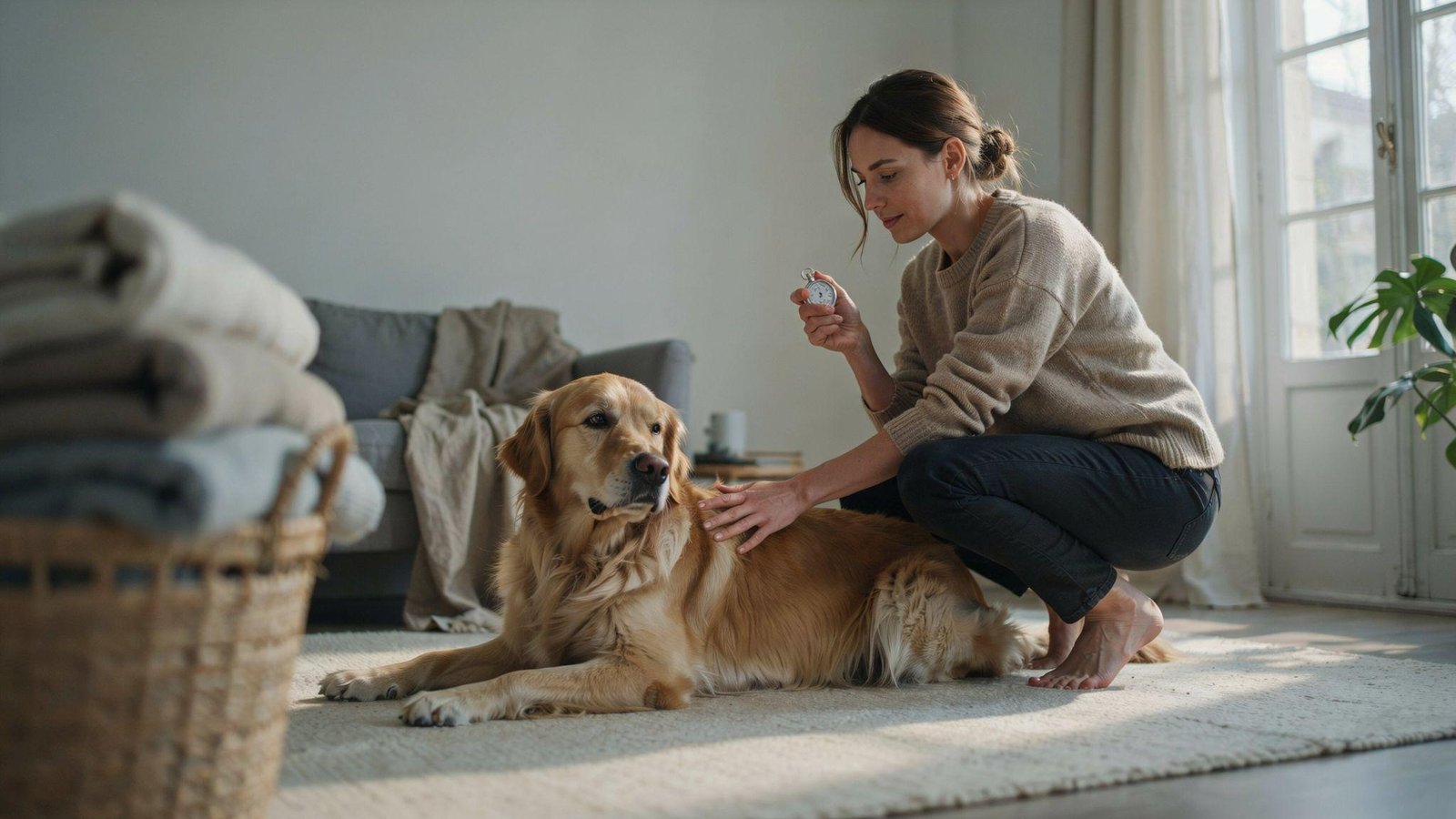
A healthy dog takes between 15 and 30 breaths per minute at rest. To count your dog's breaths, watch the rise and fall of their chest for one full minute.
Anything above 30 breaths per minute during rest is worth monitoring closely. If the fast breathing continues for more than a few minutes without a clear cause, it is time to act.
Do not wait for things to get worse before calling your vet.
Tips to Prevent Excessive Panting in Dogs
- Never leave your dog in a hot car or direct sunlight for too long. Always provide shade, fresh water, and a cool resting spot during warm weather.
- Overweight dogs pant more because their bodies work harder to function. Keeping your dog at a healthy weight reduces unnecessary strain on their heart and lungs.
- Regular physical activity keeps your dog fit and supports better breathing over time. Avoid intense exercise during peak heat hours to prevent overheating.
- Identify what stresses your dog and work to reduce those triggers at home. Calm environments, consistent routines, and gradual exposure can help manage anxiety-related panting.
- Routine vet checkups help catch health issues before they become serious problems. Early detection of conditions like heart disease or hormonal imbalances can make a big difference.
Conclusion
Panting is your dog's way of telling you something. Most of the time it is nothing serious, but it is always worth paying attention.
After years of working with dog owners, the one thing I have seen matter most is acting early. Do not wait until symptoms pile up.
If your dog's panting feels off, trust that instinct and call your vet. Your dog cannot speak, but you can listen.
Book a vet appointment today and give your dog the care they deserve.
Frequently Asked Questions
Why is my dog panting so much for no reason?
Panting without a clear cause can point to pain, anxiety, or an underlying health condition. If it happens regularly, a vet visit is the right step.
Can stress cause excessive panting in dogs?
Yes, stress and anxiety are common triggers for heavy panting in dogs. Loud noises, new environments, and changes in routine can all set it off.
When should I take my dog to the vet for panting?
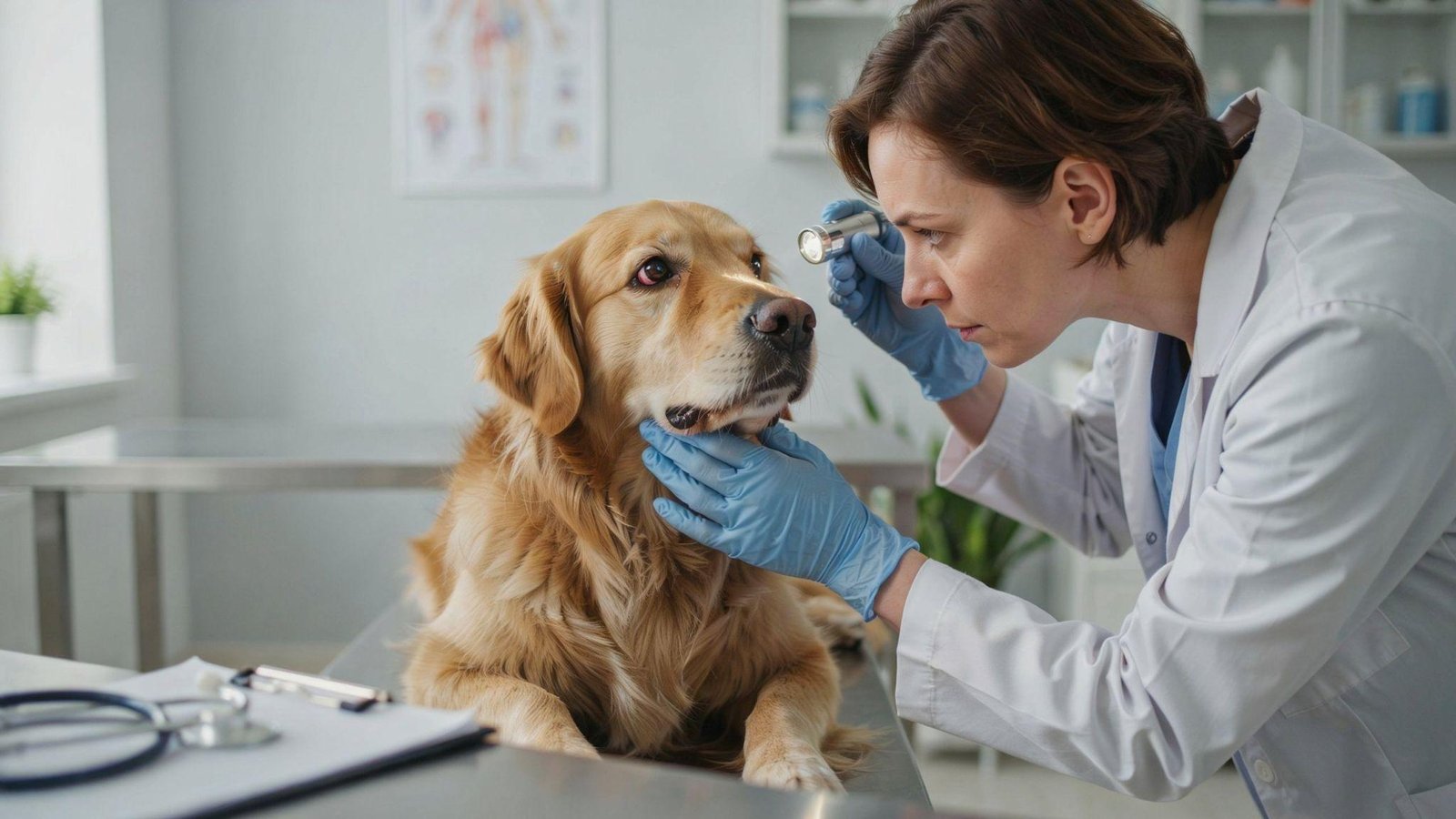
If your dog is panting at rest, during cool weather, or alongside symptoms like pale gums or refusal to eat, contact your vet right away.
Is it normal for older dogs to pant more than younger ones?
Senior dogs tend to pant more due to age-related conditions like arthritis, cognitive dysfunction, or heart issues. It is always worth getting it checked by a vet.
How do I know if my dog is overheating?
Heavy panting in hot weather, combined with drooling, weakness, or glazed eyes, are signs of overheating. Move your dog to a cool area and offer water immediately.