

Why is my dog's ear swollen? It is one of the scariest things to notice, especially when your pup keeps scratching or shaking their head.
I have been there too. That moment of panic when you realize something is clearly wrong but you are not sure what.
This article covers everything you need to know. From ear infections and hematomas to allergies and mites.
I will walk you through the main causes and what you can do about each one. You will also know exactly when to call your vet.
With years of researching pet health, I want to make sure you leave here with real answers.
What Does It Mean When Your Dog's Ear Is Swollen? (Inside and Outside Explained)
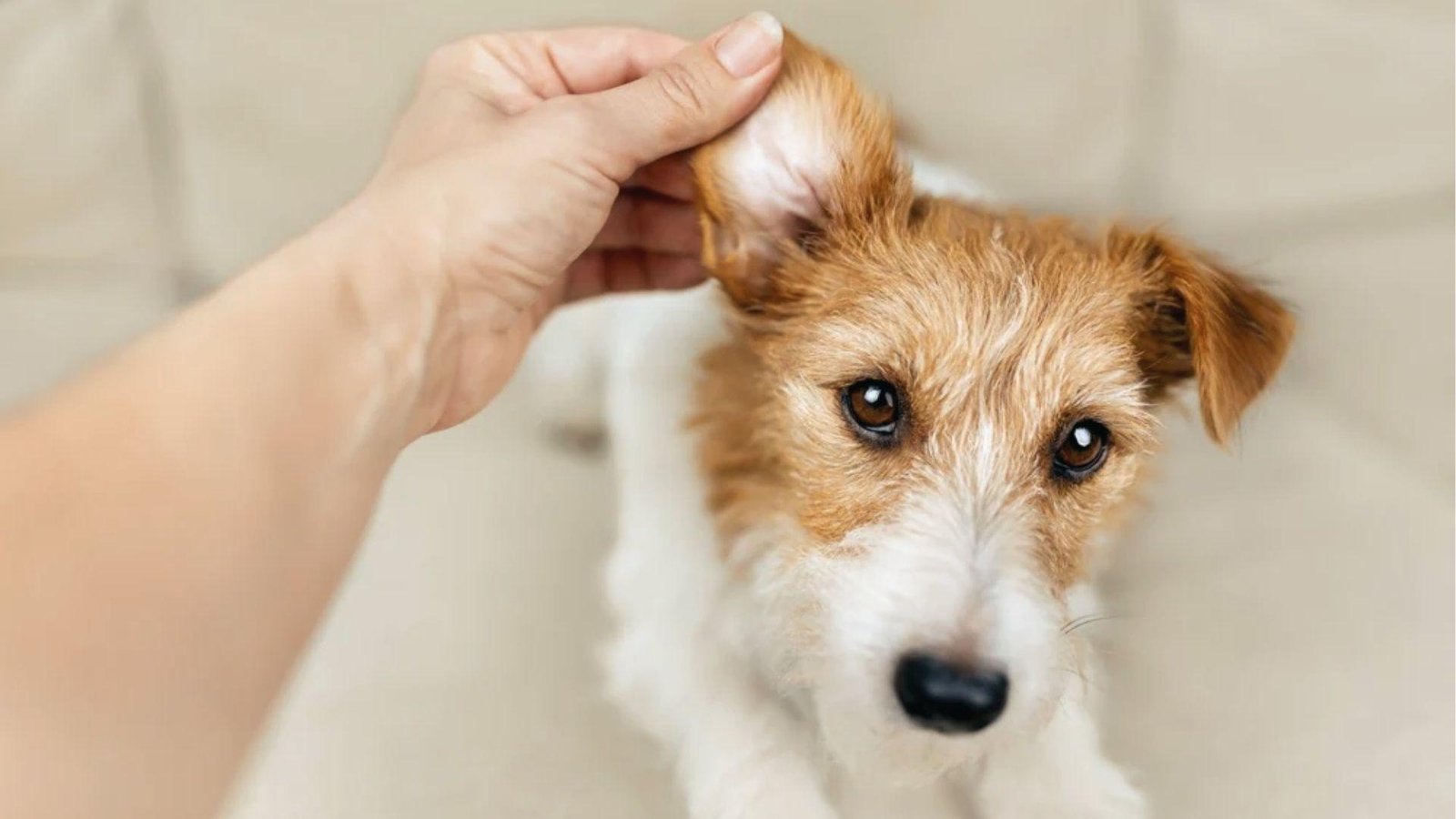
Ear swelling in dogs can show up in different ways, and knowing which part is affected helps you act faster.
The ear flap, also called the pinna, is the soft outer part you can see and touch. When it fills with fluid and looks puffy, that is usually a hematoma.
Swelling inside the ear canal is harder to spot directly, but your dog will show signs through head tilting, scratching, or rubbing their ear on the floor.
Ear swelling is rarely harmless. It often signals an infection, injury, or allergic reaction. Left untreated, even a mild case can spread deeper or cause lasting hearing damage.
Dogs cannot tell you their ear hurts, so watch for frequent head shaking, pawing at the ear, a bad smell, or changes in behavior like being unusually quiet or irritable.
Why Is My Dog's Ear Swollen Inside? Main Medical Causes
The inside of a dog's ear is warm and moist, making it easy for problems to build up without being noticed right away.
Ear Infections Deep Inside the Ear Canal (Bacterial and Yeast)
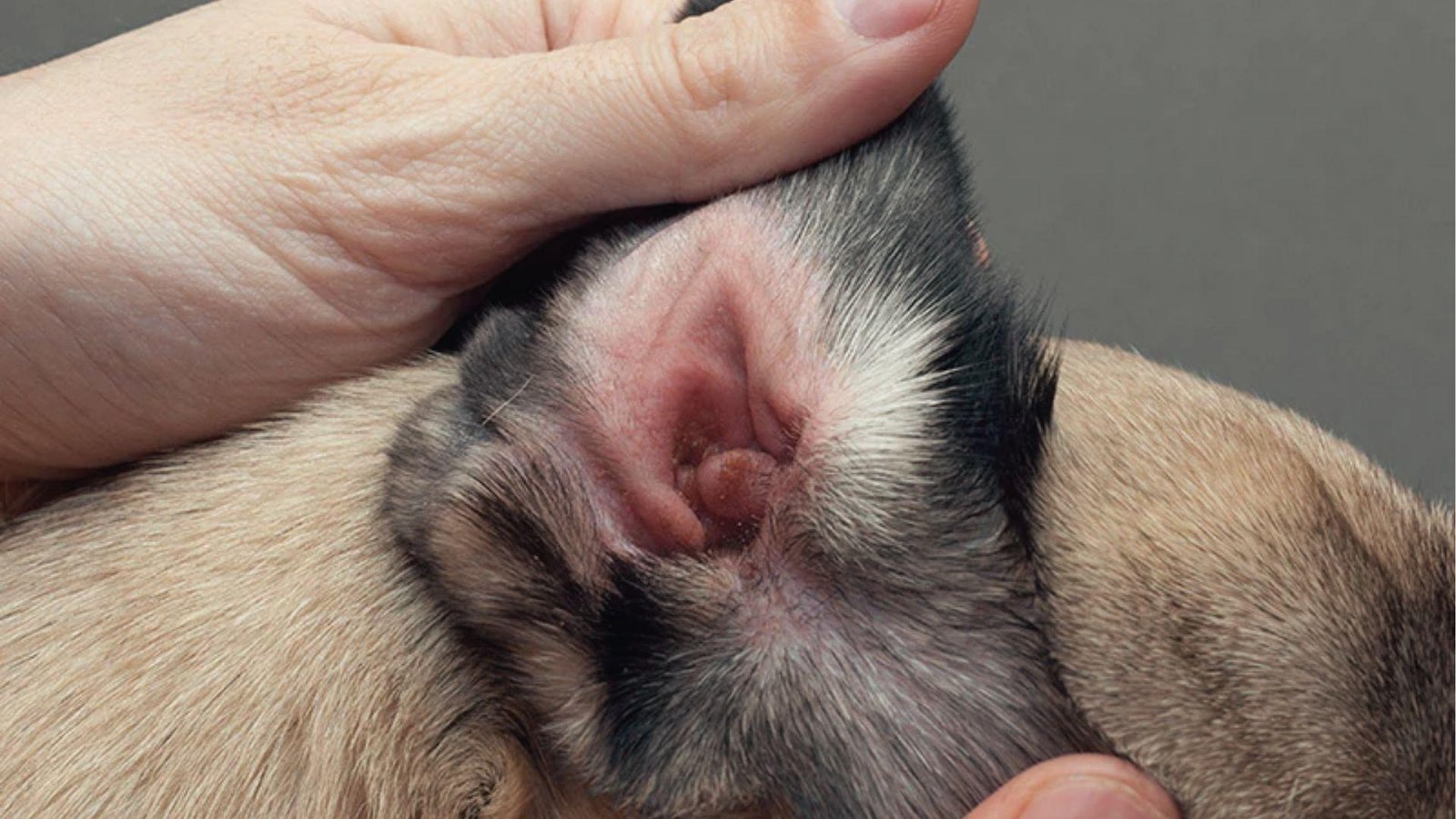
Bacterial and yeast infections are among the top reasons for internal ear swelling. Yeast thrives in warm, dark spaces.
Bacteria can enter through small cuts or from dirty water. Both types cause inflammation, pain, and swelling that gets worse if not treated quickly.
Trapped Moisture and Poor Ear Ventilation
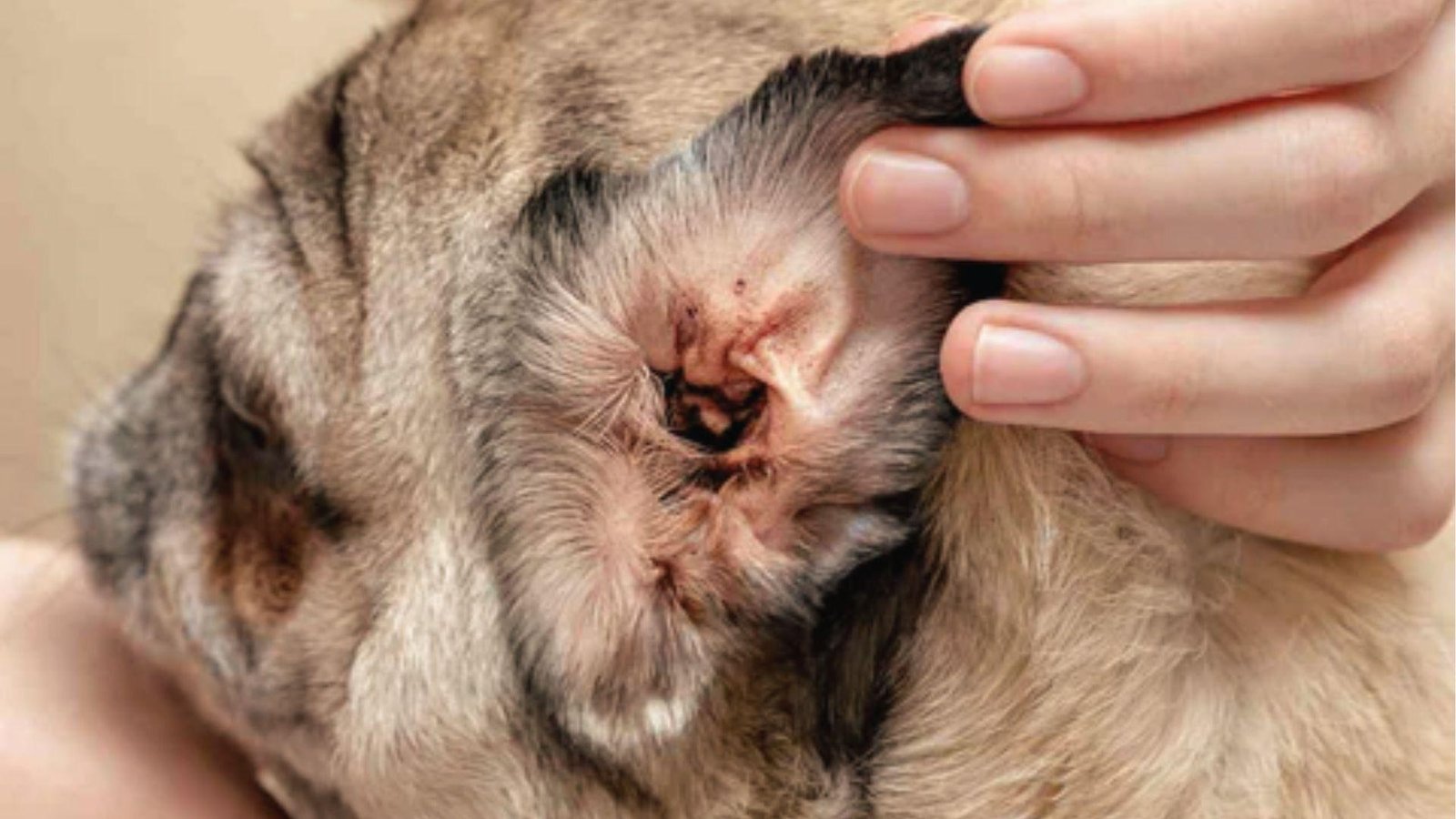
Dogs with floppy ears or thick fur around the ear opening often trap moisture inside.
That moisture creates a perfect environment for bacteria and yeast to grow. Regular ear drying after baths or swimming can help a lot.
Ear Mites and Parasitic Irritation Inside the Ear
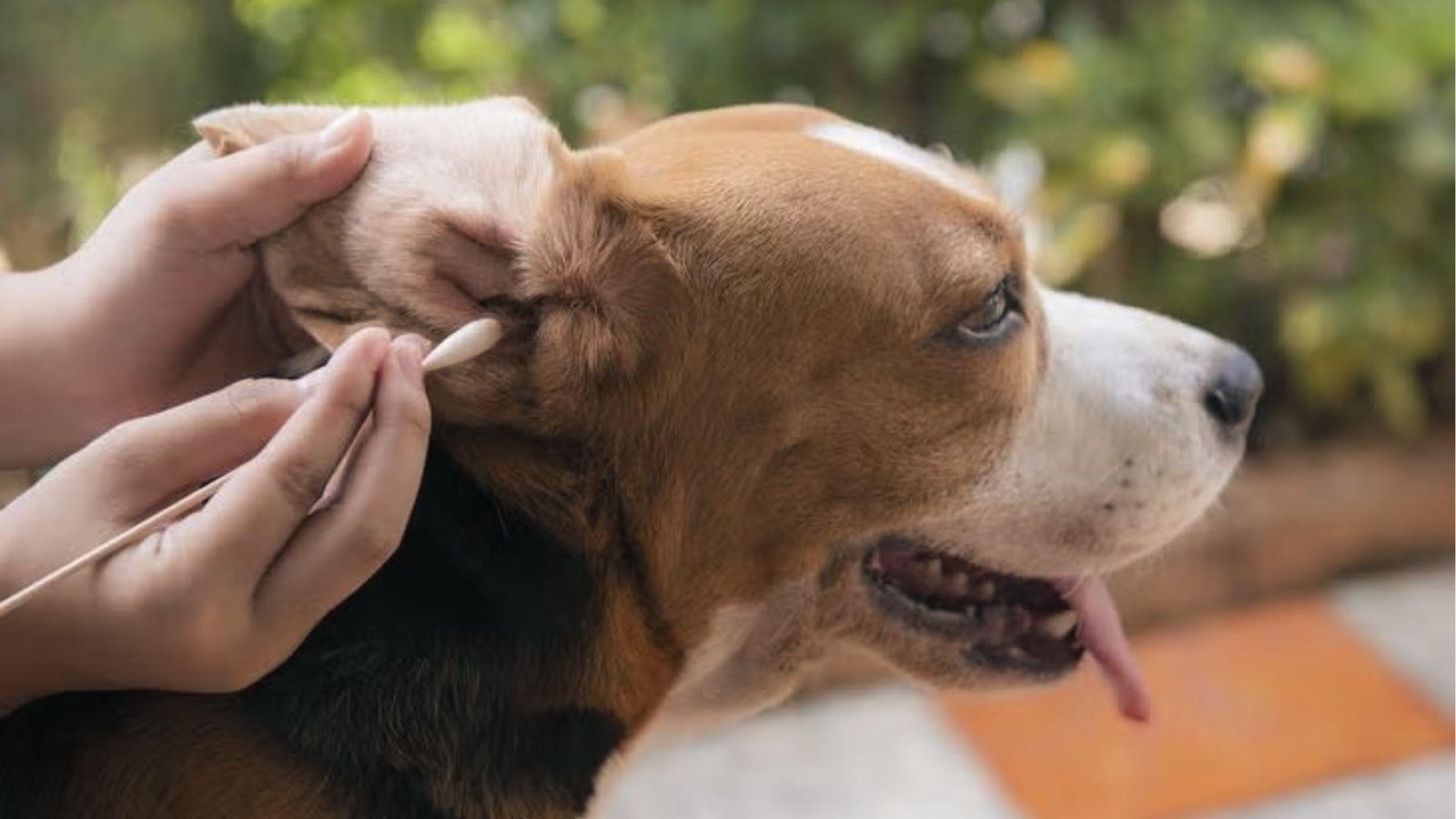
Ear mites are tiny parasites that live inside the ear canal. They cause intense itching and dark, crusty discharge.
The constant scratching they trigger can lead to swelling, open sores, and secondary infections.
Wax Buildup and Blocked Ear Canals
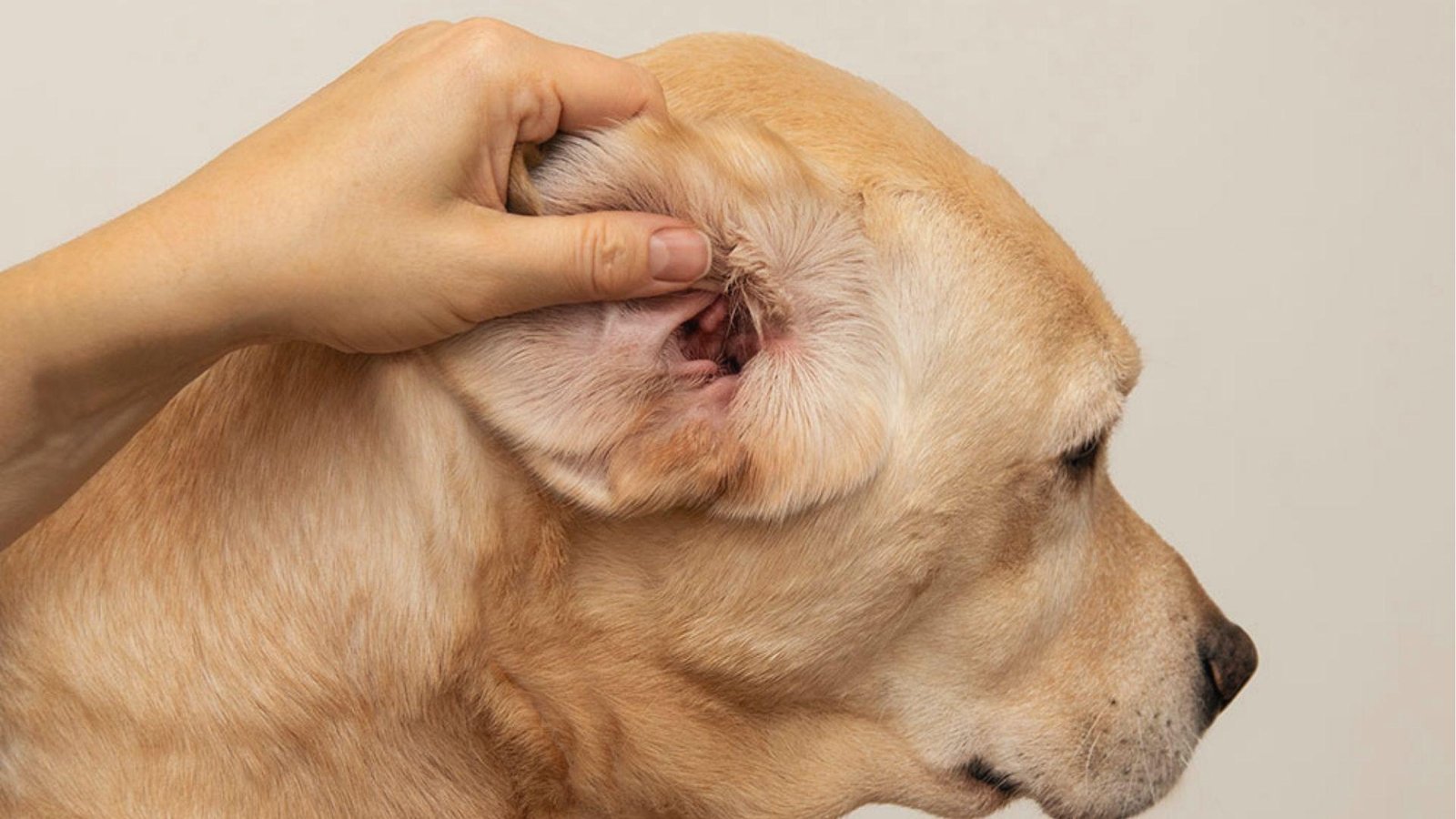
Too much wax can block the ear canal and trap bacteria inside. Some dogs naturally produce more wax than others.
Without regular cleaning, that buildup becomes a breeding ground for infection and swelling.
Ear Infection: The Most Common Reason for Swollen Dog Ears
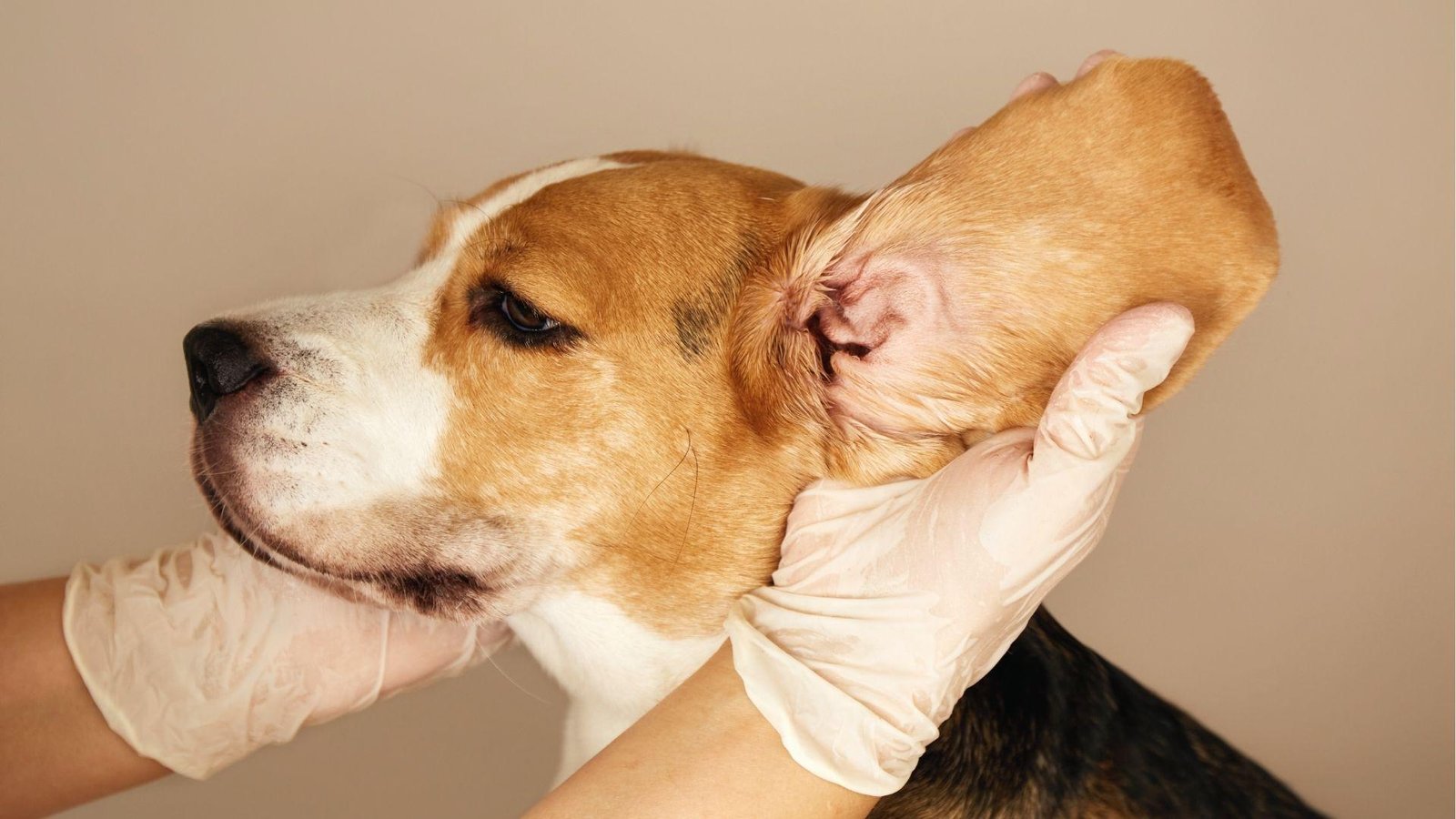
Ear infections are responsible for a large number of dog ear problems, and they can go from mild to serious very quickly.
Symptoms: Redness, Odor, Discharge, Pain
The signs are hard to miss once you know what to look for. The inside of the ear may look red or inflamed.
There is often a strong smell, sometimes yeasty or foul. You might notice brown or yellowish discharge. Your dog may pull away or whimper when you touch the ear.
Why Infections Often Start Inside the Ear
The inner ear canal is shaped like an L in dogs, which means water, debris, and bacteria can easily get trapped at the bottom.
That is why infections often develop deep inside before any external signs appear.
Dogs Most at Risk (Floppy Ears, Swimmers, Allergies)
Breeds with long, floppy ears like Basset Hounds, Cocker Spaniels, and Golden Retrievers are more prone to ear infections.
Dogs that swim often or have food and environmental allergies are also at higher risk.
Ear Hematoma in Dogs (Swollen Fluid-Filled Ear Flap)
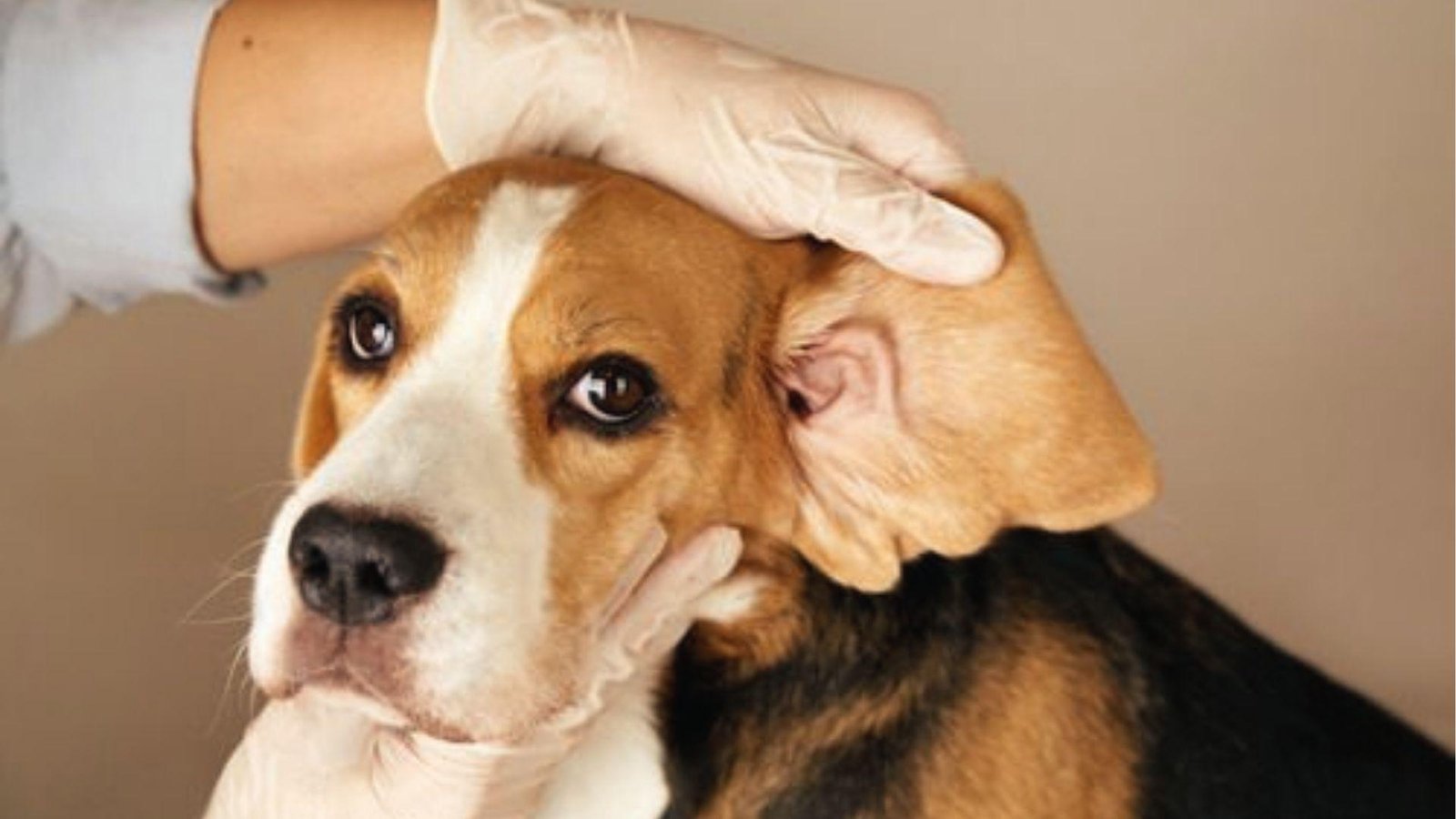
An ear hematoma is one of the more visible and urgent conditions that causes a swollen dog ear flap.
What an Ear Hematoma Looks Like
A hematoma looks like a soft, fluid-filled pocket on the ear flap. It can range from a small lump to covering the entire flap.
It feels squishy to the touch and may be warm. It is not painful in the early stages, but it becomes uncomfortable as it grows.
How Head Shaking and Scratching Cause It
When a dog shakes their head or scratches their ear repeatedly, tiny blood vessels inside the ear flap can rupture.
Blood then pools between the layers of tissue, forming the hematoma. This is why treating the root cause, like an infection or mites, is so important.
Link Between Ear Infections and Hematomas
Most hematomas do not appear randomly. They are often a side effect of an untreated ear infection.
The dog scratches because the ear itches or hurts, and that physical force causes the blood vessel to break. Addressing the infection first can prevent hematomas from forming again.
Allergies, Insect Bites, and External Causes of Ear Swelling
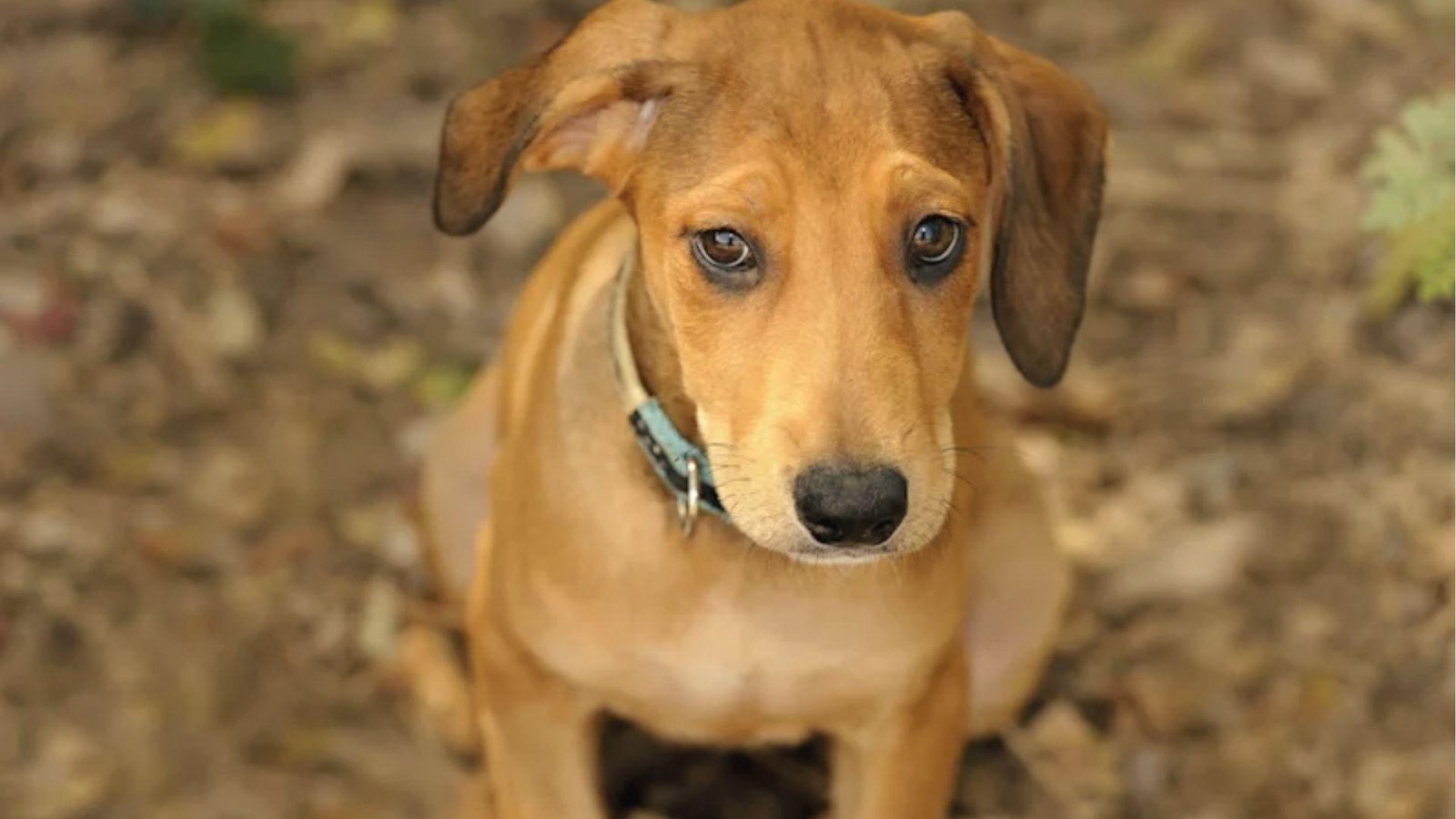
Not all ear swelling comes from inside the ear. Outside triggers can cause just as much inflammation and discomfort.
Food and Environmental Allergies Causing Chronic Inflammation
Allergies are a major but often overlooked cause of ear swelling in dogs.
When a dog reacts to food ingredients or environmental allergens like pollen or dust mites, the ears are often among the first places to show inflammation.
Chronic ear issues with no clear infection cause are often allergy-related.
Insect Bites, Stings, and Sudden Swelling
A bee sting or insect bite on the ear can cause sudden, noticeable swelling.
It usually appears within minutes and may cause your dog to paw at their ear or act distressed.
Most mild bites resolve on their own, but some dogs have more severe reactions.
How to Treat a Swollen Dog Ear (Inside and Outside Causes)
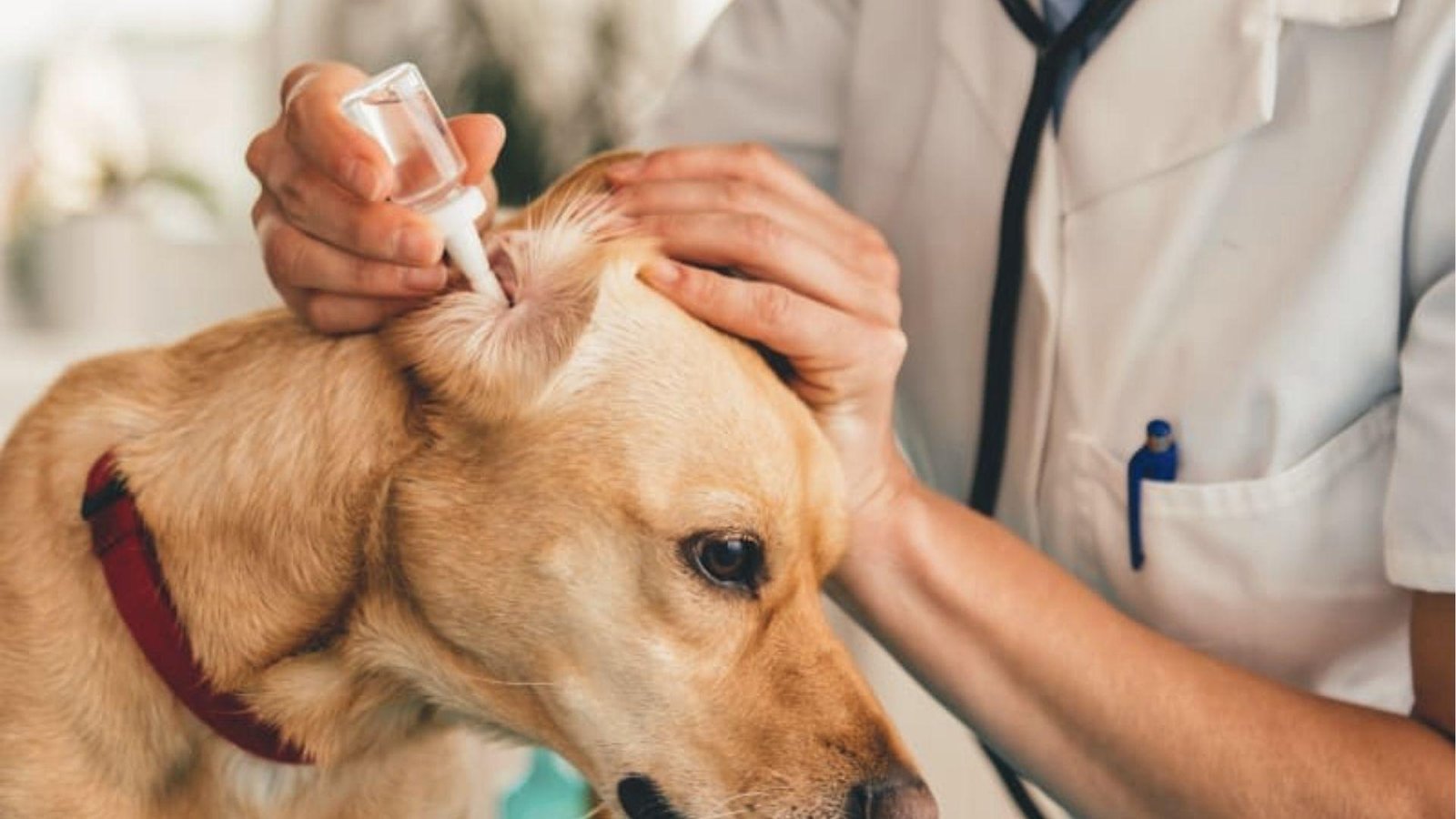
Treatment depends on the cause, but acting quickly always leads to better results and less pain for your dog.
Antibiotics and Antifungal Medications for Infections
Your vet will prescribe the right medication based on whether the infection is bacterial or fungal.
Bacterial infections need antibiotic ear drops or oral antibiotics. Yeast infections require antifungal treatment.
Using the wrong type will not work and may make things worse.
Anti-Inflammatory Treatment and Pain Relief
Steroids or anti-inflammatory medications help reduce swelling and ease pain quickly.
They are often included in prescription ear drops or given separately depending on how severe the condition is.
Ear Cleaning and Parasite Treatment
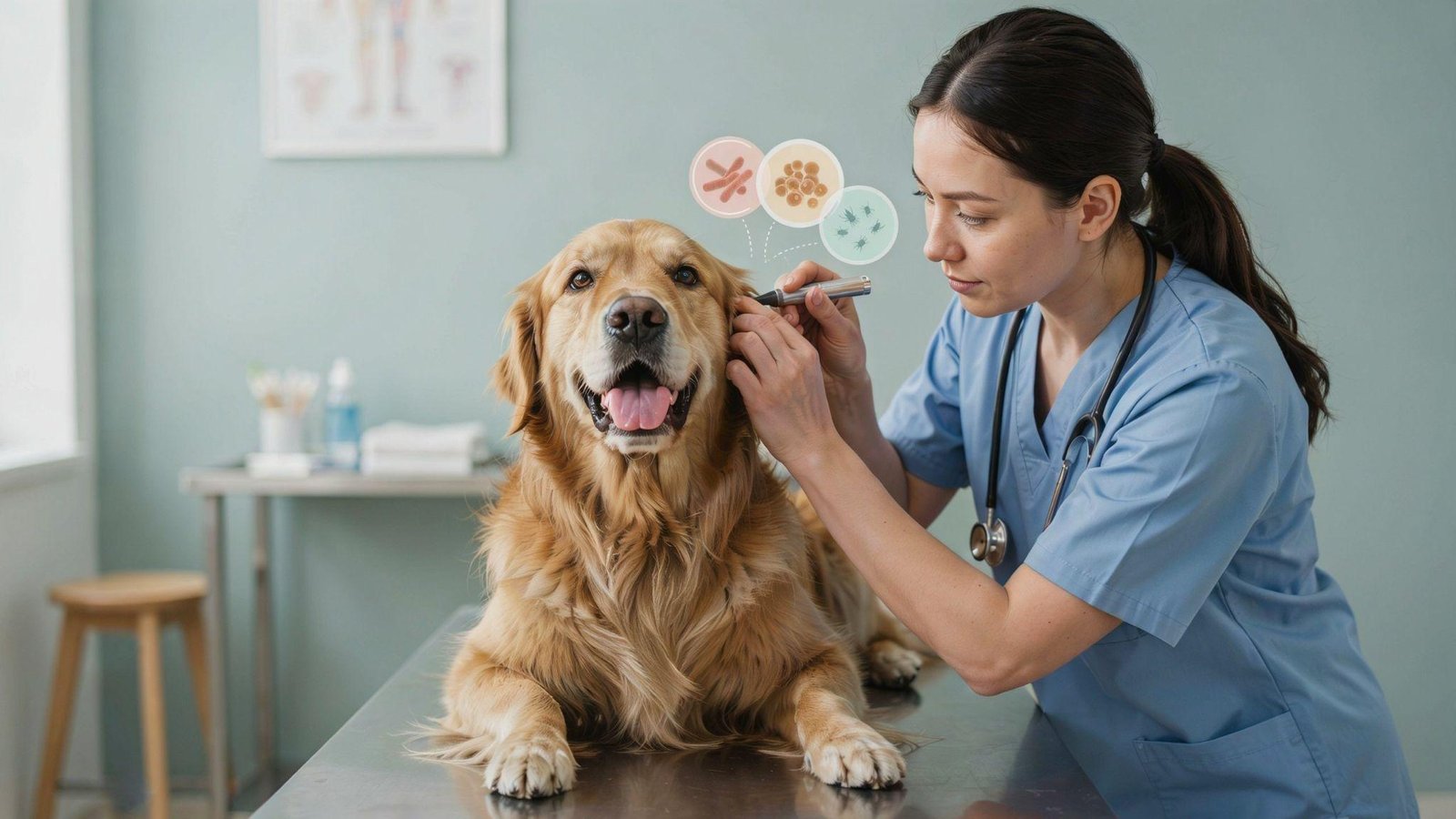
If mites are the problem, your vet will recommend a parasite treatment that kills the mites and soothes the irritation.
Regular at-home ear cleaning with vet-approved solutions also helps prevent future problems. Never use cotton swabs deep in the ear canal.
Quick Tips to Prevent Swollen Dog Ears
Small habits can go a long way in keeping your dog's ears healthy and infection-free.
- Clean your dog's ears regularly with a vet-approved ear cleaner, but avoid overdoing it as this can cause irritation.
- Dry your dog's ears thoroughly after swimming or bathing since trapped moisture is one of the leading causes of infection.
- Check your dog's ears weekly for any redness, smell, or discharge so you can catch problems before they get worse.
- Keep the hair around your dog's ears trimmed, especially for floppy-eared breeds, to allow better air circulation.
- Visit your vet at the first sign of scratching, head shaking, or odor rather than waiting to see if it goes away on its own.
Conclusion
I know how stressful it is to see your dog uncomfortable and not know why.
When my dog had a swollen ear, I waited a day too long, and it turned into something that needed more treatment than it should have. Do not make that mistake.
If your dog's ear is swollen, get it checked. The sooner you act, the faster they heal. Drop a comment below if you have questions, or share this with another dog parent who might need it.
Frequently Asked Questions
Can a dog's swollen ear go away on its own?
Some very mild swelling from a small bite may reduce on its own. However, most causes like infections or hematomas will not resolve without treatment and can get worse over time.
How do I know if my dog's ear is infected or just irritated?
An infected ear usually has a noticeable smell, visible redness, or discharge. Simple irritation tends to be milder with no odor. If you are unsure, a vet check is the safest step.
Is a swollen ear flap in dogs painful?
Yes, in most cases it is. Hematomas and infected ears are uncomfortable, and your dog may show this through whimpering, restlessness, or avoiding having the area touched.
What causes repeated ear swelling in dogs?
Recurring swelling often points to an underlying issue like allergies, excess wax production, or poor ear ventilation. A vet can help identify the root cause and suggest a long-term management plan.
Can I clean my dog's swollen ear at home?
You can gently wipe the outer part of the ear with a vet-approved cleaner. Avoid inserting anything into the canal, especially if there is swelling or discharge. Home cleaning should come after a vet confirms there is no injury or infection inside.